A timelapse view from our @SpaceX Dragon of the spectacular southern aurora seen in yesterday’s post, a result of a recent solar event. As opposed to the previous aurora I’ve seen, this one danced and snaked its way directly below us, putting on quite a show. I am in awe of this ethereal and emotionally evocative phenomenon.
The explosion is over, but the consequences continue.
About twelve thousand years ago, a relatively normal star in the constellation Vela suddenly exploded, creating a strange point of light briefly visible to humans living near the beginning of recorded history.
The outer layers of the star crashed into the interstellar medium, driving a shock wave that is still visible today.
The featured image, taken piecemeal over 60 hours from the Khomas Region of Namibia, captures some of that filamentary and gigantic shock in visible light, with details highlighted by hydrogen (red) and oxygen (blue) emissions.
As gas flies away from the detonated star, it decays and reacts with the interstellar medium, producing light in many different colors and energy bands.
Remaining at the center of the Vela Supernova Remnant is a pulsar, a star as dense as nuclear matter that spins around more than ten times in a single second.
Image Credit & Copyright: José Mtanous
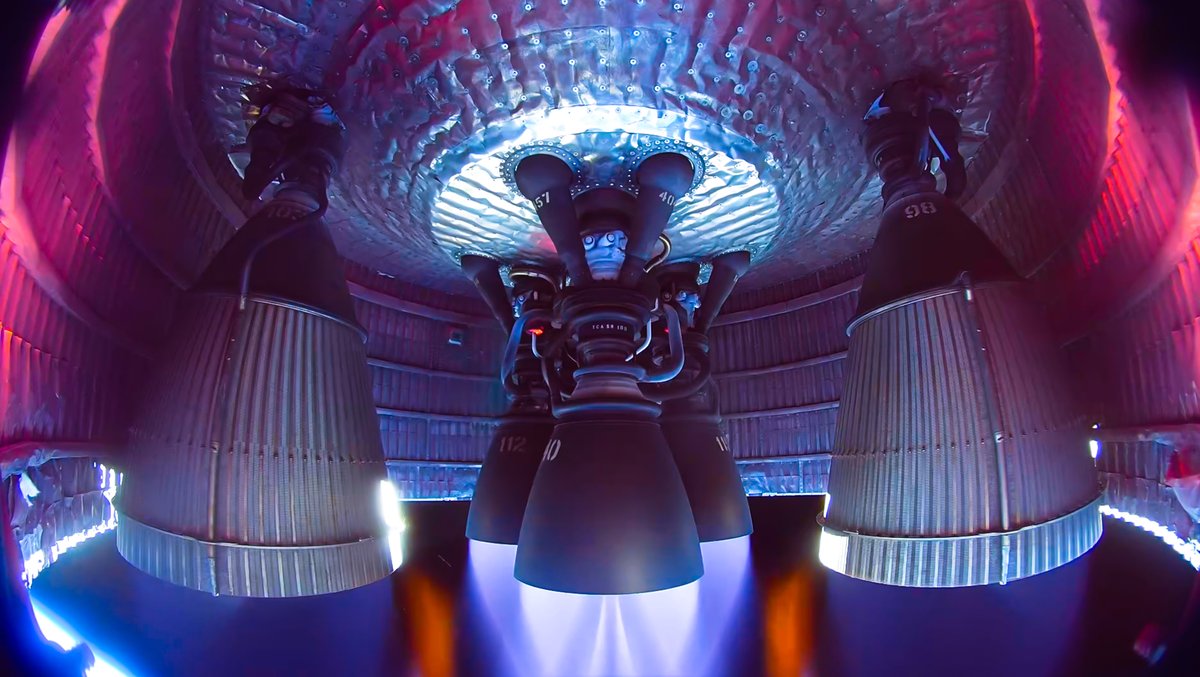
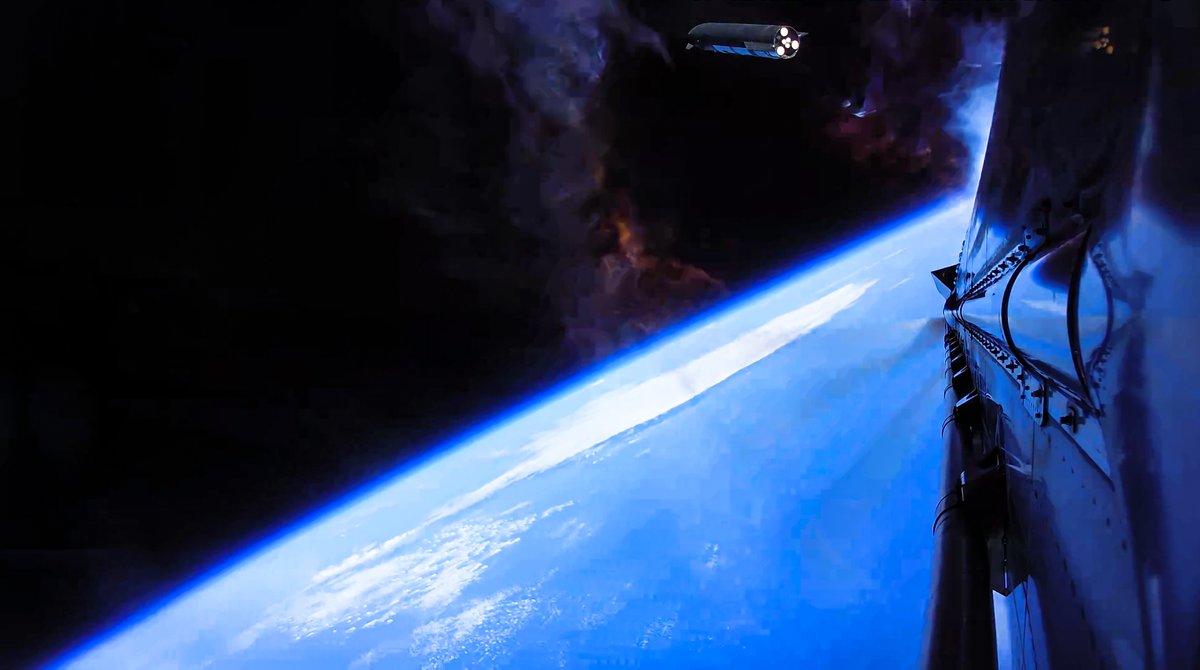
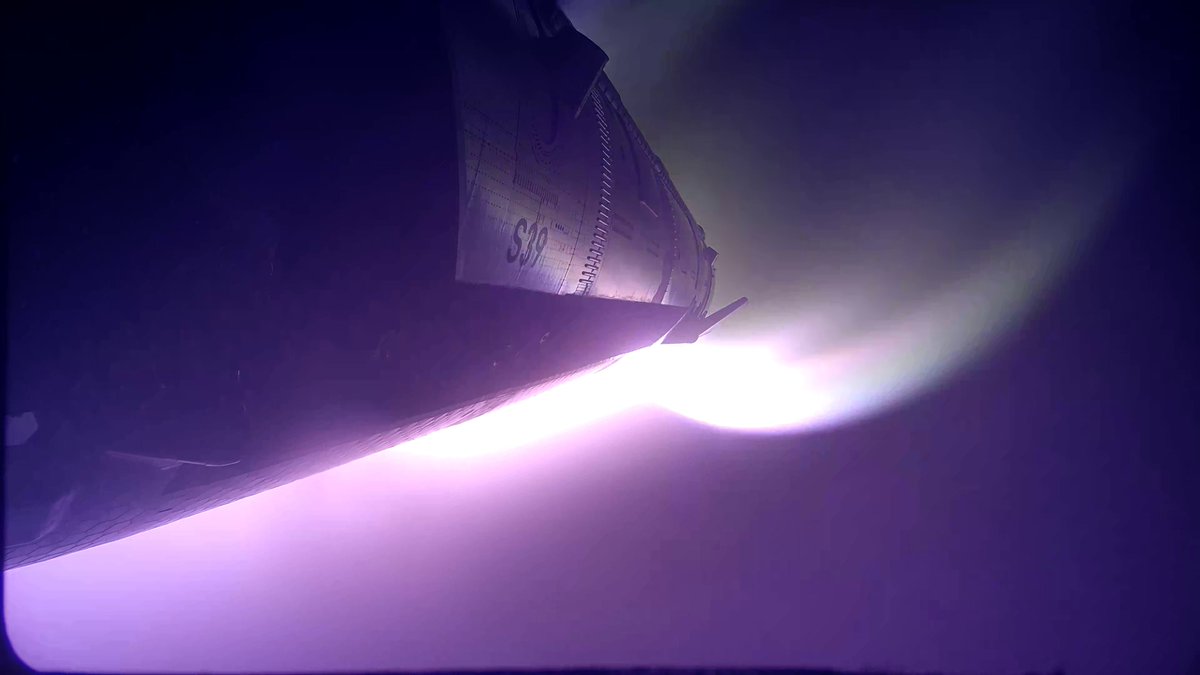
Onboard views from Starship and Super Heavy V3, which are equipped with upgraded cameras capable of streaming 4K video through every phase of flight via @Starlink
First stop, Mars. Next stop, Psyche 📍
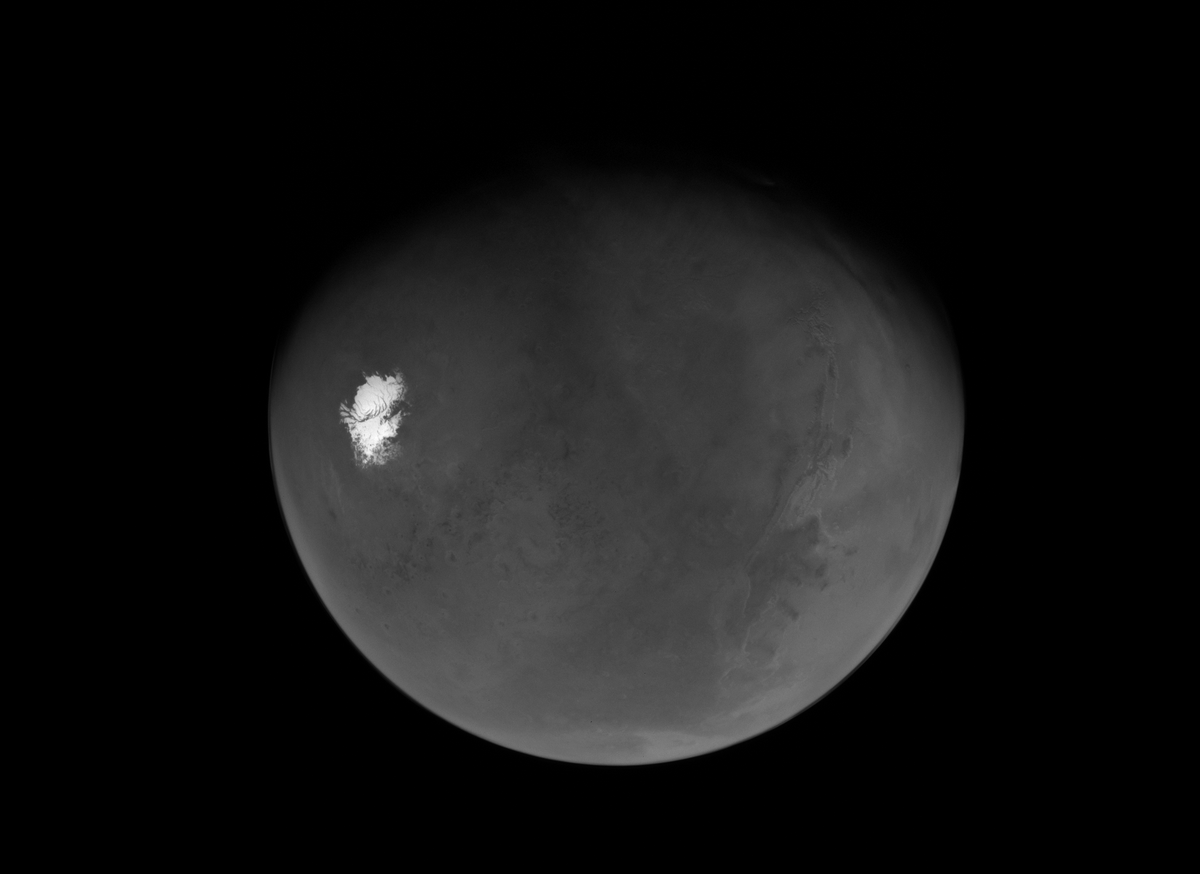
On May 15, our Psyche spacecraft swung by Mars on its way to its next destination: a metal-rich asteroid also named Psyche. The Red Planet gave the spacecraft a 1,000-mph speed boost and provided some stunning photos as well!
I took 1.7 million photos over 6 days to catch this photo of a commercial jet in front of the sun.
The moment it happened, TWO floating prominences were visible, making this not just my best aircraft transit photo, but one of the luckiest of my career! Videos of the transit 👇
@astrogrant Maybe the IAU can add Pluto and Eris in as planets, and call it a day. Pluto would be back in, and we'd get a bonus with Eris that people would enjoy getting to know.
@melanie_korach Thank you, Melanie! And I know that I had given your daughter a birthday greeting in that post of yours a week ago (with both April daughters). But, I'll think of her on Wednesday too, when I am with my mom. Pleasant vibrations to you as well. 💐🏞
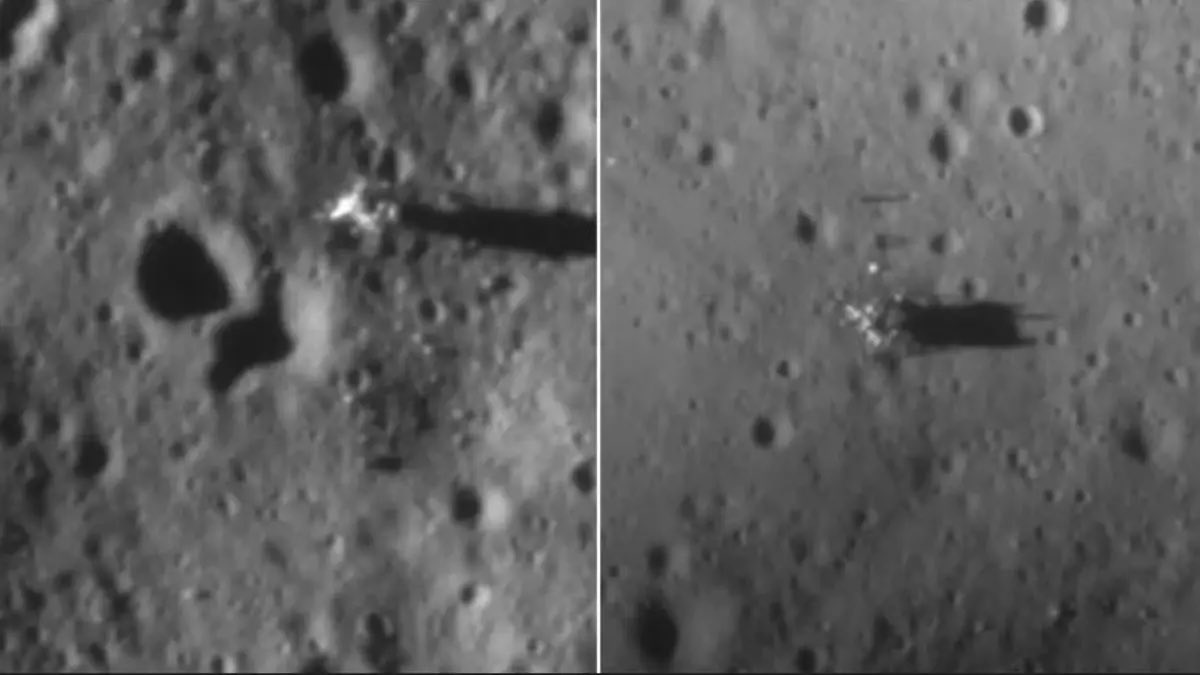
Did you see the India photos taken by its satellite moon orbiter of the first two moon landings (Apollo 11 & 12?)👇🏻
🤔I suppose the craycray deniers are going to suggest we sent them up there back in the 60’s and 70’s just in case someone in the future wanted to check. 🙄🥱
Only one chance in this lifetime…
Like watching sunset at the beach from the most foreign seat in the cosmos, I couldn’t resist a cell phone video of Earthset. You can hear the shutter on the Nikon as @Astro_Christina is hammering away on 3-shot brackets and capturing those exceptional Earthset photos through the 400mm lens. @AstroVicGlover was in window 3 watching with @Astro_Jeremy next to him.
I could barely see the Moon through the docking hatch window but the iPhone was the perfect size to catch the view…this is uncropped, uncut with 8x zoom which is quite comparable to the view of the human eye. Enjoy.
@KiwiThinker @Ellieinspace It's doubtful that the failure occurred due to lack of propellant. Something else likely happened, I'm going with a valve issue. Isn't it always a valve?😄
@melanie_korach And you have succeeded fantastically, Melanie! Not only an outstanding mother of 3 impressive young ladies, but also a wonderful teacher. 🙏💐
@melanie_korach Thanks, Melanie! And, my pleasure. It seems that so many people are depressed or sad about things that have befallen them. I always look for silver linings, and proceed optimistically ahead.