"Please re-contact us every few years as we may have updates for you" are words commonly stated to genetics patients by their providers. Commentary by @MichaelMackley and Dr. Lauren Chad @sickkidsnews explores the equity implications of this approach. https://t.co/pH8CmsRRtX
New research led by Drs. @YvonneBombard & Salma Shickh (@SShickh) highlights a disconnect between cancer patient preferences & professional guidelines on secondary findings from genomic sequencing.
Learn about the factors driving patients' preferences: https://t.co/VAUZt43DVZ
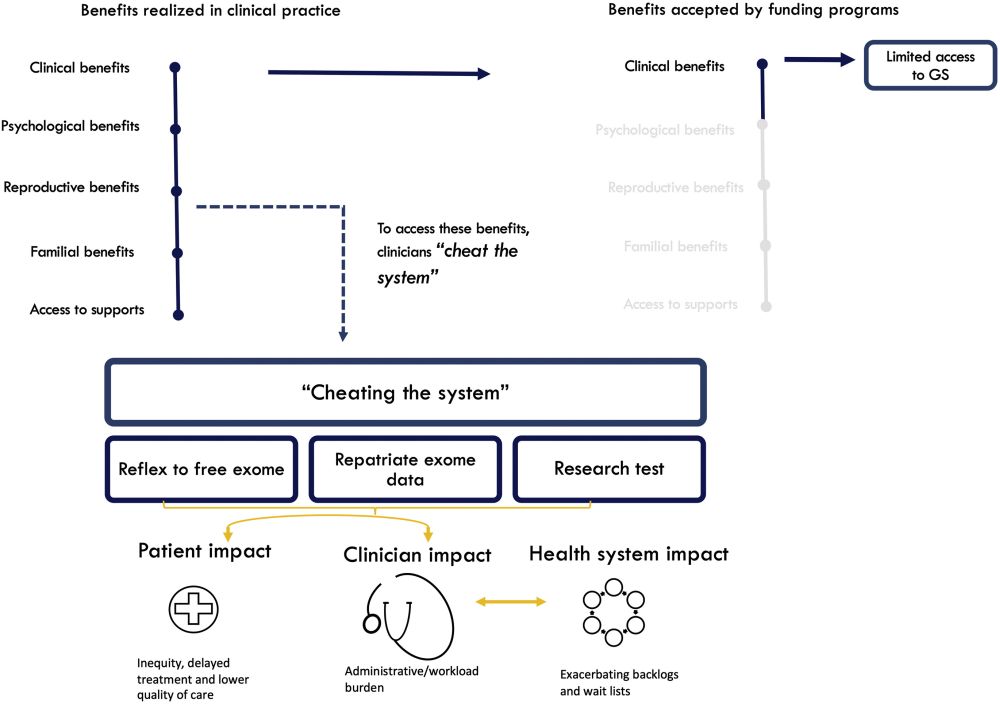
A chasm between practice and policy. Providers across Canada feel like they have to “cheat the system” to access exome/genome sequencing using burdensome workarounds, which drive inequities and jeopardize patient care. https://t.co/V5qkjNRaq9
Amazing talk from @AmandaPichini about work on establishing a competency framework for genomics! Really valuable as we move to large-scale adoption!!
#CAGC20#GCchat
@TashaWainstein Thanks Tasha! The first version was developed for an adult proband. As I mentioned, we're still working on the second iteration and hope it could be applicable to a wider group of patients. You make a great point and I'll bring this back to our team to consider!!
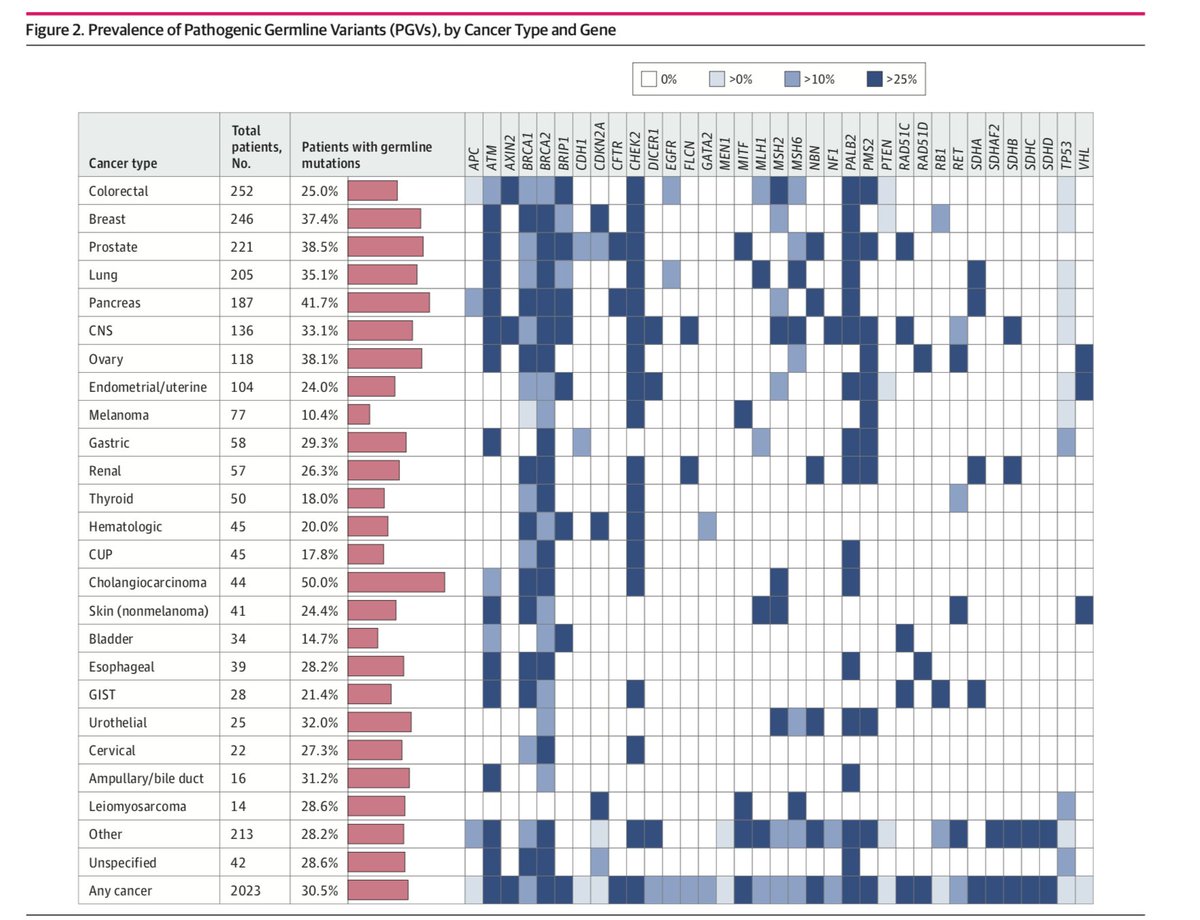
1) Paper on the yield of germline sequencing after tumor sequencing. 11% of patients had germline findings identified only AFTER they developed a 2nd cancer that possibly could have been detected. 20% did not meet criteria. @AllisonKurian https://t.co/DZKCG6waCJ @JAMA_current
Could genome sequencing become a first tier test for children with unexplained medical complexity? New @JAMANetworkOpen promising results. https://t.co/JhQmWTKvlP
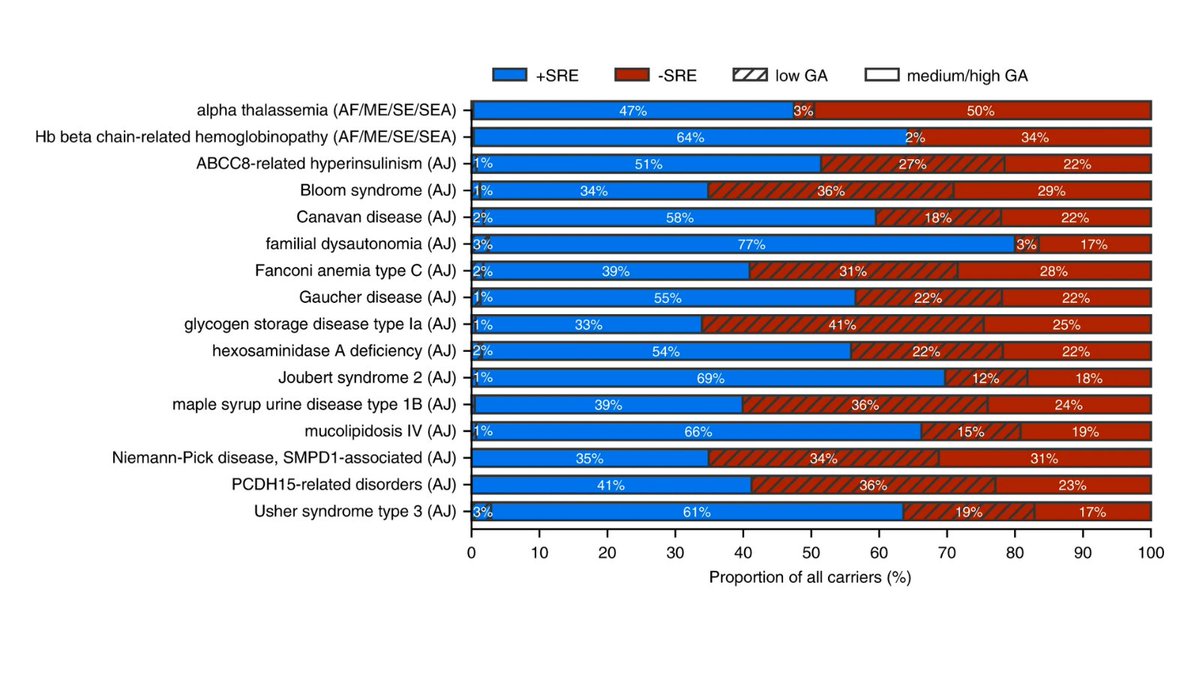
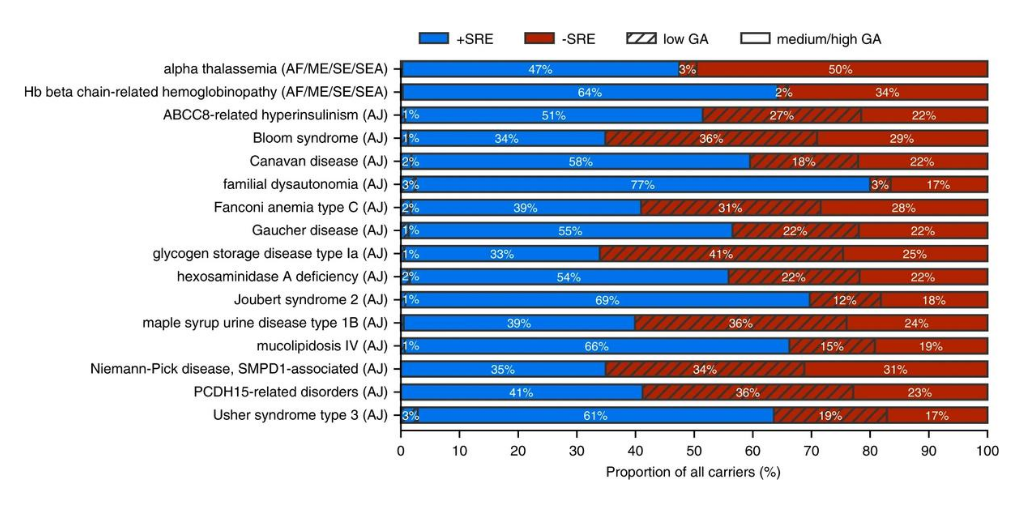
#CarrierScreening based on ethnicity misses many carriers in part because our self-assessment of ethnicity is often inaccurate https://t.co/TdSWQzKdwi.
Genetic ancestry analysis on >93,000 individuals undergoing expanded carrier screening reveals limitations of ethnicity-based medical guidelines. Via @GIMJournal https://t.co/qOQZRvQ3bY
For people with some underlying genetic conditions such as primary immunodeficiency diseases and cystic fibrosis, #COVID19 presents a formidable threat. Via @statnews https://t.co/A9rHjuRERT