See our response to concerns raised about the validity of lesion network mapping here. IMO, initial critique published in @NatureNeuro does not hold up to scrutiny.
A recent paper in @NatureNeuro raised concerns about the lesion network mapping method. Our team of 16 coauthors analyzed >1000 lesions and 34 symptoms and found that "The methodological foundations of lesion network mapping remain sound" https://t.co/kkmpKFh3eE
A recent paper in @NatureNeuro raised concerns about the lesion network mapping method. Our team of 16 coauthors analyzed >1000 lesions and 34 symptoms and found that "The methodological foundations of lesion network mapping remain sound" https://t.co/kkmpKFh3eE
A new study shows that signature patterns of brain activity may help predict recovery from #TBI.
Read more from @SamBSnider and colleagues in @PNASNews: https://t.co/jPeNRMB8SO
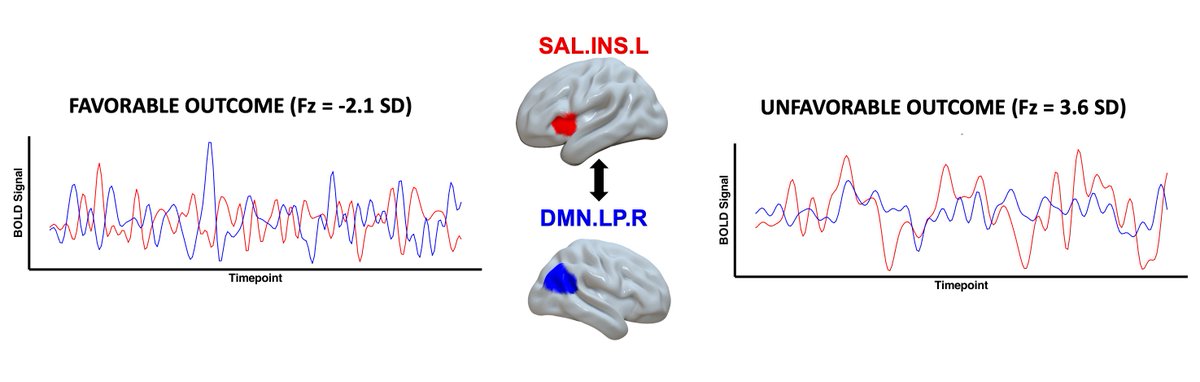
~10 years ago we published a paper on anticorrelated brain networks, but are they useful clinically? New work from @SamBSnider@Brain_Circuits@ComaRecoveryLab in @PNASNews suggests they predict recovery from severe brain injury. Thread below:
We report a new biomarker for recovery from moderate/severe TBI:
The synchronized toggling of activity between "task-positive" and "task-negative" brain networks.
Out today in @PNASNews
1/2
Last week I lost a friend.
But the rest of the world lost a warrior.
A visionary who dedicated his life to healing the sick and relentlessly bulldozing any barriers that got in his way.
1/n
@NolanRyWilliams
New research from @harvardmed@brighamWomens@brain_circuits:
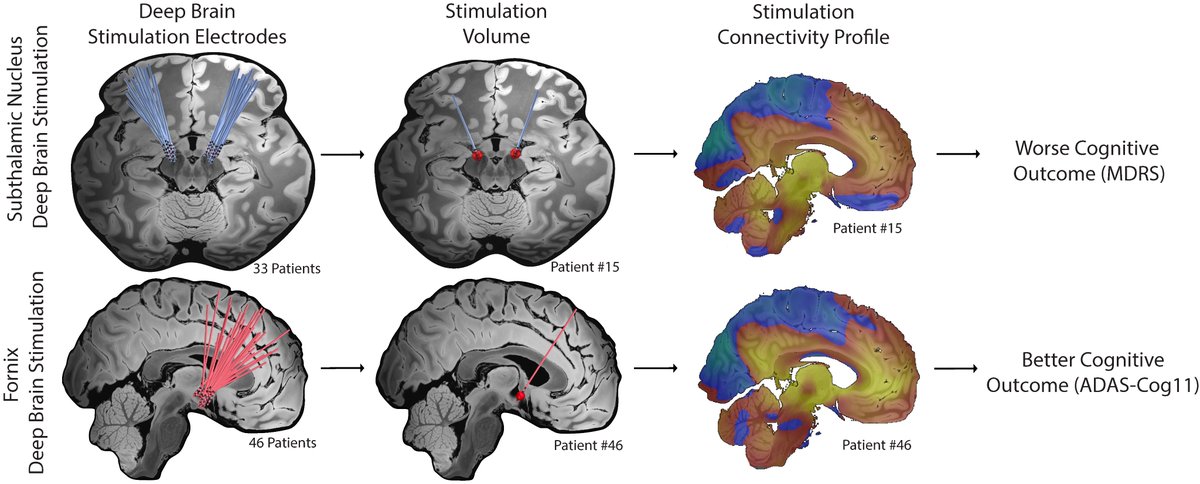
We evaluated how DBS in Parkinson’s with Alzheimer’s influences cognition. Originally, it looked like DBS was deleterious for cognition in Parkinson’s, but could be beneficial in Alzheimer’s.
The BIS monitor is used in ORs around the world.
In patients comatose after cardiac arrest, we virtually-emulated BIS monitor output from clinical EEG.
A neural network trained on this data out performed clinical gold-standard at predicting recovery.
https://t.co/7b9MatDTiM
In a new cover study, Snider et al. tested if internal EEG subparameters extracted by the BIS monitor—a device commonly used to estimate depth of #anesthesia intraoperatively—could be repurposed to predict recovery of consciousness after cardiac arrest: https://t.co/4zhp0qBDTx
Is generalized epilepsy a seizure of the whole brain or a specific brain network?
In our new paper out now in @NatureComms we investigate this by combining brain abnormalities and DBS with the human connectome.
Paper: https://t.co/hlQVXigDED
A 🧵 below:
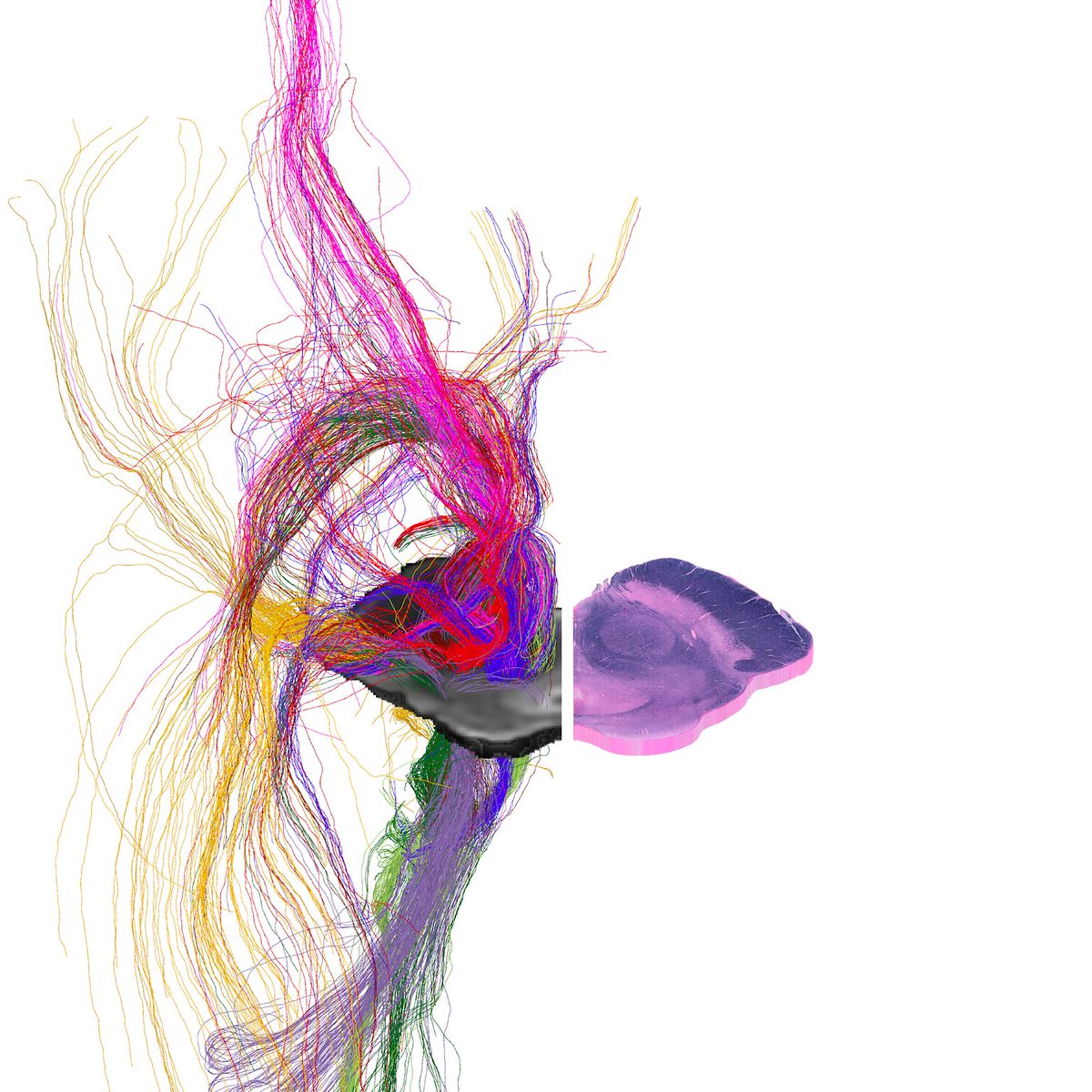
Visualizing Effective Connectivity in the Human Brain
Preprint: https://t.co/ZiORqUJmHs
Code: https://t.co/lKtRg6pCsT
YouTube video: https://t.co/ISwd5ahs7M
Download video & figures: https://t.co/PVlPXDoAVY
Led by #XanderAtalay & #TeoFecchio@MGH_CNTR@MGHMartinos@MGHNeuroICU
Spaulding awarded two #TBI researchers $400K each in support of their new studies to understand mechanisms underlying disorders of consciousness & identify effective treatments. Learn about the Innovative Treatments in Disorders of Consciousness program: https://t.co/scjv0oS9KL.