🇳🇬 in 🇦🇺|Anatomist|Vascular Biologist in Cardiovascular and Diabetes Research| Scientia PhD Scholar @UNSWMedicine| Cardiometabolic Disease Research Group
MSc in Clinical Trials – Applications open
In collaboration with the University of Oxford, this part-time distance learning programme offers rigorous training in the design and conduct of randomised clinical trials.
With two short residential periods in Oxford, the course is designed to fit around full-time work – helping professionals gain practical and theoretical skills in trial methodology. Start your application https://t.co/ogi3818ZmA
#cardioed #ESCYoung #cardiology
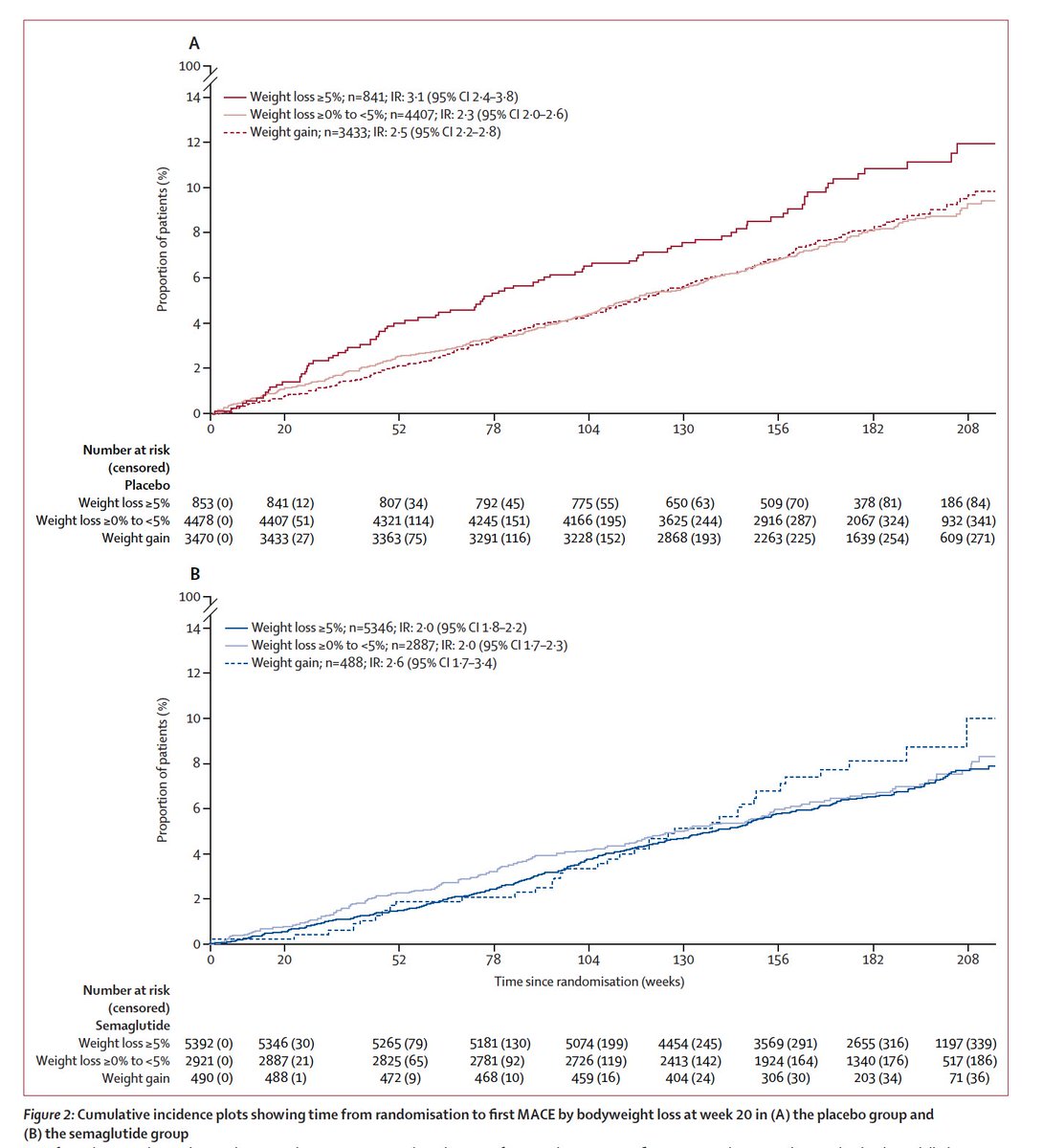
The benefit of Ozempic (semaglutide) for protection from major adverse cardiovascular events (MACE) is independent of weight loss magnitude and baseline adiposity, likely related to the GLP-1 anti-inflammatory effect
https://t.co/y44fRowTGi
A great cover letter can make or break your manuscript submission. As an editor and author, I've seen how a strong cover letter helps editors grasp your paper’s significance.
🧵
[1/9]
👉 New Study on Lipoprotein(a) & Thrombosis!
🔬 A large genetic study (410,177 participants) found that Lp(a) is strongly associated with myocardial infarction (MI) but NOT with venous thromboembolism (VTE).
❌ Key finding: The risk of MI linked to Lp(a) is not due to prothrombotic effects. Instead, it appears to be driven by atherosclerosis, reinforcing the need for Lp(a)-lowering therapies.
💡 This challenges previous theories on Lp(a) & thrombosis and has major implications for cardiovascular prevention strategies.
📄 Read more https://t.co/8mO0NVd90j
@society_eas
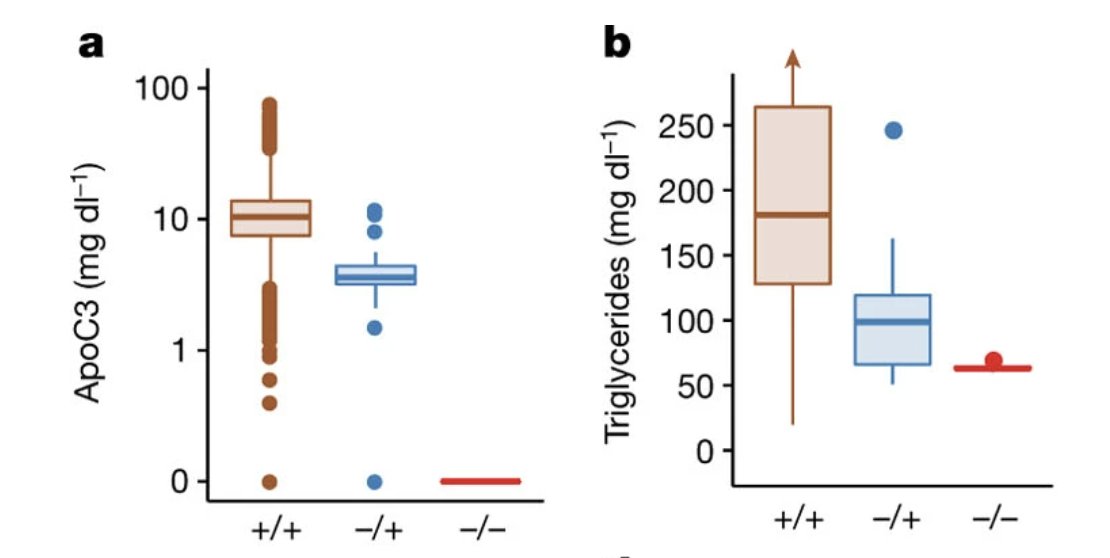
To mark the occasion of FDA approving another APOC3 targeting drug to reduce circulating triglycerides in a rare disease (familial chylomicronemia syndrome), let me share this pedigree chart of a large extended family of APOC3 knockouts from Pakistan. The index patient (marked by arrow), a male with complete deficiency of APOC3, was found by screening a cohort of Pakistanis from a consanguineous community for homozygous mutations (Saleheen et al. Nature 2017).
Recontacting this patient and screening the family members led to a surprising revelation: not only the participant, but his wife too was an APOC3 knockout, as a result all of their nine children.
This extended family gave a compelling evidence of the effect of APOC3 inhibition on plasma triglycerides both at baseline and after a high fat challenge.
Saleheen et al. Nature 2017
https://t.co/UiYxXyQLam
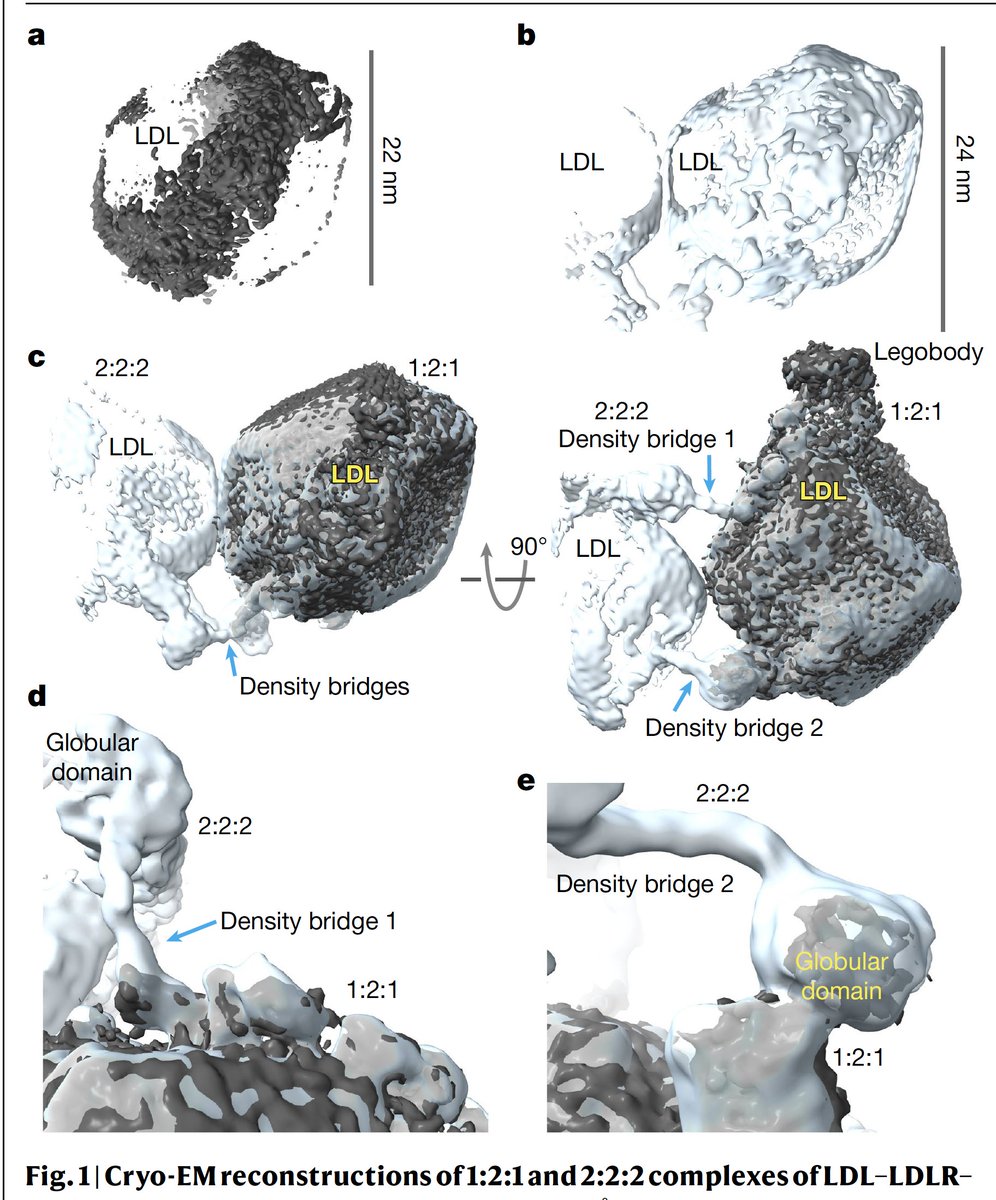
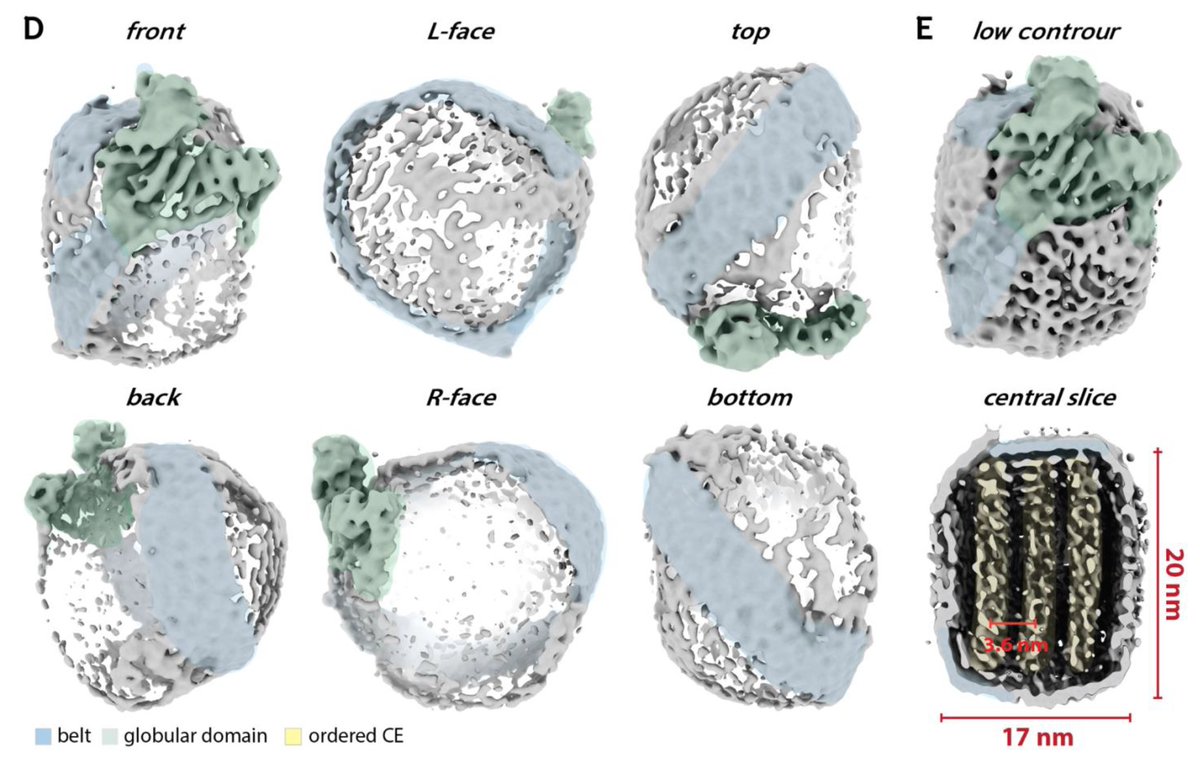
Seeing the LDL (the bad cholesterol) structure, with its apoB100 component, bound to its receptor, for the first time, thanks to cryo-EM and #AlphaFold2@Nature
https://t.co/vSDJOKvIhp
https://t.co/mODuFzVPoD
@CKeithCassidy
✔️ Our final workshop of 2024 was a success!
Thanks to the participants who joined us at @uconnhealth to learn in-demand surgical procedures in lab mice from @jacksonlab experts.
Looking for training in 2025? Explore JAX Courses & Workshops ➡️ https://t.co/azlWuRQMFA
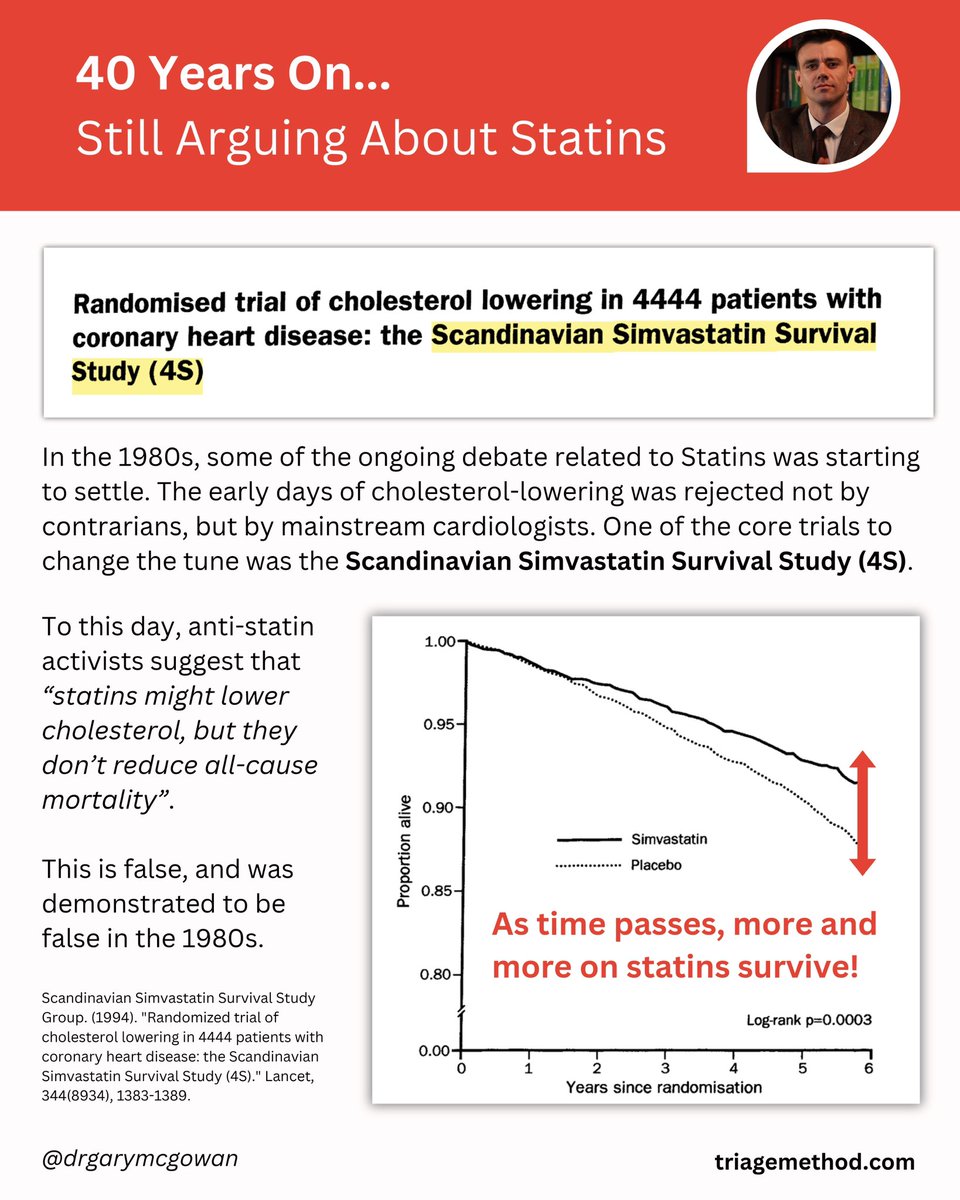
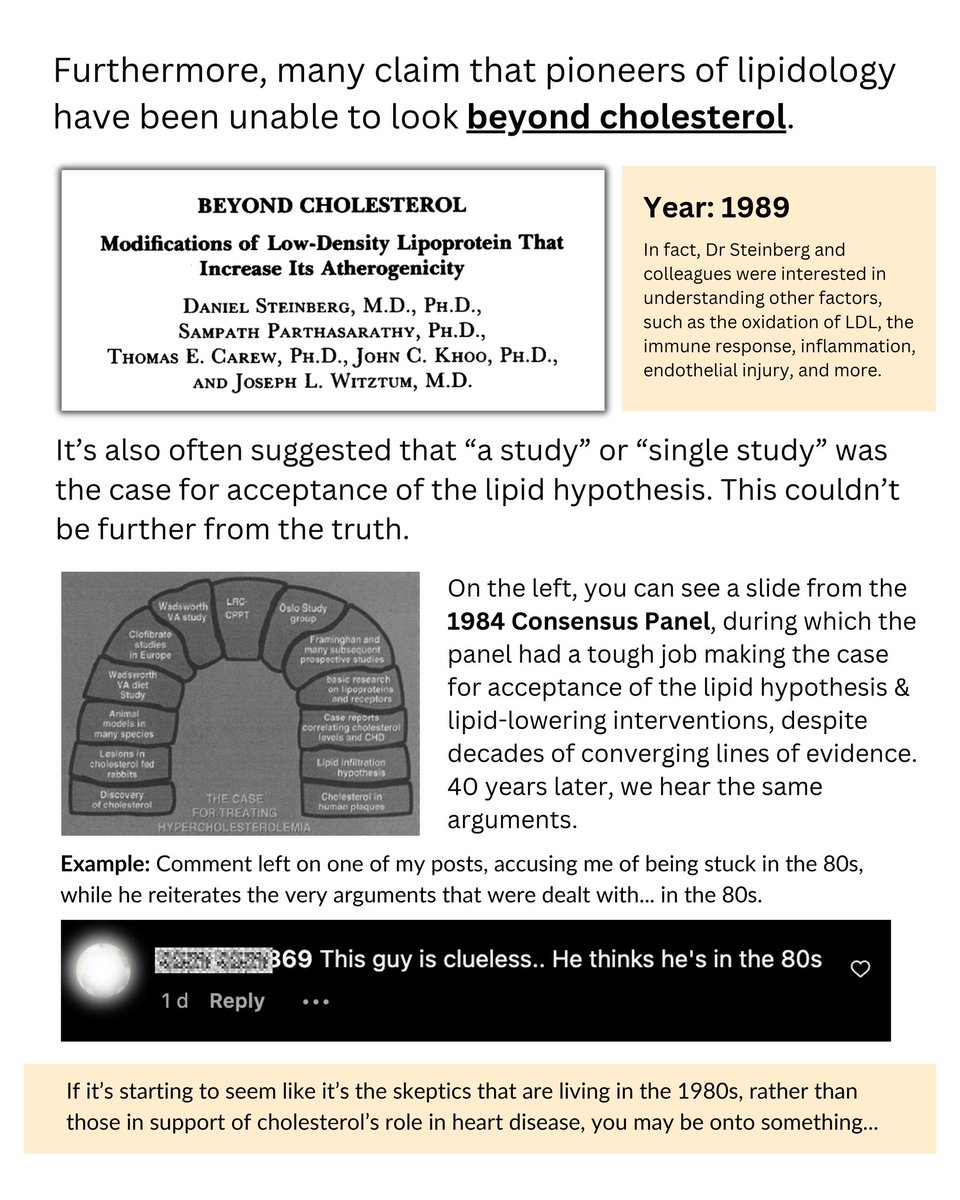
40 Years On: Still Arguing About Statins 🗣️
In the 1980s, some of the ongoing debate related to Statins was starting to settle. The early days of cholesterol-lowering was rejected not by contrarians, but by mainstream cardiologists. One of the core trials to change the tune was the Scandinavian Simvastatin Survival Study (4S).
https://t.co/CVKbxPMwcn
To this day, anti-statin activists suggest that “statins might lower cholesterol, but they don’t reduce all-cause mortality”.
This is false, and was demonstrated to be false in the 1980s.
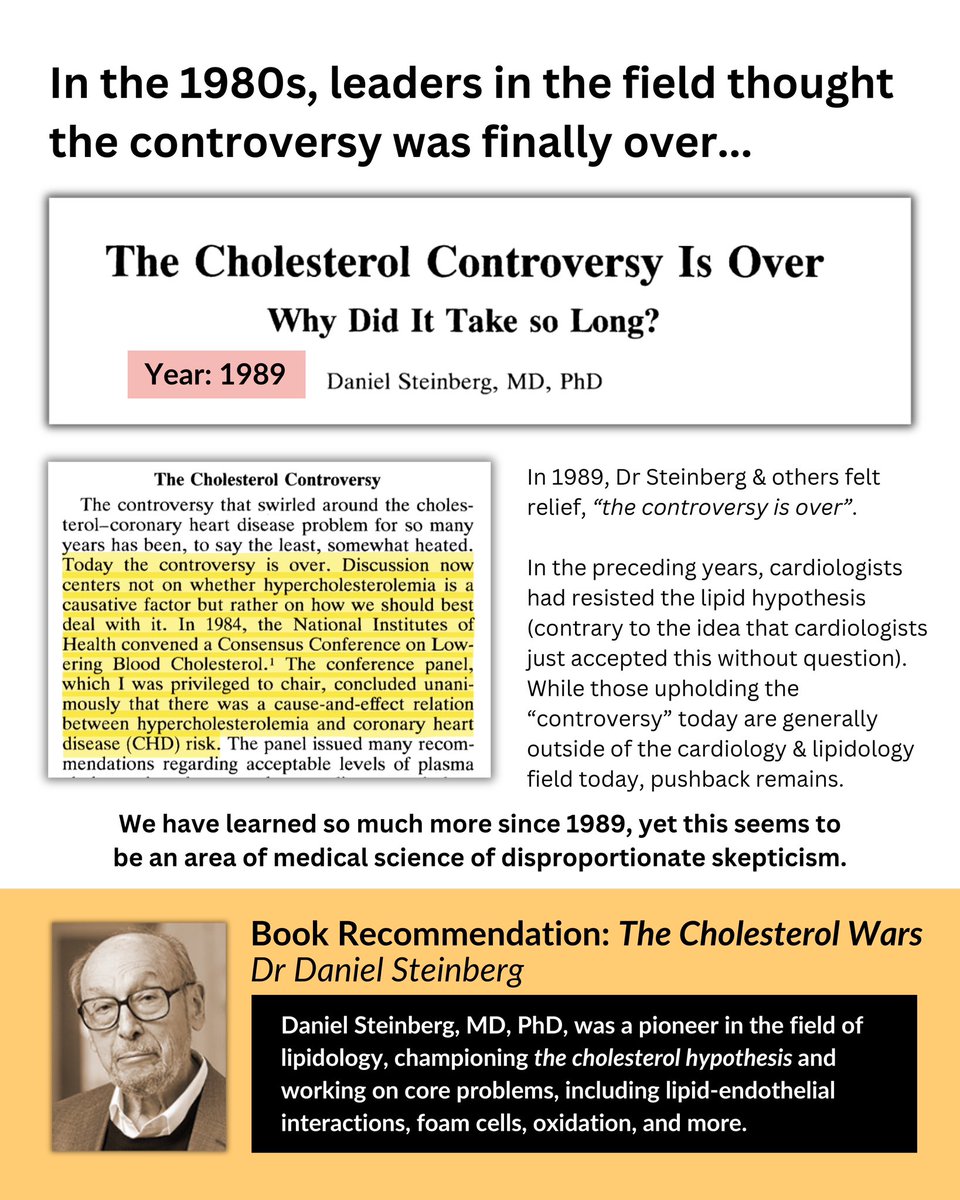
In 1989, Dr Steinberg & others felt relief, “the controversy is over”.
In the preceding years, cardiologists had resisted the lipid hypothesis (contrary to the idea that cardiologists just accepted this without question). While those upholding the “controversy” today are generally outside of the cardiology & lipidology field today, pushback remains.
We have learned so much more since 1989, yet this seems to be an area of medical science of disproportionate skepticism.
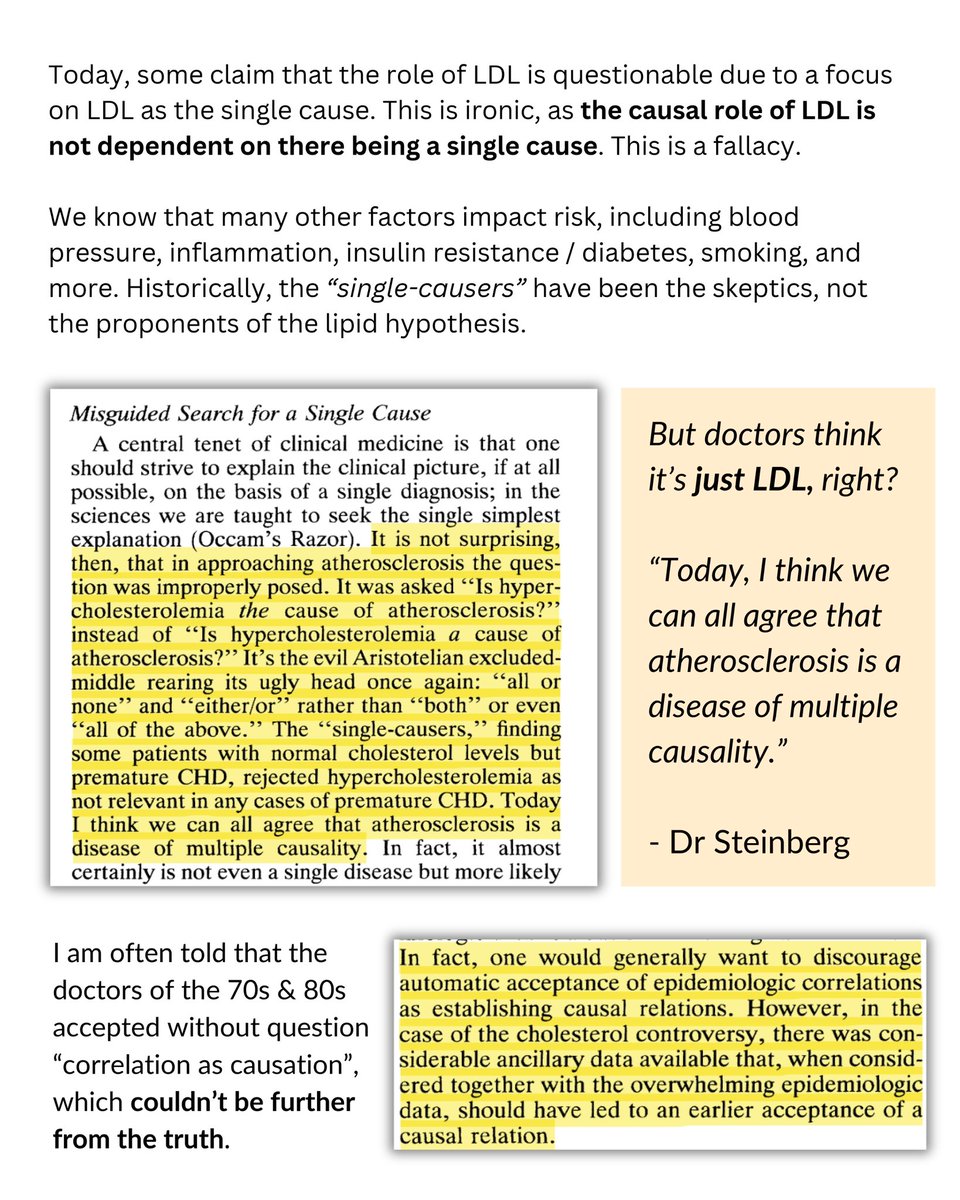
Today, some claim that the role of LDL is questionable due to a focus on LDL as the single cause. This is ironic, as the causal role of LDL is not dependent on there being a single cause. This is a fallacy.
We know that many other factors impact risk, including blood pressure, inflammation, insulin resistance / diabetes, smoking, and more. Historically, the “single-causers” have been the skeptics, not the proponents of the lipid hypothesis.
But doctors think it’s just LDL, right?
“Today, I think we can all agree that atherosclerosis is a disease of multiple causality.” - Dr Steinberg
I am often told that the doctors of the 70s & 80s accepted without question “correlation as causation”, which couldn’t be further from the truth.
In fact, Dr Steinberg and colleagues were interested in understanding other factors, such as the oxidation of LDL, the immune response, inflammation, endothelial injury, and more.
It’s also often suggested that “a study” or “single study” was the case for acceptance of the lipid hypothesis. On the left of the final graphic, you can see a slide from the 1984 Consensus Panel, during which the panel had a tough job making the case for acceptance of the lipid hypothesis & lipid-lowering interventions, despite decades of converging lines of evidence. 40 years later, we hear the same arguments.
If it’s starting to seem like it’s the skeptics that are living in the 1980s, rather than those in support of cholesterol’s role in heart disease, you may be onto something...
Useful sources of info on this & related topics: @Drlipid@DrNadolsky@NutritionMadeS3@nationallipid@society_eas and many more.
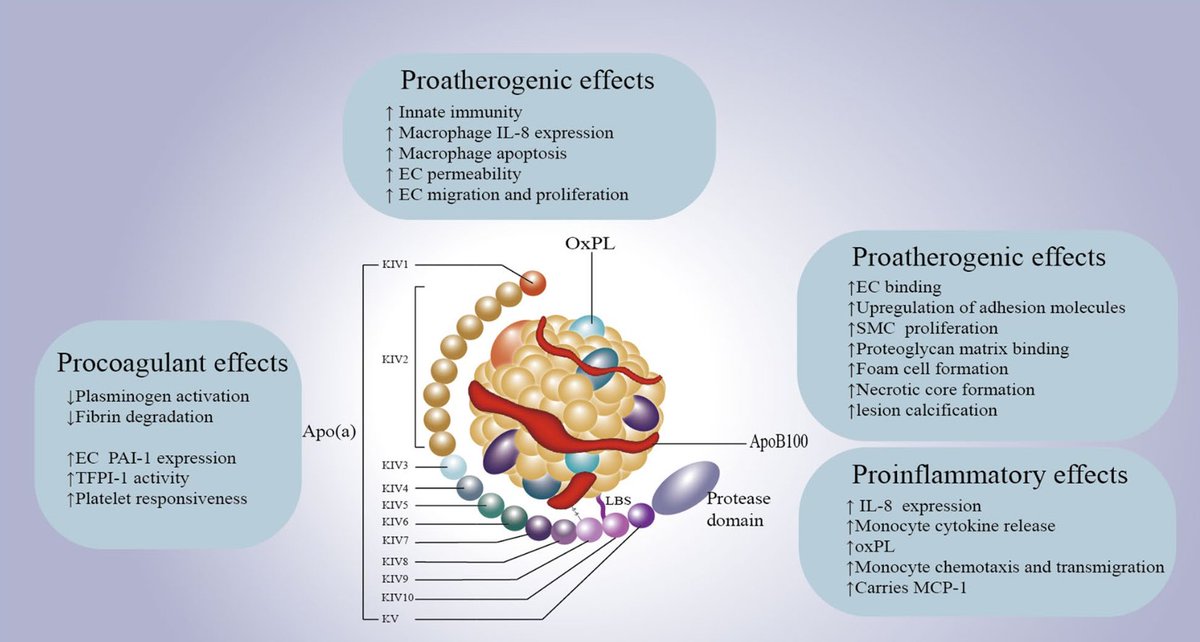
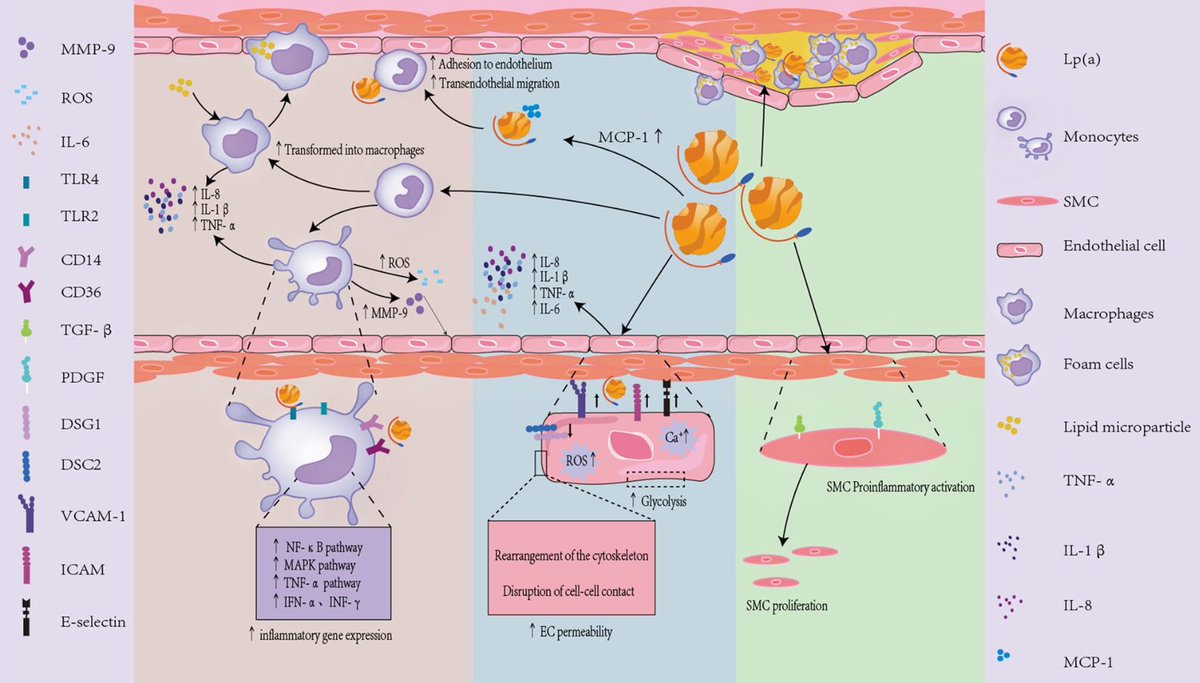
👉Lipoprotein (a)-Related Inflammatory Imbalance: A Novel Horizon for the Development of Atherosclerosis
It's clear that Lp(a) is a structurally complex molecule with unique biological functions. It plays a significant role in the inflammatory process through various mechanisms, contributing to endothelial dysfunction, monocyte and macrophage activation, and smooth muscle cell proliferation, all of which promote the development of AS. It's important to note that there exists a complex bidirectional relationship between Lp(a) and inflammation; Lp(a) can both induce and potentially have anti-inflammatory effects in certain situations. Additionally, inflammation can also influence the levels of Lp(a). Current therapies such as antisense oligonucleotides and siRNA show great promise in significantly reducing Lp(a) levels and are not required to be isoform-specific, given their mechanism of targeting RNA synthesis. Therefore, it is crucial to screen for Lp(a) levels and explore more effective methods to lower them. This research holds promise for offering new strategies for the treatment of atherosclerosis.
🔓Open Access
https://t.co/JnNjTaRQGx
@society_eas
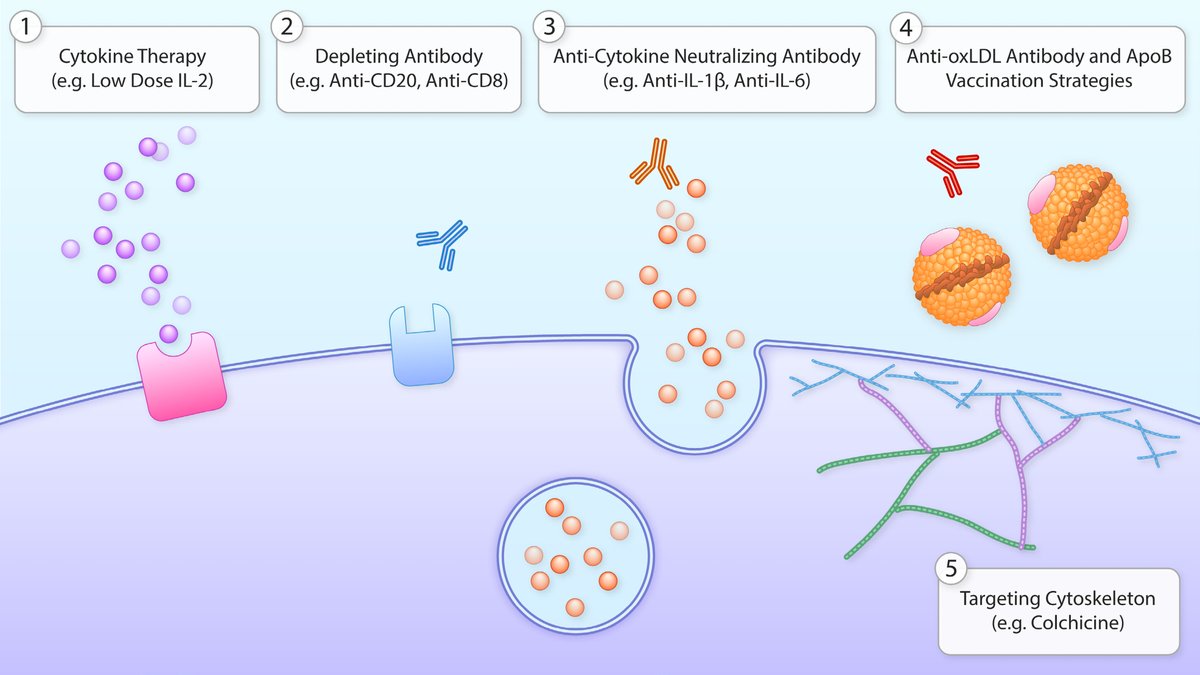
☝ Inflammation and Atherosclerosis: Prospects for Clinical Trials
👉 Targeting inflammation and immunity offers the possibility of an orthogonal approach that may address the residual risk encountered in individuals with well-controlled lipid profiles.
👉Ultimately, addressing lifestyle, lipids, and residual inflammation together will help to improve cardiovascular outcomes worldwide.
🔓 Open Access
https://t.co/7EW2mzha22
@society_eas
👉Advances in Targeting LDL Cholesterol: PCSK9 Inhibitors and Beyond
👏 Outstanding article, great authors, must-read!!!
☝️Multiple advanced treatments are currently available to address residual atherogenic lipoprotein risk beyond statin therapy. With every approximately 40 mg/dL reduction in LDL-C level with statins and non-statins, there is an average >20% reduction in cardiovascular events illustrating the urgency to attain lower LDL-C goals. Guideline-directed care continues to support the role of statins as foundational, however, the evidence strongly supports consideration of LDL-C lowering with non-statins when statins alone are not adequate. An approach that targets residual risk due to LDL-C and other atherogenic particles, in addition to baseline patient risk, will improve outcomes for all. Better outcomes with higher adherence and patient satisfaction may also be achieved with combination therapies for atherogenic particles that are better tolerated and are more likely to achieve optimal lipoprotein levels
🔓Open Access
https://t.co/X1etRLKuok
@society_eas@ASPCardio
Many thanks to @almut_schulze and @alinamw from @DKFZ for their wonderful News & Views @NatureCellBiol on our recently published article on ZEB1-mediated ferroptosis sensitivity through regulation of lipogenic enzymes.
Check it out here: https://t.co/EhFu9jn9gm
#ferroptosis
We are also excited to showcase two of our past presidents as this year’s invited national speakers. We will hear from our very first female president, Prof. @KerryRye from @UNSW who will speak on “Current and future therapeutic options for reducing cardiometabolic disease”.
@NSWCVRN is exited to bring back the HEART Pitch, a 3-minute research pitch competition for PhD Candidates and EMCRs. Enter for your chance to win a $1,000 prize! Applications close on 2 September 2024. View details and apply here: https://t.co/QvRRC62xWq
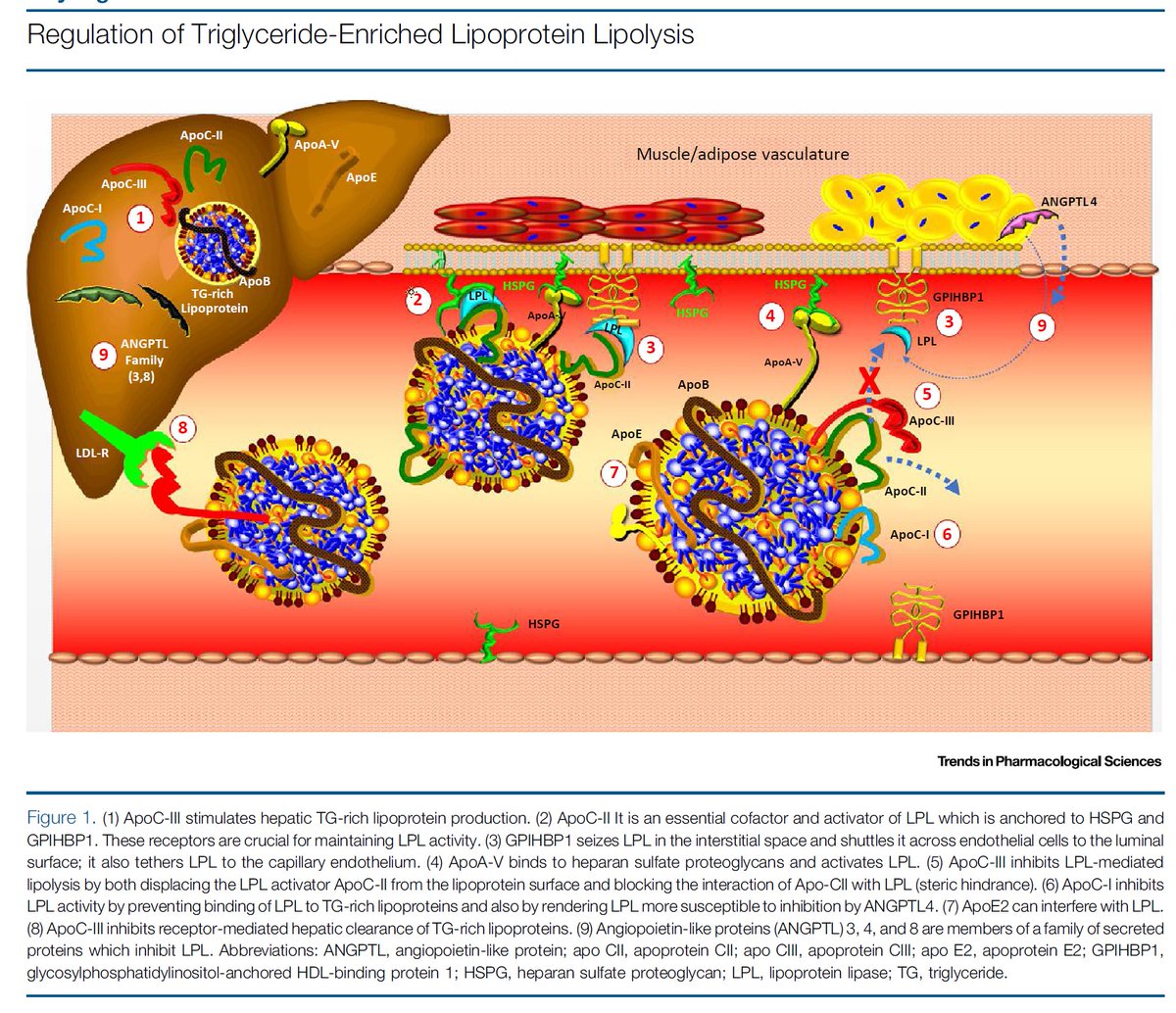
An illustration of mine showing the lipolytic complexities of TG-containing VLDL-apoB particles in a 2018 manuscript. https://t.co/s3oTXmcDsp @nationallipid@society_eas
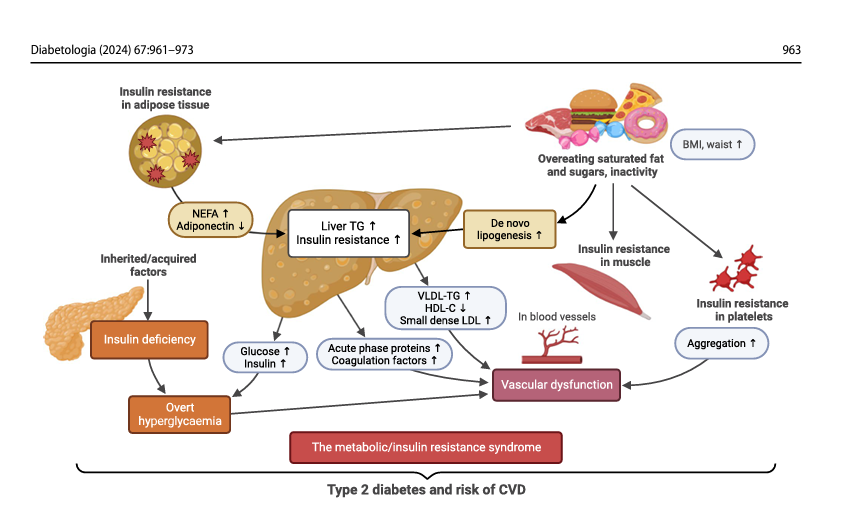
There is the need to evaluate levels of circulating ApoB, in association to LDL-C and non-HDL-C, as marker of cardiovascular risk in diabetic patients not only in tertiary care settings. Read this review to know why 👉 https://t.co/adoUEPbSLm
@ELS_Cardiology @society_eas#CVPrev
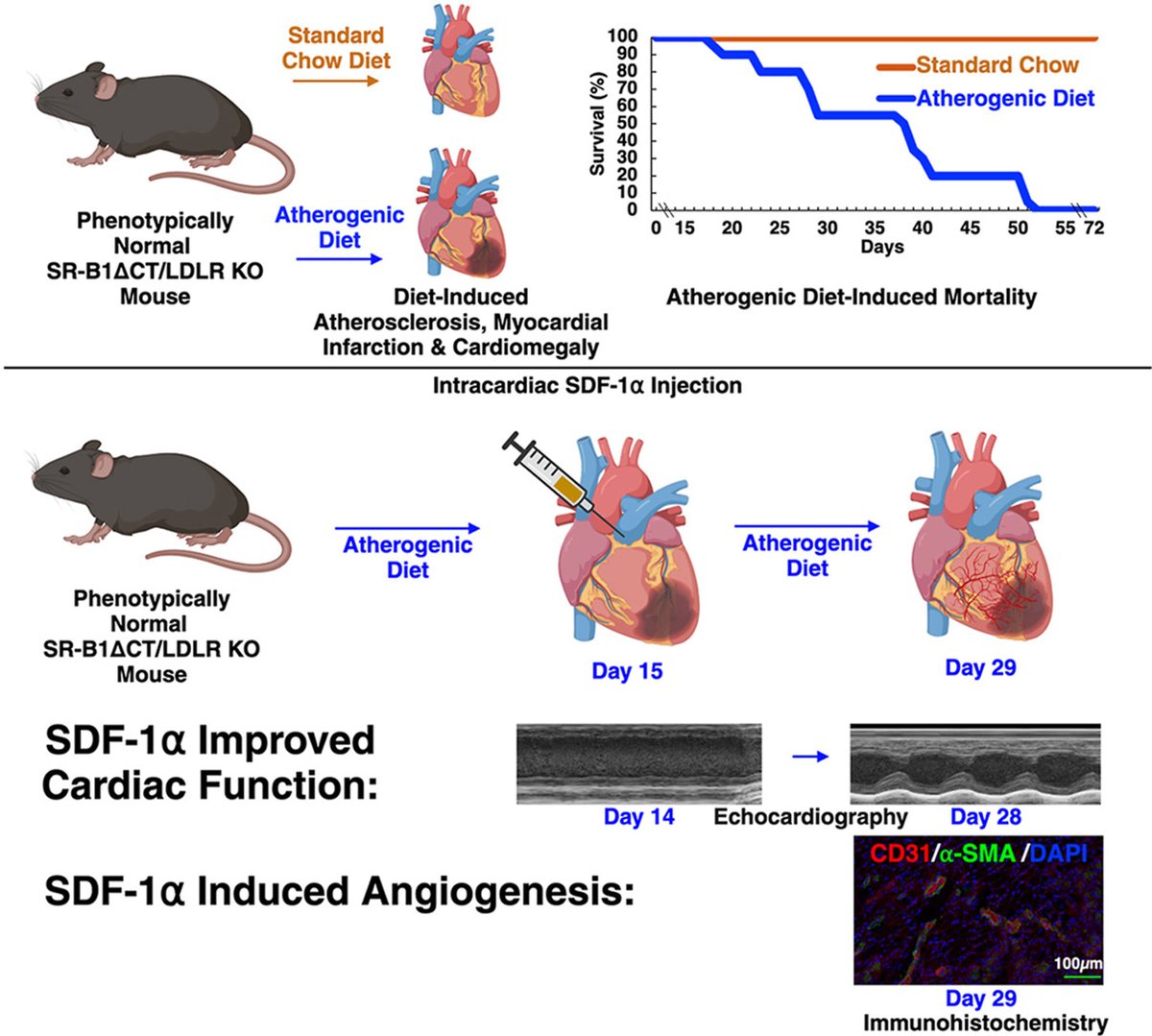
The SR-B1ΔCT/LDLR KO mouse represents an easily maintained, diet-inducible animal model of coronary atherosclerosis that rapidly develops occlusive, fatal atherosclerotic CHD
🔗https://t.co/kl9Cipe4B0
@YuanjiaZhu@elde_md @ELS_Cardiology @society_eas