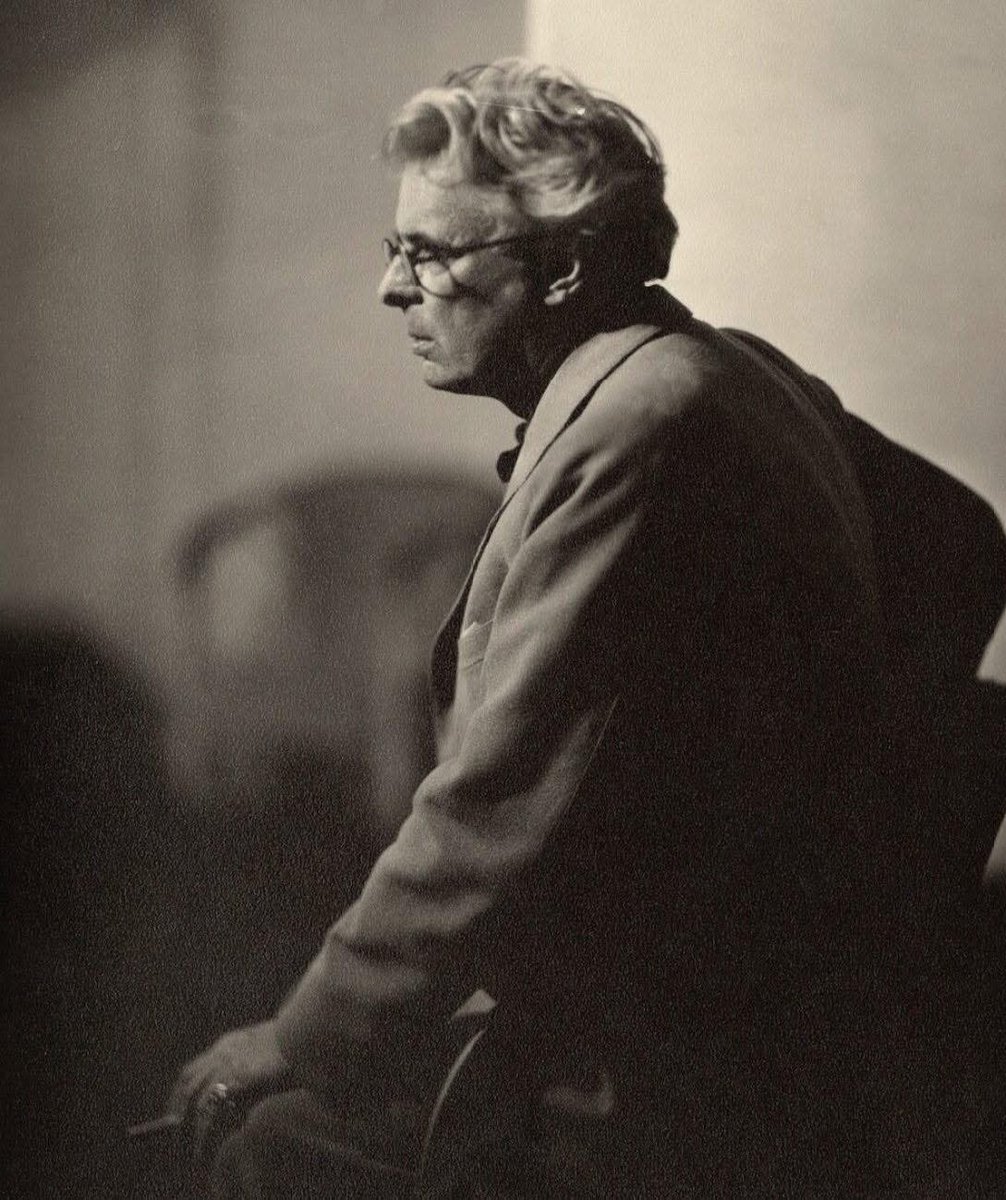
"Grounding yourself in something real is the ultimate life insurance". -- @otis5d
I like this--solid words of wisdom for this uncertain time of transition.
@pati_marins64 "but seizing legally operating ships in international waters simply because they are trading with an adversary of the United States is far more complicated."--a strong understatement....especially in the case of China.....
@RudyHavenstein Every "End of Times" mindset is a little different. I suspect, in the case of Hegseth and his benefactor, they're down with End of Times as long as it's not their own End of Times.....
Thank you, John! Much appreciated.
Follow John, @gCaptain & @mercoglianos to understand the criticality of global choke points and sea power projection.
@ofpeace1974 This is the claim in Kamal Salibi's books--that the foundational myths of Judaism and consequently Christianity derived Arab pagan myths from Western Saudi Arabia.
Lindsey Vonn Raced.
Who am I to say she shouldn’t have???
Whenever a high-profile athlete competes through pain or injury, the commentary starts immediately. Many have said she shouldn’t have been out there, or that someone should have stopped her. A few said it was reckless and would ruin her future.
The certainty was breathtaking.
What always strikes me is how easily people thousands of miles away, watching on a screen, assume they know more about the athlete’s body than the athlete does.
I’m an orthopedic surgeon. I’ve spent my life around injured people, professional athletes, weekend warriors, people who push too hard, and people who are afraid to push at all. I understand risk. I understand tissue. I understand consequences.
And still, I would never presume to own someone else’s decision the way the internet often does. Elite athletes are not naïve… they usually know exactly what they’re trading. They understand pain. They understand rehabilitation. They understand what another surgery might mean. They understand what stopping might mean!!
They live inside those calculations every day. Long before the public debate begins, those conversations have already happened in training rooms, in quiet meetings with physicians, with family, with coaches, and most importantly, in the athlete’s own head.
By the time you see them in the starting gate, the decision has been examined from every angle. And it belongs to them.
The myth of protection
There is a persistent belief that if an athlete competes while injured, someone has failed them. A doctor should have stopped them. A coach should have intervened. A governing body should have pulled them aside. But adults get to choose, and we don’t revoke autonomy simply because we worry.
My job as a physician is to explain risk, uncertainty, probability, alternatives, and consequences. I make sure the person understands the landscape. After that, the decision is theirs. Not mine. Not Twitter’s.
Risk does not disappear at the highest level, and every athlete at that level is already accepting enormous risk simply by participating. They train at speeds and intensities most of us cannot comprehend. They compete in environments where fractions of seconds matter and margins are thin. They understand that the risk of injury is not theoretical… It is part of the profession. To suddenly draw a moral line when someone chooses to compete with pain feels selective, almost performative.
What people are really reacting to…
Often it’s fear. People imagine themselves in that position and feel uncomfortable. They project their own risk tolerance onto someone whose relationship with risk is entirely different… But elite sport is not normal life. It requires decisions most of us would never make, and that’s precisely why we admire the people who live there.
Outcomes do not determine wisdom !!!
If the race goes poorly, critics say, “See? Never should have happened.”
If it goes well, they call it heroic. Neither response actually tells us whether the decision was right. It only tells us how we feel about the outcome. Good decisions can have bad results.
Respect the athlete and their ability to decide for themselves.
You can disagree and say you would choose differently. What you can’t honestly claim is that you understand the calculus better than the person living it. Especially someone with decades of experience, world-class medical input, and an intimate understanding of her own limits.
From where I sit…
I respect @lindseyvonn enormously...
I respect the preparation. I respect the courage. I respect the acceptance of consequences.
Most of all, I respect that it was her decision to make.
Not mine.
"Things fall apart; the center cannot hold;
Mere anarchy is loosed upon the world;
The best lack all conviction, while the worst
Are full of passionate intensity."
—William Butler Yeats
"The Second Coming"