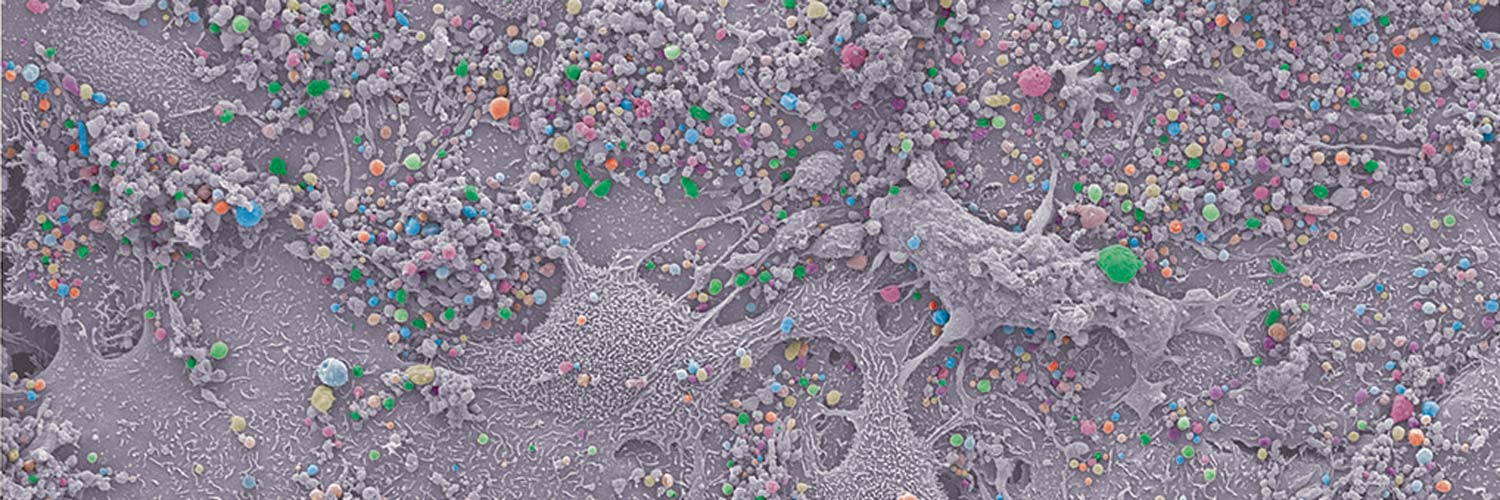
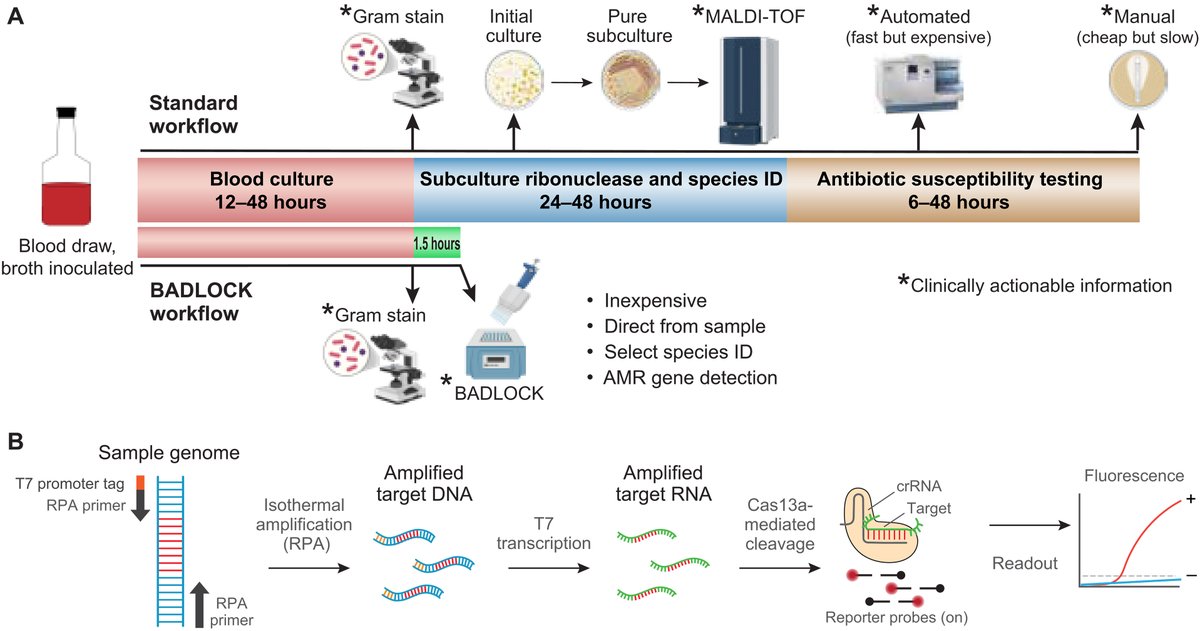
An enormous octopus nursery discovered on an extinct deep-sea volcano off the coast of California implies that warmth is vital to these creatures.
Learn more on #WorldOctopusDay: https://t.co/bUvUfOuDsZ
Researchers report the first genome sequence of the 194-year-old Aldabra giant tortoise Jonathan, the oldest known living land animal.
Learn more in Science Advances: https://t.co/ykFJ0jD8cn
Science Advances is publishing an Erratum for the July 2026 Research Article “Silkworm cultivation predating the Silk Road in southern Central Asia (2000 BCE).” https://t.co/ki5wMdevG4
“Great conversation and good company.”
Science Advances Editor Laura Remis recently attended the 5th Epigenetics Conference in Lisbon, Portugal. #FusionEpigenetics
A new robotic textile overcomes the bulkiness and interfacial fragility inherent in traditional smart textiles by integrating the sensing and actuation materials into the fiber before weaving. @QiguangHe https://t.co/MDm7fs6jtw
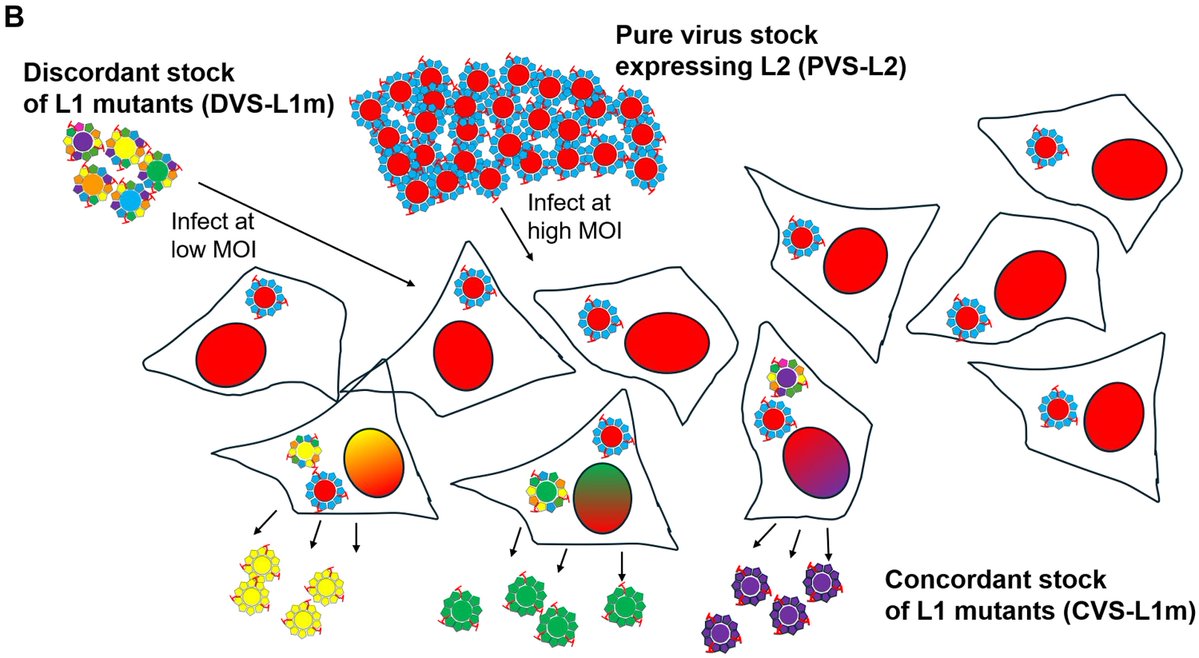
Researchers have designed a transformative platform that identifies and isolates HPV mutants from complex virus libraries based on their selectable phenotypes, enabling studies of HPV biology and helping improve HPV vaccines. @YaleGenetics https://t.co/ix1ljaxw2G
Science Advances is publishing an Erratum for the September 2024 Research Article “AAGGG repeat expansions trigger RFC1-independent synaptic dysregulation in human CANVAS neurons.” https://t.co/QpGprD8EF4
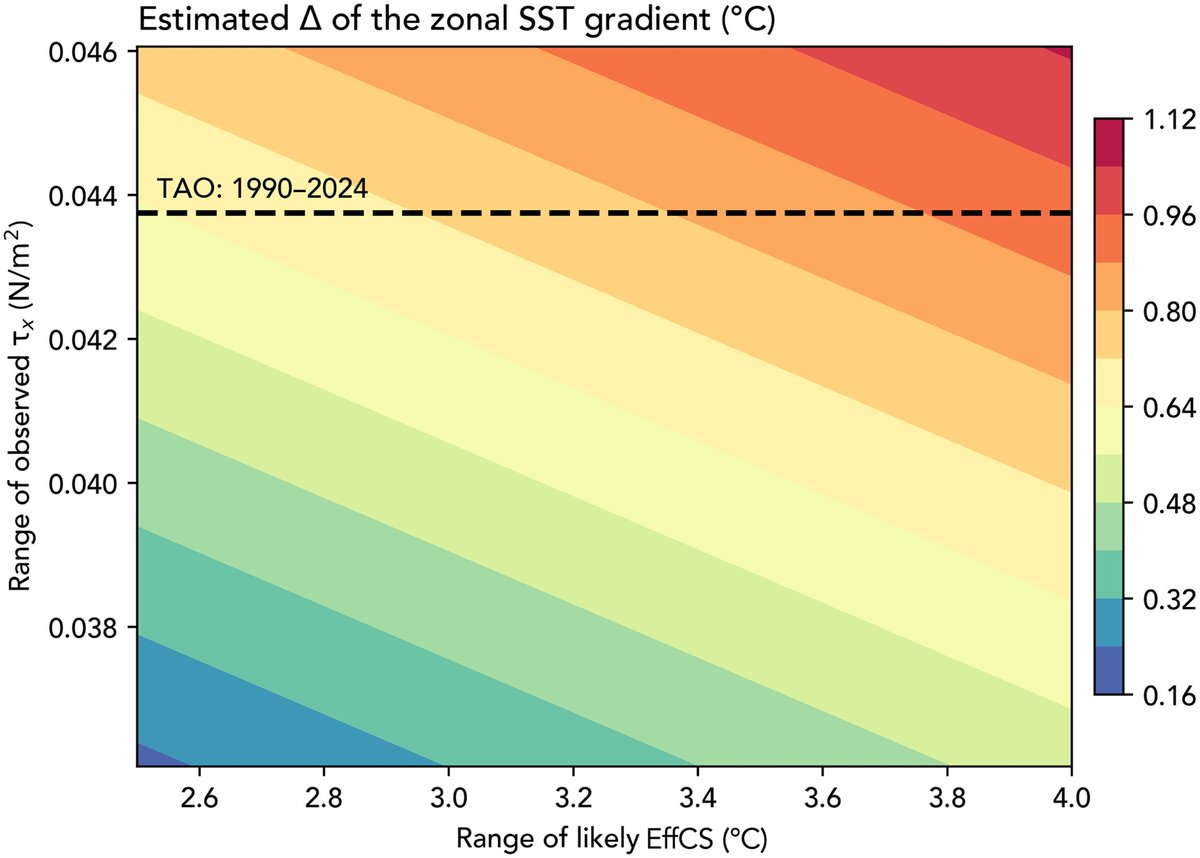
Climate models predict enhanced warming in the eastern equatorial Pacific, but researchers have found the magnitude depends on the model's internal trade wind intensity and effective climate sensitivity. @NCAR_Science https://t.co/gigOfNWvT8
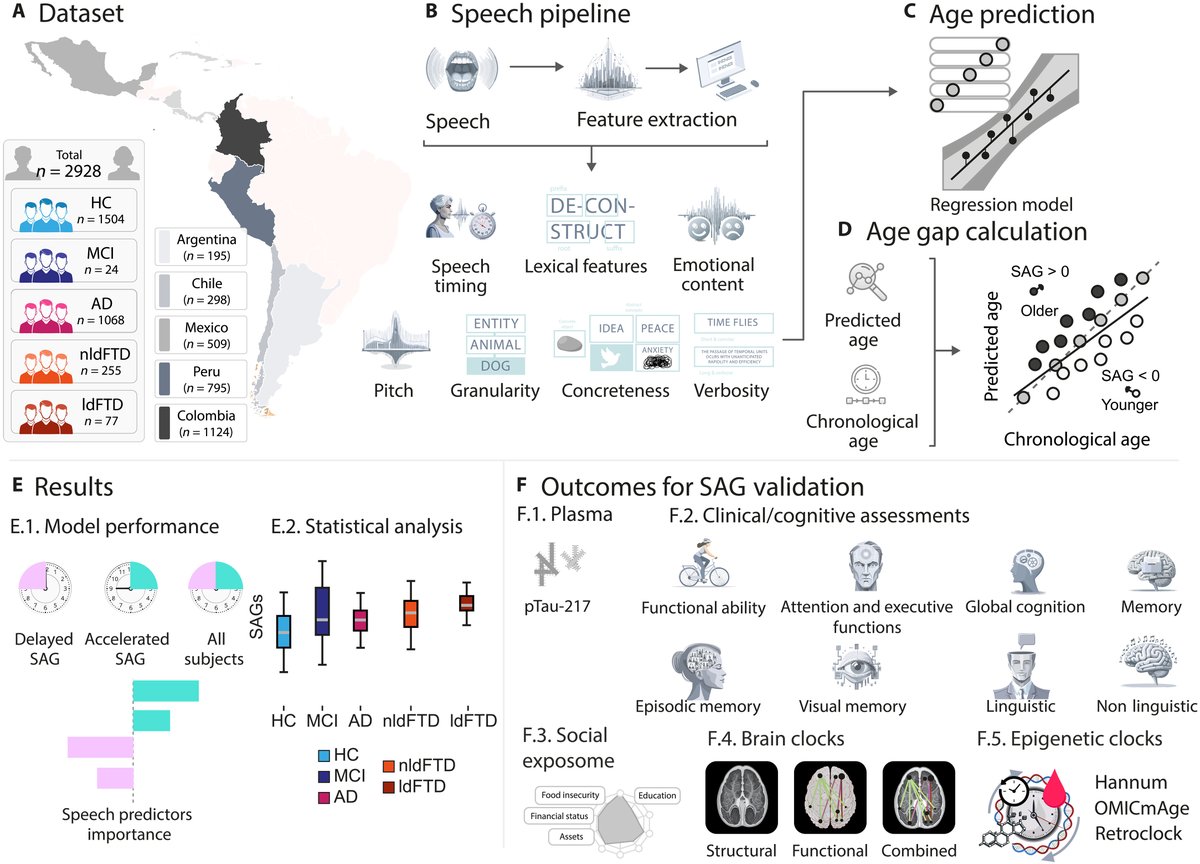
Researchers have developed a cross-national “speech clock” that can track biological aging and markers of dementia across a large and diverse sample of Latin American populations. https://t.co/K2mOeYBVqJ
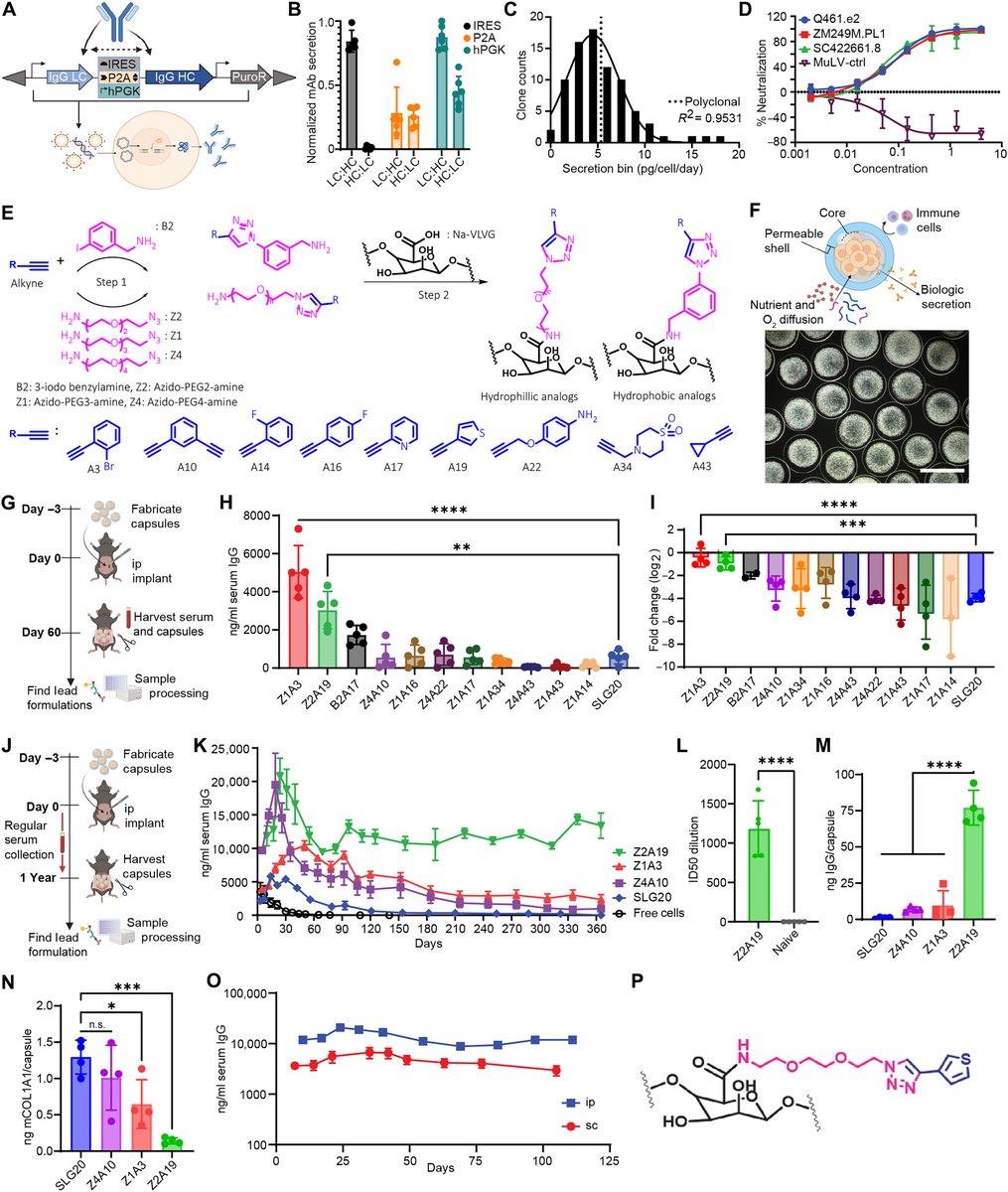
A new cell-based delivery platform within a minimally invasive device enables once yearly monoclonal antibody therapy, limiting the need for frequent injections. @veiseho@RiceUniversity https://t.co/9EbcuhTCTB
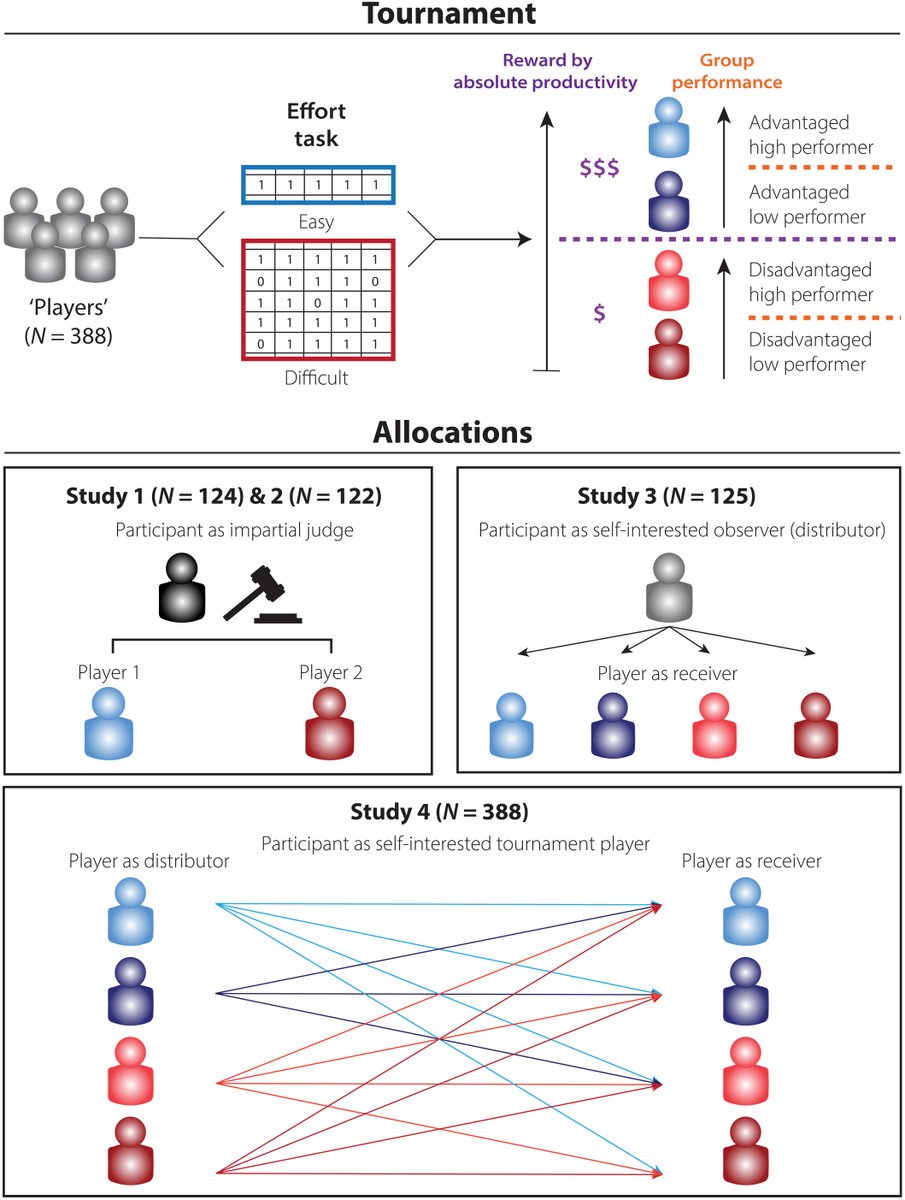
A series of behavioral studies reveals that merit is not fixed and objective but is instead a subjective judgement shaped by how someone values both effort and opportunity. @SarahVahed@DondersInst https://t.co/eAWh1GkDfD
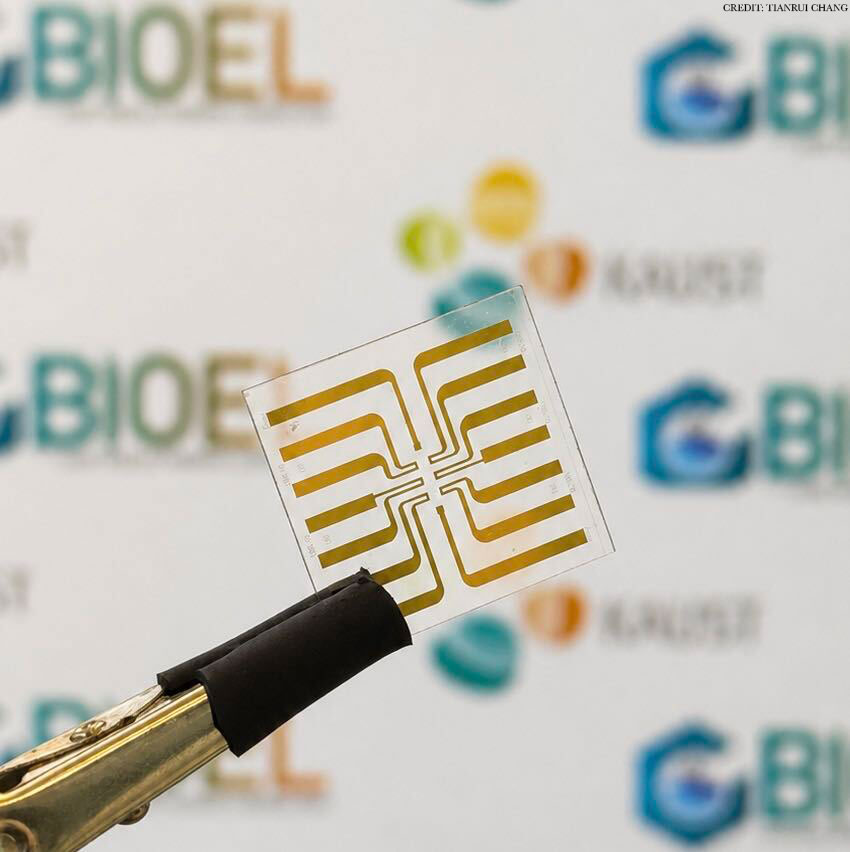
This electronic chip may enable earlier prediction of Parkinson’s disease by detecting elevated levels of alpha-synuclein in the blood. https://t.co/CjBmLThHGa
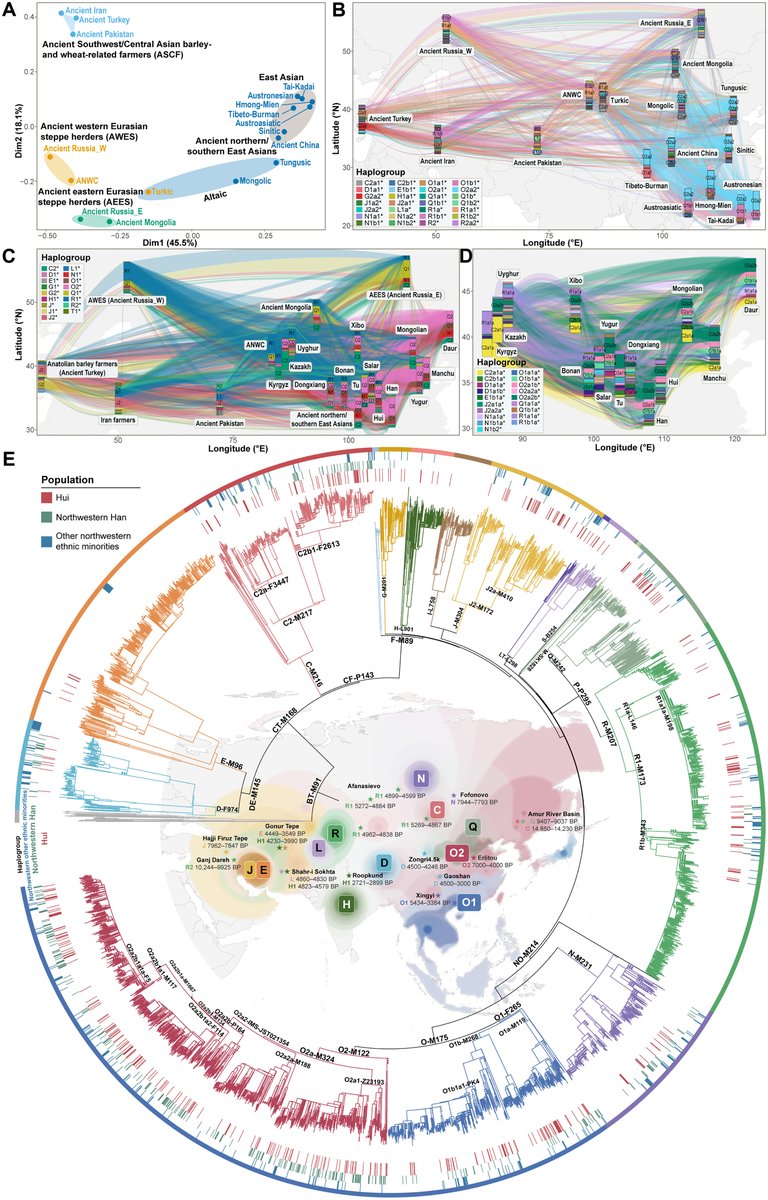
A new analysis of a large-scale Y chromosome resource reveals how a pattern of multiple trans-Eurasian migrations shaped paternal diversity in Northwest China. https://t.co/GBQdPQxHl3
Science Advances is publishing an Erratum for the May 2020 Research Article “Engineered algae: A novel oxygen-generating system for effective treatment of hypoxic cancer.” https://t.co/jHBovVBipw
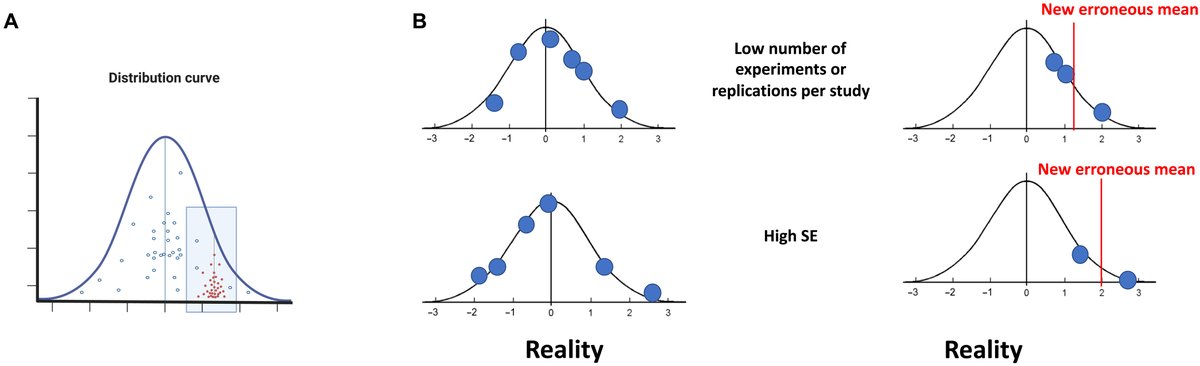
How should science address positivity bias? A new two-part Focus series explores its effects on the scientific literature.
Learn more ⬇️
https://t.co/ewPkJppKbw
https://t.co/9JjGbBNxKQ
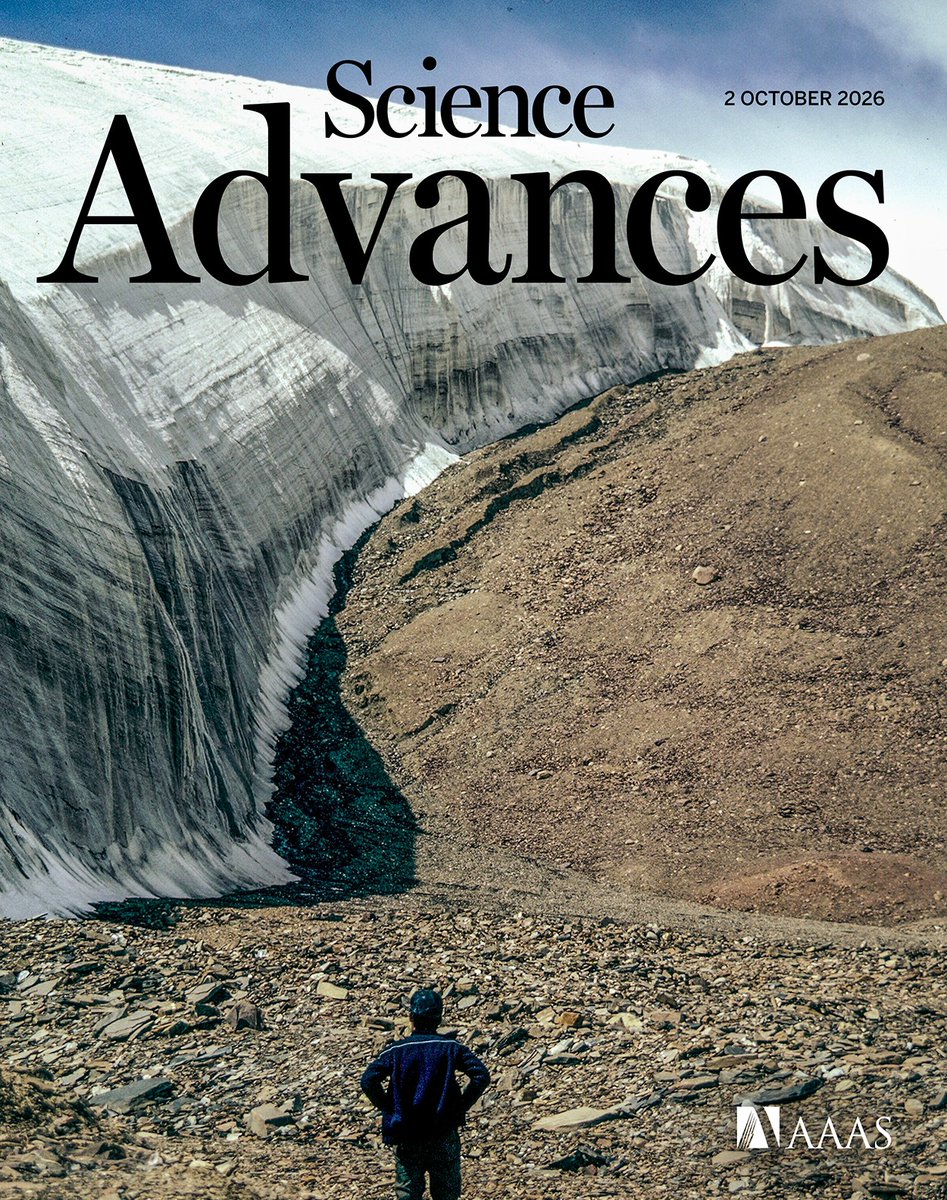
Researchers have constructed the oldest ice core–derived climate record from the Tibetan Plateau, which confirms that the Guliya ice cap is more than 100,000 years old.
Learn more in Science Advances: https://t.co/GWpBDeN9NW
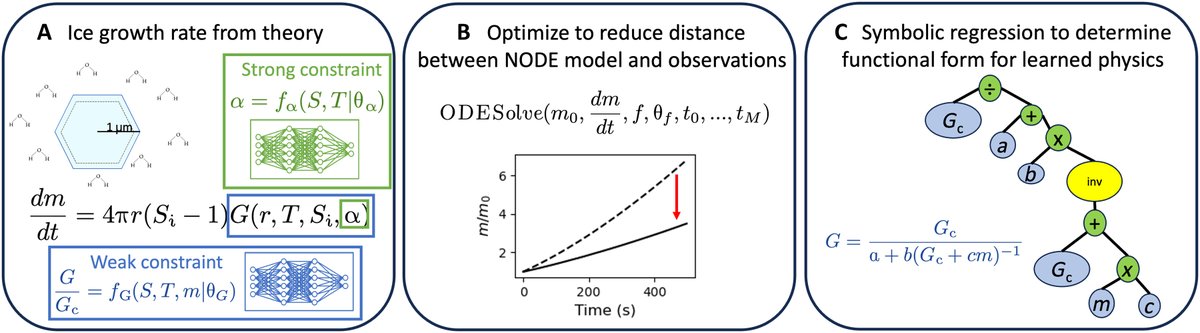
Physics-informed machine learning reveals the hidden physics of early ice crystal growth.
Learn more in a new study: https://t.co/KuT9MPmlNU @karadlamb@CUSEAS
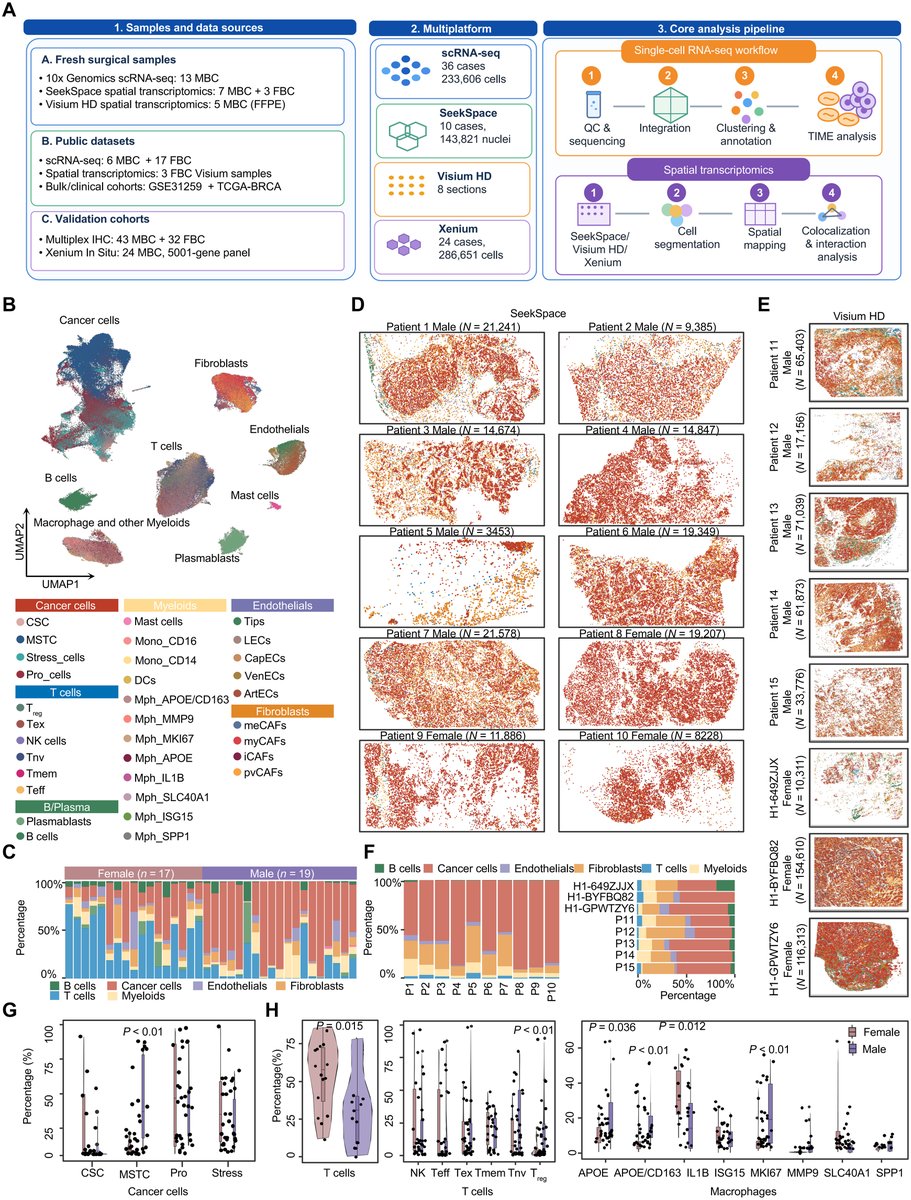
By identifying a sex-specific tumor cell subtype, researchers establish a roadmap for the development of sex-specific biomarkers and precision therapeutic strategies for male breast cancer patients. https://t.co/zZHalTPWYK
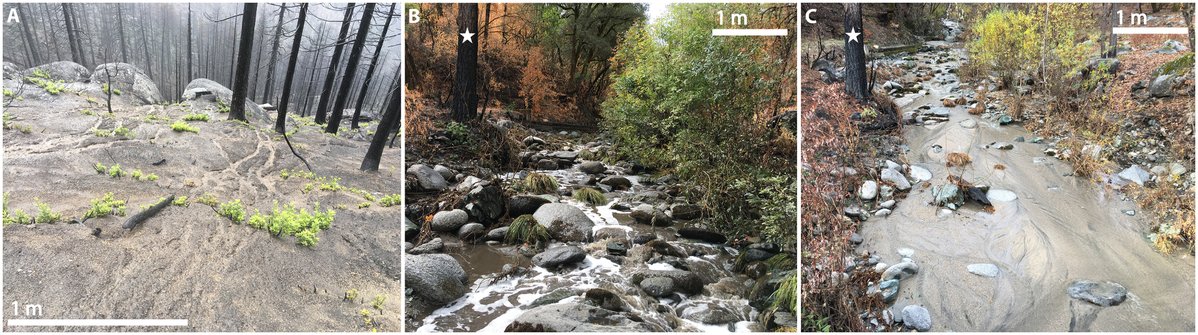
Scientists reveal how the start of postfire debris flows is more sensitive to grain size and sediment supply than increased water runoff, explaining differences in debris flows in mountainous areas and improving postfire predictions. https://t.co/69MBpFapZl @CAGeoSurvey