1/9 PARP inhibitors have transformed cancer treatment, but have also been linked to the development of Clonal hematopoiesis (CH) and therapy-related leukemia. How do prior chemotherapy and inherited genetics influence this?
Our new work in @NatureGenet:
https://t.co/84gb7UCCkS
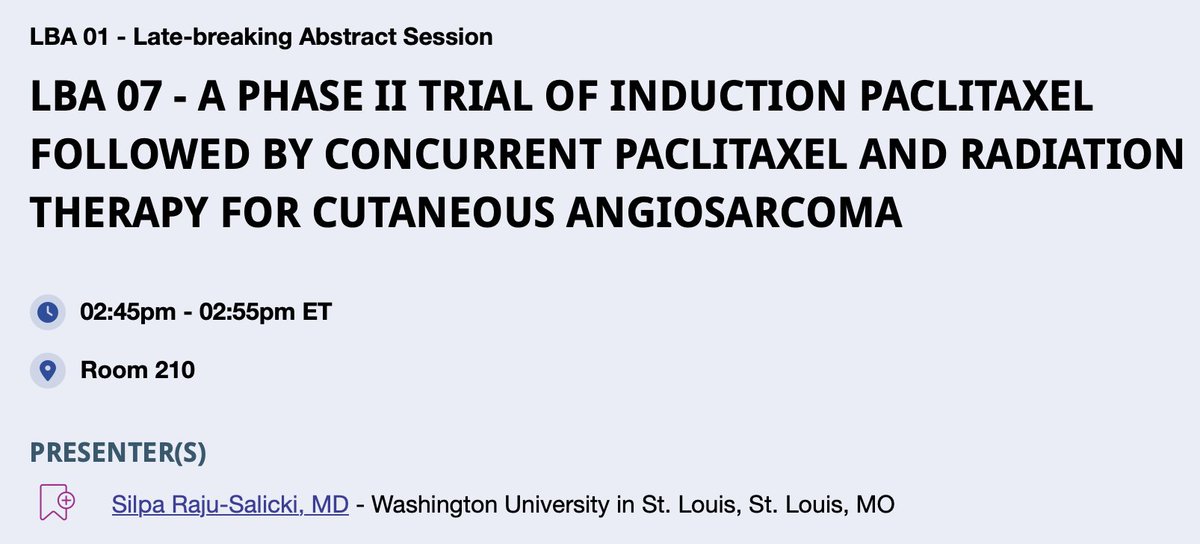
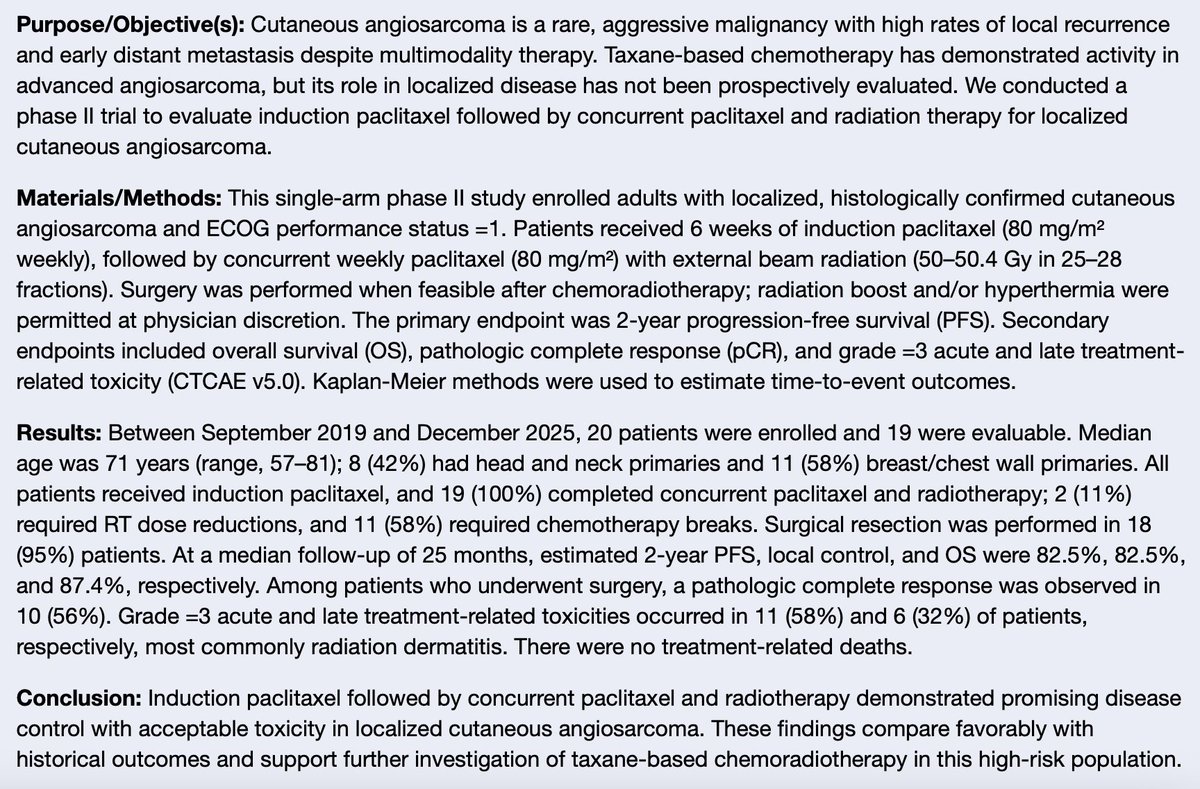
Nice abstract about cutaneous angiosarcoma by Dr. Raju-Salicki, consider it the standard approach.
The late great Brian Van Tine taught me about this strategy, trial was a team effort with him as coach.
I think he would've been really happy this is #ASTRO2026 LBA01 ♥️
More evidence that #ClonalHematopoiesis evolution is context dependent! 🧬 Clonal selection reflects both cancer therapy and germline genetics, with important implications for tMN development.
Huge congrats to @KellyLBolton@IrenaeusChan & colleagues!
https://t.co/L9T9KHPDin
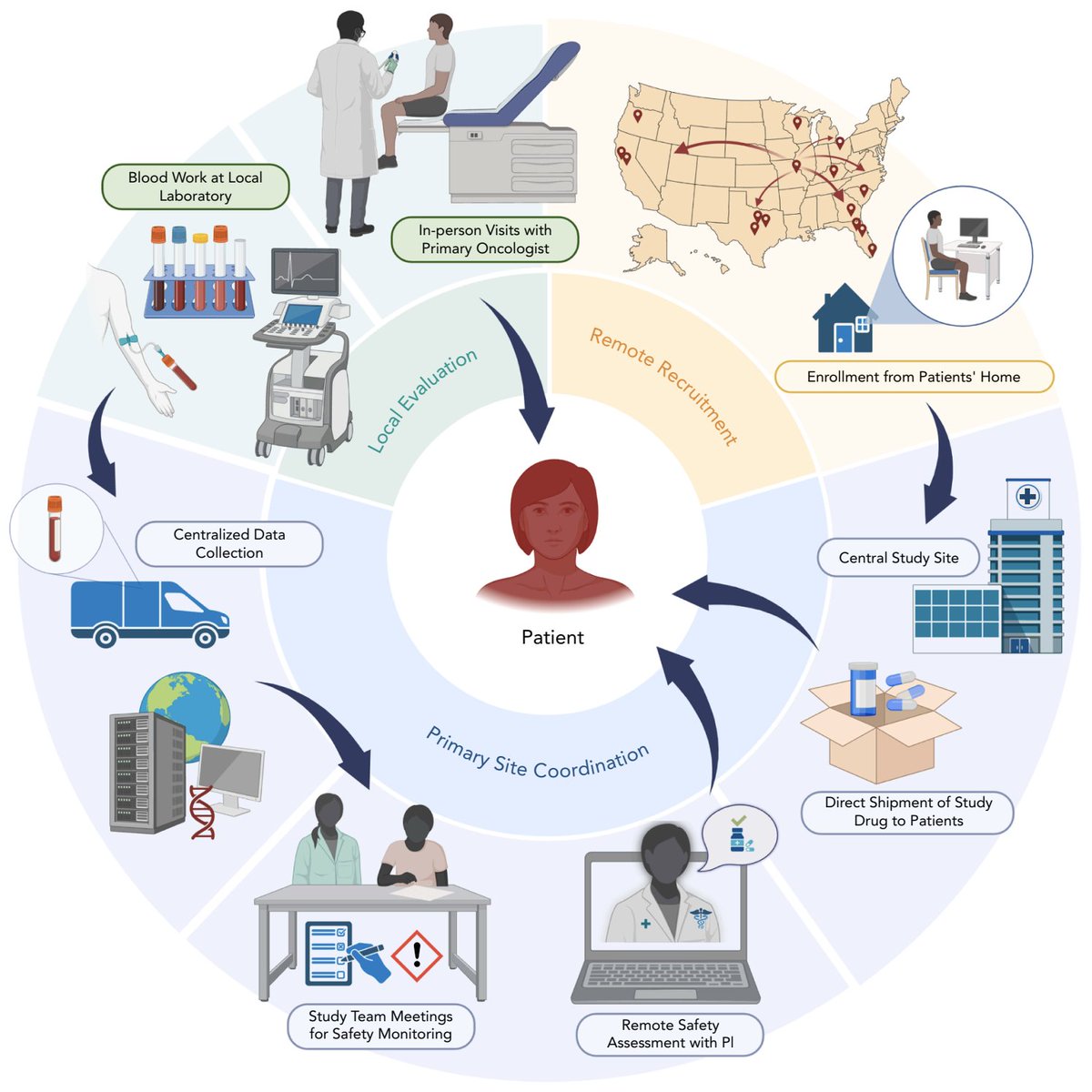
Interested in decentralized clinical trials in hematology? Giulia Petrone, Geoff Uy, and @KellyLBolton share lessons learned from conducting IDH1/2 inhibitor trials in CCUS in their new Perspective in @BloodPortfolio. @WashUOncology
https://t.co/t32oRbWX0B
Has anyone, like me, seen patients with lymphoma deprived coverage of medically appropriate NGS profiling?
Well, I've been working to remedy this, and an LCD request I submitted to Medicare is being discussed at an open meeting in October.
Here is the proposed LCD as prepared by CMS, based on my submission as well as one from LabCorp:
https://t.co/tJOEBeDl6w
Here is the information on the open meeting and how to submit comments via email:
https://t.co/tuE0NB1ME4
Does EVERY patient with lymphoma need NGS at diagnosis? Probably not, and we aren't asking for that. But MANY suspected lymphoma workups would benefit from NGS (akin to how we implement BCR and TCR clonality studies now) and could spare patients unnecessary repeat biopsies/procedures. And MANY patients could gave important prognostic and even predictive information from NGS at key clinical landmarks. Right now, coverage for these tests are spotty at best.
@lymphomahub@lymphoma@LymphomaAction
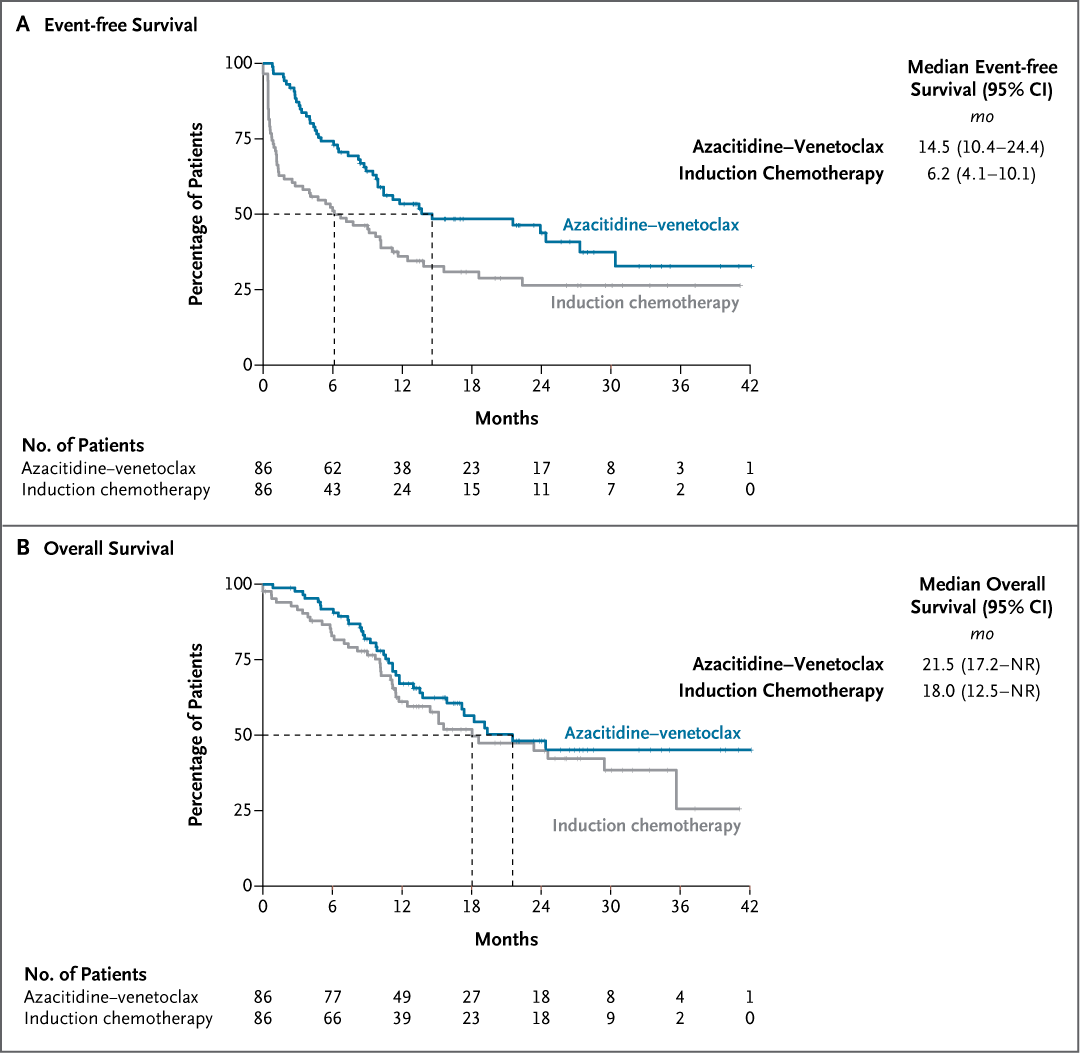
In a randomized phase 2 trial involving adults with AML, azacitidine–venetoclax led to longer event-free survival than induction chemotherapy, with a lower risk of severe infection and hemorrhage. Full PARADIGM trial results: https://t.co/iiDNsw6CUW
Editorial: Hypomethylating Agents plus Venetoclax as Compared with Intensive Chemotherapy in Patients with AML https://t.co/zsAPQjxEDb
On behalf of my colleagues, I am thrilled to share that our NHLBI Program Project Grant, 1P01HL185367-01, “Intrinsic and Extrinsic Factors Driving Clonal Evolution and Disease Progression in Myeloproliferative Neoplasms”, has been funded! 🎉 1/
@WashUHematology@SitemanCenter
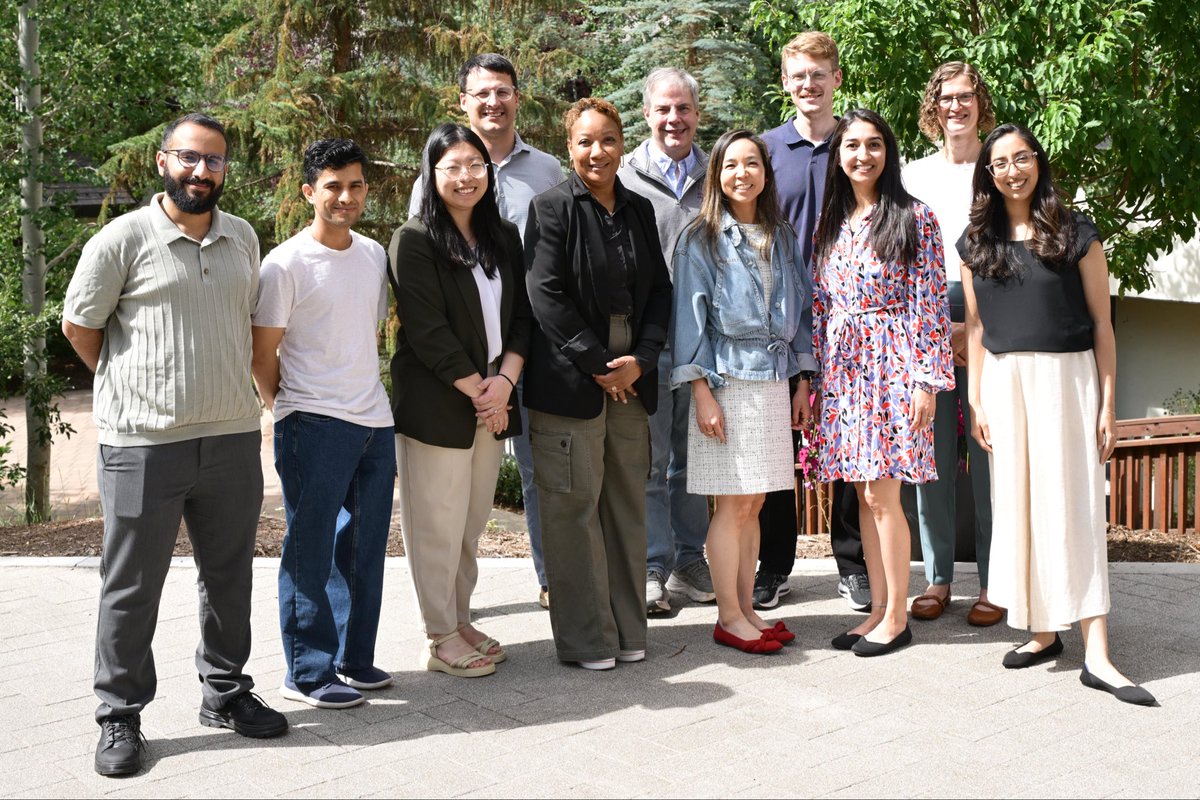
Grateful to @AACR and @ASCO for an outstanding Methods in Clinical Cancer Research Workshop in Vail. I learned a tremendous amount about clinical trials and drug development, received exceptional mentorship, and made new friends. Excited to apply these lessons to future trials!
Gaining therapeutic access to the human brain is one of the biggest unsolved problems in biomedical science.
Today @nature, we uncover a massive influx of immune cells into the human brain during aging, revealing that the brain is more accessible than previously thought. 1/
https://t.co/BuHdVk1V2I
🚨Sharing key insights from our latest study @BloodPortfolio advancing CCUS-focused clinical trials!
✨Clinical&Genomic Convergence of HR CCUS & LR MDS
1/N: This work offers vital benchmarks & roadmaps for patients, regulators, and industry sponsors.🩸
https://t.co/nkpKxZ8GYe
Out in @BloodPortfolio ! OPTI-AML,Ph 2 randomized study of Aza+28D (AV28) vs 14D(AV14) Ven for first 2 cycles in AML pts >=60 yrs. This study generated a LOT of discussion so here are all the relevant details about this first prospective Ven dose optimization study ! 🧵
https://t.co/SE41NS3wBW
Delighted to share that our NHLBI-supported Molecular Hematology T32 training grant has been officially renewed! 🎉Our program, now funded through Year 55, continues a long tradition of excellence in hematology research training @WashUHematology@WashUDeptMed@washumedicine. 🤩
I’ll keep it relatively short and sweet. Today marks the start of the DRG lab @WashUOncology. We will continue to study B cell lymphomas using mouse models, cell lines, and patient samples, trying to link genotypes and phenotypes to better understand these diseases and help deliver better care to patients (including diagnostics, response evaluation, and treatment selection).
An immense thank you goes out to my mentors and collaborators, past and present, both here and elsewhere (including Tim Ley, @LabFehniger, @nancybartlettMD, Brad Kahl, Neha Mehta-Shah, @obigriffith, @malachigriffith, @GreenLymphoLab, @AshAlizadeh, and many others), in addition to my family and generous funders.
Right now, we are specifically looking for experienced staff technicians as well as post-baccalaureates (ideally 2 year commitment). Positions for post-doctoral fellows will be open for 2027. Graduate students always welcome! Please reach out with applications or references.
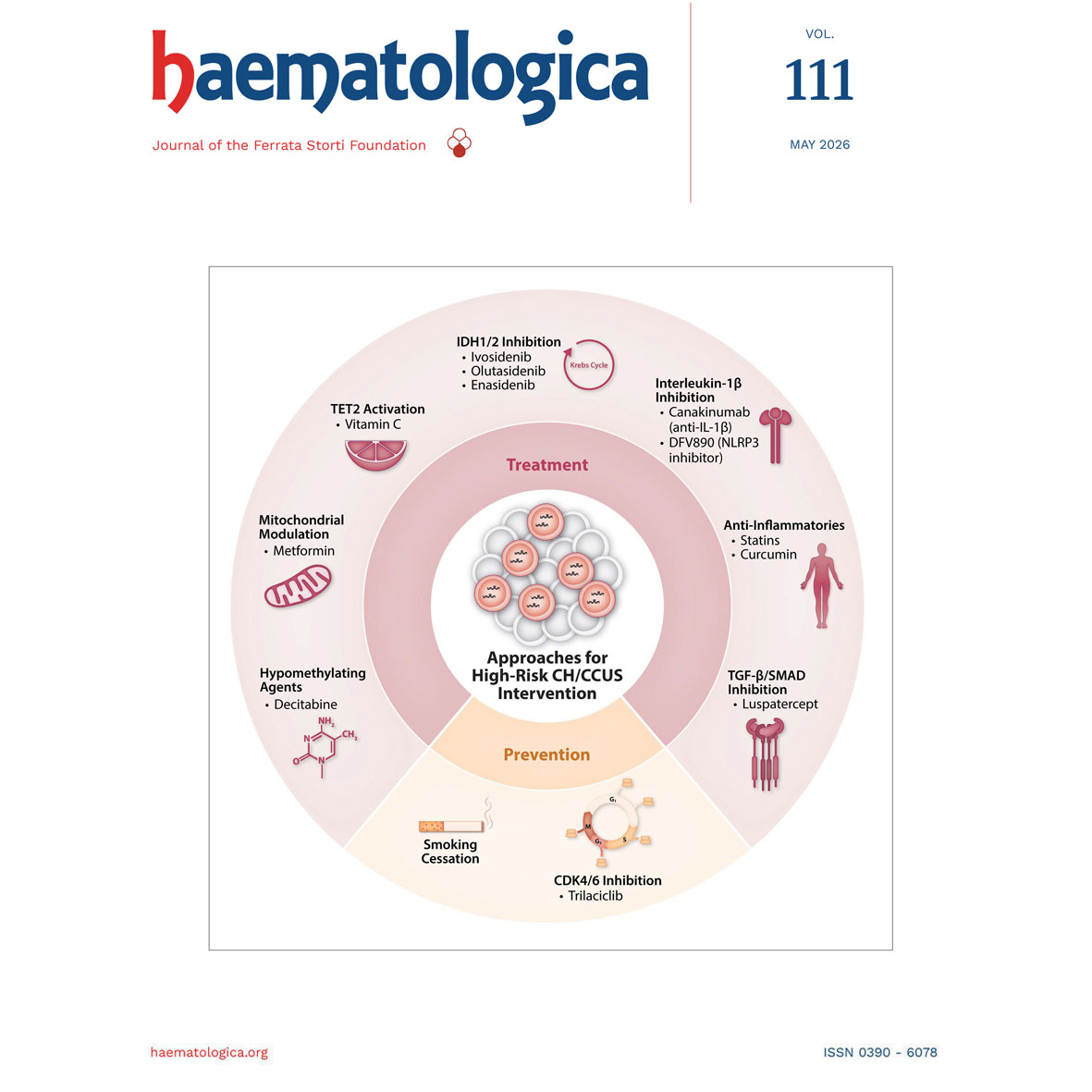
Review series on clonal hematopoiesis. From biology to clinical management—this introduction frames the key questions shaping research and practice in clonal hematopoiesis.
https://t.co/kjCLgeAYzL
Most ‘synergistic’ cancer drug combinations fail in the clinic.
Why?
A new paper revisits 100 years of drug combination research to understand the matters key to clinical success
https://t.co/pcWjCxrtbb
1/8