We are a cybersecurity company that safeguards enterprises and internet platforms from sophisticated bot attacks and fraud to keep digital experiences human.
HUMAN Exposes BADBOX 3.0's 40 Billion Fake Bids a Day - Advertisers Beware
That streaming box under your TV? It might be making money while you sleep. Sadly, that money goes to criminals, and advertisers are picking up the tab.
Yesterday, HUMAN Security announced that its Satori research team had disrupted BADBOX 3.0, the largest publicly disclosed ad fraud operation ever measured by bid-request volume.
The scam
At its peak, BADBOX 3.0 generated roughly 40 billion ad bid requests daily – more than three times the previous record. That's over 4% of the CTV traffic observed by HUMAN's defense platform.
The operation exploited cheap, compromised streaming boxes. Some are infected before consumers even opened the packaging because someone with access to the manufacturing introduces a hidden backdoor into the device's system software.
The malware secretly played video ads in invisible windows, impersonating legitimate streaming apps. Advertisers could end up paying to reach ghost audiences that don’t exist. For extra income, the criminals also rent out the devices' internet connections to other criminals for more advertising fraud.
Who's getting hurt?
Advertisers face the most obvious risk: wasted CTV budgets, inflated impressions and corrupted performance metrics. They need independent fraud detection, supply-path transparency and closer scrutiny of suspicious inventory.
SSPs and exchanges risk passing fraudulent inventory downstream, inviting advertiser complaints, refunds and strained buyer relationships. DSPs need stronger pre-bid defenses. Both sides have a financial incentive to clean up the supply chain.
The AI problem
BADBOX 3.0 wasn't necessarily an AI-driven operation, but it demonstrates how industrialized fraud has already become. Now imagine what happens when criminals begin to harness AI: it threatens to make ad fraud substantially worse.
AI can help criminals generate convincing fake identities, automate attacks, adapt to detection systems and operate fraudulent infrastructure at unprecedented scale.
As AI makes sophisticated fraud cheaper and easier to execute, protecting advertising investments becomes paramount. Independent verification, behavioral detection and continuous monitoring are increasingly essential.
My take
HUMAN’s researchers uncovered an extraordinarily sophisticated operation, connected the technical evidence and helped disrupt its infrastructure.
BADBOX 3.0 is already bad. The uncomfortable reality is that it is just a matter of time until BADBOX 4.0 comes around. Criminals adapt, and so must players in advertising.
HUMAN's investigation is an impressive achievement. Whether the industry can turn such discoveries into lasting reductions in fraud is a much bigger question.
HUMAN Security is a W Media Research client.
@SecureWithHUMAN
HUMAN has disrupted the largest publicly disclosed ad fraud campaign by bid volume, BADBOX 3.0, peaking at ~40 billion bid requests/day.
In it, low-cost TV devices joined residential proxy networks w/o consent to invisibly display ads & spoof CTV traffic: https://t.co/lzeVdcihCu
@nikitabier Completely agree. As agents replace human traffic, bot detection and human verification will be foundational. What you experienced at X is the gap we're solving at HUMAN: a platform for detection, identity and verification, protecting access for legitimate users without friction.
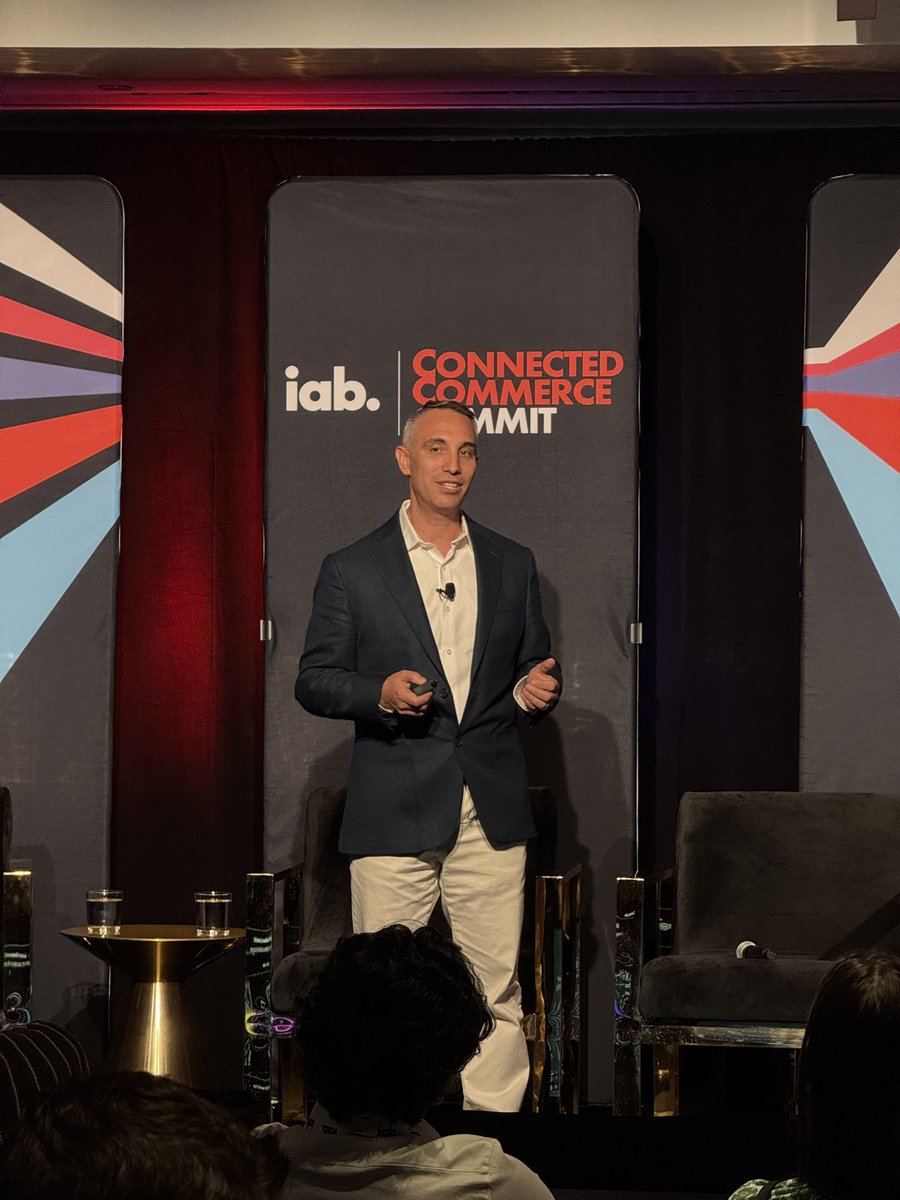
Back on the #IABConnectedCommerce Summit main stage, Stu Solomon (@SecureWithHUMAN) is unpacking a big question: in a digital world shaped by bots and agentic AI, how do we define and maintain trust?
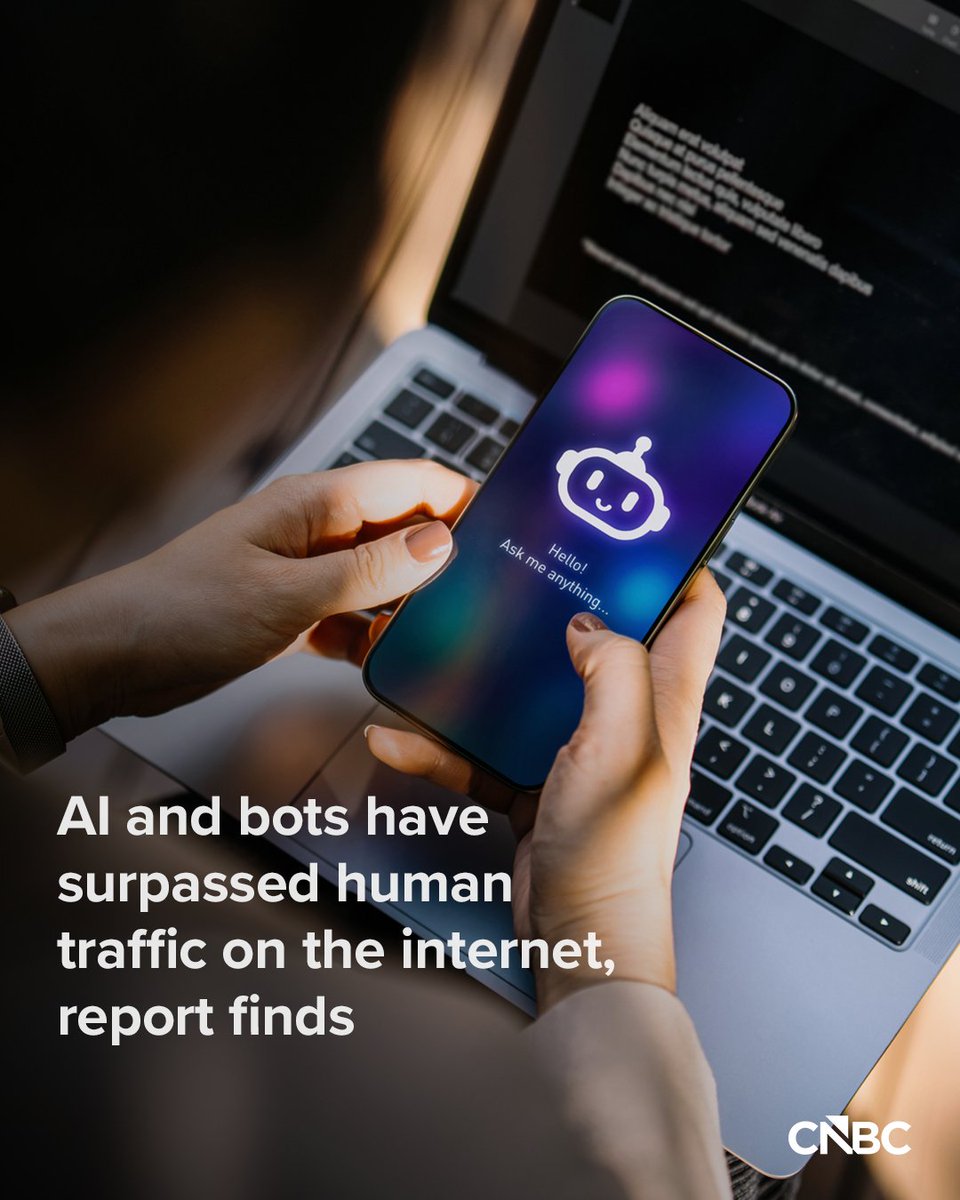
Bots have taken over the internet.
The State of AI Traffic report released Thursday by cybersecurity firm Human Security showed that artificial intelligence and bots have officially eclipsed human users. https://t.co/5ovoEVaLGQ
Otherwise competent engineering teams fail at bot detection because they model the problem as anomaly detection. They think they can make a model of normal human use and then use ML to find the outliers. This dramatically underestimates the adversary.
We crushed this problem at @SecureWithHUMAN by completely different means: active, dynamic side channel analysis.
That's why our capabilities are *additive* for customers like Google and Microsoft, who have world class AI teams themselves. HUMAN adds extraordinary side channel analysis capabilities that are otherwise unseen outside of nation state cyberwarfare. That's why HUMAN has triggered more takedowns and more arrests than any other botnet defender.
No one's getting convicted on some AI model's anomaly detection. AI fraud detection models never *stop* the predators, only delay them. The adversaries adapt, infect new computers, steal more real accounts and identities, and keep going once they hide in the noise again. HUMAN nails proof to the wall. It's the serious choice for everyone who wants to deal consequences to the adversary.
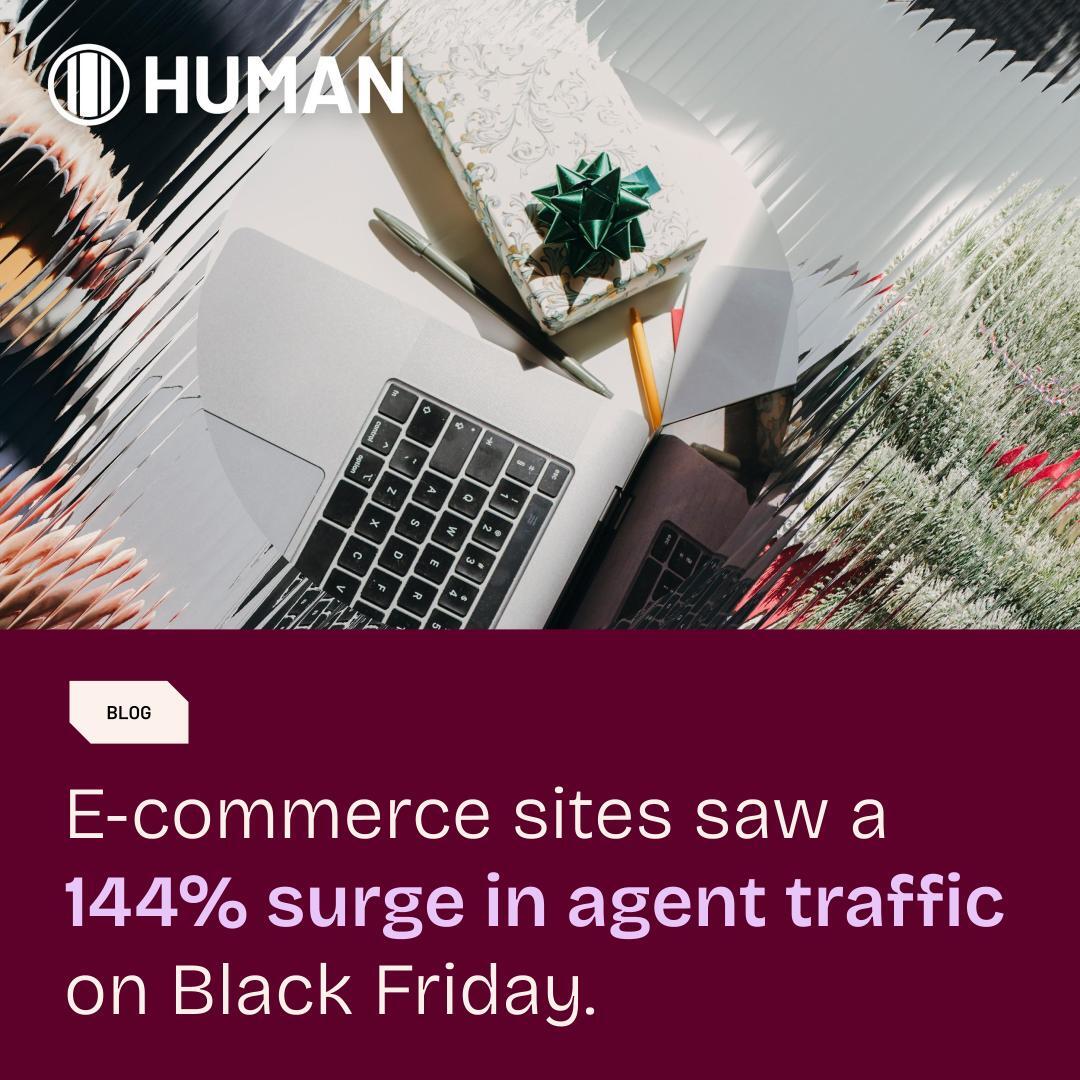
AI agents surged this holiday season! New @SecureWithHUMAN telemetry shows agent traffic targeting e-commerce sites jumped 144.7% during the Black Friday–Cyber Monday period. Read more on our blog: https://t.co/56s61fvca9
Time for a scary story! There were more than 10 million BADBOX 2.0 infected devices but @SecureWithHUMAN’s Lindsay Kaye and @Google
’s Per Bjork explained how they were able to neutralize 6 million. BUT OM SDK device attestation is key at making this defensible and securing CTV!!
2025 was the year #AI didn’t just join the IT function — AI defined it. Read the full story in @ITBrew: https://t.co/zm2iKZ7UmP
As HUMAN CEO, Stu Solomon, noted, “we’ve been going down the automation-orchestration route for years, but what is new is that it’s happening faster.”
New @retailgentic episode 🚀
HUMAN CEO Stu Solomon joins @scotwingo to unpack the rise of the agentic internet, bots surpassing humans, a 1300% spike in AI activity, and what it means for retailers + digital trust.
🎧 Full episode: https://t.co/wpF0ZsdYOw
New @retailgentic episode 🚀
HUMAN CEO Stu Solomon joins @scotwingo to unpack the rise of the agentic internet, bots surpassing humans, a 1300% spike in AI activity, and what it means for retailers + digital trust.
🎧 Full episode: https://t.co/wpF0ZsdYOw
Explore how #AGNTCY and @SecureWithHUMAN are tackling agentic fraud and rethinking digital trust in our latest Outshift Blog.
Check out the full conversation with Christos Kalantzis now. https://t.co/maQxJ1i9uj
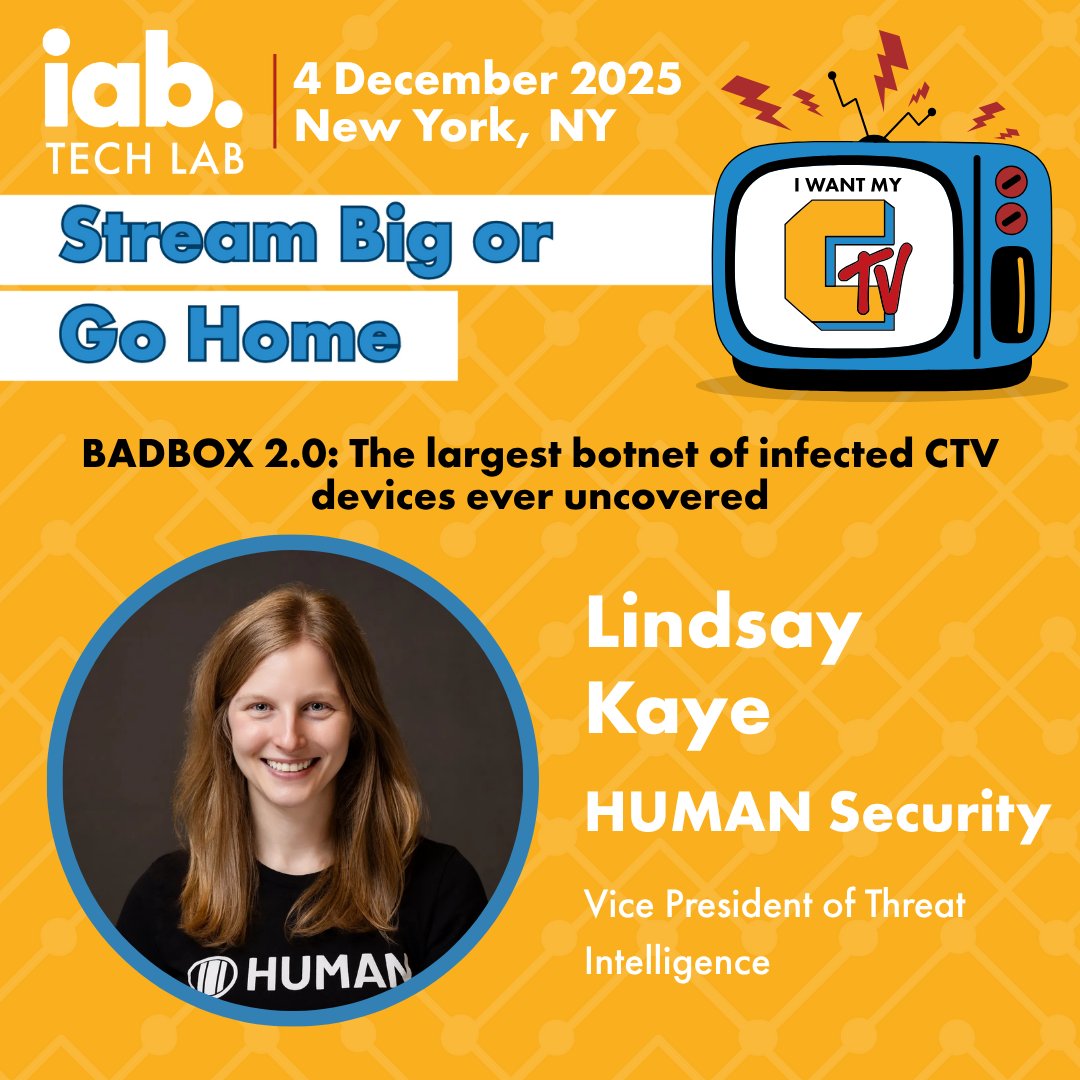
Dive deep into the largest botnet of infected CTV devices ever uncovered, BADBOX 2.0, with @SecureWithHUMAN’s Lindsay Kaye at #IWantMyCTV in NYC on Dec 4! You’ll want to hear how this operation was discovered and what it means for the future: https://t.co/EM0OEoK7Ek
Grateful to be included as part of this wonderful roundup from @AWSAI! Read on to see how we're enabling frictionless verification to support the agentic user journey while blocking bad bots.
Congratulations to @SecureWithHUMAN's Inna Vasilyeva, honored in the Women to Watch category of the 2025 Women in IT Security Program. Read about Vasilyeva's path into the #cybersecurity field, as well as our other 2025 honorees. https://t.co/4Amg0JDesY
Firms Team Up To Reduce Agentic AI Risks for E-Commerce Merchants...@Riskified and @SecureWithHUMAN launch a framework for e-commerce security, targeting fraud, chargebacks, and risks from #agenticAI shopping agents. https://t.co/auJ9grsFZz
As #threatactors run AI models locally, they bypass safeguards and optimize for attacks on Government systems. Stay ahead of #cybersecurity threats by leveraging @SecureWithHUMAN’s defense strategies for public sector security teams: https://t.co/NSCdRVT1qX
Human Security CEO: Agentic AI Will Require ‘Trusted Agents:’ https://t.co/fNuF4I6ecv
@SecureWithHUMAN CEO Stu Solomon tells @CRN that the increased autonomy afforded to AI agents will mean a greater need for verifying that the agentic applications are legitimate and secure.
We are integrating our Client-side Defense solution with the @awsmarketplace and Web Application Firewall (WAF) to simplify the way businesses comply with PCI DSS 4.0 requirements 6.4.3 & 11.6.1, which have gone into effect as of March 2025. https://t.co/4emczKhKnL
#KnowWhosReal