Interested in following Sex Differences in the Immune System 2024 but can't make it to Dublin? We have a virtual registration option that will allow participants to view live-stream sessions.
https://t.co/aCz38cpLQa
📢 Register for the 2025 Henry Kunkel Society Meeting on "Genes & Immunity" and join us in Belgrade from April 10-12, 2025. https://t.co/Y9EZEiSzPH
#HKS2025#Immunology 🧬🔬
We are hiring!!! If you are interested in #gdTcells or #Staph this is the position for you!! Post-Doctoral Research Fellow in Immunology at Trinity College Dublin, The University of Dublin https://t.co/tKtagaEdZM
Journal of Human Immunity is coming! Excited to be a part of this and support great studies of the unique immune system of human beings: https://t.co/GAHTmWc3zH
Endogenous steroid hormone assessment is essential for clinical practice. These hormones are typically measured in blood. This important review @linazgaga@tcddublin finds that lack of standardization is limiting clinical utility @TrinityResearch https://t.co/od7NiTr1JU
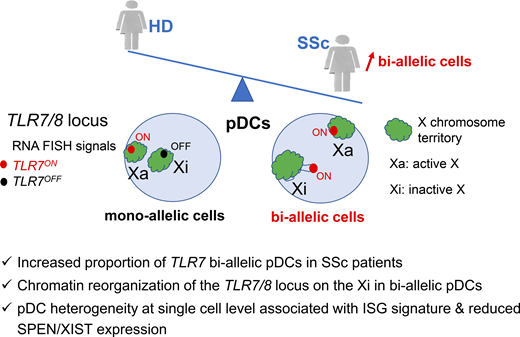
TLR7 and TLR8 escape X-inactivation in pDCs of patients with systemic sclerosis due to decreased expression of XCI machinery, increasing pDC subclusters with high IFN-I signature @JExpMed@CharlesGuery Barrat
https://t.co/cjCahDGTXi
Are you an #immunologist?
Do you have expertise in molecular and cellular biology?
Do you want to investigate why men and women mount immune responses differently?
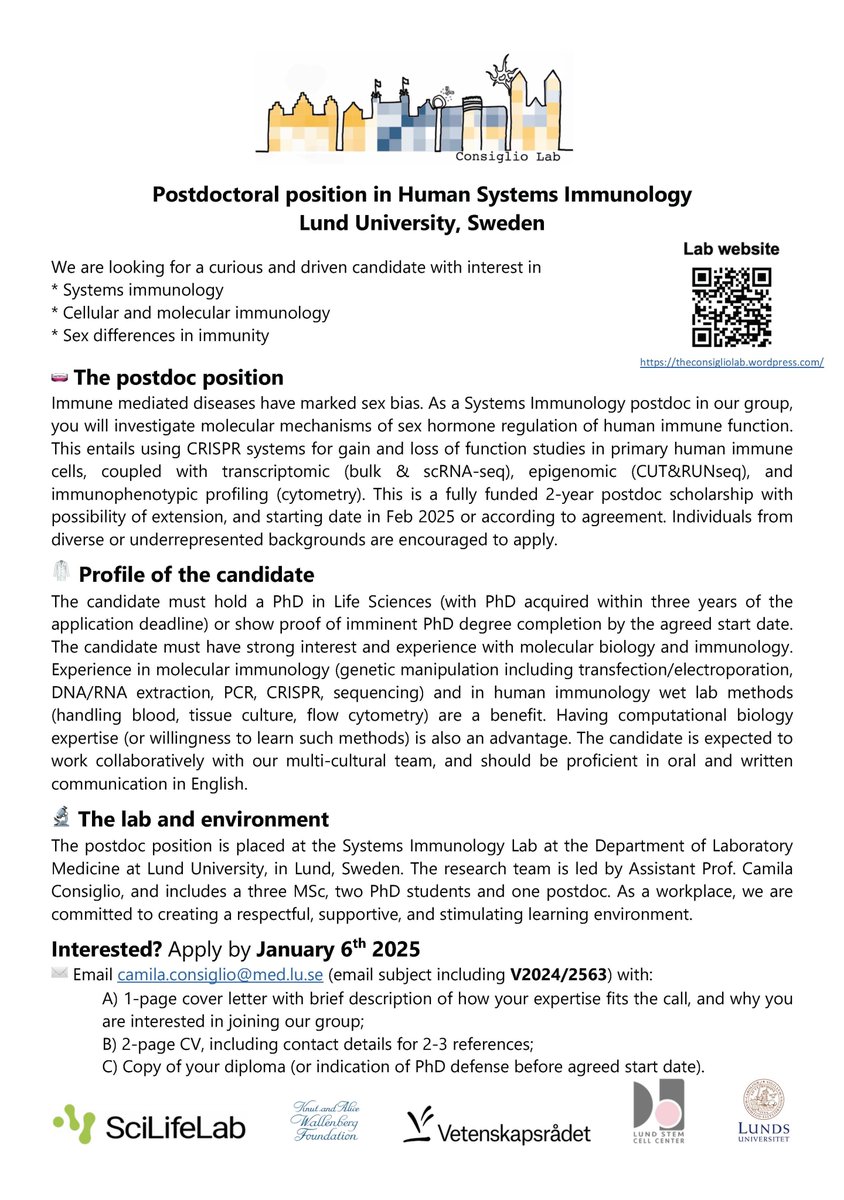
Join us as a #PostDoc in #SystemsImmunology and explore mechanisms of #SexDifferences in #Immunity!
See below
If we look at thousands of proteins (i.e., signals) in the human blood, the protein most associated with chronic physical and mental illnesses is the **same protein** as the top marker for mitochondrial diseases: GDF15
When mitochondria cannot flux energy properly, the cell makes and secretes GDF15 in the blood to alert other cells
Some highlight by Cynthia Liu in our group:
- GDF15 is the top predictor for most diseases
- GDF15 associated with diabetes is among the most significant protein-prevalent disease associations
Based on p-value, GDF15 was most significantly associated with disease.
- “GDF15 was associated with the most diseases, containing 205 prevalent and 397 incident diseases, generally acting as a risk factor except for three incident diseases (respiratory diseases affecting the interstitium, disorders of magnesium metabolism, and peripheral artery disease).”
- “GDF15, similar to its high ranking with protein-disease pleiotropy, ranked second for protein-trait associations, boasting a substantial 428 associations.”Significant associations with many lipid metabolite markers.
- Mental disorders like anxiety disorders, depression, and mood disorders, along with mental health-related traits, also exhibited substantial proteomic signatures including elevated GDF15
- “The fluid intelligence score and various types of dementia shared significant proteins such as NEFL and GDF15 (Figure 2G)”
- “GDF15, the protein with pleiotropic effects, was causally associated with several autoimmune diseases, including ulcerative colitis and rheumatoid arthritis (Figure 6B).”
Data from >53,000 people in the UK Biobank
Full paper here:
https://t.co/F3dn16E0t2
Resource to explore your favorite protein or disease/trait of interest: https://t.co/BjpilkdtHW
Join our #SystemsImmunology Lab (Lund University, Sweden) as a #Postdoctoral Fellow!
🔬Investigate sex hormone regulation of human immune function using CRISPR, transcriptomics, and immunophenotyping. Fully funded 2-year position (more info attached).
🗓️Apply by Jan 6, 2025
Different flavors of interferons in the lungs. Learn more in this authoritative review by Zanoni et al. Must read!
@Lo_Zanzi@BostonChildrens@harvardmed
https://t.co/jjARbrimDD
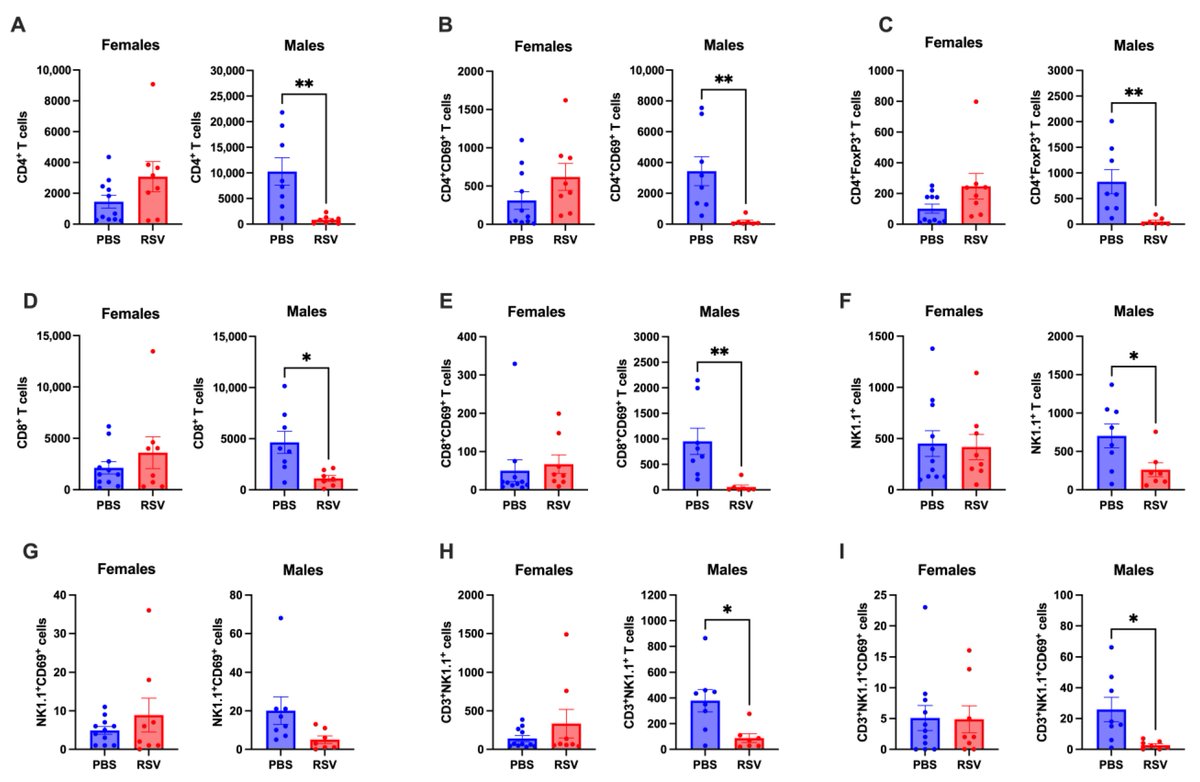
RSV infection in 3wo mice induces persistent changes in mucosal NK and T cell profiles that are more pronounced in males and that may break mucosal immune tolerance leading to good allergy or gut inflammation @StellaLiong_@noxbiology
https://t.co/VFVO1seaOt