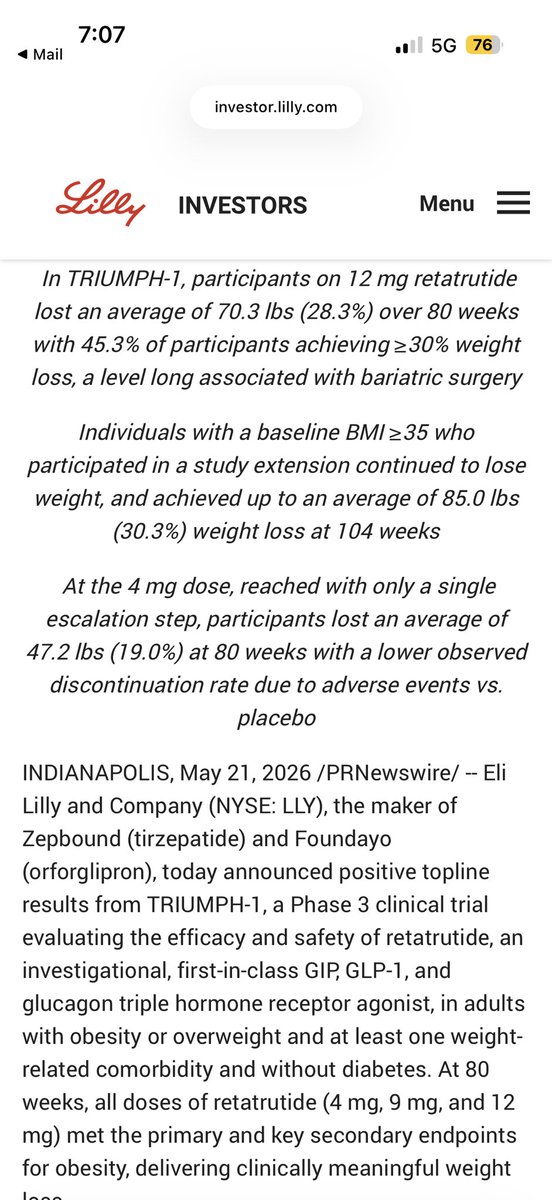
I'm going through the retatrutide phase 3 data, and the cardiometabolic numbers are more interesting than the weight loss:
- 24.1 cm off the waist on 12mg (9.5 inches)
- significant drops in systolic blood pressure
- triglycerides down
- non-HDL cholesterol down
- hsCRP down (a key marker of inflammation)
I'm giving it a few years before people realize GLP-1s are more than just weight loss drugs.
@EricTopol Reta is the next breakthrough. Synergy btw GCGR agonist and anti-obesity effects of single/double-G is profound. Reta in Ms/Rt obese HFpEF models is promising! Differentially regulating PPAR in an organ specific manner. Reta > PPAR quintuple pan-agonism.
Retatrutide, a triple receptor drug for GLP-1, GIP, and glucagon, is the most powerful weight loss drug yet. A significant issue is too much weight loss among the trial participants. New randomized trial results announced today with 28% body weight loss.
gift link https://t.co/82tRkOvQ49
@DanielJDrucker Reta is the next breakthrough. Synergy btw GCGR agonist amplifies the anti-obesity effects of single/double-G. Reta in Ms/Rt obese HFpEF models is wow! Differentially regulating PPAR in an organ specific manner. Reta>PPAR quintuple pan-agonism. Reta metabolic flexibility king.
In SURPASS CVOT tirzepatide was associated with a reduced risk of major kidney events driven by a reduction in new-onset macroalbuminuria in PPL with low-to-moderate-risk CKD #T2D and slowed decline in kidney function in high-risk chronic kidney disease. https://t.co/cq1C4073FB
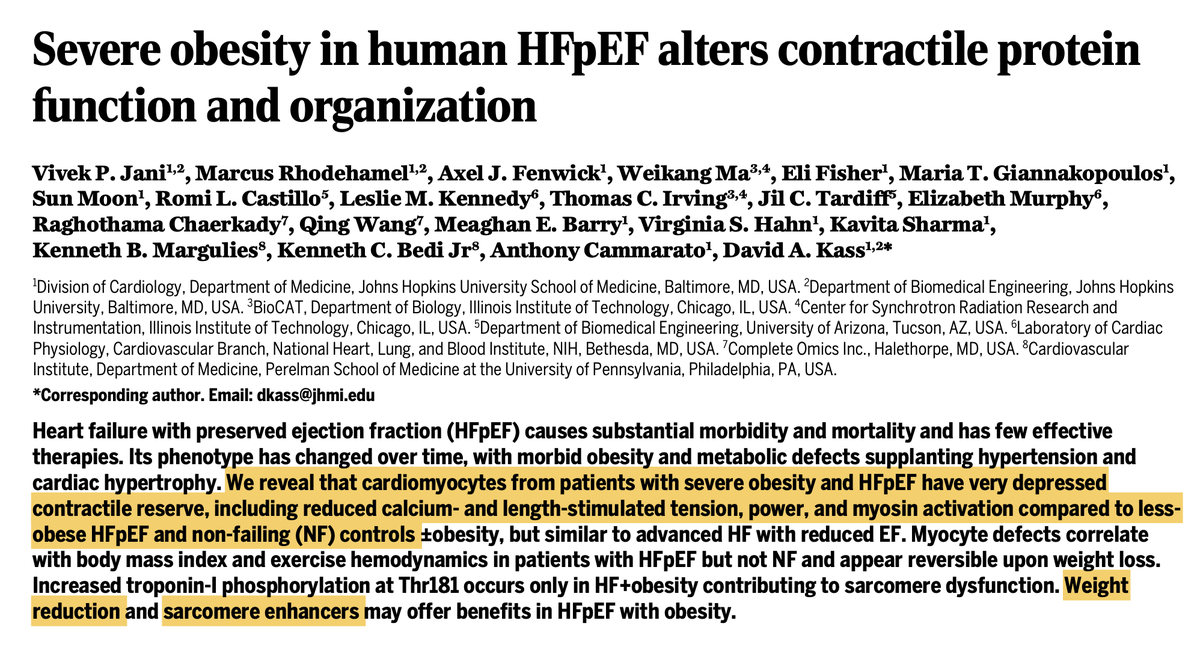
In people with HFpEF (heart failure with preserved ejection fraction) and severe obesity, there is a heart muscle cell defect with sarcomere hyper-phosphorylation. Besides weight loss, sarcomere enhancers (not yet studied) may help.
@ScienceMagazine
https://t.co/or9VaPjD8J
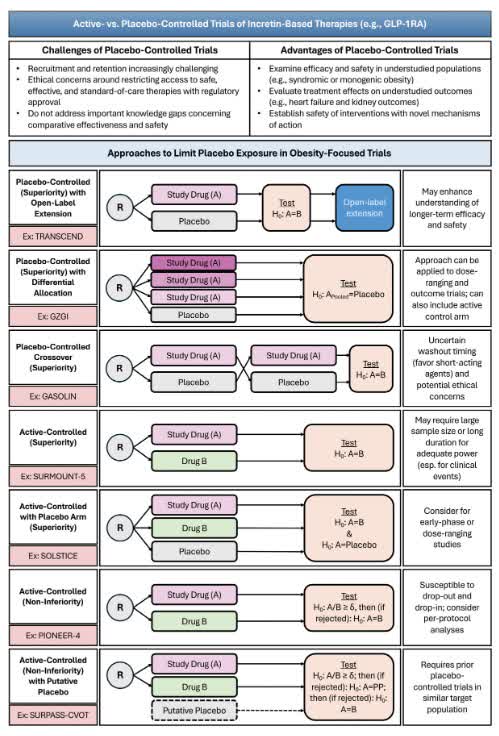
The rapidly evolving landscape of incretin-based therapies, including GLP1 agonists, necessitates rethinking trial design. Authors present challenges of placebo-controlled trials & potential ways to limit placebo exposure https://t.co/Sb463AueV4
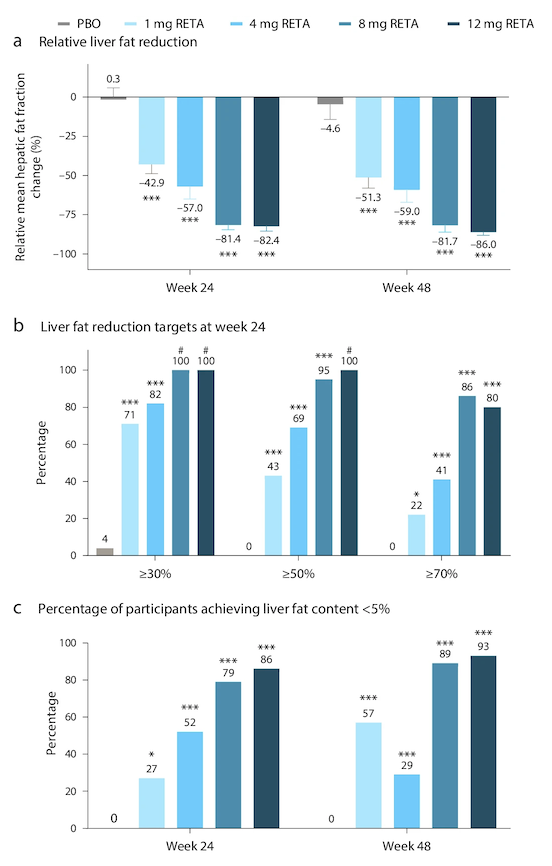
Everyone's talking about retatrutide for weight loss (28.7%). Almost nobody's talking about what it does to your liver.
More than 80% reduction in liver fat. Over 90% normalization rates. In a body composition substudy from the Phase 3 program.
100 million Americans have fatty liver disease. Most don't know it. There's no FDA-approved treatment for it besides "lose weight and hope."
Retatrutide's glucagon receptor activation appears to directly target hepatic fat metabolism not just as a side effect of weight loss, but as a primary mechanism.
This isn't a weight loss drug that happens to help your liver. It might be a liver drug that happens to cause weight loss.
Phase 3 weight loss data drops first half of 2026.
Watch this space.
Important new #weightloss option for people with overweight and #obesity Orforglipron, the first
@US_FDA approved small molecule GLP-1 medicine. Innovation from Chugai and Eli Lilly https://t.co/Yl7TSPRrmZ
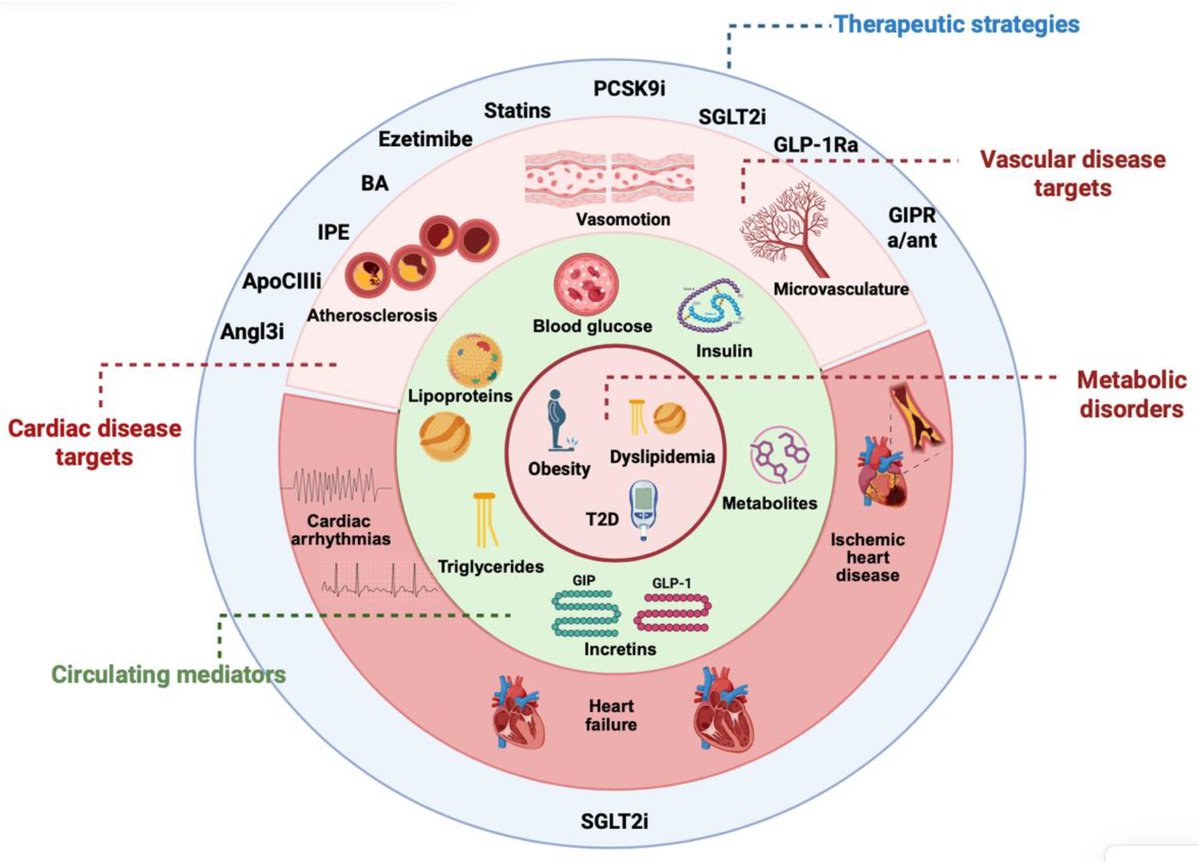
👉 Metabolic Disorders and Cardiovascular Disease: Key Insights
👆 A recent ESC scientific statement highlights the central role of metabolic dysfunction in cardiovascular disease and the therapeutic implications of emerging cardiometabolic therapies.
👆 Key points:
📍 Cardiovascular disease is increasingly driven by metabolic dysfunction—obesity, type 2 diabetes, and dyslipidaemia act synergistically to accelerate atherosclerosis, heart failure, and arrhythmias.
📍 Metabolic disease disrupts myocardial energetics, promoting metabolic inflexibility, mitochondrial dysfunction, oxidative stress, and lipotoxicity.
📍 Modern cardiometabolic drugs provide benefits beyond glucose lowering.
SGLT2 inhibitors and GLP-1–based therapies improve cardiovascular outcomes through pleiotropic mechanisms.
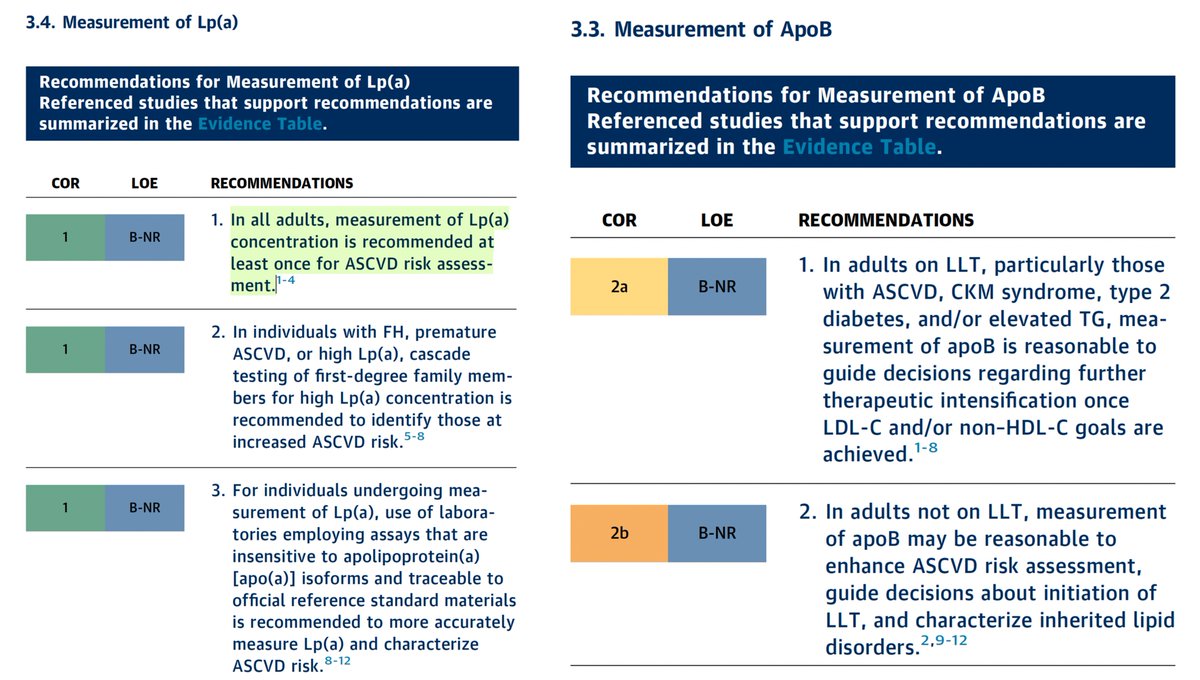
📍 Atherogenic risk extends beyond LDL-C, with triglyceride-rich lipoproteins and Lp(a) contributing to residual cardiovascular risk.
📍 Future progress will require a systems-biology approach, integrating multi-organ mechanisms, multi-omics data, and translational research.
👆 Bottom line:
Cardiovascular disease should increasingly be understood as a systemic cardiometabolic disorder rather than an isolated vascular pathology.
🔗 Open Access https://t.co/hws1UIUOYm
@society_eas@escardio
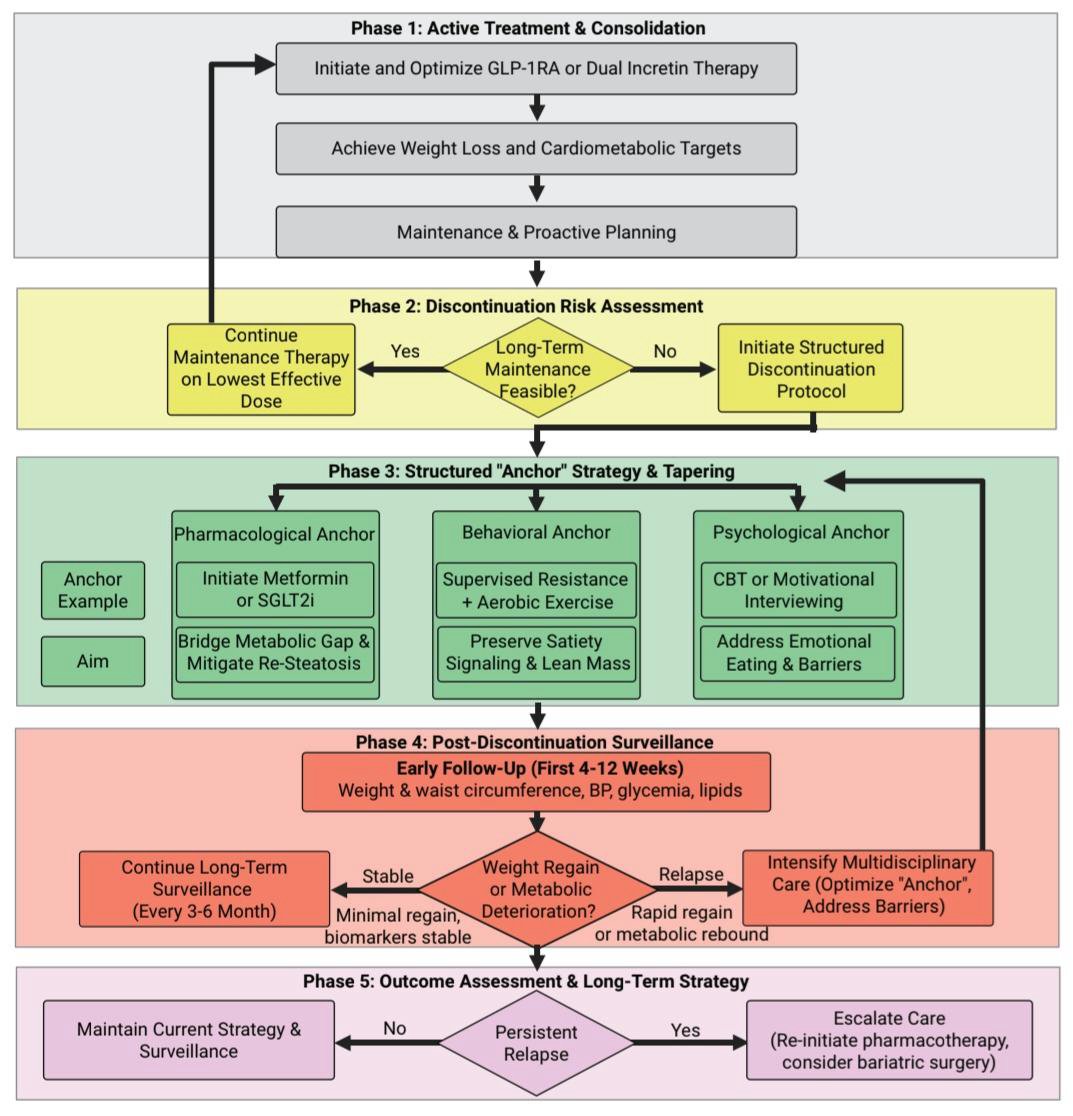
Reduced-frequency GLP-1 as a maintenance strategy: in this case series, patients who tapered from weekly semaglutide/tirzepatide to less frequent dosing maintained weight loss, body composition, and metabolic syndrome gains, supporting structured de-escalation to lower burden without sacrificing efficacy.
https://t.co/xfKxfOb858
The BELIEVE study, the efficacy and safety of intravenous bimagrumab and open-label subcutaneous semaglutide, alone or in combination, in adults with #obesity https://t.co/gQLNW556cL