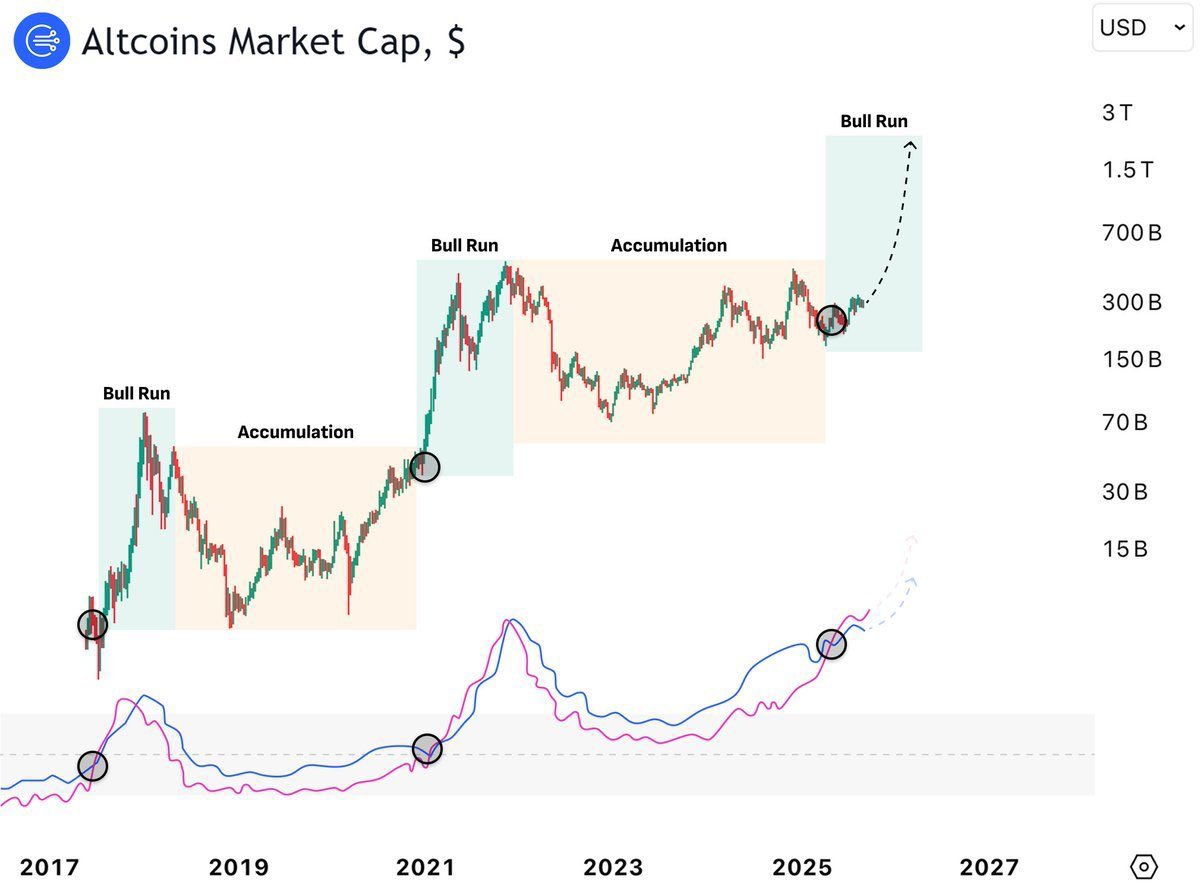
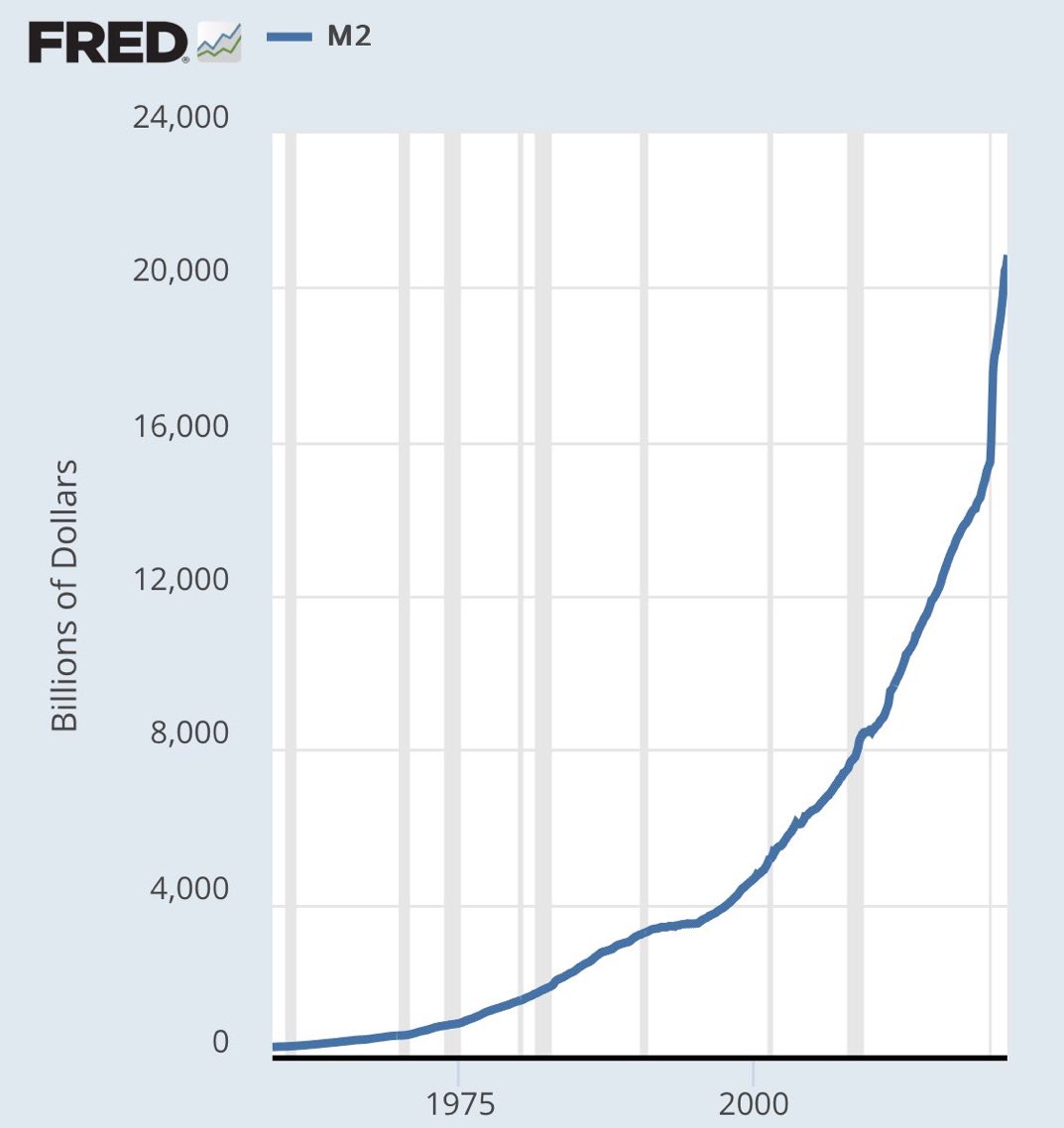
Giving the illusion of predictability in a world where unforseen events controls most outcomes is what #crypto does. Just buy and Hold gems you believe in so even the dips don't really affect you. #BTC
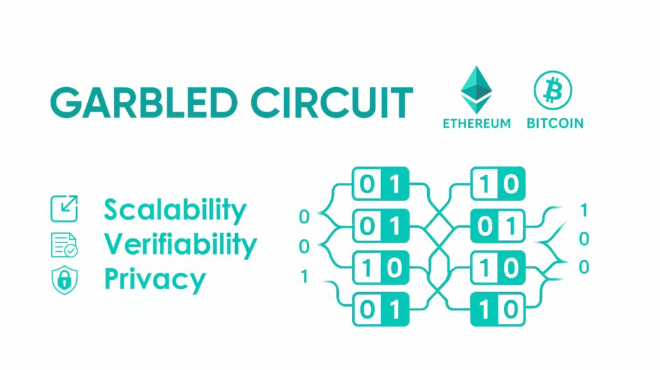
The Privacy We Need: The Garbled Circuit
When people think about blockchain, they usually think of transparency. Everything is open, every transaction is visible, and nothing can be hidden. But as the industry has matured, it has become obvious that total transparency creates serious problems as we have seen in recent times. To move forward, blockchain needs a balance of trust without exposure.
This is where a breakthrough called the garbled circuit comes in. The name sounds complicated, but the idea is surprisingly simple. A garbled circuit is a cryptographic method that lets two or more people compute something together without revealing their private information to each other. Imagine two millionaires who want to know who is richer without telling each other their exact wealth. A garbled circuit allows them to get the answer without either side exposing their secret numbers.
Does Transparency Equal Vulnerability in Web3?
Like I said yesterday, one of the biggest promises of blockchain was transparency. It was supposed to make everything clear, auditable, and trustless. No hidden books. No shady third parties. No secret deals. But as Web3 has evolved, a paradox has become impossible to ignore: the very thing that gave blockchain its credibility has also exposed its biggest weakness. Transparency, once celebrated as a feature, increasingly looks like a vulnerability.
At its core, a blockchain is a public ledger. Every transaction, every wallet, every strategy is recorded permanently and visible to anyone with an internet connection. That openness built trust, but it also comes at a cost. Traders know this firsthand. Every time they deploy a strategy, frontrunning bots can see their moves in real time and exploit them before confirmation. Billions have been drained through Miner Extractable Value (MEV), a phenomenon unique to transparent chains like Ethereum, where visibility itself becomes the attack surface.
Does Transparency Equal Vulnerability in Web3?
Like I said yesterday, one of the biggest promises of blockchain was transparency. It was supposed to make everything clear, auditable, and trustless. No hidden books. No shady third parties. No secret deals. But as Web3 has evolved, a paradox has become impossible to ignore: the very thing that gave blockchain its credibility has also exposed its biggest weakness. Transparency, once celebrated as a feature, increasingly looks like a vulnerability.
At its core, a blockchain is a public ledger. Every transaction, every wallet, every strategy is recorded permanently and visible to anyone with an internet connection. That openness built trust, but it also comes at a cost. Traders know this firsthand. Every time they deploy a strategy, frontrunning bots can see their moves in real time and exploit them before confirmation. Billions have been drained through Miner Extractable Value (MEV), a phenomenon unique to transparent chains like Ethereum, where visibility itself becomes the attack surface.
Does Transparency Equal Vulnerability in Web3?
Like I said yesterday, one of the biggest promises of blockchain was transparency. It was supposed to make everything clear, auditable, and trustless. No hidden books. No shady third parties. No secret deals. But as Web3 has evolved, a paradox has become impossible to ignore: the very thing that gave blockchain its credibility has also exposed its biggest weakness. Transparency, once celebrated as a feature, increasingly looks like a vulnerability.
At its core, a blockchain is a public ledger. Every transaction, every wallet, every strategy is recorded permanently and visible to anyone with an internet connection. That openness built trust, but it also comes at a cost. Traders know this firsthand. Every time they deploy a strategy, frontrunning bots can see their moves in real time and exploit them before confirmation. Billions have been drained through Miner Extractable Value (MEV), a phenomenon unique to transparent chains like Ethereum, where visibility itself becomes the attack surface.
Is Blockchain Transparency Really a Good Thing or a Bad Thing?
Transparency was crypto’s biggest flex when it first came around, and we all talked about how it would change #TradFi as we know it. But as the space has grown, the same feature that built trust is also becoming its biggest flaw. So, is blockchain transparency really a good thing or a bad thing?
When Bitcoin launched, every transaction was made public forever. That was revolutionary. No hidden ledgers, no secret books, no shady banks manipulating figures. For the first time, trust didn’t come from governments or institutions, it came from code and math. That level of transparency gave blockchain credibility. Anyone could verify Bitcoin’s hard-capped supply of 21 million coins. Ethereum contracts could be read line by line. DeFi platforms like Aave and Uniswap worked in plain sight.
Which do you think is safer: #RWAs or on-chain crypto assets?
RWAs bring legal frameworks & regulatory clarity.
Crypto assets thrive on decentralization & innovation.
Both carry risk, but they’re not the same kind of risk.
Read more: https://t.co/OUf9OKk5QM
Real World Assets #RWA are redefining what “value on-chain” means. From equities to commodities to entire real estate portfolios the financial world is moving to blockchain rails.
This isn’t a passing hype cycle,It’s the new backbone of global finance
#RWA#Tokenization#Web3
1/1 🚨 Introducing PROCITY TRADEMY – the place to learn trading and the crypto market in its totality.
No fluff.
No hype.
Just real, practical knowledge that empowers you financially.
📌 Our Goal: Making Next-Gen Financially Empowered Community
👇
The most hated $ETH is up +30%
Are bulls truly back? is #ALTSEASON upon us?
well, now is the best time to get exposed to alts and #RWAs trading on @INX_Group exchange
Trade backed $TSLA $GME $NVDA $GOOGL
Trade #RWAs: $INX #INX $FURA $NOTE #HAG $TCS
https://t.co/s8ajvnoSh6
Global assets worth $867 trillion are waiting to be unlocked via tokenization.
1% tokenized = $8.67 trillion.
10% tokenized = a market bigger than crypto ever was.
Now’s the time to expand your portfolio and diversify with new assets available on @INX_Group.
The tokenized asset market is projected to reach $18.9 trillion by 2033, growing from $0.6 trillion in 2025, according to a recent report by @Ripple and @BCG
💥Latest find on Solana: sUSD💸💸
Today's find is #sUSD, a #Solana stablecoin from @solayer_labs that gives returns seamlessly unlike the typical stablecoin that just sits in your wallet. #sUSD will accommodate #TradFI and #DeFI.
Take a deeper dive: https://t.co/CQqIEBtcAX