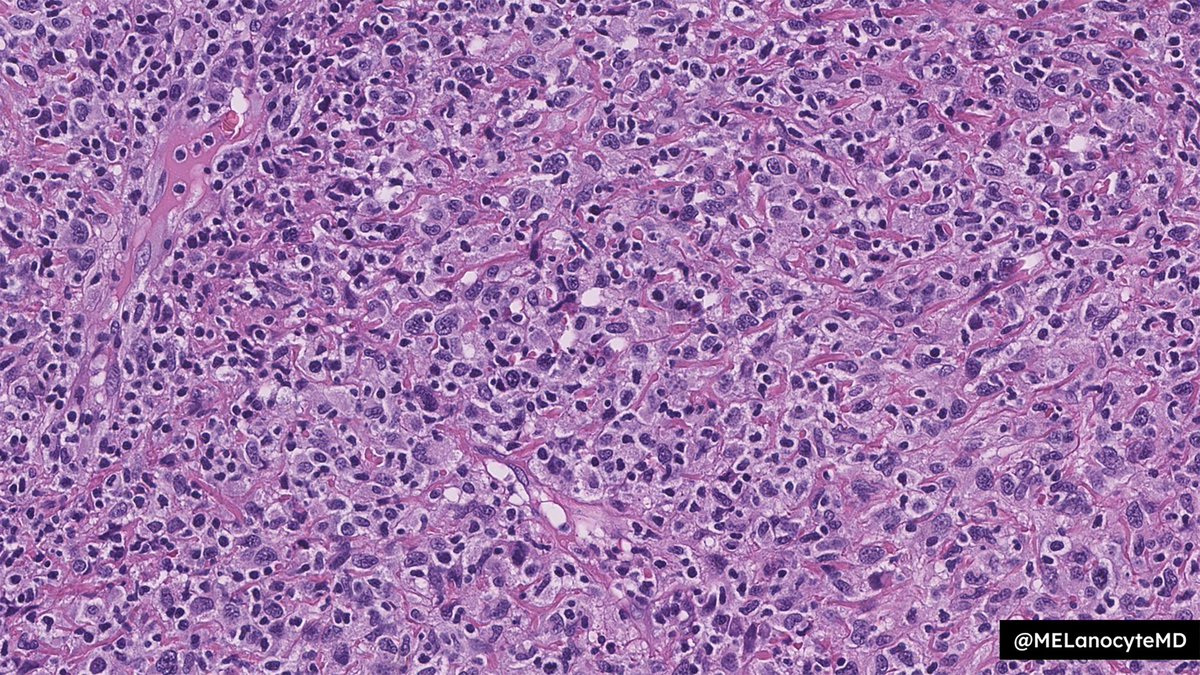
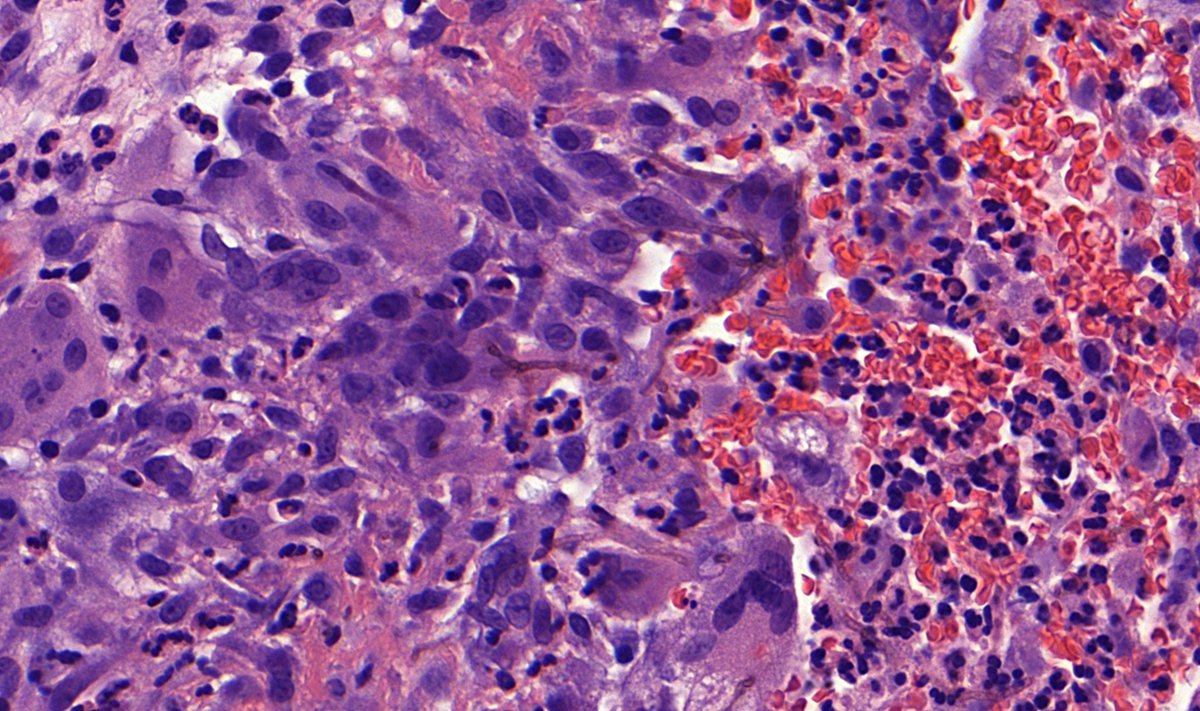
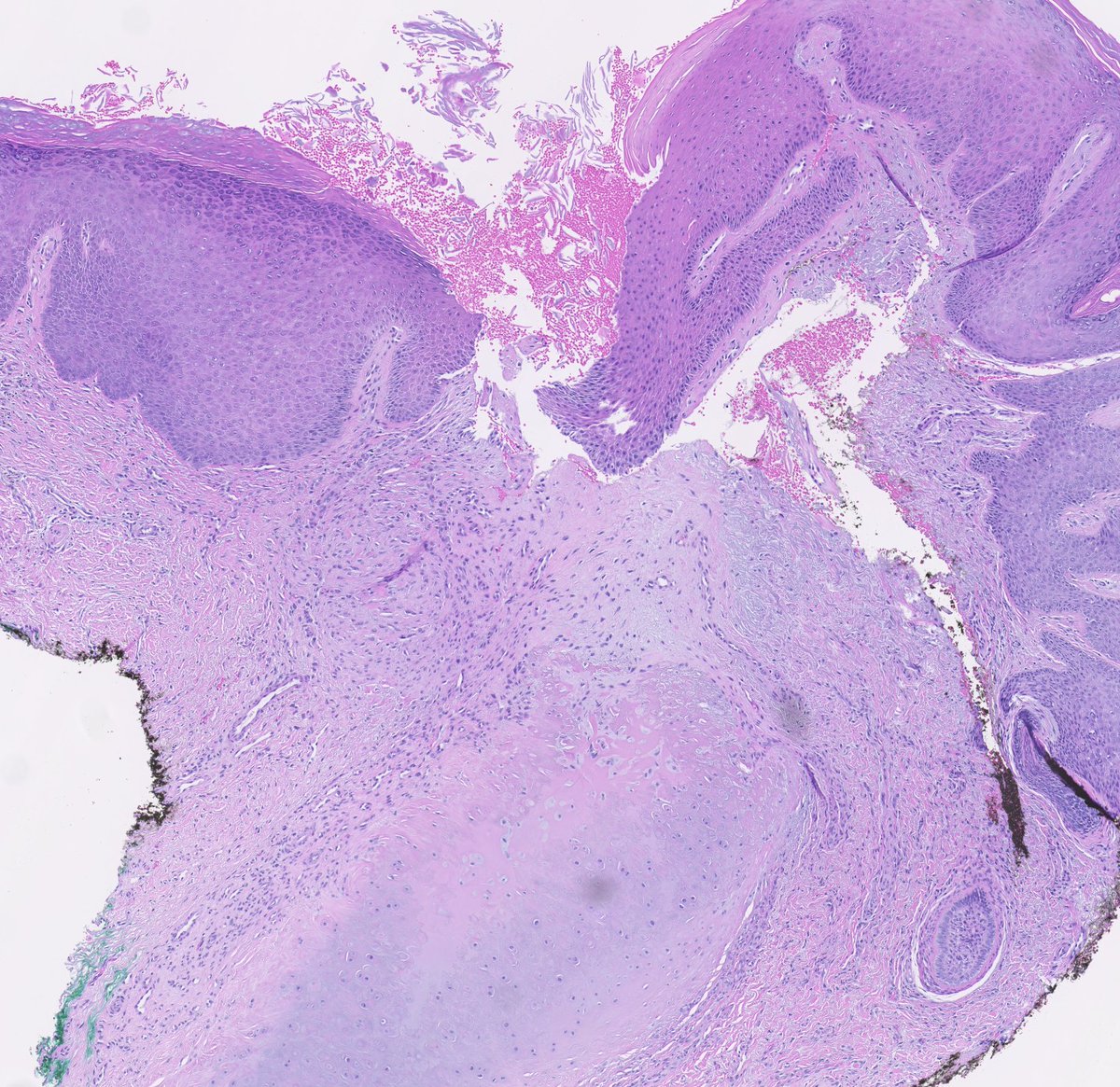
1/ 🚨 Excited to share our latest publication in Pathology! We explored the role of tumour necrosis as a prognostic factor in vulvar and vaginal melanomas (VVMs) and recommend that this be reported in synoptic surgical pathology templates to help refine staging.
Proud to share our new paper in Science Advances.
We show that indoor tanning causes widespread mutational damage across the skin to increase melanoma risk, especially in body sites that rarely see sunlight.
https://t.co/OtBMOEGh29
#Melanoma#SkinCancer#CancerResearch
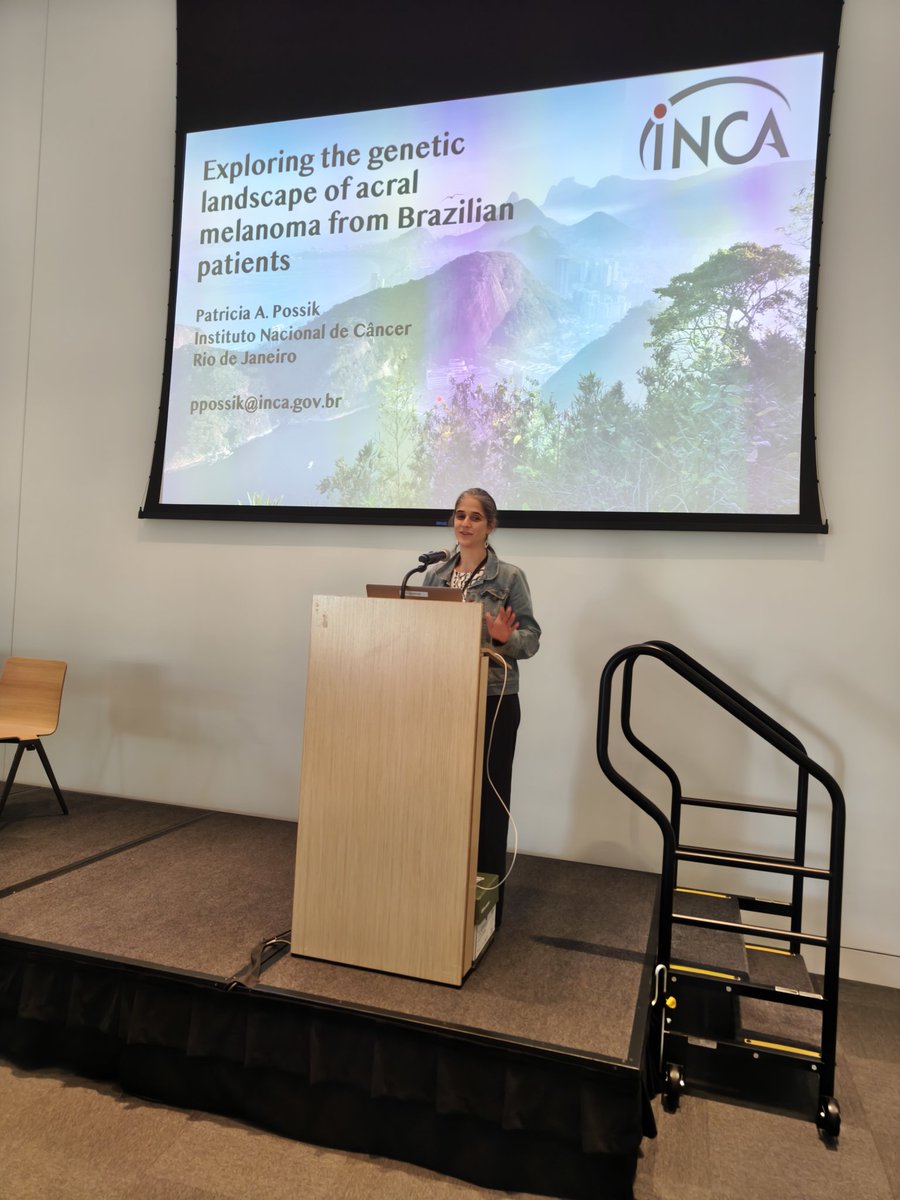
I am really happy to see the #preprint of our work studying #acral#melanoma tumours from 🇲🇽 Mexican patients out today! This has been a ~8 year-long work involving many colleagues from Mexico and abroad. Some of our findings here below.... ⬇️ (1/12)
An honour to listen to Ruth Halaban @Yale, the first woman that graduated from @Princeton with a PhD degree in biology and recipient of the @PASPCR1 lifetime achievement award, talk about the #LZTR1 gene and #melanoma
WNT-activated melanocytoma with background melanocytic nevus. You don't always get such a good beta-catenin staining, got lucky over here. These often are concerning clinically due to the heterogenous pigmentation. #dermpath
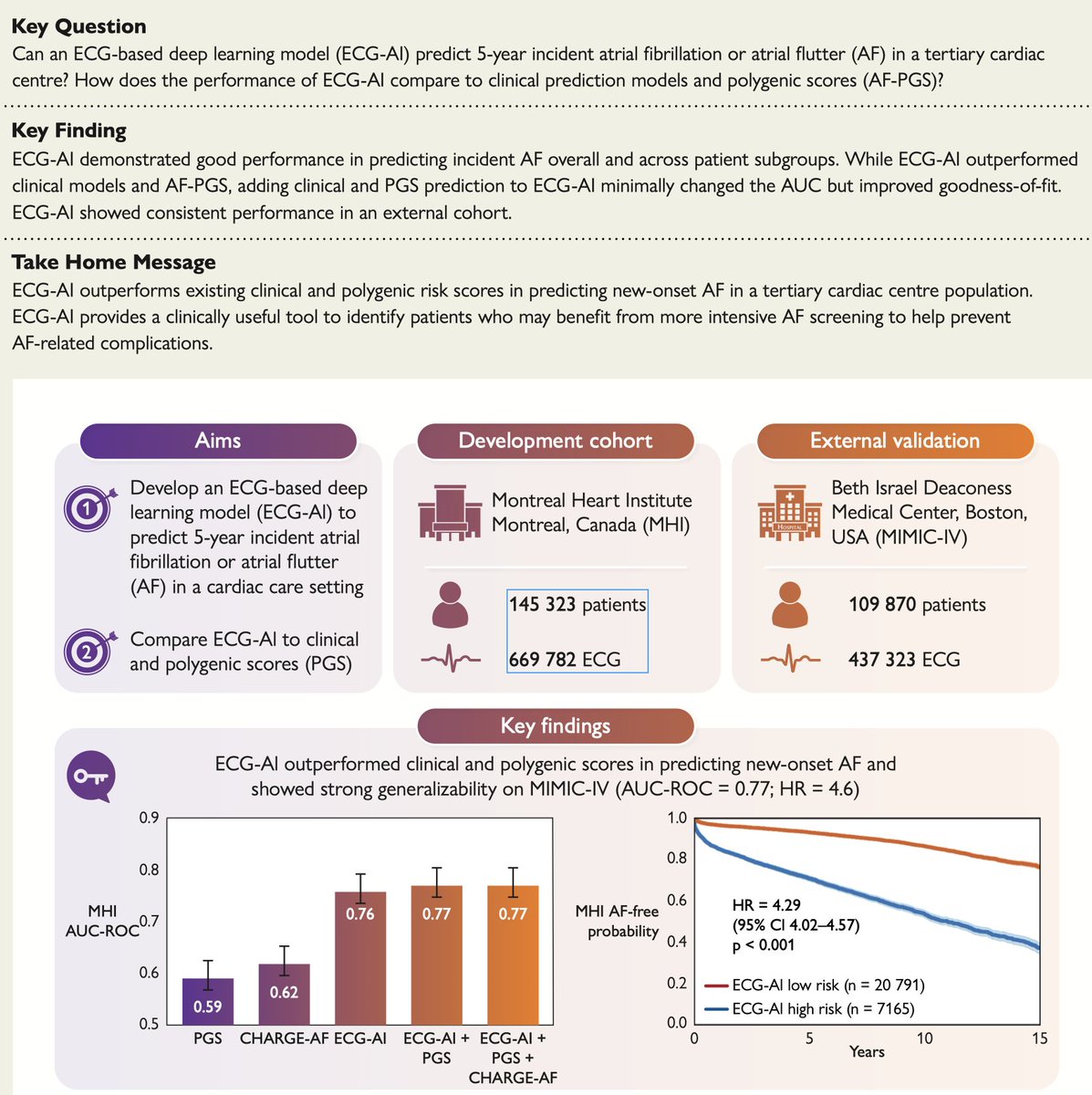
FRESH OFF THE PRESS - New study in @escardio@ESC_Journals Prediction of incident atrial fibrillation using deep learning, clinical models and polygenic scores shows #AI can predict new-onset atrial fibrillation from ECGs with high accuracy, outperforming clinical and genetic risk scores. #ESC2024 #ESCCongress
https://t.co/bUKayTyCKz
📌 Bookmark, reshare, and read this thread! We're taking you on a journey of our main findings BELOW #OpenScience 🧵👇