1/ 🤔 Do #chromatinlooping-mediated promoter-#enhancer interactions drive gene expression? Or is the local enrichment of transcription factors into hubs/#condensates the key factor? Our AC/DC model of gene regulation at bioRxiv https://t.co/ng40XtC8VD provides a new view on this.
Do you want to pursue your ideas in computational biology independently, running your group in @embl ‘s uniquely collaborative environment, next to world’s most comprehensive molecular data resources + with top-notch infrastructure @emblebi? Apply to join us & pls RT
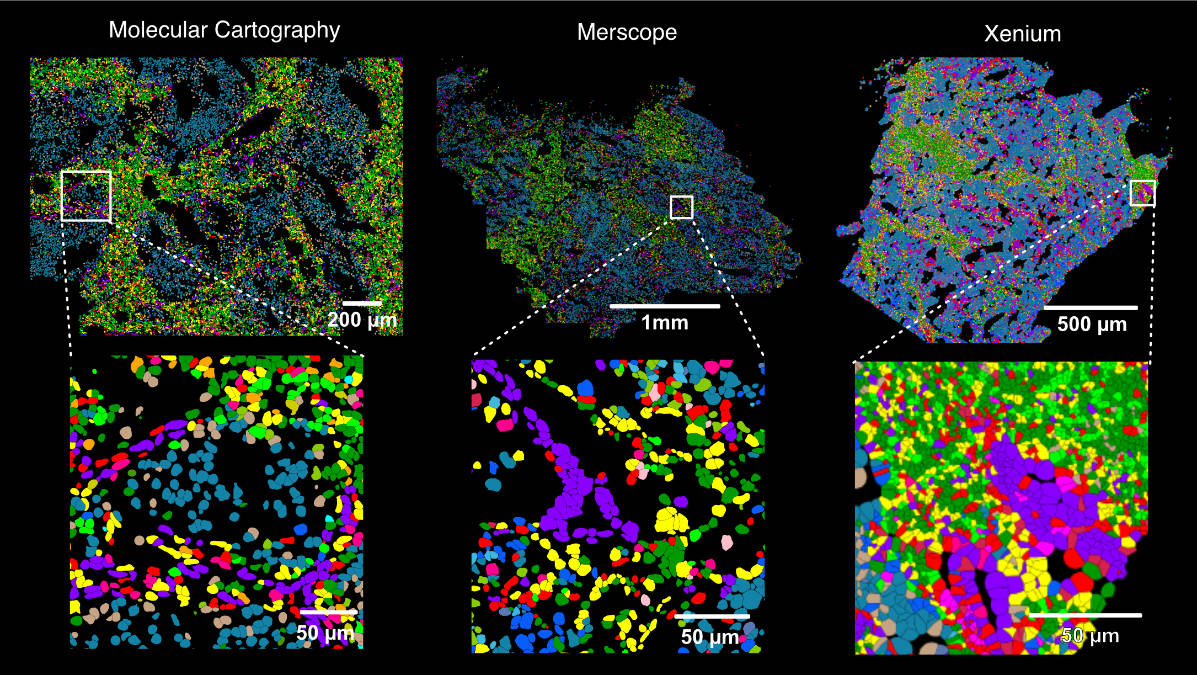
Which of the different spatial transcriptomics (ST) technologies should you use for your research? The lessons we have learnt from comparing RNAscope, Molecular Cartography (MC), Merscope, Xenium and Visium are now on bioRxiv https://t.co/gP2BlT5Fzs 🧵
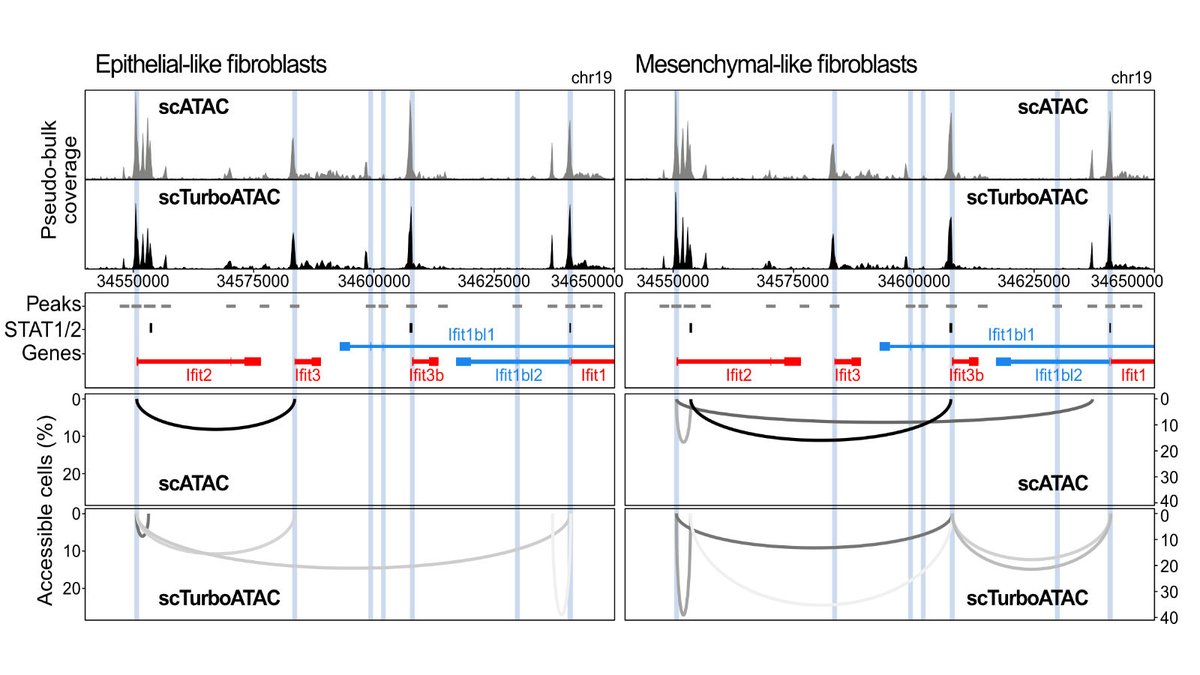
Enjoying the work with @IsabelleSeufert and @jpmallm1 to increase the coverage of scATAC-seq for co-accessibility analysis and other applications https://t.co/ZWMwfBxrbC. Our latest data are at 150k unique fragments/cell. Stay tuned...
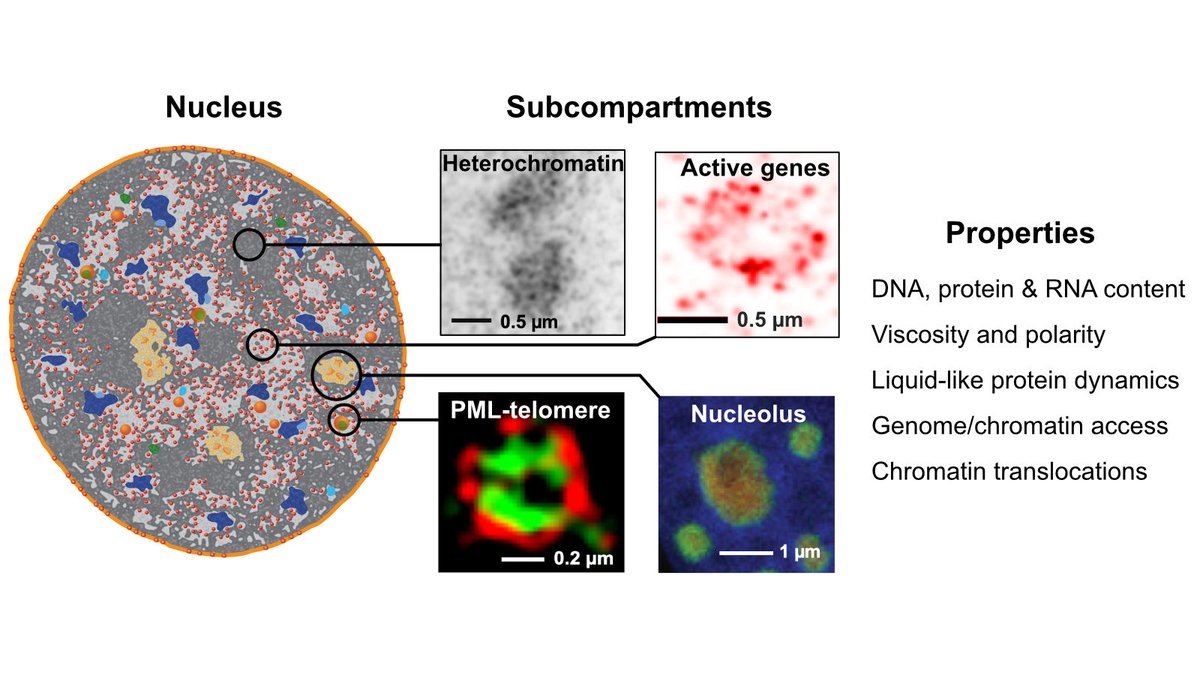
Here is the free reprint link https://t.co/xZ3TX8y3wy of our @COSB_CRSB review on approaches for chromatin subcompartment analysis for the special issue "3D Genome Chromatin Organization and Regulation" https://t.co/XeVhV1wHUn
Methods for imaging-based #spatialtranscriptomics (iST) incl. MERFISH, MolecularCartography, Xenium… are promising techs, but it feels like there is no discussion about their limitations and QC metrics. As this has been bothering me for quite some time now, I´d like to start👇
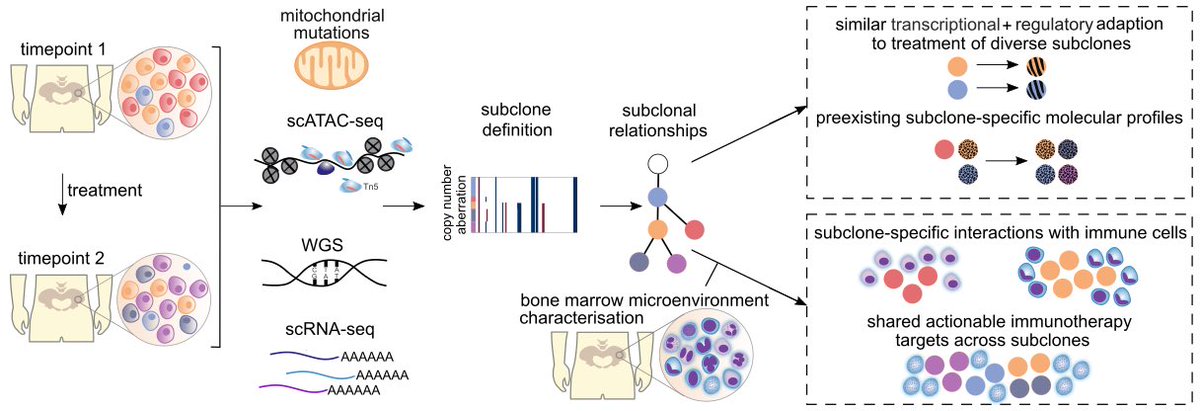
Have a look at our recent work @BloodJournal that points towards multi-factorial resistance mechanisms and new options for common treatment vulnerabilities of individual tumor subclones in #mmsm https://t.co/qHXfoSN3Kc.
The pre-existing T cell landscape determines the response to bispecific T cell engagers in multiple myeloma patients: Cancer Cell https://t.co/x4nKHqtWfG
Very excited to share that I recently started my lab in @CompOncMSK at @MSKCancerCenter!
Looking for postdocs and graduate students interested in cell fate decisions/cancer evolution/computational single-cell genomics. Come join us in NYC!
Spread the word & please #RT. Thanks!
CONGRESS | #ASH22
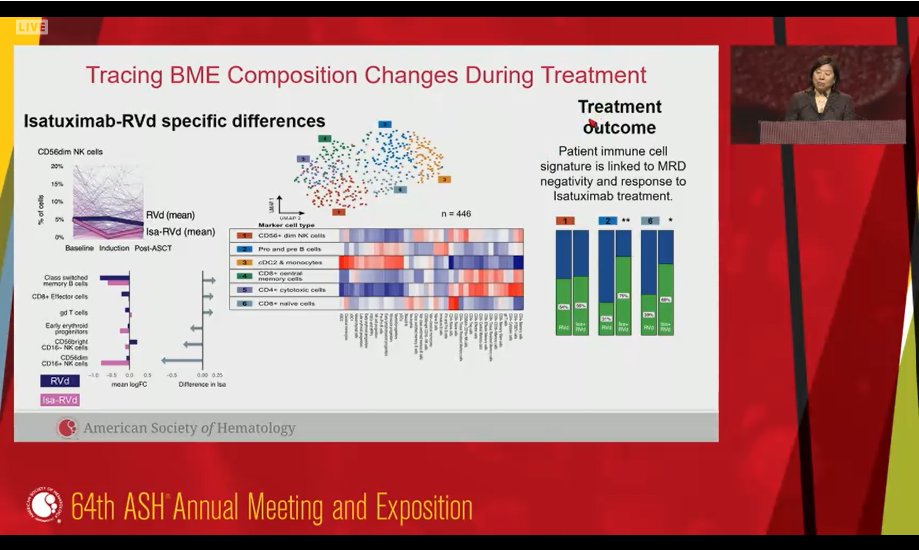
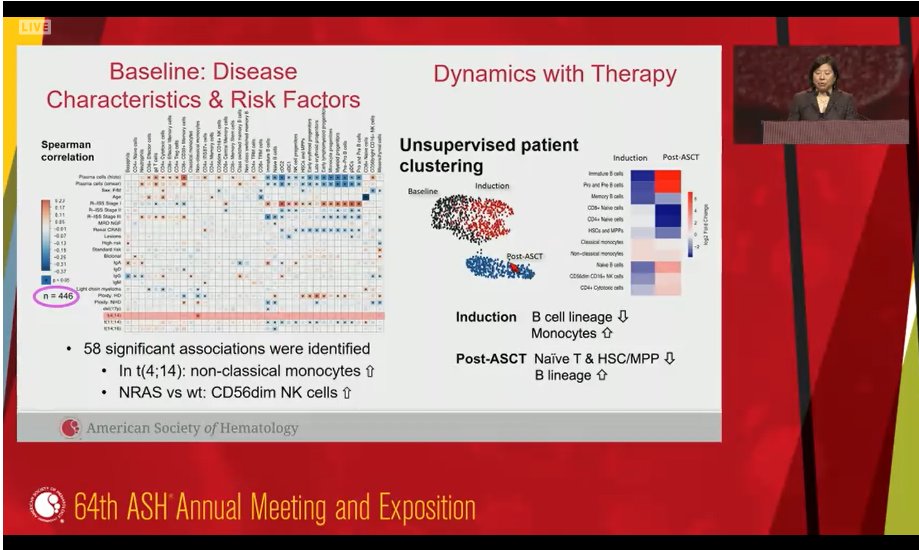
Abstract 860: 'Bone Marrow Immune Signatures in Multiple Myeloma Are Linked to Tumour Heterogeneity and Treatment Outcome' presented by @Simontuk was selected as one of the Best of ASH for the theme of: Niche & Microenvironment
#myeloma#mmsm
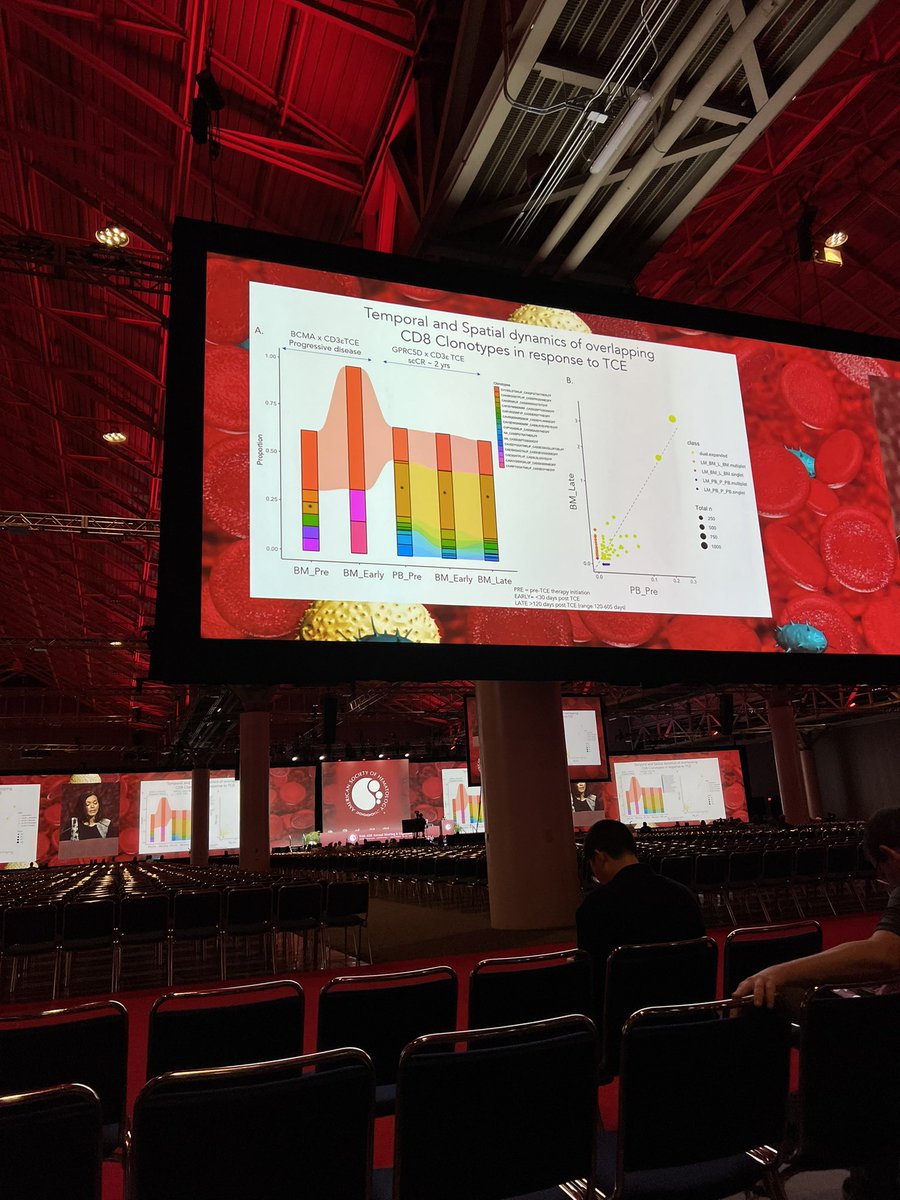
Great work by Paola Reni. TCE therapies revealed in responders a selective expansion of clonotypic CD8 T cells with a clonal replacement of BM exhausted clonotypes by non-dysfunctional circulating CD8+ T cells.#ASH2022. #Immunotherapy
Thank you for this wonderful opportunity to present our great research that has come together by multiinstitutional efforts between the @uniklinik_hd and the @DKFZ . Especially I would like to thank Prof. Marc Raab and @KarstenRippe for the great support along the way. #ASH2022
If your at #ASH2022, watch out for this presentation by @Simontuk on the multiple myeloma bone marrow microenvironment and treatment outcome: https://t.co/r3th6Uz7gH
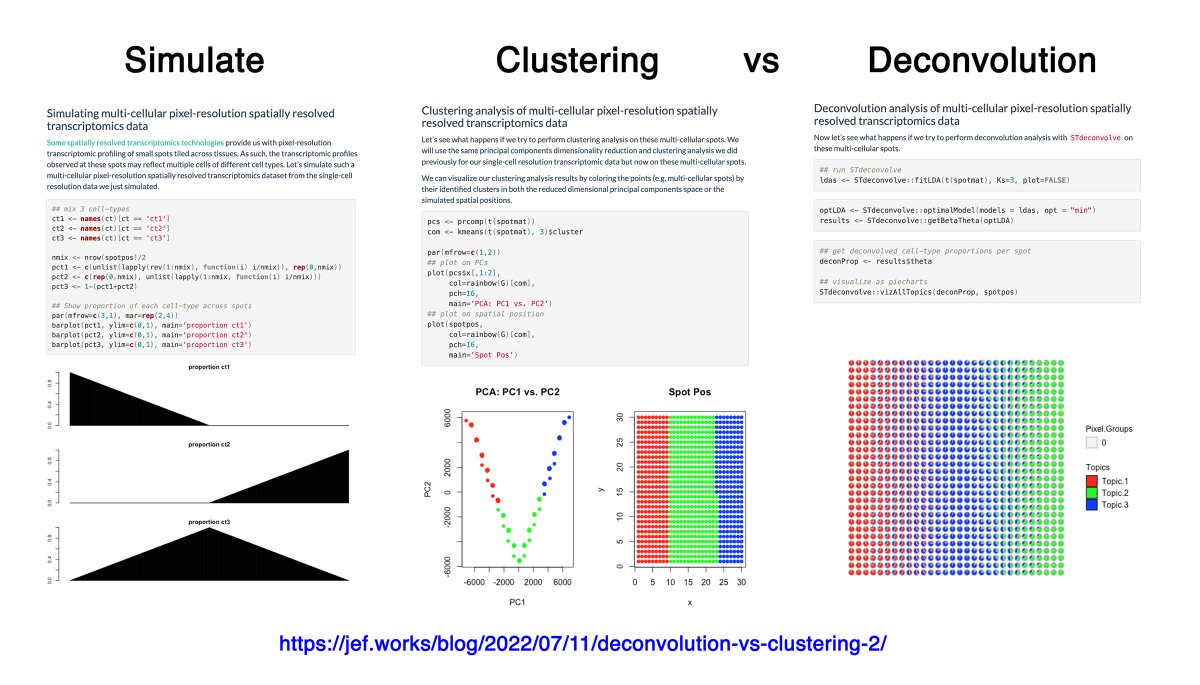
In this blog post, I use simulations to demonstrate the difference between clustering vs deconvolution #bioinformatics analysis using STdeconvolve when applied to multi-cellular pixel-resolution #spatialtranscriptomics data: https://t.co/rSrtmpTzd3
#RStats#dataanalysis#dataviz
Please contact me directly to discuss potential research projects in my group for an application within the DKFZ postdoc program and/or for projects with external funding.
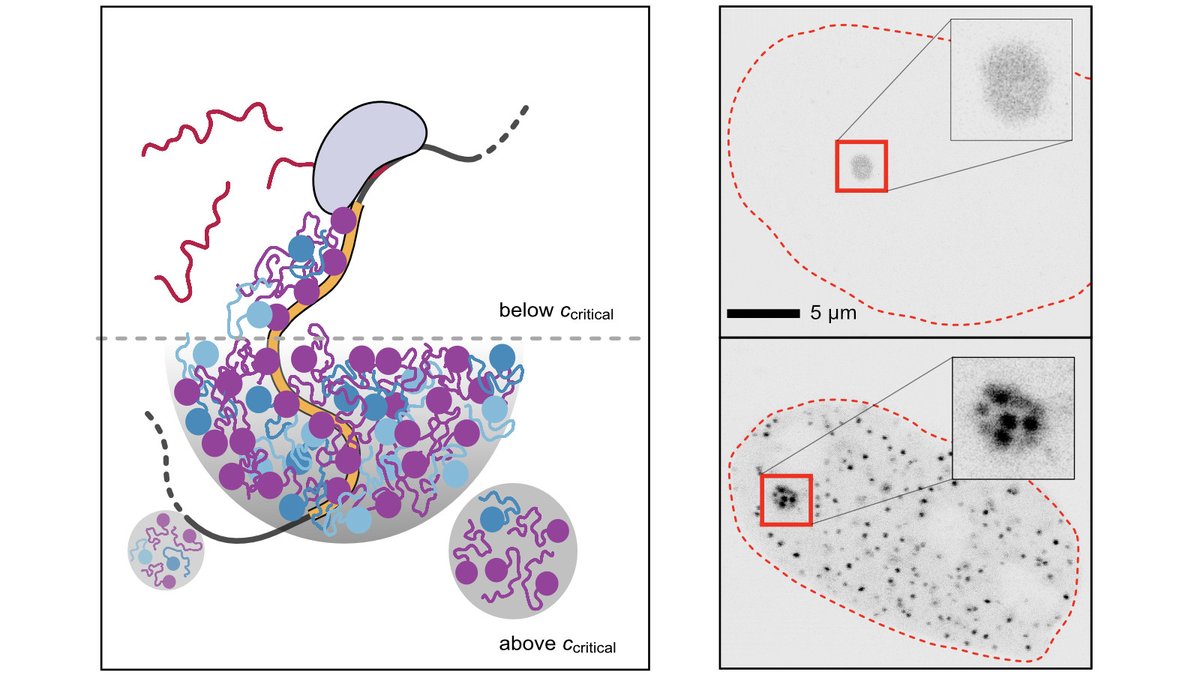
Does the formation of liquid-like transcription factor droplets enhance transcription? Our study headed by @Jorge_Trojanow and @LukasFrank91 is now out https://t.co/gMjcU2zBKx and (among other things) finds no increase in transcription activation if droplets form.
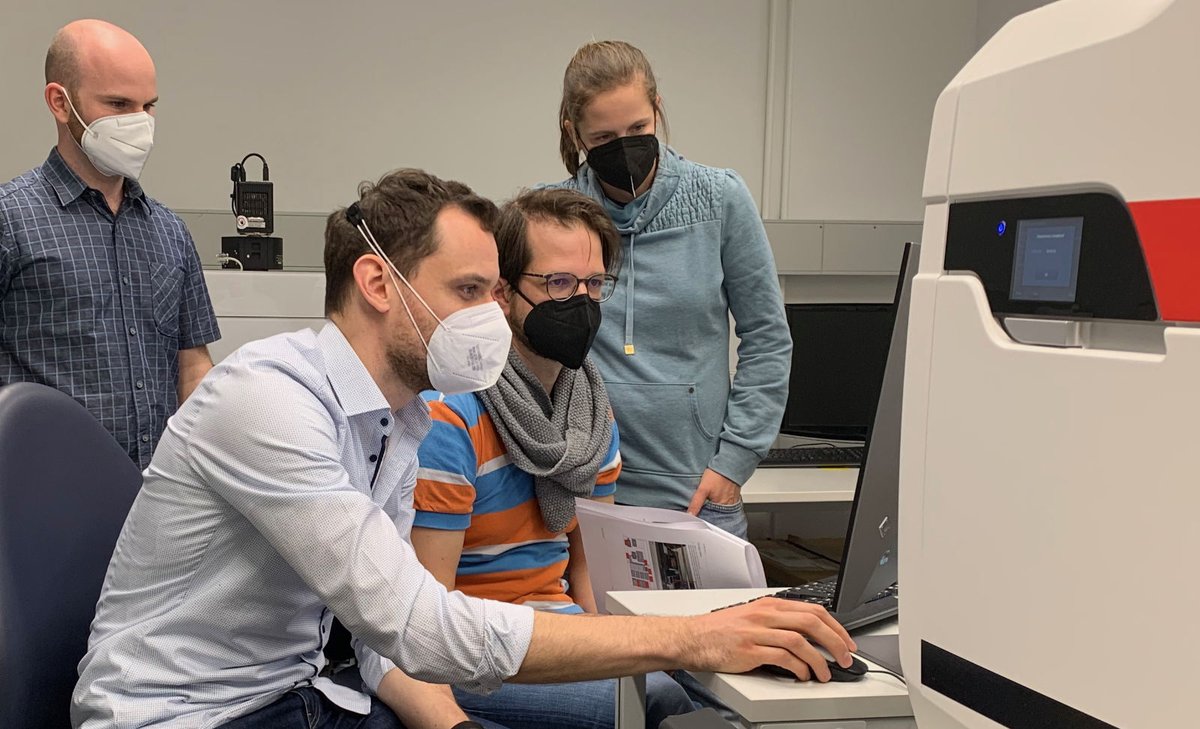
Excited to be at the start of our first spatially resolved transcriptomics run with @SMTirier on the @ResolveBioSci system. It will work for us over the weekend and we'll see the results on Monday...
All organisms form methane!🎉 Driven by reactive oxygen species and iron, CH4 is formed from methylated organosulfur compounds, e.g. methionine. This Fenton-like reaction thus correlates with metabolic activity and is further enhanced by oxidative stress.
https://t.co/EID0jggS6J