⚡️ The FDA has approved adjuvant belzutifan + pembrolizumab for clear cell RCC at intermediate-high risk of recurrence after nephrectomy.
LITESPARK-022 data: HR 0.72 (95% CI 0.59–0.87; p=0.0003) in DFS vs pembrolizumab alone. Median DFS not reached in either arm.
A meaningful step forward in a setting where we needed better options.
https://t.co/4uA60Ebwpf
#KidneyCancer
⚡️ First clinical validation of the EAU definitions of BCG failure in NMIBC (n=776).
BCG-refractory disease showed the highest progression rates: 46% at 5 years for HG recurrence at 6 months during maintenance. Early BCG-unresponsive recurrences conveyed similar progression risk to BCG-refractory disease (35% at 5 yr), supporting their inclusion in this category.
Prognostically informative definitions that can support clinical decision-making.
https://t.co/WPCzhGziY3
#BladderCancer #Oncology
AMBASSADOR (adjuvant pembro vs placebo) shows a DFS advantage but no OS benefit in adjuvant UC. Today It also shows a non-significant drop in long term in quality of in some parameters such as fatigue but no overall difference in QOL . Almost all trials show the same (marginal or no differences). Are we measuring this optimally? Are our tools fit for purpose. @OncoAlert@apolo_andrea
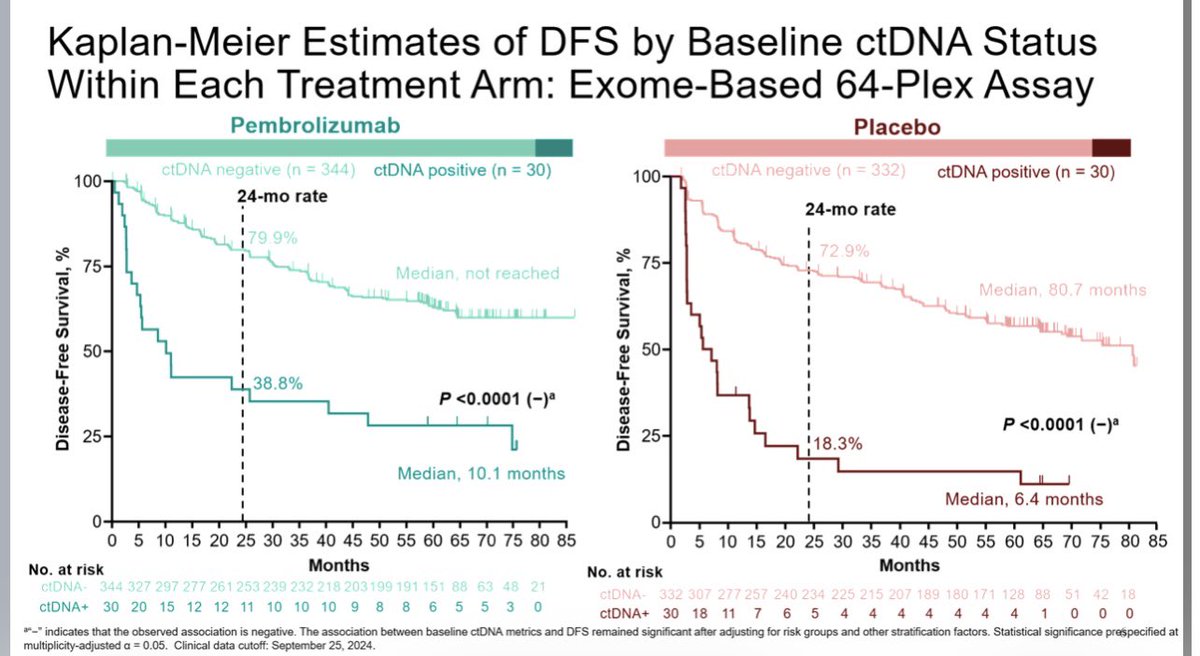
Clear cell RCC sheds low levels of ctDNA, but positivity and ctDNA dynamics are relevant in the adjuvant setting @DrChoueiri#ASCO26. This analysis is with an exome based personalised technique and shows a lack of sensitivity (5-8% ctDNA+ve rate vs 40% radiological relapse rate) but good specificity (almost all ctDNA +ves relapse). Whole genome ctDNA analysis should work work better. There is a future for ctDNA in renal cancer, we’re just not quite there yet IMO.
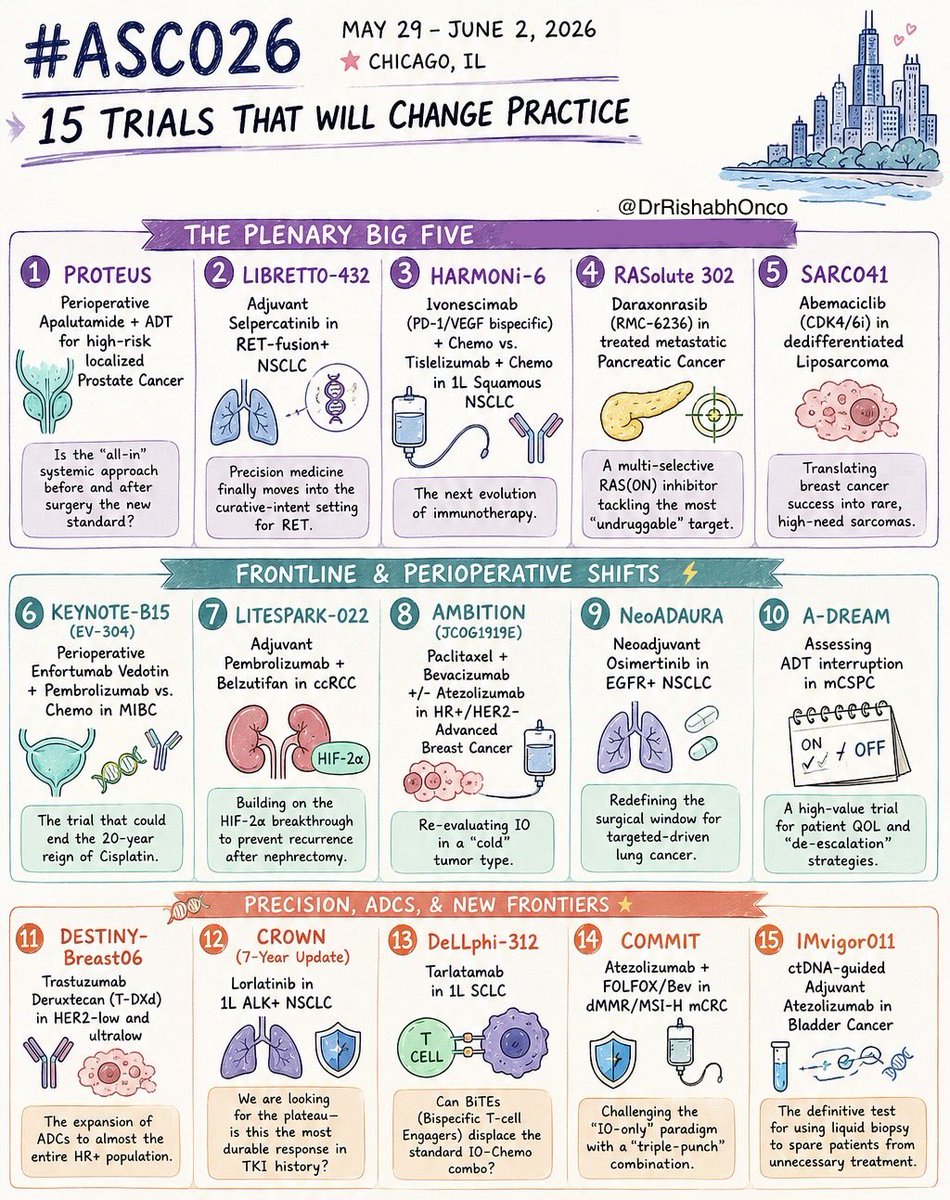
🚨 THE 15 MOST IMPORTANT TRIALS OF #ASCO26
May 29 - June 2 | Chicago
Which trial are you watching most closely?
🌟 PLENARY GAME-CHANGERS
1️⃣ PROTEUS
Perioperative apalutamide + ADT in high-risk localized prostate cancer
2️⃣ LIBRETTO-432
Adjuvant selpercatinib in RET+ NSCLC
3️⃣ HARMONi-6
Ivonescimab + chemo vs tislelizumab + chemo in squamous NSCLC
4️⃣ RASolute 302
Daraxonrasib (RMC-6236) in metastatic pancreatic cancer
5️⃣ SARC041
Abemaciclib in dedifferentiated liposarcoma
⚡ FRONTLINE & PERIOPERATIVE SHIFTS
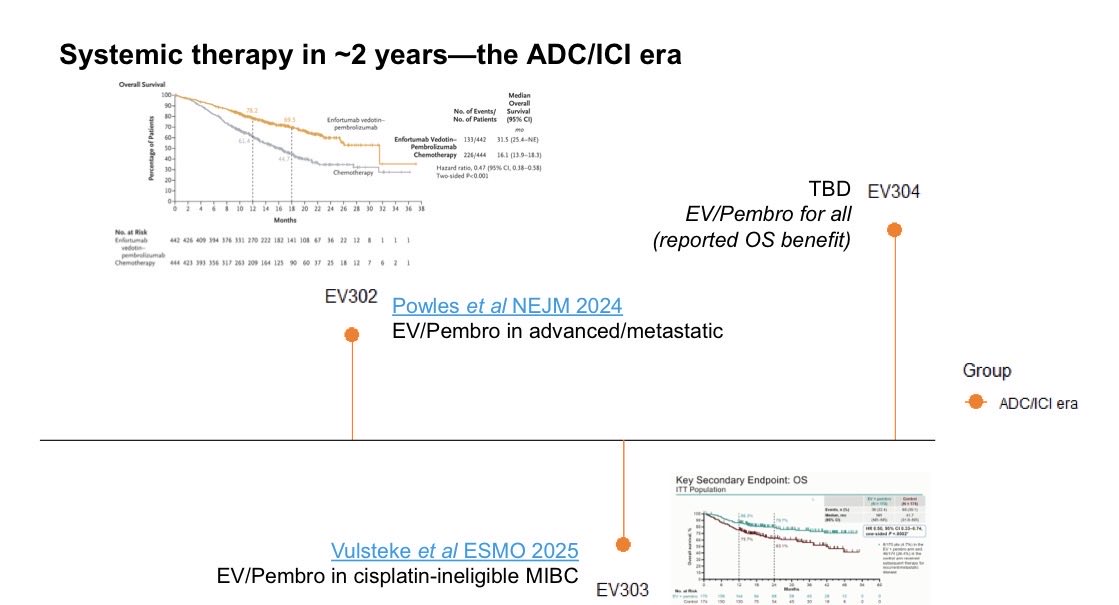
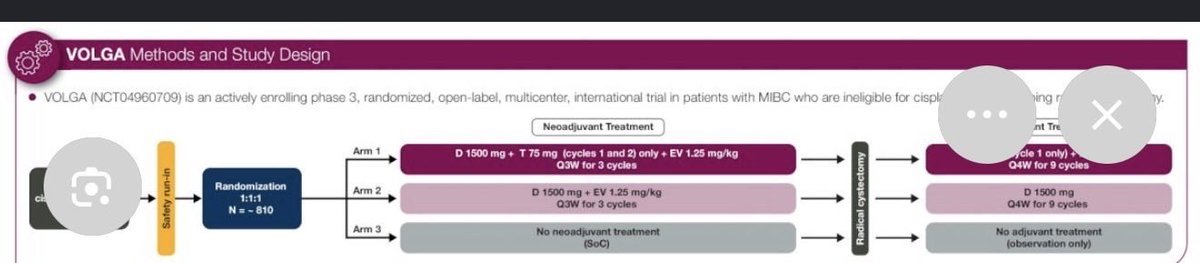
6️⃣ KEYNOTE-B15 / EV-304
EV + pembrolizumab vs chemo in MIBC
7️⃣ LITESPARK-022
Pembrolizumab + belzutifan in adjuvant ccRCC
8️⃣ AMBITION
Paclitaxel/bevacizumab ± atezolizumab in HR+ breast cancer
9️⃣ NeoADAURA
Neoadjuvant osimertinib in EGFR+ NSCLC
🔟 A-DREAM
ADT interruption strategies in mCSPC
🧬 PRECISION, ADCs & NEXT-GEN IMMUNOLOGY
1️⃣1️⃣ DESTINY-Breast06
T-DXd expands into HER2-ultralow disease
1️⃣2️⃣ CROWN (7-year update)
Lorlatinib durability in ALK+ NSCLC
1️⃣3️⃣ DeLLphi-312
Tarlatamab in frontline SCLC
1️⃣4️⃣ COMMIT
Atezolizumab + FOLFOX/Bev in MSI-H mCRC
1️⃣5️⃣ IMvigor011
ctDNA-guided adjuvant atezolizumab in bladder cancer
#OncoTwitter #MedTwitter #ASCO26 #CancerResearch @OncoAlert@ASCO@JCOPO_ASCO@OncBrothers
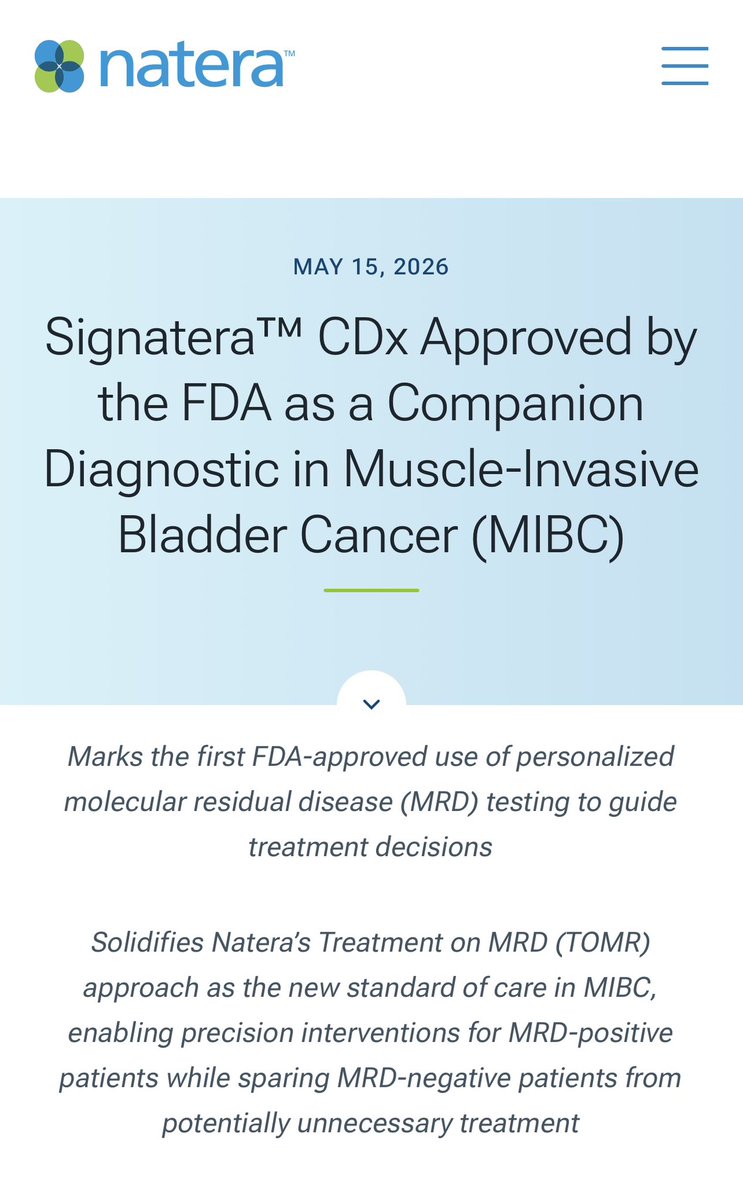
JUST IN: @FDA approves adjuvant PD-L1 inhibitor Atezolizumab in Muscle-Invasive Bladder Cancer post surgery & ctDNA MRD (+) by @NateraGenetics Signatera CDx approved as companion diagnostic.
MRD-guided adjuvant therapy is moving into practice in Bladder Cancer!
FDA link: https://t.co/DPjLN6Ag2Z
The FDA approves the signatera ctDNA assay for muscle invasive bladder cancer patients post surgery.
This is based on the results of Imvigor011 study (atezo vs placebo in ctDNA positives, surveillance for the ctDNA negatives).
It opens a new chapter for personalised therapy in urothelial cancer. Focusing on early treatment for those patients that need it and sparing those at lower risk potentially harmful treatment makes sense.
‘It is the first companion diagnostic approval in the field of blood-based MRD.’
https://t.co/dGAIblVrzc
⭐ Baseline testosterone and testosterone recovery in high-risk prostate cancer
@OncoAlert@APCCC_Lugano#APCCC26@Silke_Gillessen@AOmlin
Presented by @BertrandTOMBAL
🔹👏 Excellent talk , thank you!, highly relevant and very practical talk, a key topic for daily clinical practice
🔹 Focus:
Understanding how baseline testosterone and recovery after ADT impact long-term outcomes and treatment decisions
🔹 Key insights:
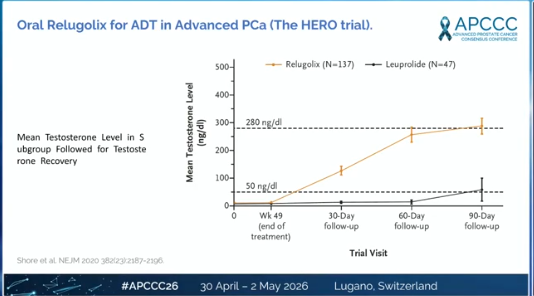
• Baseline testosterone → not clearly prognostic, but critical for interpreting recovery
• On-treatment testosterone → achieving castrate levels (<50 ng/dL) remains essential
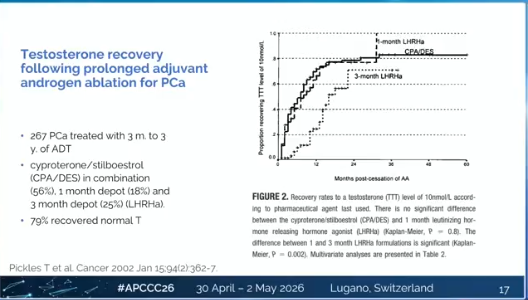
• Testosterone recovery is highly variable → depends on duration of ADT, age and baseline levels
• Longer ADT → delayed or incomplete recovery
• Recovery kinetics may impact quality of life and long-term outcomes
• Emerging data suggest a link between testosterone recovery and survival outcomes
🔹 Clinical implications:
• Consider baseline T when planning ADT duration
• Balance oncologic benefit vs long-term hormonal toxicity
• Recovery should be part of shared decision-making
🔹 Take-home:
Testosterone is not just a number during treatment —
it’s a dynamic biomarker with real clinical implications before, during and after ADT
👏 Excellent talk — thank you!
@ChrisSweens1@DrRanaMcKay@LoebStacy@EAntonarakis
#ProstateCancer #UroOncology #Oncology
⭐ TRIPLET and beyond in mHSPC — who should receive treatment intensification?
@OncoAlert@APCCC_Lugano#APCCC26@Silke_Gillessen@AOmlin
Presented by Karim Fizazi
🔹 High-impact, practice-changing talk — redefining upfront strategy in mCSPC
🔹 Key insights:
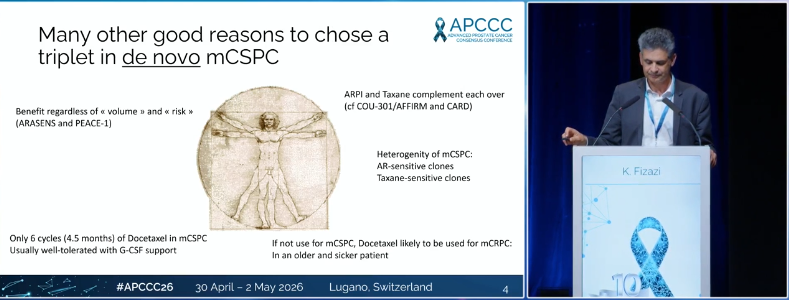
• Triplet therapy delivers the most meaningful OS benefit vs active comparators (PEACE-1, ARASENS)
• Benefit observed across volume and risk groups → not limited to high-volume disease
• ARPI + docetaxel → biological complementarity (AR-sensitive + taxane-sensitive clones)
• Practical considerations:
→ Docetaxel is time-limited (≈6 cycles) and generally well tolerated
→ If not used upfront → often deferred to mCRPC in a less fit patient
🔹 Important nuance:
• Not all patients should receive triplet
→ limited role in low-volume metachronous disease
🔹 Emerging landscape:
• PSMA-based intensification (PSMAddition)
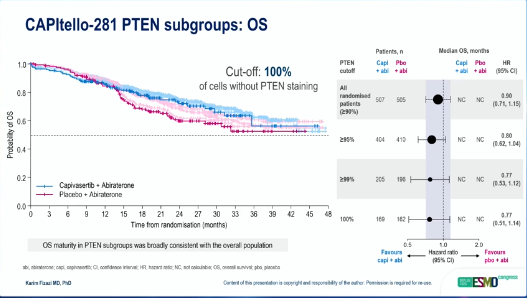
• Targeted strategies (e.g., PTEN/AKT pathway — CAPItello-281)
• Biomarker-driven selection (BRCA, PSMA, PTEN)
🔹 Take-home:
Intensification is powerful —
but the key question is who truly benefits
👏 Outstanding clarity and clinical relevance
@ChrisSweens1@AarmstrongDuke@EAntonarakis@DrRanaMcKay
#ProstateCancer #UroOncology #Oncology
⭐ How to treat older patients with high-risk and locally advanced prostate cancer
@OncoAlert@APCCC_Lugano#APCCC26@Silke_Gillessen@AOmlin
Presented by @DrRanaMcKay
🔹 Beautiful, clear and highly practical presentation — a key topic in daily clinical care
🔹 Focus:
Personalizing treatment in older patients by balancing efficacy, toxicity, comorbidities and quality of life
🔹 Key insights:
• Chronological age ≠ biological age → frailty assessment is essential
• Geriatric tools (e.g. G8) help identify patients needing deeper evaluation
• Treatment decisions are multidimensional: local therapy, ADT use, intensity and duration
• RT often better tolerated across age groups vs surgery in selected patients
• ARPI use → increased CV risk, especially in real-world populations
• Optimal ADT duration remains nuanced → benefit vs toxicity trade-off
🔹 Clinical implications:
• Avoid both undertreatment and overtreatment
• Incorporate frailty, comorbidities and patient goals into decisions
• Move toward individualized, biology + patient-centered care
🔹 Take-home:
In older patients, the key is not “less treatment” —
but the right treatment for the right patient
👏 Excellent talk — thank you!
@BertrandTOMBAL@EAntonarakis@DrRanaMcKay@LoebStacy@AarmstrongDuke@DrSpratticus@piet_ost@stefanofanti4@declangmurphy
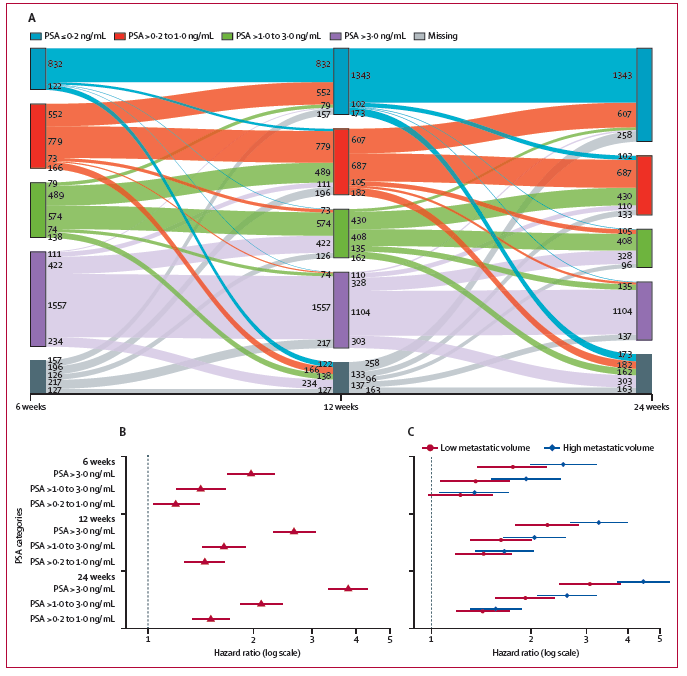
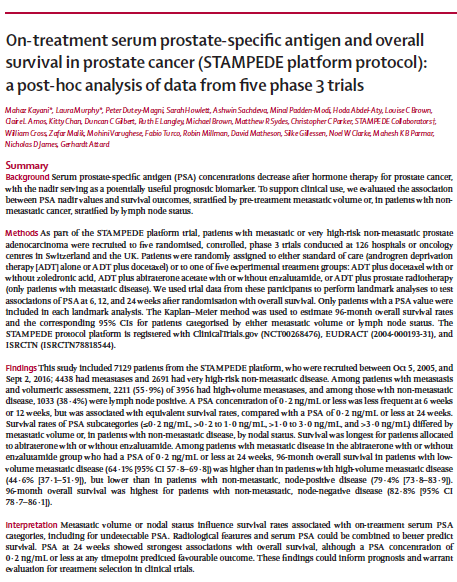
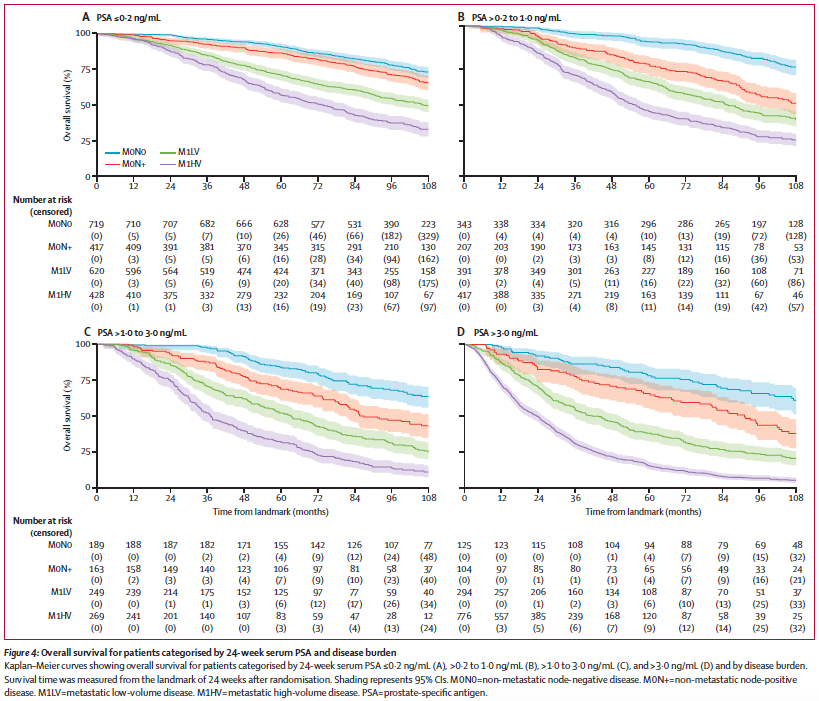
🧵 1/2 New from STAMPEDE (Lancet Oncol 2026): PSA ≤0.2 ng/mL at 24 weeks in metastatic prostate cancer varies markedly by treatment.
Prostate RT achieves similar PSA suppression depth as docetaxel — but abiraterone doubles the response rate.
https://t.co/DihP6JwmgI
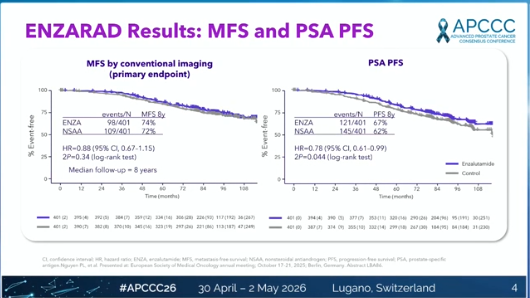
🔑 slide! cN1 patients in STAMPEDE and ENZARAD
🚨 imaging risk stratifies for treatment benefits. We need to sort this out with PSMA PET
@ChrisSweens1@APCCC_Lugano#APCCC26
🖤 İlber Ortaylı, Beşiktaşlı olma sebeplerini anlatıyor.
İlber Ortaylı: "Süleyman Seba'yı çok seviyordum, efendi bir adamdı. Bir de Çarşı grubu hoşuma gidiyordu. Onların holiganlığı yok, değişik bir tarzları var."
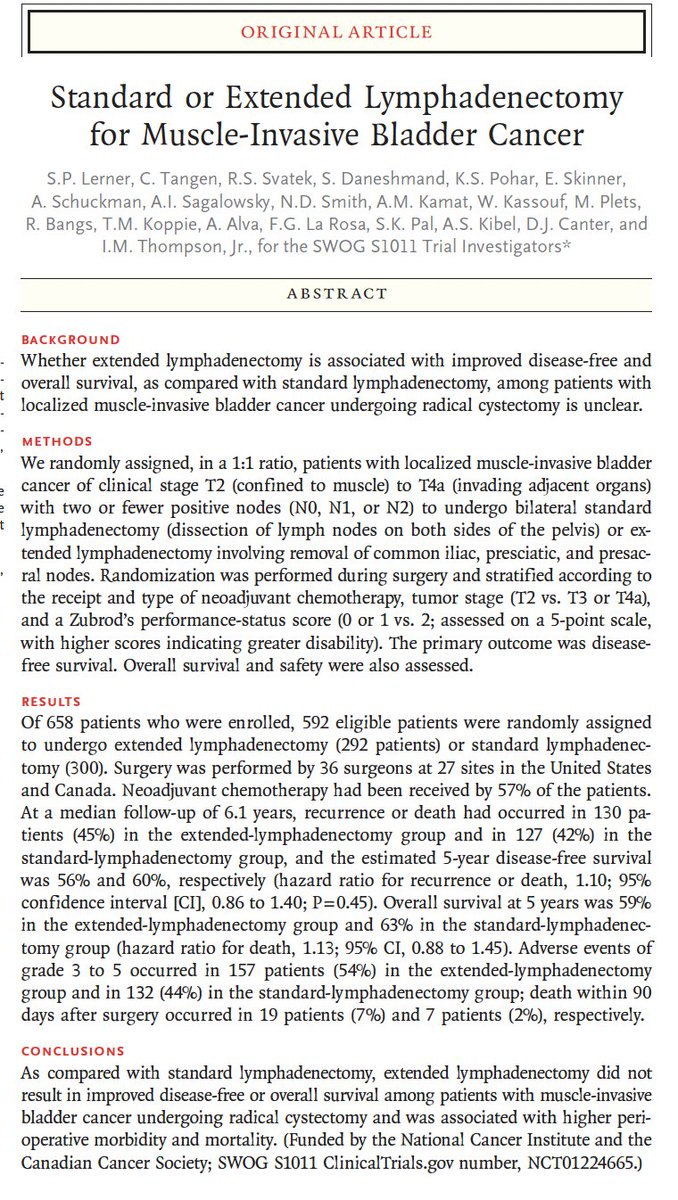
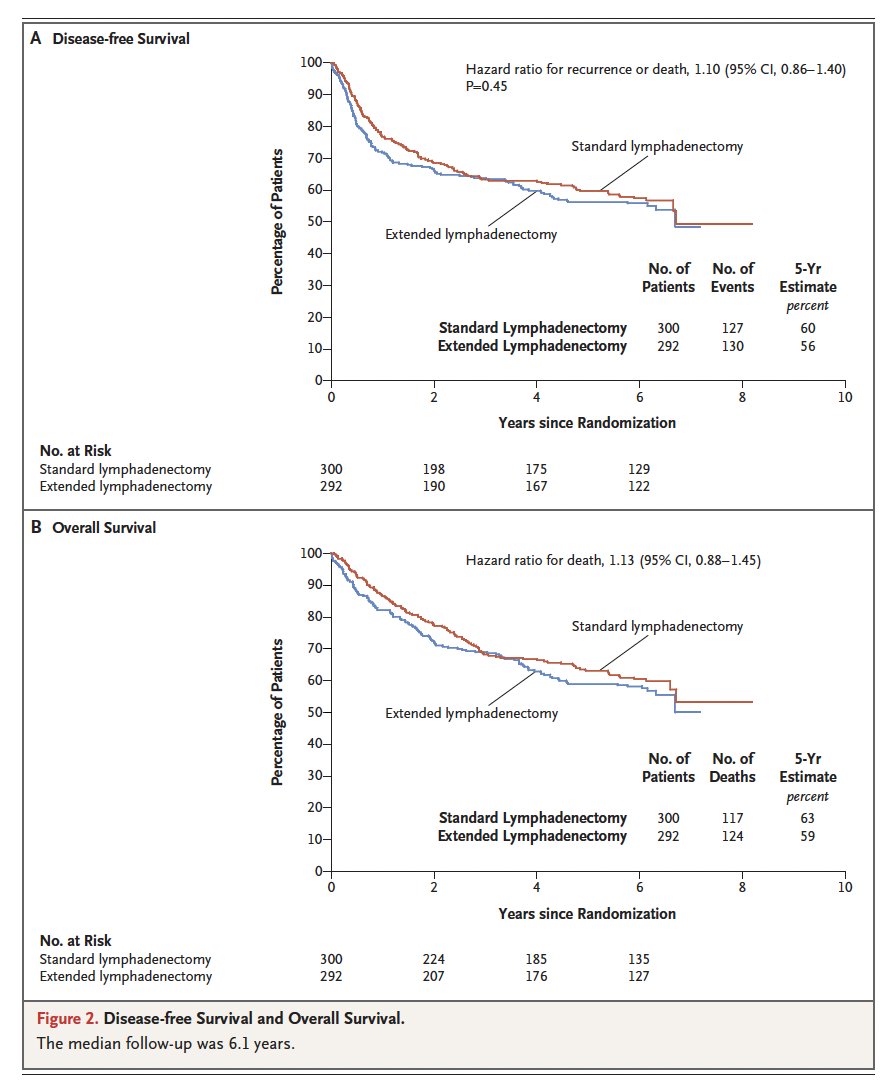
Can we please put to rest the idea that treating lymph nodes helps patients with cancer live longer? Once again, we see no meaningful benefit and only harms—this time in a phase III RCT for bladder cancer. @QuadShotNews https://t.co/jT9UWVzn8p