Our new #OA paper investigates effects of #ship#noise on harbour porpoises 🚢🔊🐬:
🔗 https://t.co/qTL8Khmtwp
Thanks to support from @Saturn_H2020@MarineMammalAU, TNO & @CaraAGallagher for porpoise & ship 🖌️
Follow the 🧵 for some fun animations (1/5)
🌊 What’s That Sound Reveal: The Grey Seal! 🌊 🦭
Did you guess it right? Today’s mysterious ocean sound comes from the grey seal (Halichoerus grypus)!
Their vocal repertoire includes grunts, growls, and high-pitched wails.
#SmartWhaleSounds
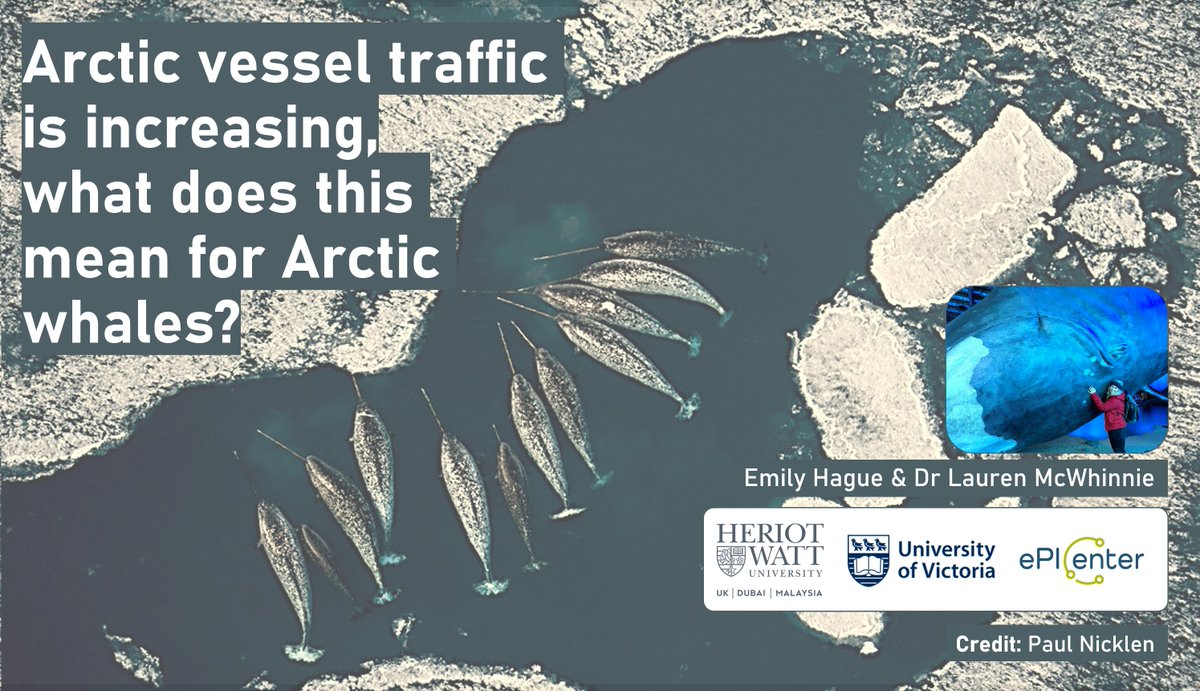
⚓️Want to hear more about our review of current knowledge of vessel impacts to Arctic whales?🐳🚢❄️You have two chances coming up!:
- the @UKIRSC_SMM conference, 10-12th Jan
- the @ScotArcticNet webinar series, 17th Jan 12pm. Sign up FREE, link below:
https://t.co/KlOxk9u1zc
🔊What’s that sound Wednesday?? 🤔
Can you guess which marine animal makes this ocean sound as part of their vocal repertoire?
We will give you a hint…it’s not a whale! @ORCA_Ireland
#SmartWhaleSounds
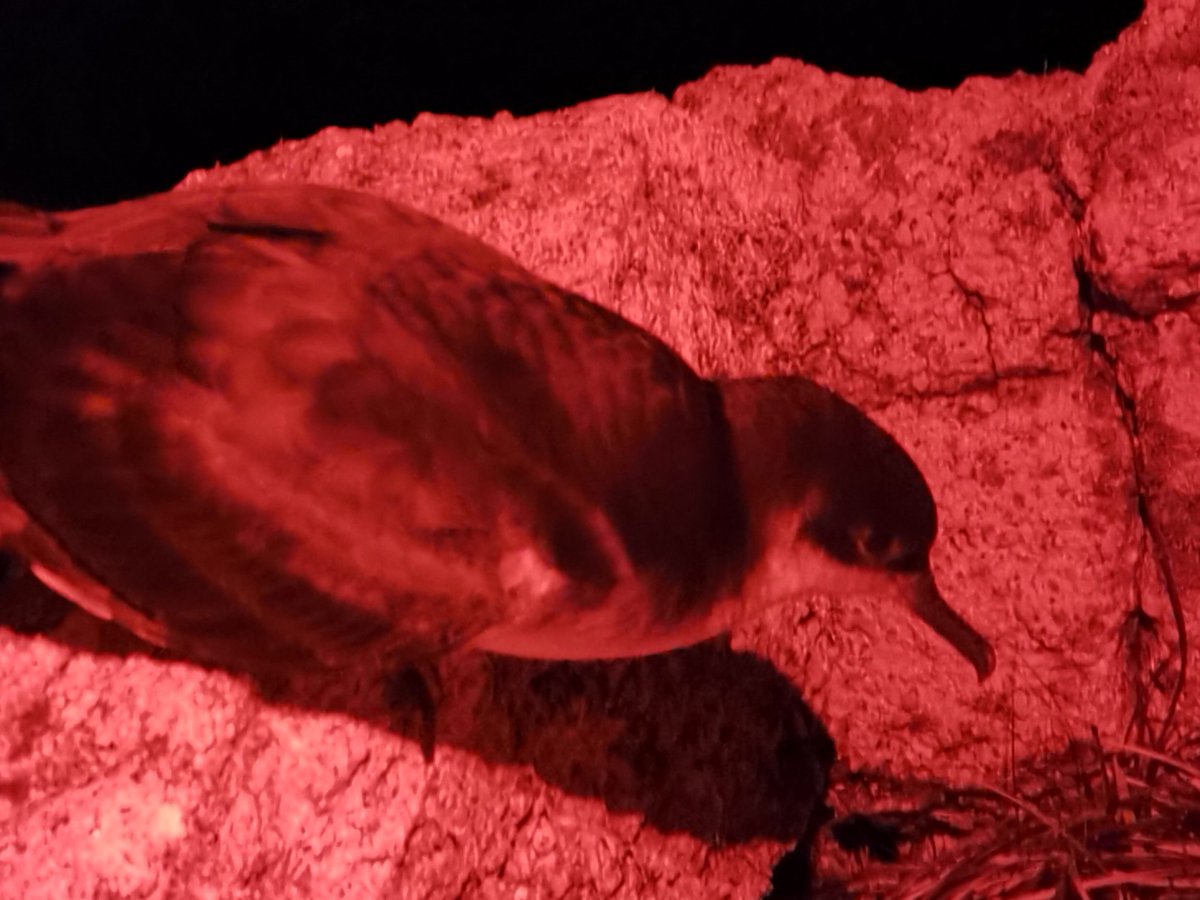
Manx Shearwaters breed at night, in burrows, in dense noisy colonies, on remote Atlantic islands. How can they recognise each other in such conditions? Find out more in a new study by @MMU_NATSCI and @ImperialLifeSci published today in @AvianBiology
https://t.co/euxooZTxnP
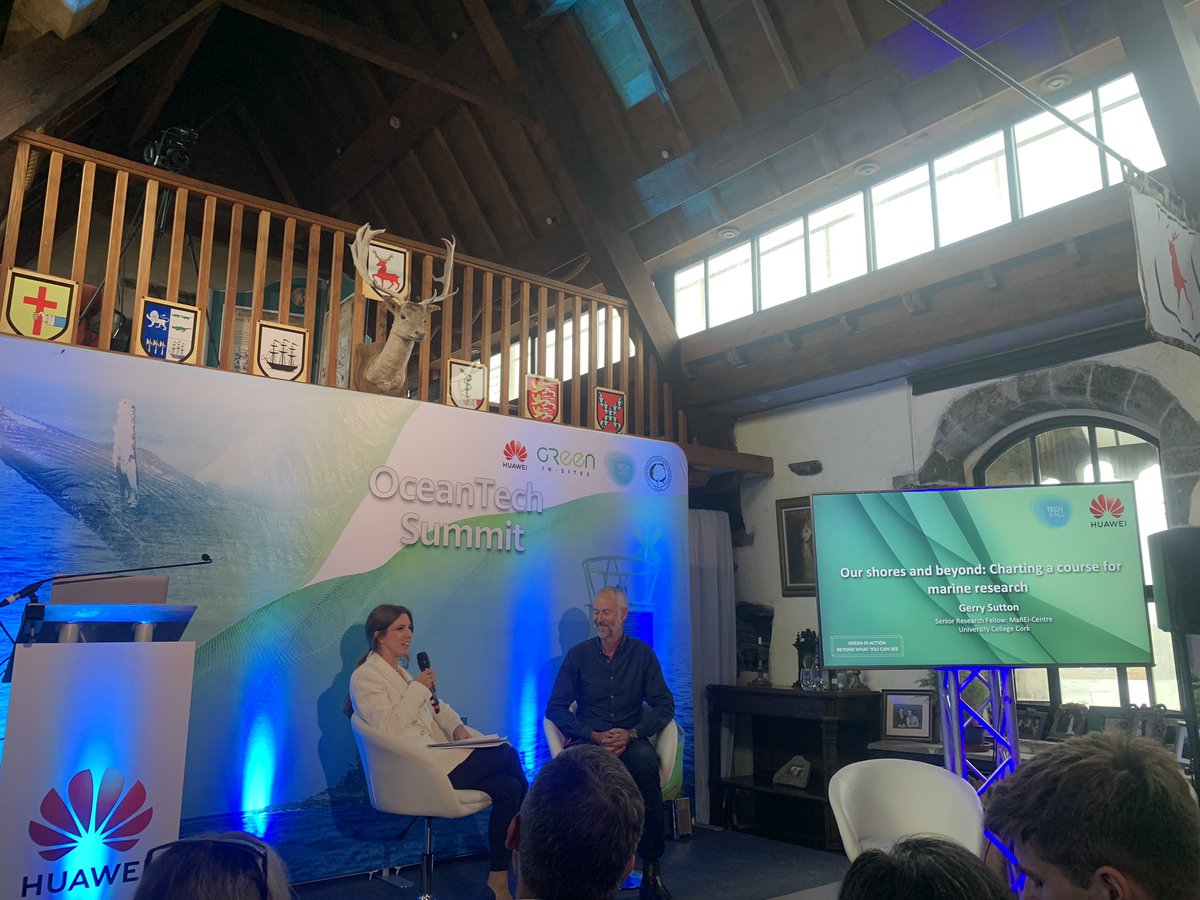
ORCA Ireland recently held Irelands first #OceanTechSummit event in Baltimore #WestCork sponsored by @Huawei@HUAWEI_TECH4ALL to discuss the @SmartWhaleSounds project using #AI to listen to whales off the Irish coast! 🤩
To find out more visit https://t.co/ilAn1e98ag
#Tech4all
All in a day’s work…
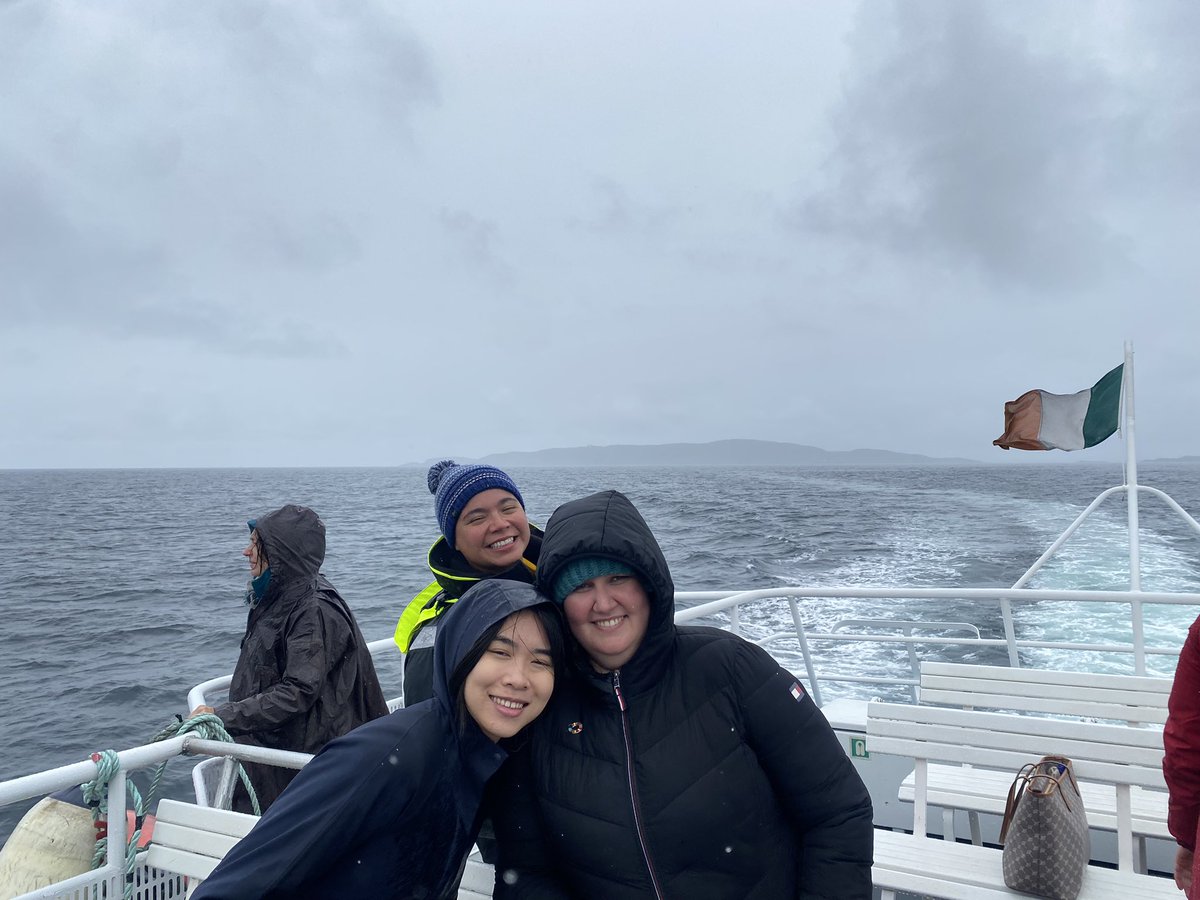
Whale / dolphin watching in rain off coast of Cork… #OceanTech summit w/ @Huawei_Europe & Industry + policy partners & UCC alumni #TECH4ALL
Great day at the @Huawei#OceanTech summit in Baltimore seeing the progress and plans with @ORCA_Ireland@SmartWhaleSound project.
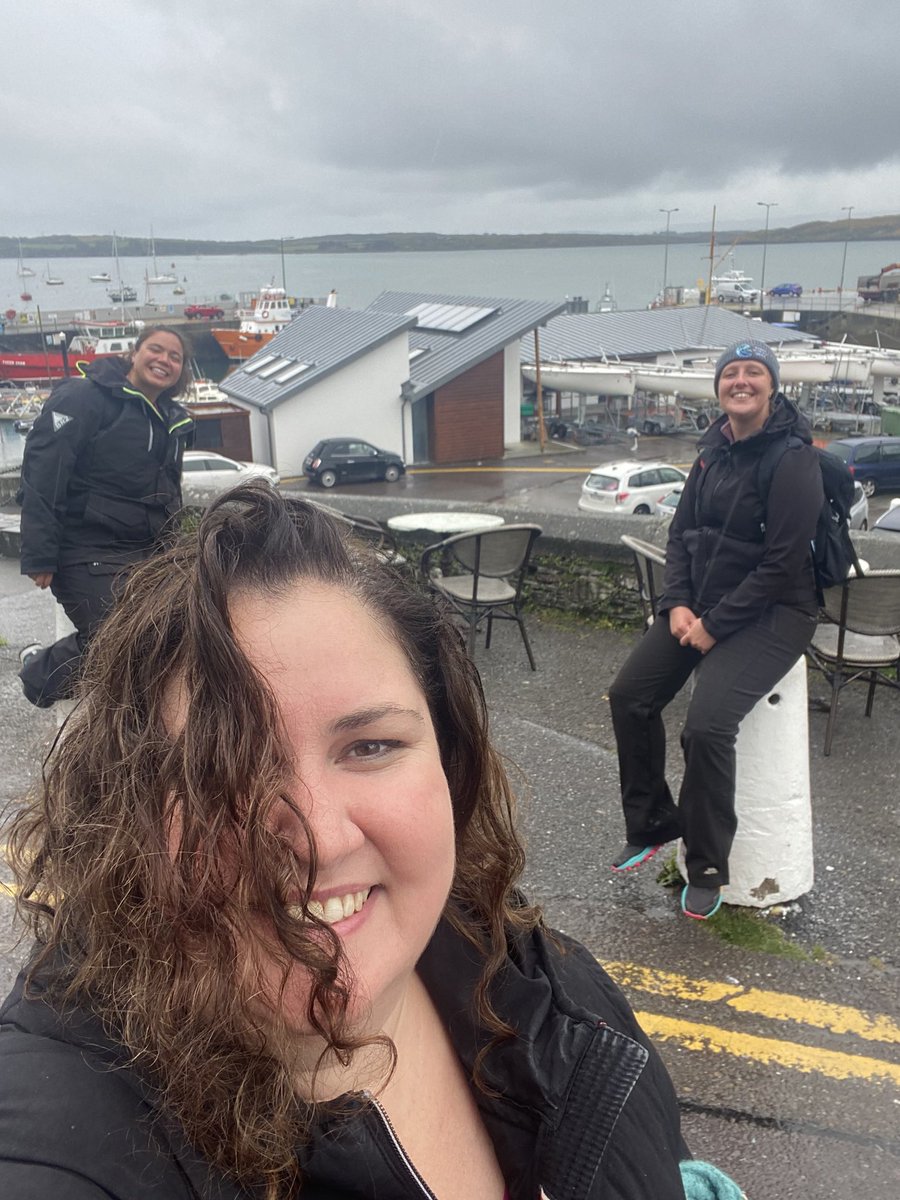
Best part was getting sufficiently soaked locating harbour porpoises, common dolphins and minke whales 🐳 dolphins
#TECH4ALL
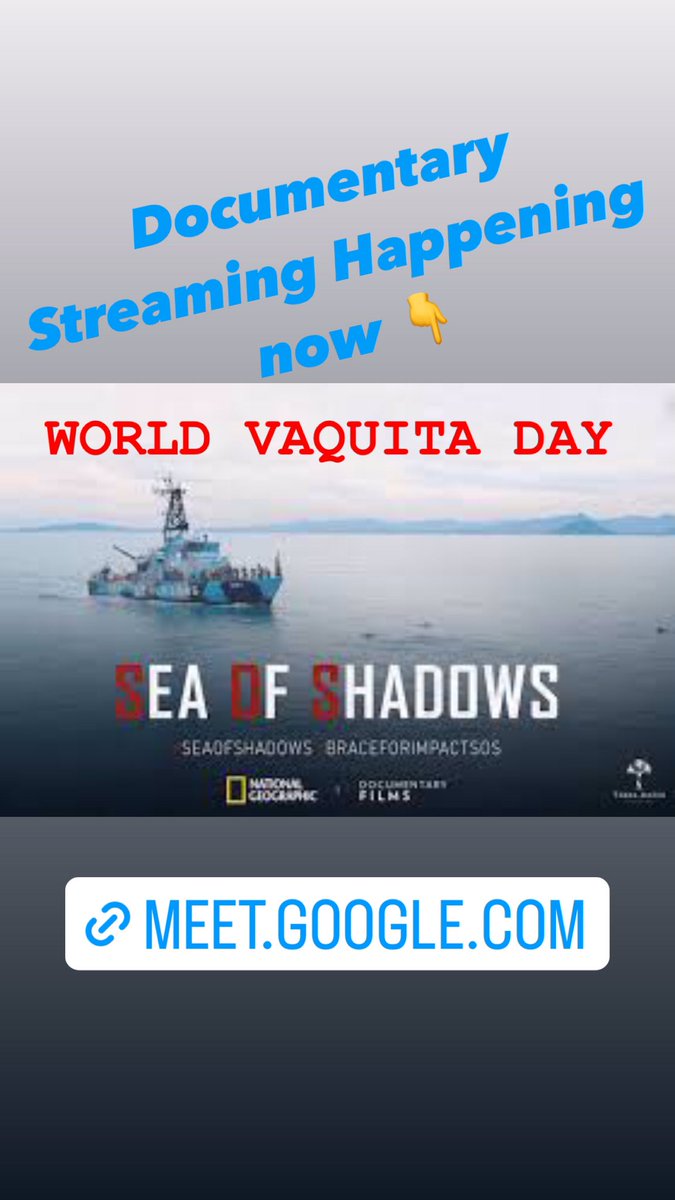
THREAD: On Monday, August 7, 2023, the International Whaling Commission (IWC) issued its first ever ‘vaquita extinction alert,’ stating the said marine animal, found only in the northern Gulf of California is in the edge of extinction due to gillnet entanglement.
AI models are growing in complexity at an impressive rate. But is a larger model necessarily smarter? A group of scientists is hoping to trim some of the fat, @anilananth reports for @Nature.
https://t.co/2ETLbFSYsq
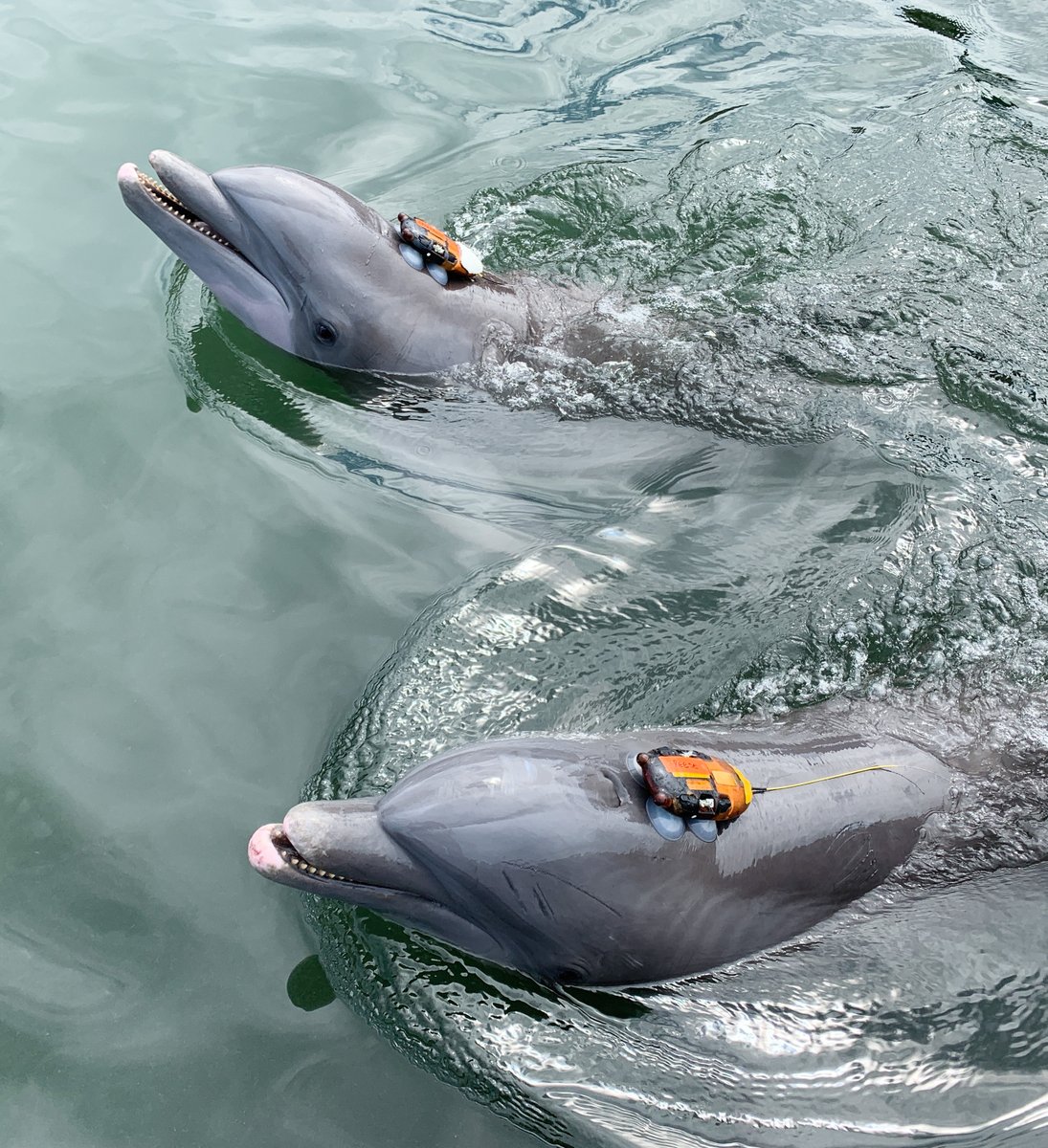
We investigated the effect of noise on coordination between two bottlenose dolphins performing a cooperative task, while exposing them to increasing levels of noise. Both dolphins were wearing sound- and movement recording #DTAGs allowing us to examine their vocal behaviour.
Who's calling? Tristan Kleyn develops a random forest classifier for identifying UK delphinid species from their whistles, predicting species with an accuracy 26.5% higher than chance. This baseline classifier is our first attempt for this region and will be continually improved