On land there are maps and at sea there are charts. Very few know the difference.
Almost every inch of a map is covered with information. Roads, buildings, bridges, culverts, hills, rivers, railway lines and whatnot.
On the other hand a nautical chart is mostly an enormous expanse of empty space interrupted occasionally by a depth marking, an island, a navigational hazard or a coastline.
One would imagine that navigating across a largely blank piece of paper should be easier than navigating through a crowded map.
Quite the opposite. On land, we have roads to follow, signboards to read, landmarks to recognise and, when everything else fails, loc-nav (a fancy term for asking someone for directions).
So how do you navigate across thousands of miles of seemingly featureless water?
For centuries, sailors have relied on the sun, moon, stars, accurate timekeeping and mathematics. Today, satellites and electronic navigation systems have made finding our position considerably easier.
But knowing where you are is only a small part of navigation.
You still need to work out where you should go. Winds, currents, waves and weather systems influence your choices. The shortest route is not necessarily the fastest, and the fastest is not necessarily the safest.
Sometimes, to reach your destination sooner, you must first sail away from it.
That is what makes ocean navigation fascinating.
A chart may have very little printed on it, but there is an extraordinary amount of information a navigator must bring to it.
And I suppose life is not very different.
In life, when you ask for a map, you are often handed a chart. There is a lot you have to figure out on your own.
India’s space story is opening new frontiers for young minds, researchers and startups.
From building capabilities in space science to enabling new technologies and enterprises, the focus is on nurturing the talent and innovation that will shape India’s space strength for years to come.
The future of space is being built today.
#WorldSpaceWeek
@DrJitendraSingh@waghmare16@isro@DBTIndia@CSIR_IND@moesgoi
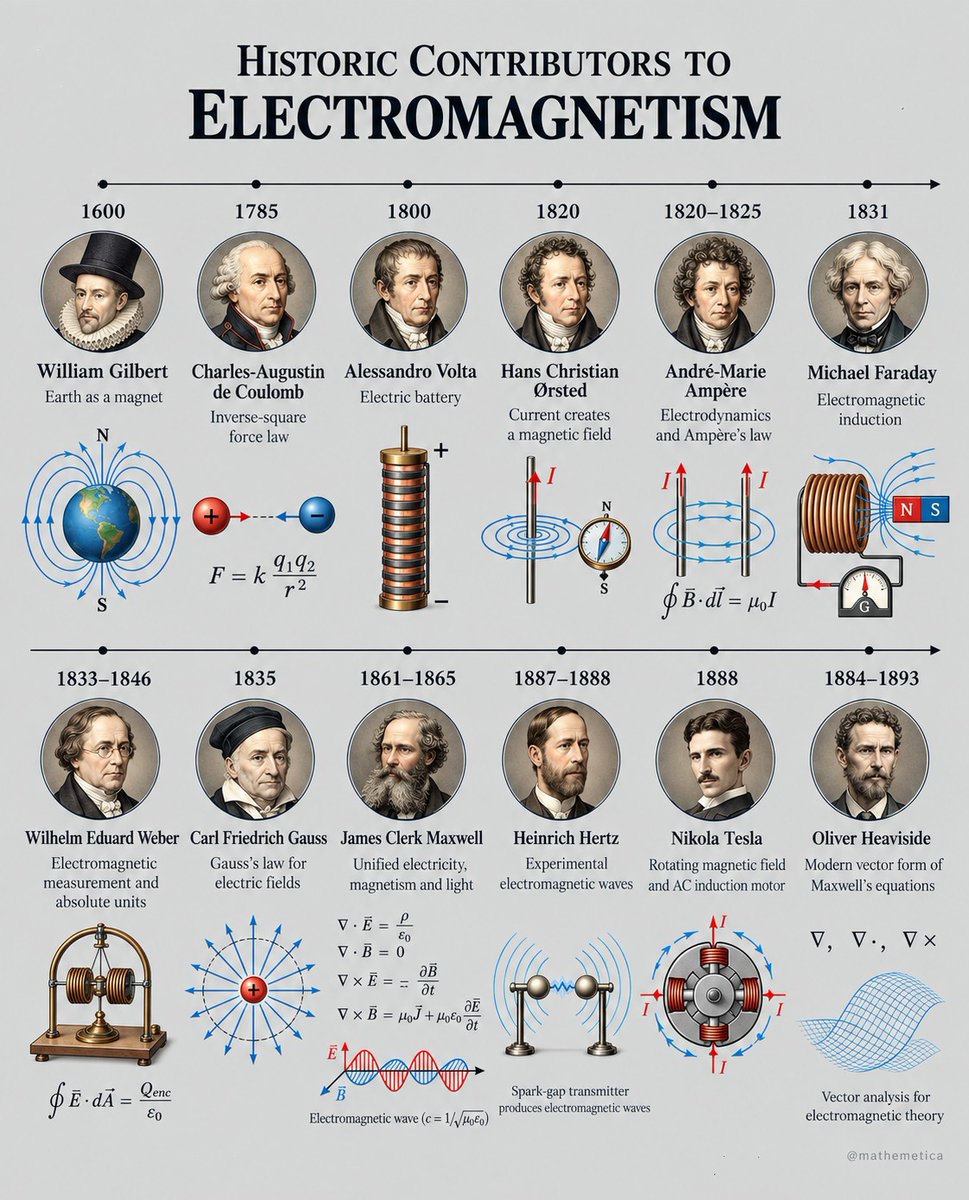
Four lines of vector calculus contain the whole of classical electromagnetism:
∇·E = ρ/ε₀
∇·B = 0
∇×E = −∂B/∂t
∇×B = μ₀J + μ₀ε₀ ∂E/∂t
Charge is the source of electric field; magnetic charge is forbidden. The two curl equations lock the fields together in time, so that a changing electric field begets a magnetic field and a changing magnetic field begets an electric field.
The same two vacuum constants that appear in those equations fix the speed of the resulting wave at c = 1/√(μ₀ε₀), already known to be the speed of light.
Maxwell assembled the theory in 1865; Hertz produced the waves two decades later; Heaviside gave the equations the compact vector form still written today.
Congrats, MAVEN, on a whole decade of exploring!
For the last 10 years, @NASAMars' MAVEN spacecraft has orbited the Red Planet, gathering data about its upper atmosphere. Here are the top 10 findings: https://t.co/kHWqcJnXKG
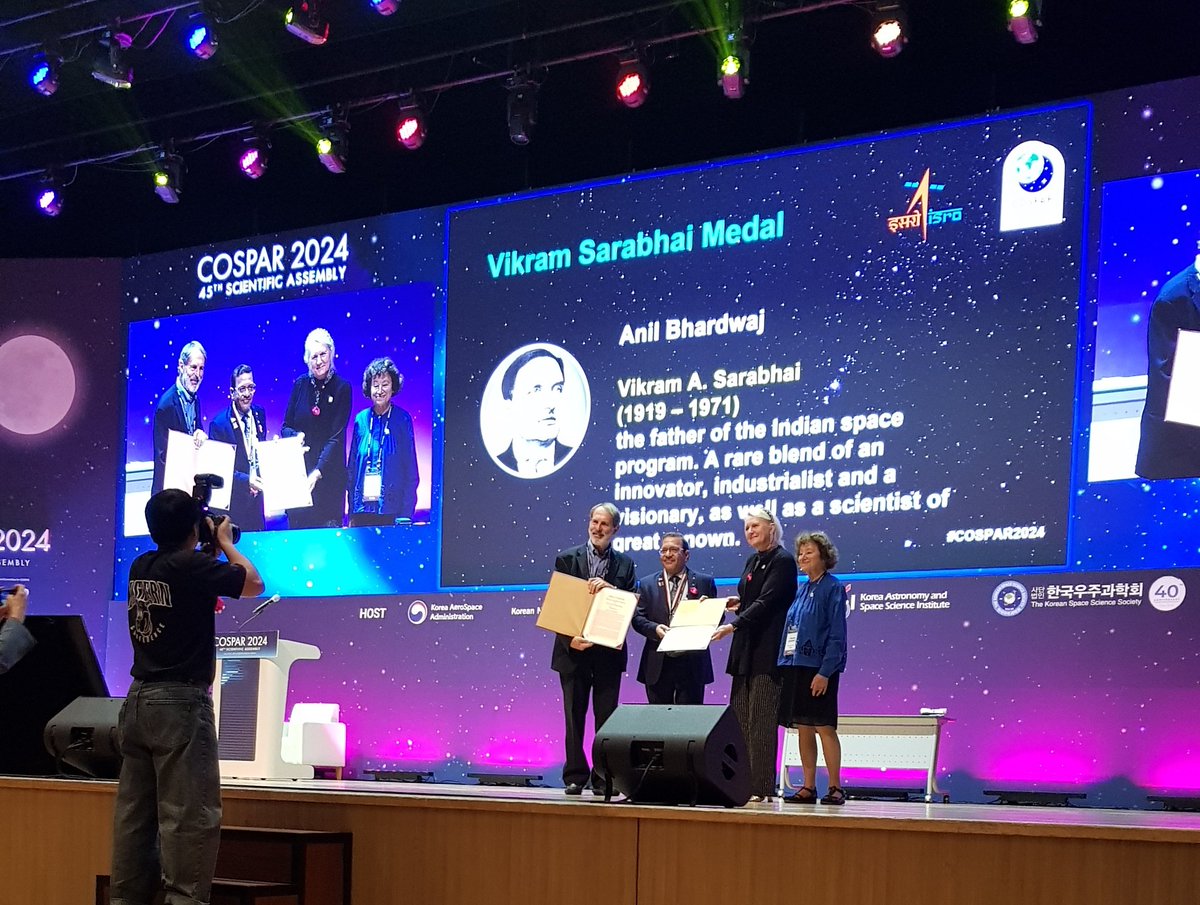
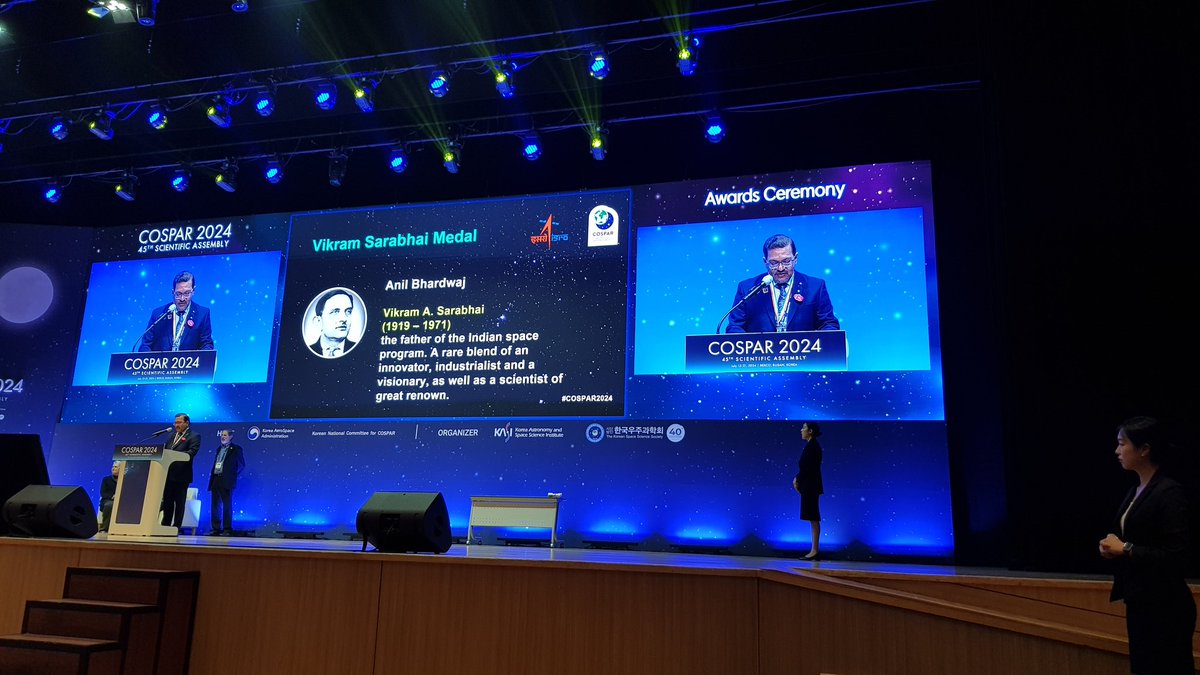
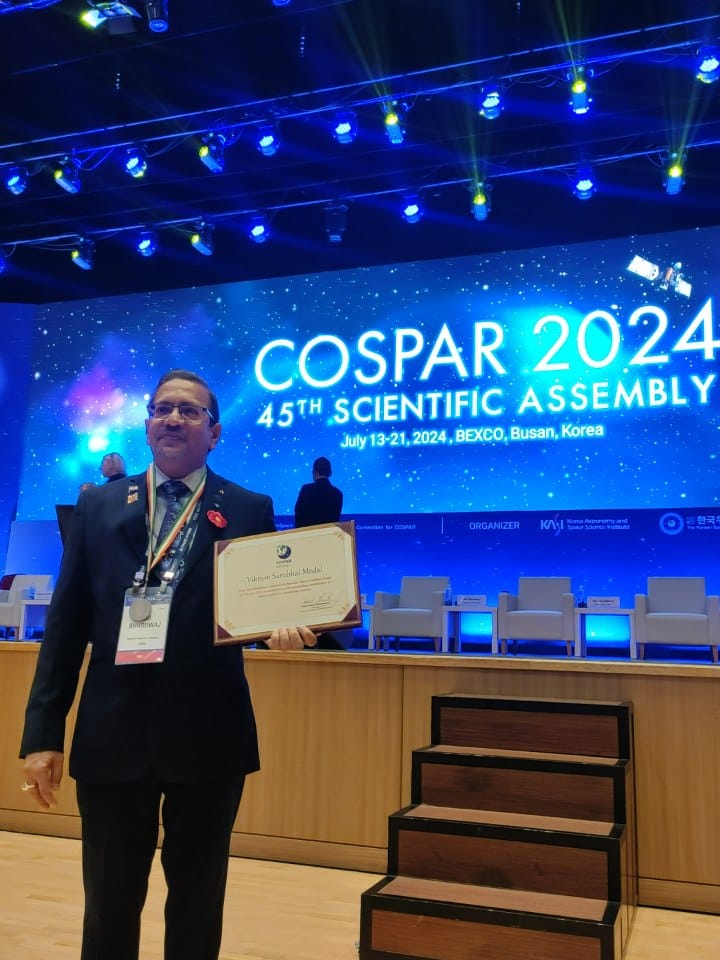
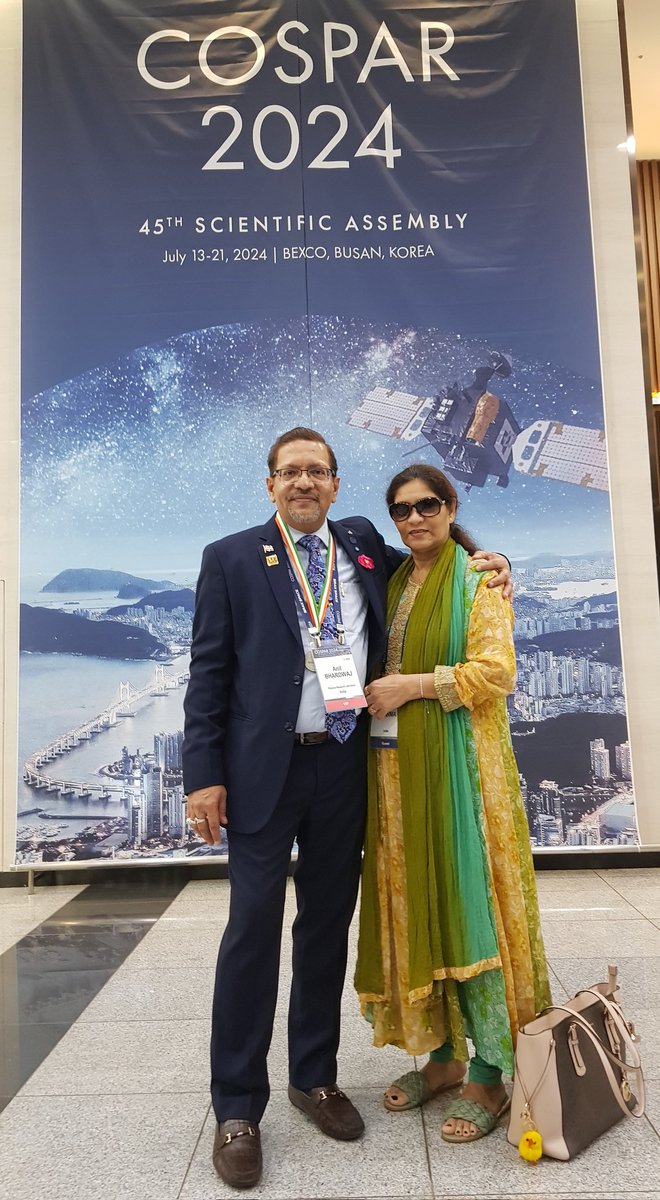
A privilege and delight to receive the coveted 2024 COSPAR Vikram Sarabhai Medal at the 45th COSPAR Scientific Assembly in Busan, Korea, on 15 July 2024. The award was presented by COSPAR President Prof. Pascale Ehrenfreund.
Mind blowing - these young girls are playing Antakshari with the Sanskrit shlokas of Shrimad #Bhagavadgita and their speed and spontaneity are amazing. This was conducted at the 100 years completion of Gitapress Gorakhpur 🙏🏼
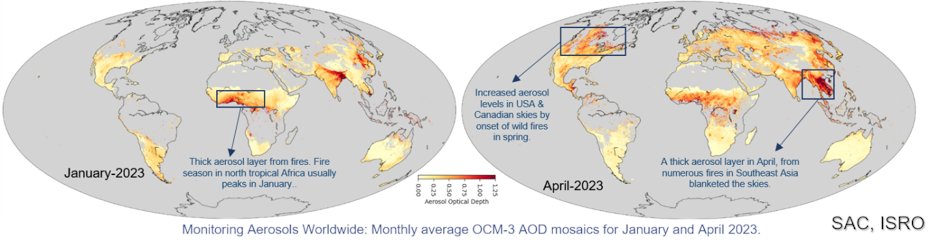
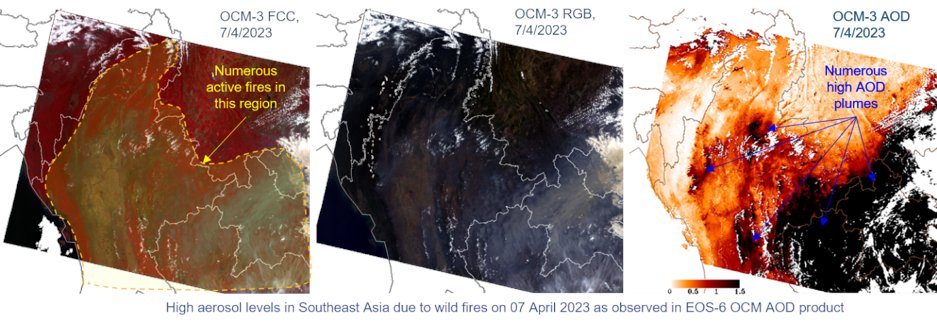
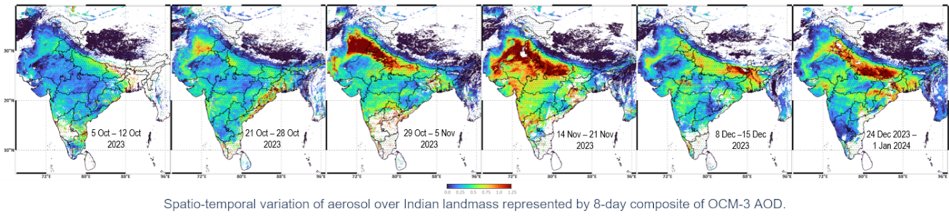
Precise air quality monitoring through satellite data:
ISRO's OCM-3 AOD product enables air quality analysis over the Indian subcontinent like never before.
Researchers are invited to unlock the power of this open data and generate unprecedented insights into aerosol dynamics.
https://t.co/acoO3zT2Gq
MOSDAC: https://t.co/101qFaJ1eX
Aditya-L1 Mission:
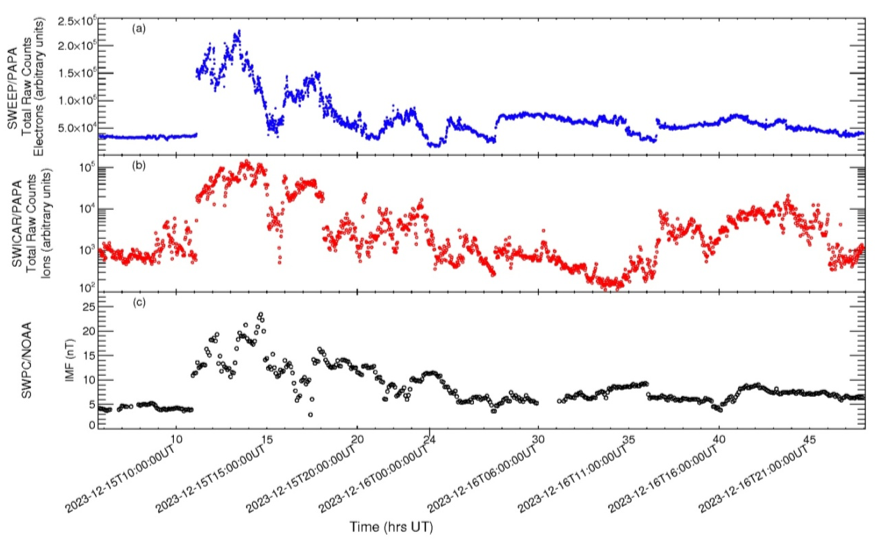
PAPA payload has been operational and performing nominally.
It detected the solar wind impact of Coronal Mass Ejections (CMEs) including those that occurred during Feb 10-11, 2024.
Demonstrates its effectiveness in
monitoring space weather conditions.
https://t.co/P95YEBZdSl
This might genuinely be one of the most gorgeous solar eruptions I’ve ever seen! Triggered by last night’s X-class #SolarFlare, just look at the way the falling material lands above the magnetic field, before flowing back down to the Sun. Magnetism is awe-striking! #spaceweather
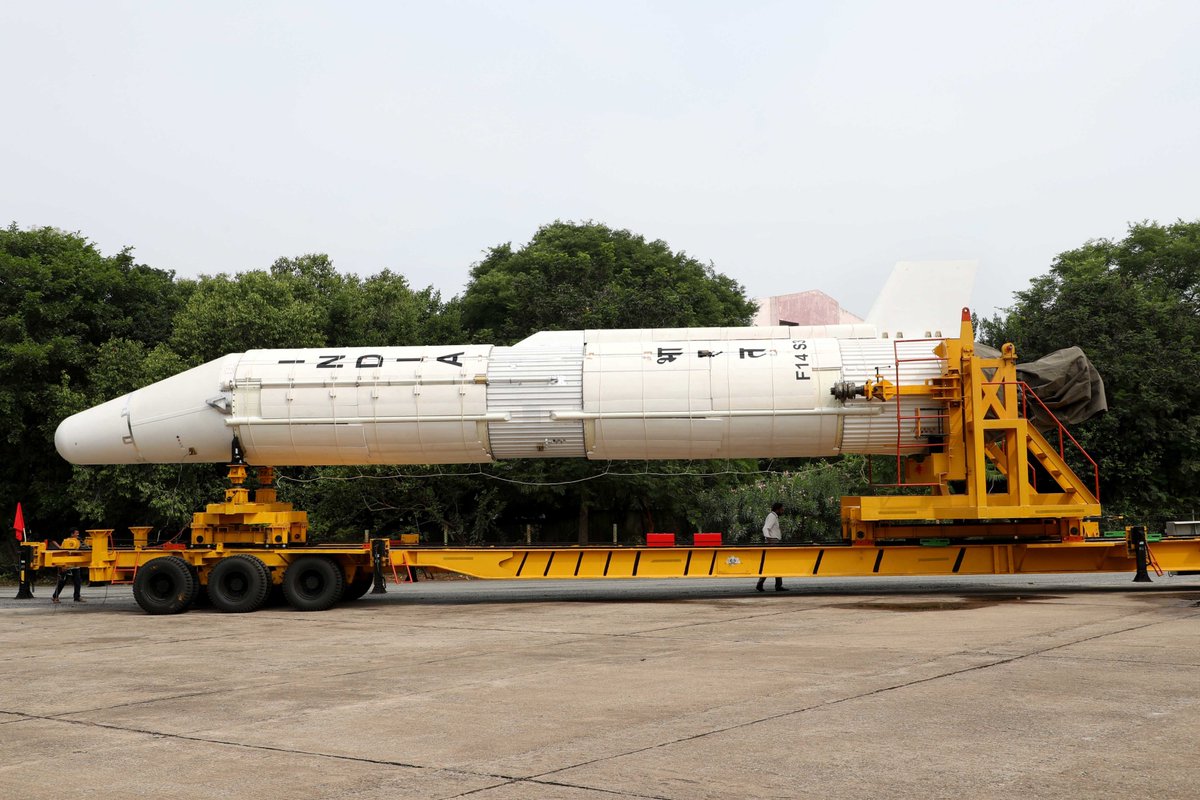
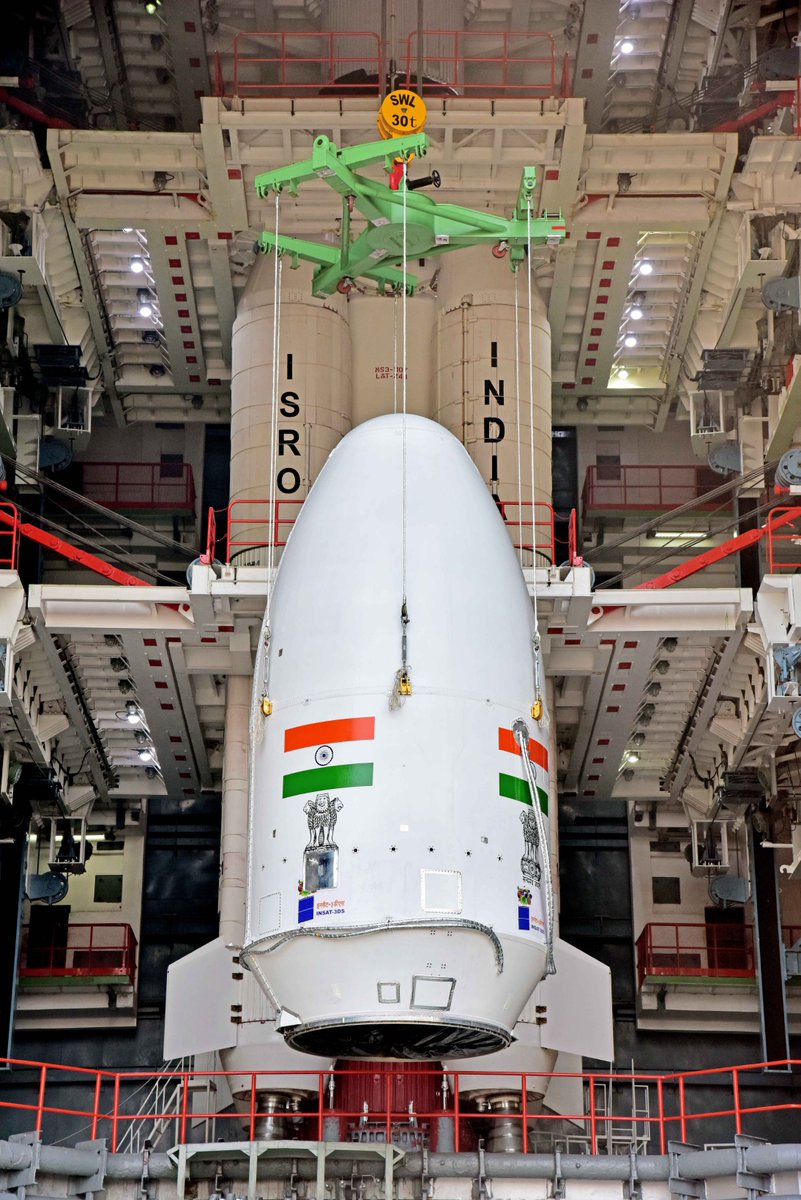
🚀GSLV-F14/🛰️INSAT-3DS Mission:
The mission is set for lift-off on February 17, 2024, at 17:30 Hrs. IST from SDSC-SHAR, Sriharikota.
In its 16th flight, the GSLV aims to deploy INSAT-3DS, a meteorological and disaster warning satellite.
The mission is fully funded by the Ministry of Earth Sciences (MoES).
@moesgoi #INSAT3DS
https://t.co/h7iapnxaAW
Andrey Samsonov presents his work on 'Finding the magnetopause position using soft x-ray images' at the London Space Plasma Meeting today in @imperialcollege. This work forms part of the ongoing preparation for the @esa#SMILE mission.
Aditya-L1 Mission:
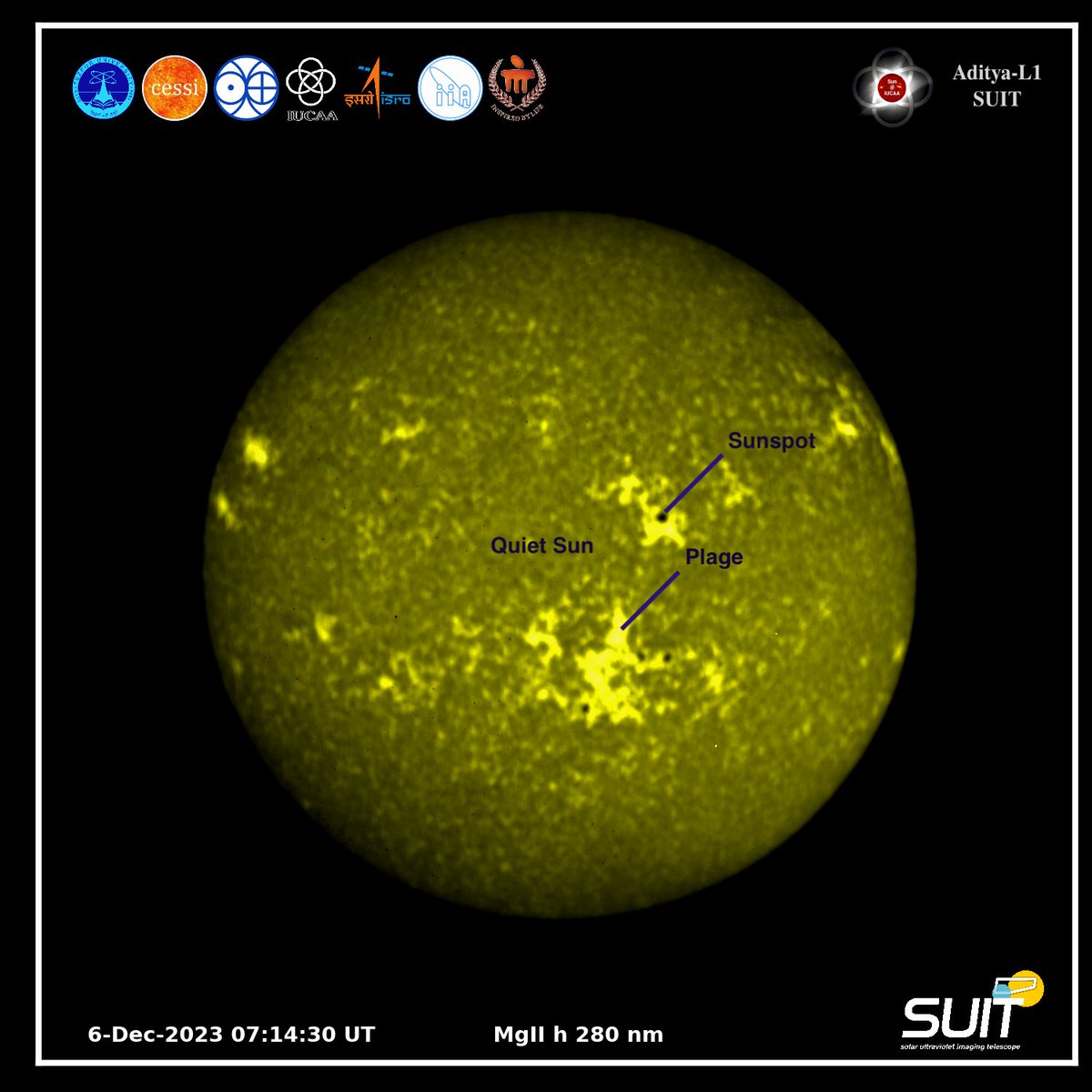
The SUIT payload captures full-disk images of the Sun in near ultraviolet wavelengths
The images include the first-ever full-disk representations of the Sun in wavelengths ranging from 200 to 400 nm.
They provide pioneering insights into the intricate details of the Sun's photosphere and chromosphere.
https://t.co/xD8M0wJ1be
All images on our Instagram https://t.co/Nz1i1nph8V
@IUCAAstro