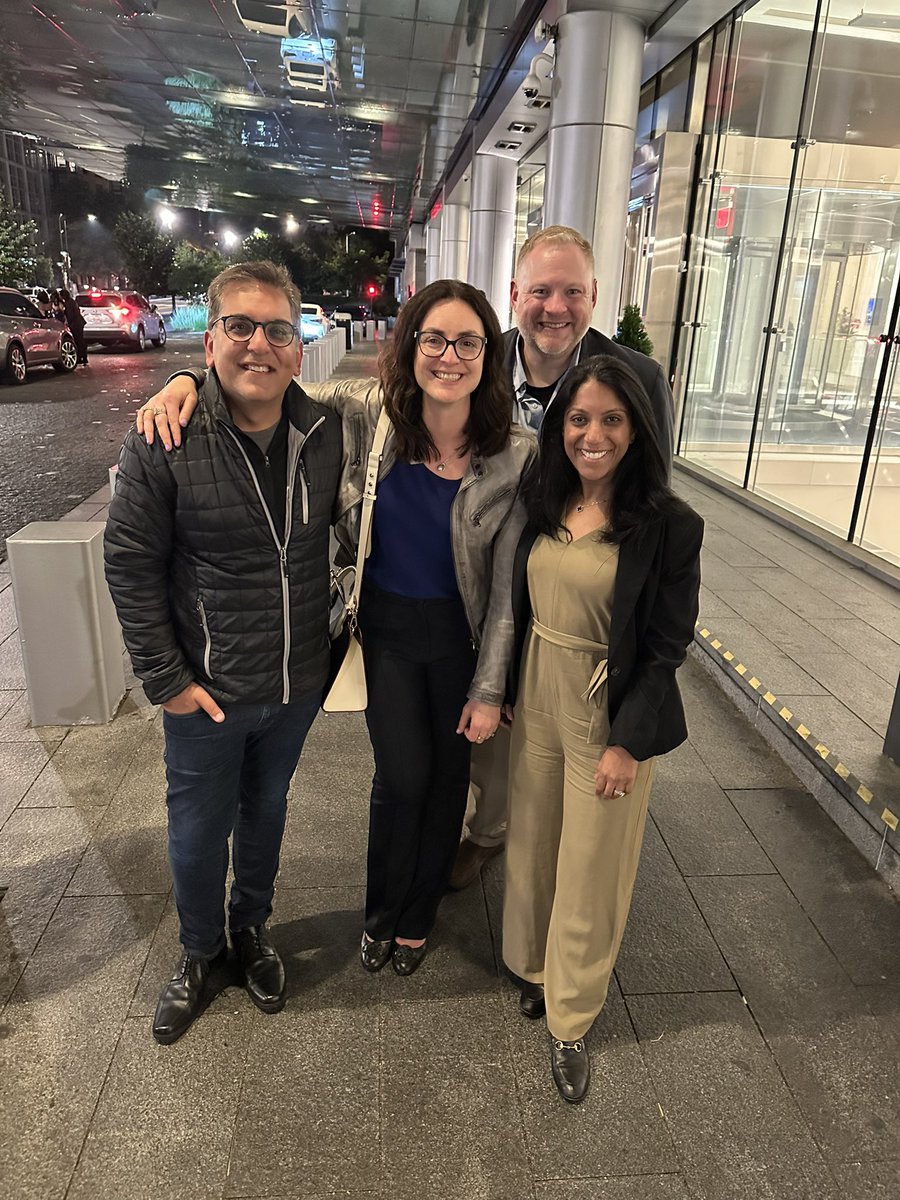
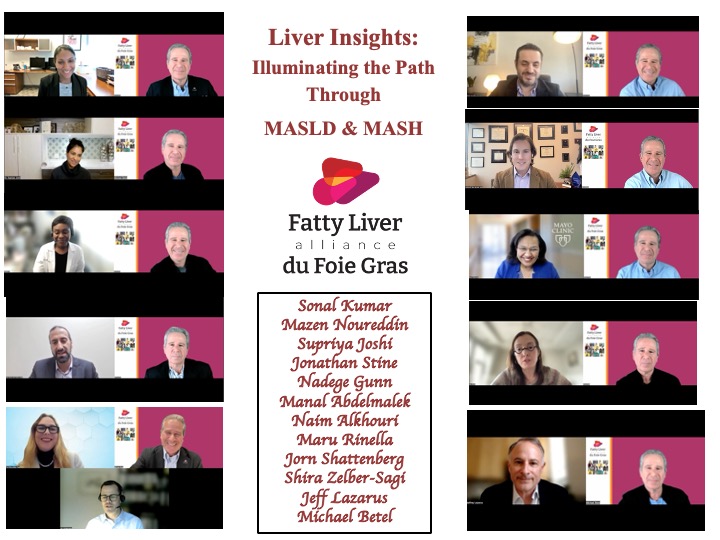
Big congrats! 🎉
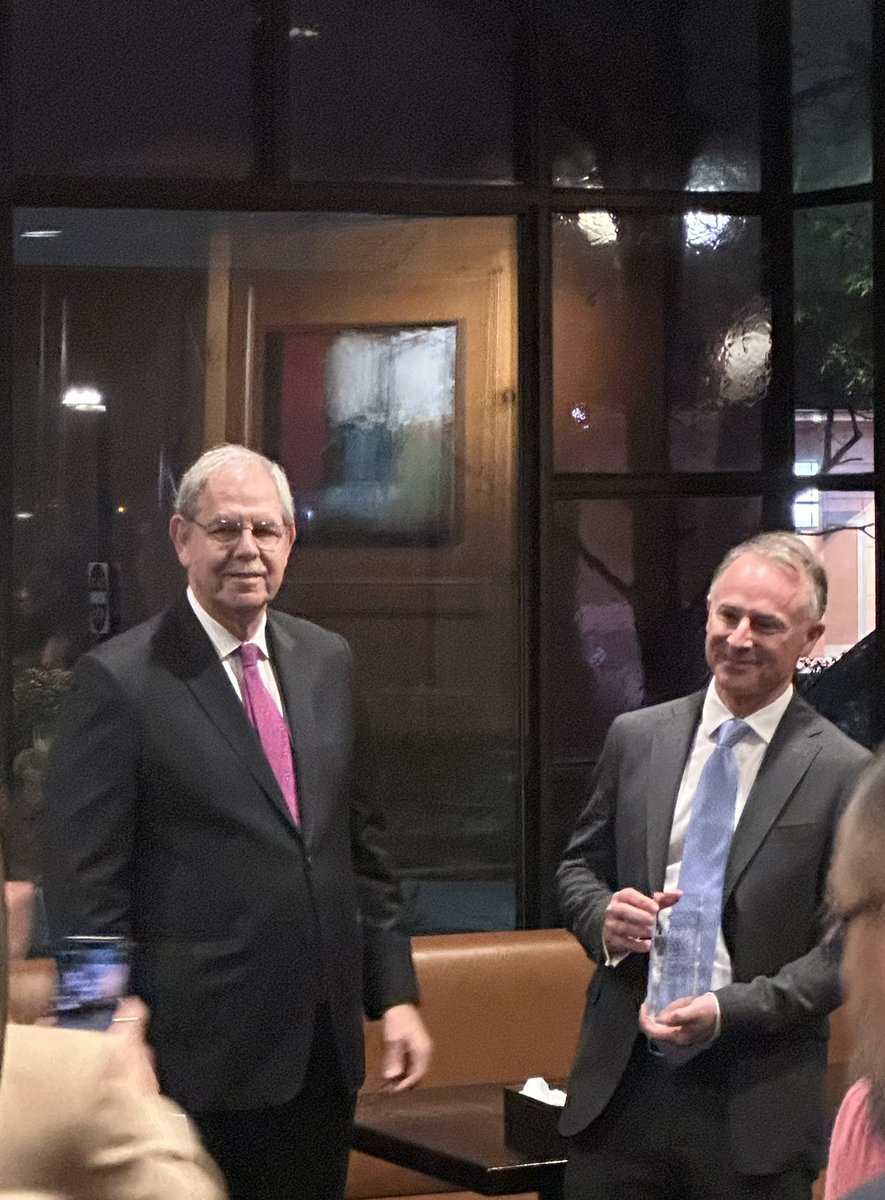
@CastleConnolly has named six of our gastroenterologists as 2026 Top Doctors--top 7% of physicians nationwide!
👏 Dr. @FeliceSchnoll, Dr. Ellen Scherl, Dr. Ravi Sharaf, @drbobbybrown, @SonalKumarMD, & Dr. Susan Lucak
https://t.co/Rl3SaXxsPz
@WCMDeptofMed
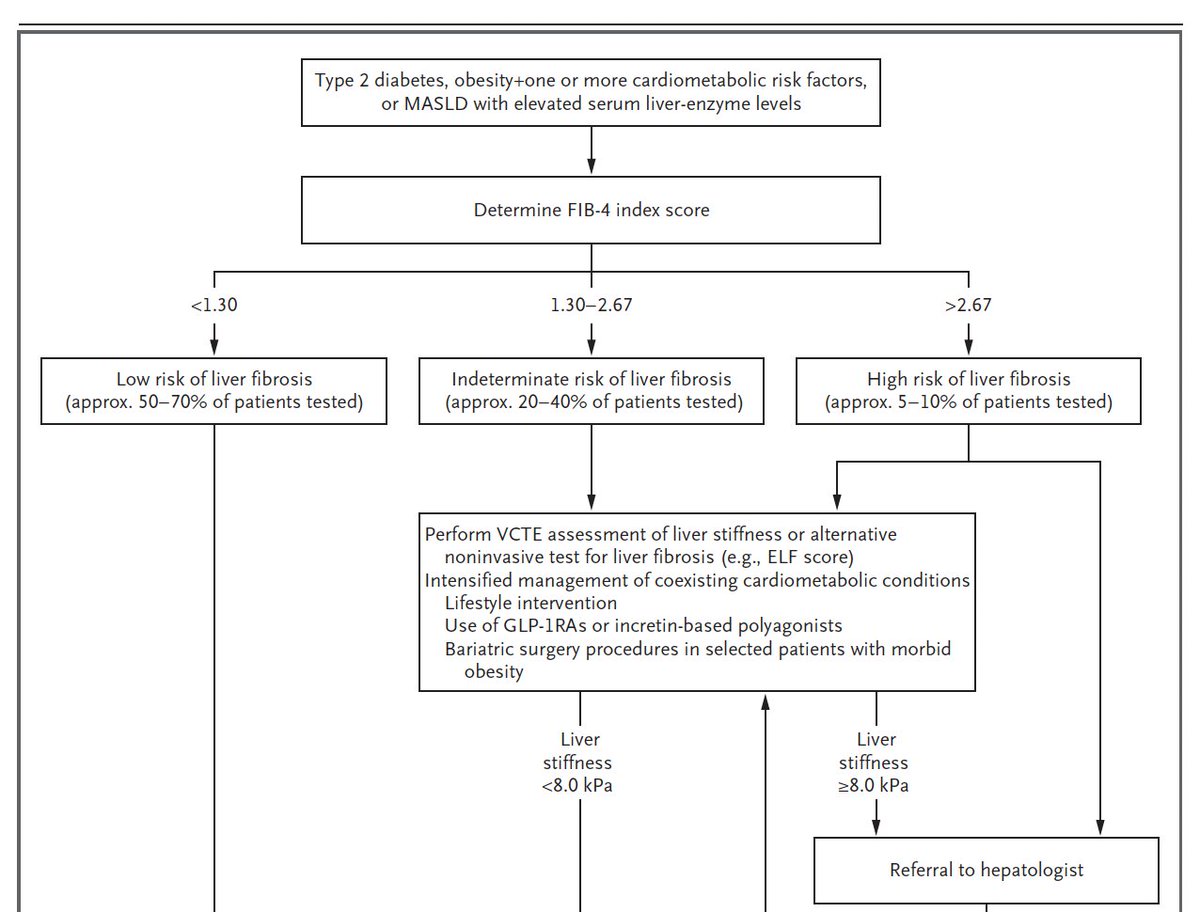
@NEJM just dropped a concise but comprehensive review of #MASLD 👉 https://t.co/z5IwyONpU1
❤️ Fig 3 flowchart that uses FIB-4 screening with a second step that can be diagnostic OR "theranostic" (#GLP1) before GI referral @SonalKumarMD
Also ❤️ a very nicely composed Fig 4 of the evidence based #NuSH agents for #obesity and #MASH
⭐️ I'm looking forward to semaglutide to be the first of its class to have a MASH indication https://t.co/BNLfxJwvop @betelm
#livertwitter
PBC patients are highly informed, and @SonalKumarMD credits their active participation in their own care! They don't like one size fits all, and have embraced more tailored risk assessments, treatments goals, and management.
Learn the latest for PBC! ➡️ https://t.co/VvLYfZLsRb
Thrilled to share that I’ve officially accepted a position to join endocrinology faculty at @WeillCornell!
Also very excited to join @SonalKumarMD & her amazing ICHANGE clinic team in advancing care for metabolic liver disease...truly a dream job come true for this #MASLD nerd!
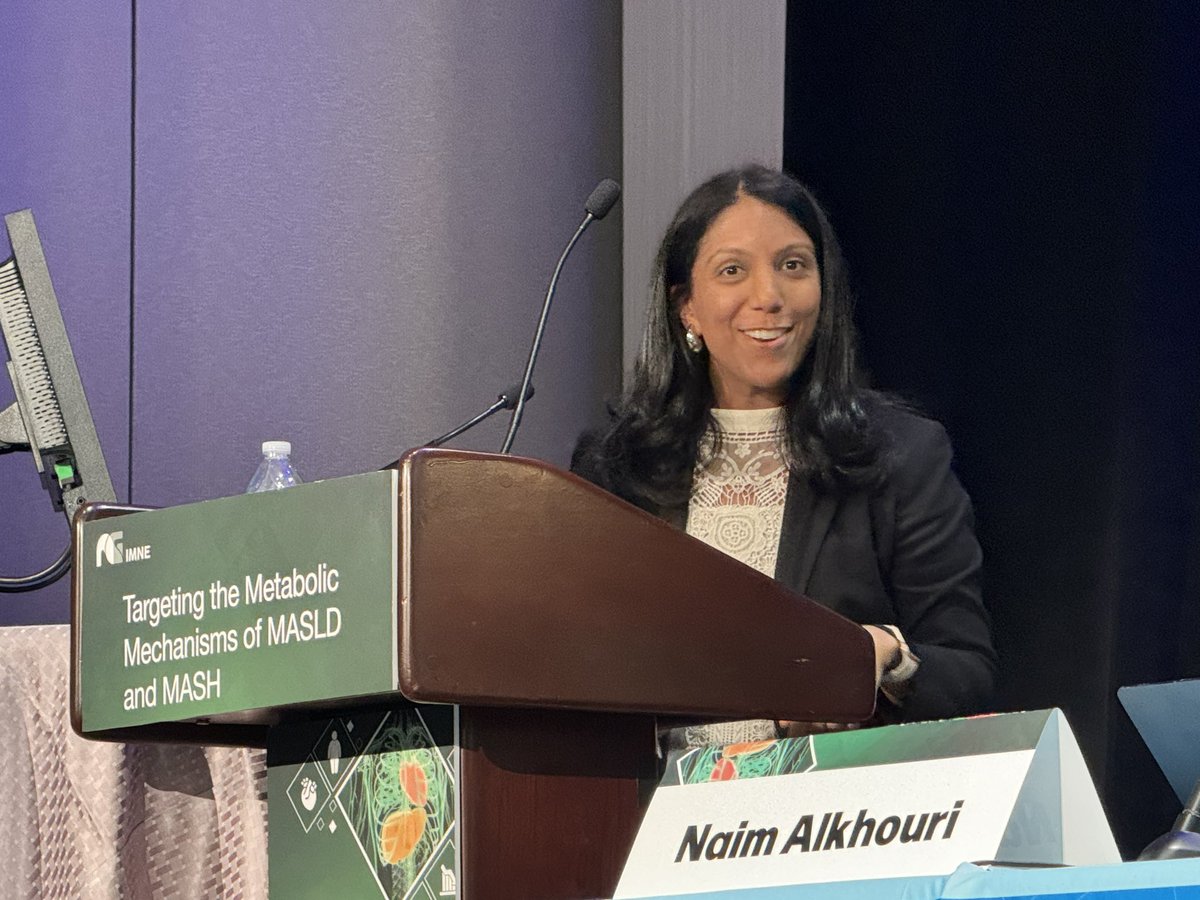
Thank you @SonalKumarMD, for the great presentation and discussion today at the @AASLDtweets (American Association for the Study of Liver Diseases) Brief Recap: "Targeting the Metabolic Mechanisms of MASLD and MASH".
Here are a few key take-aways:
1. Progression and Management of MASLD/MASH: About 20% of individuals with MASLD progress to MASH, and of those, 20% may advance to cirrhosis within 10 years. Early intervention can significantly impact long-term outcomes by focusing on weight loss, managing cardiovascular risk factors (like hypertension, dyslipidemia), and employing liver-directed treatments to potentially reverse fibrosis stages before they advance to cirrhosis.
2. Importance of Weight Loss: Significant weight loss (ideally 10% or more) can lead to improvements in steatosis, inflammation, MASH resolution, and fibrosis regression. Lifestyle modifications, although challenging to maintain, are crucial, and pharmacotherapy may aid in achieving desired weight loss goals.
3. Utilization of Non-Invasive Assessments: The FIB-4 score is recommended for primary risk assessment of fatty liver disease, with additional non-invasive methods like transient elastography and MRI-based assessments, with alternative options now available, including FAST score, MAST score, MeFib score, and CT1, providing valuable information for further stratification and management decisions.
4. Pharmacotherapy and Treatment Approaches: While there are no FDA-approved medications specifically for MASH (hopefully approved very shortly), certain medications used for comorbid conditions (such as pioglitazone for type 2 diabetes and GLP-1 receptor agonists for weight management) may offer benefits for MASH patients. Collaboration with Endocrinologists and other healthcare providers (Nutritionists and Cardiologists) is essential to optimize and coordinate treatment plans.
5. Interdisciplinary Collaboration: Effective management of MASH requires a multidisciplinary approach, integrating care from Hepatologists, Endocrinologists, Dietitians, and possibly surgeons (for patients considering bariatric surgery). Sharing a cohesive management plan across different healthcare providers ensures comprehensive care addressing all facets of the patient's condition.
Today's recap and discussion emphasize the complexity of MASH management, the critical role of weight management, the value of non-invasive diagnostic tools, the potential benefits of certain pharmacotherapies, and the importance of a collaborative approach in patient care.
@AASLDtweets@CASLupdates@GlobalLiver@LiverNurseCA@ObesityMatters@EASLnews #liverTwitter #liverX
Not all Apps are Created Equally! @AlkhouriNaim and Sonal Kumar lead a great discussion today at #tlm23@AASLDtweets.
Dr. Alkouri shared: Three tiers:
- NOOM. Available online for patient support.
- Aspyre Rx. Through insurance. “The next frontier in digital therapeutics.” “About $750 for 90 days of access”. “Patients in late 40s and early 50s do the best.”
- Digital Platform. “How are we going to manage 90 million potential patients and 70 Hepatologists?” “Maybe we need to plainly more sophistaced AI algorithms and apply machine learning.” “Identify pts and link to care and arrange digital support, see it’s and assess and decide what therapy is needed.” Worked with ‘Liver Healthy’ in Dr. Alkhouri’s clinic.
Sonal Kumar shared: “I tell my patients to use My Fitness Pal or Lose It”, if they cannot afford the more intensive and expensive options.
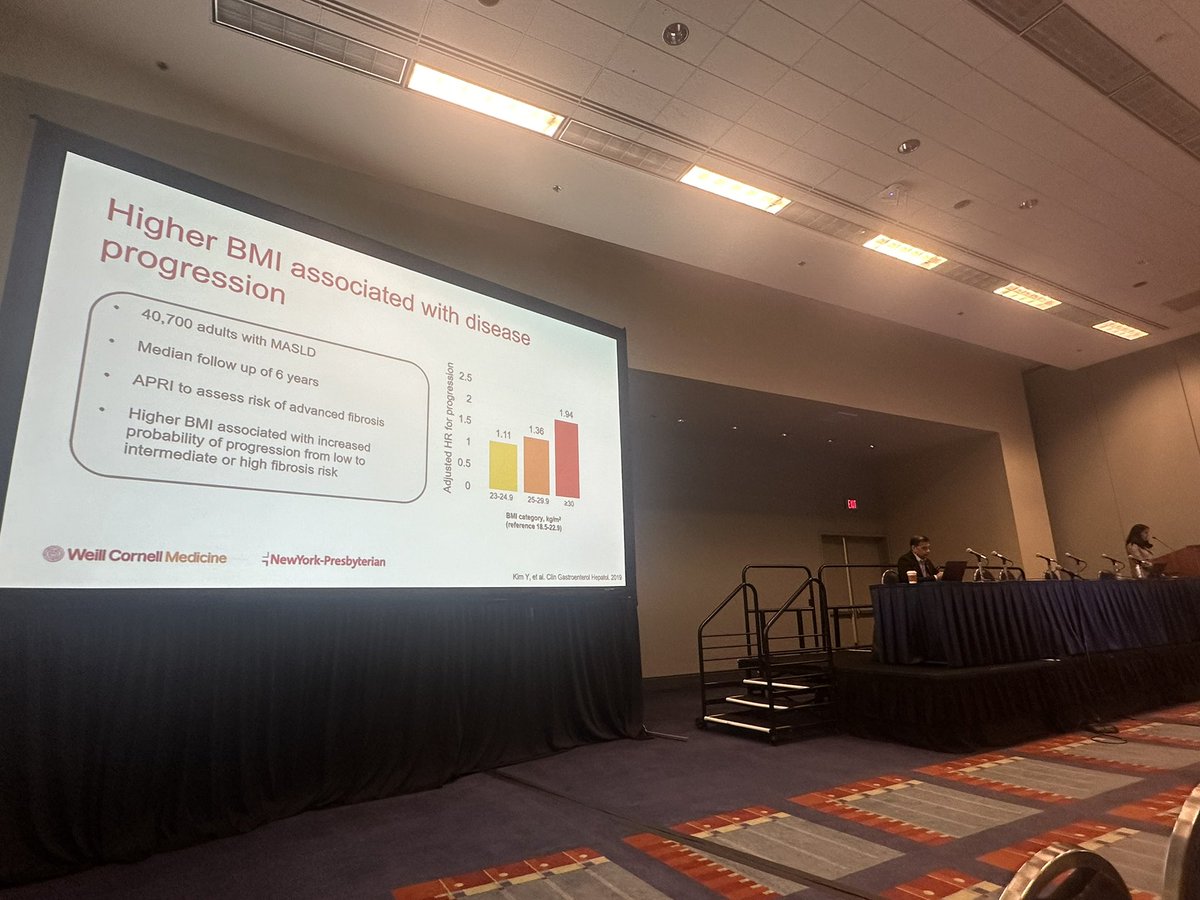
Targeting the Metabolic Mechanisms of Disease: Are We Getting Closer? @SonalKumarMD shares lots of insights tonight at #tlm23@AASLDtweets
- projections 2015-2030 more prevalent in advanced liver disease group
MASLD and CVD are:
• Manifestations of end-organ damage in metabolic syndrome
• Associated through multiple
pathophysiological mechanisms including:
• Systemic inflammation
• Endothelial dysfunction
• Hepatic insulin resistance
• Oxidative stress
• Altered lipid metabolism
- only 1.85% are actually diagnosed with MASLD even though expected prevalence is 20%-30%
- once patients develop MASLD about 20% progress to MASH and progress to fibrosis in 3 years.
- why manage MASH? Control obesity, reduce CVD risk, target MASH/fibrosis.
Summary and Conclusions:
MASLD is a chronic, multisystem metabolic disease closely linked to obesity and T2D
There is a need for effective therapeutic strategies to halt or reverse MASLD progression
Targeting metabolic disease pathways has the potential to improve outcomes for people with MASLD/MASH
There are currently no pharmacotherapies specifically approved for MASLD/MASH; some agents are under FDA review
Multidisciplinary care is associated with improved outcomes
Sign up for our interactive #CME symposium on #MASLD and #MASH: Saturday, November 11, 2023, at 7:30pm at Boston Marriott Copley Place. Including “What Would You Do?” Challenge yourself to make clinical decisions for the management of MASLD/MASH! #TLM23 https://t.co/vm6UYcKs6Q
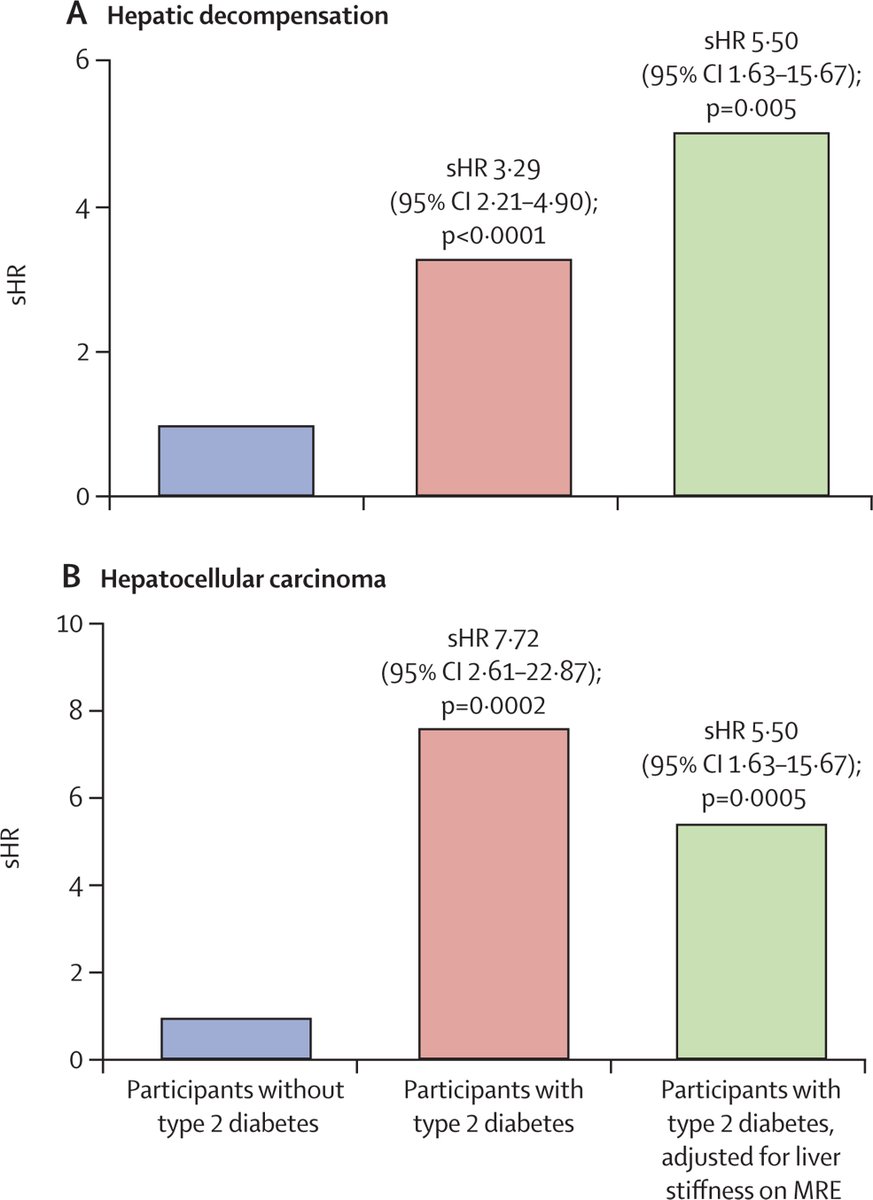
How does diabetes influence outcomes in NAFLD?
▶️>2000 participants with NAFLD characterized by MR elastography
DM a/w ⬆️risk of decompensation and #HCC
❗️Independent of baseline liver stiffness
New data @_NAFLDResearch @DrLoomba@LancetGastroHep
https://t.co/ryC7nkRIjV