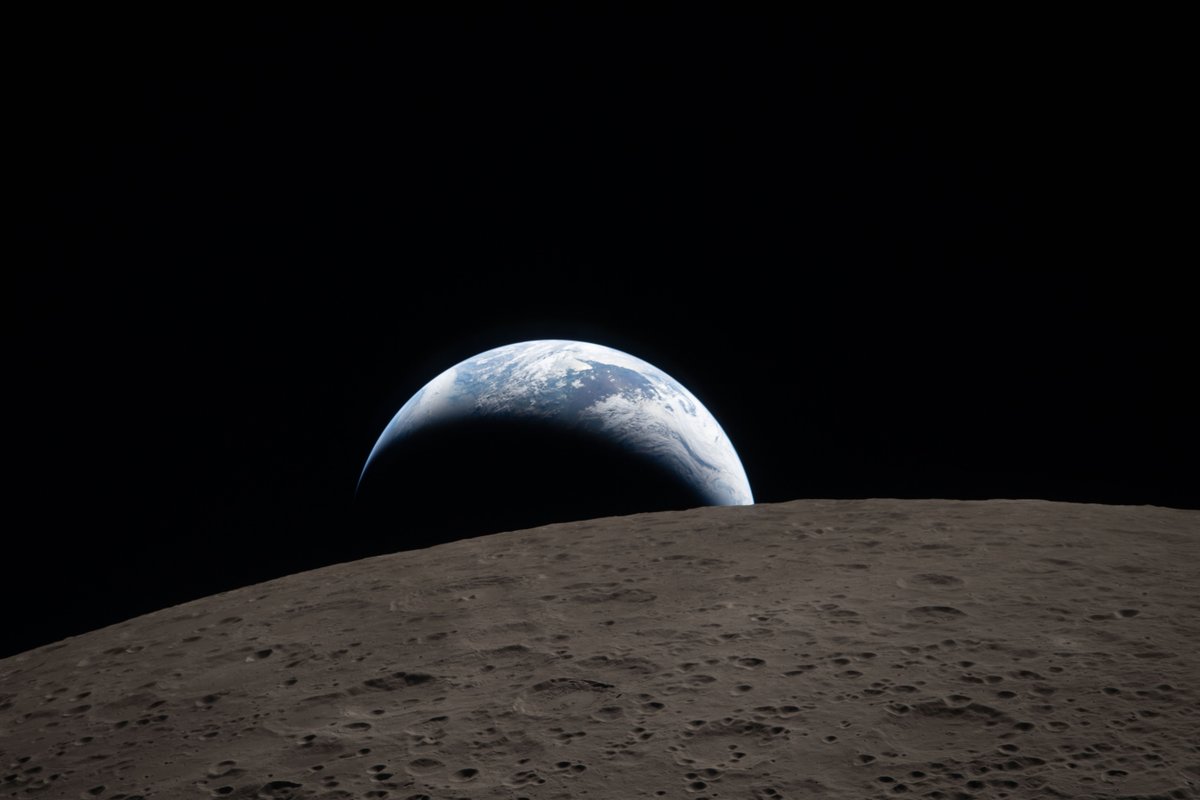
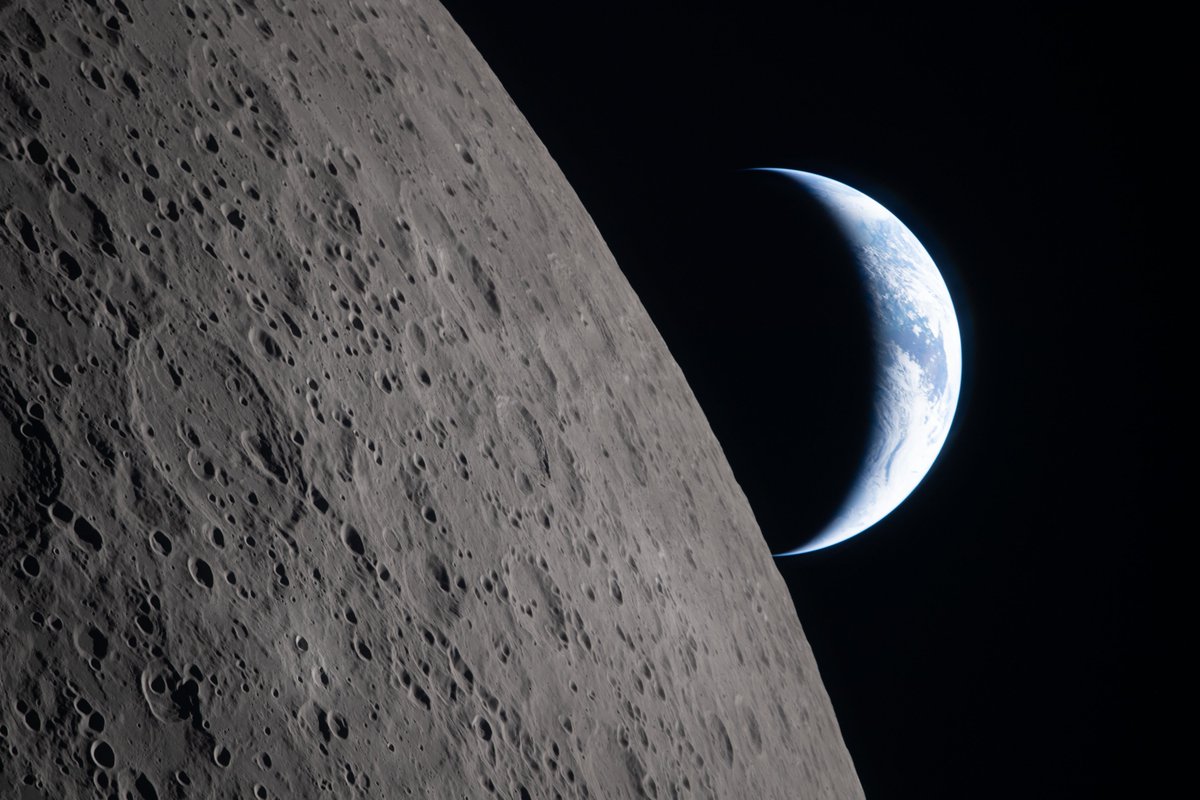
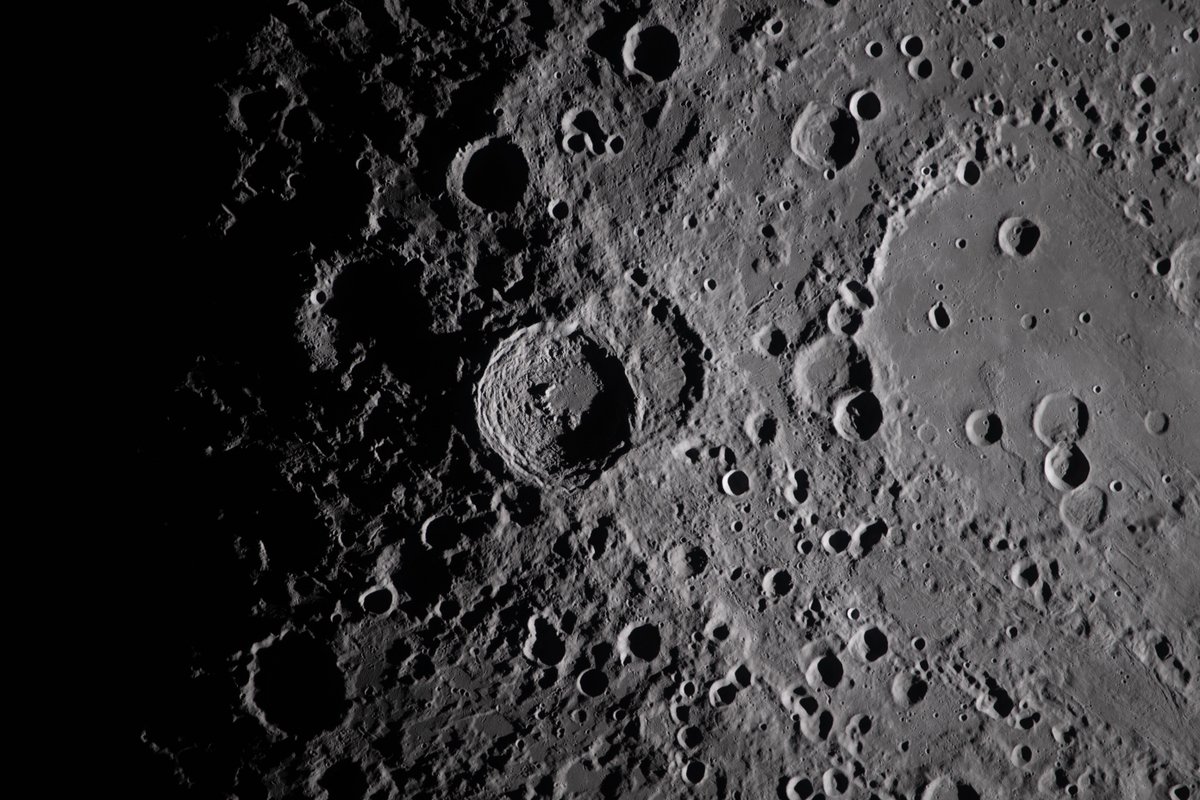
Tonight's full Moon has an atmosphere too — just extraordinarily thin.
With about a quadrillion times fewer molecules in a given space than Earth's, it’s so sparse that space rocks strike the surface directly instead of burning up! https://t.co/Li8hlinNDy
📸 NASA/Bill Dunford
Like an aging tennis player, Canadarm is getting wrist surgery.
Next week there's a spacewalk to replace its balky wrist joint, circled in yellow. It's been a while since I was first outside bolting it all together, celebrated on our $5.
I unveiled that bill from orbit, and have signed many like this one, including for the @bankofcanada - with the moustache :)
@csa_asc@NASA
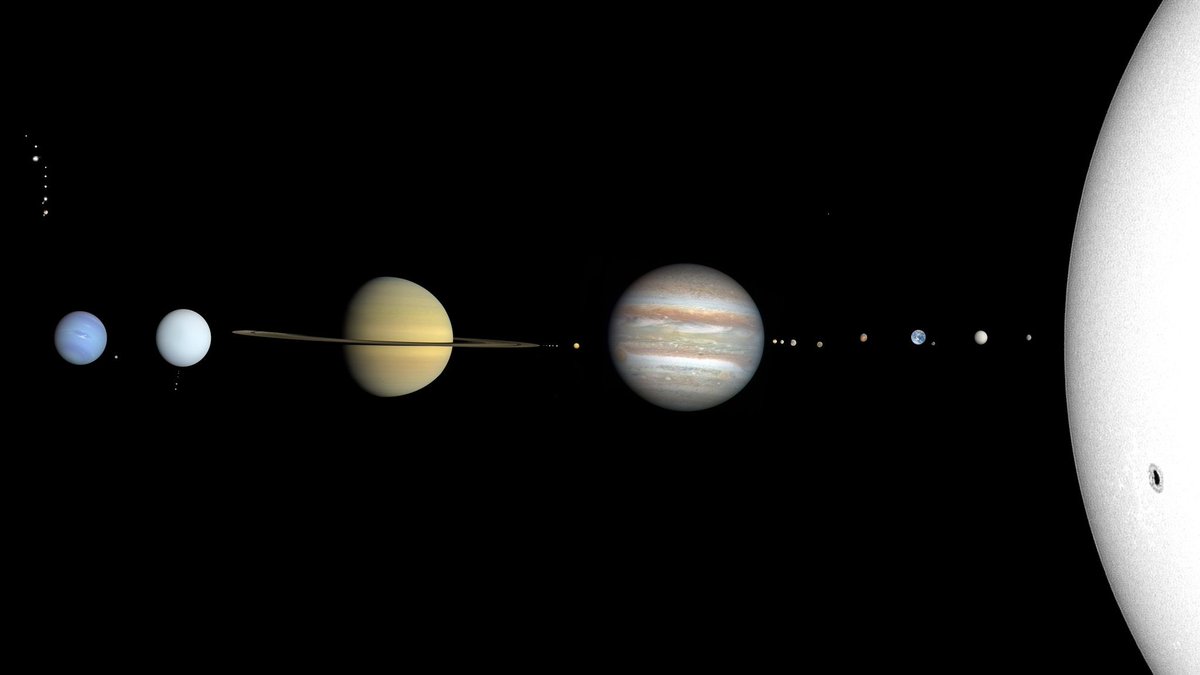
Average temperature on planets in our solar system 🌡️:
Mercury 333°F (167°C)
Venus 867°F (464°C)
Earth 59°F (15°C)
Mars -85°F (-65°C)
Jupiter -166°F (-110°C)
Saturn -220°F (-140°C)
Uranus -320°F (-195°C)
Neptune -330°F (-200°C)
Soon... full moon!
The next full moon will light the night skies on Sunday, May 31. If you've ever wanted to take a great picture of the Moon, check out our Lunar Photography Guide for tips and tricks: https://t.co/wp8uMt6pVP
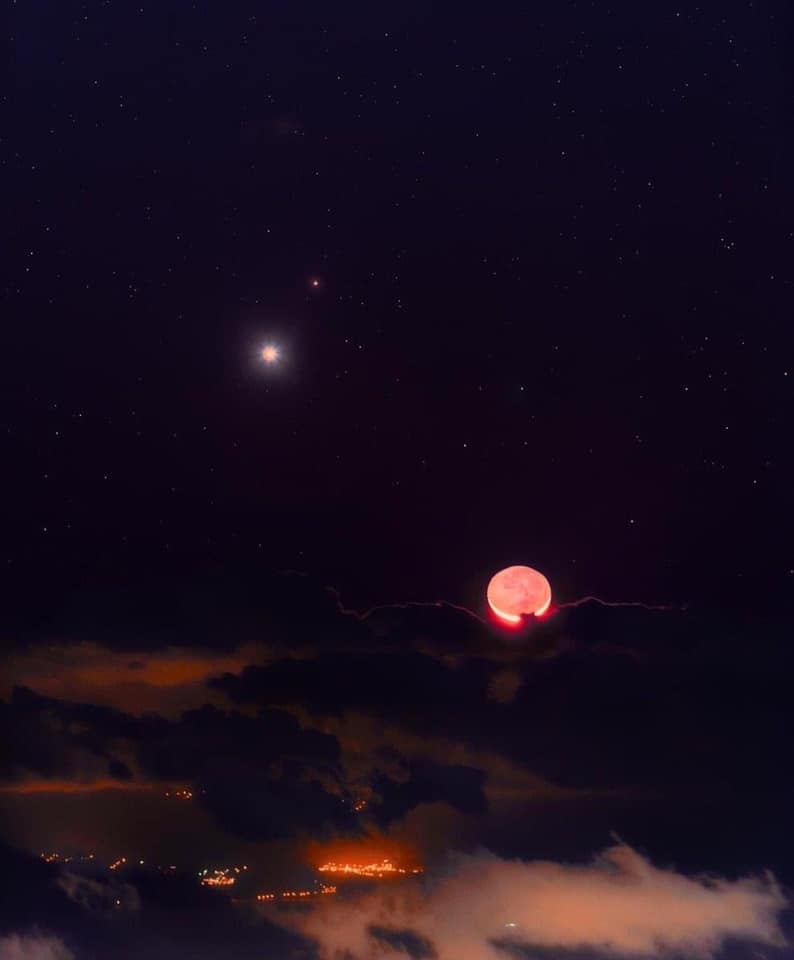
Did you catch the Moon-Venus conjunction?
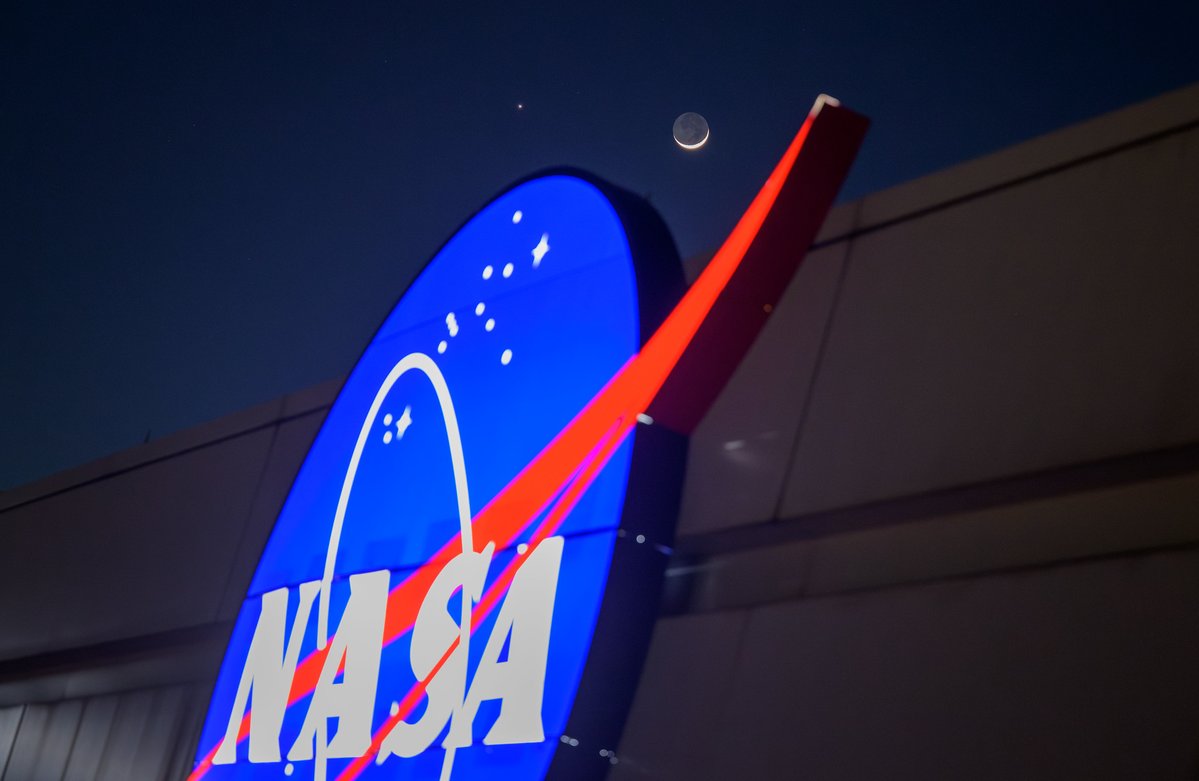
On the night of May 18, our Moon and Venus had a celestial meetup, called a conjunction. Their position in the sky made them appear close together, despite being millions of miles apart in space.
Ready… set… Earth! 🌎
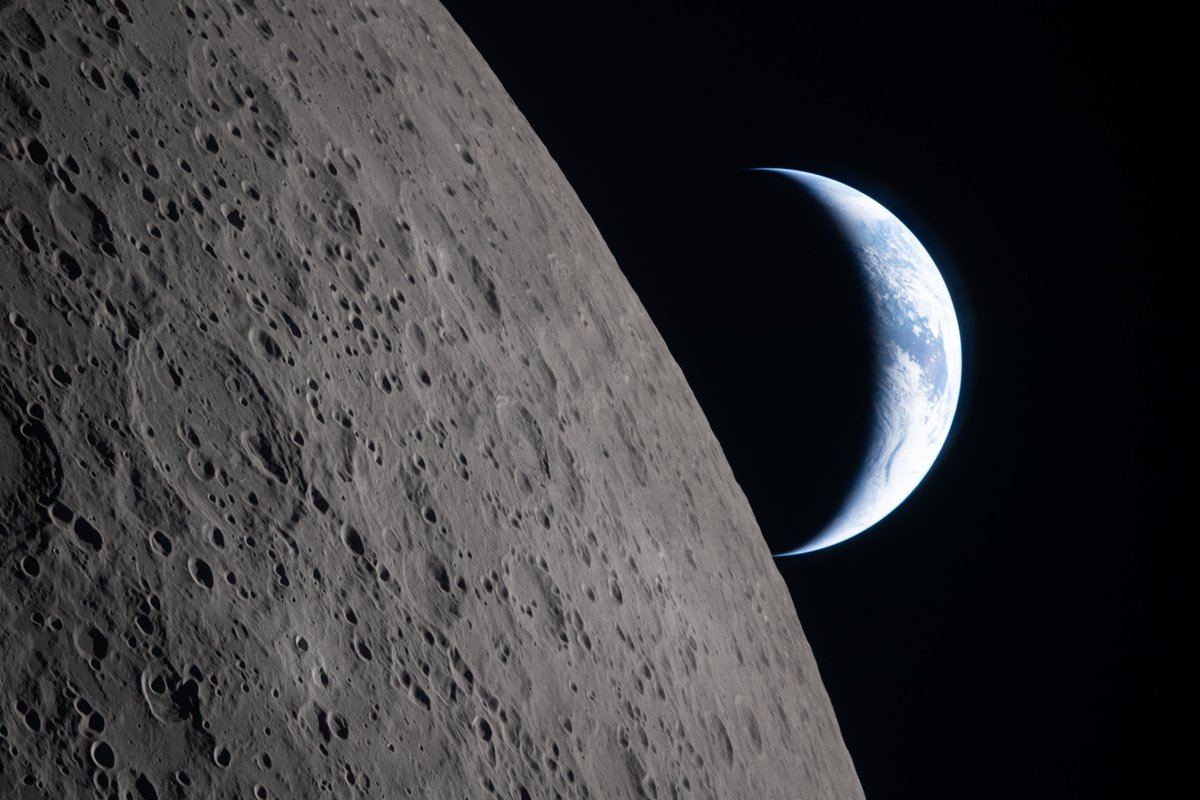
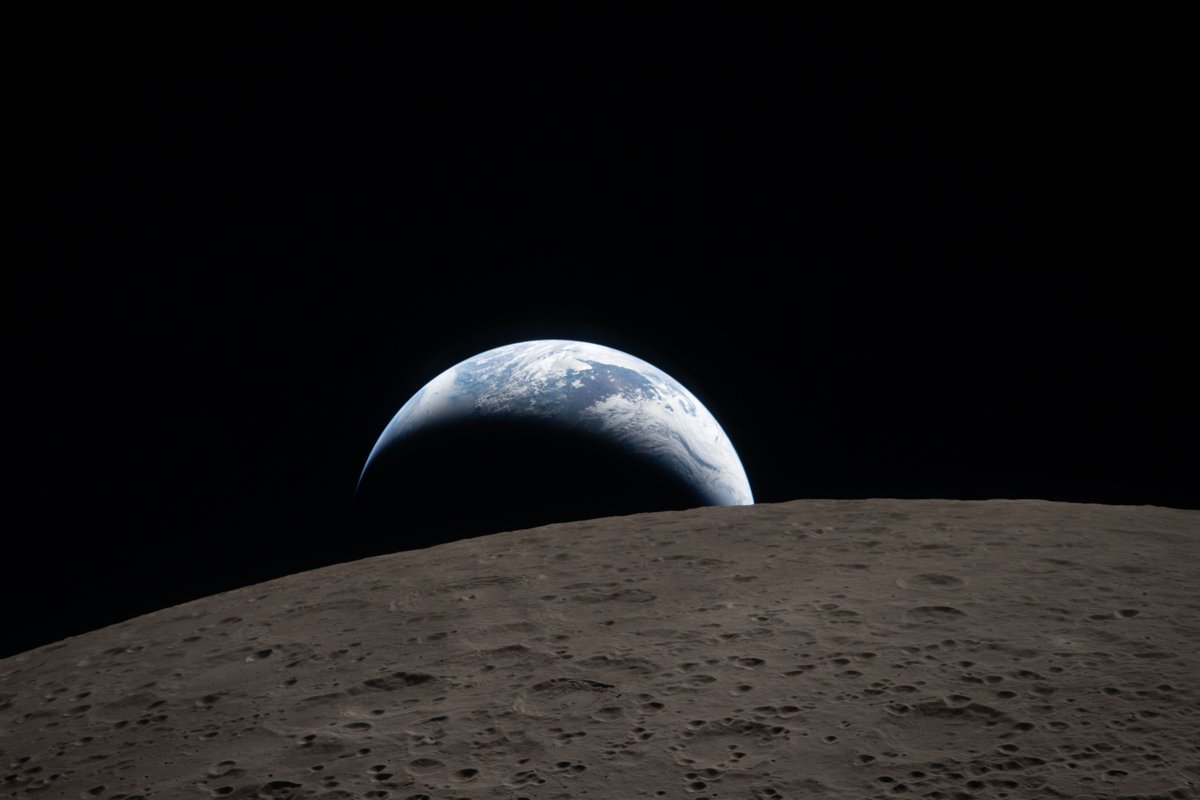
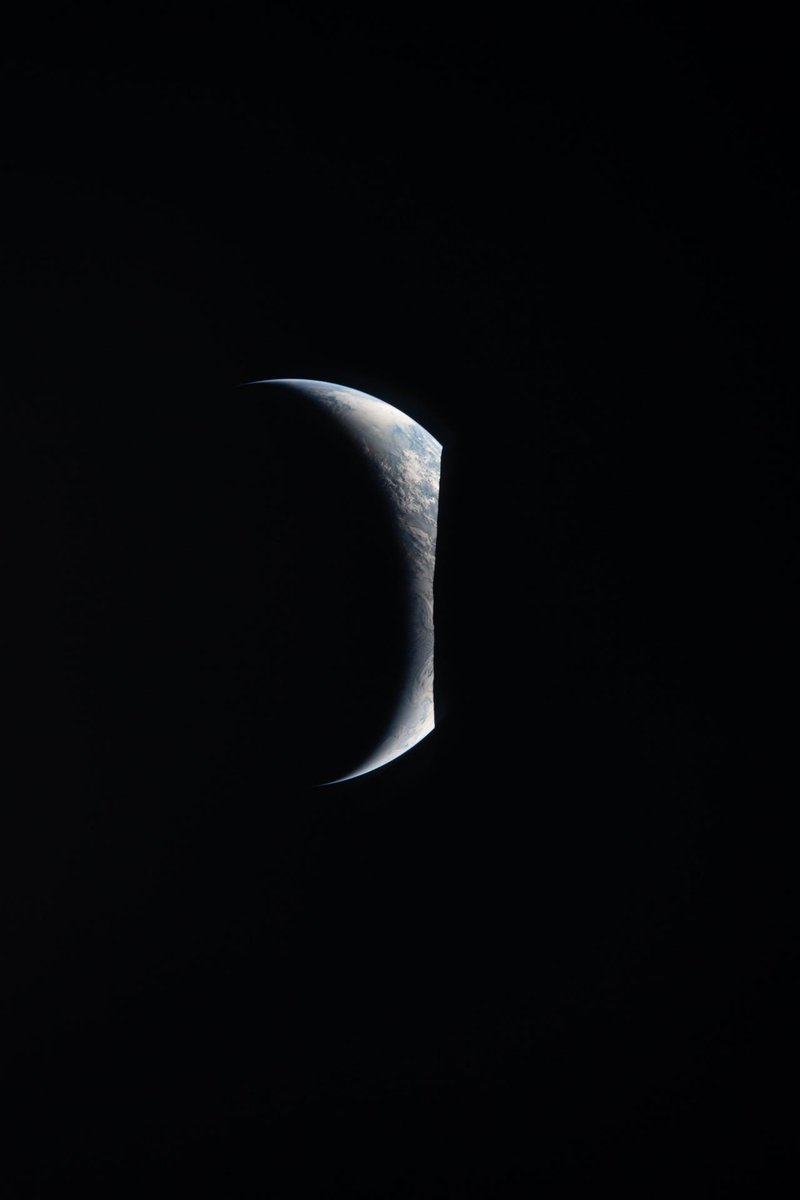
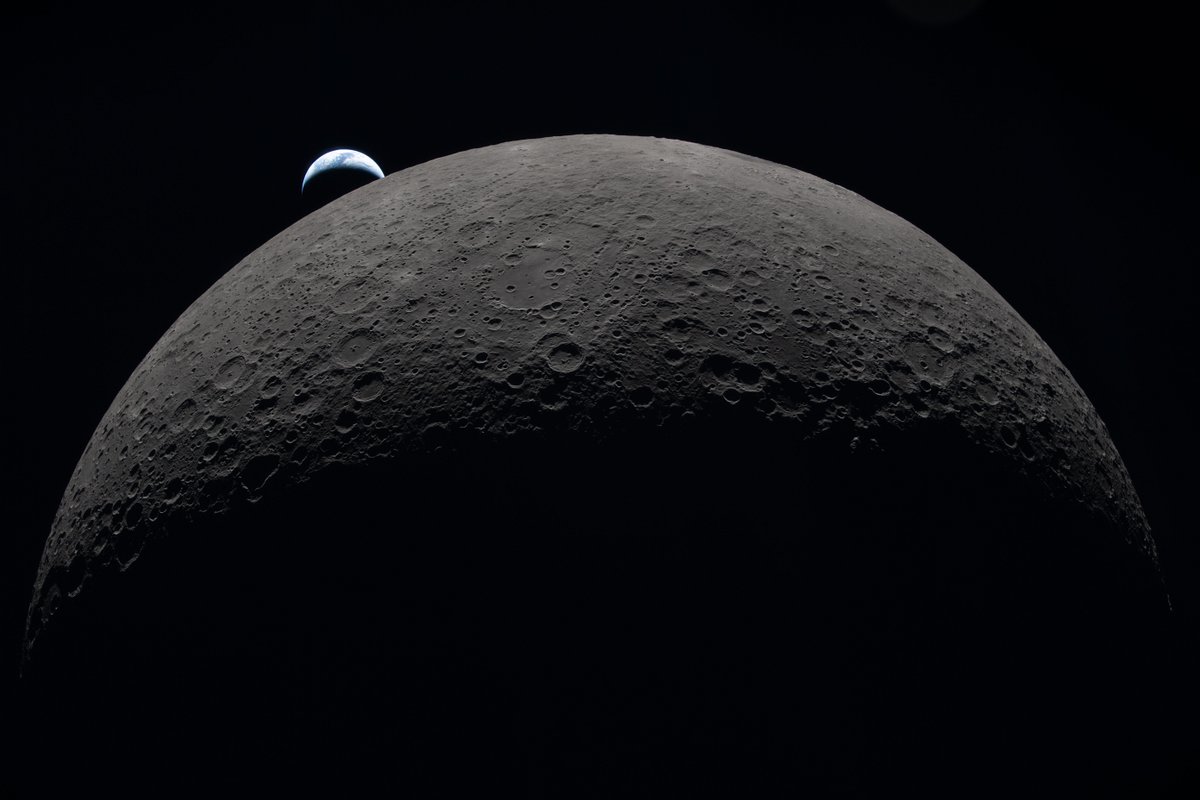
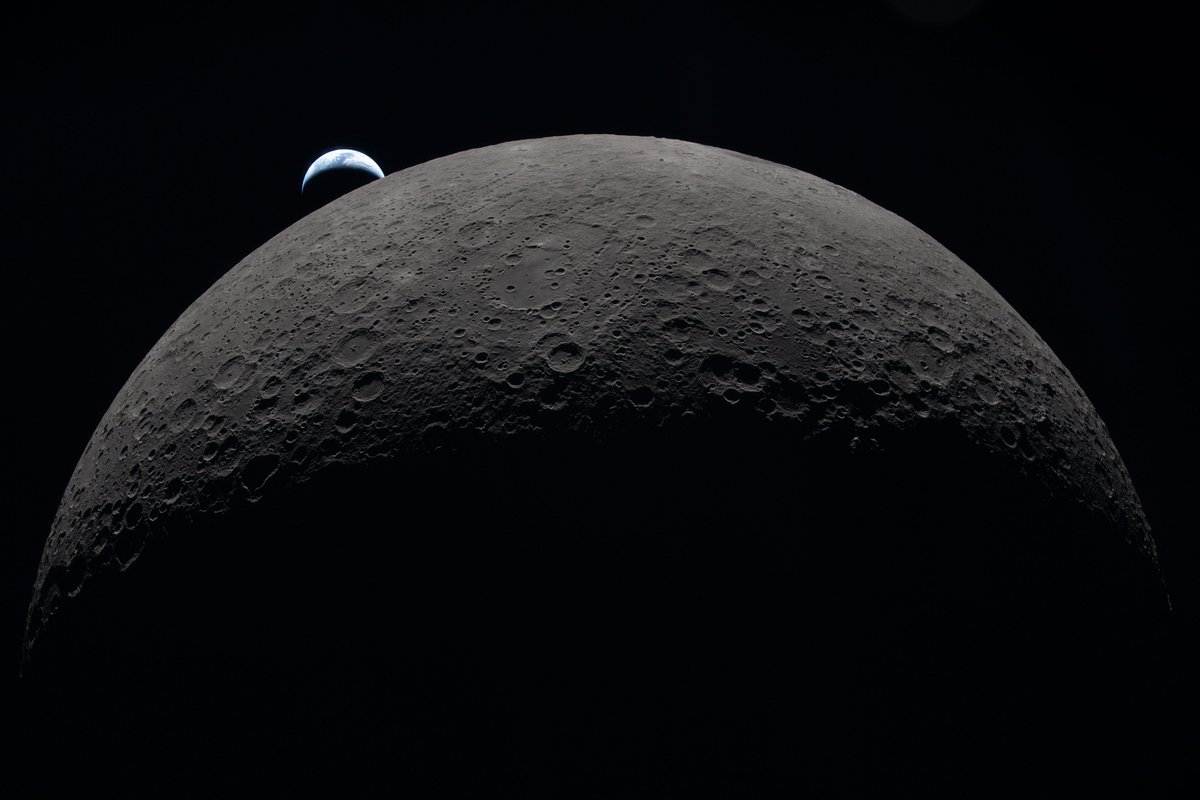
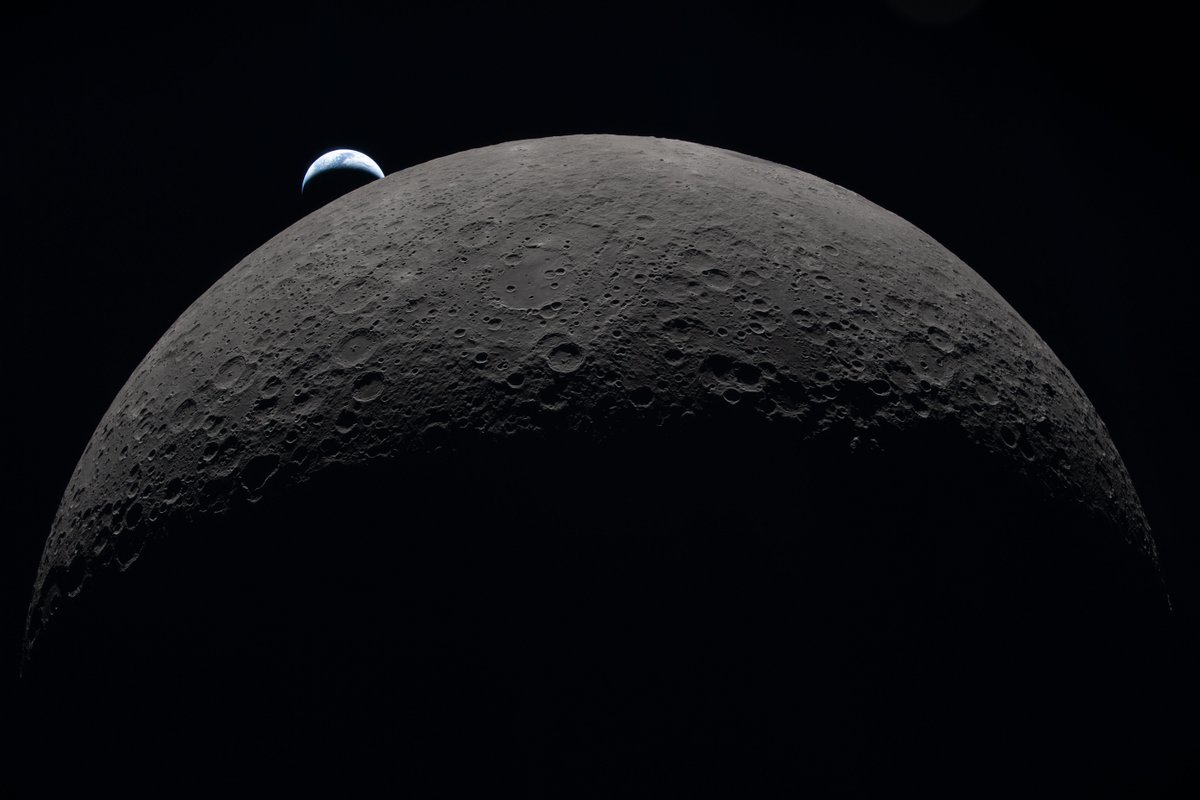
As Artemis II flew around the far side of the Moon, the crew captured a new view of home. These images show Earthset, when Earth dips below the lunar horizon. Parts of Australia & Oceania are visible, while the dark side of Earth is experiencing nighttime.
Hello, Moon. It’s great to be back.
Here’s a taste of what the Artemis II astronauts photographed during their flight around the Moon. Check out more photos from the mission: https://t.co/rzM1P0QbOl
bring back fried apple 3.1415926535897
932384626433832795028841971693993751058209749445923078164062862089986280348253421170679821480865132823066470938446095505822317253594081284811175028410270193852110555964462294895493038196442881097
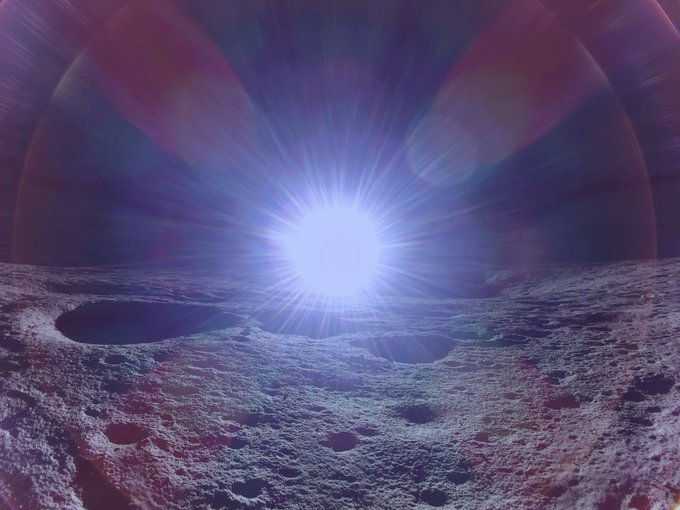
Sunrise on the Moon. Another photo from the Blue Ghost spacecraft landing on the Moon.
This time, we see the Sun at the lunar horizon, marking the beginning of a long lunar day. This sunrise, however, is very slow because, due to the Moon's slow rotation, day and night last approximately two Earth weeks.
☄️ BLACK HOLE. Subscribe.