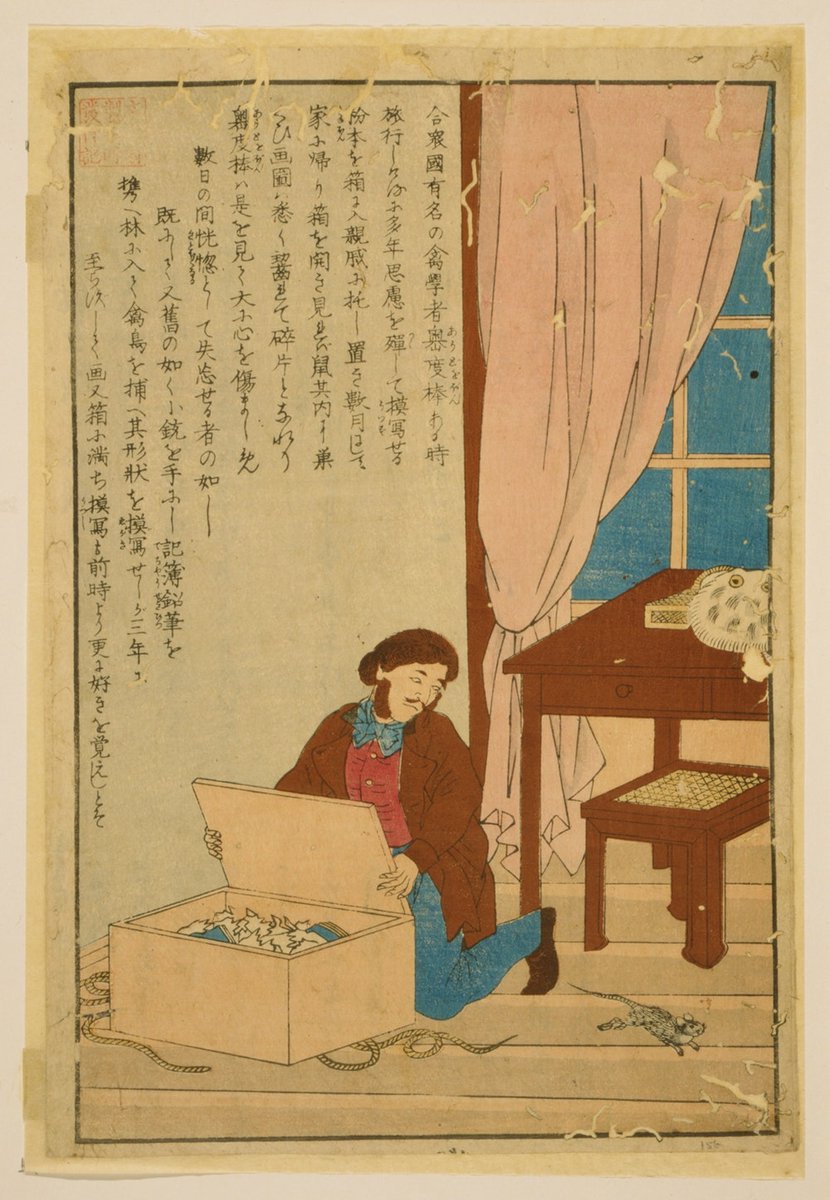
Japanese prints from 1873 depicting famous Western inventors and scholars in times of trouble. Pictured: Audubon (work eaten by mice), Carlyle (papers burnt), and Arkwright (spinning machine smashed by wife). More here: https://t.co/W8rdUzPVam
With the 26 short comic dialogues that made up Dialogues of the Gods, the 2nd-century writer Lucian of Samosata took the popular images of the Greek gods and redrew them as greedy, sex-obsessed, power-mad despots: https://t.co/un7acYTBii
In Tibet, white is associated with milk and yogurt, givers of life, billowing clouds and snow lions. White is longevity; exemplified in White Tara, the bodhisattva of long life and in the white hair of the elderly, celebrating their power to defy the years. White is also purity, like newly fallen snow. Khatas, the scarves offered as greetings or shows of respect on auspicious occasions, are also white.
It is no small wonder that a white yak, the most essential animal of a Tibetan nomad, commands respect. Most yaks are dark brown, but a small number in a herd will be grey and even fewer, white. These can make up the majority or a herd in certain areas, explained by the following story: nomads from one area moving to another encountered problems when their animals refused to move. A large white yak suddenly appeared and successfully led the herd to a new and plentiful grazing area. The yak mated, giving birth to a yeko (baby yak), as white as snow. From that time, most of the yaks from this area were born white, and white found its place in the local culture, reflected in women’s names.
The story behind The White Yak name comes from a story about a young man attacked by a bear and near death. The father of the dying man decided to offer a sacrifice to try to save his son. The father's sacred animal, a white yak, was offered as a living sacrifice by sending it away into the Himalayas. According to the story, the young man survived, and this all occurred during the same time as the Mani Rimdu ceremony.
Still today, the Himalayan peoples, Tibetans and Ethnic Tibetans both, deal with many dangers and troubling times. Bears, earthquakes, and landslides still threaten the people. However, new dangers also threaten them: difficulties for traditional sources of income (the farming, herding, and trading are dying economic supports for these people), cultural loss and even extinction, as well as human trafficking.
Today, the culture of Himalayan people has many beautiful aspects, including the traditional textiles. The aprons worn by the Tibetan and Ethnic Tibetan women express their artistic skill, beautiful colors like a rainbow around their waist, the wool taken from their animals, the practical use of an apron as they work hard in home and field, and often indicates that a woman is married.
📷 : Credit to the Owner
#archaeohistories
The smartest students at Harvard and Stanford aren't smarter than you.
They just stopped studying the way that feels good and started studying the way the brain actually works.
10 techniques their professors actually teach:
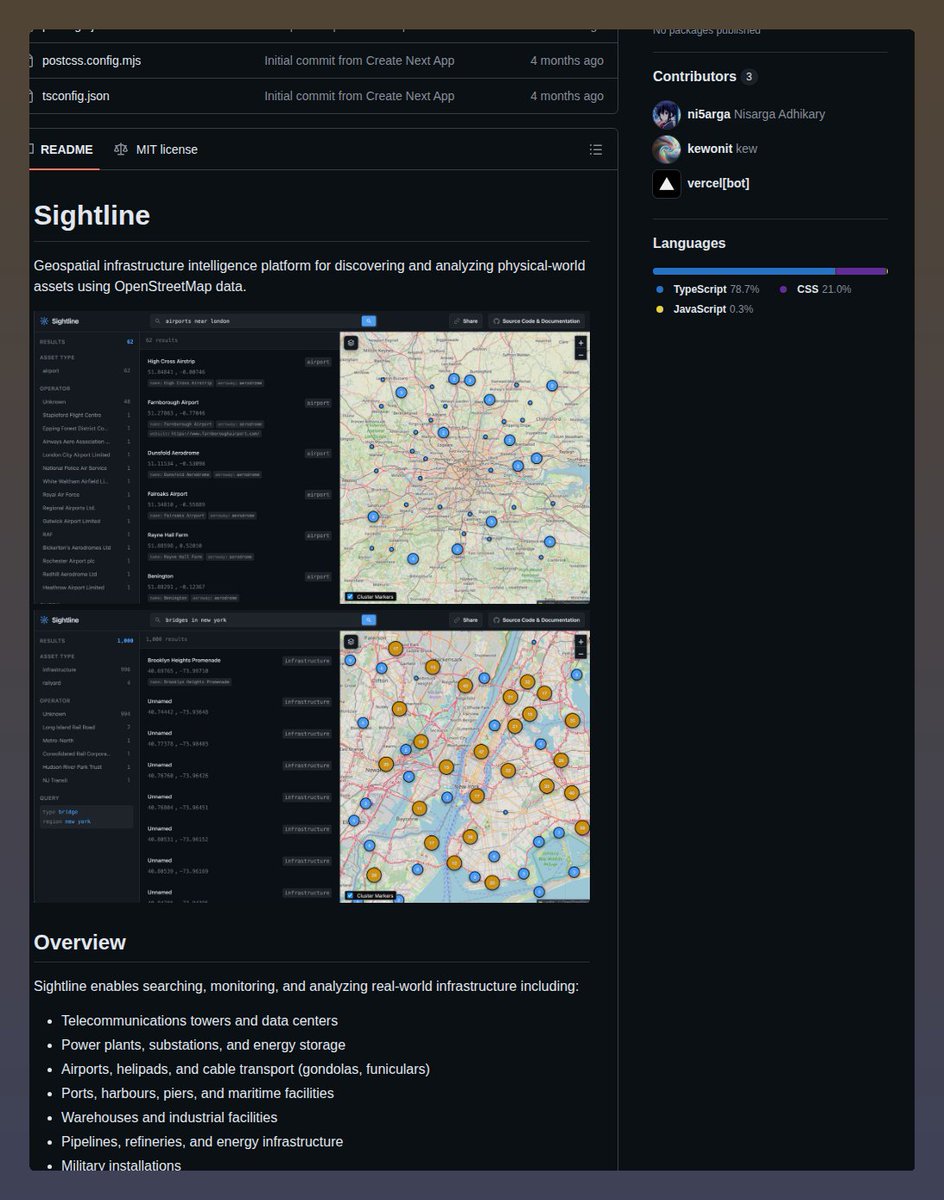
🛰️ Inteligencia geoespacial libre: El buscador Open Source para rastrear infraestructura global
El análisis de datos geográficos masivos suele requerir software corporativo costoso o interfaces lentas que no permiten extraer datos estructurados de forma masiva.
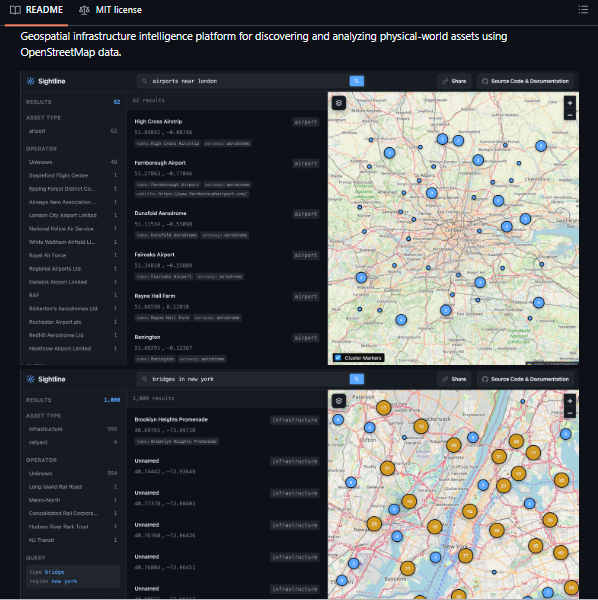
Sightline es una plataforma de inteligencia geoespacial de código abierto diseñada específicamente para escanear, descubrir y mapear activos del mundo físico utilizando toda la base de datos de OpenStreetMap.
El ataque a la yugular:
🗺️ Búsqueda de Infraestructura: Permite interrogar al mapa y localizar activos críticos específicos (como aeropuertos o puentes) agrupados por regiones o ciudades.
📊 Filtrado por Operador: Clasifica los resultados según la entidad que gestiona cada infraestructura, permitiendo separar activos públicos, privados o militares.
📍 Visualización Dinámica: Renderiza mapas interactivos con marcado de clusters numéricos para analizar la densidad de los activos físicos a gran escala.
Pasa de usar mapas comerciales orientados al usuario común a desplegar una herramienta de analítica geográfica profesional desde tu propia máquina.
Enlace al repositorio en los comentarios. Guarda este post en marcadores si trabajas con análisis de datos, OSINT o infraestructura inteligente 🔖
🚨 Anthropic just showed a 27-minute workshop on how to actually do prompts for Claude.
Taught by the people who built it.
Free. No registration. No paywall.
I've seen $300 courses that don't cover what they teach in the first 8 minutes.
Watch it and bookmark it now.
INSTEAD OF WATCHING A 2-HOUR MOVIE.
Watch this Anthropic Claude for Finance lecture.
It’s probably the best free hour in quant AI right now.
Bookmark it and watch it today, no matter what.
Predictions of the future made by experts in 2009. Robots, AI, disasters. Interesting to see how (mostly) wrong & (sometimes) right it was.
Created for our book Information is Beautiful
https://t.co/BmuvsEX2nq
Design by https://t.co/B7aKH9914g
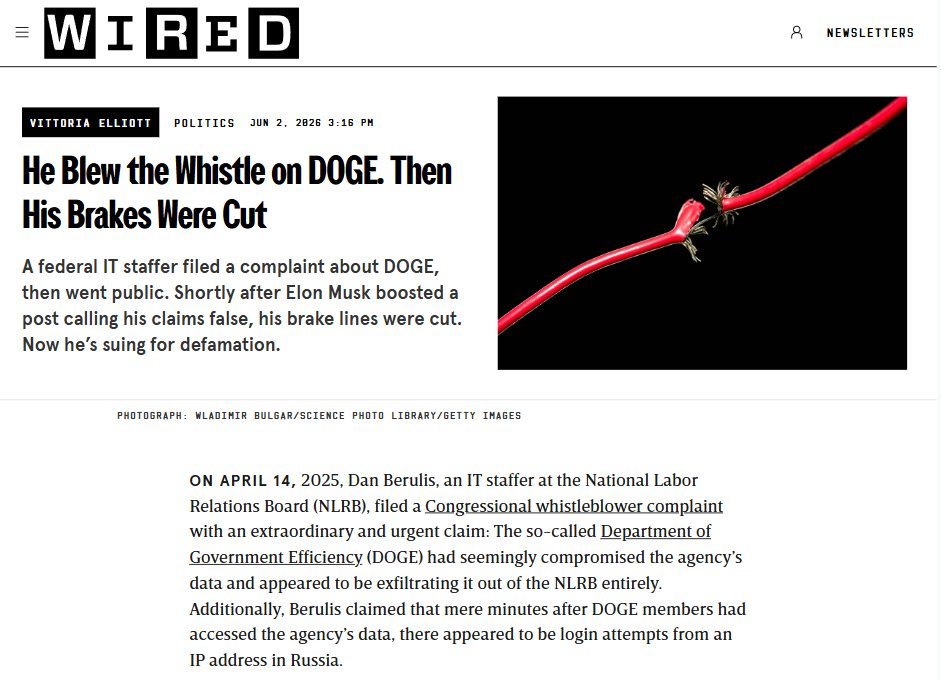
This is an insane story. The DOGE whistleblower who said that login attempts were made to the NLRB from Russian IP addresses minutes after DOGE got access had his brake lines cut and photos of him walking his dog from a drone taped to his door after Musk attacked him on Twitter
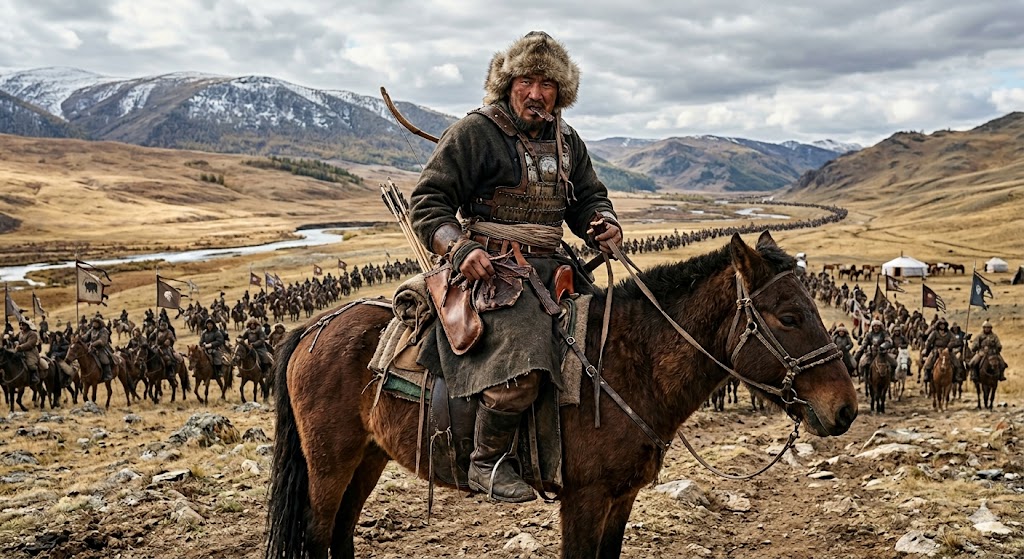
The Mongol Empire conquered sixteen percent of the earth's land surface. Most accounts of how they did it focus on cavalry tactics. Few mention the bag of dried meat hanging from the saddle.
It is called borts.
The technique is brutally simple, which is part of what makes it so devastatingly effective. Take a freshly slaughtered cow. Cut the meat into long strips, two to three centimetres thick, five to seven centimetres wide. Hang the strips on cords inside a ger, where the steppe wind can move freely around them. Wait. After about a month in the dry continental air of Mongolia, the meat is no longer meat in any sense a modern supermarket would recognise. It has become hard, brown, wood-like sticks. All the water has gone. What remains is pure protein, fat, and minerals, in a form that does not spoil and cannot be killed by anything short of fire.
Then they shrank it further.
The dried strips were broken down, sometimes ground to a coarse fibrous powder, until what had once been the muscle of an entire cow could fit, by repeated tradition, inside the stomach or bladder of that same cow. A whole animal, weeks of feeding, condensed into a single sack a man could sling under his saddle.
A pinch of borts powder, dropped into hot water, would yield a bowl of meat broth dense enough to feed three or four people. A warrior with a single bladder of borts on his hip was carrying months of food. He did not need a quartermaster. He did not need a cook. He did not need a wagon. He needed water, fire, and the few minutes it took to reconstitute what was effectively the world's first instant meal.
European armies, by comparison, were dragging baggage trains across the continent. Flour to be milled, then baked. Salt pork in barrels that needed lifting. Wine in casks. Cooking pots, fuel, ovens, the labour of men whose entire job was to keep the fighting men fed. A medieval European army moved at the speed of its slowest cart. The Mongols moved at the speed of their fastest horse, because their food moved with them, on them, weighing almost nothing.
Combine borts with kumis (the fermented mare's milk in the leather flask on the other hip) and the Mongol warrior had complete nutrition strapped to his body. Protein, fat, fermented dairy, vitamin C, B vitamins, calcium, electrolytes. Everything a man needs to fight, ride, recover, and fight again. No fire required. No stop required. No supply line to be cut by an enemy who had not yet realised the supply line was already in the saddlebag.
The Secret History of the Mongols, the only contemporary chronicle written by the Mongols themselves, mentions dried meat as the staple of long campaigns. Friar William of Rubruck, riding with them in 1253, describes the same. He marvels at how little they seemed to require to keep going. He was watching men powered by an entire cow shrunk to the size of his lunch.
Modern nutritionists, reconstructing borts, describe a food roughly 70 to 80 percent protein by weight after drying, with intact fats, full bioavailability of B12 and iron, and a shelf life measured in years.
It is, for all intents and purposes, the perfect carnivore travel food. Designed eight hundred years ago. Carried across half the known world. Used to overthrow the largest civilisations of its day.
The modern soldier, by contrast, eats an MRE. Three thousand calories of seed oil, refined wheat, sugar, and the bleak mathematics of corporate procurement. Cost: roughly $11 a meal. Shelf life: three to five years if you trust the packaging. Nutritional density per gram: a fraction of borts. Effect on the men eating them, by every honest field report in the last twenty years: digestive misery, blood sugar swings, and the sort of post-meal lethargy that is the exact opposite of what an army needs.
The Mongols solved this problem in the thirteenth century. They solved it with a knife, a string, and the wind.
We have spent eight hundred years complicating it.
The bag of dried meat is still the answer.
It always was.
BREAKING NEWS
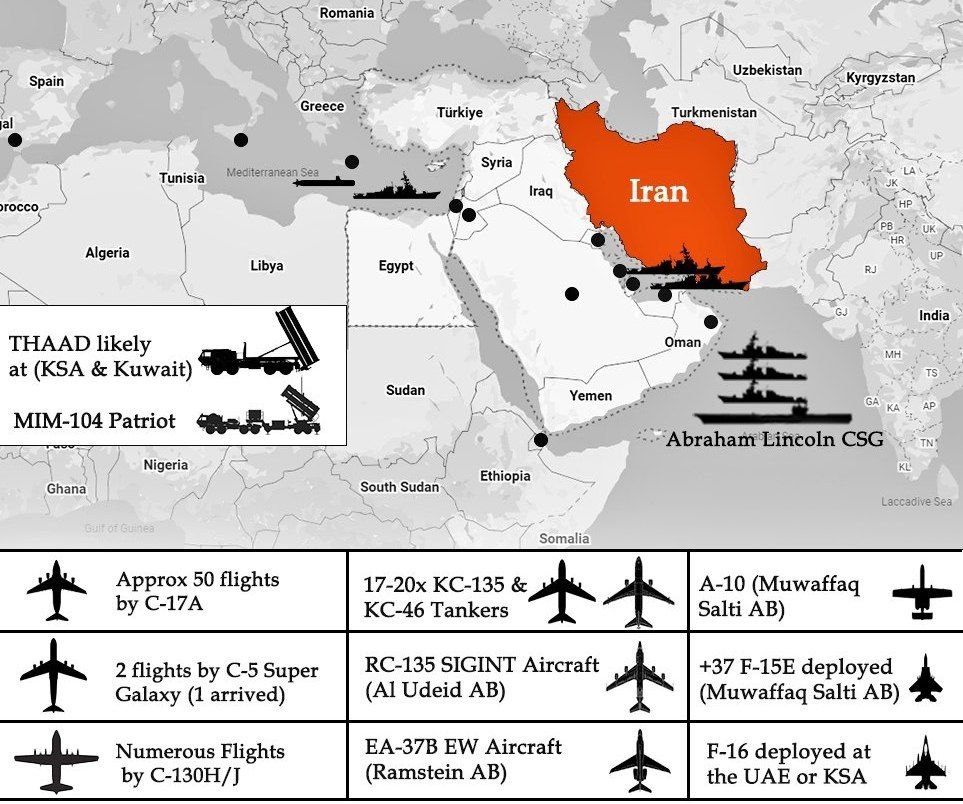
The American forces have completed their buildup near Iran, which certainly indicates that the military option against Iran has been decided upon and will be executed.
Meet Sweety Boora
- Int'l boxer from Haryana
- Threw garbage on the road
- Local Almora boy requested her to pick it up and use the nearby dustbin
- Instead, she slapped him, hit him with the classic “Do you know who I am?”
- Even tried to snatch his phone
Zero civic sense 🤡
Excited to share something I've been working on.
3 years of color tools. 2 months building this.
Supa Colors generates palettes where every shade looks balanced — visually, not just mathematically.
Really proud of it.
🔗 https://t.co/LT0GSmor7H
Paul: So I would ask you, if a foreign country bombed our air defense missiles, captured and removed our president and blockaded our country, would that be considered an act of war?