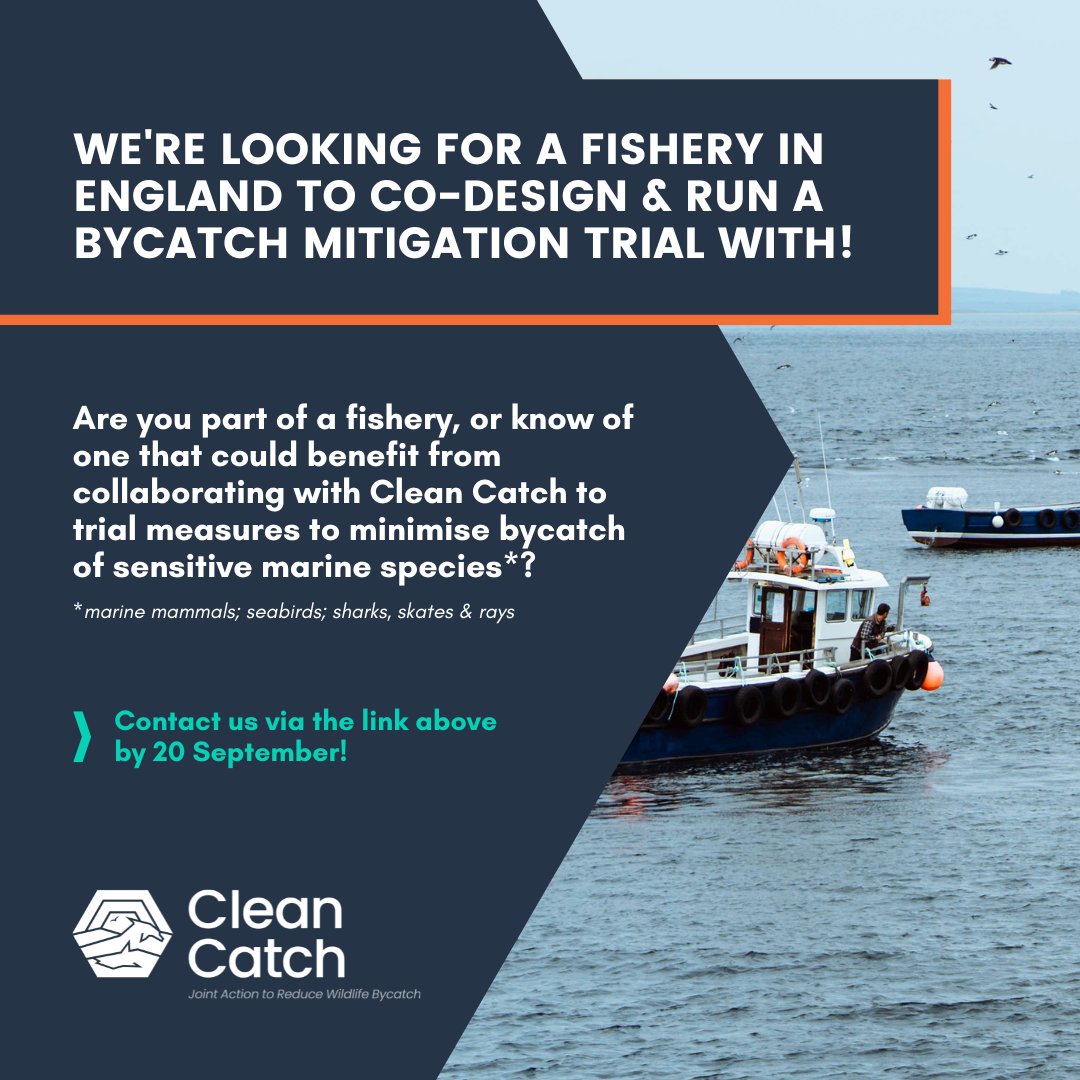
Are you part of a #fishery in #England - or do you know of one - that could benefit from working with us to trial measures to reduce bycatch of sensitive marine species? For more details, including how to get in touch with us, go to https://t.co/LMuWVrDpbu
@ProfBenthos @Emmeb8@ZSLScience If you're still interested in having a chat dm me or drop me an email at your leisure... (email address available here: https://t.co/N56VF8N6oV)
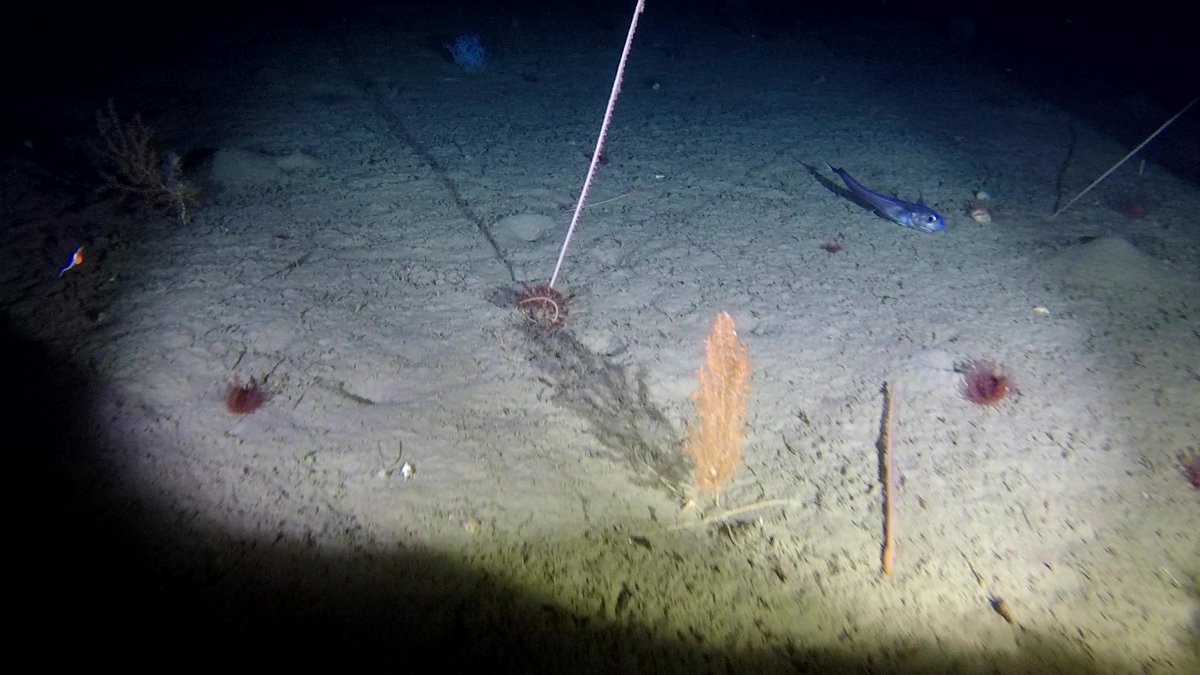
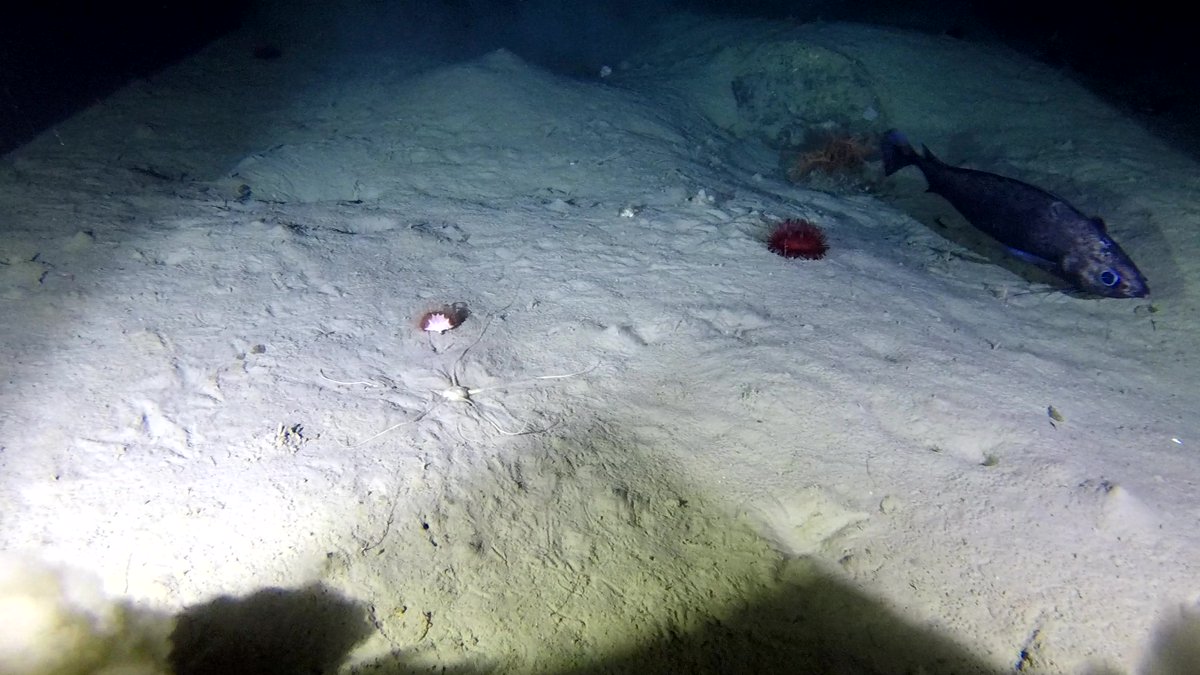
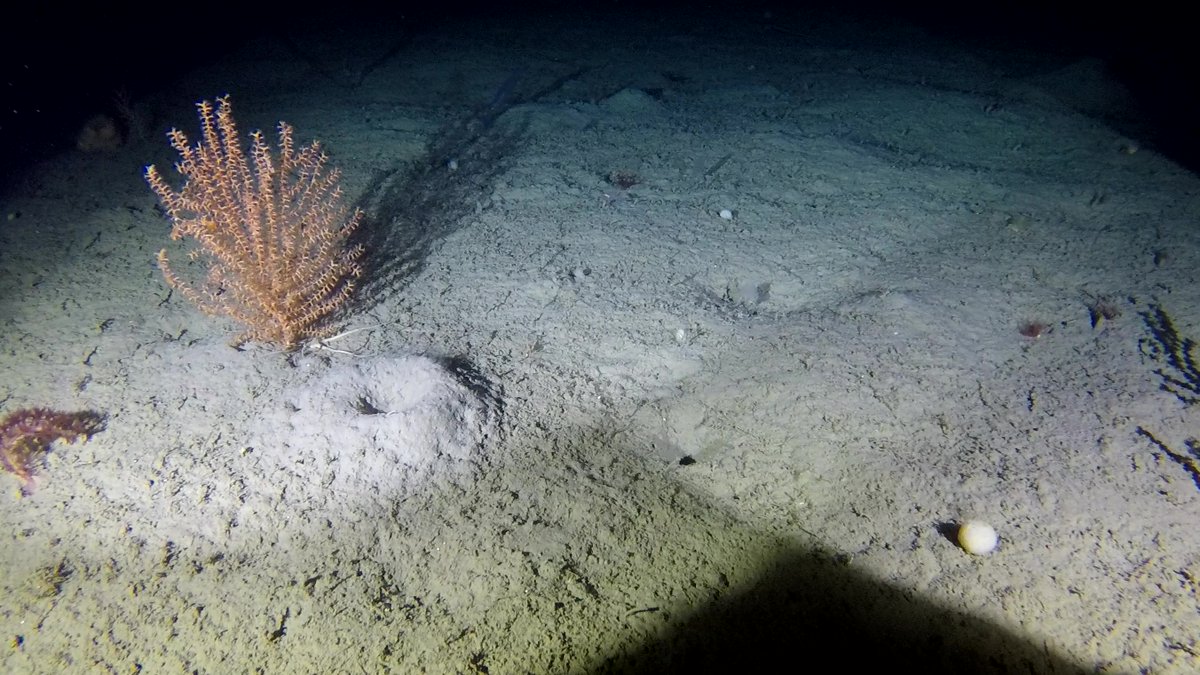
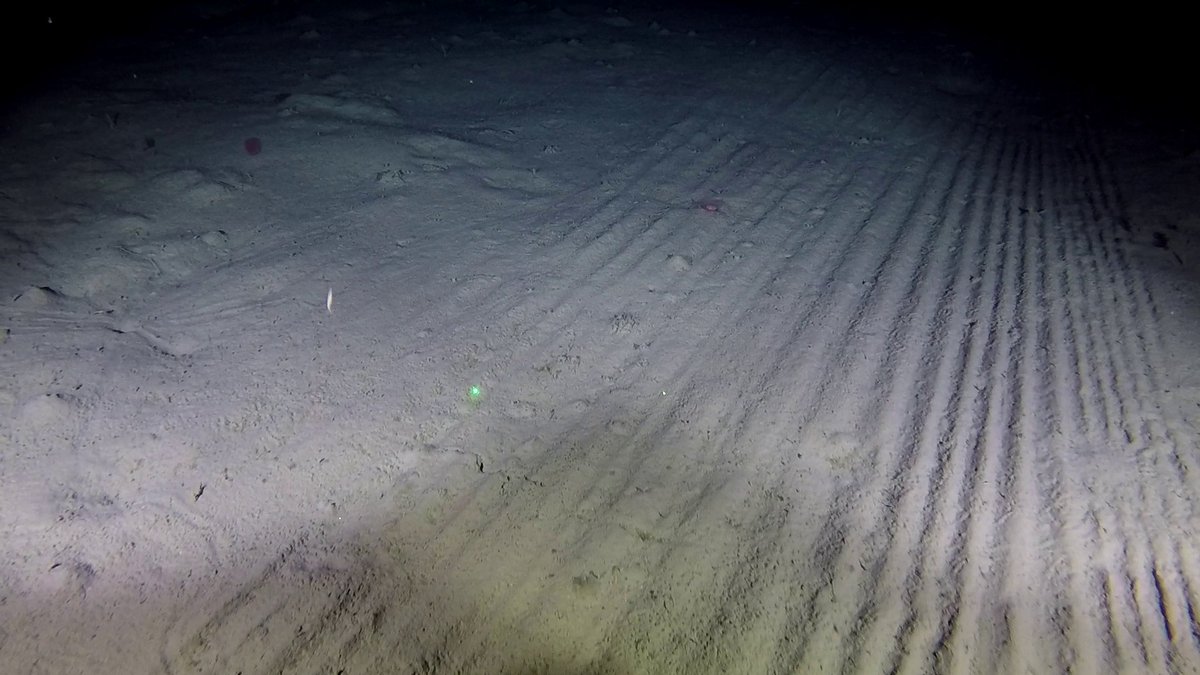
@ProfBenthos @Emmeb8@ZSLScience ...the videos include lebensspuren (life signs: mounds, burrows, tracks etc), which could be a bioturbation proxy. Are lebenspurren more/less abundant in trawled areas? Can we make inferences about trawling effects on bioturbation? Lots of Qs, little time, happy to chat...
2/2
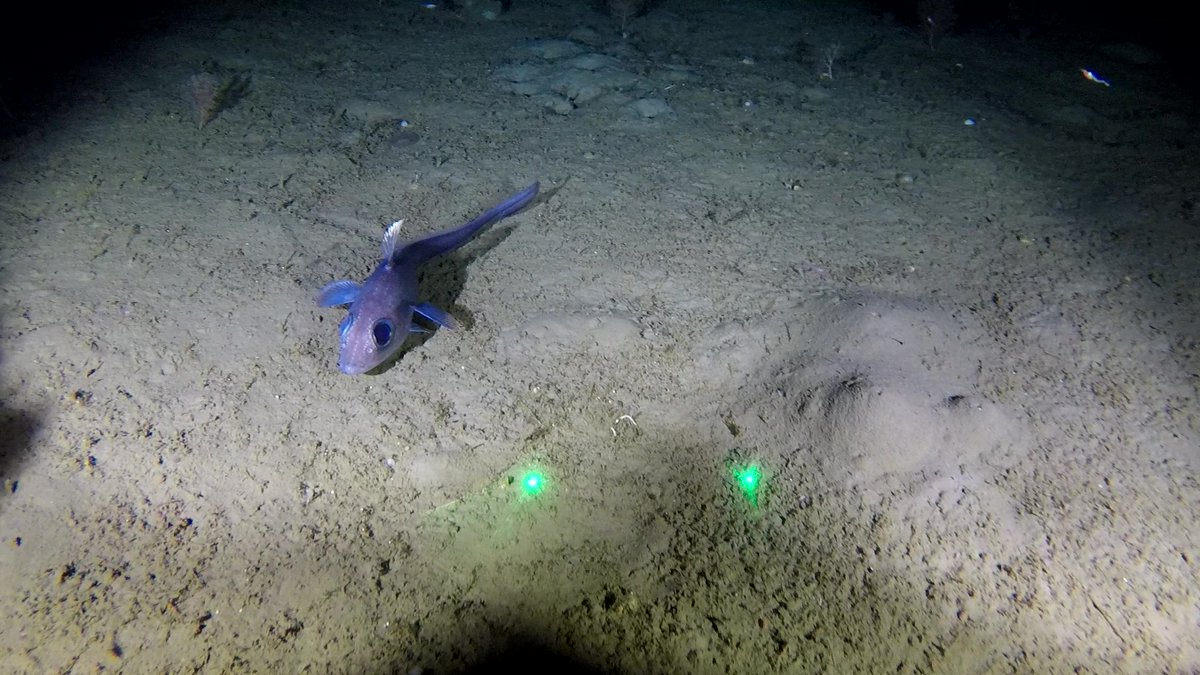
@ProfBenthos @Emmeb8@ZSLScience Not at the moment...we have video imagery from ~100 stations at depths of 600 to 1,600m in the Davis Strait, which we've used to characterize epi-benthic communities and responses to trawling. But there's a lot more information contained in these videos...
1/2
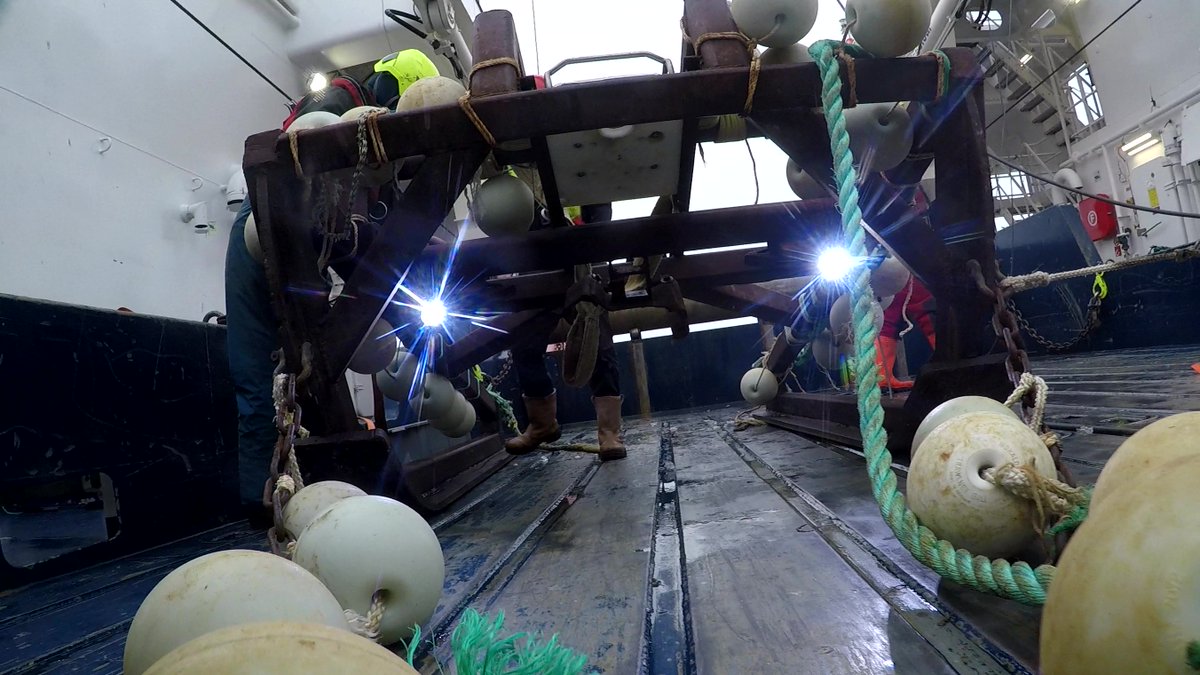
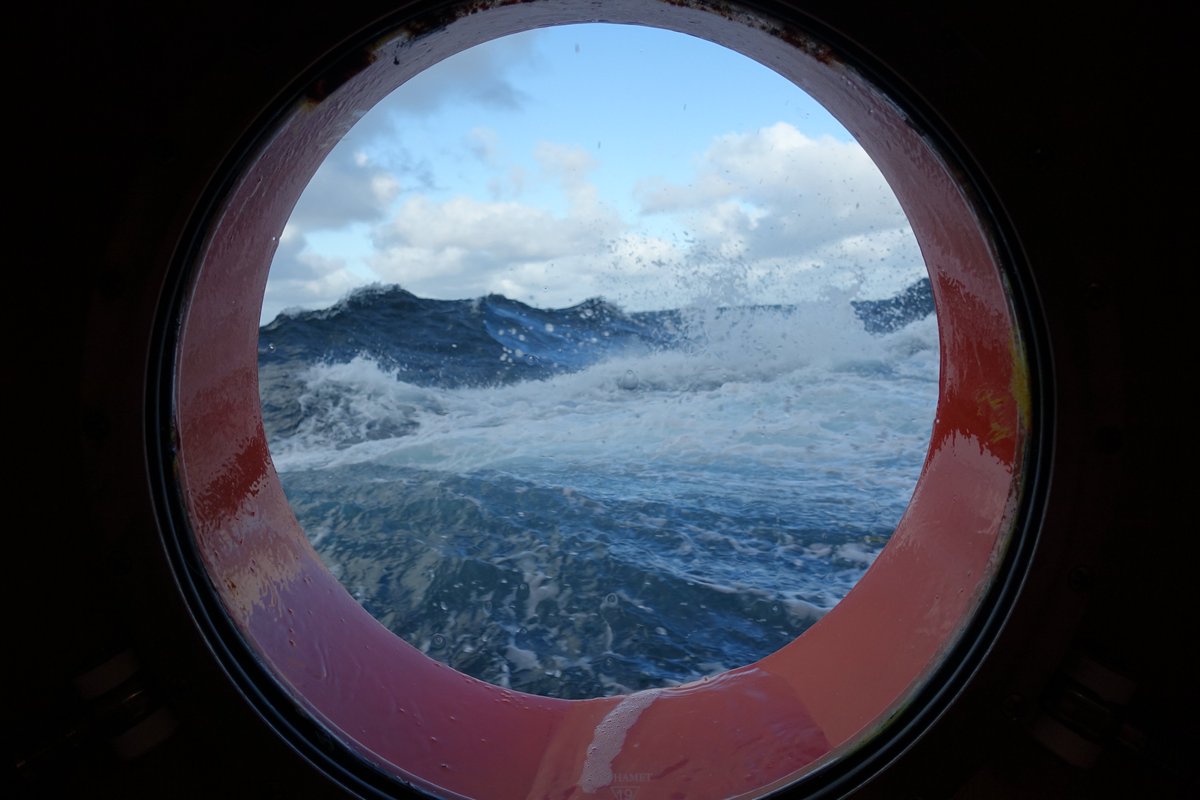
Wind and swell makes tricky conditions for @ZSLScience researchers joining @GCRC_GINR stock assessment trawls in west #Greenland,
Play @OfficialZSL's sustainable fishing game 'Tricky Trawling': https://t.co/0FKVjJOaHh
@MSCintheUK
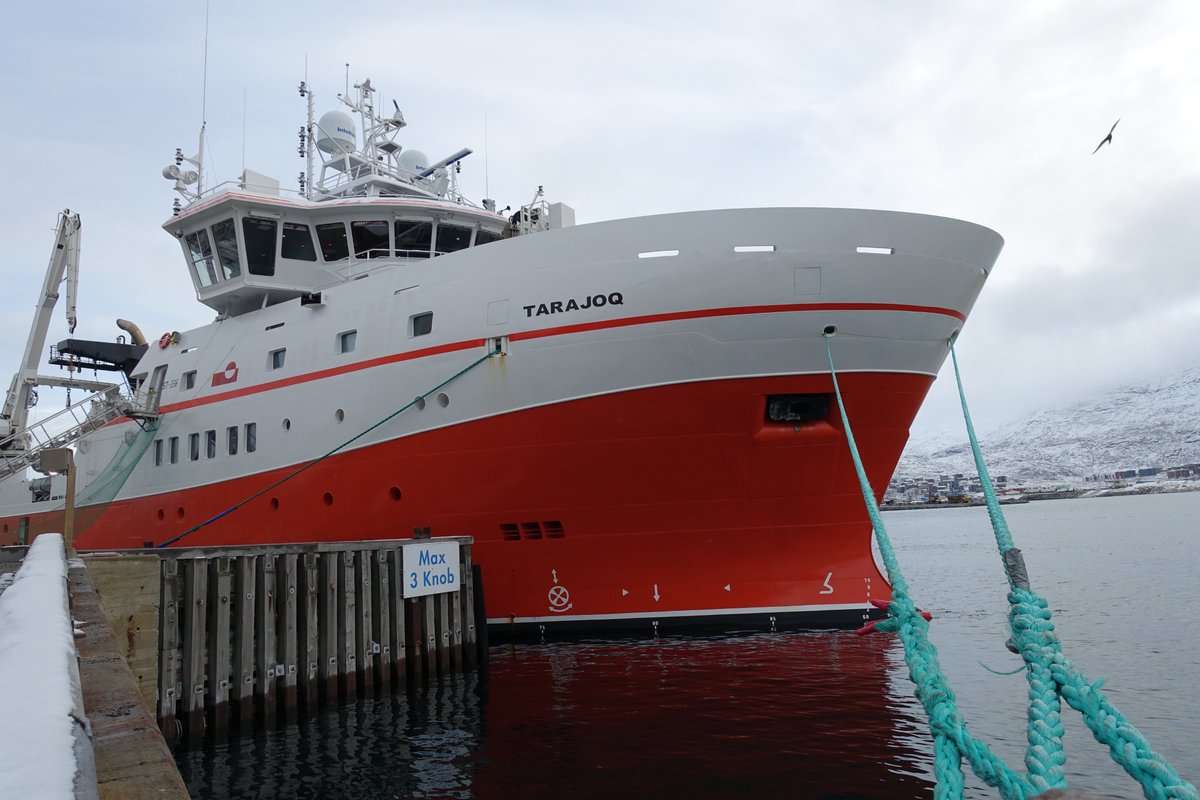
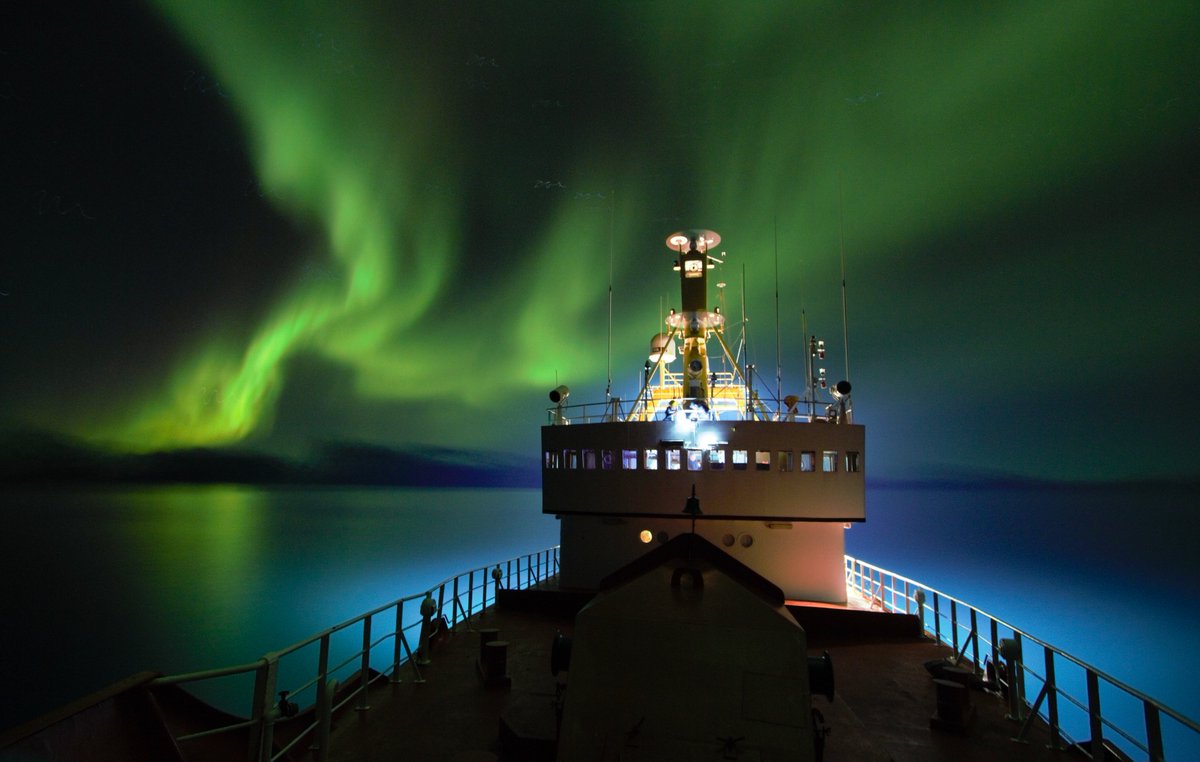
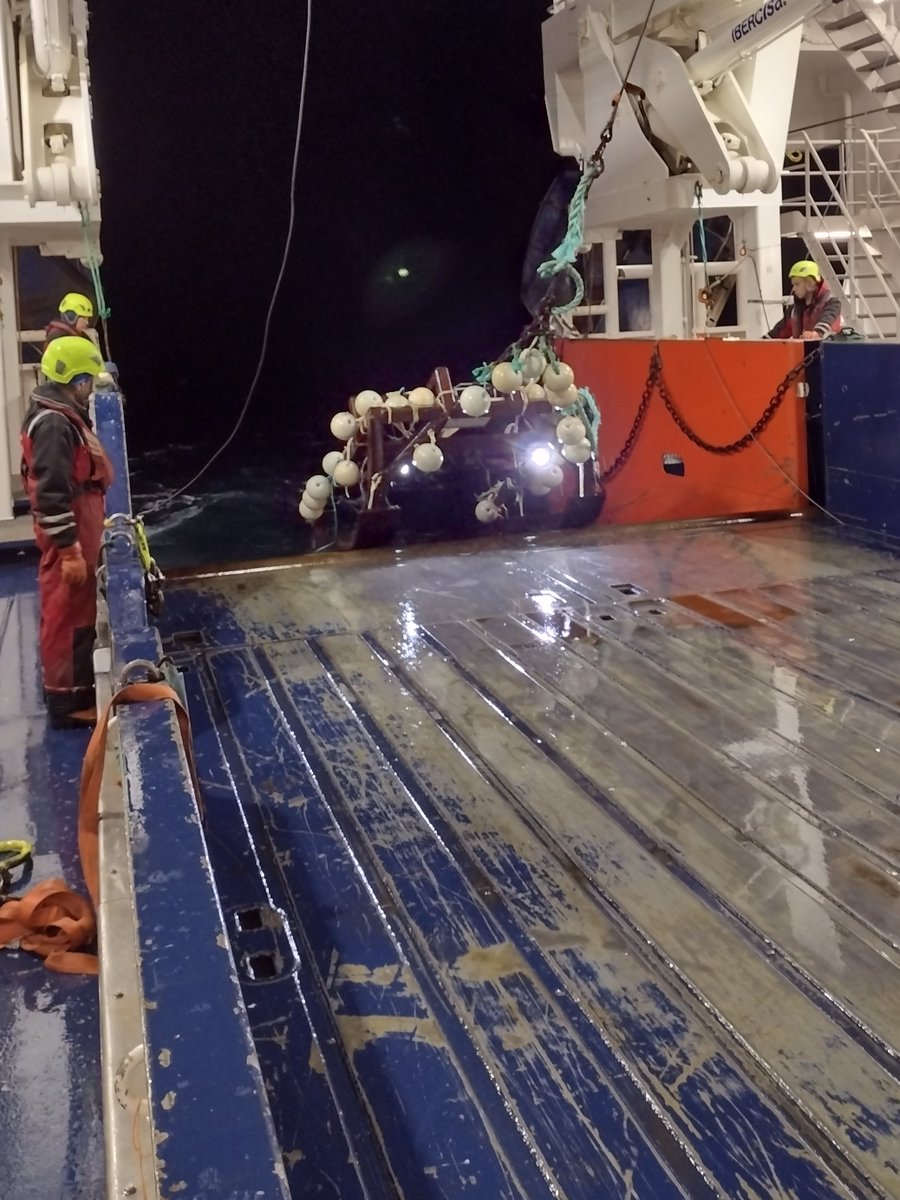
@ZSLScience team arrived in Greenland in time to set sail on RV Tarajoq, collecting new deep-sea imagery with partners @GCRC_GINR.
Funded by @MSCintheUK
To celebrate 10 years of research in #Greenland with @ZSLScience & @GCRC_GINR, my colleagues and I have put together a blog about our favourite #deepsea creatures! https://t.co/tp1h45O7rS.