Our Sun is waking up! Region 4473 has been popping off some low level flares over the last 24 hours, but finally it's gotten some teeth with an M6.9-flare! We peaked at an R2-level Radio Blackout, which is calming slowly. Radio operators on the sunlit side of Earth expect HF/VHF communications issues over the next hour. Aviators in the northern hemisphere, stay vigilant for GPS issues especially where the Sun is low in the sky.
Saturn this morning through the 24in scope. Some ring spokes and the encke division are clearly seen in this view, with Rhea just 'above' the north pole.
My first view of Saturn since last year, crude video taken at the eyepiece @ 900x. Rings are opening up again which is a welcome sight.
Relatively stable conditions this morning given the low elevation above the horizon.
Epsilon Eridani is 10.5 light years far & is a young star, less than a billion years old: it has an active magnetic field & strong stellar wind.
Its main planet orbits the star in 7 years & has also two belts of rocky asteroids.
Images: the star & dust particles ring by J.Greaves
The Pinwheel Galaxy, Messier 101, is a stunning face-on spiral galaxy in Ursa Major. Located 21 million light-years away, it reaches its best viewing position in late April.
https://t.co/rsUj19s1Zy
#astrophotography#astronomy#deepsky
Blueberry coffee cake and chocolate zucchini cupcakes! Thank you to all who came to the Anderson Township Farmers Market today! Wishing everyone a great day and #HappyWeekend! #delicious#Food
Region 4455 strikes again! M9.3-flare (nearly an X-flare) with a high R2-level radio blackout now! Expect degraded radio communications over next hour, especially Asian Pacific, India, Asia, East Africa, Alaska & Hawaii (colored areas in map). Region 4455 continues to grow in complexity so X-flare risk will remain elevated over the next 72 hours at least.
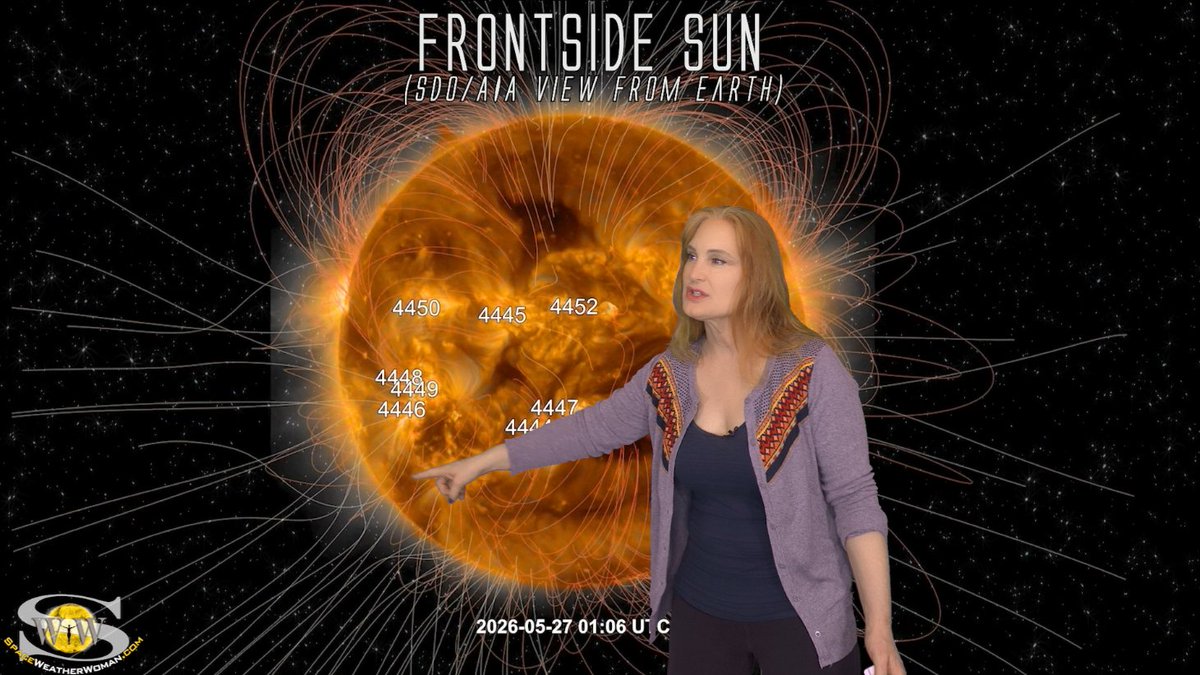
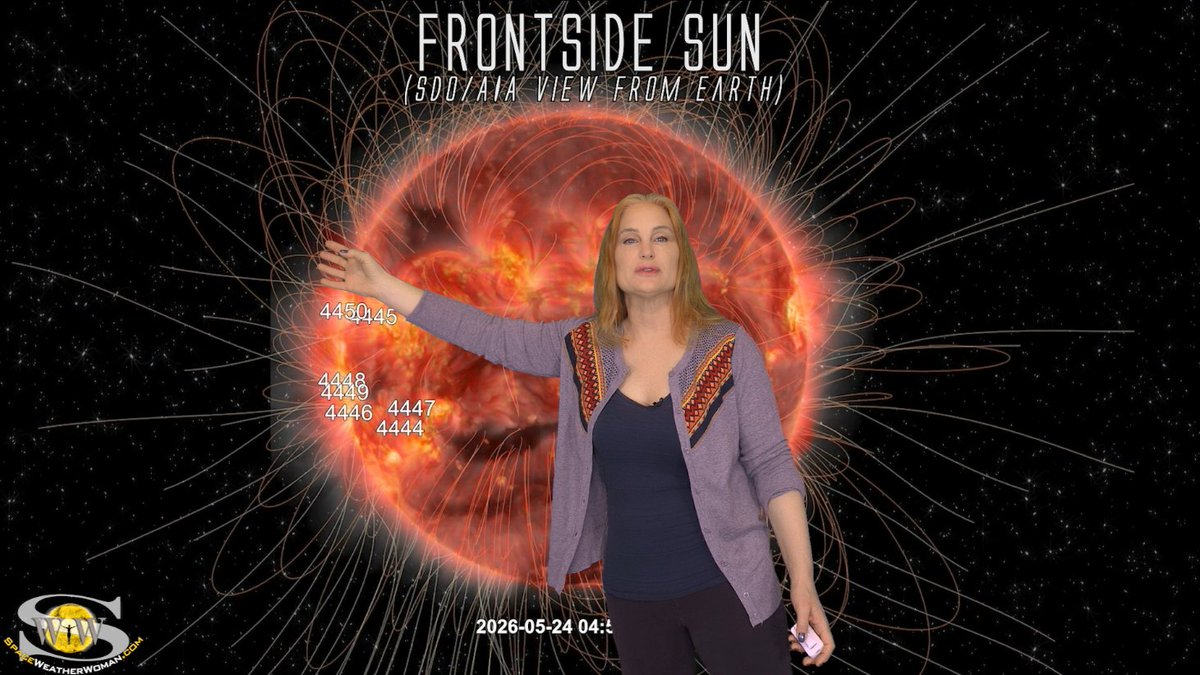
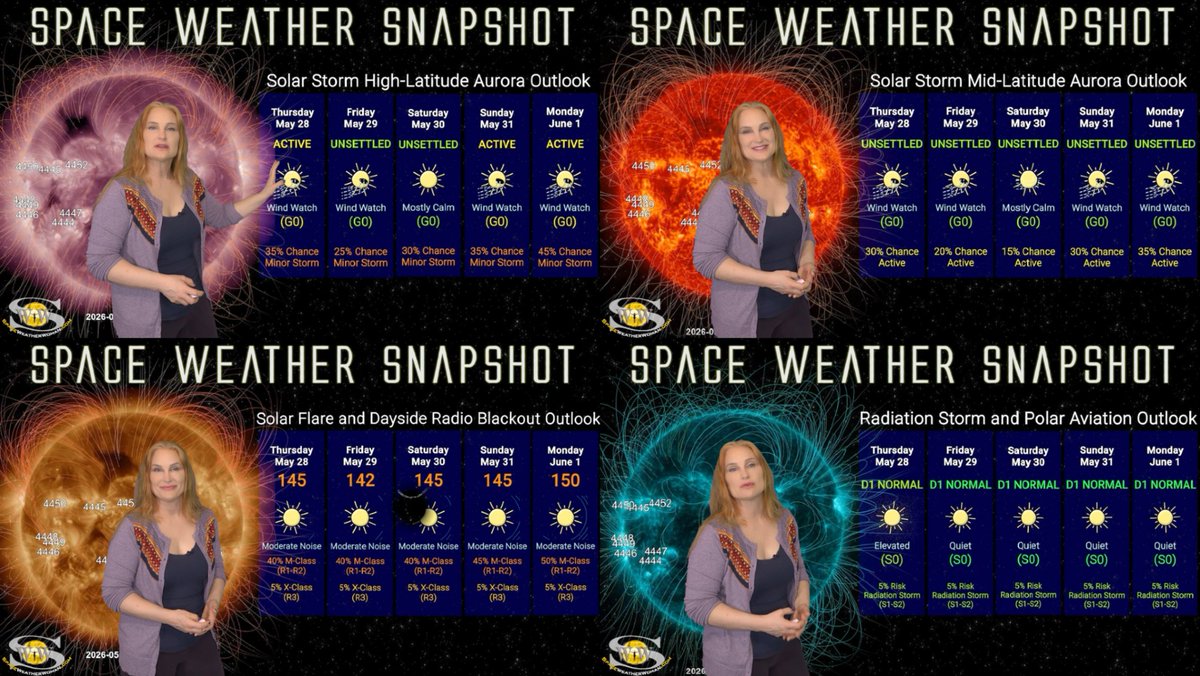
Farside flare players rotate into Earth view this week! Over 10 active regions grace the Sun's east limb firing flares and solar storms. Streamer blowouts hit amid some fast solar wind, giving us a bumpy ride throughout this week. Learn the details in the newest #SpaceWeatherWoman forecast up now: https://t.co/GziI99osws
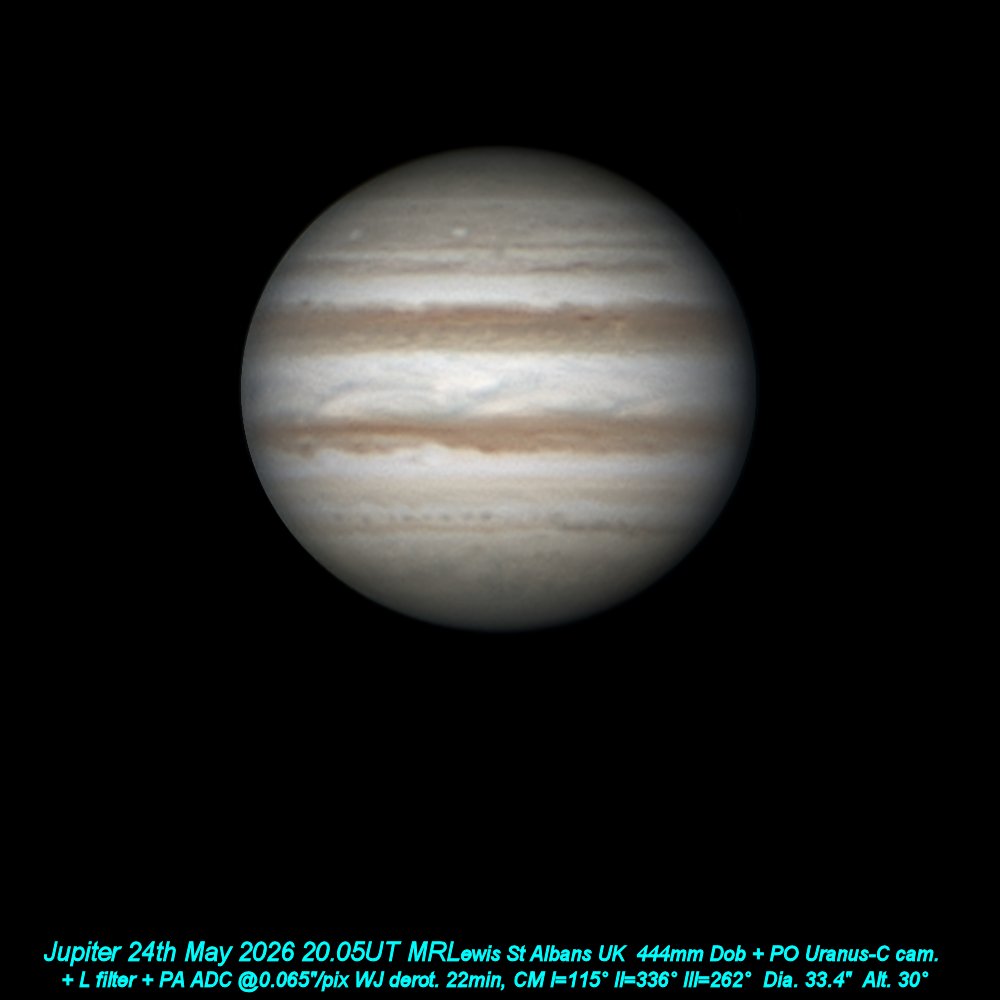
Probably my last Jupiter of the apparition. With the planet rapidly approaching the Sun it is becoming more difficult to image due to its smaller size, lower alt. and brighter skies. The planet is still giving thou. This was taken in bright twilight last night at around sunset.
Messier 106 is an intermediate spiral galaxy in Canes Venatici, 23.7 million light-years away. Best viewed from the Northern Hemisphere in mid-March when it reaches midnight culmination.
https://t.co/ufzYPIDMCI
#astrophotography#astronomy#deepsky