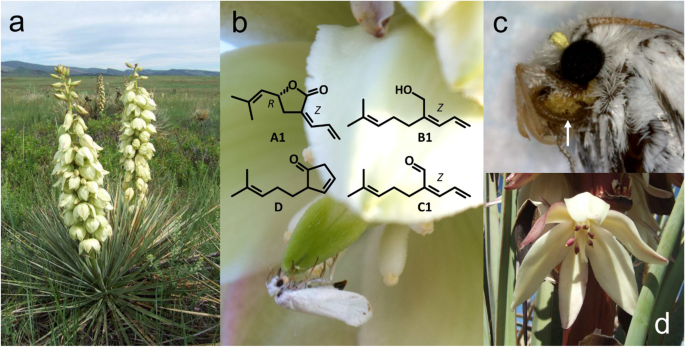
In memory of Prof. Wittko Francke (1940 –2020), who brought us together to study “Tetranorsesquiterpenoids as attractants of yucca moths to yucca flowers“. Results from a collaboration with Armin Tröger, Glenn P. Svensson, Rob Raguso, and many others...
https://t.co/QDeWFSjPSz
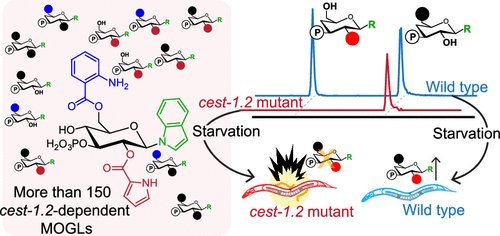
Check out our new work (w/ @wormraiser and @_MikeOD_ ) in JACS! Specific assembly of modular glucosides (MOGLs) via carboxylesterase CEST-1.2 regulates starvation survival in C. elegans
https://t.co/Pwr8ijB3SG
Happy to share our eight key rules for successful data-dependent acquisition in mass spectrometry-based metabolomics https://t.co/R2ODMiujeP @ManuDefossez Julien Bourquin @SvonReuss@serasmann and Gaétan Glauser
1‐Undecene from Pseudomonas aeruginosa is an olfactory signal for flight‐or‐fight response in Caenorhabditis elegans | The EMBO Journal https://t.co/03ow2EQhzt
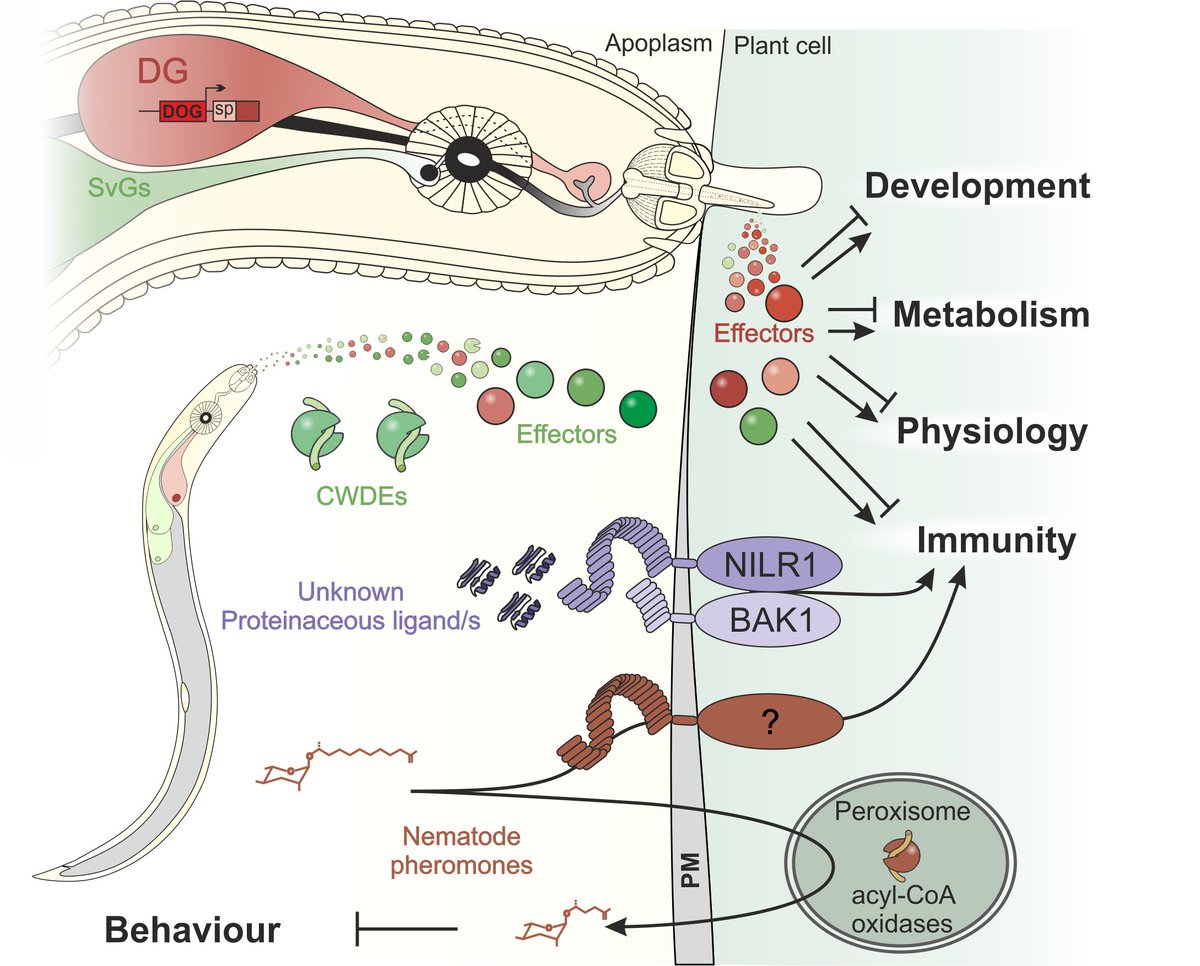
Editing of ascaroside signals by nematodes, mammals, plants, and microorganisms - and a potential mechanistic basis for complex cross-kingdom interactions.
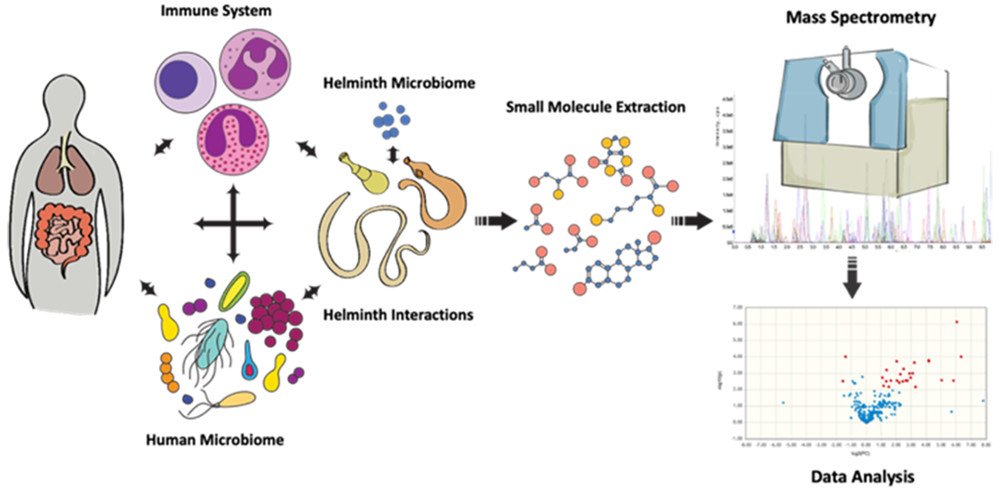
A very nice review about metabolomic techniques for C. elegans by Liesa Salzer @liesasalzer and Michael Witting
@wittingmichael1
https://t.co/WzZWA4l7Ka
Novel biological function of male-enriched medium chain β-hydroxy ascarosides (bhas) uncovered:
Male pheromones modulate synaptic transmission at the C. elegans neuromuscular junction in a sexually dimorphic manner https://t.co/YQfyK7LSZm
Sodorifen Biosynthesis – In silico modeling of the SAM-dependent FPP methyltransferase with cyclase activity from Serratia plymuthica confirms a ring contraction mechanism via a cyclopropyl intermediate and identifies an essential catalytic dyad.
https://t.co/NZTCIv64dT
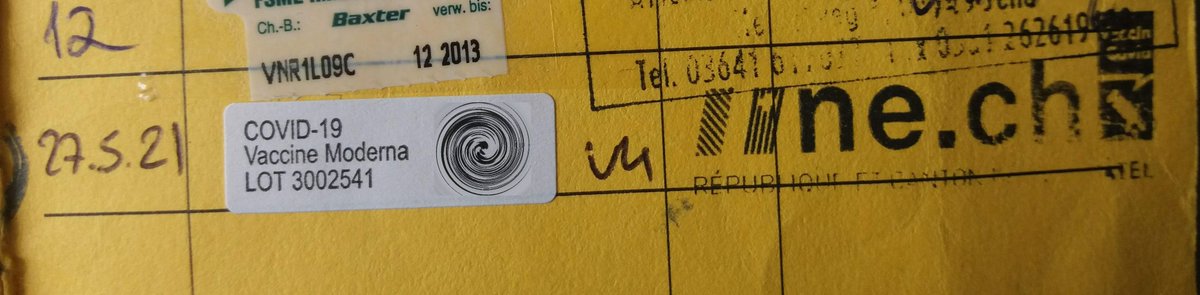
Clearly the most important 190 phone calls I ever made in a single morning... I finally succeeded to arrange the vaccination for my parents (born 1937 & 1940) by the end of this month - so happy.
Major ascaroside pheromone component asc‐C5 influences reproductive plasticity among isolates of the invasive species pinewood nematode
https://t.co/R7L6625lYu
New Research: Necator americanus Ancylostoma Secreted Protein-2 (Na-ASP-2) Binds an Ascaroside (ascr#3) in Its Fatty Acid Binding Site: During their infective stages, hookworms release excretory-secretory (E-S) products, small molecules, and… https://t.co/cTMxwVTf14 #chemistry