Crossing boundaries: propagation of in-stream environmental alterations to adjacent terrestrial ecosystems funded by @dfg_public
#freshwaters#rivers#foodwebs
Freshwater fish and invertebrates are underrepresented in thermal tolerance data.
We built ThermoFresh: >6800 records, >900 species in 5 languages. A key resource for studying thermal risks in freshwaters.
https://t.co/SZiQcxjXfW
@SystemlinkG@freshwaterblog@ScientificData
New paper by Martin Scheringer and Ralf Schulz: "The State of the World's Chemical Pollution".
link: https://t.co/zDb92osu2j
The review covers pesticides and PFAS, and calls for a chemicals transition to reduce pollution impacts.
New article from our doctoral researcher @ Agnes Schöndorfer on the Long-term consequences of Bti applications on aquatic insect emergence published in the Journal: Ecotoxicology and Environmental Safety.
Here is the link to the publication: https://t.co/VNTdbViXTC
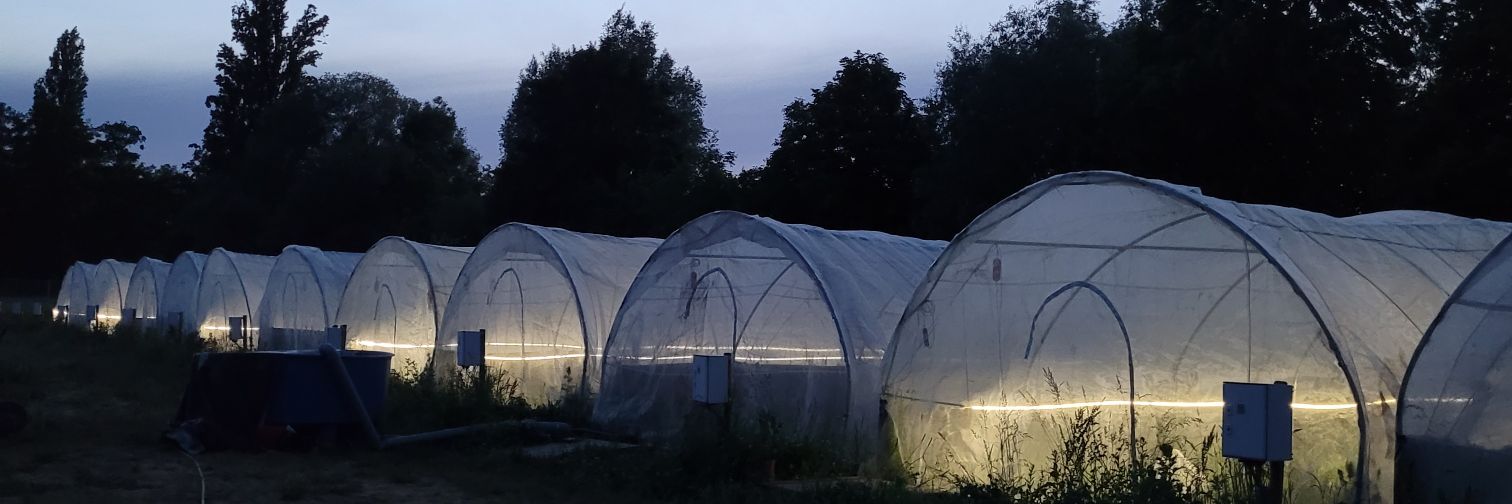
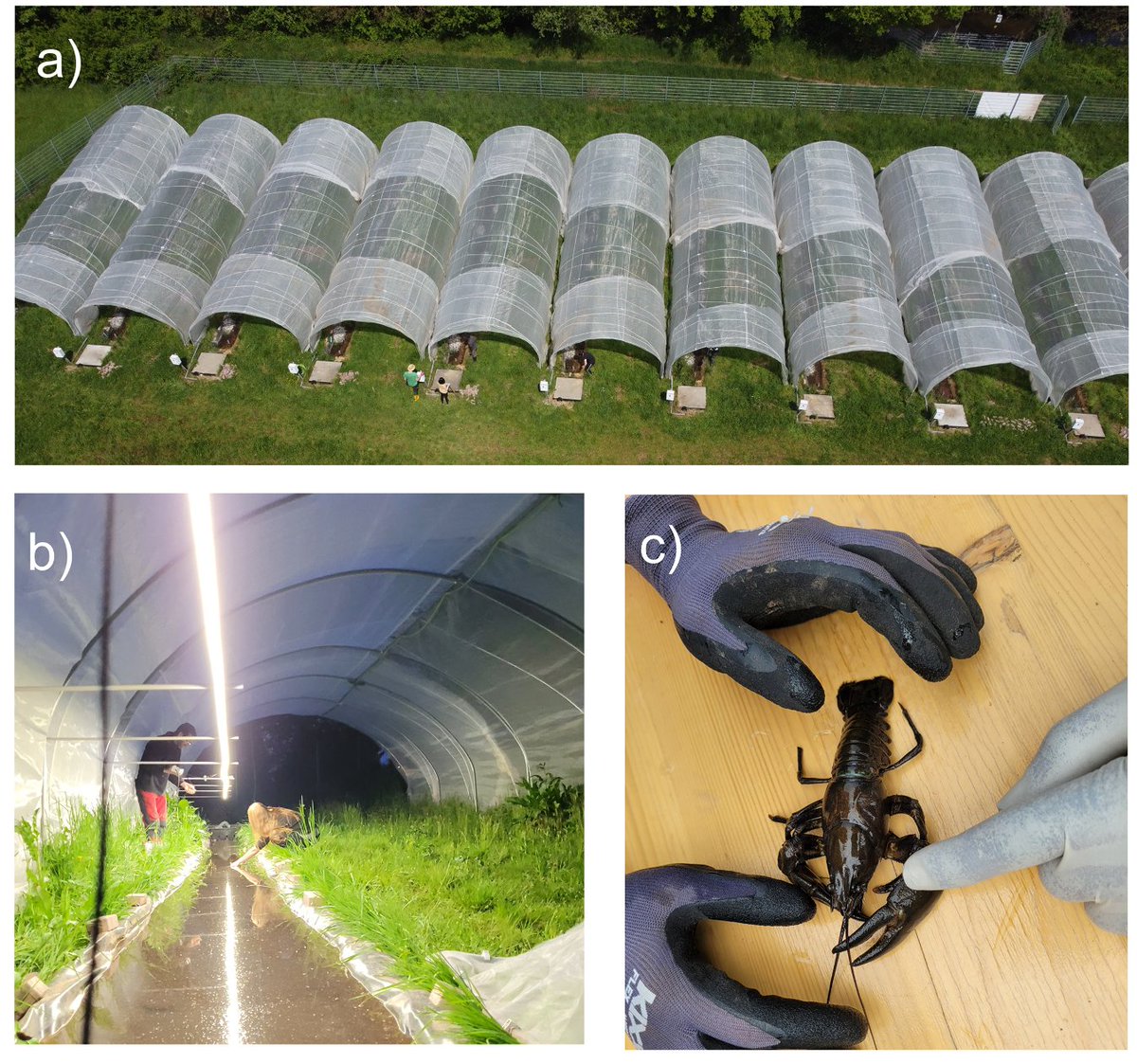
How do artificial light at night and invasive signal crayfish impact spiders in riparian habitats? Find out in our new publication in Global Ecology and Conservation! https://t.co/uhEXNMdwOQ
@alessandro_manf@SystemlinkG@ElsevierConnect
📷 a) C. Brühl, b) c) A. Manfrin
❗️New article: Artificial Light at Night (ALAN) reduces the abundance of emerging aquatic Diptera and can attract adults from distances up to 1800 m, with attraction being taxa- and sex-dependent.
@SystemlinkG@SpringerNature
https://t.co/hjnwSWFQPx
We are hiring 14 Doctoral researchers positions from different fields of Natural Sciences to assess the effect of aquatic anthropogenic stressors on riparian communities. Check the link for more details.
https://t.co/8qVgVBmTCd
1st PhD Paper out!🌊🌱
Flooding as a Vector for the Transport of Pesticides from Streams to Riparian Plants: Aquatic-terrestrial pollutant transfer in small streams in the Upper Rhine Valley.
https://t.co/yICVZYiB2w
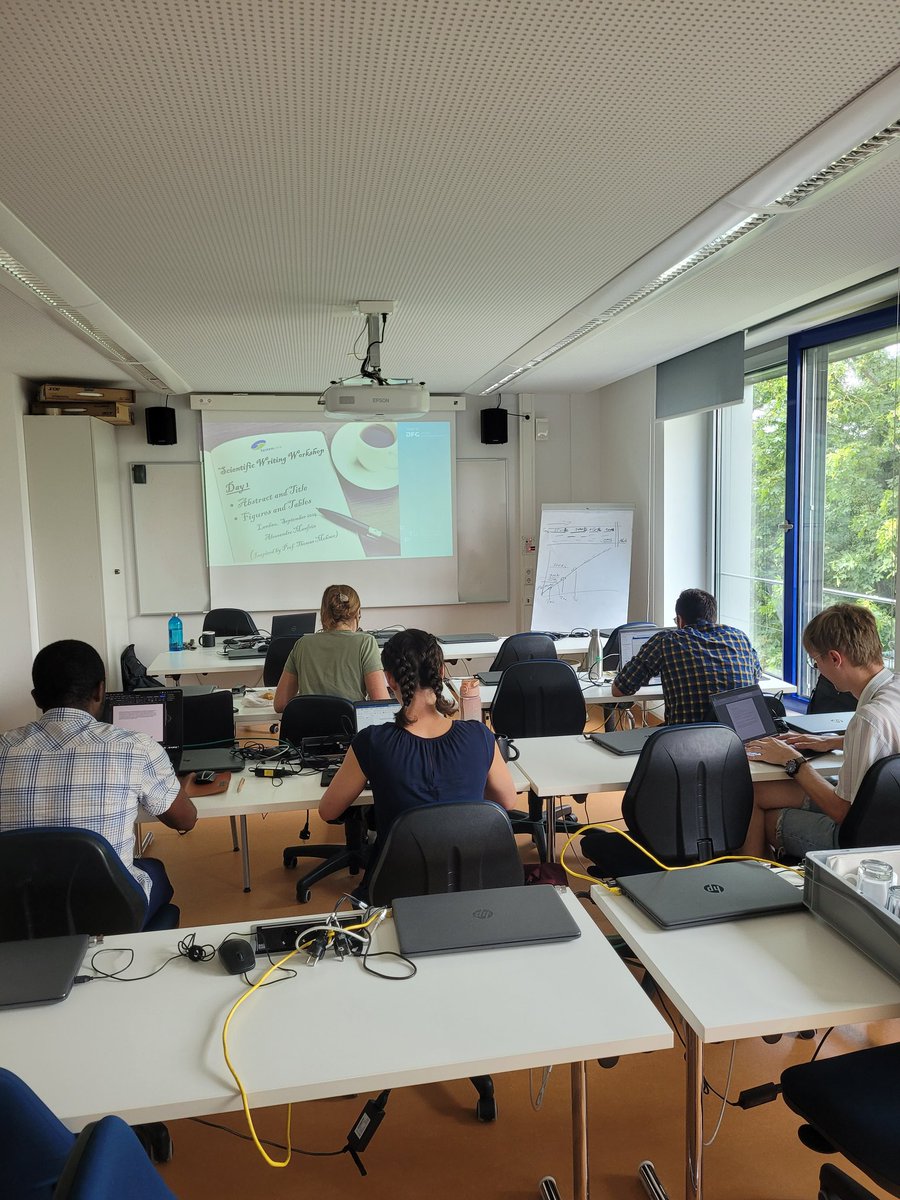
This week, the Scientific Writing Workshop is taking place at the @rptu_kl_ld with @alessandro_manf guiding five doctoral candidates through the process of writing their first complete manuscript draft in a highly interactive way, inspired by @tom64fisch's approach.
Another publication from our former doctoral researcher Dr. Verena Gerstle (@GerstleVerena), and other @SystemlinkG researchers, on the trophic effects of Bti on newts and dragonflies in pond ecosystems.
Open access document on this link: https://t.co/ou1kkeSRDI
New paper out!!
Trophic effects of Bti-based mosquito control on two top predators in floodplain pond mesocosms by
@GerstleVerena and co-authors.
@SystemlinkG@dfg_public
https://t.co/g0SnG4JnyK
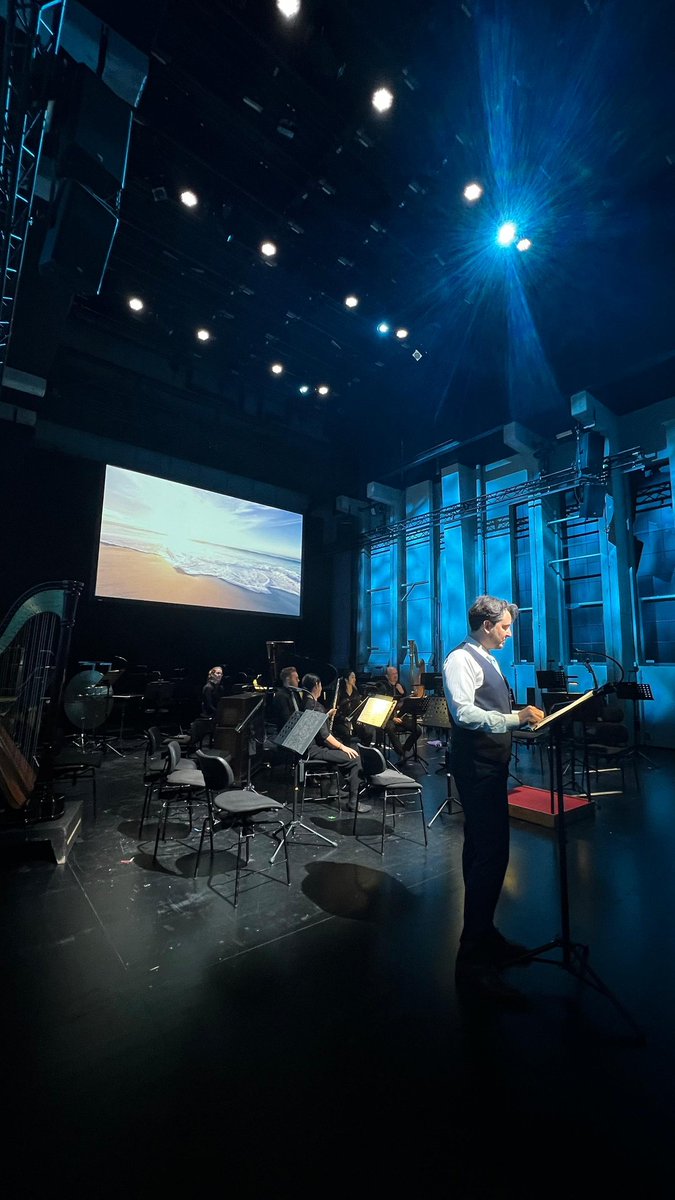
Our researcher, @alessandro_manf, was honored to serve as the scientific moderator for this inspiring event on WATER and global changes, organized by @TheaterAugsburg
https://t.co/l9xEvtB8Yi
We should have many more events like these where science intersects with public and art
What an inspiring concert from the @TheaterAugsburg on WATER and Climate Changes! It was a privilege to be part of this unique event, where the public and music met science. Thanks for your presence, Jürgen K. Enninger @bayernkreativ.
https://t.co/MqtSLMBMez
@dfg_public
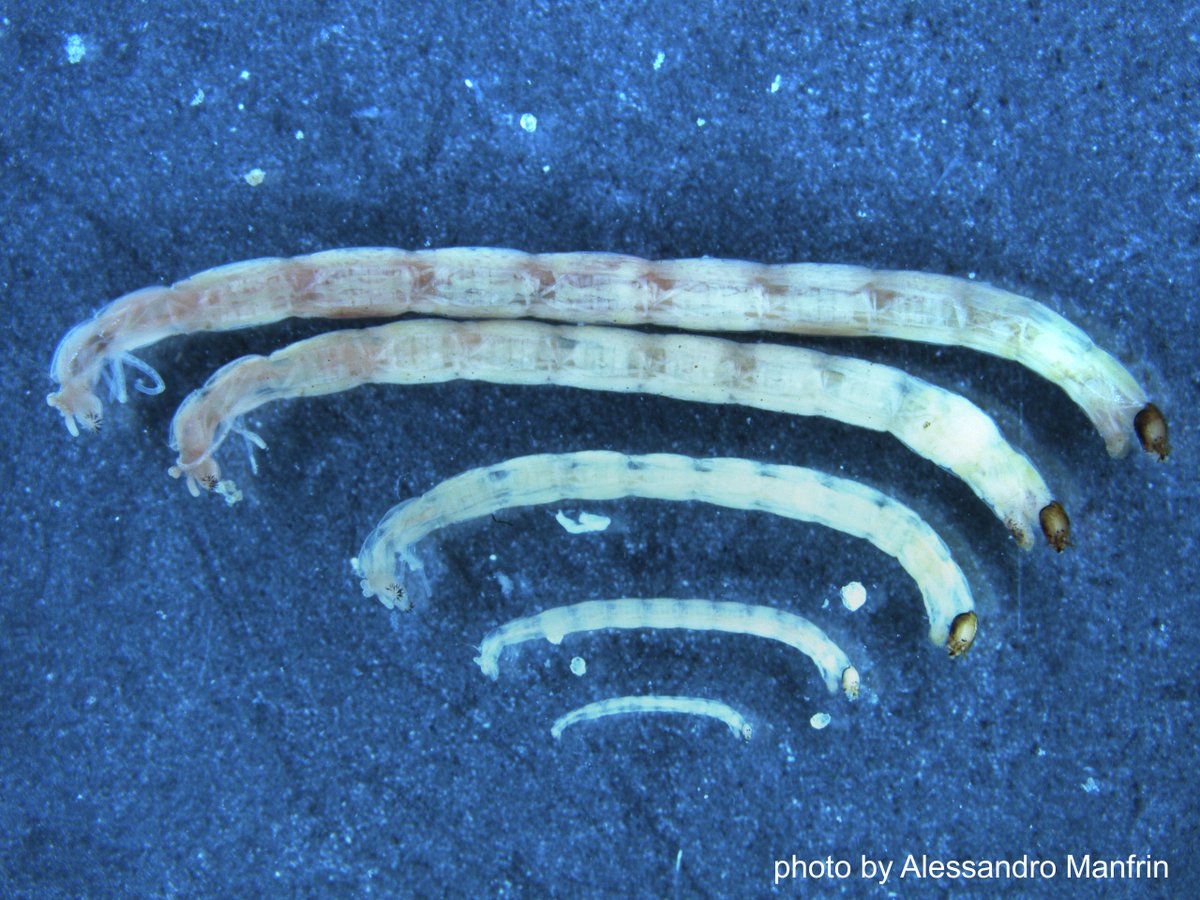
🔬 Update: @SystemlinkG researcher @alessandro_manf with G.A. López Moreira M. and co-authors have conducted theoretical modelling on how stressors impact chironomids across multiple generations.
Here the 50 days full access link: https://t.co/OiMZN2naCu
#ScienceNews#Ecology
☝️Finally out: Theoretical modeling of top-down and bottom-up effects of subsidies in coupled metaecosystems. Check it out!
@SystemlinkG@rptu_kl_ld@dfg_public
https://t.co/kpVrRELHlY
The research, conducted through laboratory microcosm experiments, found that while chironomid larvae bioturbation did not significantly affect CH₄ emissions, biocide treatment resulted in higher emissions, suggesting a complex interaction between biotic factors and chemicals