Dolphins are a profoundly curious and playful species. This clip is undoubtedly a demonstration, but there has been little systematic research on curiosity in dolphins
[📹 Amy Schumacher]
Welcome Back to School Tigers! The Science Department is ready to rock in 2023-2024! Get ready to learn Biology, Chemistry, Physics, Anatomy, Astronomy, and so much more!
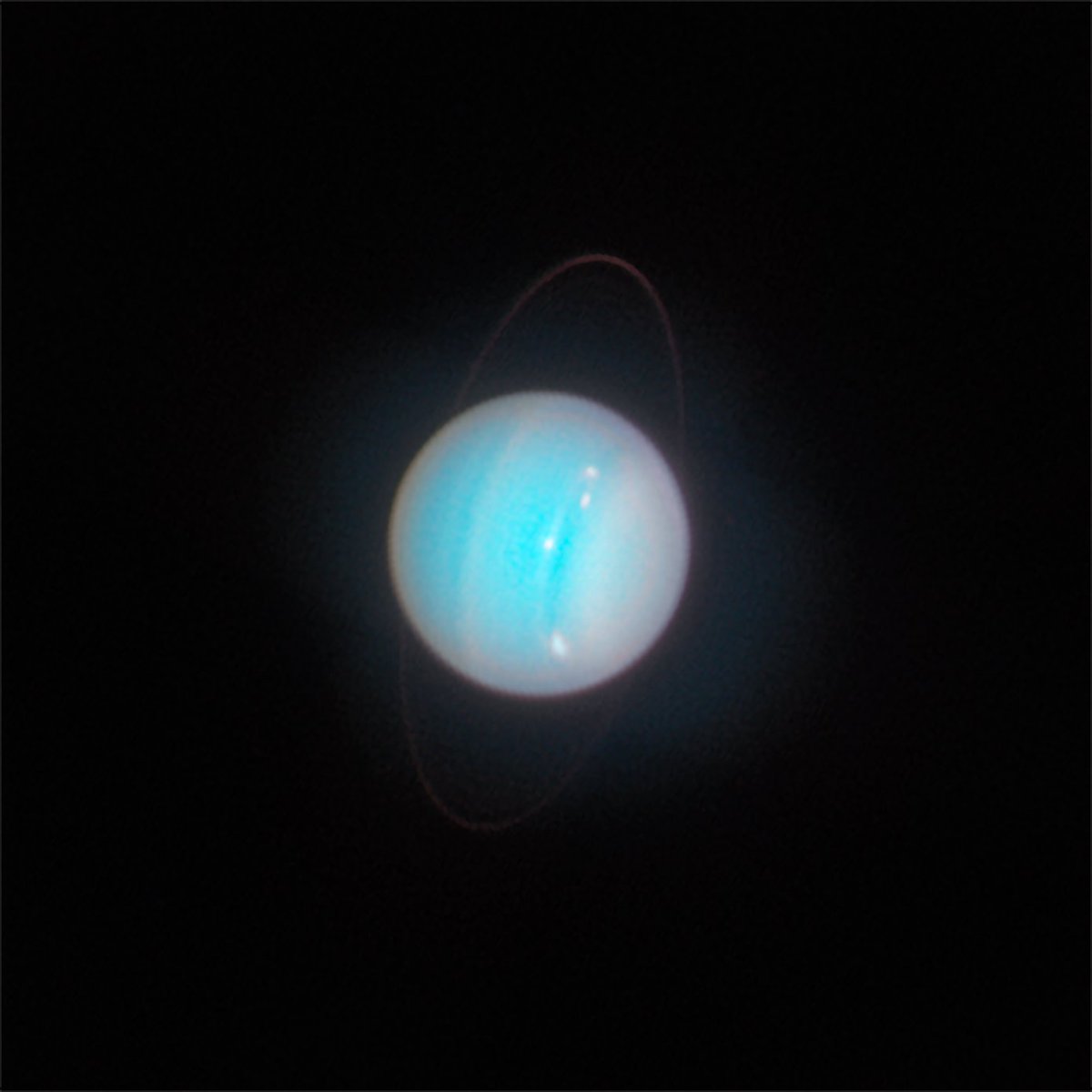
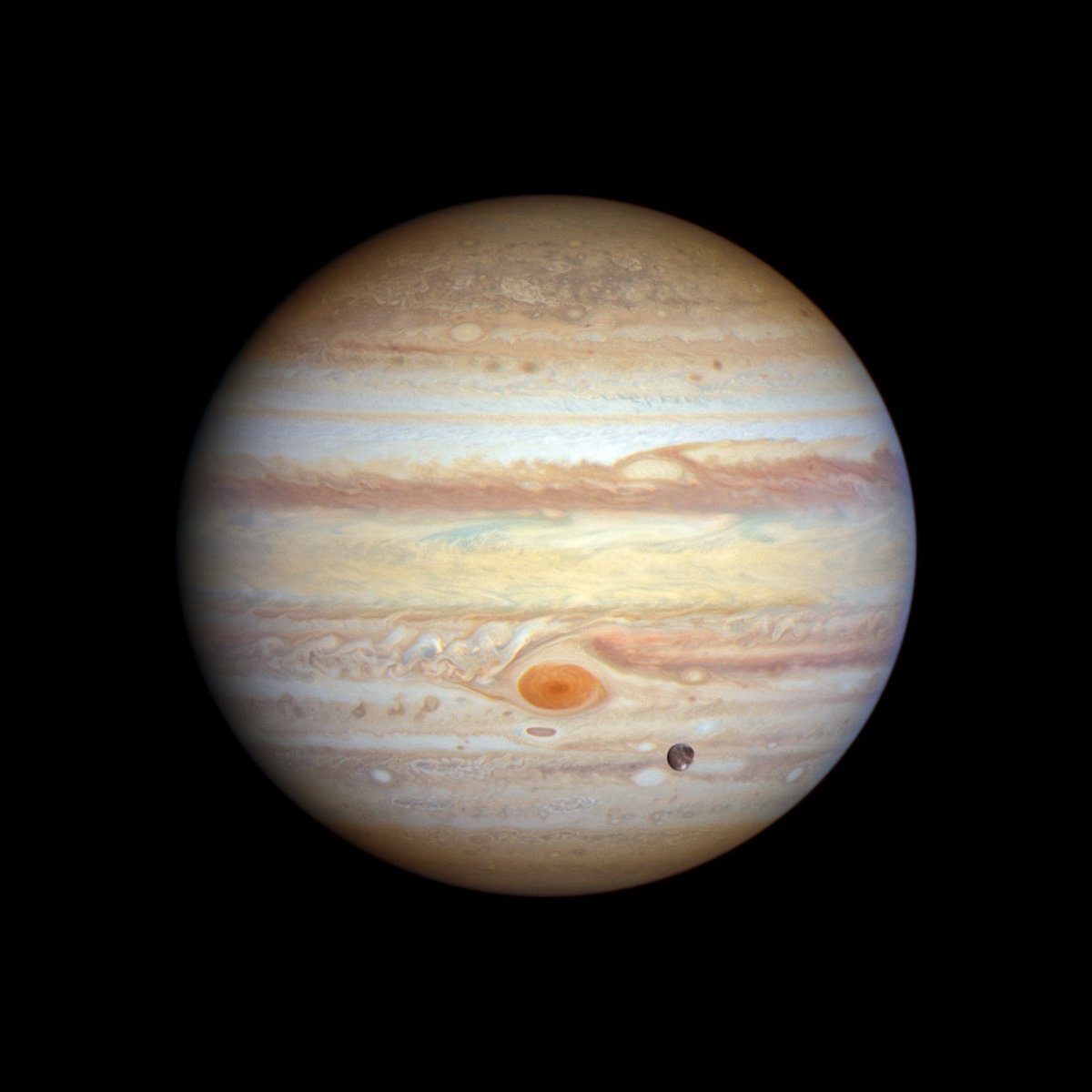
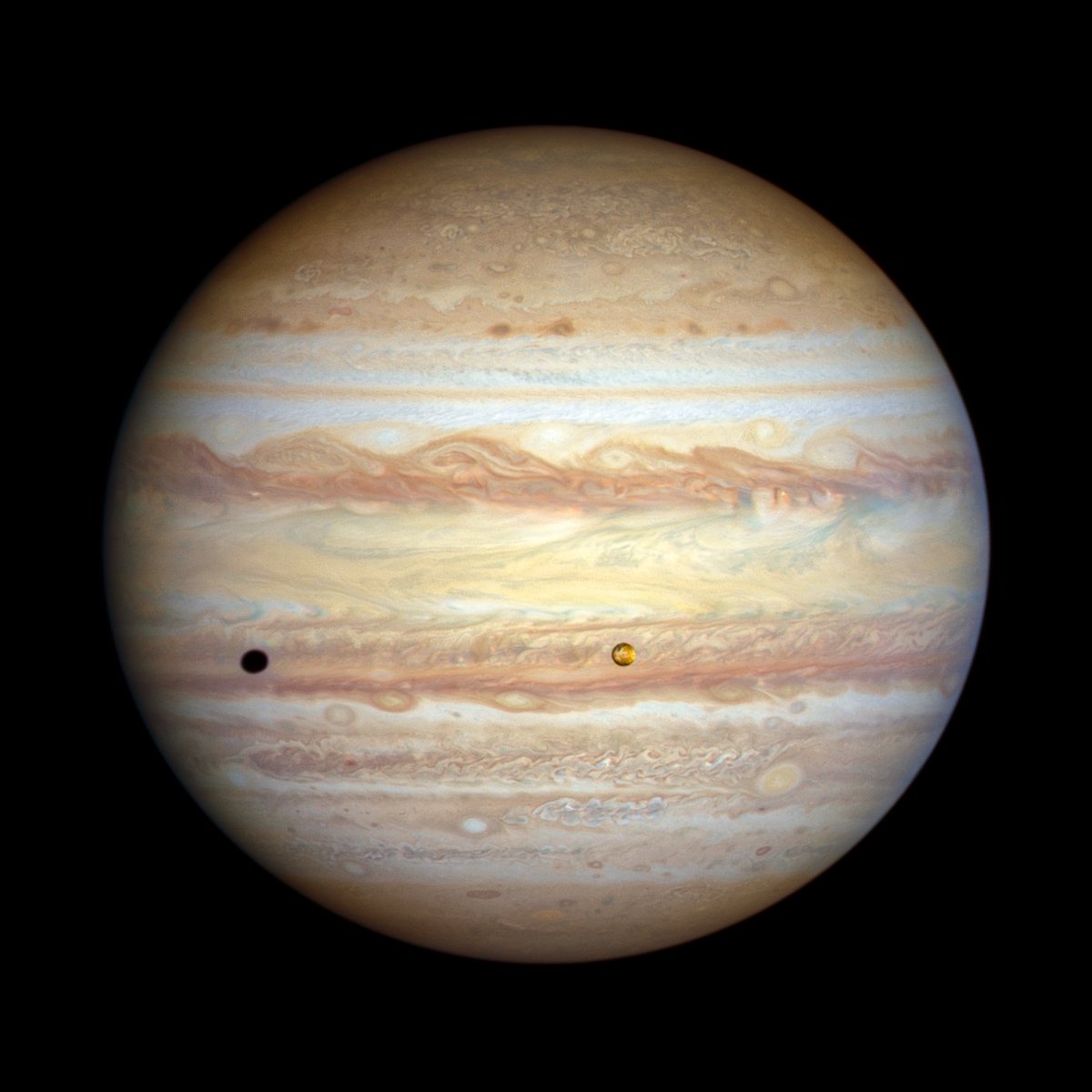
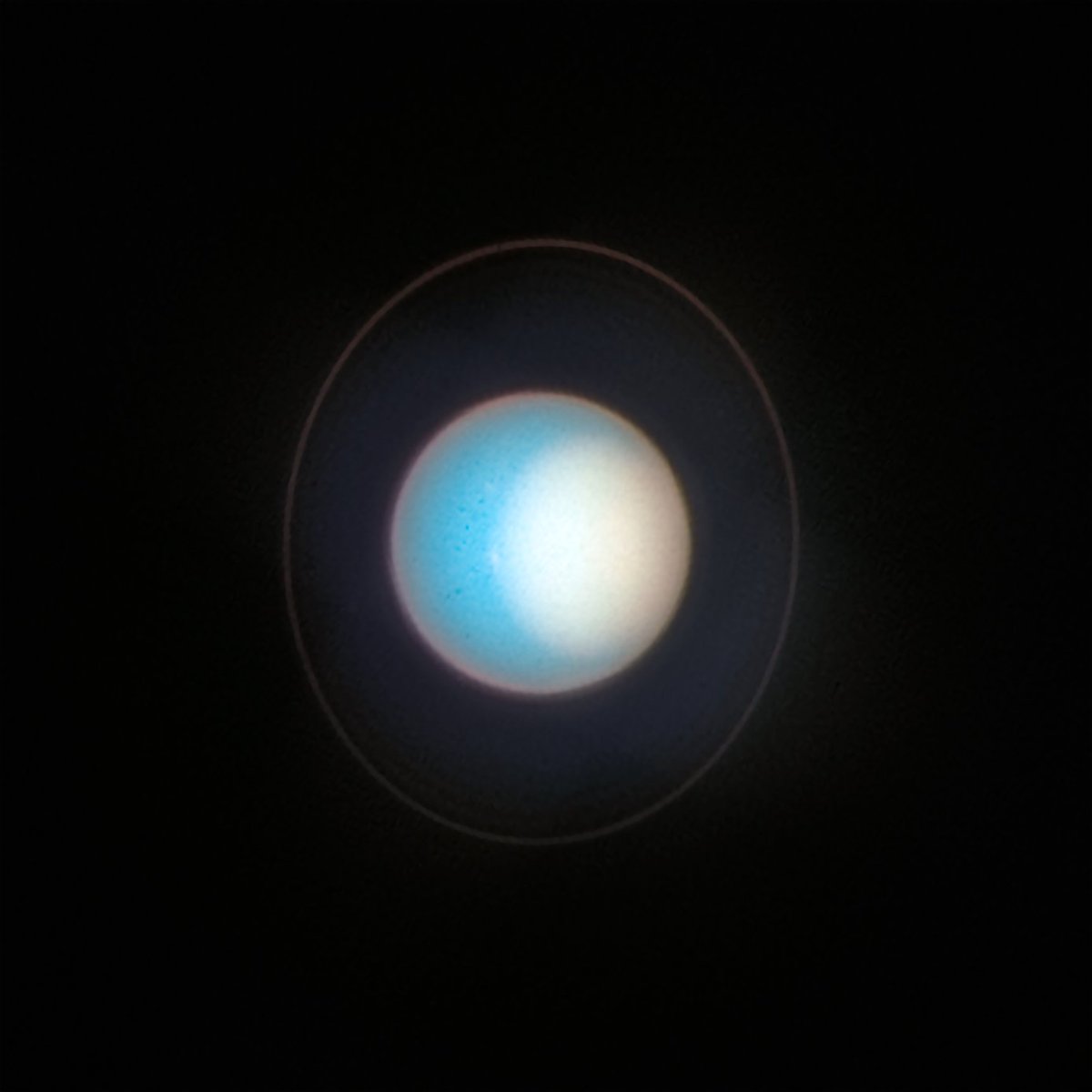
We’ve got an outer planet weather report!
Hubble regularly checks in on the outer planets in our solar system to monitor changes in seasons and atmospheres. New images of Jupiter and Uranus show storms, cloudy bands, and more: https://t.co/v7WEfcFtV1
Meet Mr. Pickles, the 90-year-old radiated tortoise who recently became a dad to three hatchlings with Mrs. Pickles at Houston Zoo. These births are as the zoo put it a 'big dill' because the species is critically endangered.
https://t.co/FMcDHJxILJ
Comet me, bro!
Astronomer Caroline Herschel, born #OTD in 1750, was the first woman credited with discovering a comet and the first woman to earn a salary as a scientist. She went on to discover 7 additional comets in her lifetime! #WomensHistoryMonth
“Think of it like a song played on a piano, transposed so we’re hearing it in a different key.”
How @NASAWebb’s data become gorgeous images of the universe:
This spiral formation captured in the skies above Hawaii by @SubaruTel_Eng is thought to be rocket fuel ejected following the launch of a @SpaceX#Falcon 9 rocket.
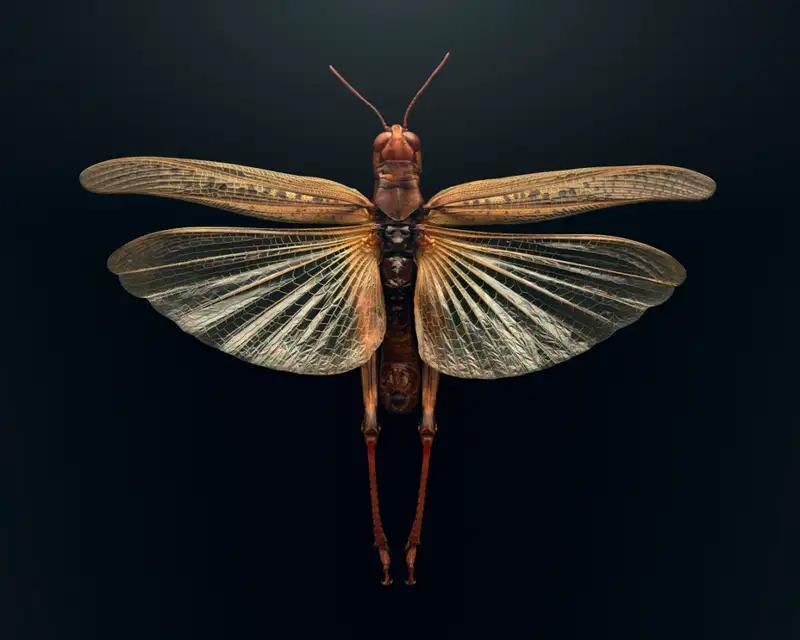
Photographer Levon Biss's project Extinct and Endangered: Insects in peril combines thousands of shots of insect specimens to create these startlingly clear images
https://t.co/RVc33a6KKb
Congratulations Argentina in your World Cup Victory.
Not that anybody asked, but…
The chemical symbol for Silver, the most electrically conductive element on the Periodic Table, is “Ag,” from the Latin “Argentum,” after which Argentina is named.
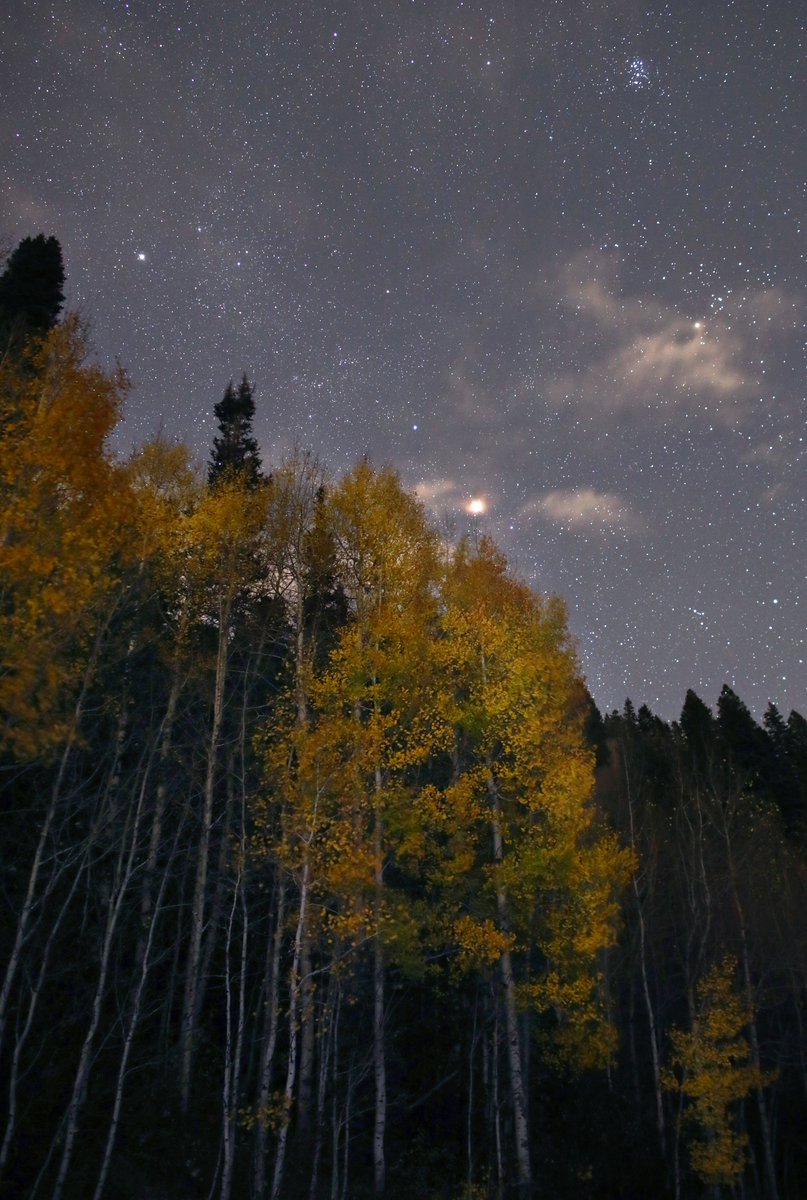
Mars is near its closest point to Earth in its orbit. It's a good time to watch for the planet rising as a bright, reddish "star" in the east after sunset. See the latest in Mars exploration at https://t.co/POzRmYsDVw
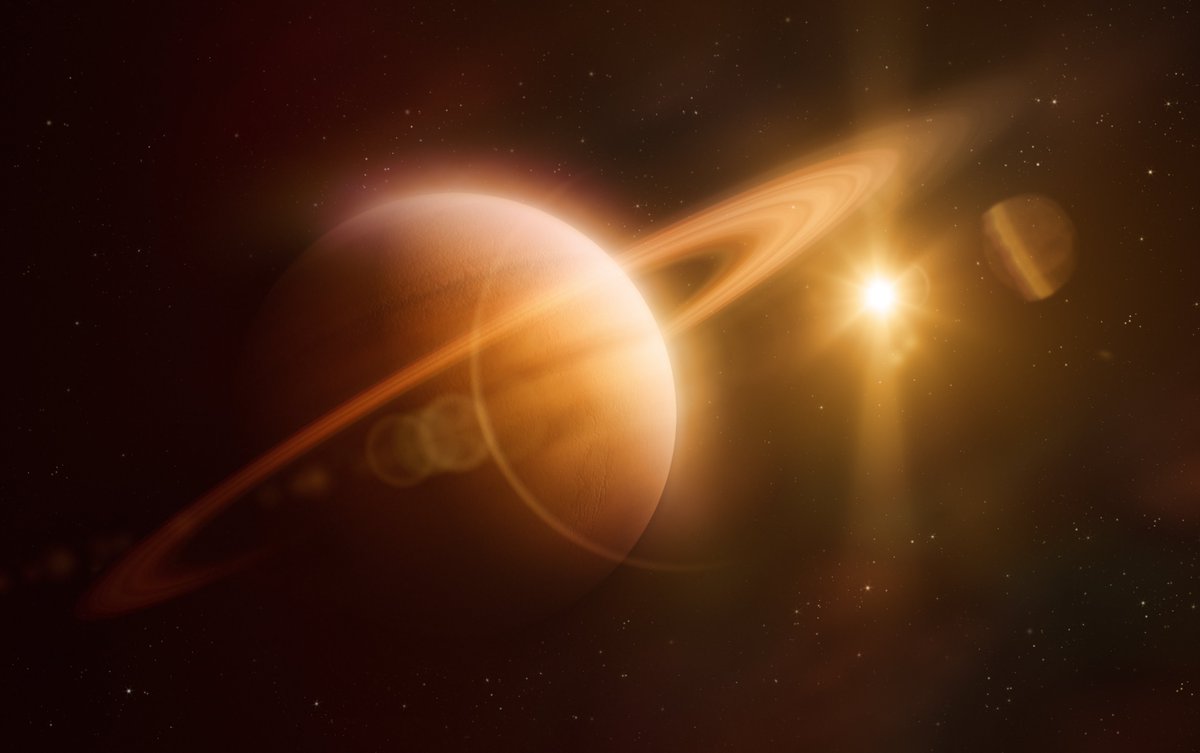
How do scientists weigh #planets?
The answer is in their gravitational pull 💥
We can now calculate a planet’s weight by the time it takes for objects to orbit the planet and the distance of those objects from the planet.