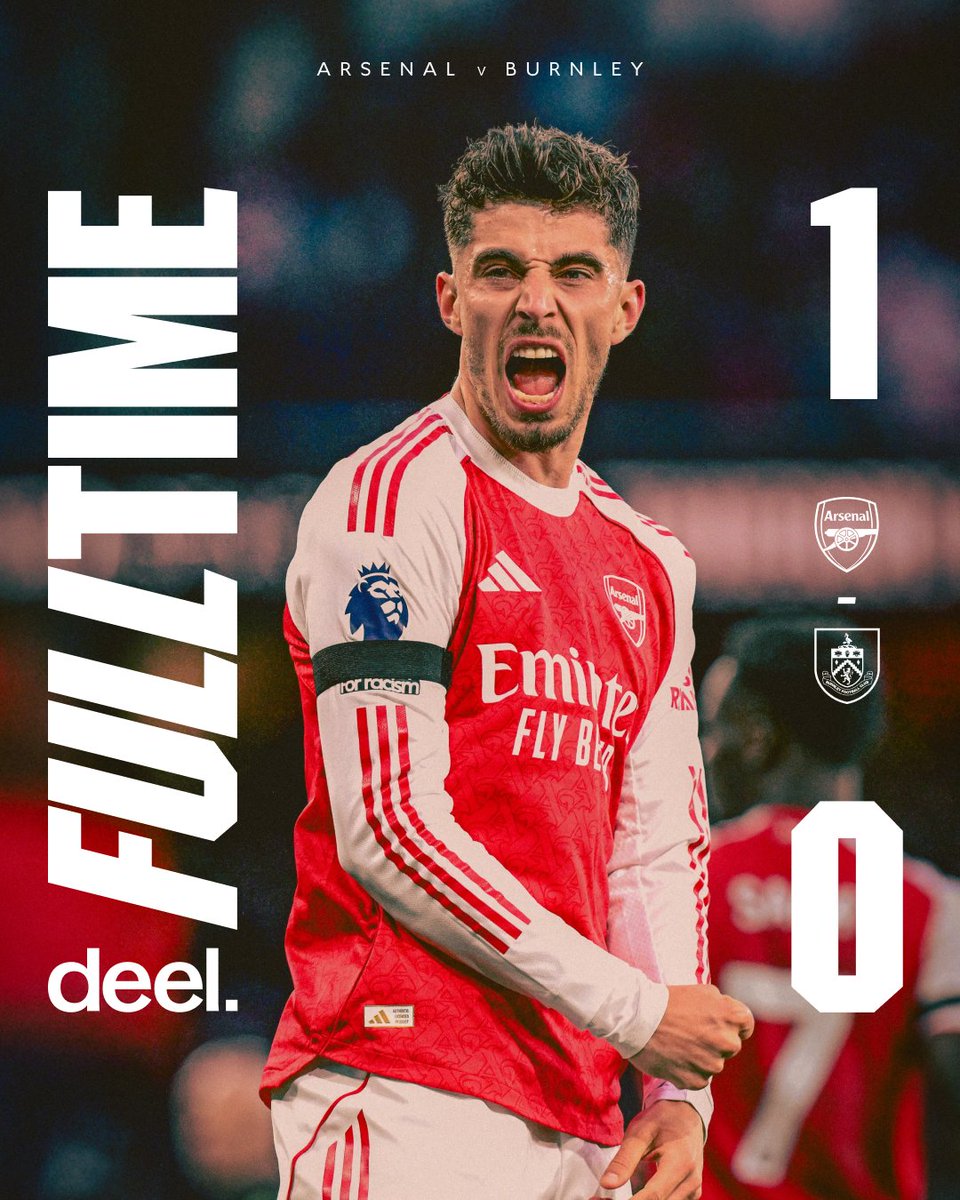
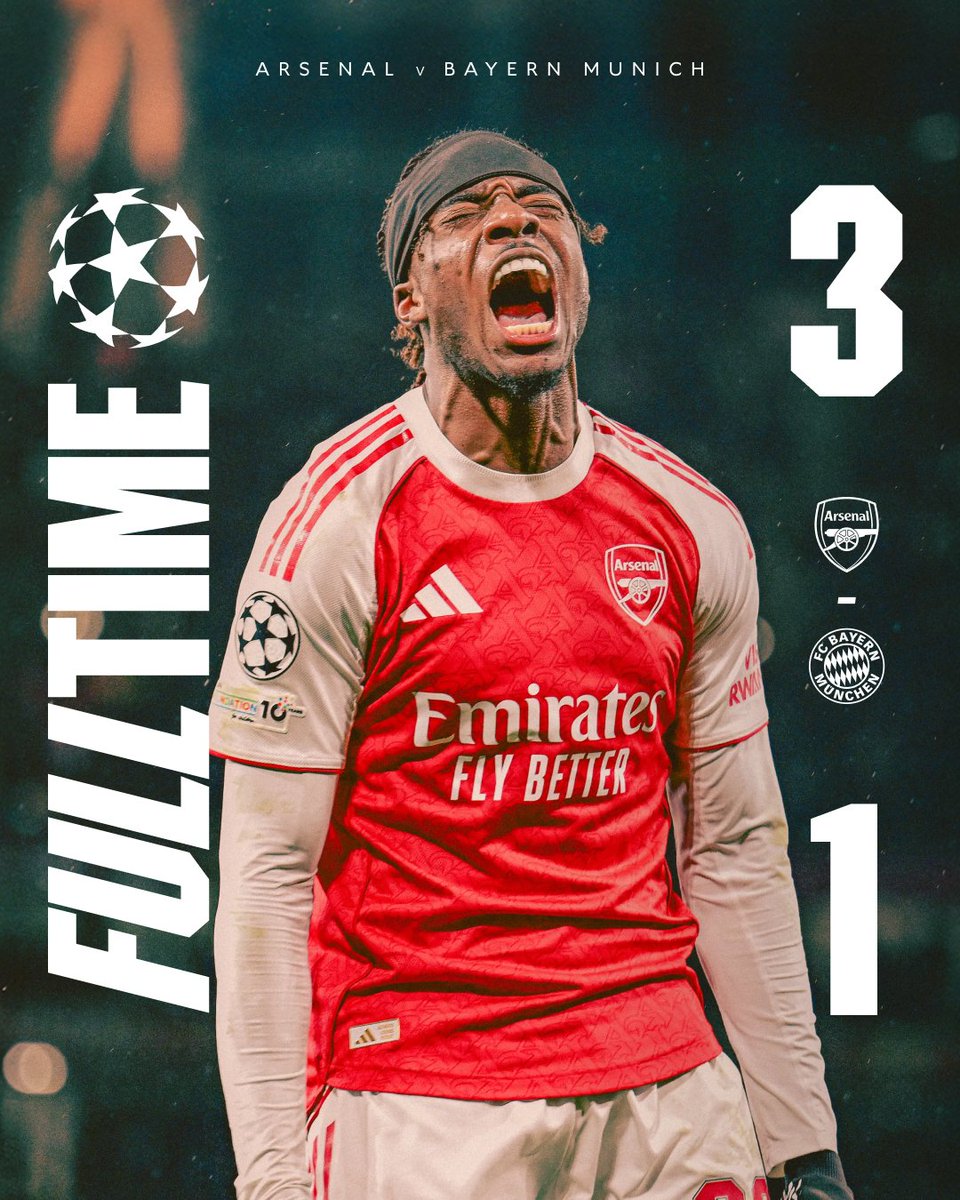
🚨 Arsenal reach agreement with Club Brugge to sign Christos Tzolis. Deal for 24yo left winger done at €40m asking price set by #ClubBrugge. Move in process of being finalised - Greece international wanted & prioritised #AFC move throughout @TheAthleticFC https://t.co/iYMBAjVc3k
@daddyhope I quote 'Mapfumo said the money was payment for work, insinuating that he was not receiving it for free but was being compensated for providing a service through the two performances.
UPDATE | Hello Crime Watch. You are indeed a great help. Your post prompted a swift response from both POSB and Mama Money, which helped resolve the issue.
The POSB team contacted the Mama Money team, who requested the voucher number and traced the transaction through their system. They discovered that someone had attempted to collect the money at AFC Nelson Mandela about an hour after I had left the POSB branch. However, when the individual tried to collect the funds, AFC requested identification and found that the person's ID details did not match the information in the system. As a result, the money was not released.
Following the discussions that took place after your post, the teams from POSB and Mama Money worked together to investigate the matter. They eventually discovered that there had been a mix-up involving the last two digits of the recipient's phone number. The person who received the notification attempted to collect the money, but could not do so because the name and ID details did not match the transaction records.
The issue only came to light after your post, which prompted all parties involved to actively investigate and resolve the matter. Once the error was identified, I went through the verification process, and the issue was successfully resolved.
So l went and verified everything and the matter was resolved. Thank you so much. A special thank you to David M., the Public Relations Manager at POSB, for his professionalism, dedication, and swift intervention in resolving this matter.
@POSBZimbabwe
Friends of mine are launching a work verification service to help people building in Zimbabwe from the Diaspora verify that work has been done as claimed. They are recruiting Independent Verifiers across the country. If you have a good phone and access to internet email your application to info[at]https://t.co/omnnPeLSAh
How many of you consume your news from reliable Zimbabwean news sources? I encourage you to read https://t.co/uQrxMl6DV8
It is free to do so. Promote home-grown news sources because it helps them bring more news to our gadgets and platforms.
Now let us see how many of you will reshare this post to promote a Zimbabwean platform. It is free to reshare, and it is free to get the news onto your gadgets.
Supporting local journalism helps strengthen independent Zimbabwean media and ensures that Zimbabwean stories continue to be told by Zimbabweans. https://t.co/uQrxMl6DV8
Supporting reliable Zimbabwean news platforms is supporting quality journalism, independent reporting, and the public’s right to access credible information. Strong local news organisations are essential for holding those in power to account and ensuring that Zimbabwean stories are told accurately and professionally. @NehandaRadio
This post was inspired by a discussion I had last night in a WhatsApp group with a colleague about housing.
Houses in Cape Town are now out of reach for many ordinary South Africans because of wealthy Europeans and Americans who have made the city their retirement home. You now find houses in prime Cape Town areas that were selling for around R4 million in 2008 selling for R20 million or more today.
The same phenomenon is happening in Harare. Houses that were selling for around US$60,000 in 2001 or 2002 are now selling for around US$600,000 or more in some areas. In Harare, part of this has been driven by the Chinese factor.
Chinese buyers have been snapping up houses in the capital, and the phenomenon has become so big that some major estate agents now advertise on Harare billboards in Mandarin (Chinese). Chinese buyers pay cash and there is no chain of waiting for them to sell another property.
Ordinary Zimbabweans have been priced out of the market, except for those in big business or those with access to serious foreign currency.
The same thing happened in London with Russians and wealthy Arabs from the Middle East. They snapped up properties and pushed prices beyond the reach of many ordinary Londoners. For some of them, London property was not even a home, it was simply a place to store money.
A property that was worth around £500,000 in 2000 can easily be worth ��2 million or more today, depending on the area, while prime London homes have risen even more sharply.
Canada saw the same phenomenon with mainly Indian buyers and acted. The Canadian government introduced a ban stopping non-Canadians from buying residential property in many parts of the country. The law came into effect on 1 January 2023 and was later extended to 1 January 2027.
It applies to people who are not Canadian citizens or permanent residents, and to some companies controlled by non-Canadians. Canada decided that homes should be used to house people who live there, not simply as storage units for foreign money.
While Canada chose to restrict foreign purchases of residential property, Britain took a different approach. Rather than banning foreign buyers, it increased the taxes they pay. Foreign buyers in England pay a surcharge on top of the standard Stamp Duty Land Tax rates, and those purchasing additional properties or second homes face further surcharges.
The result is that overseas investors and second-home buyers contribute significantly more tax when acquiring property.
Britain also requires many large housing developments to include affordable housing as part of the planning process, it is called social housing. Through planning obligations, developers are required to set aside a proportion of new homes for people who cannot afford market prices.
The exact percentage varies from one local authority to another, but the principle is that private development should also help meet social housing needs.
Perhaps African countries affected by this can study the British approach. Rather than banning foreign buyers outright as Canada did, governments could impose higher taxes on foreign purchasers and luxury property acquisitions, then ring-fence those revenues for affordable housing programmes.
In that way, foreign investment would still be welcomed, but part of the wealth it generates would be used to help ordinary Africans access decent housing.
In 2006, I was at a travel agency on Samora Machel Avenue in Harare collecting my flight ticket for my trip that evening to London. Those days we had to physically go and collect our tickets.
I saw a young man who was literally in tears. He had been given money to pay for his ticket because he was going abroad to study medicine on a scholarship, and the money had either been lost or stolen on his way to pay for his ticket. He was devastated.
I asked the agent, Sis Elizabeth, why the young man was crying, and she explained the situation to me. I was not a man of huge means. I asked to see his paperwork, and he showed me everything. He was with his brother, and he produced the scholarship letters and all the relevant documents.
His waiting touched me, but I could not use my UK credit card to help him because Zimbabwe had a dysfunctional banking system, and it still does. So I asked the agent to issue the young man his ticket and put it on my account. I took his details, and I also gave him mine.
His parents, both ordinary school teachers, called me to thank me profoundly, and asked to meet with me when I am back from my UK trip. They eventually paid the money about a year and a half later.
Nineteen years later, someone from my home in Britain called me today to say there was a parcel for me. I asked her to open it, inside was a 1962 vintage Glen Grant bottle of whisky worth £2,500 (R56,950).
This not-so-young man anymore has sent it as a Christmas present. He is now a specialist practising medicine in France.
Thank you so much, Ronald, for the whisky. Writing this made my eyes well up. I continuously wish you and your family well.
This reminds us that when we do good for others, regardless of how much time passes, people never forget the kindness that lifted them when they needed it most.
Great initiative by #GreatmanMusic. RETWEET and help him reach as many people as possible!
You know what, my people? A retweet costs you nothing. And when you see somebody who is disabled, like Great Man, pushing this initiative, it should shame us who are able-bodied that we are not able to assist those who are disabled.
The least we can do is to RETWEET so that those who have the heart to help can actually support this cause.
So I ask you again, please RETWEET this initiative that Great Man, who is disabled, has started to assist people like him who are disabled.
It costs you nothing at all as a Zimbabwean or an African to simply RETWEET, or as any other nationality.








![freemanchari's tweet photo. Friends of mine are launching a work verification service to help people building in Zimbabwe from the Diaspora verify that work has been done as claimed. They are recruiting Independent Verifiers across the country. If you have a good phone and access to internet email your application to info[at]https://t.co/omnnPeLSAh](https://pbs.twimg.com/media/HKqVi_MXMAAqNdz.png)