singer-songwriter, politically homeless, submarine vet, drone pilot, software guy. redeemed by the blood of the Lamb. blessed beyond imagination. grateful.
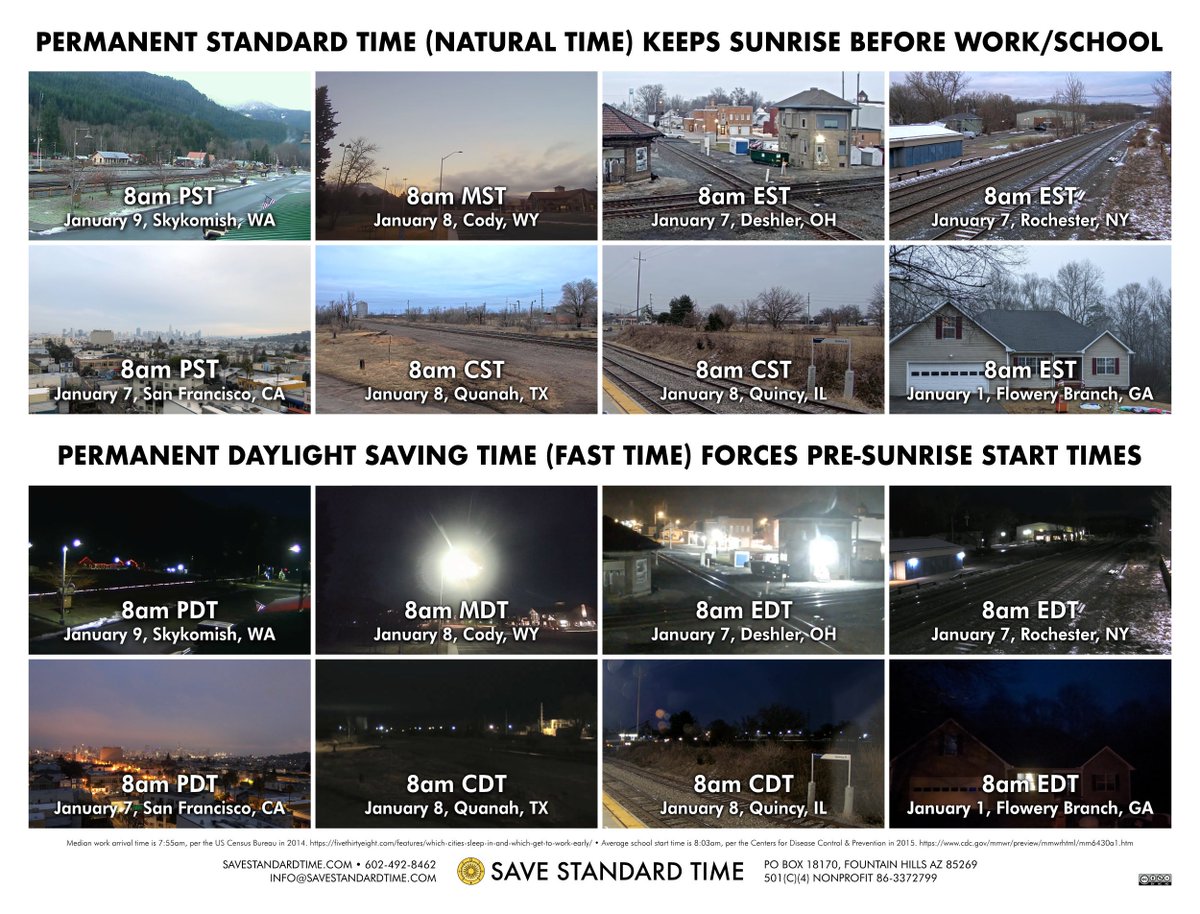
Lower photos below show permanent DST’s “more sunshine”. Senator Scott’s Sunshine Protection Act is a mandate to wake an hour earlier than Standard Time, to start work/school in darkness all winter. Amend to permanent Standard Time!
just checked in with @ASCAP after a long break, that they reminded me of... so much has changed in the business since I last published a collection of songs. I am planning to change that soon. work to do. @Distrokid is my next stop.
A: Barney that’s fine. You’re a natural
B: Then I’m in?
A: Well not as a regular cymbalist. You’re in as a standby cymbalist
B: We aint got a cymbalist
A: Thats the best kind to standby for.
O Lord God, without the pardon of my sin I cannot rest satisfied without the renovation of my nature by grace I can never rest easy, without the hopes of heaven I can never be at peace. All this I have in thy Son Jesus; blessed be his name.
-- Valley of Vision
Here it is! TWO LANES of traffic on NC12 at the Pea Island Visitor Center. Again, continue to drive with caution through the area, as there is still water on the road in places and the road shoulders are soft. Thanks for your patience as we made the switchover this evening.
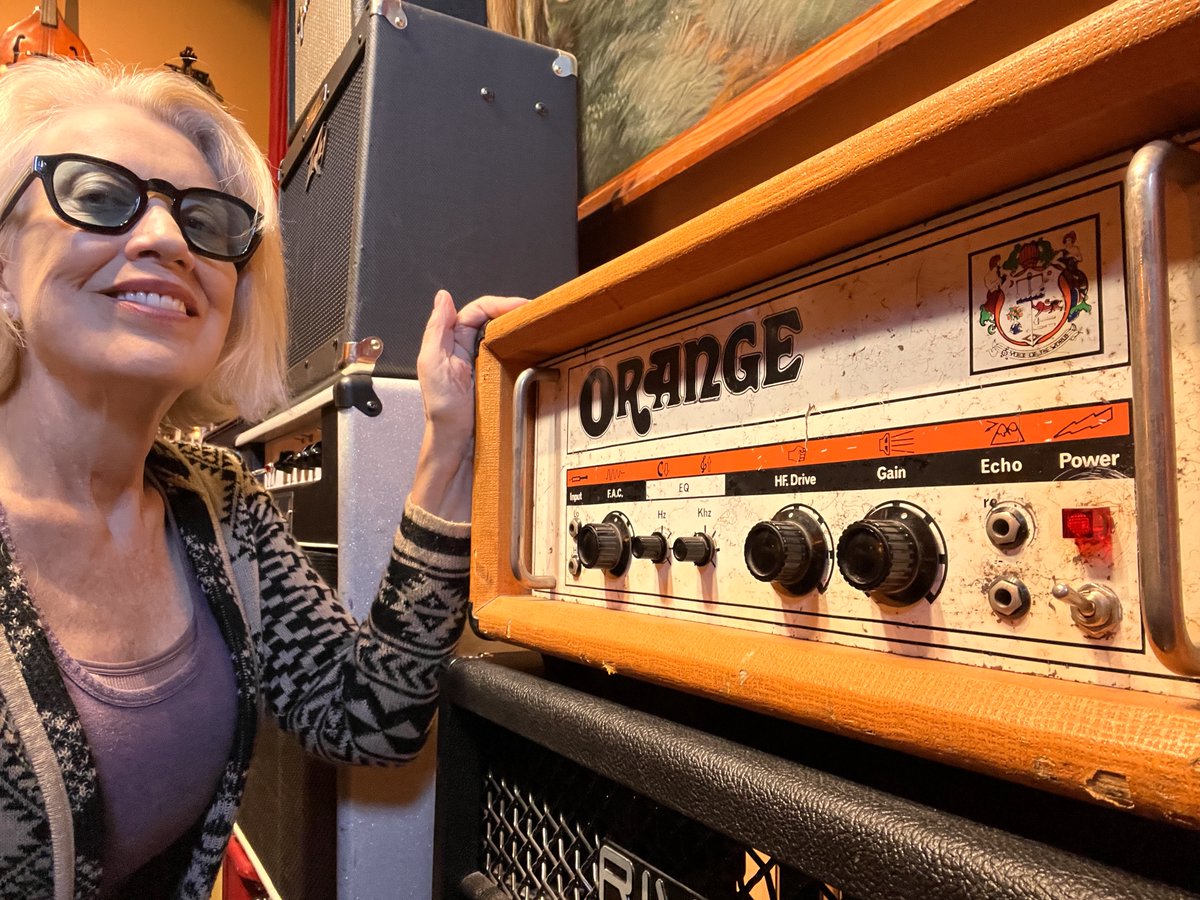
Orange OR80 Amp >>>
Loud and dirty. Just look at this thing. Ugly bright and tore-up, all the switches go the wrong way. Unapologetically British. Hah. What a great guitar amp. Currently my favorite. I used it and a Laney Klipp on the Monolord record. The doomiest of doom. Waves wanted some blurbs about my favorite gear... this is at the top of my list! @orangeamplification #studiotools #wavesplugins #oddioshop
The first 3D printed meat is being sold in America
“It's part of a wave of engineered meat heading for American plates. 5 lab grown producers already cleared and no law requires the label to say it was printed”
The 5 companies that have approval for lab grown meat with cultured animal cells are
So these are the 5 companies?
UPSIDE Foods for chicken
GOOD Meat for chicken
Mission Barns for pork fat
Wildtype for salmon
Believer Meats for chicken
UPSIDE Foods and GOOD Meat cleared USDA and is selling cell-cultivated chicken right now in restaurants, not in grocery stores chains yet
Wildtype’s salmon is FDA cleared and is already on the menu in a handful of restaurants
The company Mission Barns got USDA label and inspection sign-off and already has a limited Sprouts placement in Oakland for products that mix cultivated pork fat into conventional meat
A realistic estimate to when we can start seeing this on the grocery stores shelves would be around 2030
Many of what’s being made is cell cultured meat for restaurants and not 3D printed yet
However plant based 3d printed meat is already on our grocery store shelves
Riverside lights of the Nile beneath a starry sky. I took this photo in 2012 when the majority of the lights were still sodium vapor, creating a thin golden glow that stretched from Alexandria to Aswan. One of the most striking nighttime views from orbit!
@EQuinones6310 Senator Cotton is not alone—Boozman, Daines, Fischer, Marshall, Moran, Rounds, Sheehy, Sullivan, Thune, Wicker, Young, and a dozen more oppose permanent DST with its 9am sunrises. We need sunrise at 8am or earlier, which means permanent Standard Time!
Why can vintage home audio systems sound better than modern ones?
The modern stereo is built to be correct. Flat response, vanishing distortion, a signal path scrubbed of anything that is not in the recording.
On paper it should win.
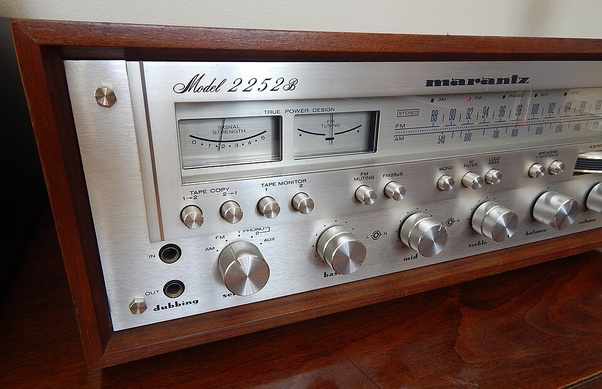
Yet people still haul forty-pound Marantz and Sansui receivers out of attics, plug them in, and hear something the spec sheet cannot explain.
The thing they are hearing is distortion, the useful kind.
Vacuum-tube amplifiers, and the early solid-state designs that were still trying to sound like them, generate even-order harmonics. Second, fourth, sixth. Those harmonics sit in simple musical ratios. The ear reads them as body, glow, a sense that the note has weight behind it. Push a modern solid-state stage hard and you get the other family: odd-order harmonics.
Those clash.
They read as edge, glare, the kind of brightness that makes you turn the volume down after twenty minutes. “Warmth” is not nostalgia. It is a specific, measurable error that happens to flatter music.
The power supplies were part of the same philosophy. Flagship receivers of the 1970s were built around enormous copper transformers and banks of capacitors large enough to look like industrial parts. Audiophiles call it heavy iron.
The point was current on demand. A drum hit or a piano chord asks for a sudden surge; a stiff, oversized supply delivers it without sagging. The amplifier stays in control of the speaker instead of negotiating with it.
A lot of modern gear, especially at ordinary prices, uses switch-mode supplies and Class D output stages. The best of those are excellent. The cheap ones are efficient and light, and they can sound thin when the music gets loud, because there is less reserve behind the waveform.
There is also the record. Vinyl was the source, so the phono stage was not an afterthought. It was a discrete circuit, designed and voiced as part of the receiver. Today that stage is often missing, or it is a few cents of silicon on a board that was never meant to be the center of the system.
And the comparison itself is rigged, in a quiet way. Nobody is stacking a 2020s soundbar against a 1975 clock radio. The vintage pieces that still get talked about are the ones that were overbuilt, expensive, and durable enough to survive fifty years of moves, humidity, and neglect.
The plastic also-rans are gone. What remains is the top of the old market, still heavy, still a little wrong in the ways the ear likes, still able to make a familiar record feel larger than the room.