Foxconn Quantum Seminar | May 29, 10am Taipei
Alexander M. Dalzell (AWS-CQC)
A distillation-teleportation protocol for fault-tolerant QRAM
Join online: https://t.co/59lnCZXPfo
Paper: https://t.co/LYF0bkBQFD
#Foxconn#QuantumComputing#FaultTolerantQC
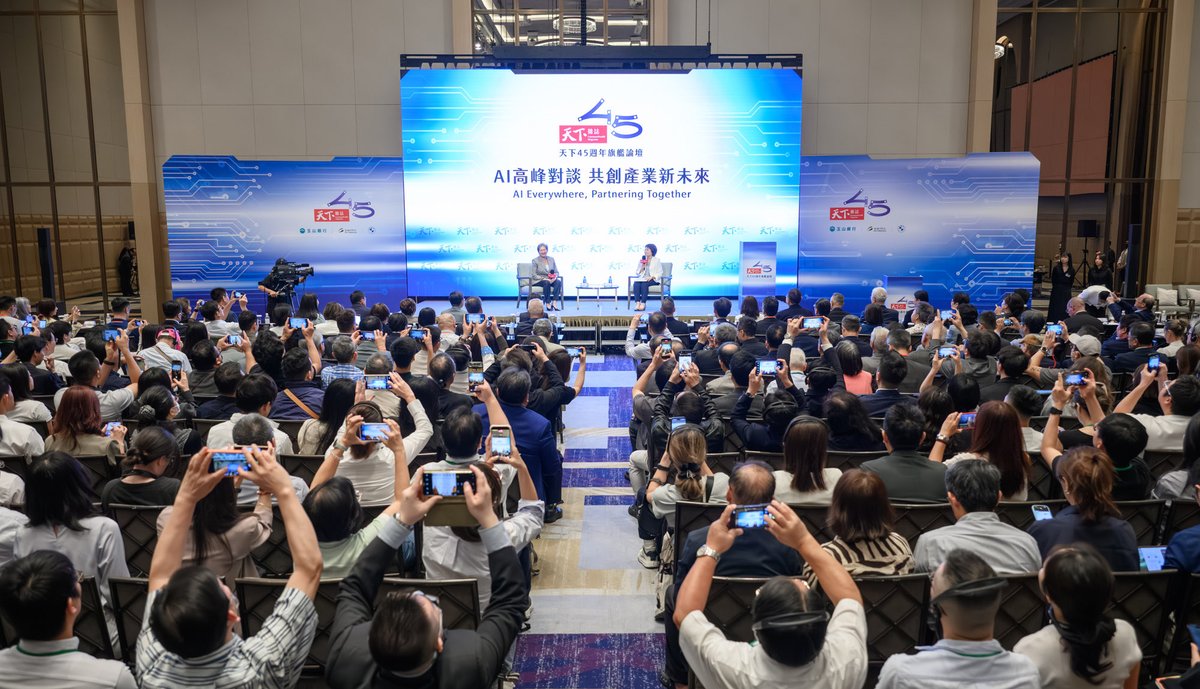
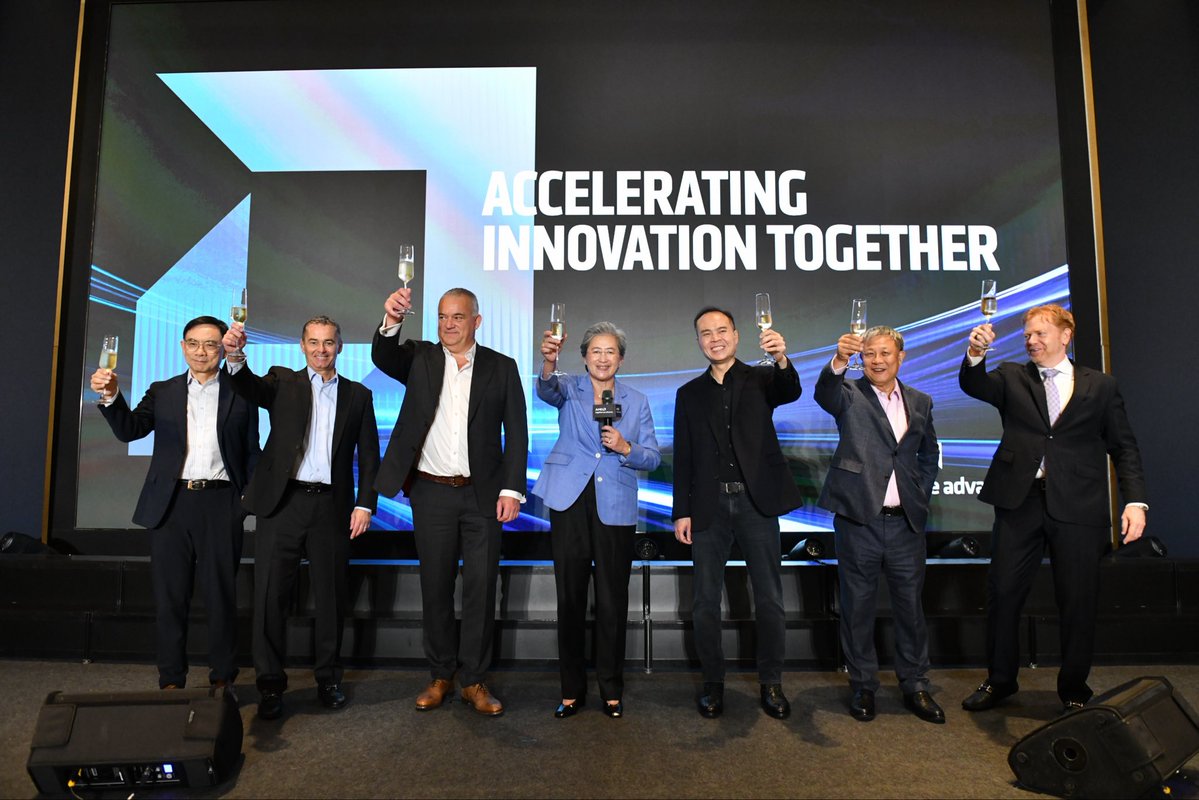
Always great to be back in Taiwan spending time with customers, partners, and industry leaders and seeing firsthand the incredible pace of innovation happening across the ecosystem. Great conversations, great food, and tremendous momentum ahead for AI.
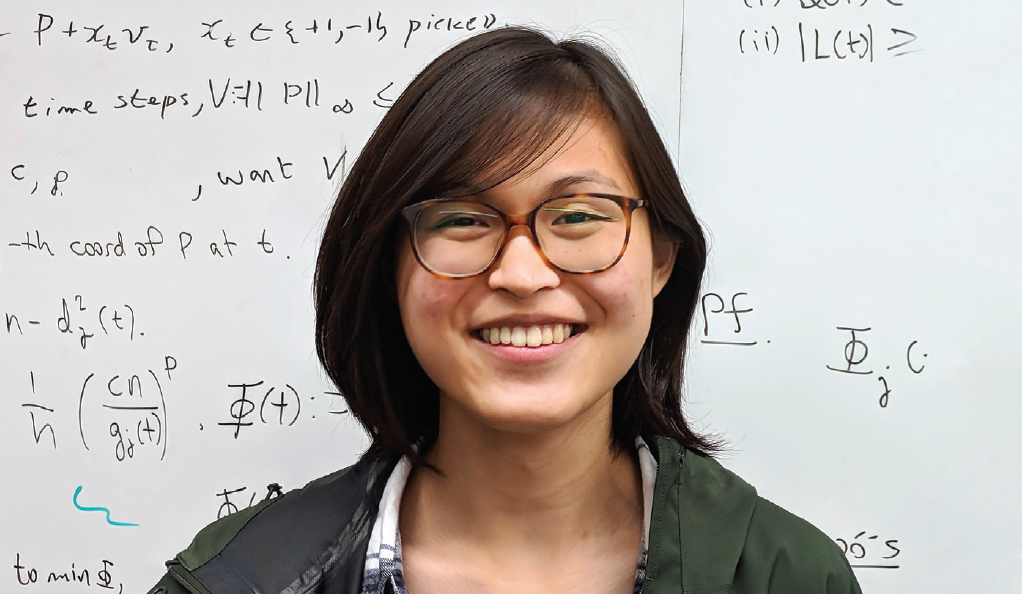
At just 18, Ewin Tang (now at UC Berkeley) developed a groundbreaking classical algorithm for recommendation systems (the "Netflix problem") that matched the performance of a leading quantum algorithm; challenging assumptions about quantum advantage and sparking the field of quantum-inspired classical algorithms.
Her recent work continues to bridge classical & quantum computing: dequantizing ML/linear algebra algorithms and advancing quantum machine learning on quantum data. In 2025, she became the youngest winner of the Maryam Mirzakhani New Frontiers Prize; a powerful inspiration for emerging young minds in STEM!
#VLSI2026 "JFS1 | Quantum Computing & Cryo-CMOS" Part 3
• JFS1.4 | Cryo-CMOS sub-1K 16nm FinFET DAC for Fast Two-Qubit Gates in Spin Qubits
https://t.co/niPrX7ihiO
The blueprint for utility-scale quantum computing using semiconductor spin-qubits just got much clearer. 🧵
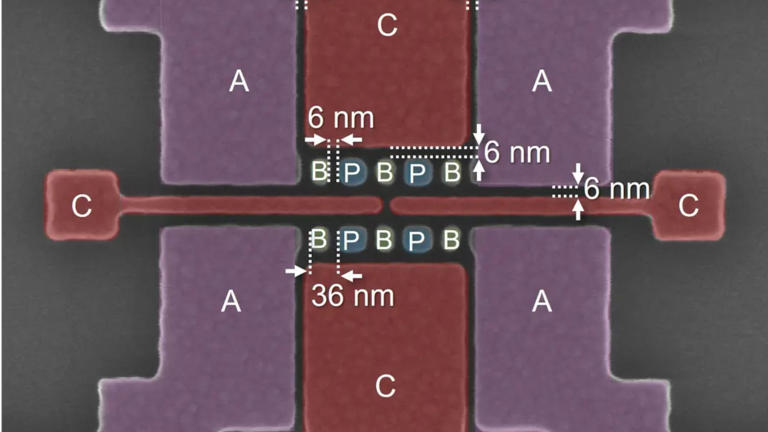
New research from Groove Quantum BV, QuTech, and Delft University demonstrates the simultaneous operation of an 18-qubit modular array in germanium. This is a massive leap toward large-scale, integrated quantum architectures.
New today from Qutech Delft (Rimbach-Russ, Greplova's QMAI group).
A design framework for engineering g-tensors in germanium hole-spin qubits, the silicon-foundry-compatible quantum platform.
This isn't a demo paper. It's a manufacturability paper. 🧵
#GrooveQuntum










![apexjjap's tweet photo. [Open access]
Effects of dissipation in reservoir computing using spin qubit array
2025 Jpn. J. Appl. Phys. 64 04SP08
https://t.co/HSxLszrsub
#JJAP
#Physics
#Openaccess
#spin
#qubit
#quantum
#reservoir
#Heisenberg
#dissipation https://t.co/z7WumQgjVl](https://pbs.twimg.com/media/HI5r6qlWoAAETg3.jpg)


![QuantumPapers's tweet photo. Syndrome resampling enhances quantum error correction thresholds
Luis Colmenarez, Áron Márton, Markus Müller
https://t.co/9b8r1F0e5w [𝚚𝚞𝚊𝚗𝚝-𝚙𝚑] https://t.co/XDjBxg5mia](https://pbs.twimg.com/media/HH2bhicW0AY9q7p.png)