If you're interested in understanding AI and where it's going then I highly recommend this book
Scholarly yet accessible
Many references to other great sources for deeper dives
Does come from a Christian perspective
Today, we remember a legend.
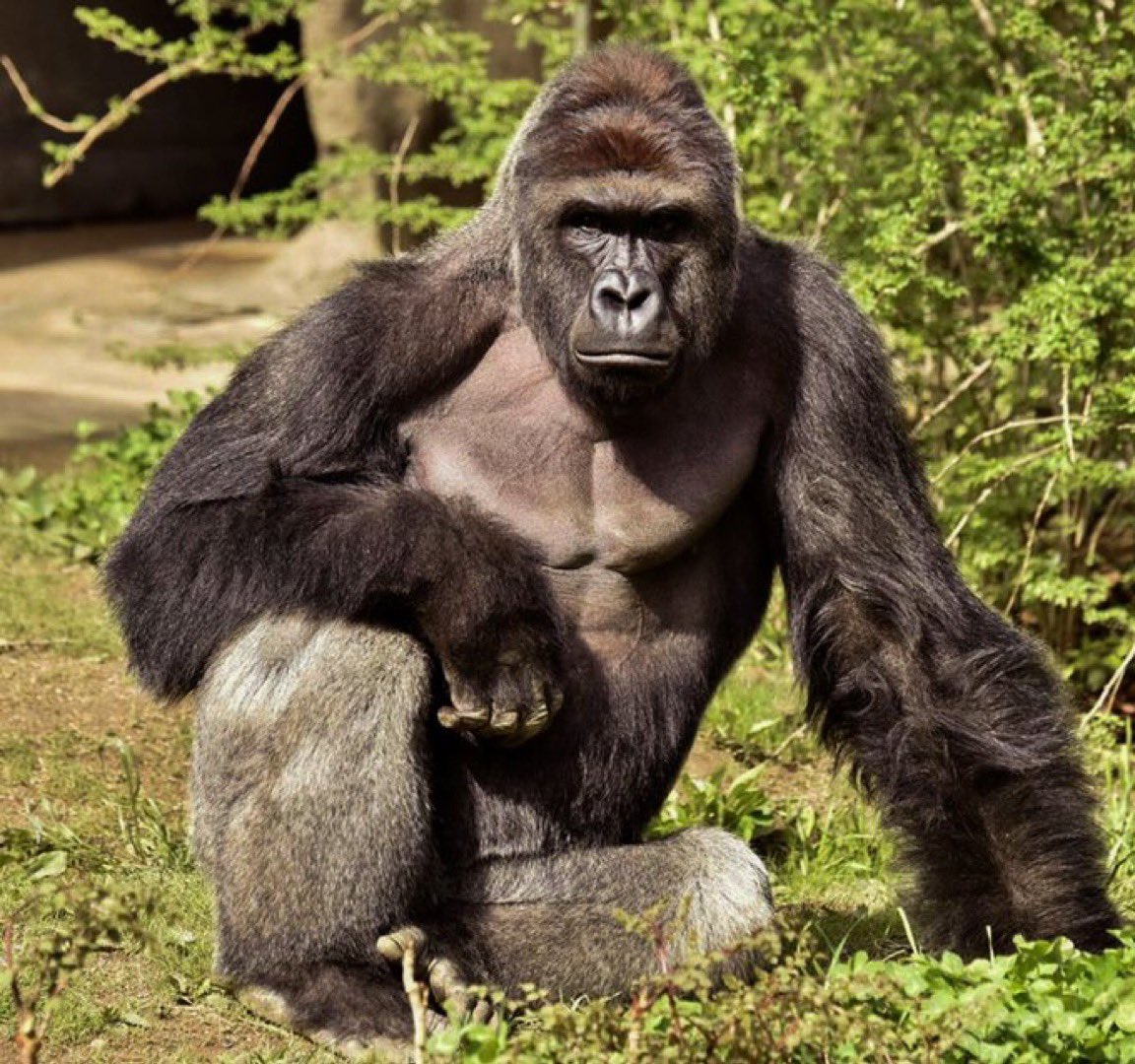
On this day in history, Harambe would have celebrated another birthday. An icon that became part of internet history, American culture, and an entire generation’s timeline.
Tomorrow marks 10 years since we lost him. Ten years since the moment the world stopped scrolling and collectively mourned something bigger than a meme.
He became a symbol of loyalty, strength, chaos, unity, and the strange beauty of the internet bringing millions of people together for one cause: never forgetting Harambe.
Everyone remembers where they were when they heard the news. And somehow, a decade later, his legacy still lives on.
Gone, but never forgotten.
Rest easy to a true patriot. 🕊️🇺🇸
May 27, 1999 — May 28, 2016
Forever in our hearts.
South Africans are not just victims of crime, they are being targeted by organised, professional networks. A new Special Report shows this crisis is not inevitable. It was built, step by step, and then allowed to grow.
Until South Africa understands where predatory crime came from, there will be no real pressure to fix it, and no accountability for those who failed to stop it.
Read the full analysis in The Common Sense.
#TheCommonSense #SouthAfrica #Crime #PredatoryCrime #Security
https://t.co/qdYgchnCyv
X needs a feature where I can manually set a time from when I want to see content
So if I misclick and get taken to the most recent page I can set the feed to start again from (x) amount of hours ago
@X@nikitabier
The people in charge don't want you to know this, but Muslims love Jesus.
Islam reveres Him as a major prophet and messenger of the Lord, believes He performed miracles, and states that He will return to Earth to defeat the Antichrist. That's why Donald Trump's painting depicting himself as the Son of God offended the president of Iran. It was an attack on his religion as well as Christianity.
Today's Morning Note newsletter covers Masoud Pezeshkian's condemnation of Trump's “desecration of Jesus,” the Iran War's gutting effects on America's housing market, Colombia's plan to murder Pablo Escobar's hippopotami, and more. Read below.
https://t.co/KrgZifc2ZM
🇿🇦 South Africa just made history.
The CSIR has cracked the code on producing the critical molecules needed for lab-grown meat — CSIR has scaled up production
We no longer need to import expensive starter chemicals from the US or Europe.
SA is now one of the few countries on Earth that can grow its own protein. 🥩🔬
Why Is It a Big Deal?
● It eliminates the need for large-scale animal slaughter.
● It uses significantly less land and water than traditional cattle farming.
Would you eat lab-grown Meat?
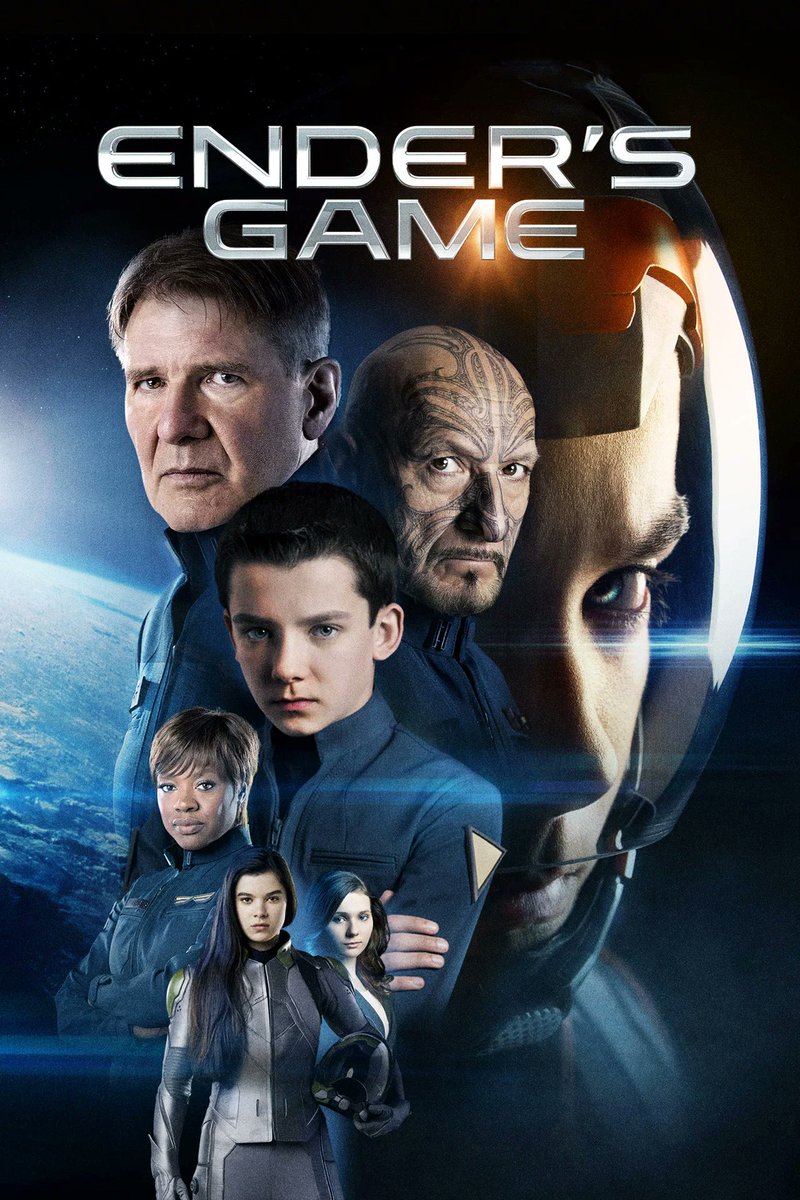
Ender's Game author Orson Scott Card on the problems with how religion is portrayed in current fantasy and science fiction:
"In our culture, intellectuals have become so uniformly a-religious or anti-religious that our fiction, with few exceptions, depicts religious people in only two ways: the followers are ignorant and stupid and easily fooled, and the leaders are exploitative and cynical, manipulating others' faith for their private benefit.
I know some people who fit those descriptions. But they are in a tiny minority. Most religious people I know are smart, well-educated, independent-minded, stubborn, honest, and generous -- at least as much so as the average intellectual, and usually more.
The hostility toward religion among American intellectuals arises, I think, from a clear awareness that it was against a publicly religious culture that their own culture rebelled. Now that rebellion is completely successful in terms of capturing control of all the public instruments of transmission of culture -- the universities, the media, and the literature and art -- but it has become such a shibboleth of intellectual life to snipe at religion that, like the aging "revolutionaries" of the old Soviet Union, they mindlessly continue to "rebel" in order to defend their tight grip on the establishment. Indeed, those intellectuals are the establishment. And what was once a daring and rebellious stance is now just another example of lockstep conformists mindlessly echoing ideas that they haven't examined.
That's when contemporary fiction mentions religion at all. Most of the time, in and out of speculative fiction, religion simply doesn't exist. Characters don't believe in God or even think about believing in God. Nobody talks about religion. Nobody belongs to any kind of church. Religion simply doesn't exist. ...
This is, I think, a serious lapse, a dishonesty in our contemporary literature. It is most seriously dishonest because in fact, even the supposedly a-religious intellectuals behave exactly as religious people always have. That is, the behavioral and cultural patterns that we have always associated with religions are indistinguishable, except by vocabulary, from the behavioral and cultural patterns of the a-religious intellectuals. They band together with fellow believers, feel sorry for or hostile toward unbelievers, immediately punish heretics -- intellectuals who, having once been accepted in the 'faith,' dare to question its premises -- anoint their priests and theologians (psychologists and therapists being their ministers, scientists and, more usually, science popularizers being their doctors of atheology), and insist on their absolute right to put forth their religious ideas with public funding and the authority of the state behind them, while doing their utmost to silence or marginalize the beliefs of others.
Most fiction has become, in short, an instrument of propaganda for the established religion of our time, which differs from other religions only in the particular content of the faith and the vocabulary used to describe it. Naturally, the true believers are sure that the real difference is that their beliefs are objectively true. But then, true believers have always believed that. This is not what distinguishes them from other established religions, but rather what makes them fundamentally identical to them.
The honest depicter of human life will include the religious aspect of that life. This is not to say that stories need to be about religion, any more than stories about our contemporary culture need to be about cars. But the cars need to be present, at least by implication, and if a character doesn't know how to drive, we'd need to know why."
Is this why Hollywood stopped adapting his books into films?