Order a bunch of items from @bandq@bandq_help. Suppsed ro be delivered early last week. No delivery. No communication. On the phone or 1 hour on hold trying to get this sorted. In case any one at the top is wondering why people go elsewhere. This will be the last time for me
Who do I message with my order number to get a refund? It’s been 24 hours and the New Malden store hasn’t bothered to reply or call me back as they said they would. I don’t want the order anymore, I just want a refund for the order and the ‘shipping’
@ParallelsCares So I renew my Parallels Desktop license. Pay the money and I get nothing from Parallels. Dashboard still says I need to renew. Terrible commerce service. How do I refund this?
New blog post by @AmanGokrani:
Everyone says Claude Code "just works" like magic.
He proxied its API calls to see what's happening.
The secret? It's riddled with <system-reminder> tags that never let it forget what it's doing.
(1/6)
[🔗 link in final post with system prompt]
𝐋𝐋𝐌𝐬: 𝐓𝐡𝐞 𝐃𝐞𝐚𝐝-𝐄𝐧𝐝 𝐏𝐚𝐫𝐚𝐝𝐢𝐠𝐦 — 𝐑𝐚𝐜𝐢𝐧𝐠 𝐅𝐮𝐥𝐥 𝐒𝐩𝐞𝐞𝐝 𝐈𝐧𝐭𝐨 𝐎𝐛𝐥𝐢𝐯𝐢𝐨𝐧.
We were told this tech would change everything, wipe out 100 million jobs, reinvent industries, redefine intelligence. Instead, we’ve built the world’s most expensive parrot and are now cheering it on as it sprints into a brick wall.
Is this really the technology we’re told would wipe out 100 million jobs or or just the most expensive hype cycle in tech history?
If the models can’t learn, adapt, or reason in real time, what exactly are we pouring billions into scaling?
When the paradigm itself is broken, why are we still racing to build more of it, faster?
If an AI collapses under real-world pressure, offering no reliability or accountability, who’s the end-user we’re actually serving?
Are we witnessing the future of AI or the peak of an industrial-grade illusion?
Are we trusting tech. bros because they’re right today, or because we’ve mistaken their past wins for inevitability?
Who’s cashing in (other than Nvidia) by keeping the public convinced that this is progress?
Is this real innovation or a high-burn holding pattern to avoid admitting the dead end?
How long can multi-trillion-dollar companies and multi-billion-dollar investment firms sell hallucinations as “intelligence” before the market calls the bluff?
We know this isn't a data problem or GPU problem or energy problem.
It's a 𝐂𝐨𝐠𝐧𝐢𝐭𝐢𝐨𝐧 problem.
And cognition won’t come from scaling the dead-end paradigm we have now.
It demands a new architecture. A new foundation. A new race, one worth winning. An architecture that allows:
1) 𝐂𝐨𝐧𝐭𝐢𝐧𝐮𝐨𝐮𝐬 𝐋𝐞𝐚𝐫𝐧𝐢𝐧𝐠
2) 𝐀𝐮𝐭𝐨𝐧𝐨𝐦𝐨𝐮𝐬 𝐀𝐝𝐚𝐩𝐭𝐢𝐧𝐠
3) 𝐑𝐞𝐚𝐥-𝐓𝐢𝐦𝐞 𝐒𝐞𝐥𝐟-𝐑𝐞𝐯𝐢𝐬𝐢𝐨𝐧 of its own model to cascade changes across its beliefs, behaviors and understanding.
No matter how many parlor tricks they unveil, benchmarks they beat, or gold medals they collect from passing exams, these core capabilities can’t be gamed.
That is 𝐂𝐨𝐠𝐧𝐢𝐭𝐢𝐯𝐞 𝐀𝐈.
𝐒𝐭𝐨𝐩 𝐬𝐜𝐚𝐥𝐢𝐧𝐠 𝐋𝐋𝐌𝐬. 𝐒𝐭𝐚𝐫𝐭 𝐛𝐮𝐢𝐥𝐝𝐢𝐧𝐠 𝐜𝐨𝐠𝐧𝐢𝐭𝐢𝐨𝐧.
𝐁𝐮𝐢𝐥𝐝 𝐂𝐨𝐠𝐧𝐢𝐭𝐢𝐯𝐞 𝐀𝐈 → 𝐔𝐧𝐥𝐨𝐜𝐤 𝐑𝐞𝐚𝐥 𝐈𝐧𝐭𝐞𝐥𝐥𝐢𝐠𝐞𝐧𝐜𝐞.
Scaling a flawed paradigm doesn’t turn it into something new, it just makes the flaws bigger, faster, and more expensive.
Light bulbs didn't come from scaling candles.
Computers didn't come from scaling typewriters.
The longer we race headlong into a dead-end paradigm, the harder the crash, taking not just the models, but the people, the capital, and the very future they were built to serve.
How to build a research department in 10 seconds.
Step 1: Open ChatGPT, Gemini, or Claude.
Step 2: Copy/paste this mega prompt.
That's it. You now have a world-class research team on demand.
Here's the prompt:
Pre-release!
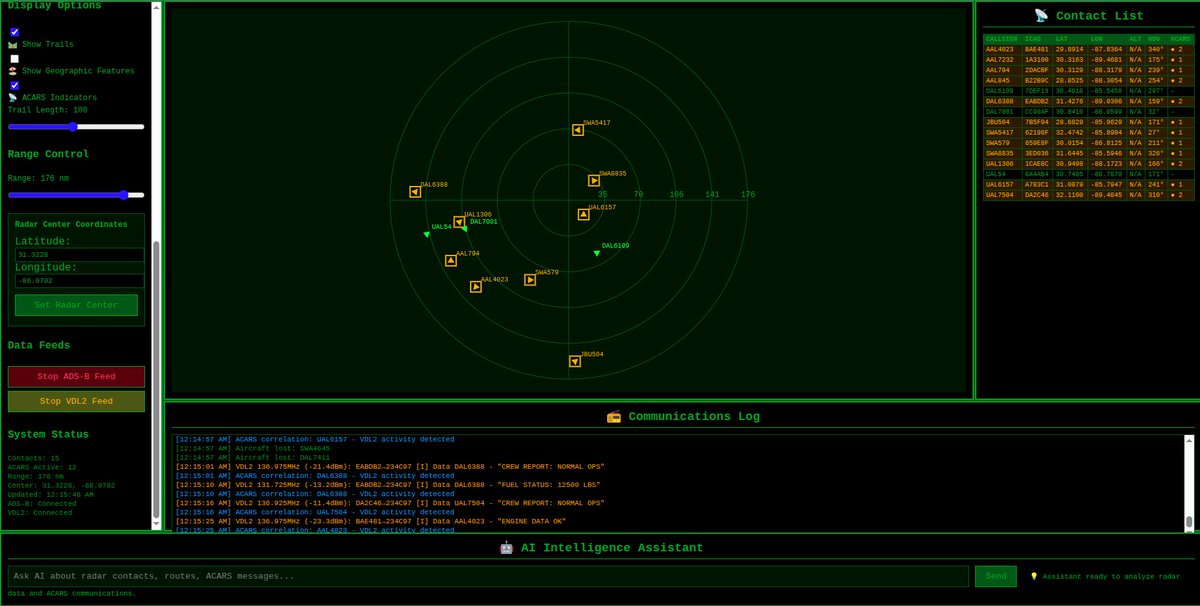
Airspace Visualizer is now on GitHub — ADS-B + VDL2 + AI assistant.
- LInux (Windows w/minor tweaks)
- Real-time aircraft display
- Semantic RAG + chat
- Geospatial overlays
- Built for local data feeds
🔗 https://t.co/tkkp0QC22m
Early, rough, and ready for you to tinker. ✈️
I’m a psychiatrist.
In 2025, I’ve seen 12 people hospitalized after losing touch with reality because of AI. Online, I’m seeing the same pattern.
Here’s what “AI psychosis” looks like, and why it’s spreading fast: 🧵
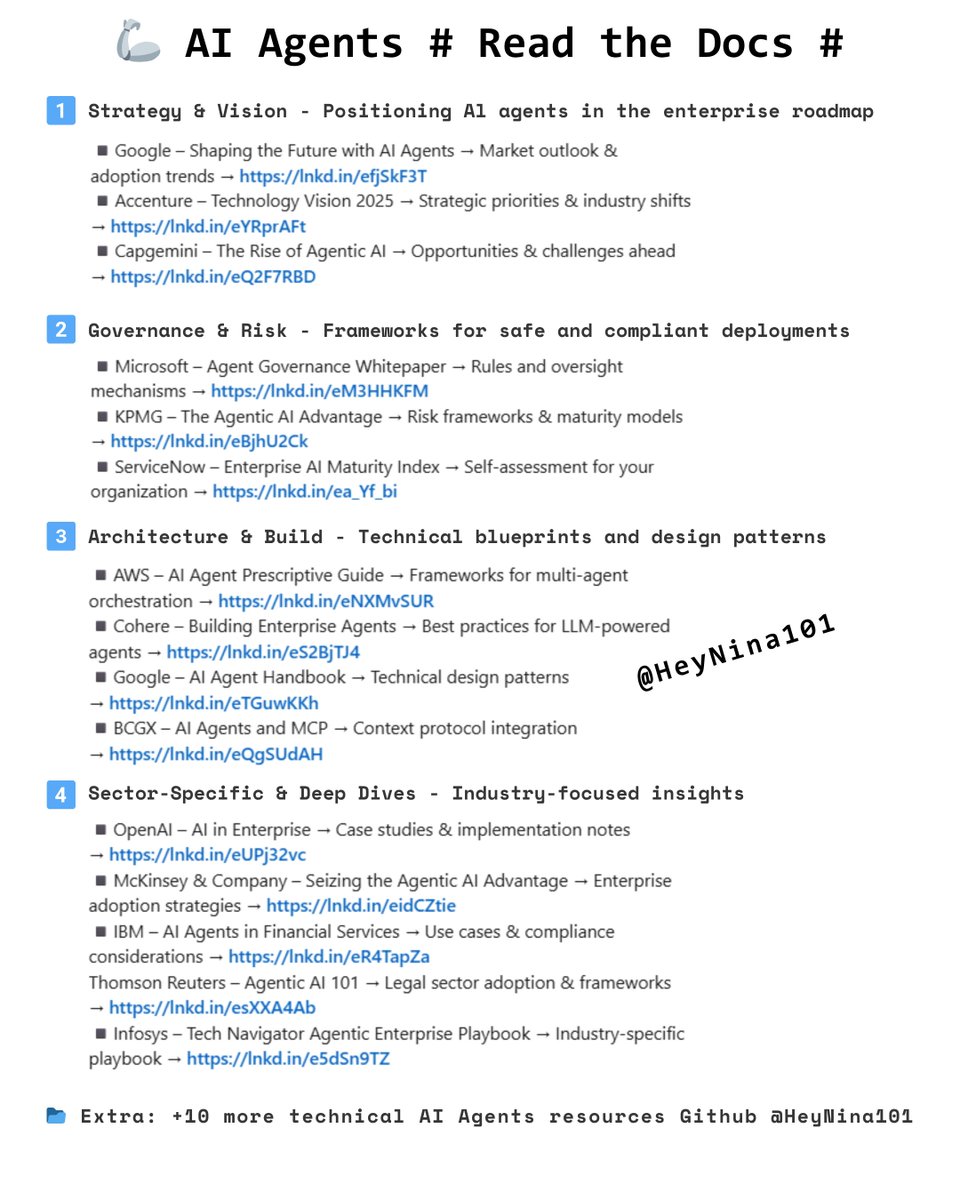
AI agents break for the same reason code breaks: no one reads the docs.
So here’s a shortcut: 15+ enterprise AI agent playbooks I keep bookmarked, organized into 4 categories so you can find exactly what you need without digging through 500+ pages.
𝟭. 𝗦𝘁𝗿𝗮𝘁𝗲𝗴𝘆 & 𝗩𝗶𝘀𝗶𝗼𝗻 – 𝗣𝗼𝘀𝗶𝘁𝗶𝗼𝗻𝗶𝗻𝗴 𝗔𝗜 𝗮𝗴𝗲𝗻𝘁𝘀 𝗶𝗻 𝘁𝗵𝗲 𝗲𝗻𝘁𝗲𝗿𝗽𝗿𝗶𝘀𝗲 𝗿𝗼𝗮𝗱𝗺𝗮𝗽
◾Google – Shaping the Future with AI Agents → Market outlook & adoption trends → https://t.co/65T1ZdJNFP
◾Accenture – Technology Vision 2025 → Strategic priorities & industry shifts → https://t.co/jd4aCDLz9o
◾Capgemini – The Rise of Agentic AI → Opportunities & challenges ahead → https://t.co/7mC8W4bg8g
𝟮. 𝗚𝗼𝘃𝗲𝗿𝗻𝗮𝗻𝗰𝗲 & 𝗥𝗶𝘀𝗸 – 𝗙𝗿𝗮𝗺𝗲𝘄𝗼𝗿𝗸𝘀 𝗳𝗼𝗿 𝘀𝗮𝗳𝗲 𝗮𝗻𝗱 𝗰𝗼𝗺𝗽𝗹𝗶𝗮𝗻𝘁 𝗱𝗲𝗽𝗹𝗼𝘆𝗺𝗲𝗻𝘁𝘀
◾Microsoft – Agent Governance Whitepaper → Rules and oversight mechanisms → https://t.co/T7fgmyoTMJ
◾KPMG – The Agentic AI Advantage → Risk frameworks & maturity models → https://t.co/RwNEonFJYE
◾ServiceNow – Enterprise AI Maturity Index → Self-assessment for your organization → https://t.co/N61fXdaiFu
𝟯. 𝗔𝗿𝗰𝗵𝗶𝘁𝗲𝗰𝘁𝘂𝗿𝗲 & 𝗕𝘂𝗶𝗹𝗱 – 𝗧𝗲𝗰𝗵𝗻𝗶𝗰𝗮𝗹 𝗯𝗹𝘂𝗲𝗽𝗿𝗶𝗻𝘁𝘀 𝗮𝗻𝗱 𝗱𝗲𝘀𝗶𝗴𝗻 𝗽𝗮𝘁𝘁𝗲𝗿𝗻𝘀
◾AWS – AI Agent Prescriptive Guide → Frameworks for multi-agent orchestration → https://t.co/8tcA00q5IZ
◾Cohere – Building Enterprise Agents → Best practices for LLM-powered agents → https://t.co/rfJiQKwhwq
◾Google – AI Agent Handbook → Technical design patterns → https://t.co/7cvvBOKr7L
◾BCGX – AI Agents and MCP → Context protocol integration → https://t.co/5WtyeAuxXO
𝟰. 𝗦𝗲𝗰𝘁𝗼𝗿-𝗦𝗽𝗲𝗰𝗶𝗳𝗶𝗰 & 𝗗𝗲𝗲𝗽 𝗗𝗶𝘃𝗲𝘀 – 𝗜𝗻𝗱𝘂𝘀𝘁𝗿𝘆-𝗳𝗼𝗰𝘂𝘀𝗲𝗱 𝗶𝗻𝘀𝗶𝗴𝗵𝘁𝘀
◾OpenAI – AI in Enterprise → Case studies & implementation notes → https://t.co/55TFPxt0dC
◾McKinsey & Company – Seizing the Agentic AI Advantage → Enterprise adoption strategies → https://t.co/wt1LPc6gv9
◾IBM – AI Agents in Financial Services → Use cases & compliance considerations → https://t.co/NCUakkrh21
Thomson Reuters – Agentic AI 101 → Legal sector adoption & frameworks → https://t.co/6M2K1a1eM7
◾Infosys – Tech Navigator Agentic Enterprise Playbook → Industry-specific playbook → https://t.co/667JiZMXcF
📂 Extra: +10 more technical resources I keep in my own AI agent toolkit Github → https://t.co/P8elkd6ezg
If you work on AI agents and care about robust architecture over hype, you’ll probably want to keep this list close.
#aiagents
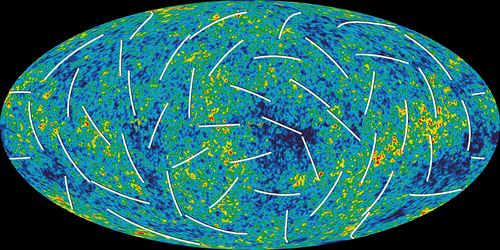
I’ve spent years searching for evidence that the universe might have a preferred direction—something that would shake the foundations of cosmology.
Our new paper just dropped in Physical Review D. It’s about a strange twist in the cosmic microwave background: anisotropic birefringence.
Apple just dropped a killer open-source visualization tool for embeddings — Embedding Atlas — and it’s surprisingly powerful for anyone working with large text+metadata datasets.
This reminds me of Nomic's Atlas, but I never got around to using it 😅
We’re talking real-time search, multi-million point rendering, and automatic clustering with labels.
One of their showcase examples visualizes ~200K wine reviews using embeddings + metadata like price, country, and tasting notes. And it is lightning fast even on my browser! No separate code needed!
It nails what most LLM devs need but often hack together:
✅ UMAP projections
✅ Faceted search across metadata (e.g. “country vs. price”)
✅ Hover + tooltip on raw points
✅ Interactive filters, histograms, and cluster overlays
✅ Cross-linked scatterplot + table views
Under the hood:
• Fast rendering using WebGPU (with WebGL fallback)
• Embedding-based semantic similarity search
• Kernel density contours for spotting clusters or outliers
You just upload your .jsonl or .csv with text + vector + metadata. It handles the rest: clustering, labeling, UI layout, everything.
This feels like the LLM-native version of Tableau — but optimized for text, chat and modern data needs
If you’re building RAG evals, search tuning, clustering explainability, or even dataset audits — this could be your new favorite tool.
curious about the training data of OpenAI's new gpt-oss models? i was too.
so i generated 10M examples from gpt-oss-20b, ran some analysis, and the results were... pretty bizarre
time for a deep dive 🧵
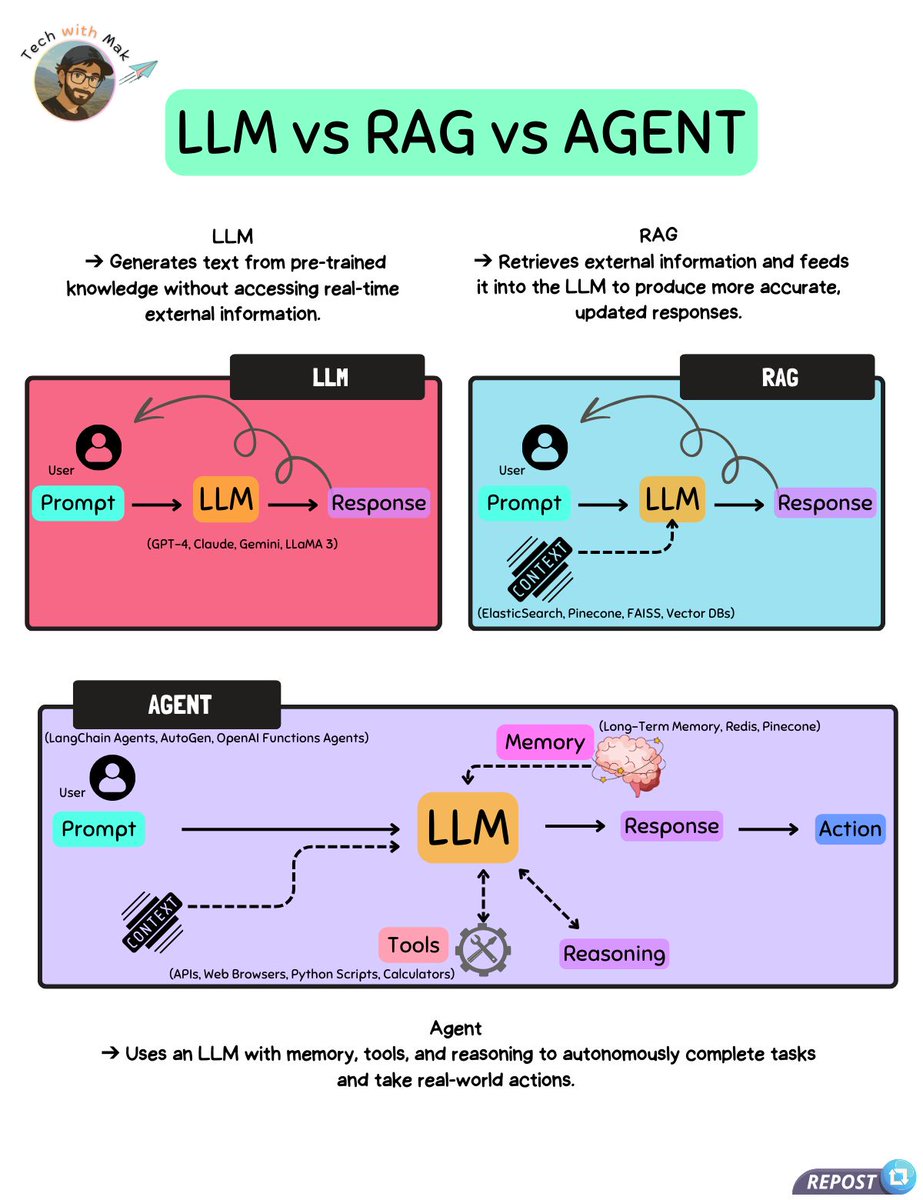
LLM = Smart, but works only with what it was trained on. Its knowledge is fixed after training, and when it lacks relevant information, it may generate plausible-sounding but incorrect answers (“hallucinations”).
RAG = Smart + can “look things up” in real time. It retrieves specific, relevant information from an external source and combines it with the LLM’s reasoning to give more accurate, up-to-date answers. Still, if retrieval is poor or ignored, hallucinations can happen.
Agent = Smart + can “decide what to do next” to reach a goal. It reasons through problems, chooses and uses the right tools (like web search or APIs), and can optionally maintain memory of its steps. This enables it to handle complex tasks that require multiple actions.
Main Docker Container Commands (Cheat Sheet) 🔽
Running containers, attaching to them, and executing commands in containers are the key container management operations. Tried my best to explain them visually on a single diagram.
If you are interested in drone detection techniques, check this 38-page paper on RF-tech for spotting, classifying & tracking drones using radar and comms.
Link in the comment.


![vitransformer's tweet photo. New blog post by @AmanGokrani:
Everyone says Claude Code "just works" like magic.
He proxied its API calls to see what's happening.
The secret? It's riddled with <system-reminder> tags that never let it forget what it's doing.
(1/6)
[🔗 link in final post with system prompt] https://t.co/Ne3X4DivzS](https://pbs.twimg.com/media/Gyyxk3hawAEa5cv.jpg)