In June edition of The Oldie magazine @OldieMagazine – my untold story of Philip Larkin turned down in the war as a code breaker at Bletchley Park and eighty years sadly still not welcomed there designated as off brand @PLSoc@philipcpullen@bletchleypark #Larkin
New blog! Using the example of flexible working and recent research on its application (or lack of), @duncanbHR argues that HR functions are overly focused on policy drafting and procedural niceties – and often failing to deliver into practice. Read more: https://t.co/1hHHeLUwfI
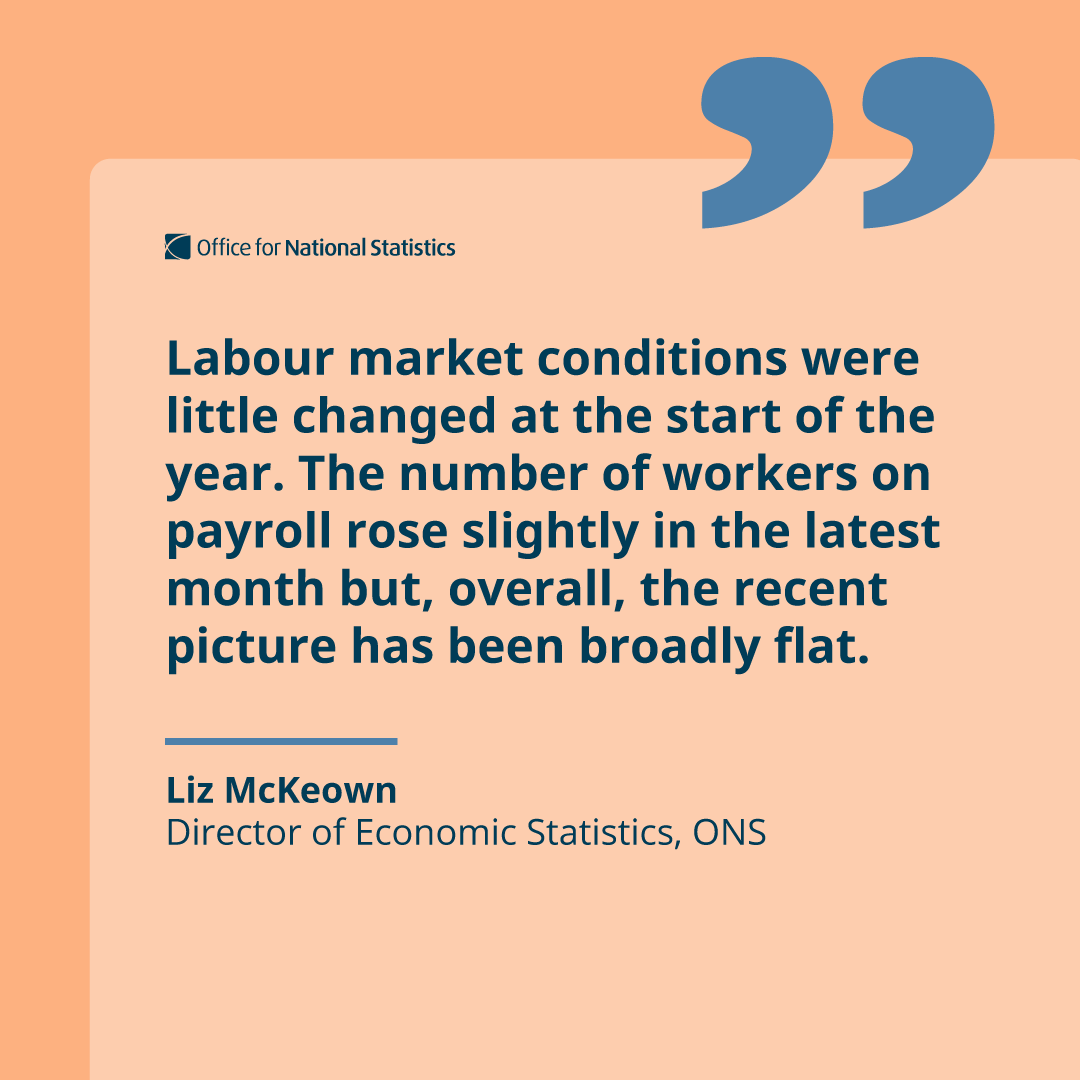
We’ve published the latest labour market figures.
Commenting on today’s figures, ONS Director of Economic Statistics Liz McKeown said: (quote 1 of 3)
Read the latest Labour market overview ➡️
https://t.co/oG3IcYgFwT
BLOG: This month the Mayor published a progress report on the Age-Friendly London Action Plan. Tim Whitaker, a Trustee of fellow London Age Friendly Forum member, Wise Age, has written this blog on the progress report and what it does and doesn’t tell us https://t.co/bB3Yedmwyh
Tickets for our Christmas Concerts 13th Dec selling fast! Book now as these hot Streatham tickets are likely to sell out-mulled wine, mince pies, & children under 12 go FREE to our 3pm matinee.
So excited- Tonight’s the night! Our 8 Nov Carmina Burana Concert at St Peter’s is sold out - book now for the very popular Christmas concerts on 13th December!
🧵To clearly understand how damaging winter fuel has been for the Government - this chart looks at key policies or political events so far by cut through and positivity. Winter Fuel has by far the highest cut through of any policy, and the highest negativity.
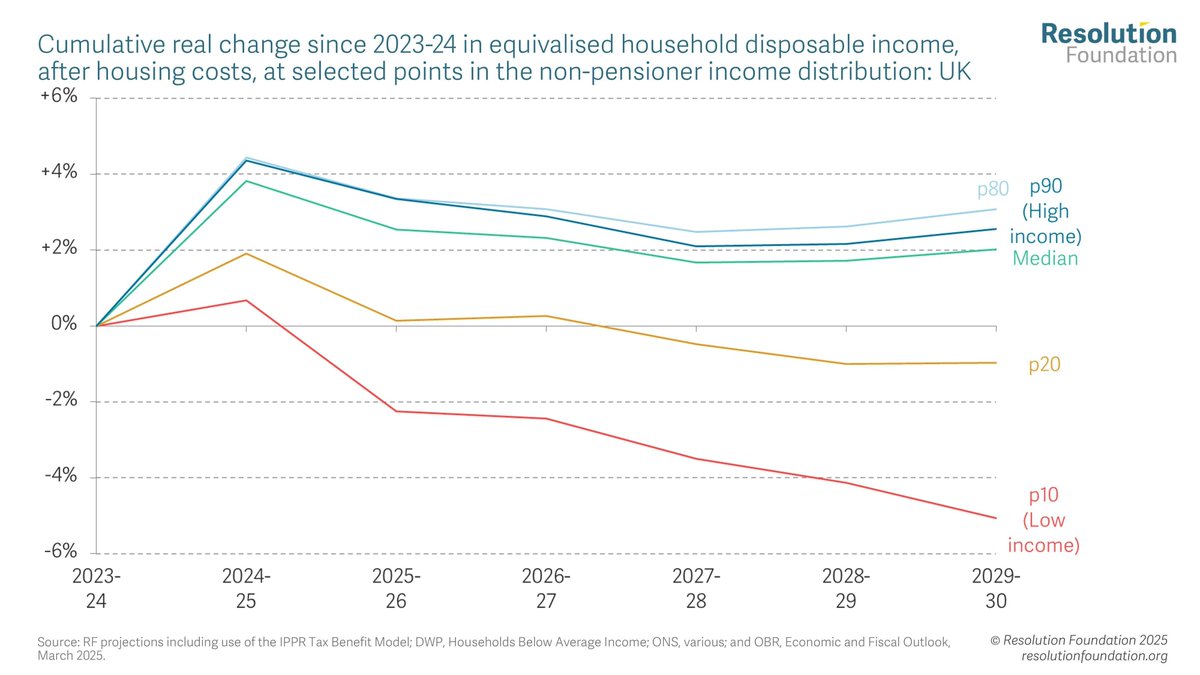
🚨 New Spring Statement analysis out now! 📣
Lower-income households are projected to be worse off by the end of this Parliament.
Full report available here ⤵️ https://t.co/UlRl2STuTx
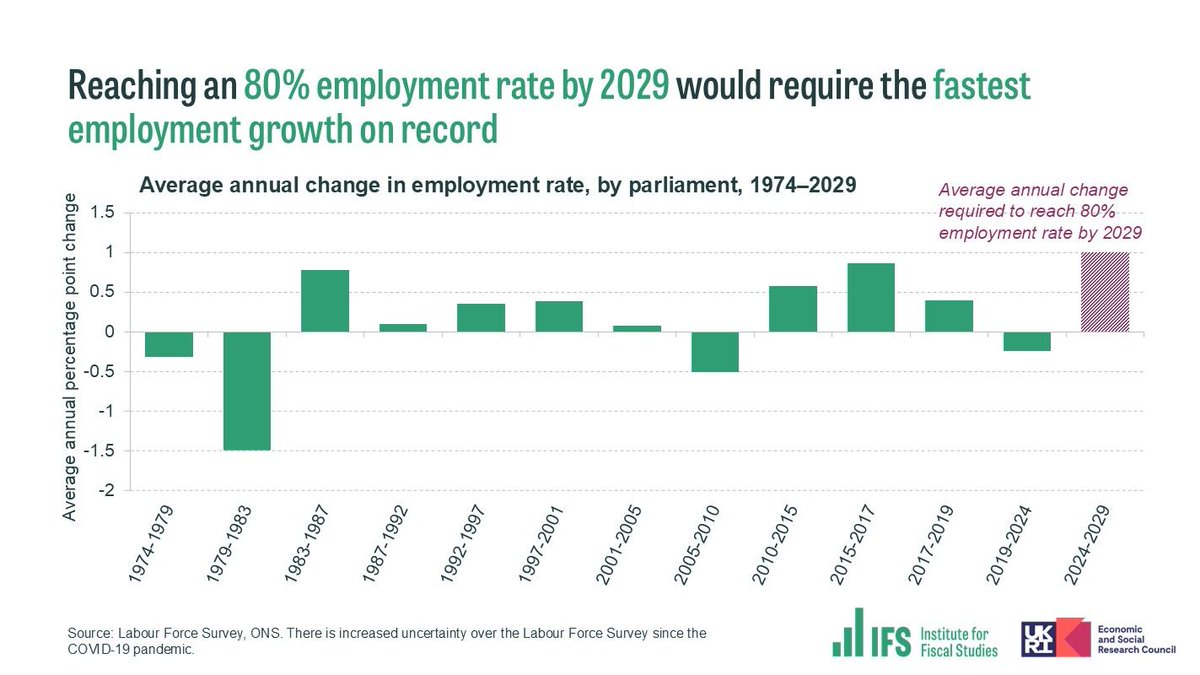
📊 #IFSSatStat: The government would need to move 2.1 million people into work to hit their employment rate target of 80%.
To achieve this by 2029 would require the fastest employment growth on record.
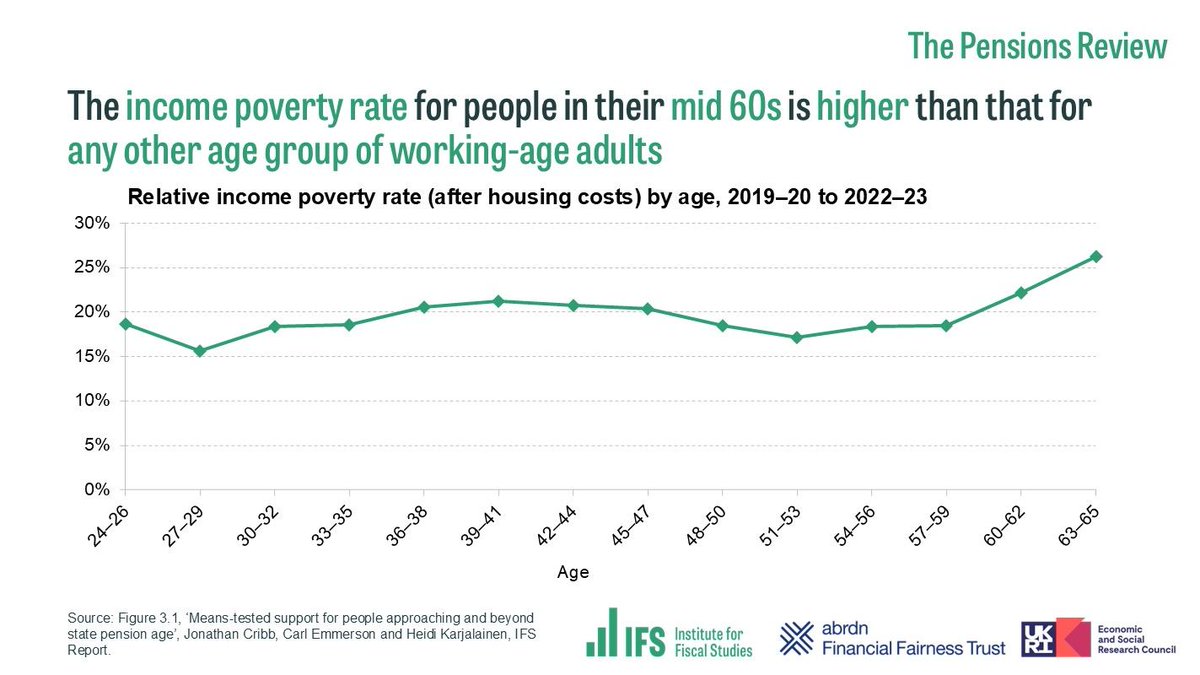
📊#IFSSatStat: Income poverty rates among people just below the state pension age (aged 63–65) are higher than for any other age group of adults.
Read our Pensions Review report with @finan_fairness on mitigating the effects of a higher state pension age: https://t.co/B4BD7sp53y
Comment from our Director, @BRHarrison_ , on the Government's Get Britain Working White Paper ⬇️
“The Government’s ambition to support more individuals to return to the labour market has a welcome focus on young people and those with long-term health conditions. (1/10)
Four aspects of job quality appear particularly important for our health and wellbeing - as reported in new research for the Commission for #HealthierWorkingLives, supported by @HealthFdn. Read the full report here: https://t.co/e7QGoIR0fg
Thank you to @LondonAssembly for passing a motion calling on the Mayor to ensure his Age-friendly Action Plan, is delivered in full & monitored for its effectiveness. Thank you to @CarolineRussell & @HinaBokhariLD for proposing and seconding the motion. 🧵(1 of 2)
The new DWP report shows that the 50 to 64-year-old age group makes up over 40% of the working-age disabled population, whilst the 18 to 24-year-old age group makes up just over 10% of the working-age disabled population.
@Emilyishness, Deputy Director for Work at the Centre for Ageing Better, said: “While it is positive news that the number of Disabled people in employment is growing, it is a significant concern that there is a greater increase in the number of Disabled people who are becoming economically inactive.
“As this DWP report, and our own research, makes clear this impacts older workers in particular, with the 50 to 64-year-old age group making up over 40% of the working-age Disabled population. Our own research shows older people with a long-term health condition are more likely to be out-of-work than their younger peers.
“The DWP research shows there is a real appetite for this group to be in work and they are more likely to want to be in work than non-disabled economically inactive people, with over one in five (20.6%) of Disabled economically inactive people wanting a job as compared to just under one in six (14.4%) of non-disabled economically inactive people.
Read the report here: https://t.co/lVKWxuhXlG