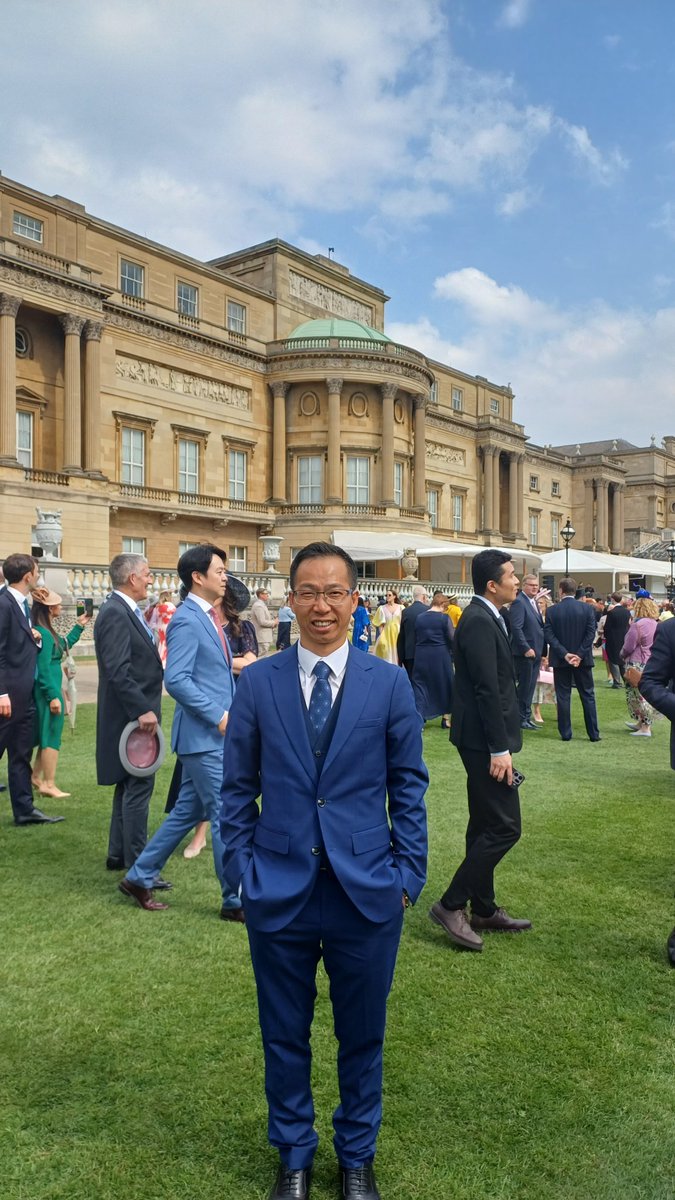
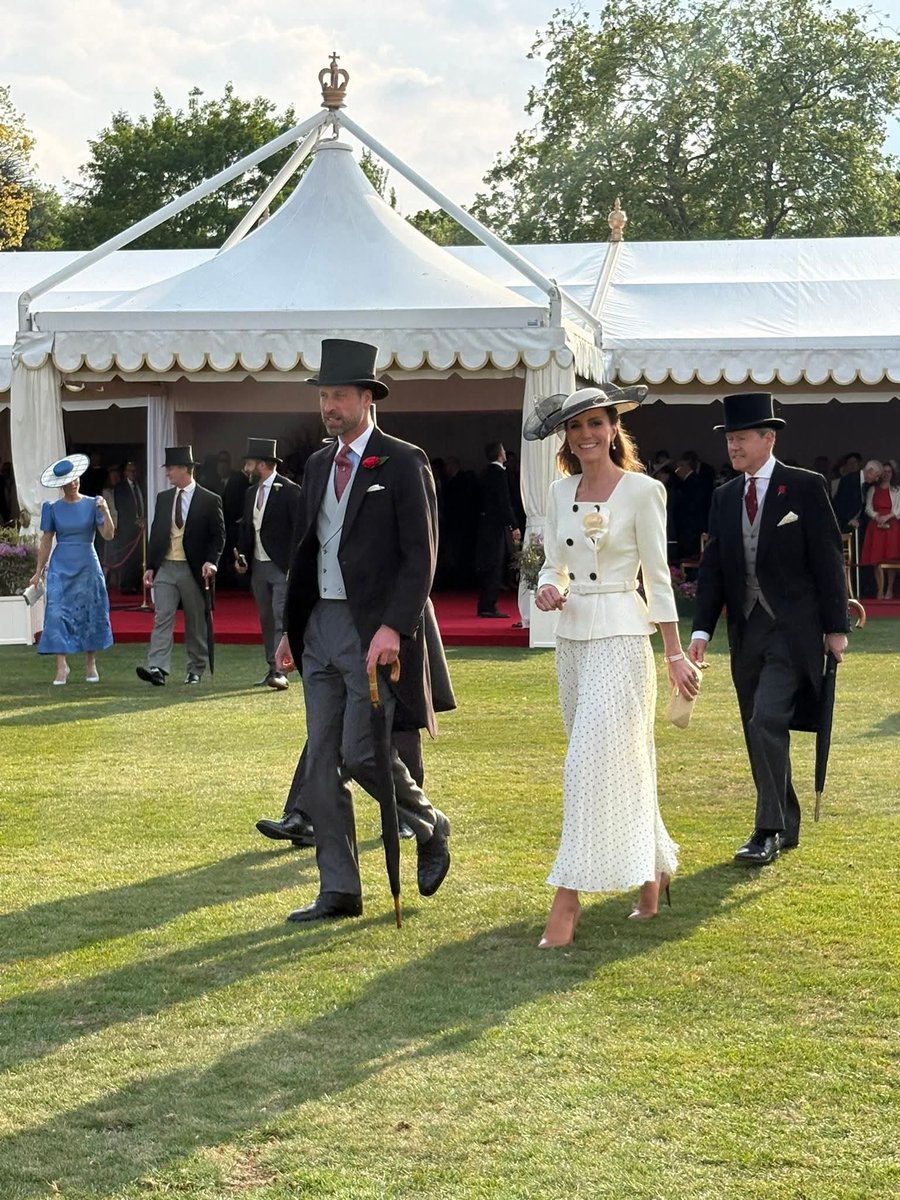
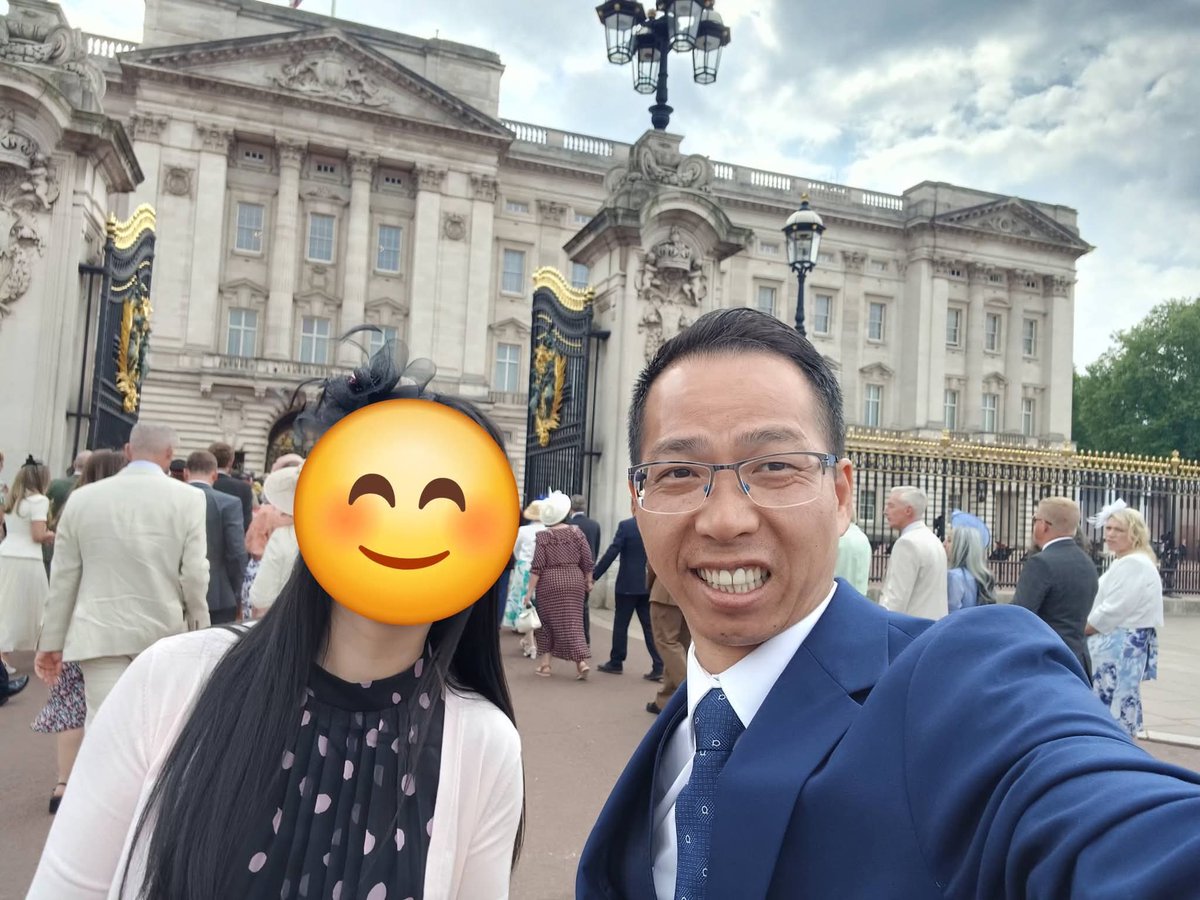
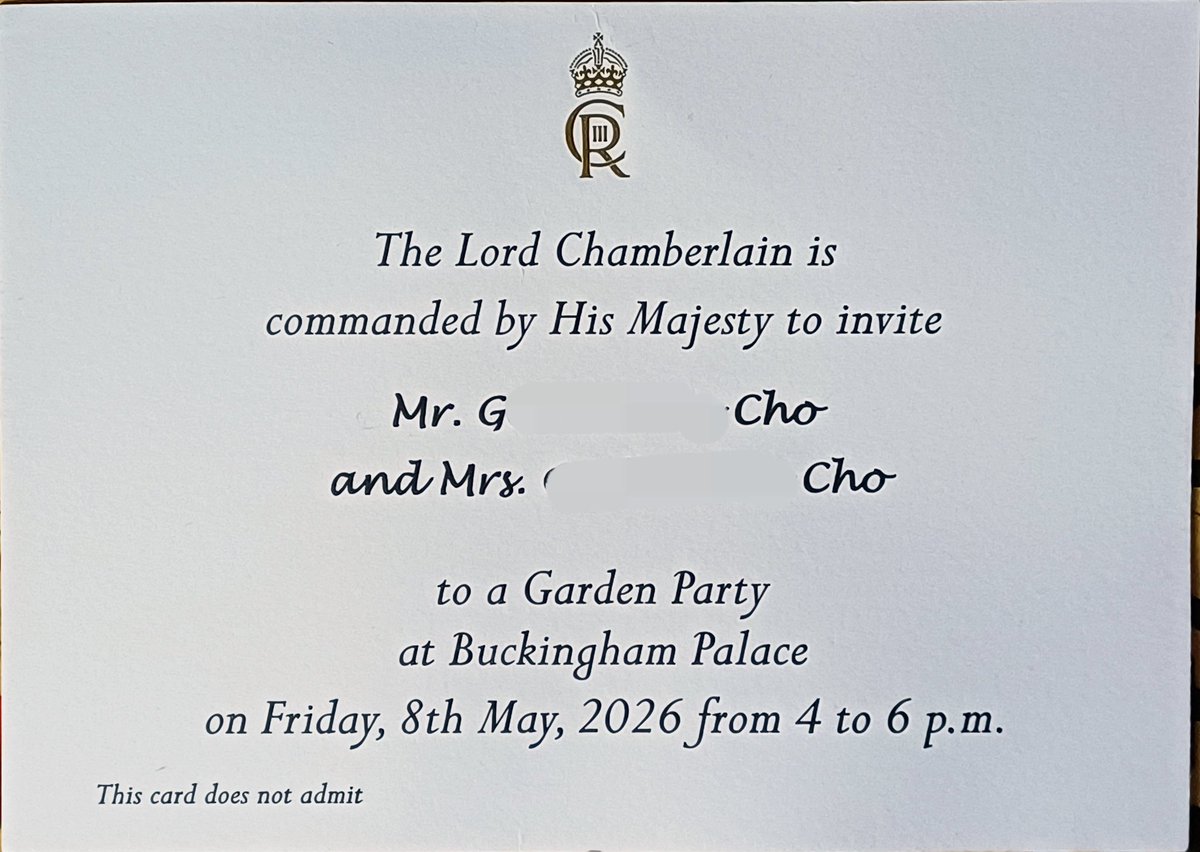
My wife and I had the privilege of attending the Buckingham Palace Garden Party, having been invited by @RoyalFamily. Great to see The Prince and Princess of Wales, The Duke and Duchess of Edinburgh & Zara Tindall. Honour to be among many remarkable people serving our nation🇬🇧🙏
Good Irish leaders need to call out disingenuous slogans claiming Ireland supports and stands with Ukraine while simultaneously exporting 80% of its aluminum production to Putin’s Russia - enabling the Kremlin to sustain a military machine which illegally seizes sovereign territory, abducts children, murders Ukrainian civilians and threatens Europe’s democracies. My Irish mother taught me that you should always stand up to aggressors and that Ar scáth a chéile a mhaireann na daoine - “it is in the shelter of eachother’s lives that the people live.” An old truth and good advice. @Independent_ie@NualaLoan@RonanMullen@declanganley@CaolanReports@caoilfhionnanna
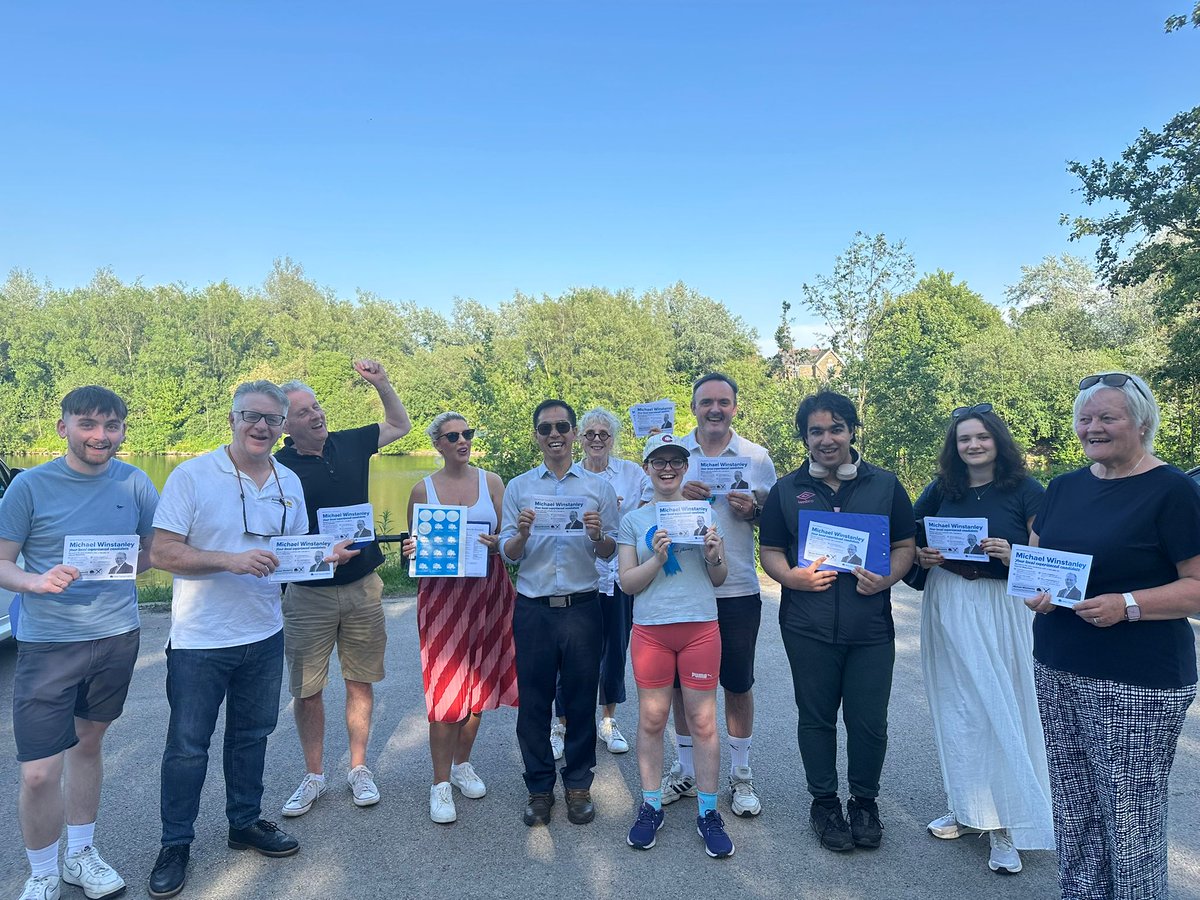
Knocking on doors in the #Makerfield by-election yesterday - great to be out supporting the wonderful @Conservatives Candidate Michael Winstanley @Winstamike. Beautiful weather for it🌞
Human Rights Concern - Eritrea (HRCE) https://t.co/gLbsfAY7Yv ask 33 Years After Independence: What Has Changed in Eritrea? @JennyChapman@YvetteCooperMP
As Eritrea marked its 33rd Independence Day on 24 May 2026, Eritreans around the world continue to ask a painful question:
What has truly changed for the people of Eritrea?
Eritrea achieved independence after a 30-year liberation struggle against Ethiopian occupation. Thousands sacrificed their lives in the hope of building a democratic, peaceful, and prosperous nation founded on dignity, equality, and the rule of law.
However, more than three decades later, the fundamental aspirations of the Eritrean people remain unfulfilled.
While Eritrea is politically independent as a state, the Eritrean people continue to be denied basic freedoms and human rights.
Eritrea still has:
• no implemented constitution,
• no national elections,
• no functioning parliament,
• no independent judiciary,
• no independent media,
• no independent civil society,
• and no democratic institutions.
No independent human rights organisations are allowed to operate inside Eritrea, and international human rights monitors are denied access to the country. The absence of transparency and accountability has contributed to a climate of fear, repression, and impunity.
The country has become one of the most repressive states in the world.
One of the clearest examples of national decline is the destruction of education. Eritrea’s only university, 'Asmara University' was effectively closed in 2006. In the 21st century, an entire country has been left without a proper university system capable of producing independent professionals, researchers, scientists, academics, and specialists.
What future can a country have when its youth are denied higher education and intellectual freedom?
The healthcare situation is equally alarming. Eritrea lacks adequate specialist medical care and essential medical infrastructure. Those with financial means travel abroad for treatment, while many others suffer and die silently without access to proper healthcare.
At the same time, Eritreans continue to endure widespread violations of fundamental human rights, including:
• arbitrary detention,
• enforced disappearances,
• religious persecution,
• torture,
• severe restrictions on freedom of expression,
• and collective punishment of families.
Indefinite national service remains one of the gravest injustices in Eritrea today. What was originally introduced as limited national service for 18 months has evolved into a system of indefinite forced labour and modern-day slavery.
Many Eritreans conscripted during the first rounds of national service in 1994 have now spent approximately 32 years in indefinite national service without demobilisation, remaining under state control and unable to freely choose their profession, education, movement, or future.
Generations of Eritrean youth have been deprived of their freedom, opportunities, and dignity.
As a result, Eritrea continues to experience one of the world’s largest refugee crises relative to its population size. Thousands continue to flee repression, indefinite conscription, poverty, and hopelessness, risking their lives crossing deserts and seas in search of safety, dignity, and freedom.
Independence was meant to bring freedom, justice, dignity, and hope. Yet for many Eritreans today, fear, silence, repression, and indefinite control continue to define daily life.
On this Independence Day, we honour the sacrifices made for Eritrea’s liberation. But true independence cannot exist without freedom, justice, human dignity, accountable governance, and respect for fundamental human rights.
The Eritrean people deserve:
• constitutional governance,
• democratic participation,
• constitutional governance,
• democratic participation,
• independent institutions,
• freedom of expression,
• access to education and healthcare,
• an end to indefinite national service,
• and the right to live in dignity and freedom in their own country.
The struggle for freedom and justice in Eritrea is not over. True independence will only be achieved when Eritrean citizens can live in dignity, freedom, and peace under a system that respects human rights, democratic governance, and the rule of law.
We therefore call upon the international community, governments, the United Nations, the European Union, the African Union, human rights organisations, and all defenders of human dignity to stand in solidarity with the Eritrean people and support their legitimate aspirations for freedom, justice, accountability, and democratic change.
---
A beautiful Whitsun reflection- Malcolm Guite’s sonnet “Pentecost”
“This is the feast of fire,air, and water
Poured out and breathed and kindled into earth.
The earth herself awakens to her maker
And is translated out of death to birth.
The right words come today in their right order
And every word spells freedom and release
Today the gospel crosses every border
All tongues are loosened by the Prince of Peace
Today the lost are found in His translation.
Whose mother-tongue is Love, in every nation.”
In full: https://t.co/K4DErof7C2
Post about Deadly Quartet speech in @UKHouseofLords from Parliament News https://t.co/fPAhyQOOeG “Top human rights expert and peer challenges Government to do more on the “deadly quartet”
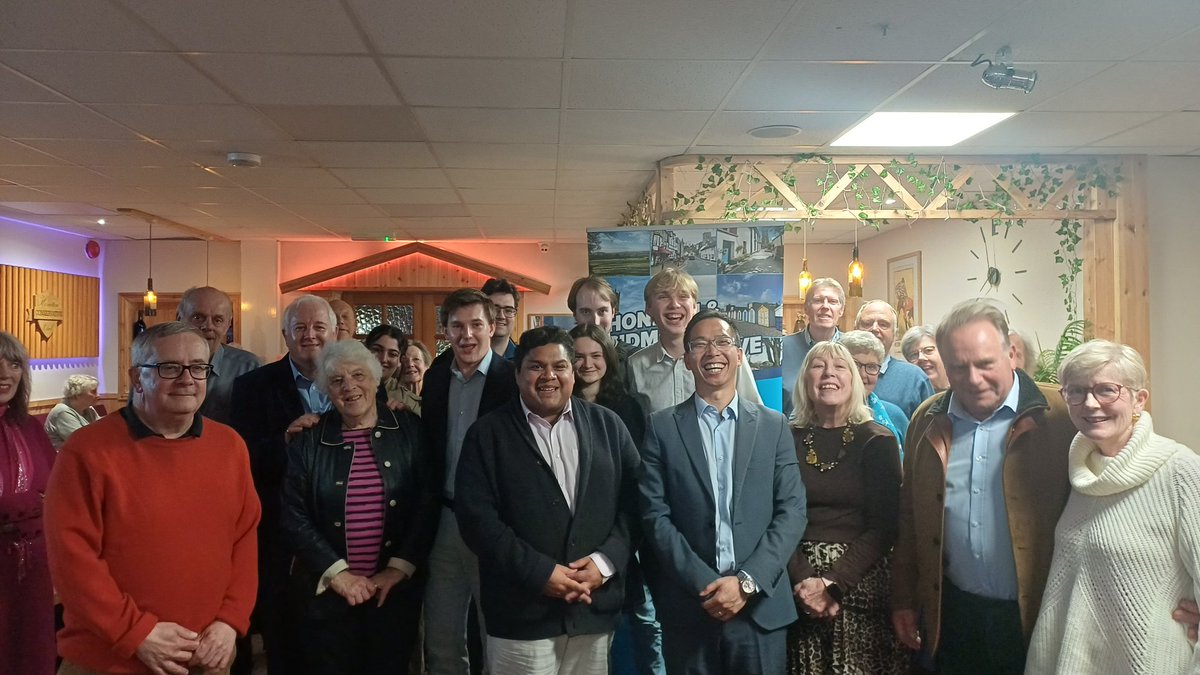
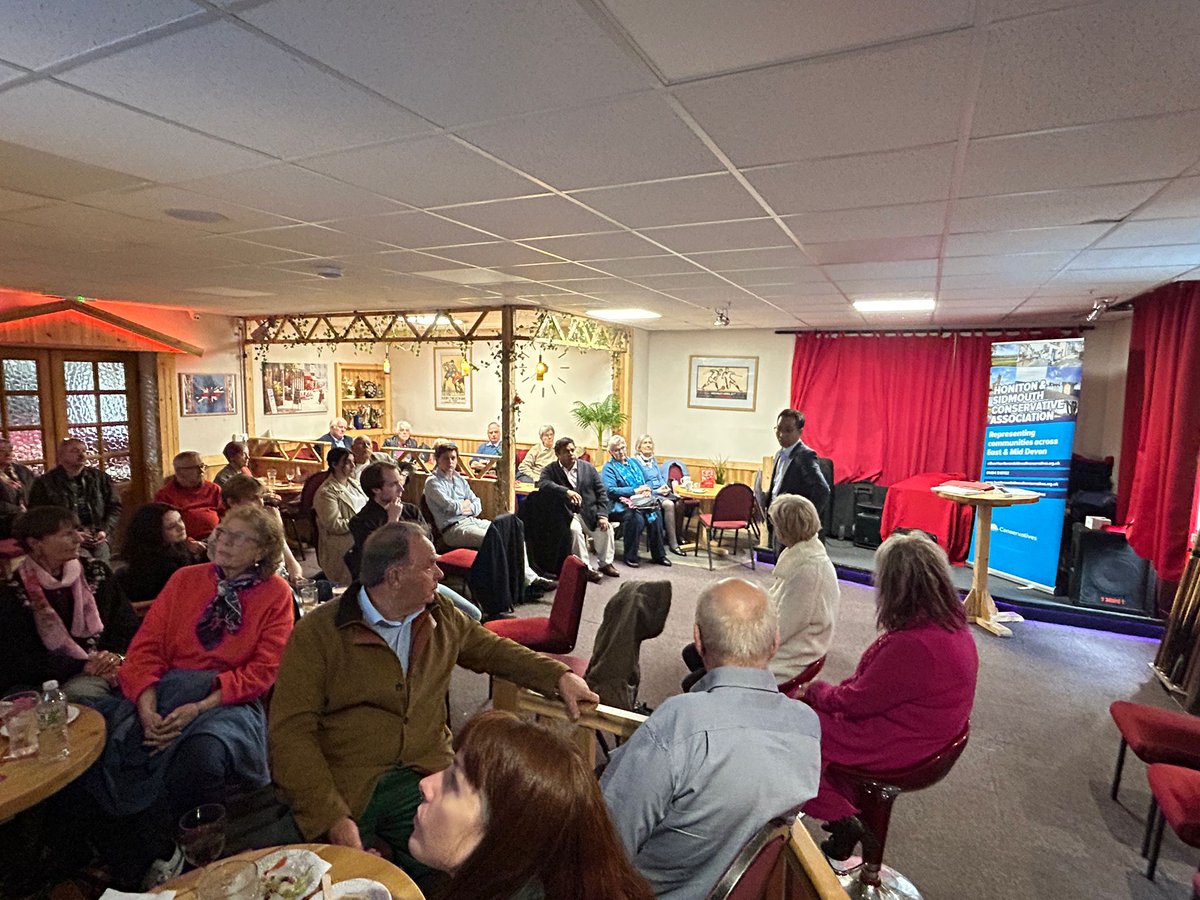
Grateful for the invitation to speak at the Honiton & Sidmouth Conservative Association in #Devon, where I was warmly received. Also enjoyed visiting Neil Parish’s (former MP for Tiverton & Honiton) farm and meeting many cows, who were very friendly😊
9 years on from 22 May 2017, today we remember the victims of the Manchester Arena bombing and hold their loved ones in our thoughts.
#ManchesterRemembers
What a privilege to have dinner this evening with one of the highest-level North Korean defectors, former Deputy Ambassador to the UK Thae Yong-Ho, who went on to be elected to the South Korean Parliament, and his wife Hye Seon Oh.
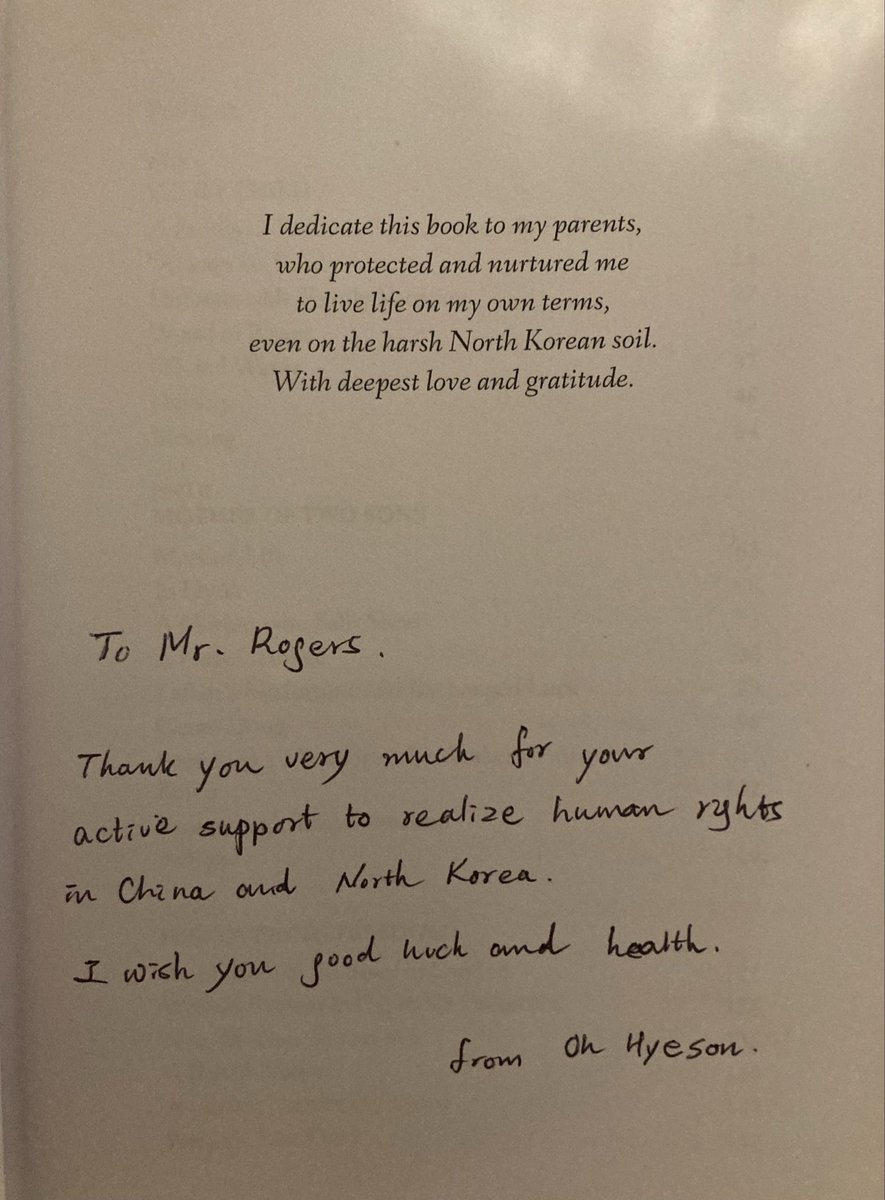
They kindly signed their books for me, and then @Timothycho08 and I took them back to their hotel after dinner.
Our conversation was wide-ranging - about North Korea, China, Myanmar and beyond, and about democracy, human rights and freedom.
#FreeNorthKorea
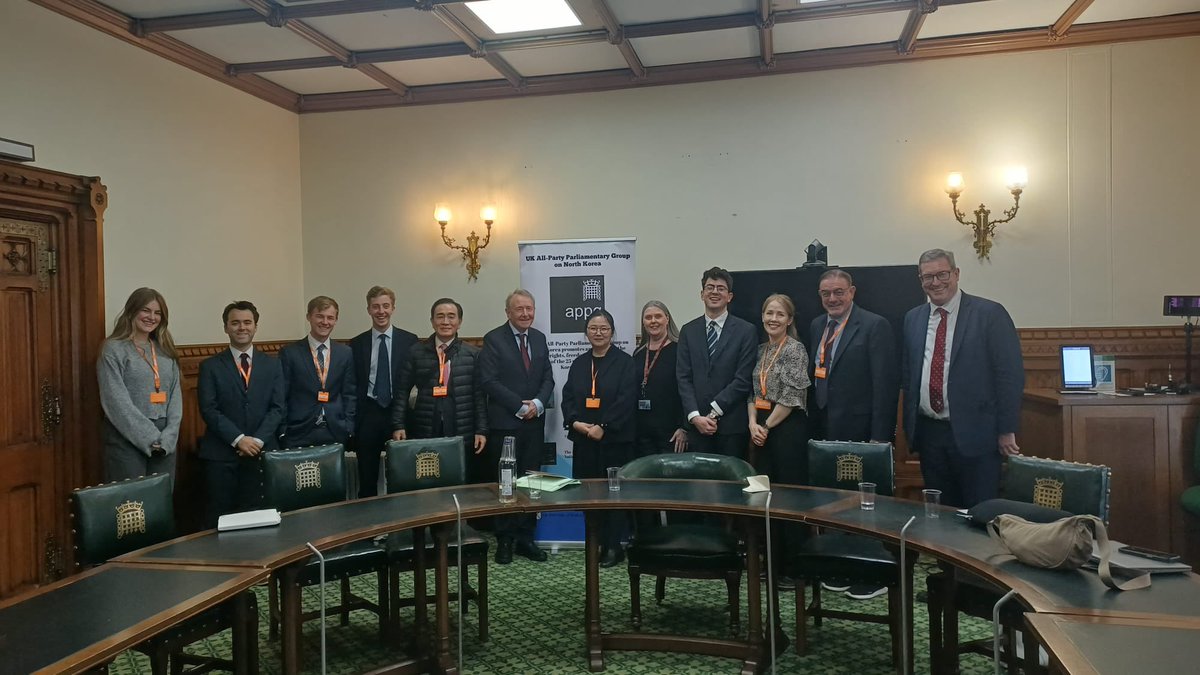
This evening in @UKParliament with Sir Iain Duncan Smith MP @MPIainDS I cochaired a meeting of @APPGNK2024 addressed by Thae Yong-ho - deputy North Korean ambassador to the UK who defected in 2016.
There were interventions from Sir Iain; from former Chief of UK Defence Staff, Field Marshall Lord Houghton; from former Chair of the Intelligence and Security Committee, Sir Julian Lewis MP; from former Lib Dem Leader @timfarron ; and from co-founder and deputy chairman of the Conservative Party's human rights commission @benedictrogers .
Mr.Thae told the meeting that many of the 11,000 North Korean soldiers who have been sent to fight for Putin in Ukraine have died while been used as human minesweepers.
Around 2,300 North Korean soldiers have died in Ukraine.
The meeting also heard how a United Nations Commission of Inquiry Report described North Korea as a State that "does not have any parallel in the contemporary world" and which called for its leaders to be prosecuted by the International Criminal Court for crimes against humanity @HumanRightsCtte
300,000 North Koreans are incarcerated in a network of political prison camps. Hundreds of thousands of inmates have perished.
Mr.Thae described religious persecution @dsnorthnorth and the suppression of all dissent.
The meeting heard how a 22-year-old man was publicly executed for listening to South Korean songs and watching films.
Mr.Thae said his visits to @UKParliament while he was deputy Ambassador had convinced him to reject dictatorship and to work for democratic freedoms. @YvetteCooperMP@JennyChapman@AlistairCarns@amcarmichaelMP@Vernon_Coaker@FortifyRights@CSW_UK
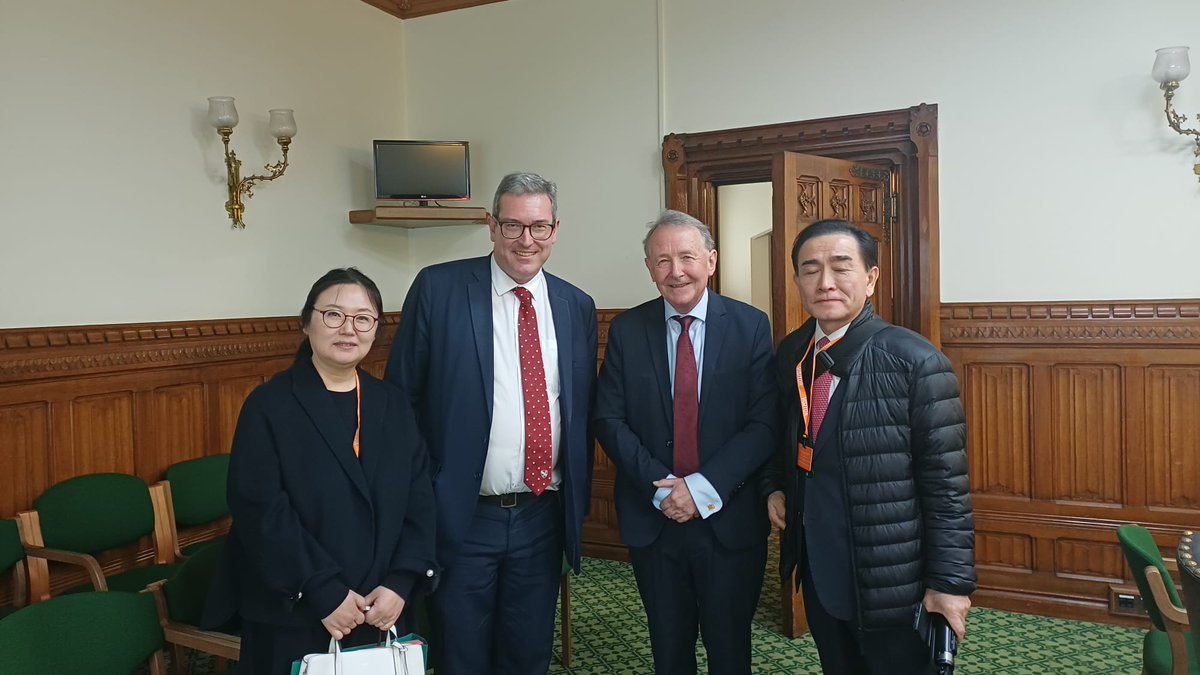
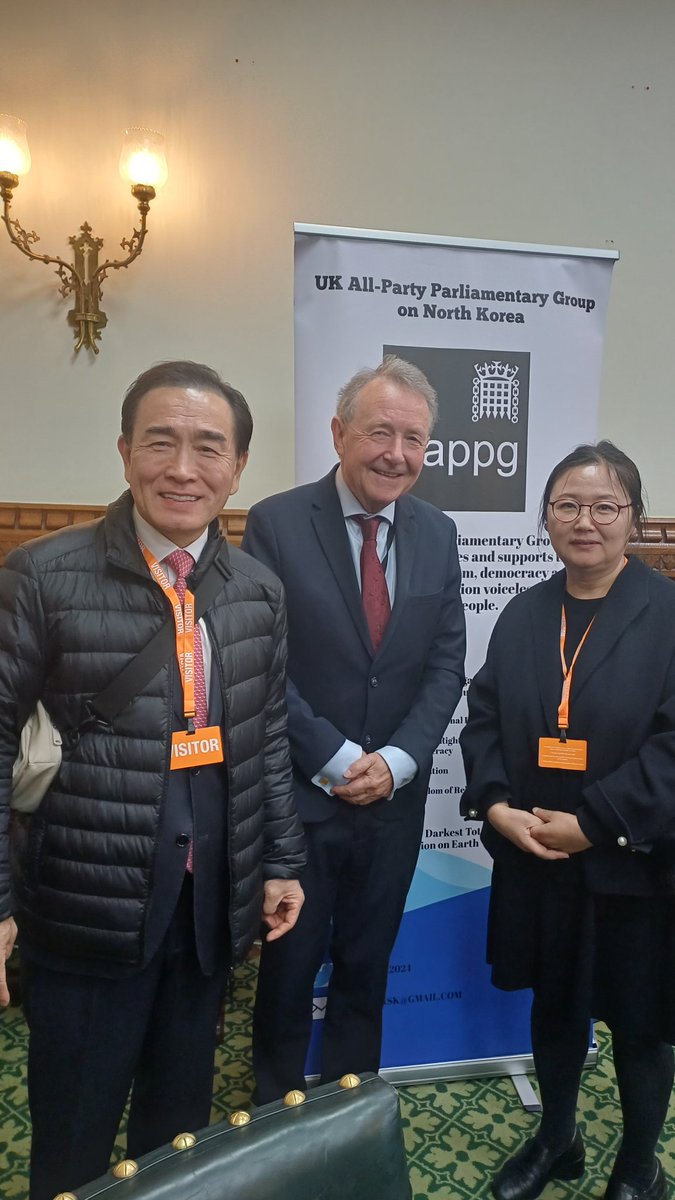
Such a privilege to meet one of #NorthKorea's highest-ranking defectors - Mr Thae Yong-Ho, who was previously North Korea's Deputy Ambassador to the UK, defected to South Korea, got elected to the South Korean Parliament, and is a courageous champion of democracy and human rights - and his wife Hye Seon Oh - in Parliament today at a very important and fascinating meeting chaired by @MPIainDS@DavidAltonHL and organised by @APPGNK2024@Timothycho08
#FreeNorthKorea
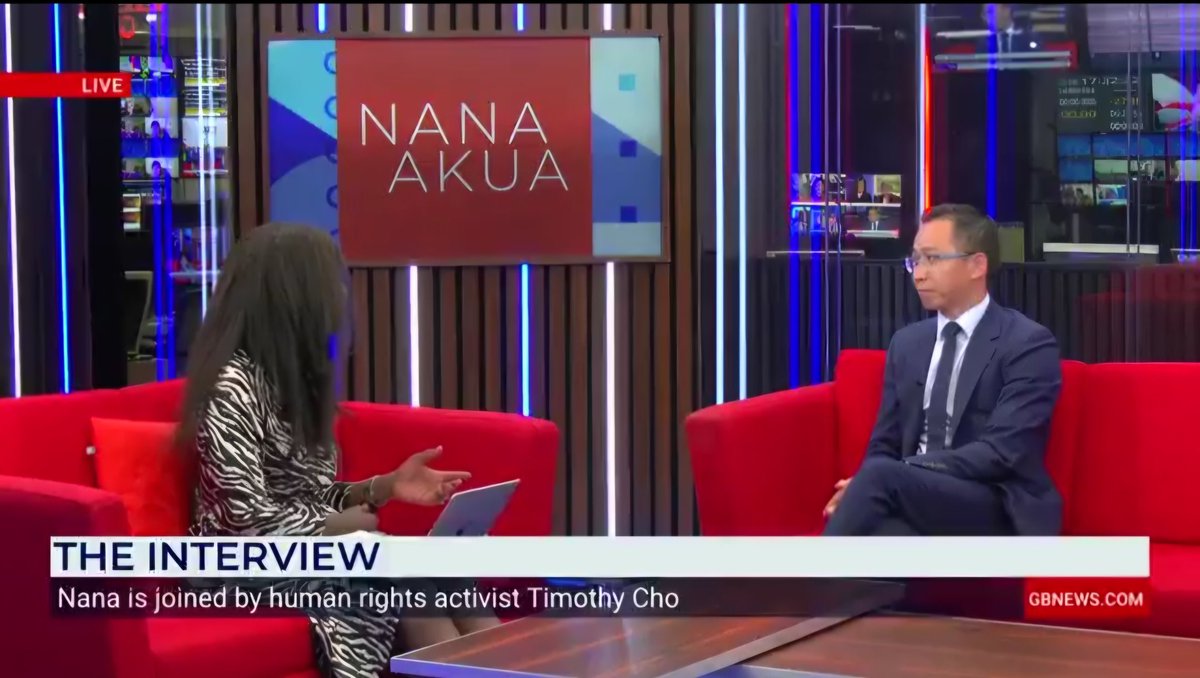
Grateful to have joined @GBNEWS yesterday with Nana Akua @Nanaakua1 to discuss the importance of freedom and democracy, and the need to defend and protect these values. #GBNews
"If we lose this platform of freedom and democracy, we can't fight against North Korea, China and Russia, where our freedom, more than any moment, is being significantly threatened right now."
All must listen to Timothy Cho (@Timothycho08) on @Nanaakua1@GBNEWS — his escape from North Korea is harrowing, inspiring and urgently important. I’m lucky enough to call Tim a colleague and friend.
Watch his full interview with @GBNEWS — a powerful reminder of why we must defend democracy and the freedoms tyrannical regimes take away: freedom of speech, belief, and the right to choose our leaders. Tim’s story shows what’s at stake and why we cannot be complacent.
A North Korean women’s football club has arrived in South Korea for an AFC Women’s Champions League semi-final, marking the first visit by athletes from the isolated state to the South in eight years.
https://t.co/XbjI6uvu1i