Our first book about scientific progress, Origins, is now available.
We learned a lot about printing—and starting a magazine—while creating this book. So we decided to write an essay about it!
Buy the book, support our work, and learn more. 🔻
https://t.co/FhZmGtLwLe
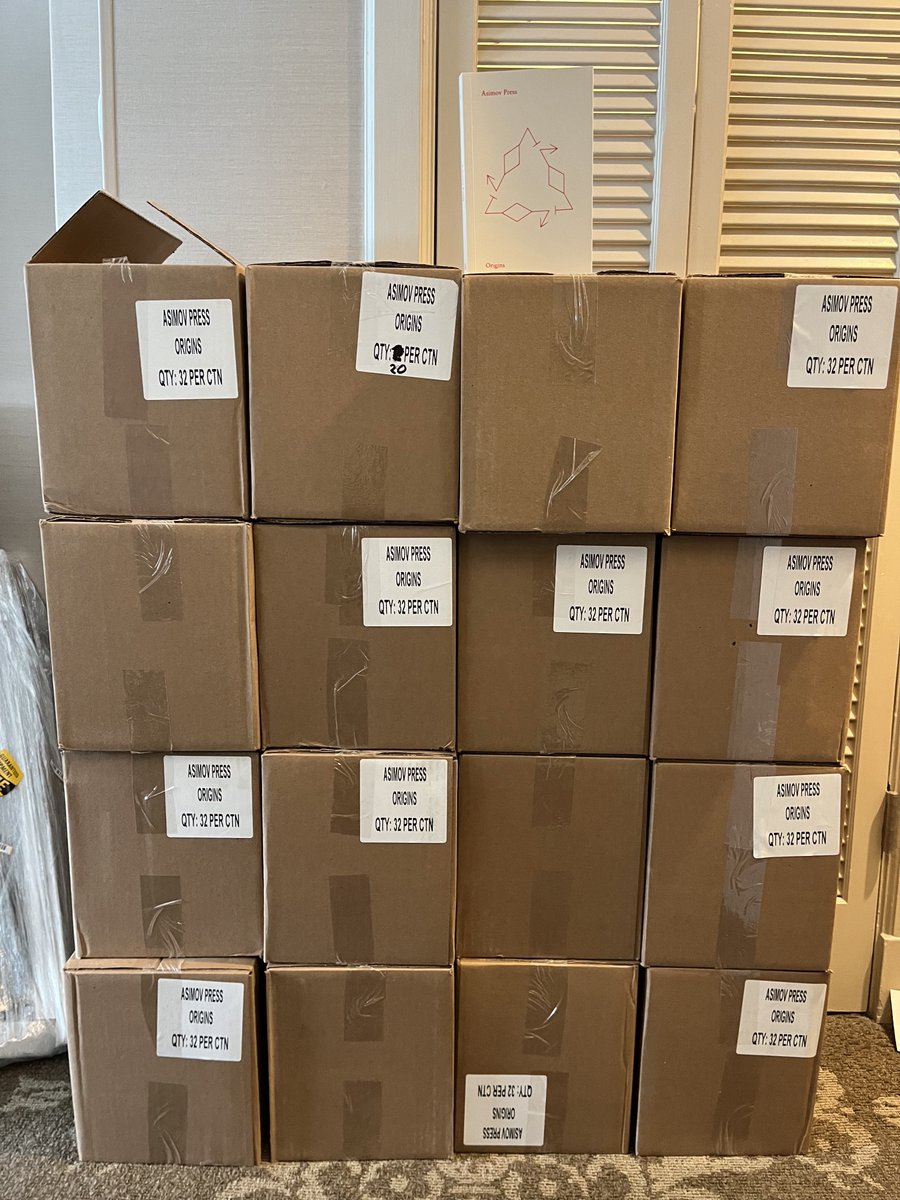
The @AsimovPress books are finally here!
The first 500 copies were delivered to our hotel in San Jose. Feels surreal to see our hard work in print. The books are beautiful.
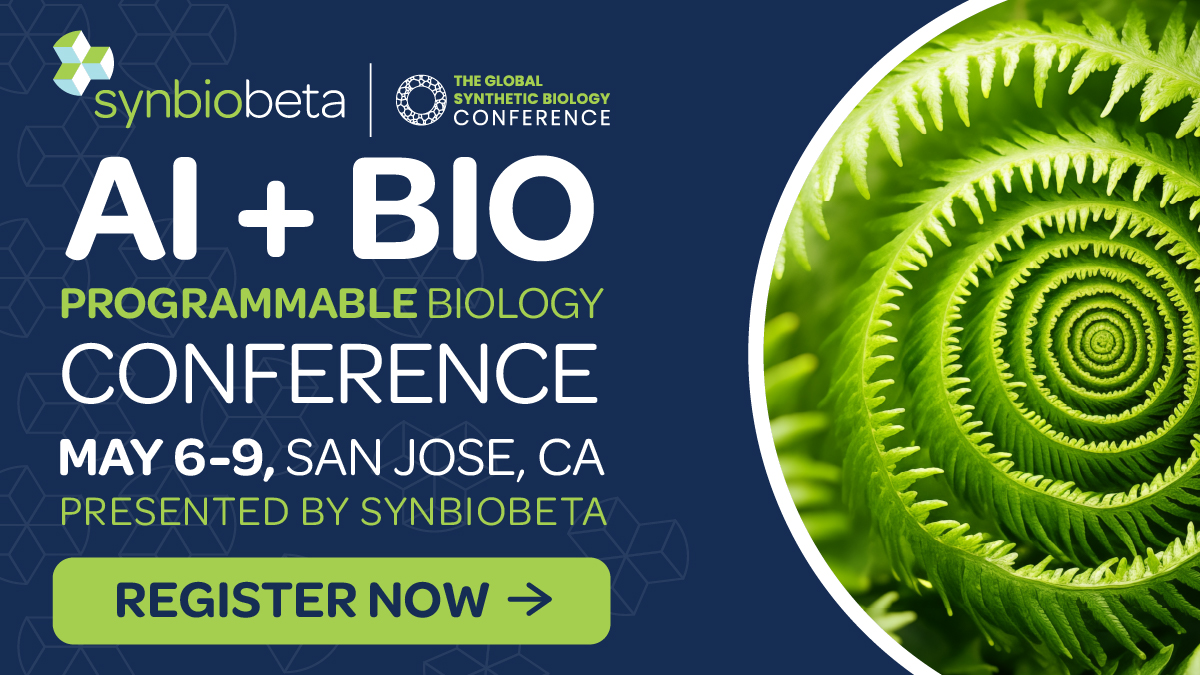
Be the first to buy a copy at @SynBioBeta this Tuesday. Or just come by and say 'hello'. :)
An Xbox with an X-Gene?!
Follow & RT with #Xbox97Sweepstakes for a chance to win a custom Xbox Series X console & controller combo, plus an extra controller, inspired by Marvel Animation’s #XMen97, now streaming on @DisneyPlus.
18+. Ends 5/20/24. Rules: https://t.co/8CYN8Hg2lG
📢 @iGEM teams! 📢
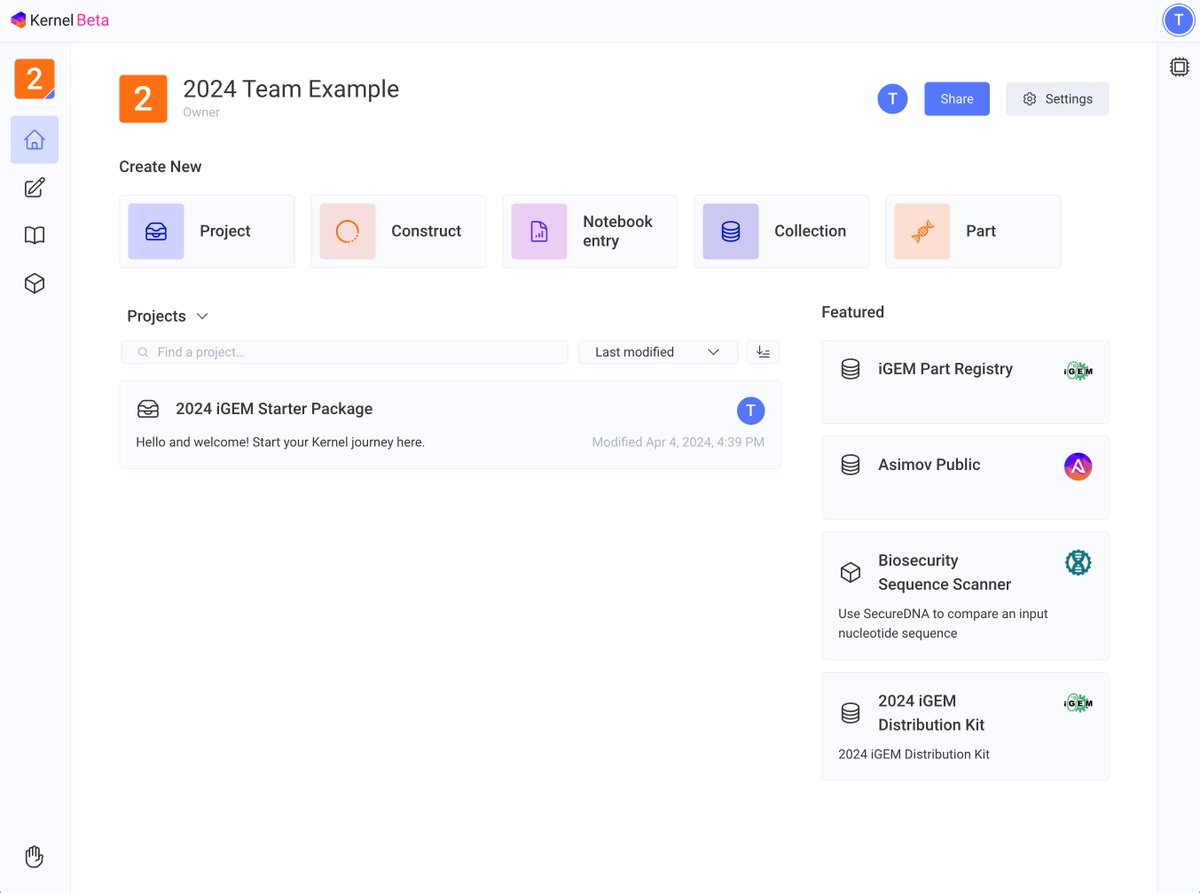
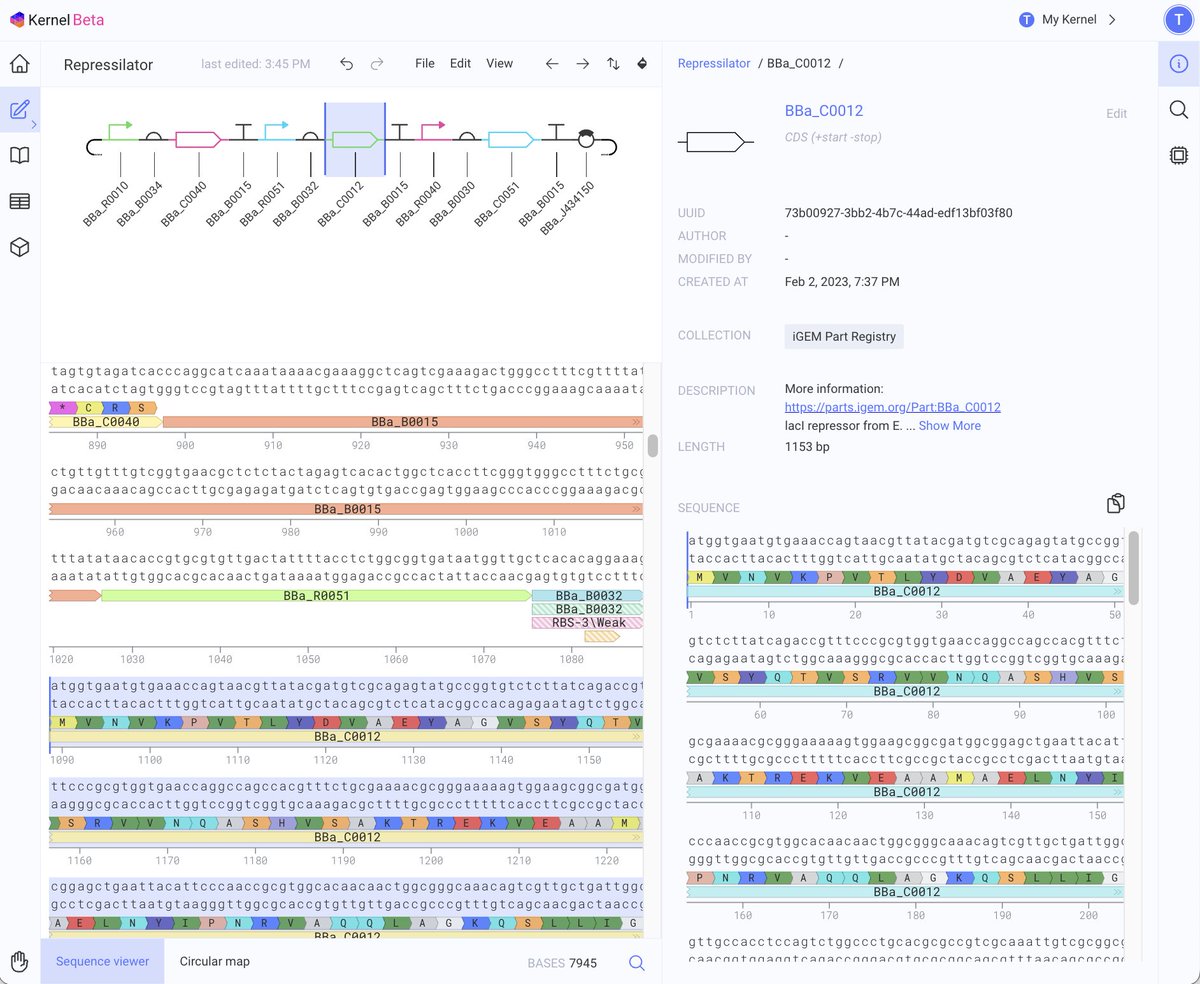
Use @AsimovBio's Kernel this year:
- 600k+ genetic parts
- Drag and drop design
- Collaborative workspaces
- LLM-enabled chat
- Electronic notebooks and more!
Join our tutorial session: April 26, 13:00 UTC
Register: https://t.co/TVmbwwuPkS
#iGEM2024
Hi @iGEM teams!
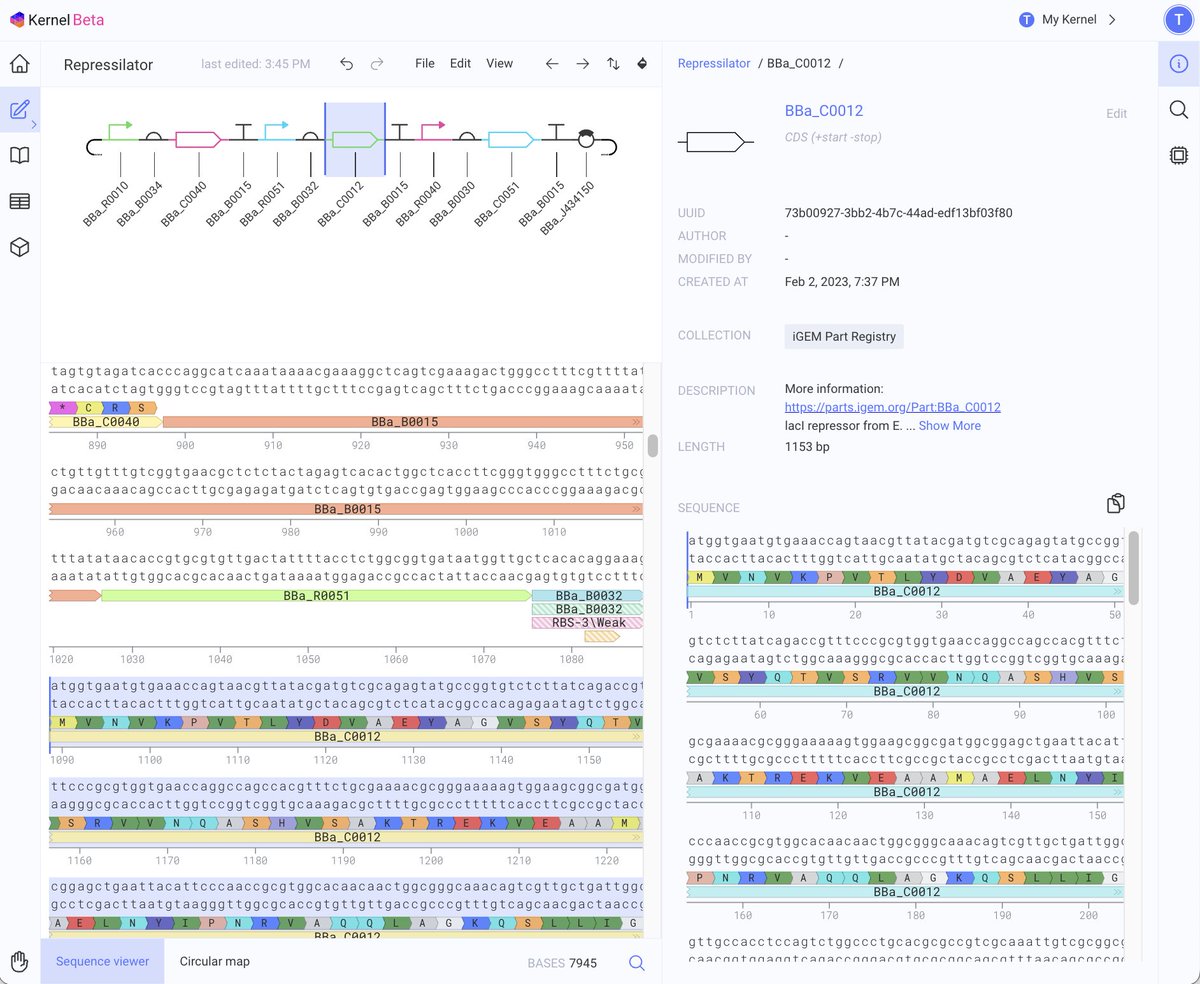
Kernel has the following features:
- Over 600k genetic parts
- Drag and drop design
- Collaborative workspaces
- LLM-enabled chat
- Electronic notebooks and more!
Join our tutorial tomorrow:
April 6, 14:00 UTC
Register: https://t.co/oefoWEpdA4
#iGEM2024#iGEM
📣 2024 @iGEM teams and the wider @iGEMCommunity! 📣
Are you in need of awesome software to engineer biology? If you said yes, then join me on Saturday to learn about Kernel, @AsimovBio's CAD tool for synbio.
April 6 14:00 UTC
Register: https://t.co/bnBuYnozzp
#iGEM2024
@iGEM teams and @iGEMCommunity - looking for a genetic design tool designed with synthetic biologists in mind? Join us tomorrow to learn about Kernel, @AsimovBio 's CAD software for engineering biology!
Friday, March 29: 12:00 UTC
Register: https://t.co/EkXMc67iBM
Calling on @iGEM and @iGEMCommunity 📣
I'm inviting you to join @AsimovBio's webinar to learn about Kernel, our computer-aided design software tool for engineering biology.
Details below:
- Friday, March 29: 12:00-12:45 UTC
- Register here: https://t.co/CRYLqituar
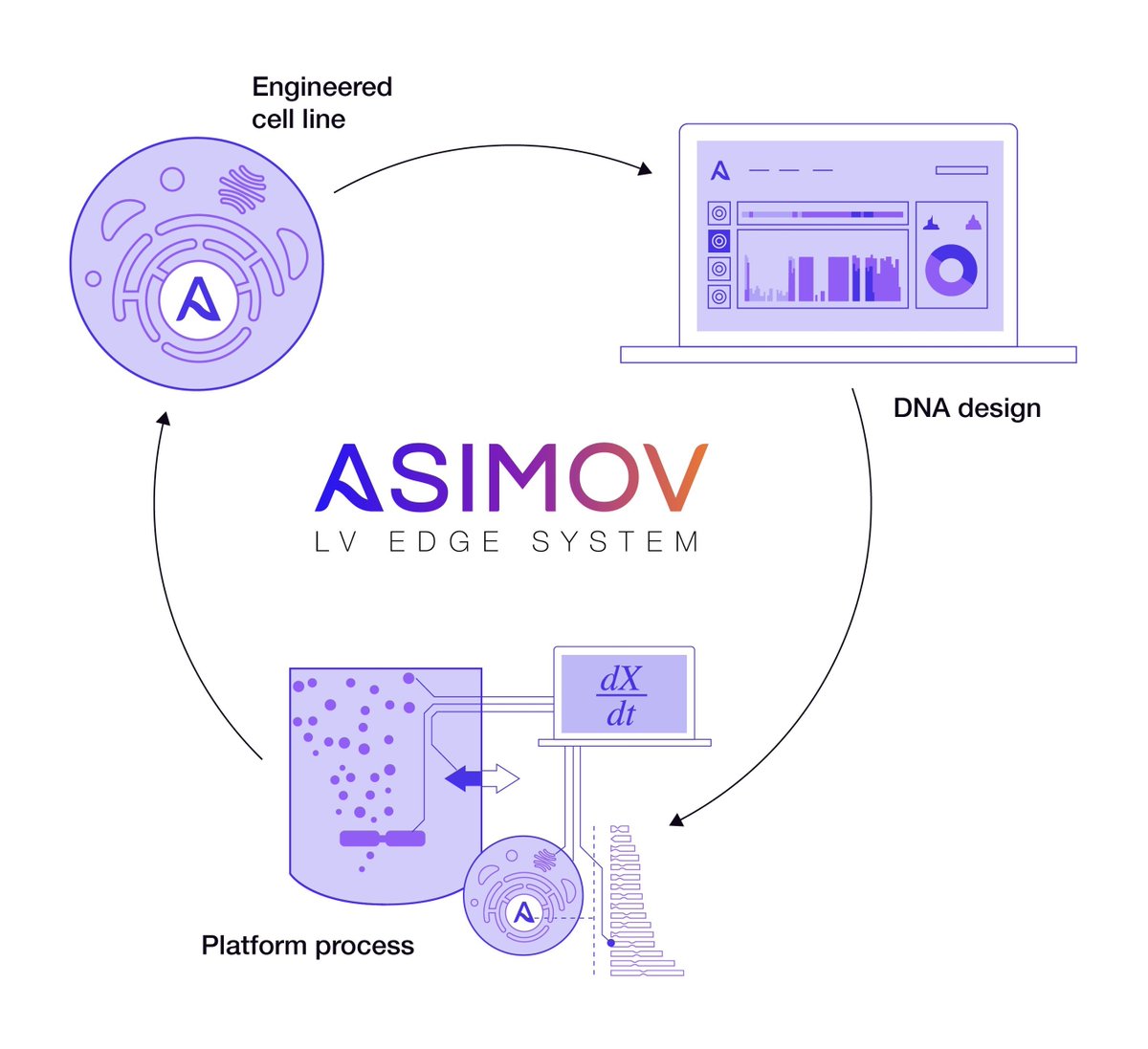
🚀 Today we launched the LV Edge Packaging System, our first offering in the cell therapy space and a leap forward for lentiviral production
Cut costs, reduce risks, and achieve titers of 1E8 TU/mL and higher with cell lines and software tools to optimize transgene expression
£2 billion investment planned over the next 10 years... here's the full details of the UK's Engineering Biology National Vision... https://t.co/QxKzlpITAi
Exciting News!🌐 Join us on Nov 29, 6-7 pm for an online rendezvous with GASB🥳! Explore our mission, work, and how YOU can be part of it! Whether you're a student, startup enthusiast, or researcher, everyone's welcome! 🧬#GASB together!
Register here!👇
https://t.co/sWqsOcV1Ly
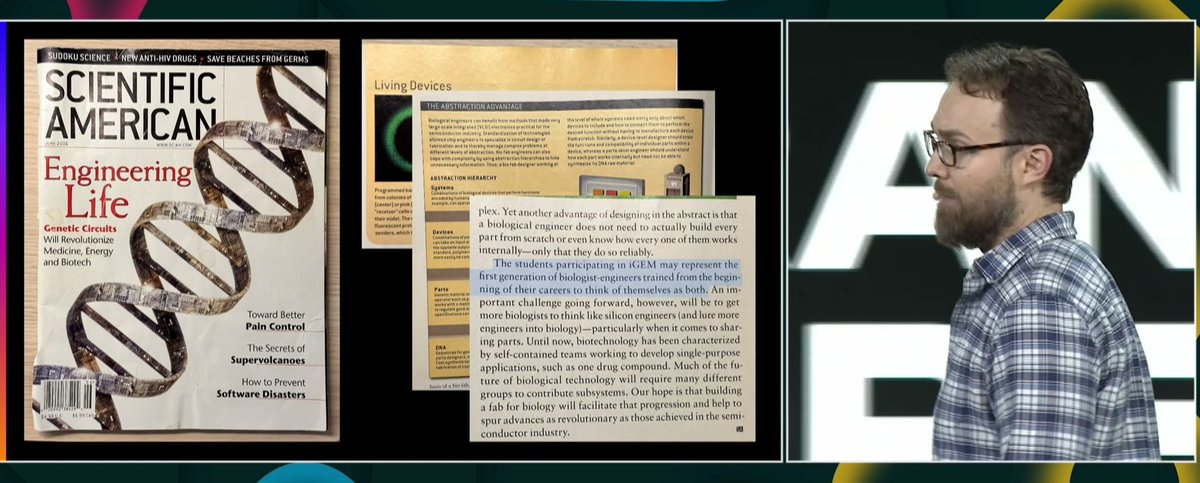
"The students participating in iGEM may represent the first generation of biologists-engineers trained from the beginning of their careers to think of themselves as both"
@alectricity reflects back on a 2006 @sciam article that introduced him to iGEM
https://t.co/EwxAQ3xzA4
Today, we announced that the MIT-Broad Foundry team has joined Asimov and set up shop in our main office.
We are retiring the name "Foundry" and switching to Asimov Labs.
Our moonshot, as a team, is to solve genetic design.
Here's what that means...
https://t.co/eqRLJShvD6
*****
We think of genetic design as applying biophysical insight to compose and layer genetically-encoded functions to achieve a cellular behavior.
It means working backwards from, say, synthetic photosynthesis or the eradication of a cancerous cell in the body to a DNA sequence that encodes all the biochemistry to make it happen.
We'd like to do this with zero implementation risk. And Asimov Labs will help us get there.
Asimov Labs is taking all the capabilities of a typical biofoundry — the robots, people, and high-throughput tools — and applying them to the genetic design moonshot. The team collects multi-modal measurements on transcription and translation rates, protein folding, protein-protein interactions, and energy consumption across different cell types for thousands of different DNA sequences.
These data are then used to build biophysical cell simulations, which incorporate into generative design algorithms: think of it as a "compiler" that can automatically design multi-gene plasmids. We’re also training deep-learning models to predict DNA functions from sequences in vivo. As these models mature, we’ll give them to scientists via Kernel, our software to design, simulate, and optimize biological systems.
This will be difficult, of course, but our ability to design biology is improving quickly.
As one example: Asimov Labs has used AI models and simulations to make tissue-specific promoters for gene therapies (https://t.co/vzaIE4w5Q4). We did not do any screening for that work. We give additional examples in the blog.
In short: We’re fusing experimental data with biophysical models to design biology in silico. Come join us!
Join us for the 15th annual IWBDA meeting, in Boston, Sept 11-15!
IWBDA will take place during Bio Design Week and will include talks selected from submitted abstracts, Birds of a Feather discussions, and breakout sessions on selected topics. Learn more: https://t.co/7UNZhLom2a
We are living through a gene therapy renaissance.
There are approved treatments for multiple myeloma and vision loss. But safety is still a concern.
In this blog, we show experimental data that demonstrates how AI tools can make better gene therapies.🧵
https://t.co/Eg6qDrCQ7l
We want to make better, more precise gene therapies.
So we used a transformer model to design synthetic DNA sequences that only switch "on" in specific tissues. One promoter was up to 120x more active in heart vs. liver.
Our latest blog explains how.🔻
https://t.co/Eg6qDrCihN
Boston -- don't miss out on our next BiB event on June 22nd. Come chat about bits, bio, and everything in between!
RSVP here:
https://t.co/OgyjyUOixR
Thanks to @ViaScientific for sponsoring!
Biology is the world's most advanced technology. But it's so difficult to reliably engineer.
We're launching a technical blog to explain what we're building — and why it's hard — in public. It's modeled on the engineering blogs at Stripe & OpenAI.
Read: https://t.co/fHau3wHbgx