HOW TO FIND THE OPTIMAL POSITION SIZE?
REVERE POSITIONAL RISK PARITY GRID (RPRP)
THIS WILL BE DISCUSSED ON TODAY'S PODCAST
RPRP COMBINES A TICKER'S ATR & BETA WITH A PORTFOLIO'S NUMBER OF HOLDINGS TO ALLOCATE RISK EVENLY ACROSS EACH POSITION
One thing no one can argue is that the passive indexer has absolutely cleaned up. Killed it. Destroyed the majority of pros and stock pickers over the last few years. However, most on here will never admit it. $SPY
My guest today is Paul Tudor Jones (@ptj_official), one of the greatest macro traders of all time.
He correctly predicted the 1987 stock market crash and shorted the Japanese bubble in 1990. For over 40 years, his flagship fund has had a negative correlation to the S&P 500. 100% of his returns are alpha.
He says today's market has so many similarities to 2000, "the easiest bear market I've ever seen in my whole life."
He makes the case for going long dollar-yen, why Bitcoin beats gold as an inflation hedge, and why he was wrong about Warren Buffett.
But what I'll remember most from this conversation is Paul's zest for life. He's 71 and still wakes at 2:30 every morning to trade the London open. He works out for two hours a day. He walks with his wife every evening. He travels the country chasing peak spring and peak fall. He's so excited about the songs picked for his funeral that he wishes he could be there to hear them.
Paul has lived five lifetimes in one. He's one of the most entertaining and interesting people I've met, and the conversation will leave you searching to be as passionate about what you do as he is about what he does.
Enjoy!
Timestamps:
0:00 Intro
1:00 The Kindest Thing
13:19 Trading vs. Investing
17:33 Lessons from Warren Buffet
22:24 The Existential Risks of AI
29:54 The Nature of Trading
31:46 Bitcoin
35:55 Bubbles
42:08 A Day in the Life of PTJ
46:00 Information Overload
47:07 Passion for Markets
50:49 The Robin Hood Foundation
54:18 The Workless World
56:03 Journalism
1:00:00 Principal Components of a Great Life
1:05:06 Kill Them With Kindness
The 7-8% stop rule sounds disciplined until it keeps kicking you out of your best trades.
Vibha Jha — who built her track record trading leveraged ETFs and leading growth stocks — found that rigid percentage stops ignored what the chart was actually saying. Switching to the 10-week moving average as her stop level changed her results immediately.
The chart knows more than the percentage does.
@gfc4@lawsonmcw It's likely a bonanza for the banks since many will choose to extend their amortization period to REDUCE their monthly payments but end up paying significantly higher interest over the longer term
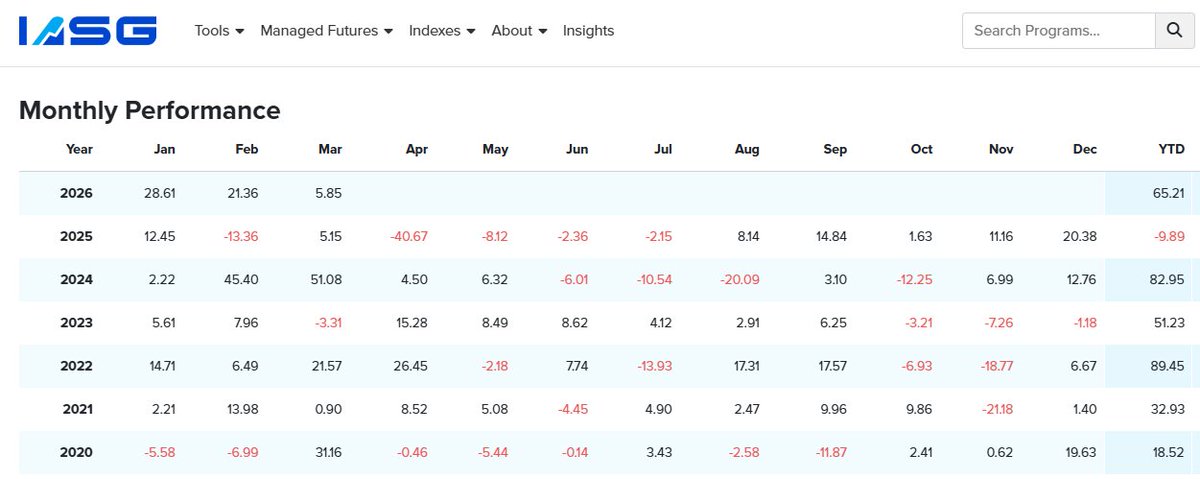
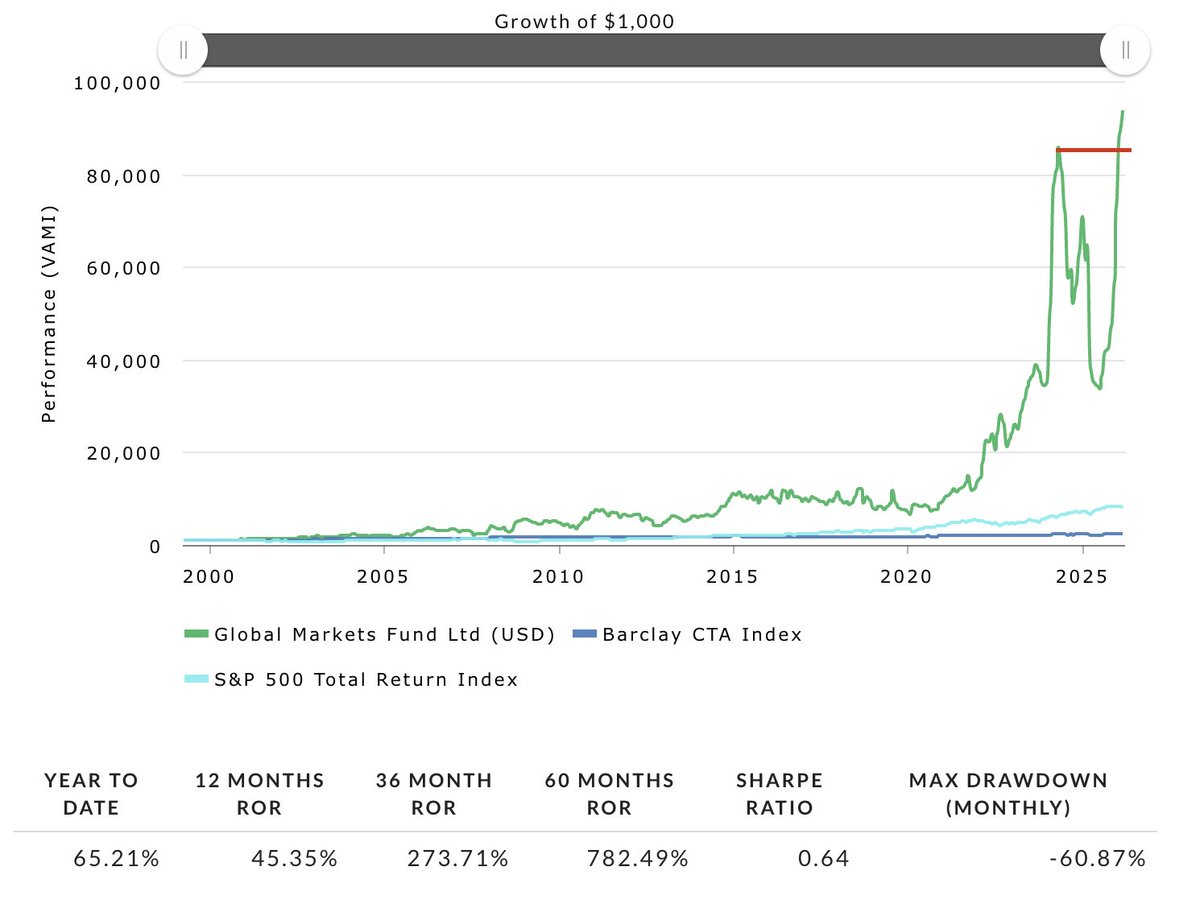
@samdruss Impressive performance! Where do I sign up? This return is astonishing compared to anything I've seen this year, trend following or not. Curious - is that the result of a few outliers, or is your strategy performing consistently across the board?