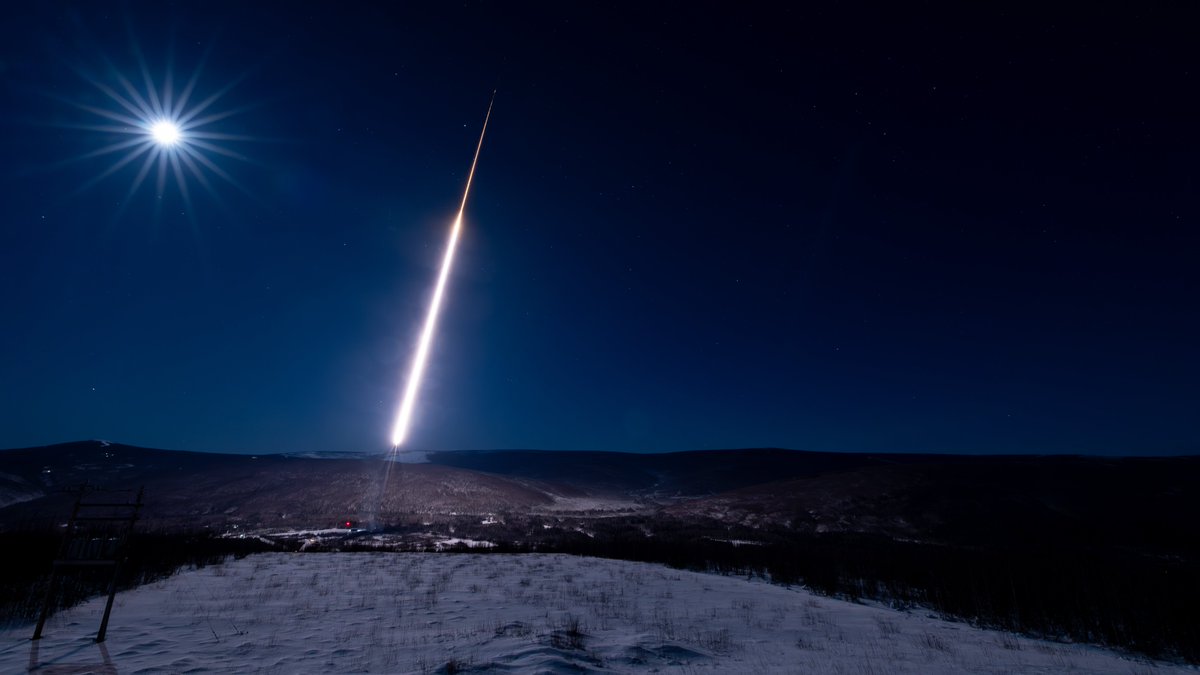
@NASA sounding rockets fly high from @PokerFlatRR north of Fairbanks, Alaska. Someone has to go retrieve the payload and parts from the vast northern Alaska landscape. Learn how it's done at this interactive story. https://t.co/1XfgRFO6rP @uafairbanks
What an effort. Three missions with four rockets launched in a tight schedule at @PokerFlatRR. It doesn't happen without a skilled crew. And that's what Poker Flat has. Check out this final video roundup of each of the recent launches. @NASAGoddard@uafairbanks
https://t.co/8IEdh5wwJJ
Meet the multitasking seismometer! Graduate student researcher Bella Seppi at @uafairbanks has found another use for seismometers: They can also be used to identify the type of aircraft flying far overhead. https://t.co/Ewq1kDyZwd
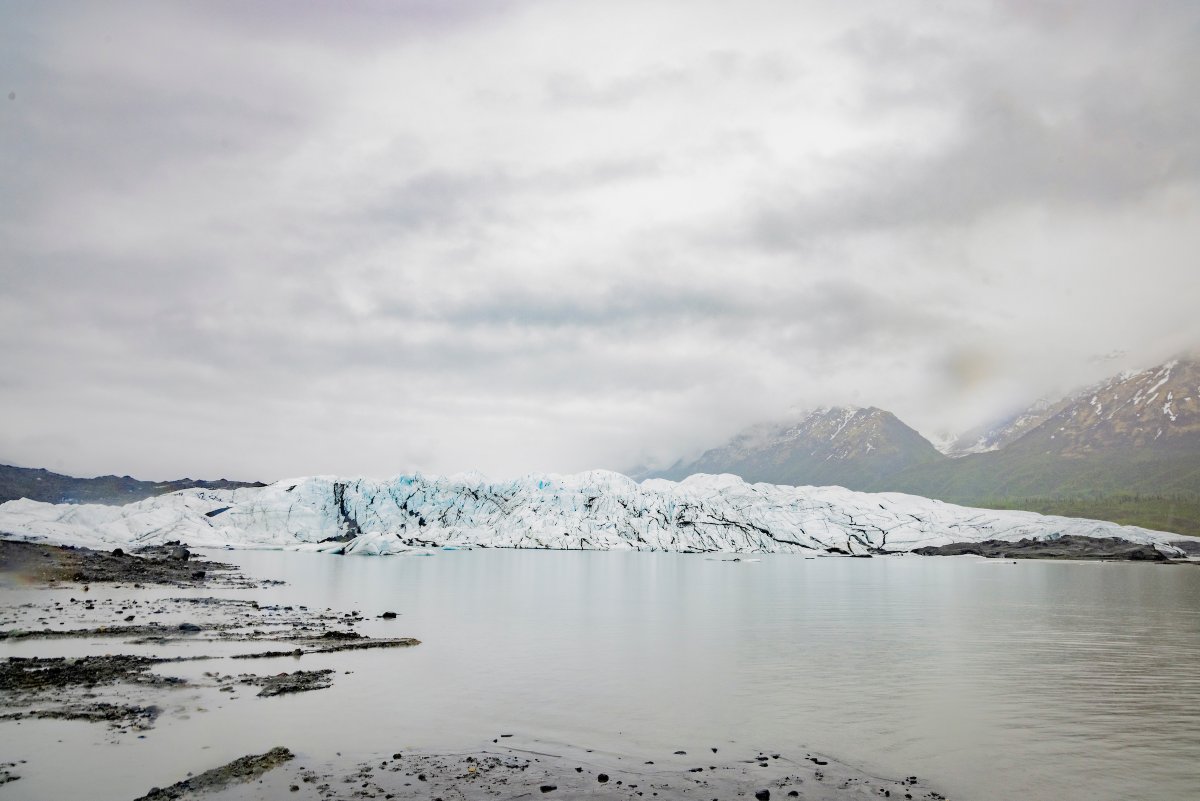
Newly published work by an international science team says the natural cooling mechanism of mountain glaciers will break down by mid-century. A @uafairbanks scientist is on the team, which analyzed from 62 glaciers. #climate https://t.co/dPiWNJjizu
There's been a big addition to our drone industry development program here at the @uafairbanks Geophysical Institute. And we're sky-high excited about it. https://t.co/yNcvOcWCrv
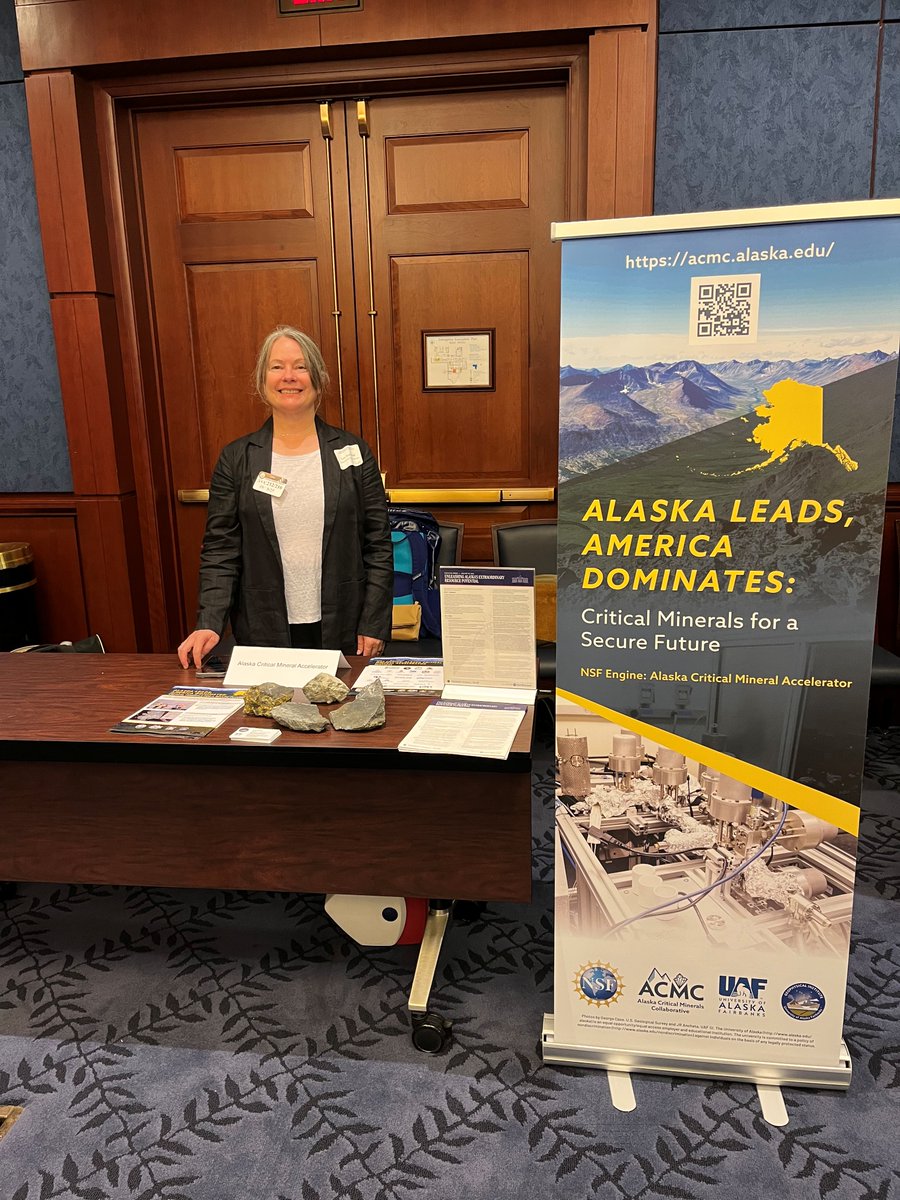
Great news for @uafairbanks and the state of Alaska! The Alaska Critical Mineral Accelerator was named a finalist Thursday in the @NSF's latest round of funding in the agency's Regional Innovation Engines program. Alaska contains 51 of 54 minerals on the @USGS critical minerals list. https://t.co/FpZZ59C42R
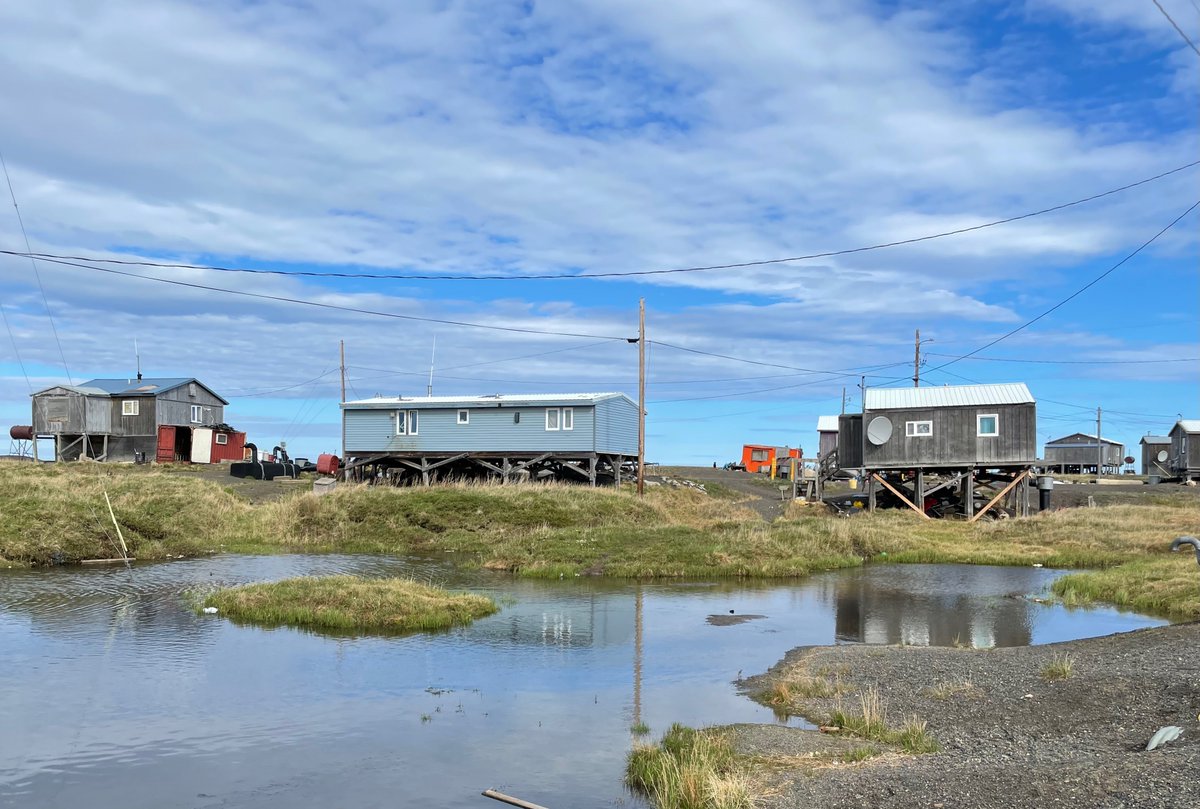
A team of scientists working with local residents has detailed the rapidly accelerating “catastrophic” permafrost thawing and infrastructure damage at the northern Alaska coastal community of Point Lay. @uafairbanks@UA_System@NSF
https://t.co/BabRjr29LN
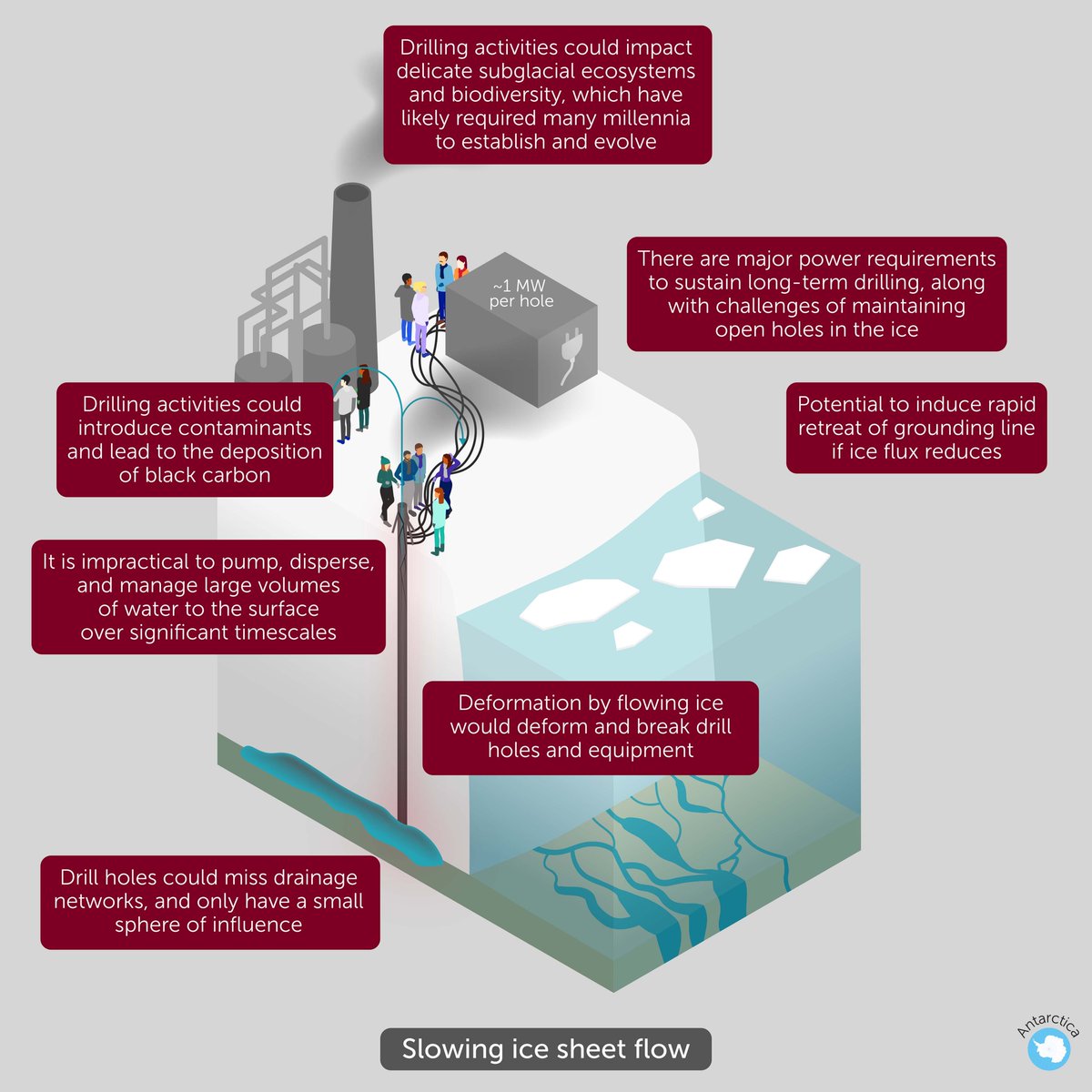
Two @uafairbanks scientists are among nearly four dozen scientists who have concluded that geo-engineering as a means of combating #climate warming won't work. https://t.co/mtBLsSJGQS
Amazing research out of a devastating Pacific Ocean volcano eruption. A @uafairbanks Geophysical Institute scientist determined how deep seismic waves penetrated the crust in Alaska. https://t.co/DWPsxACdIO
Alaskans, depending on their distance from an #earthquake's epicenter, could have seconds to tens of seconds warning before the arrival of peak shaking, according to new research from @uafairbanks. @AKearthquake@SeismoSocietyAm
https://t.co/fe16uQYbfX
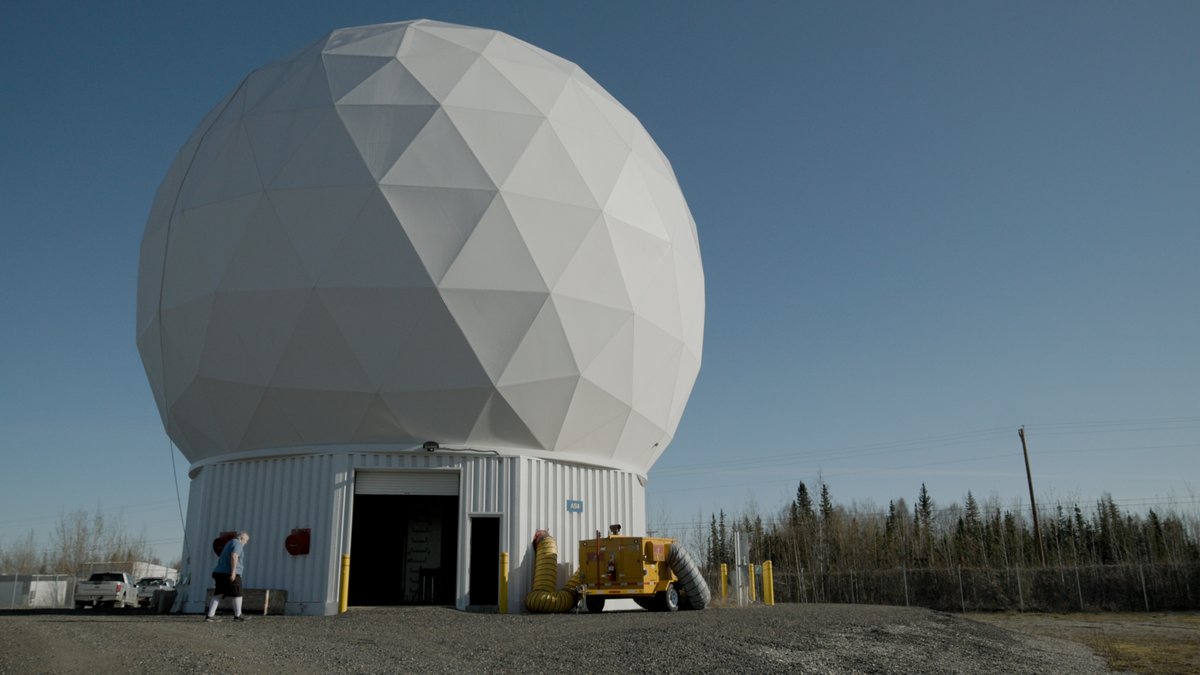
ASF is NASA's synthetic aperture radar data archive center and will be archiving the massive amount of Earth-observation data from the NISAR satellite.
Congratulations to @NASA and @isro on Wednesday's #NISAR launch. And special congrats to the @Ak_Satellite of the @uaFairbanks Geophysical Institute! https://t.co/SqbJ3mrGeP
Tsunami Update: The National Tsunami Warning Center @nws_ntwc has downgraded this event to a Tsunami Advisory:
A tsunami Advisory is now in effect which includes the coastal areas of Alaska from Kennedy Entrance, Alaska (40 miles SW of Homer) to Unimak Pass, Alaska (80 miles NE of Unalaska).
----------------------------------
Tsunami advisories mean that a tsunami capable of producing
strong currents or waves dangerous to people in or very near the
water is expected. Significant widespread inundation
is not expected for areas under an advisory. Currents may be
hazardous to swimmers, boats, and coastal structures and may
continue for several hours after the initial wave arrival.
----------------------------------
We have reviewed a magnitude 7.3 earthquake 55 miles south of Sand Point at 12:37 PM AKDT in the Alaska Peninsula region of Alaska, located at a depth of about 9 miles (15 km). The magnitude and location may change slightly as additional data are received and processed. This event was felt throughout the Alaska Peninsula and southern Alaska.
The National Tsunami Warning Center has issued a tsunami warning from Unimak Pass to Kennedy Entrance.
We will update as we get more information. The event page is here https://t.co/HTPiOo7o2r
Big news! A @uafairbanks proposal to reduce U.S. dependency on foreign sources of minerals critical to the technology and defense industries has been named a semifinalist in a @NSF competition. @UA_System#criticalminerals https://t.co/5H8lLYoR6Z
The @uafairbanks Geophysical Institute and Alaska Aerospace Corp. agree to jointly develop and offer spaceport services to the booming commercial rocket and satellite industry. The agreement could lead to commercial launches at @PokerFlatRR. https://t.co/MrznGx75r8
An international study published today in @ScienceMagazine has found that Earth’s glaciers will lose 76% of their 2020 mass under current climate policy pledges. Alaska would lose 69% of its glacier mass. A @uafairbanks professor is among the co-authors.
https://t.co/5OhsSxGspA
The @UA_System now owns the land beneath its upper atmospheric research facility near Gakona, nearly 10 years after acquiring the site’s science instruments from the U.S. Air Force. The U.S. government officially relinquished 1,158 acres beneath @uafhaarp earlier this year. https://t.co/xCnxvi010T