A new global analysis of 183 countries over 34 years reveals that 🥤sugar-sweetened beverage #taxes have rapidly accelerated, with 64 nations implementing such policies by 2024, covering 3.5 billion people.
While tax structures vary widely, including ad valorem, volume-based, and #sugar-content-based approaches, the study found that adoption is driven more by economic capacity and disease burden than by consumption levels alone.
Countries with higher GDP per capita and #diabetes prevalence were significantly more likely to implement these taxes, while higher sociodemographic development was unexpectedly associated with lower likelihood of adoption.
Notably, only 13% of countries earmarked revenue for public health, and despite evidence that tiered sugar-content taxes are most effective, they remain rare.
These findings highlight that fiscal capacity and #healthcare costs, rather than consumption patterns, shape policy decisions, underscoring the need for regulatory capacity-building in lower-income countries to overcome barriers to implementation.
https://t.co/RaUmb6VTuk
Ahead of the first-ever Global Dialogue on AI Governance and the AI for Good Global Summit in Geneva, @UN_Women is urging governments, companies & developers to ensure gender equality is built into the design, deployment and governance of AI systems.
https://t.co/gXkWusGjkQ
We live in dangerous times, with conflict, insecurity and division in many parts of our world. But health can be a bridge to peace.
The @UNPeacebuilding Fund enables us to work with governments, health workers, and communities to design solutions that are rooted in local realities, through national ownership, inclusion, and partnership.
Happy 20th birthday to the Fund! Thank you for your leadership and your commitment to a healthier, more peaceful world.
Children’s futures can’t wait. Governments and businesses must:
✔️ Reduce emissions.
🏫 Protect children and the services they rely on.
🗣️ Empower children and young people to be at the heart of climate decision-making.
#ForEveryChild, a safe and healthy planet. https://t.co/fKDV1Ww65F
Waterpipe tobacco smoking presents unique regulatory challenges that require specific policy responses.
The WHO FCTC guide Waterpipes, waterpipe tobacco and waterpipe tobacco smoking provides practical guidance for drafting and strengthening legislation in line with the WHO FCTC, including a sample legislative template to help identify and address regulatory gaps.
Explore the publication 🔽
#FCTCSavesLives
https://t.co/0vMz3soy7M
Housing is more than shelter—it shapes opportunity, resilience, health, and social stability. In a new episode of The Century of Cities, UN-Habitat Executive Director @AnacludiaRossb1 explores why housing must be at the heart of urban leadership.
▶️ https://t.co/tZPAnD1U9Q
“Cancer systems are living through a phase of capacity crises, where demand exceeds what they can effectively & equitably deliver."
@IARC_Dir sets the stage for discussion at the 2035: Anticipating the Future of #Cancer European Workshop in #Geneva, Switzerland🇨🇭.
“Respiratory diseases affect hundreds of millions of people around the world.
They are among the leading causes of death and disability, yet too often they remain overlooked within the broader global health agenda.
That is a missed opportunity.
Because respiratory health provides one of the clearest examples of why prevention matters.
When we think about prevention, we often focus on what happens inside hospitals and clinics.
But the reality is that many of the factors that determine respiratory health are found outside the healthcare system.
They are in the air we breathe.
They are in the homes where families cook and heat their living spaces.
They are in workplaces where workers are exposed to dust, chemicals, and other hazards.
They are in policies that shape tobacco use, environmental protection, urban planning, and access to healthcare.
In other words, respiratory health begins long before a patient enters a doctor's office.
Increasingly, scientists are beginning to view many chronic diseases not as isolated conditions but as manifestations of accelerated biological aging.
Respiratory health belongs squarely within that conversation.
Lung function is a powerful predictor of resilience, healthy ageing, and longevity across the lifespan.”
José Luis Castro @JLCastroGarcia World Health Organization @WHO
Director-General Special Envoy for Chronic Respiratory Diseases
@euforea - European Forum for Research and Education in Allergy and Airway Diseases Prevention Summit, Royal Academy of Medicine
London, United Kingdom, 19 June 2026
Food is one of our planet’s greatest gifts. 🍅🥔🥬🍐
But more than one third of the world’s population can't afford a healthy diet.
The right nutrition at the right time is essential for human health and development and for the long-term prosperity of countries.
Aujourd’hui c’est la #JournéeDuRéfugié.
Le droit de chercher refuge a été institué pour des temps comme les nôtres.
Maintenons la promesse de protection.
Tenons-nous aux côtés des réfugiés.
Le travail continue jusqu'à ce que tout le monde soit en sécurité.
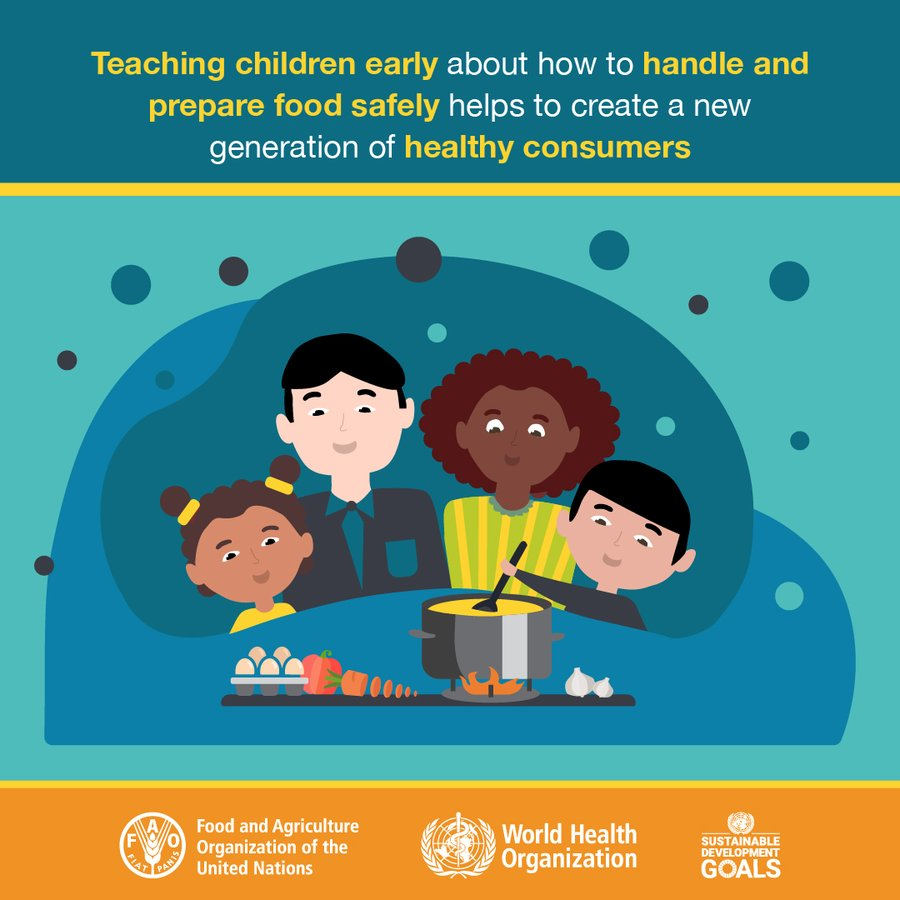
📝 | When food is not safe, children don’t get enough nutrients.
👉 Teaching children early about how to handle and prepare food safely helps to create a new generation of healthy consumers.
👦🥑🥚🍅🍲🍝🍏👧
#Codex | #FoodSafety
Every refugee has the right to health. 🌍
On #WorldRefugeeDay, we reaffirm that access to health services is a fundamental human right. Refugees should be able to receive people-centred, quality health care without facing financial hardship, regardless of where they are.
Ensuring equitable access to health services 🏥 helps protect lives, strengthen communities, and advance health for all. 💙
#HealthForAll #RefugeeHealth #UniversalHealthCoverage #LeaveNoOneBehind #WHOSEARO
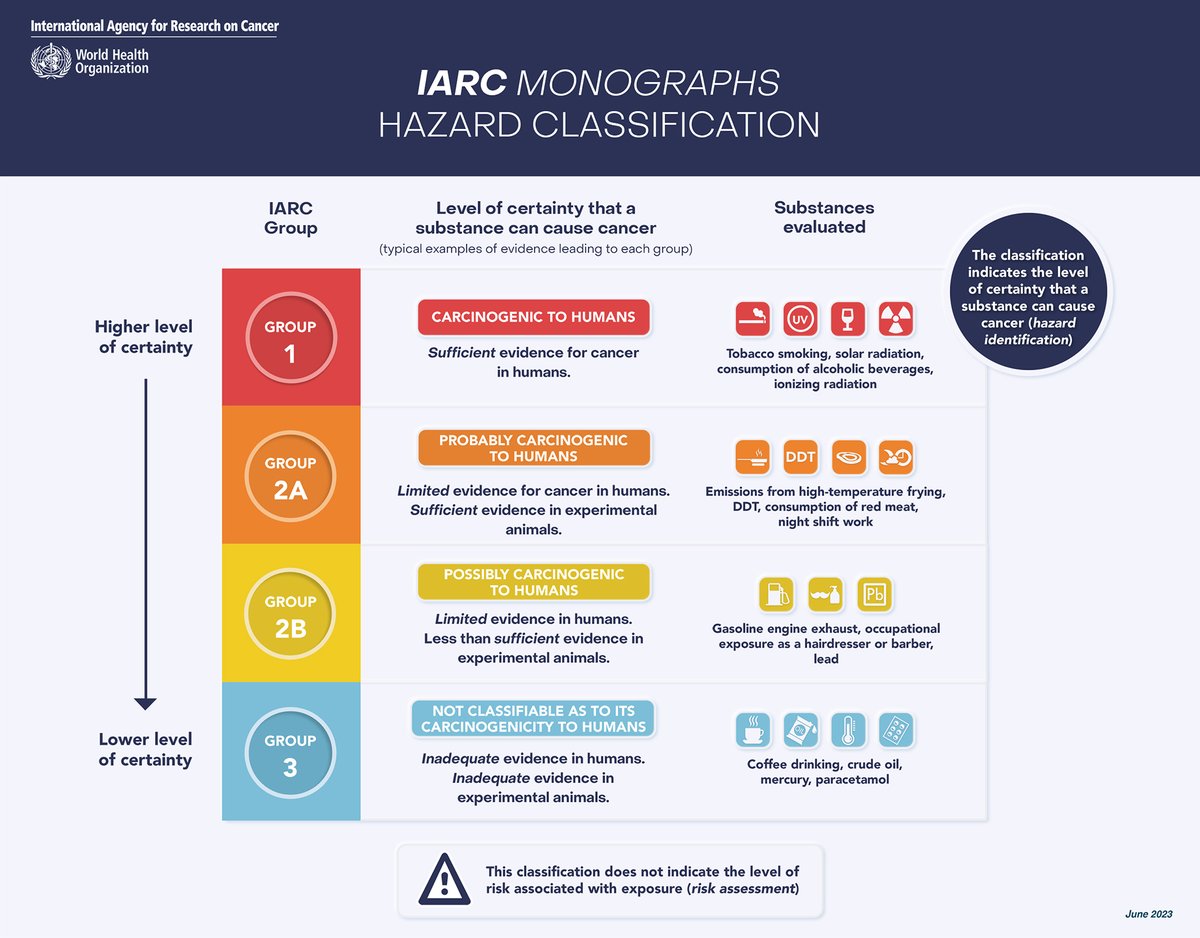
What do IARCMonograph📙 classifications mean?
IARC Monographs classification indicate the strength of evidence that a substance can cause #cancer, not the cancer risk associated with different ways & levels of exposure.
Agents in the same Group can have very different cancer risk
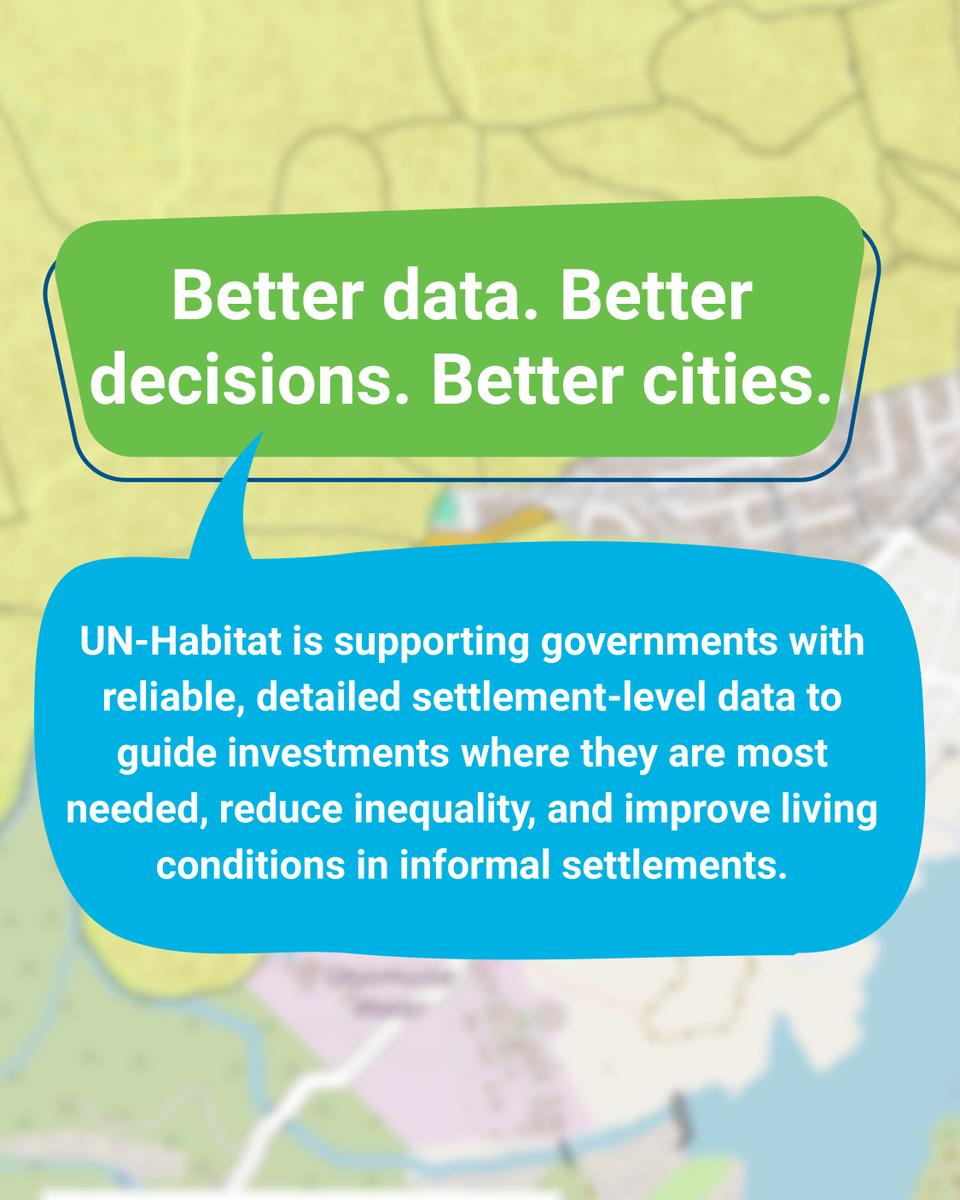
Data drives better decisions. 📊
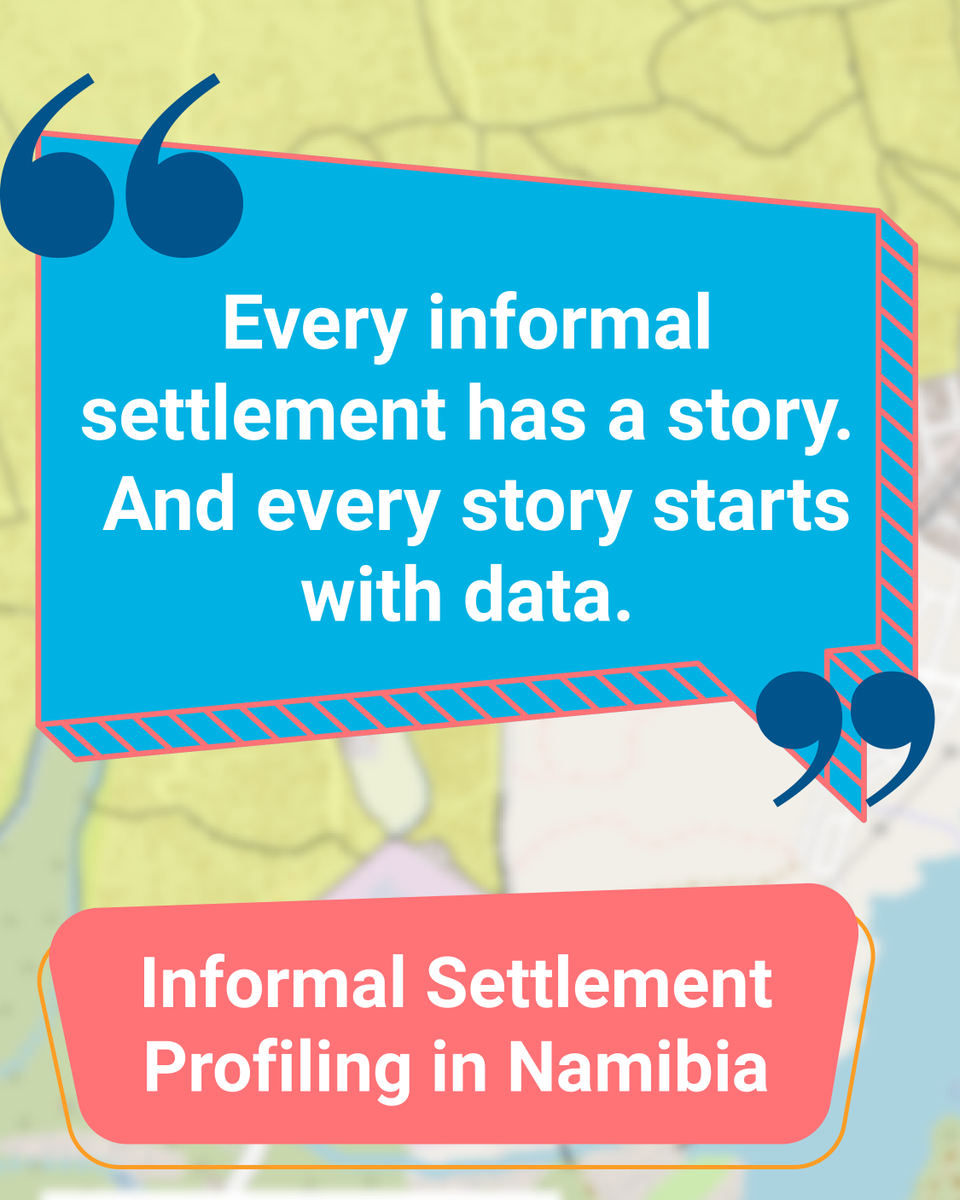
From 16–18 June, UN-Habitat, UNITAC and MURD handed over Informal Settlement Profile Reports to 7 local authorities in Namibia. Combining community knowledge, spatial mapping and data, these profiles help more inclusive urban development.
“Gender equality and women’s empowerment is among the most powerful approaches to achieving peace.”
@unwomenchief tells the Security Council that women are the largest and most reliable constituency for peace.
https://t.co/4HCojTsg4L
Join us for the 3rd Global Convening of the Global Initiative on Digital Health (GIDH) on 22-24 June 2026 at the @WHO Headquarters in Geneva, Switzerland.
The convening will be held under the theme of “Building health systems resilience and local capacity through Digital Foundations, Learning and Partnerships”.
It will bring together GIDH members, countries, partners, civil society, academia, private sector and digital health implementers to exchange experiences on country-articulated #digitalhealth priorities and promote collaborative efforts towards a standards-based digital transformation of health systems.
Throughout the three days, country leadership, local entrepreneurship, and standards will be emphasized as core pillars for sustainable and person-centered digital health transformation.
Register here https://t.co/UipFLct9H8
What we eat — and how that food produced — impacts our health & the planet.
We can all make choices to eat more sustainably:
👩🌾 Support small-scale farmers
🥘 Buy & cook local foods
🍝 Avoid food waste
Thursday is #SustainableGastronomyDay.
https://t.co/B6m2PCmpXK via @FAO
Hate speech travels faster and farther than ever, and we can stop it in its tracks.
🛑 Stop & Think
💭 Fact-check
👩🏾🏫 Educate
🚫 Challenge
🌍 Support those affected by hate speech
🤝 Report hate speech online/offline
Join us in saying #NoToHate!
📝 | #SafeFood production helps to improve sustainability, minimize environmental damage & reduce food loss and waste.
👉 Investing in #FoodSafety today will reap future rewards.
The biggest mistake in housing policy is treating housing as a product.
A house only becomes a home when it is connected to land, infrastructure, services, livelihoods, community, rights, and the wider city.
- with @JReckford from @Habitat_org