Congratulations to our graduating cardiology fellows… they collectively decided the outside world was too scary, so they’re all staying. Lucky to have you guys one more year❤️🔥
Compared with Dry-EPI, EpiCO2 was associated with significantly lower risk of inadvertent ventricular puncture and complications requiring surgery, supporting broader clinical adoption.
Get the details: https://t.co/sdZZT8R7Ks #JACCCEP#EPeeps
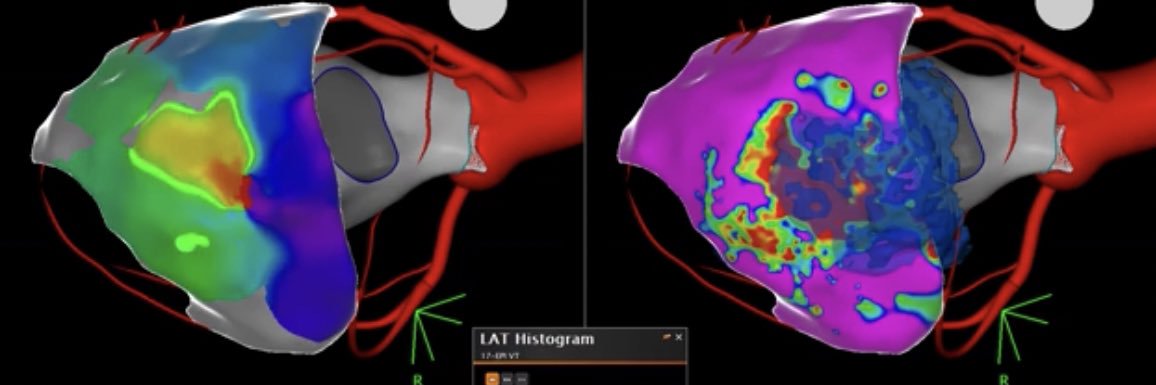
What is the role of dynamic substrate changes in facilitating conduction delay & reentry in VT circuits?
Read how the Barts protocol helps to better identify critical regions for #VTablation from @Callme_DrNeil & team here: https://t.co/KLQOZEt9Ts #JACCCEP#AblateVT#EPeeps
This ECG looks dangerous.
It may not be.
The Athlete Early Repolarization Pattern is characterized by J-point elevation, convex ST elevation, and anterior T-wave inversion—features that can raise concern during athlete screening.
In professional athletes, we found no adverse cardiovascular events attributable to the pattern with a median follow-up of ~10 years.
Exercise remodels the heart. It also remodels the ECG.
Not all human variation is disease.
🔗 link: https://t.co/OmTRemFRlO
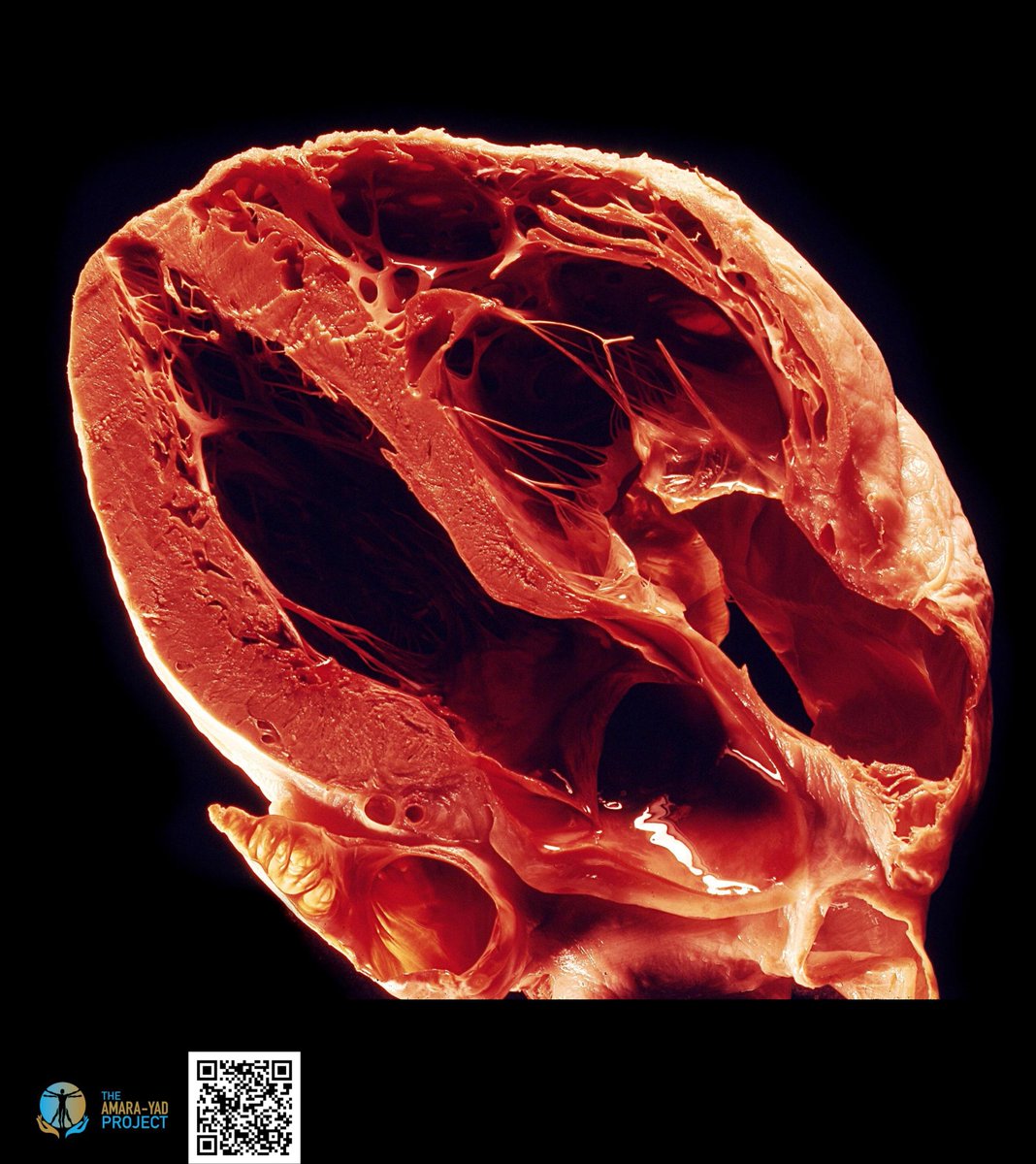
NEW IMAGE ALERT! 🚨 Check out this sectional view of the left ventricle and aorta-septal wall, published in collaboration with the Amara Yad Project — a physician-led initiative promoting ethical, accessible anatomical resources. https://t.co/UYpeDMBsqa #JACC@shivkumarmd
Pulsed field ablation using a variable-loop circular catheter was associated with a high rate of ICLs. More than half of the lesions were in the posterior cerebrovascular territory. https://t.co/rr1WHd9fDf
#JACCCEP#AFib#epAblation
Clinical Validation of an In-Silico Pace Mapping Approach to Localize both Focal and Reentrant Ventricular Arrhythmias in Patients with Structural Heart Disease #OpenAccess
https://t.co/z1icN6wX45
VT after prior right ventricular ablation may present with a narrow-QRS complex and mimic SVT. High-density mapping and pacing maneuvers can reveal an iatrogenic conduction system–related reentrant circuit and guide effective ablation. https://t.co/5FGrZTTV1J #JACCCaseReports
🔥Sphere 9 lattice @MDT_EPAblation for scar VT ablation @LiverpoolEP has proved efficient and effective
🔥We report on 3 pts with inadvertent CIED lead threshold rise despite ablation on the opposing myocardial surface
🔥#TRANSMURAL
Open access @JICE_EP
https://t.co/dB5xaqtjwy
It’s that bittersweet time of year! Seeing how far you’ve come but also time to say goodbye to great friends along the way. Congratulations to our graduating fellows!!! @Brigham_EP@True_EP@BrighamFellows#EPeeps@CMAlbertEP
Grateful to @NatureCVR for featuring our @NIH research on the cover (designed by @pav_990) ! A special thanks to Bas Boukens and Daniël A. Pijnappels for their insightful and kind editorial. Check out the article here: https://t.co/hvdCNCPBCX. @ColumbiaCVRI#Epeeps@ColumbiaPS #cardiotwitter
Vector Field Heterogeneity as a Novel Omnipolar Mapping Metric for Functional Substrate Characterisation in Scar-related Ventricular Tachycardias #OpenAccess
https://t.co/p0OYmRih7U
A striking sectional view of the cardiac apex from the superior direction, published in #JACC in collaboration with the Amara Yad Project https://t.co/dH1wXgH7yH
#AmaraYadProject#anatomy@shivkumarmd
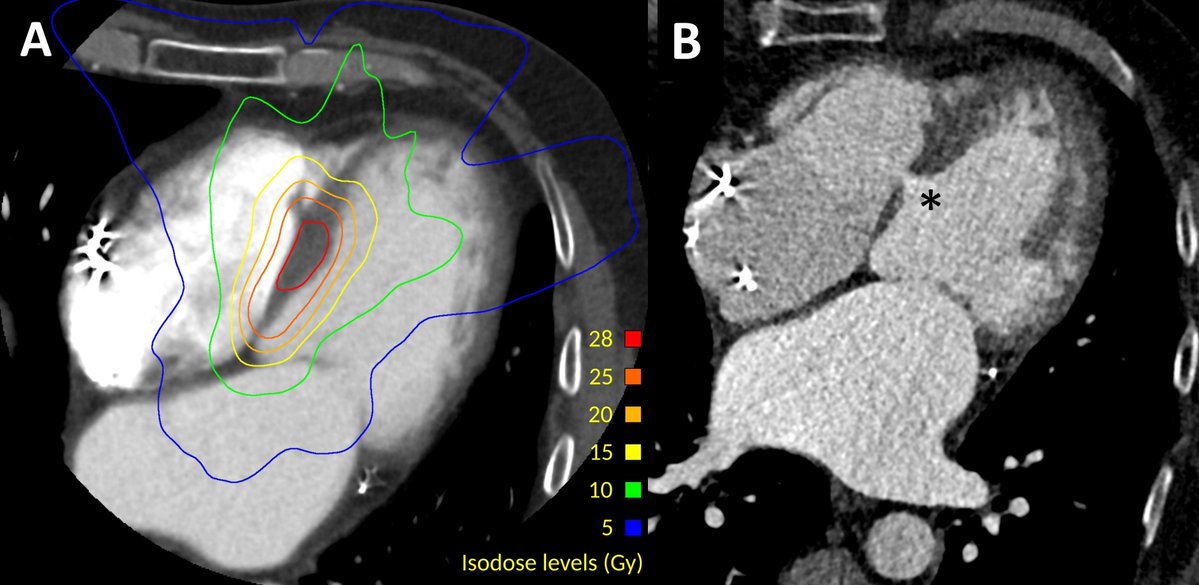
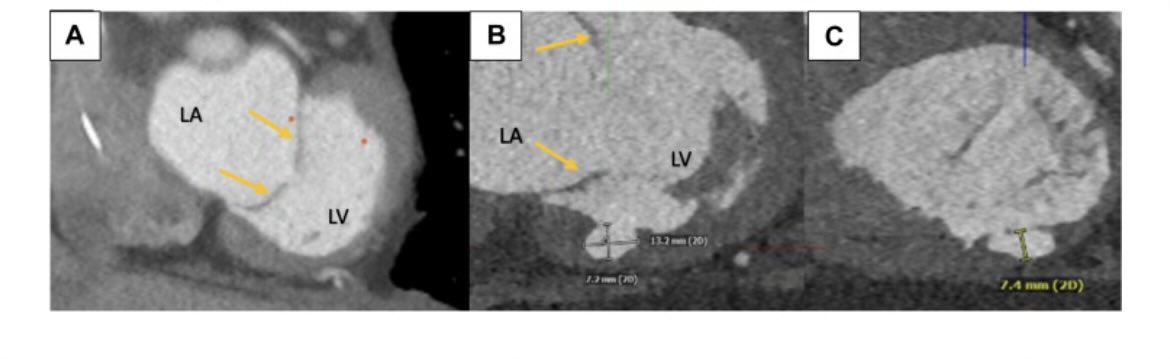
☢️STAR may silence VT, but long-term safety is still being defined. We report the first delayed ventricular septal defect occurring 2 years after STAR for VT, with dosimetric concordance at the VSD site
⚡️Long-term follow-up data are needed
@JACCJournals
https://t.co/yEGr1aNzhy
Early Feasibility Study of Catheter-Free Cardiac Radioablation with Proton Beams for Refractory Ventricular Tachycardia
@konsiont@mayocliniccv
https://t.co/IeTTWo6uOe
"She has been instrumental to my training, a sounding board for all questions related to work and life challenges, and is a true role model to all."
— Heather Wheat, MD, honoring @KTamirisaMD through the HRS Honor Your Mentor program.
Who was your mentor? Make a tribute gift today: https://t.co/CMaUKA2RMy