Day 2 | Social Insights for Human–Bear Coexistence
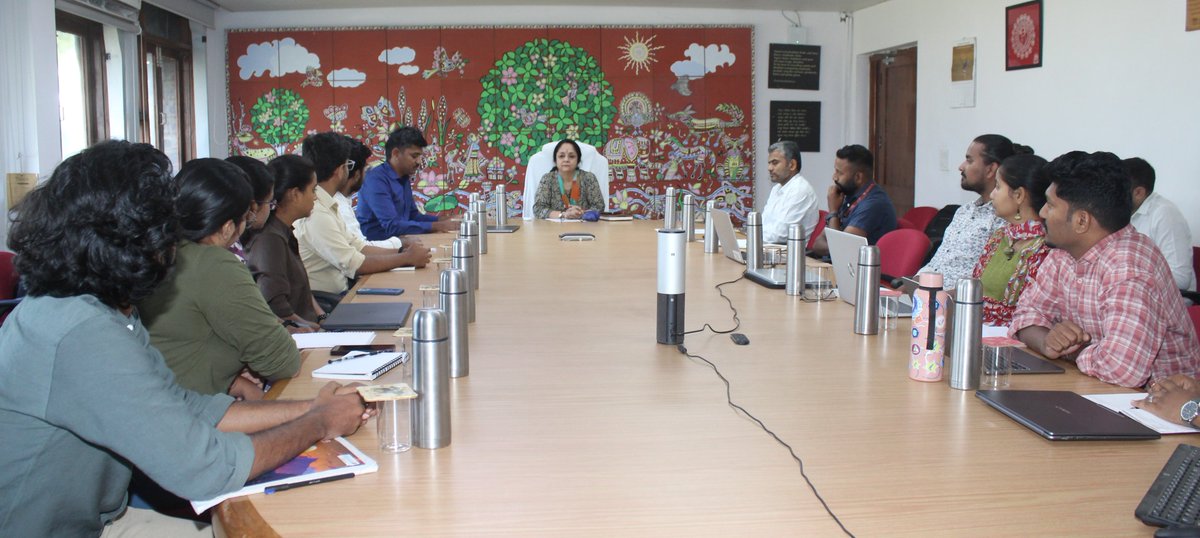
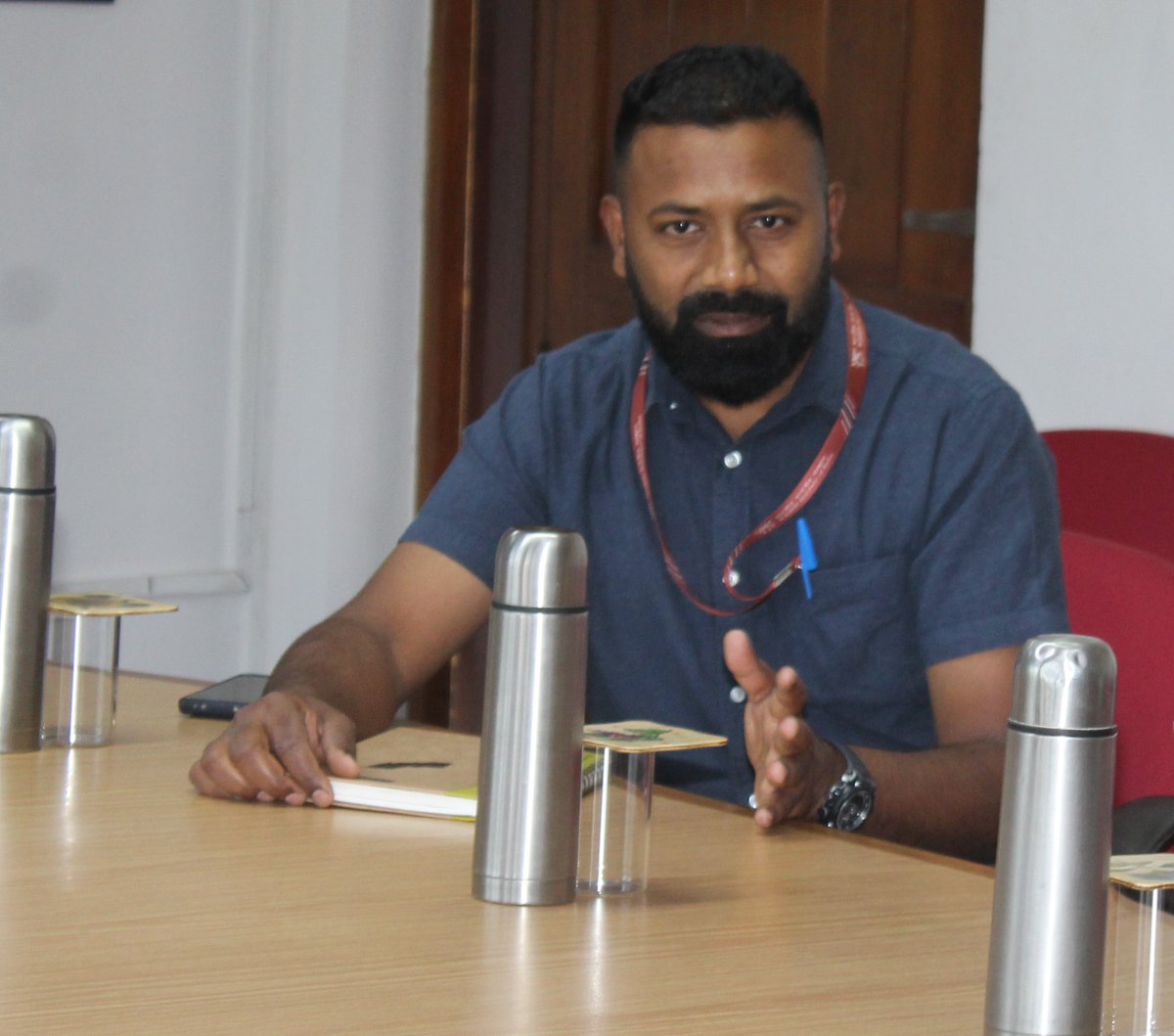
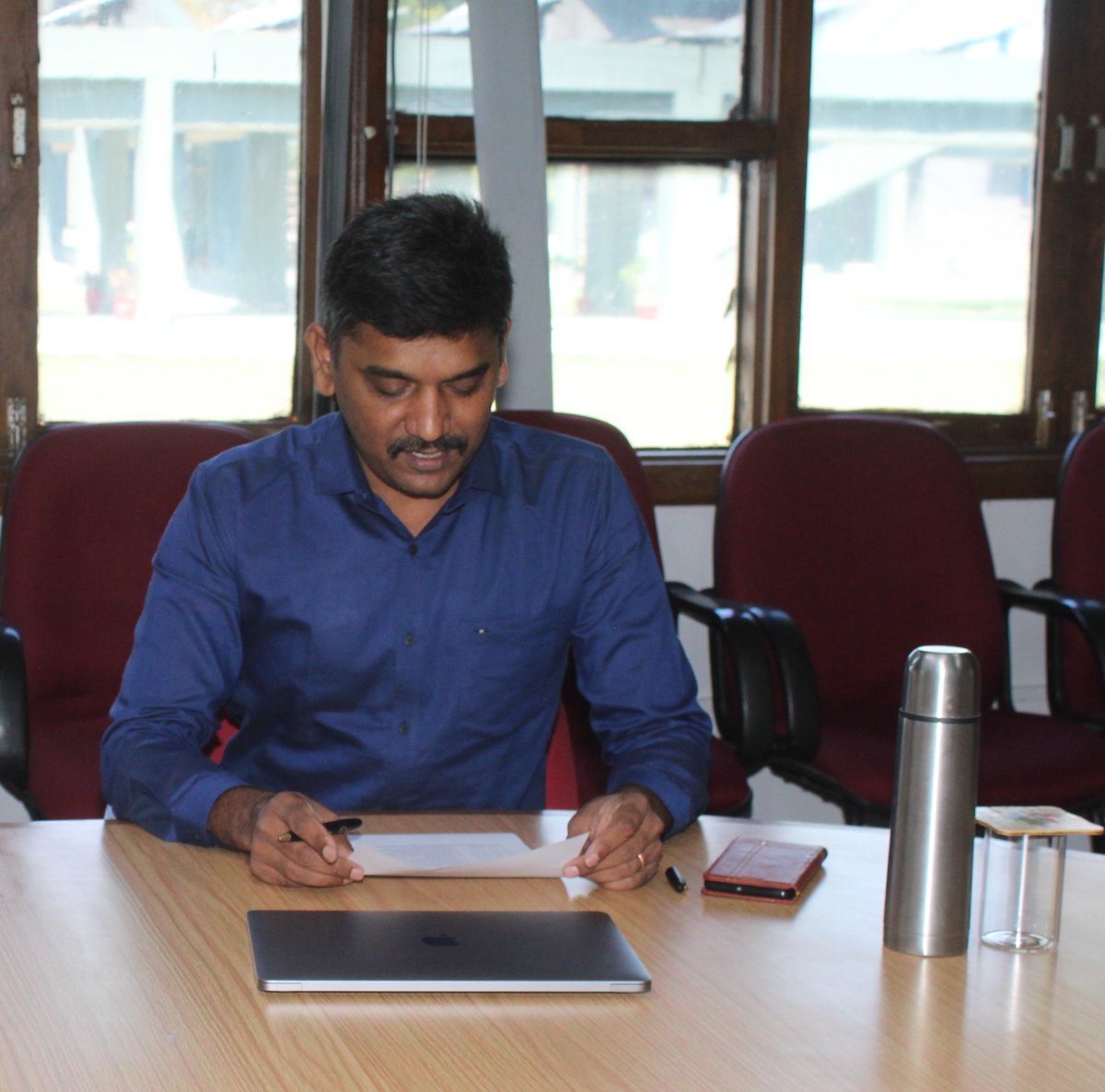
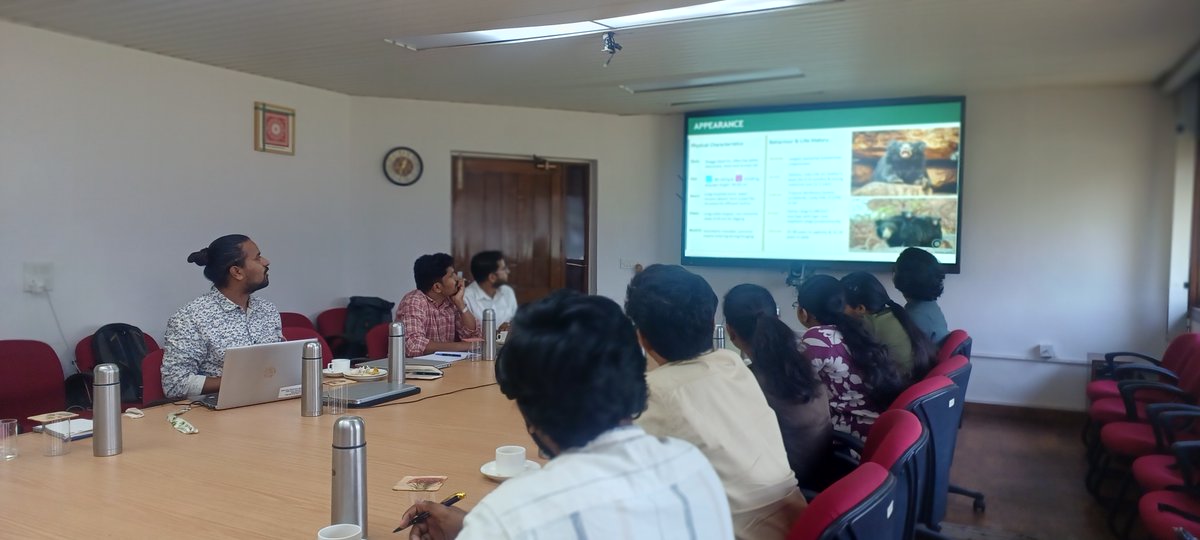
Building on the technical sessions, the final segment of Day 2 of the #ProjectSlothBear orientation workshop at the Wildlife Institute of India focused on the human dimensions of conservation and the importance of structured team coordination.
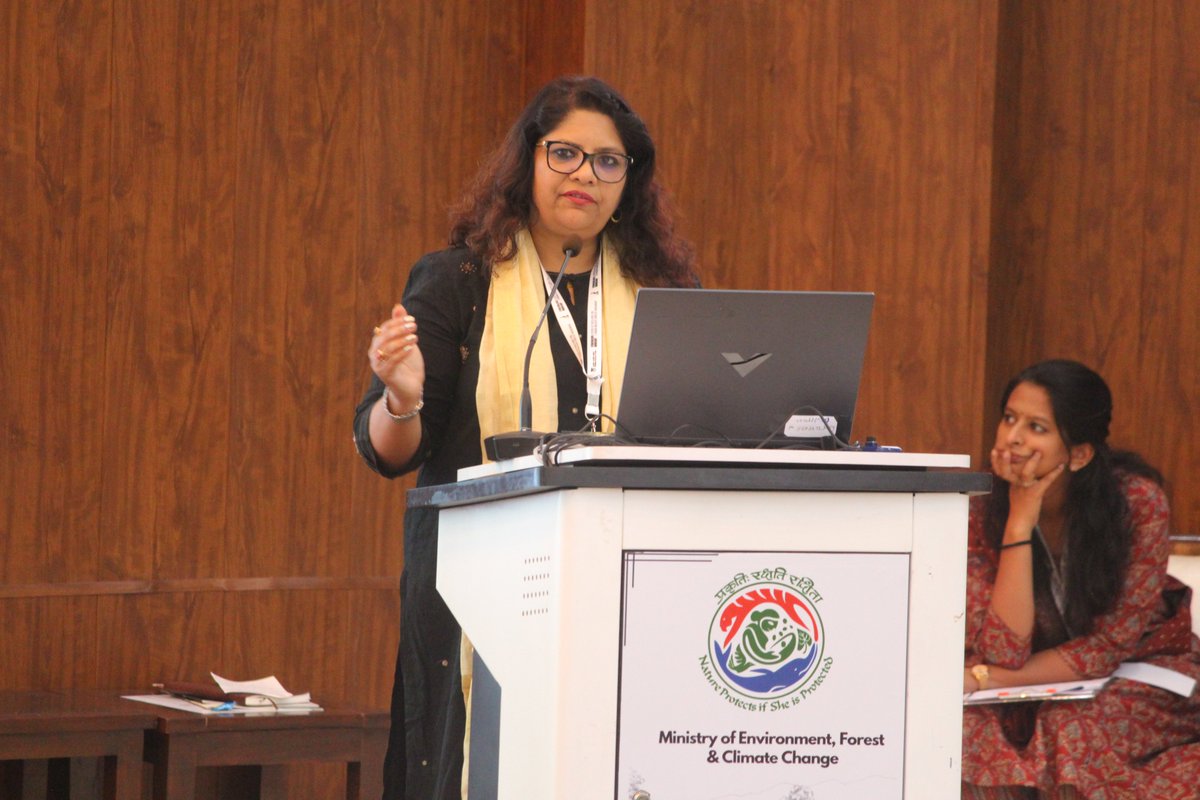
The session on “Understanding the Human Dimensions: Social Surveys” by @UpmaManral highlighted the need to integrate socio-economic insights into ecological research. It emphasized that surveys are not merely tools for data collection, but critical for understanding community demographics, resource-use patterns, and human–wildlife interactions. The session also covered questionnaire design, ethical considerations, and effective community engagement, underscoring the importance of empathy and field ethics in conservation practice.
This was followed by a session on “Team Structure & Roles”, by @UpmaManral which outlined the organisational framework of the project, detailing roles and responsibilities to ensure efficient coordination, clear communication, and effective field implementation.
Together, these sessions reinforced the importance of integrating social perspectives with strong team frameworks, preparing the #ProjectSlothBear team for inclusive, well-coordinated, and field-ready conservation efforts.
#SlothBear
#BearConservation
#HumanWildlifeCoexistence #InterfaceManagement
#IndiaWildlife #ProjectSlothBearTeam #CapacityBuilding #SocialSurvey
@moefcc@NationalCAMPA@wii_india@SACONCoimbatore@wii_eiacp@rameshpandeyifs@GobindsagarBha1@RuchiBadola2@CRamesh_WII@BivashPand34733@Kramesh95@amitwii@UpmaManral@ashishjangid22@avinashyadv95@utkarsh41995 @kaushikforwild
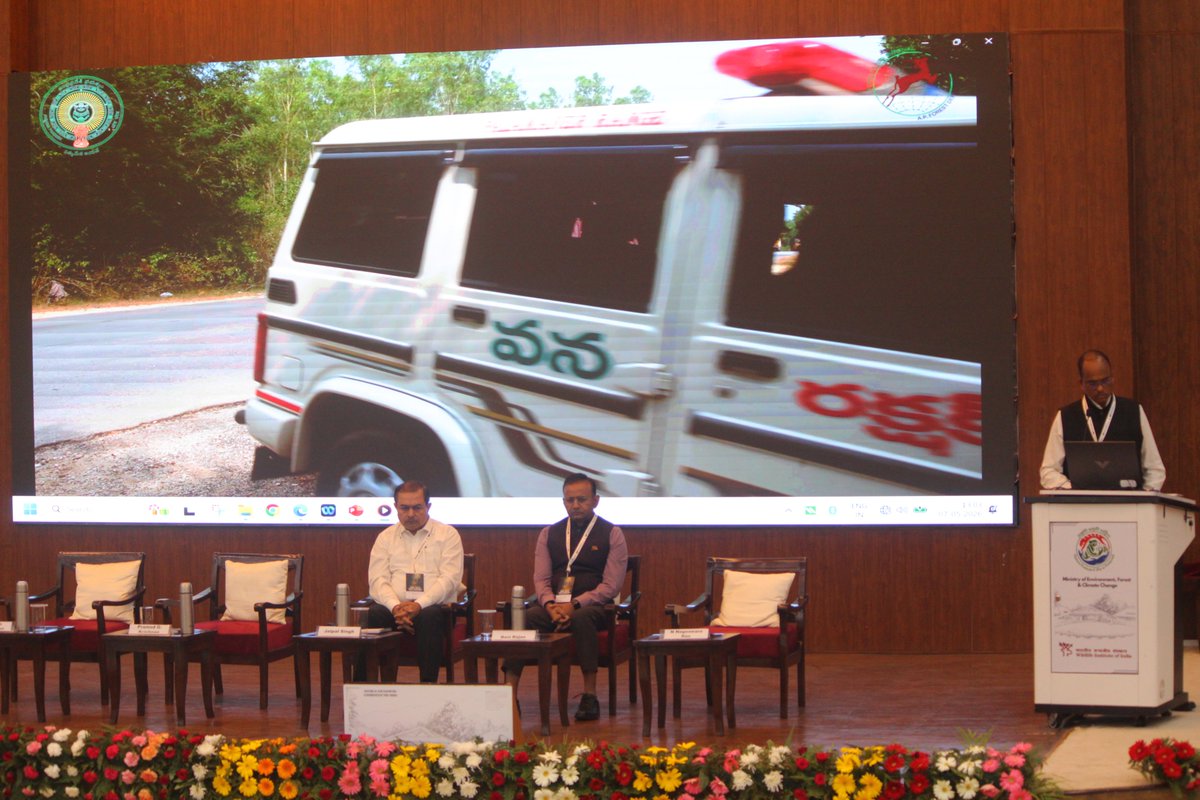
The #ProjectSlothBear team participated in the Stakeholder Workshop on Human-Wildlife Conflict Mitigation organised on 07-08th May 2026 by the Centre of Excellence for Human-Wildlife Conflict Management (CoE–HWC), WII–SACON at the Wildlife Institute of India.
The workshop brought together senior forest managers from across India to facilitate knowledge exchange, identify critical gaps in human-wildlife conflict mitigation and discuss collaborative, science-based and field-driven approaches to conflict management.
The inaugural session began with a welcome address by Dr. Ruchi Badola (Dean, WII), who welcomed the guests and highlighted the vision of CoE–HWC. She emphasized the importance of inclusive, multi-stakeholder engagement in addressing conservation challenges.
The context-setting address by Dr. K. Ramesh (Head of Office, WII-SACON & Nodal Officer, CoE–HWC) outlined the objectives and expected outcomes of the workshop.
In the keynote address, Dr. G. S. Bhardwaj (Director, WII) stressed the need for a structured, systematic and landscape-level approach to human-wildlife conflict mitigation, moving beyond site-specific and reactive responses toward coordinated long-term strategies. He also underscored the critical role of CoE-HWC in strengthening national-level coordination and capacity building.
Principal Chief Conservators of Forests and Chief Wildlife Wardens (CWLWs) from several States and Union Territories presented the status of human-wildlife conflict and major conflict-prone species in their respective regions, highlighting key challenges, ongoing interventions and best practices adopted for mitigation.
The workshop provided an important platform for strengthening inter-state collaboration and advancing coordinated, science-based approaches to human-wildlife conflict mitigation across India.
The session concluded with a vote of thanks by Dr. K. Ramesh.
#ProjectSlothBear #SlothBear #HumanWildlifeConflict #Coexistence #ConflictMitigation #IndiaWildlife #StakeholderEngagement #CapacityBuilding #InterfaceManagement
@moefcc@NationalCAMPA@wii_india@SACONCoimbatore@wii_eiacp@rameshpandeyifs@GobindsagarBha1@RuchiBadola2@CRamesh_WII@BivashPand34733@Kramesh95@amitwii@UpmaManral@ashishjangid22@avinashyadv95@utkarsh41995 @kaushikforwild
Human–sloth bear interactions across different landscapes emerged as an important theme during discussions with Senior Forest Managers from multiple Indian States and Union Territories at the Stakeholder Workshop on Human–Wildlife Conflict Mitigation.
Among the 13 States and UTs represented, Andhra Pradesh, Gujarat, Jharkhand, Karnataka, Kerala, Madhya Pradesh, Maharashtra, and Uttar Pradesh reported the presence of Sloth Bear populations and shared state-specific interface scenarios. Andhra Pradesh CCF (Dr. Nageshwara Rao IFS), highlighted concerns related to human safety and injury incidents, while Madhya Pradesh CWLW (Dr. Sameeta Rajora IFS) discussed frequent encounters associated with forest-dependent communities, particularly during Tendu and Mahua collection. Jharkhand PCCF & CWLW (Shri. Ravi Ranjan IFS) and Maharashtra APCCF (Shri. Mukul Trivedi IFS) also identified sloth bear among the important conflict species in their States, whereas Gujarat PCCF (Dr. Jaipal Singh IFS) shared experiences from North and East Gujarat landscapes where human–sloth bear interface is becoming challenging.
These discussions provided valuable field perspectives for #ProjectSlothBear, helping identify priority landscapes, state-specific challenges, and opportunities for collaboration with partner States on coexistence-oriented mitigation strategies.
The workshop further strengthened dialogue between managers, and academia, reinforcing the importance of coordinated, science-based, and landscape-level approaches for managing human–wildlife interactions across India.
#ProjectSlothBear #SlothBear #HumanWildlifeConflict #ConflictMitigation #IndiaWildlife #StakeholderEngagement
@PMOIndia@moefcc@CentralIfs@NationalCAMPA@wii_india@SACONCoimbatore@wii_eiacp@rameshpandeyifs@GobindsagarBha1@RuchiBadola2@CRamesh_WII@BivashPand34733@Kramesh95@amitwii@APEnvFor@GujForestDept@aranya_kfd @ForestKerala @minforestmp@MahaForest@JharkhandVan@UpforestUp@UpmaManral@ashishjangid22@avinashyadv95@utkarsh41995 @kaushikforwild
Sloth bears are inherently shy animals and generally avoid human presence whenever possible. They tend to remain elusive, using dense vegetation and nocturnal activity patterns to minimize interactions with people.
Human–bear conflicts often result from accidental encounters, particularly in areas where human activity overlaps with bear habitats. When surprised, sloth bears may react defensively to protect themselves, which is frequently misinterpreted as aggressive behaviour.
Through #WIIProjectSlothBear, ongoing research aims to generate scientific insights into behavioural ecology and human–bear conflicts, supporting evidence-based conservation and conflict mitigation measures.
Recognising behavioural context is critical for promoting coexistence. 🌿🐻
#ProjectSlothBear #SlothBear #BearBehaviour #HumanWildlifeConflict #Coexistence #WildlifeConservation #IndiaWildlife #BehaviouralEcology #NatureAwareness
@moefcc@CentralIfs@NationalCAMPA@wii_india@SACONCoimbatore@wii_eiacp@rameshpandeyifs@GobindsagarBha1@RuchiBadola2@CRamesh_WII@BivashPand34733@Kramesh95@amitwii@UpmaManral@ashishjangid22@avinashyadv95@utkarsh41995 @kaushikforwild
Located in the southern Aravalli landscape of Rajasthan, The Sundha Mata Conservation Reserve represents an ecologically significant habitat for Sloth Bears and marks the westernmost extent of the Sloth Bear's global distribution. Its rugged terrain, rocky outcrops and dry deciduous forests provide crucial denning, foraging and movement habitats for bears and other native wildlife.
However, increasing anthropogenic pressures including habitat fragmentation, unregulated resource extraction, linear infrastructure and human-wildlife interactions continue to pose conservation challenges across the landscape. Protecting and restoring such habitats is essential for maintaining ecological connectivity and ensuring long-term persistence of Sloth Bear populations in western India.
#WIIProjectSlothBear emphasises science-based conservation, habitat assessment and community-inclusive management approaches to strengthen coexistence and landscape-level conservation outcomes. 🐻🌿
📸@utkarsh41995
#ProjectSlothBear #SlothBear #SundhaMataConservationReserve #WildlifeConservation #AravalliLandscape #HabitatConnectivity #BiodiversityConservation #HumanWildlifeCoexistence
@moefcc@CentralIfs@NationalCAMPA@wii_india@SACONCoimbatore@wii_eiacp@rameshpandeyifs@GobindsagarBha1@RuchiBadola2@CRamesh_WII@BivashPand34733@Kramesh95@amitwii@ForestRajasthan@UpmaManral@ashishjangid22@avinashyadv95@utkarsh41995 @kaushikforwild
Kicking off #ProjectSlothBear 🐻
The orientation workshop for the #ProjectSlothBear team began on 27 April 2026 at the Wildlife Institute of India, marking the formal commencement of this national initiative. The three-day event is designed to align teams, frameworks, and approaches for coordinated implementation across landscapes.
The inaugural session opened with a welcome address by Dr. Ramesh Chinnasamy (Scientist-E & Principal Investigator), followed by introductions from the project team.
Opening remarks by Dr. Ruchi Badola (Dean, WII) underscored the importance of a community-driven approach and strong outreach framework for Sloth Bear conservation. This was followed by an interactive session with Project Co-Investigators, including Dr. Bivash Pandav, Shri Maria Christu Raja D (IFS), Dr. K. Ramesh, Dr. Samrat Mondol, and Dr. Amit Kumar, who highlighted the project’s multidisciplinary and collaborative framework, integrating research with field implementation.
Dr. G.S. Bhardwaj (IFS), Director, WII, also interacted with the team, emphasizing the need for a structured, science-based, and coordinated approach, along with sustained stakeholder engagement.
This opening session sets a strong foundation for systematic research on bear ecology and interface management under #ProjectSlothBear
#SlothBear #BearConservation #HumanWildlifeCoexistence #InterfaceManagement #IndiaWildlife #ProjectSlothBearTeam #CapacityBuilding
@moefcc@NationalCAMPA@wii_india@SACONCoimbatore@wii_eiacp@rameshpandeyifs@GobindsagarBha1@RuchiBadola2@CRamesh_WII@BivashPand34733@Kramesh95@amitwii@UpmaManral@ashishjangid22@avinashyadv95@utkarsh41995
Day 1: Understanding the vision and the species🐻
As part of the ongoing orientation workshop at the Wildlife Institute of India, Day 1 focused on introducing the project framework, the species, and key implementation processes — laying a strong foundation for field-level execution.
The session on “Project Overview: Vision, Objectives, and Implementation Roadmap” by @CRamesh_WII and @UpmaManral outlined the landscape-based approach of the initiative across 16 priority states within the range of the Sloth Bear. Discussions highlighted the integration of scientific research, habitat management, connectivity conservation, and community engagement for long-term planning. The roadmap emphasized securing ecological corridors, strengthening coexistence strategies, and addressing key knowledge gaps through adaptive, evidence-based approaches. The session also featured inputs from @amitwii, who outlined the vegetation component of the project, emphasizing the role of vegetation in supporting food resources and shelter for the Sloth Bear.
In the “Meet the Species” session, @ashishjangid22 shared insights into sloth bear ecology, distribution, and ecological roles, highlighting their significance as umbrella species and ecosystem engineers. Key challenges including habitat fragmentation, poaching, and increasing human–bear interface were also discussed.
A session on Financial Guidelines and Procedures for Project Implementation by Ms. Shricha Pathak, provided clarity on administrative and financial processes to support effective coordination and execution of project activities. @ashishjangid22 and @avinashyadv95 further elaborated on the operations and logistic guidelines for field implementation.
These sessions enhanced the collective understanding of the #ProjectSlothBear team and established a strong foundation for sustained engagement with the institute and collaboration among team members.
#ProjectSlothBear #SlothBear #BearConservation #HumanWildlifeCoexistence #InterfaceManagement #IndiaWildlife #CapacityBuilding
@moefcc@NationalCAMPA@wii_india@SACONCoimbatore@wii_eiacp@rameshpandeyifs@GobindsagarBha1@RuchiBadola2@CRamesh_WII@BivashPand34733@Kramesh95@amitwii@UpmaManral@ashishjangid22@avinashyadv95@utkarsh41995 @kaushikforwild
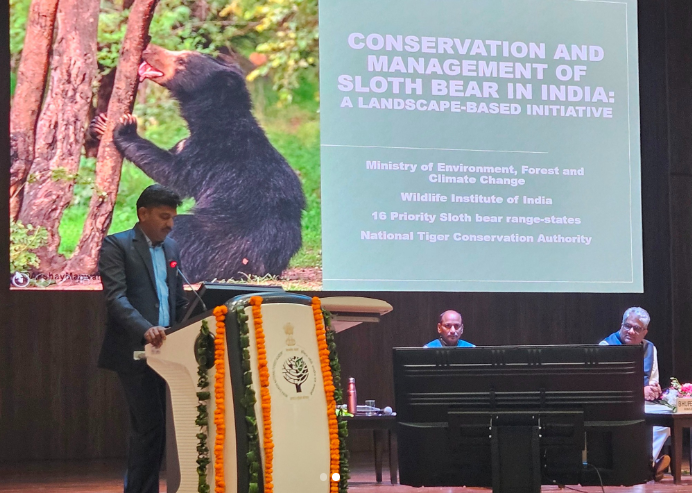
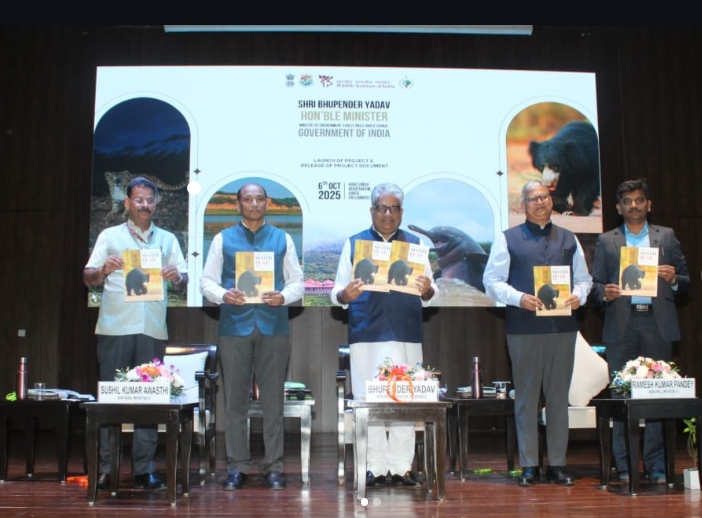
Guided by the vision of Hon’ble Prime Minister Shri Narendra Modi and led by Hon’ble Environment Minister Shri Bhupender Yadav, #ProjectSlothBear was launched during #NationalWildlifeWeek2025 at the historic Hari Singh Auditorium, IGNFA–FRI campus, Dehradun (October 6, 2025).
The event, organized by @moefcc in collaboration with @wii_india, @IcfreIndia and @IGNFA_GoI, brought together policymakers, scientists, and conservation practitioners from across the country.
Building on the roadmap outlined at the 7th National Board for Wildlife (March 3, 2025, Gir), the initiative reflects a national commitment to innovative, technology-driven and community-centric conservation, with a strong focus on coexistence and human–bear interface management.
@CRamesh_WII , Scientist E @wii_india and Principal Investigator of #ProjectSlothBear, briefly introduced the initiative, highlighting it as a dedicated effort for the conservation and management of sloth bears. The project adopts a landscape-level approach, integrating science-based research, habitat management, and interface management to promote coexistence across the species’ range.
A project brochure was also released by Hon’ble Environment Minister Shri Bhupender Yadav in the presence of Director General of Forests Shri Sushil Kumar Awasthi, Additional Director General(Wildlife) @rameshpandeyifs and Director of Wildlife Institute of India @GobindsagarBha1. The brochure outlines key objectives, the current status of sloth bears in relation to forested landscapes, and the need for coordinated conservation efforts beyond protected areas. With a focus on scientific monitoring, habitat restoration, and coexistence-oriented management, the initiative aims to support State Forest Departments and strengthen conservation efforts across India.
#ProjectSlothBear #SlothBear #BearConservation #HumanWildlifeCoexistence #InterfaceManagement #IndiaWildlife #ProjectSlothBear
@PMOIndia@byadavbjp@moefcc@wii_india@IGNFA_GoI@NationalCAMPA@EIACPIndia@SACONCoimbatore@wii_eiacp@CentralIfs@rameshpandeyifs@tewari23san@ben_ifs@GobindsagarBha1@RuchiBadola2@CRamesh_WII@BivashPand34733@Kramesh95@amitwii@UpmaManral
Publication alert!
Our new paper finds that although the KMBGF could support insect recovery, its current indicators are largely inadequate for measuring insect outcomes.
#InsectConservation#GBF#Biodiversity
The Society for Conservation Biology https://t.co/8K5b8kxtiN
In a highly significant step forward for vulture conservation, India’s government has banned the use of Nimesulide – a widely used veterinary painkiller that’s highly toxic to these threatened birds. https://t.co/StAySF0AZA
Exciting discovery - Dr. Vivek Sarkar (@UNESCOC2C_WII) and Dr. Kalesh Sadashivan (TNHS) unveils a new #cicada genus Sahyaterpnosia laevospina from lush evergreen forests of southern #WesternGhats! The name pays tribute to the region's rich heritage. @moefcc
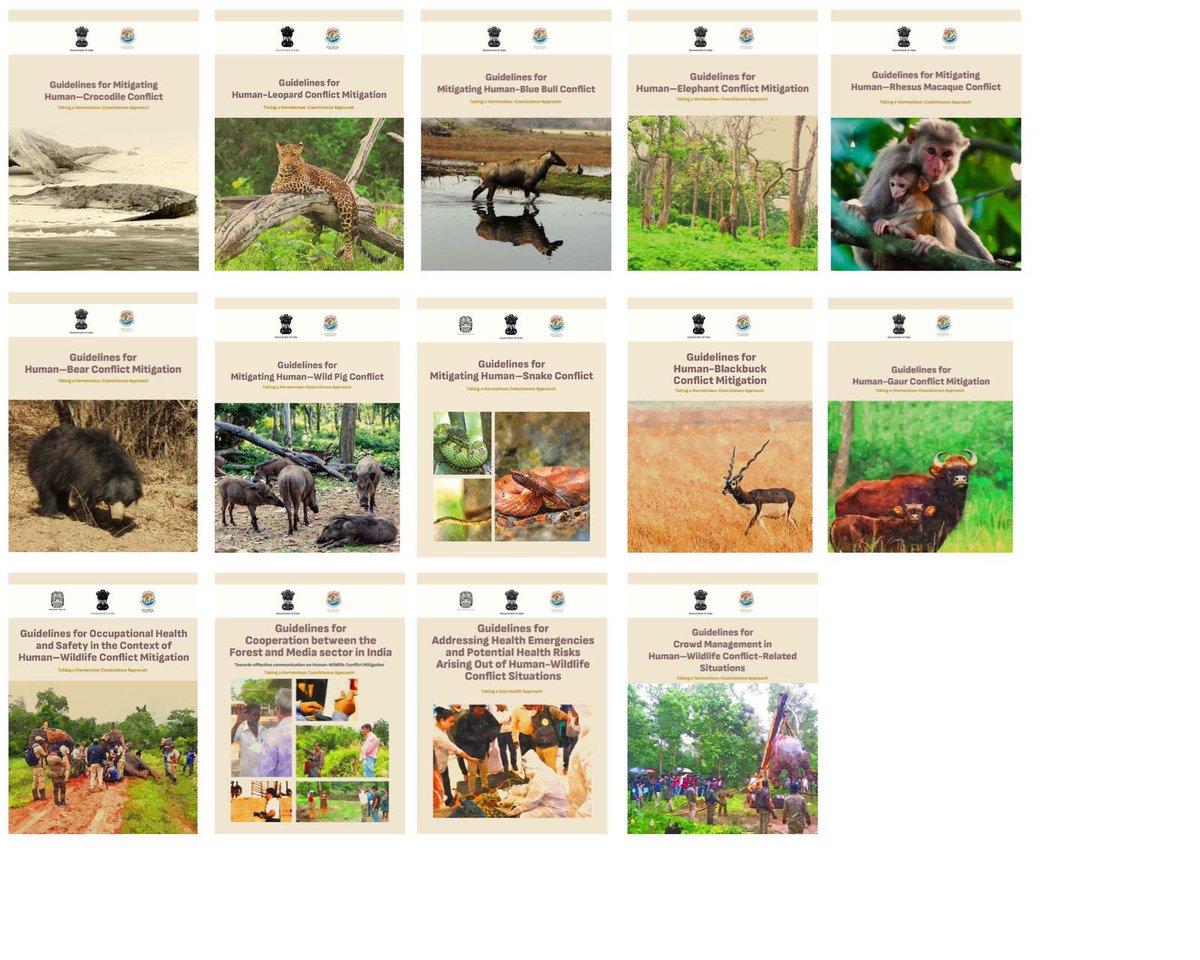
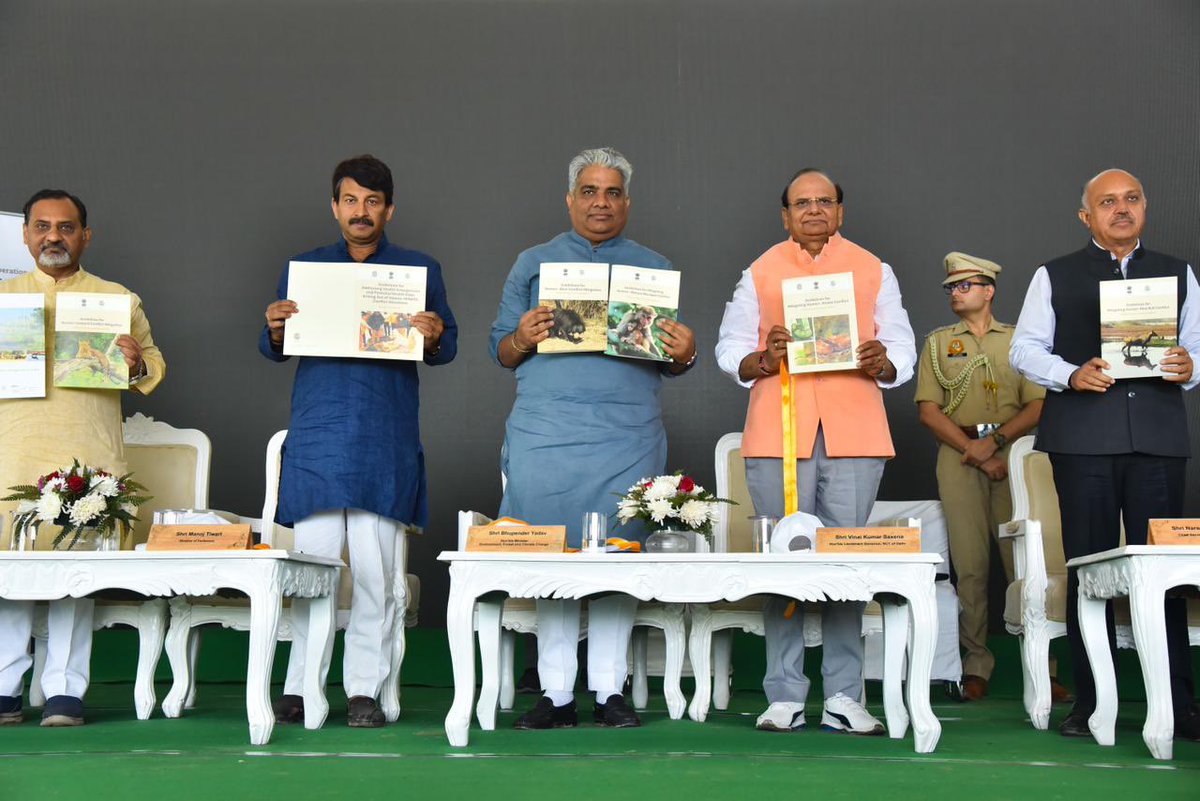
Content to see that outcome of several expert's hard work is in public domain. Was part of WII team coordinating the development and writing of these guidelines. Hopeful that these will become much needed tools for conflict mitigation in India.
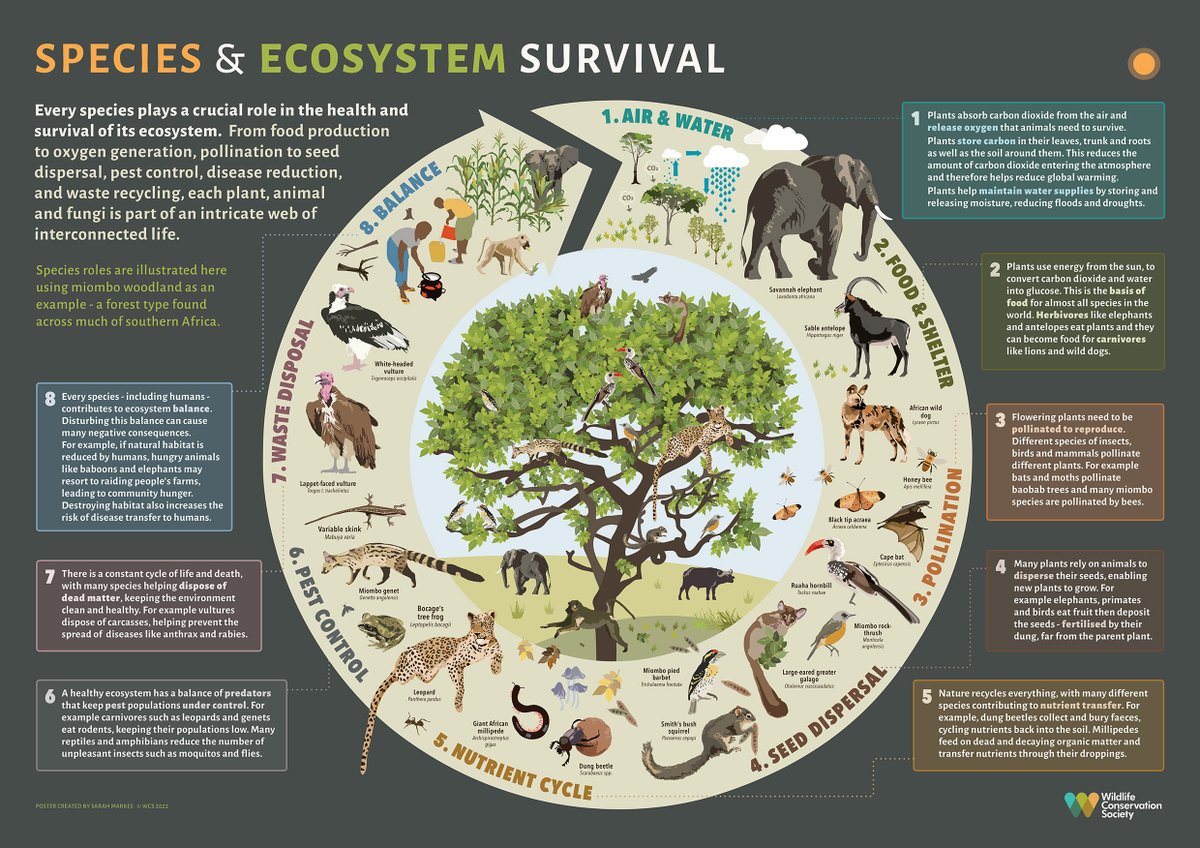
Understanding species' roles in #ecosystem survival is fascinating & crucial to inform effective #conservation.
This educational poster illustrates key functions of various plants & animals in the context of #Miombo#woodlands. Pdf available on request. https://t.co/lqSGHtuXj9
Another opportunity to be part of capacity building of forest officers and frontline staff, among the most important stakeholders for Human-wildlife Conflict mitigation
भारतीय वन्यजीव संस्थान में तीन दिवसीय मानव-गुलदार संघर्ष प्रबंधन क्षमता विकास कार्यशाला आयोजित की जा रही है। इस कार्यशाला में उत्तराखंड वन विभाग के अंतर्गत भागीरथी वृत्त के अधिकारी एवं कर्मचारी 28 से 30 जून तक उत्कृष्ट तकनीकों से मानव-गुलदार संघर्ष के बेहतर प्रबंधन सीखेंगे।
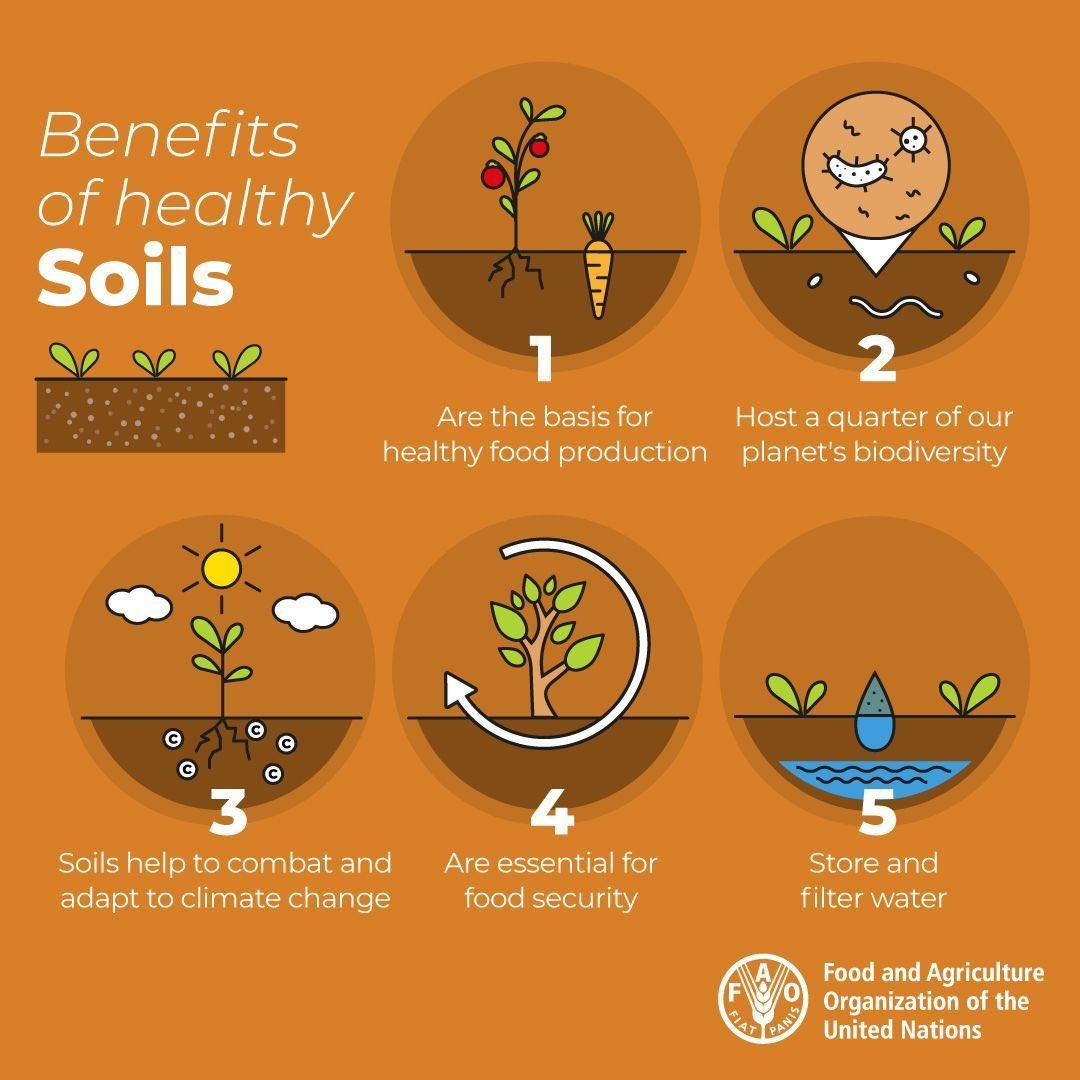
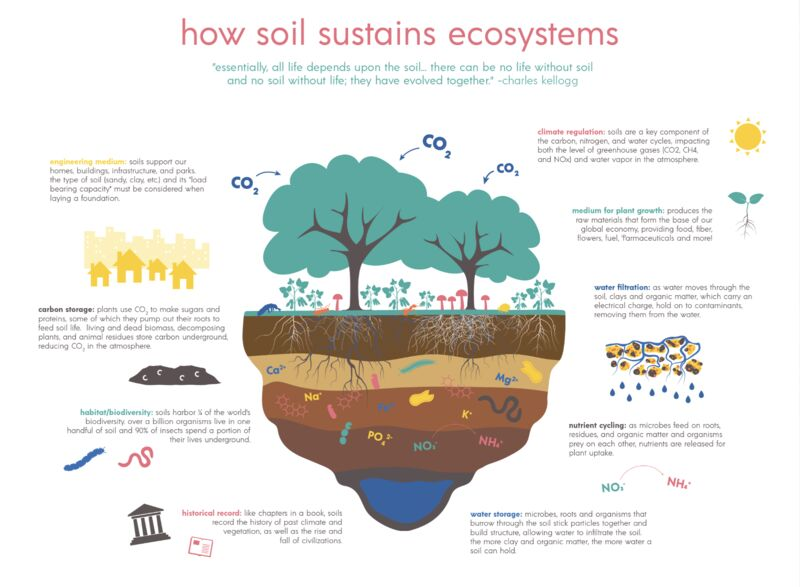
Soil is fundamental to life on Earth 🌿🌦️
If you eat food, if you wear clothes, if you take medicines, if you drink water, you depend on the soil.
📷@the_Soil_Life#SaveSoil via https://t.co/b72c8iVxGI