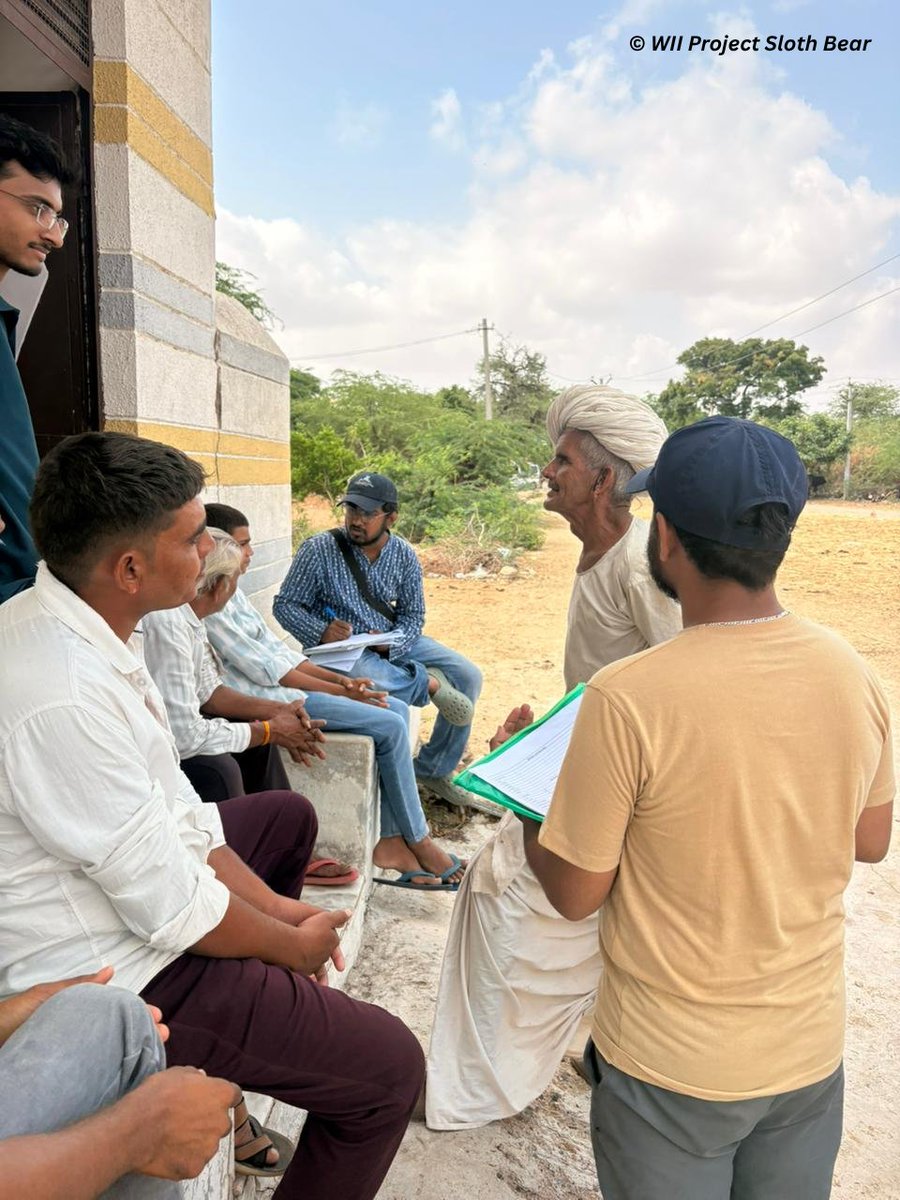
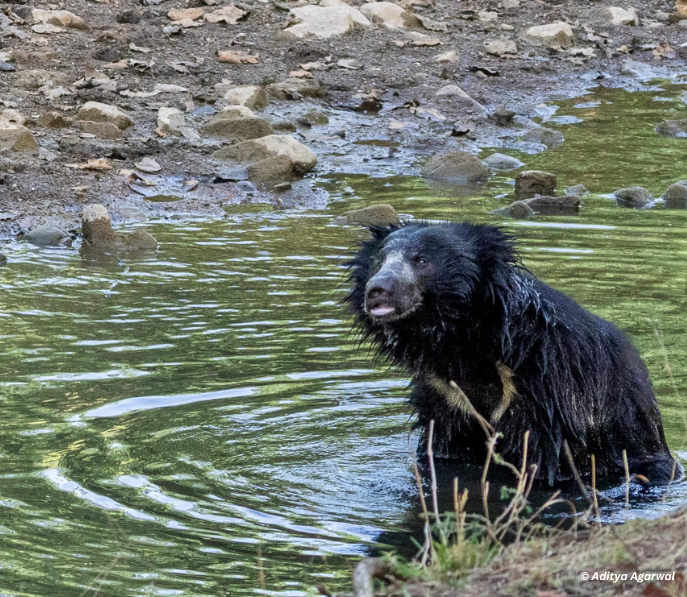
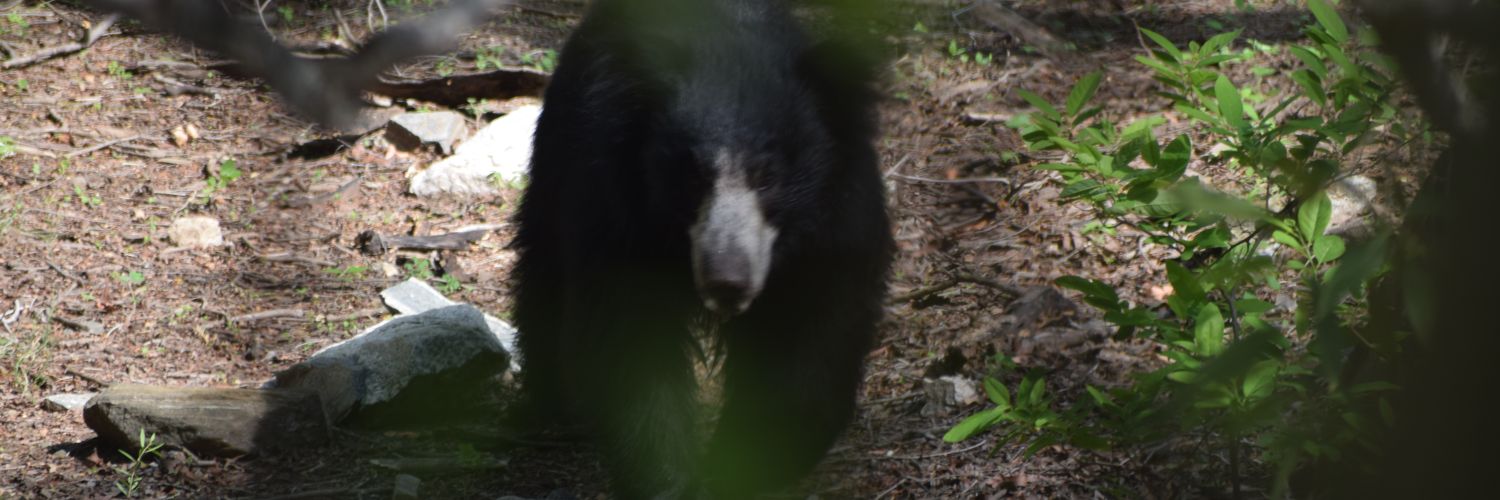
Glad to share our new paper in @OryxTheJournal revealing Sloth bears are attracted to human food waste in Mount Abu town, Rajasthan. #slothbear#mountabu#rajasthan
https://t.co/zapqOTWbZA
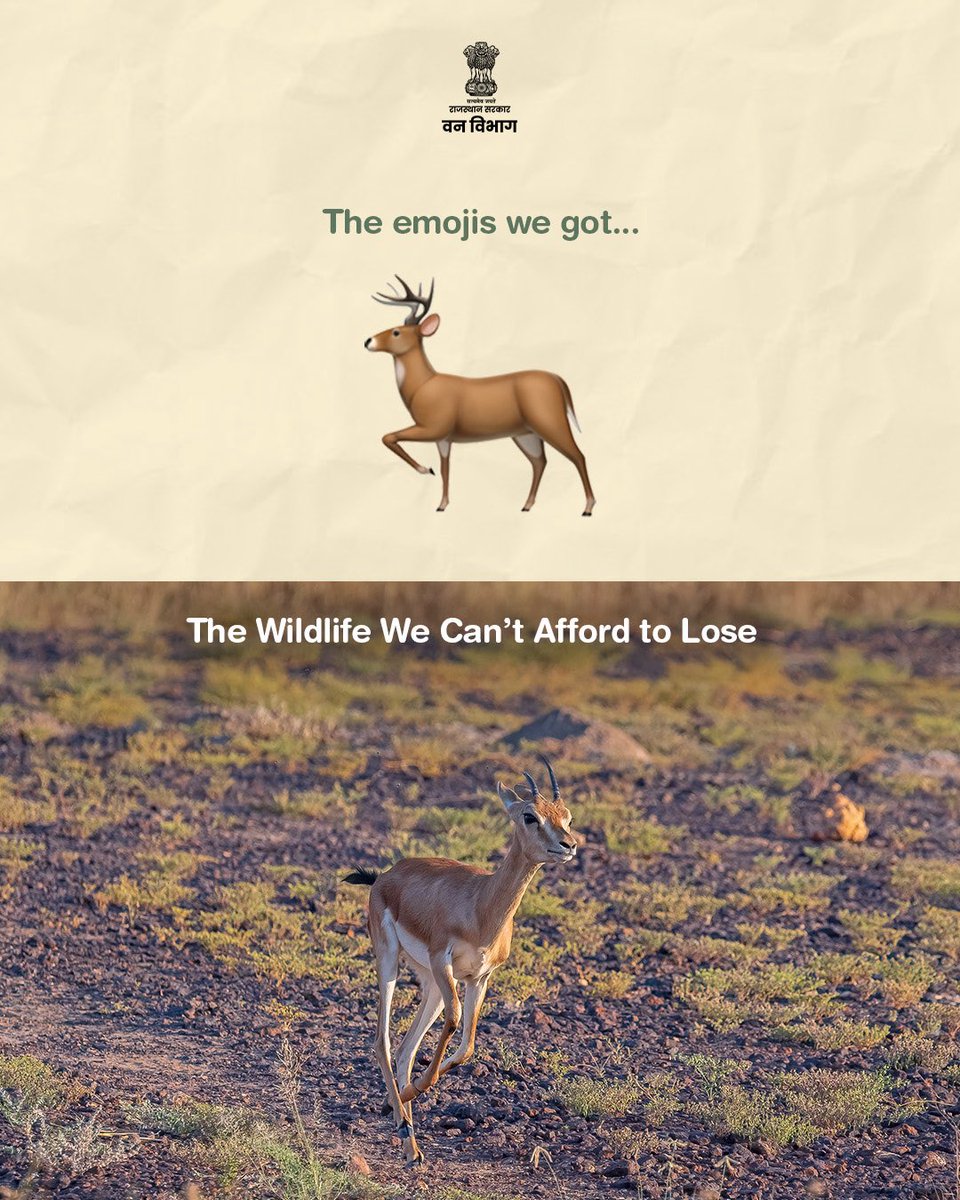
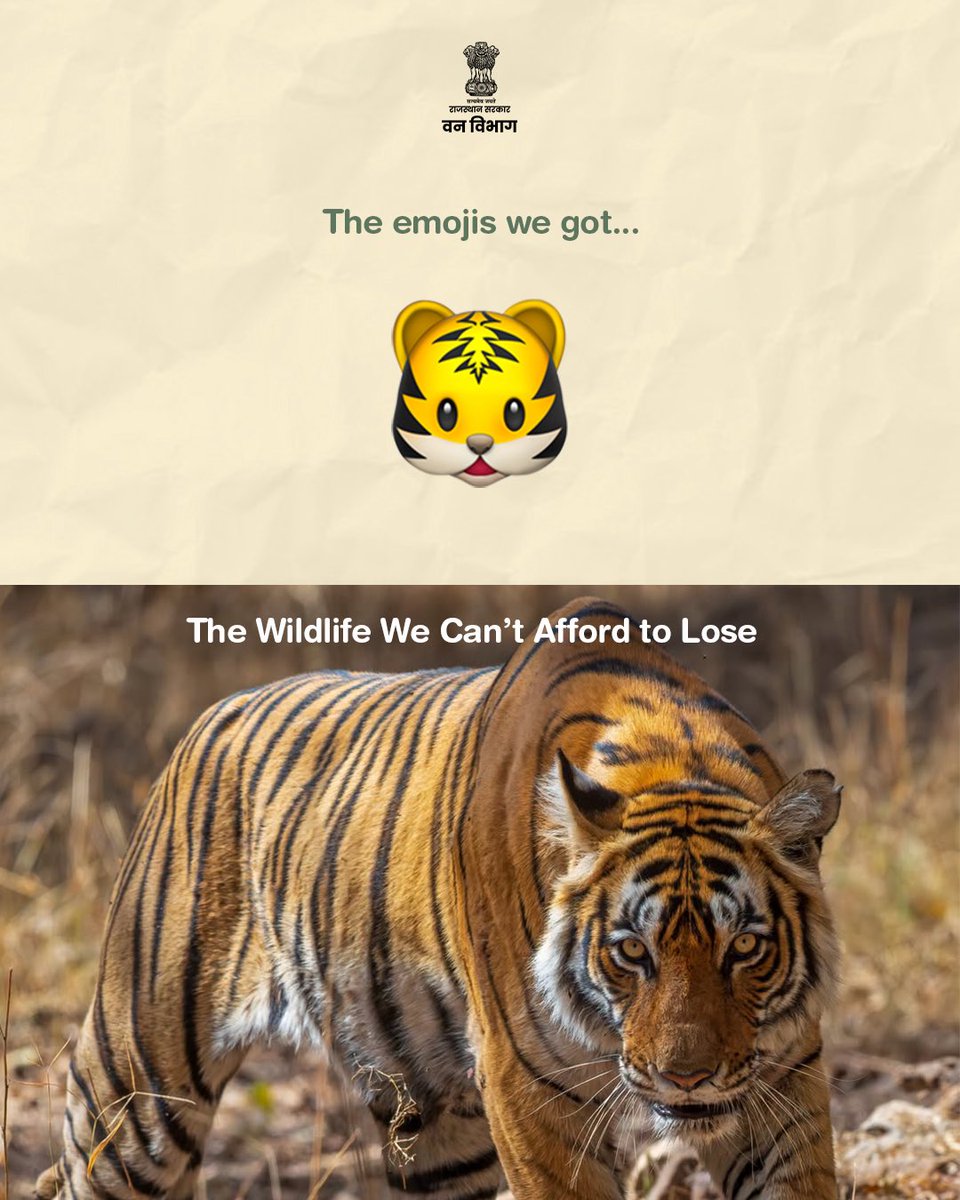
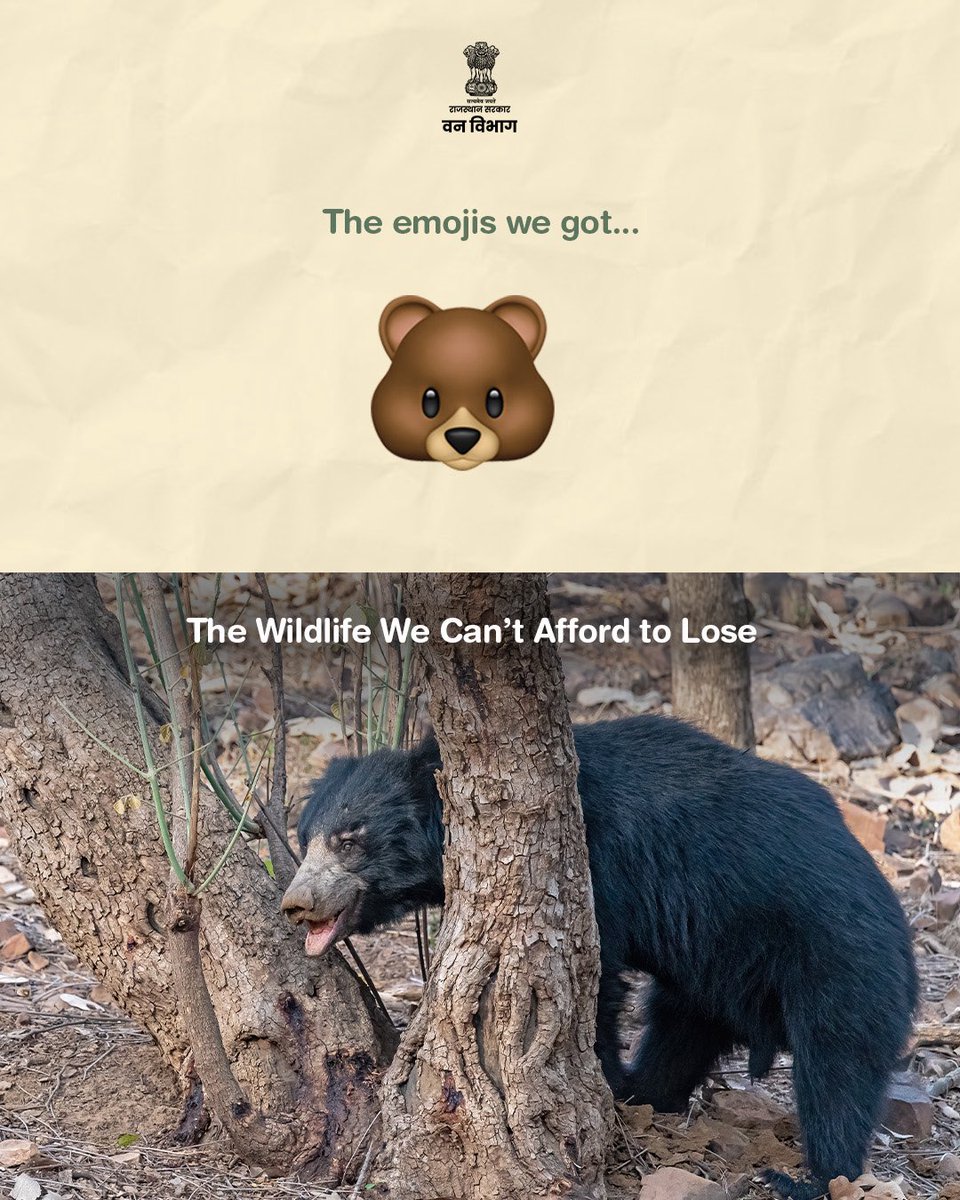
Emojis may live forever on our keyboards. Wildlife needs healthy habitats and continued conservation to thrive in the real world.
This World Emoji Day, let’s protect the animals behind the icons and preserve Rajasthan’s wild reality. 🌿
#WorldEmojiDay
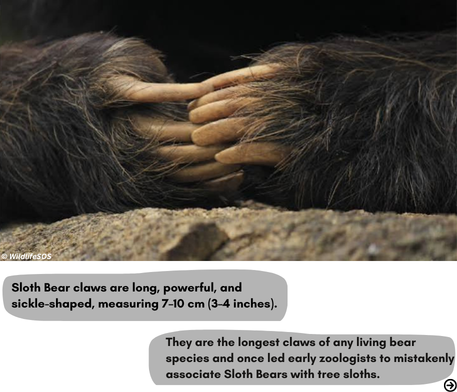
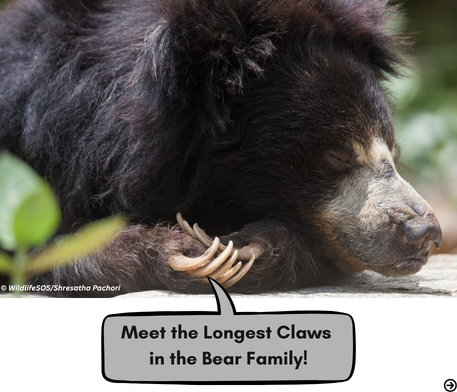
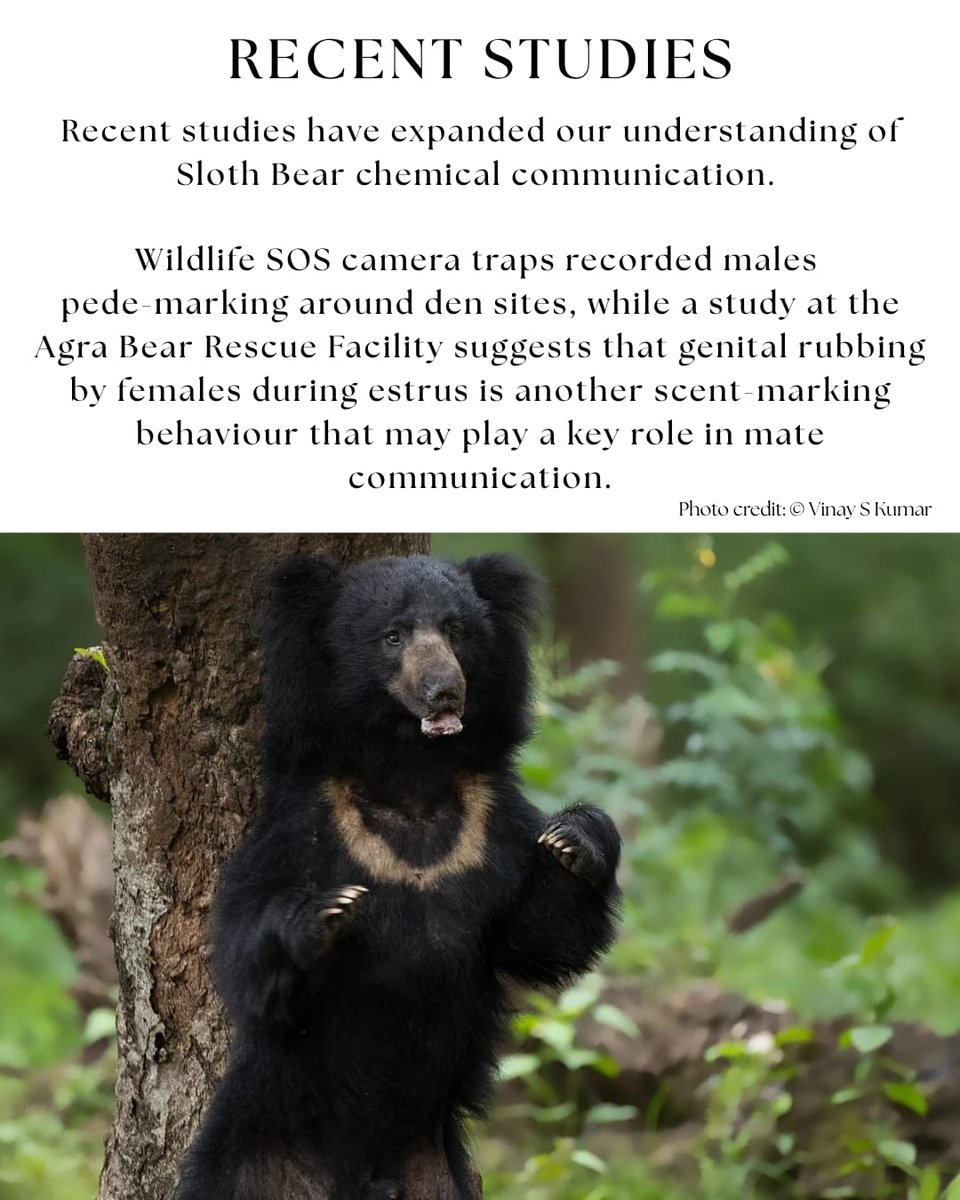
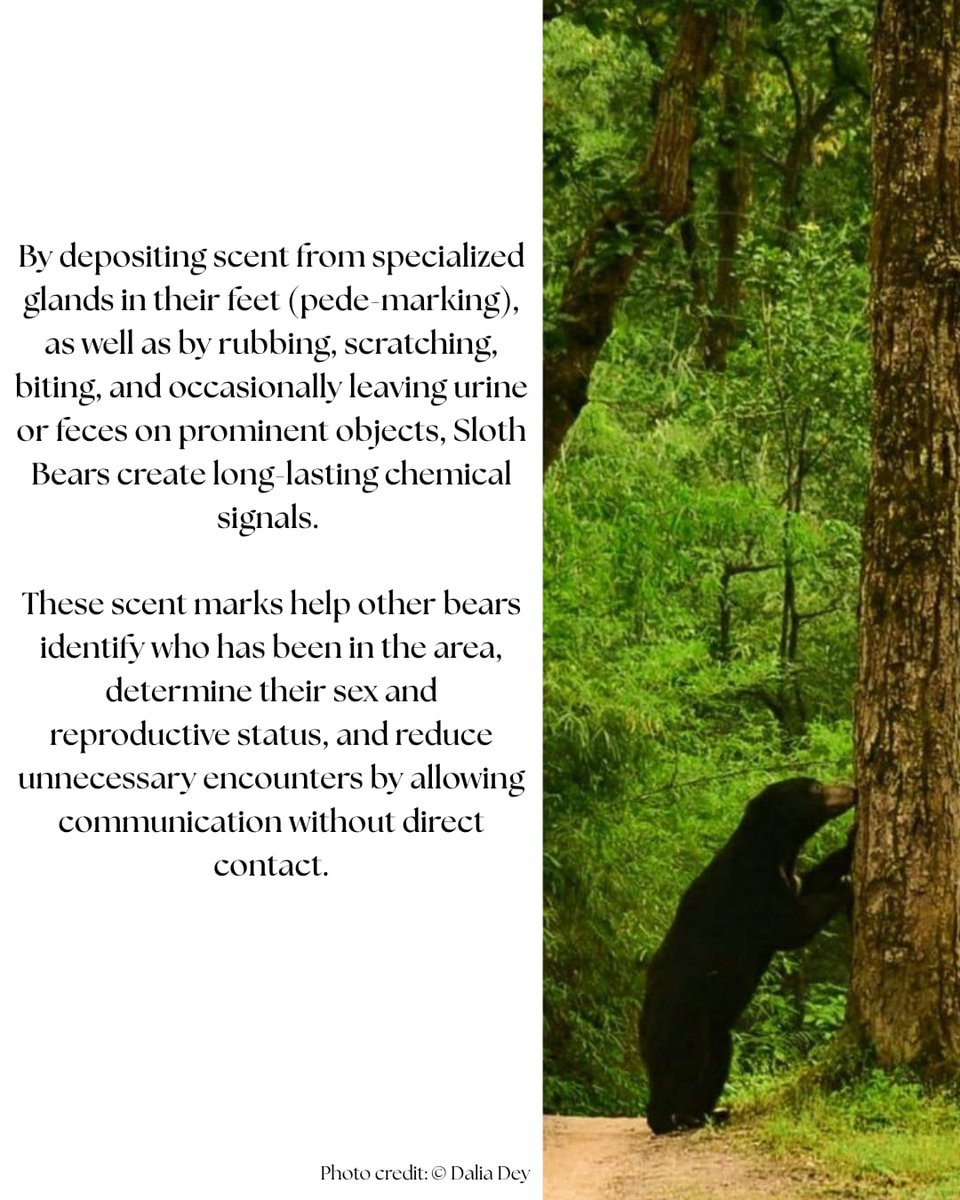
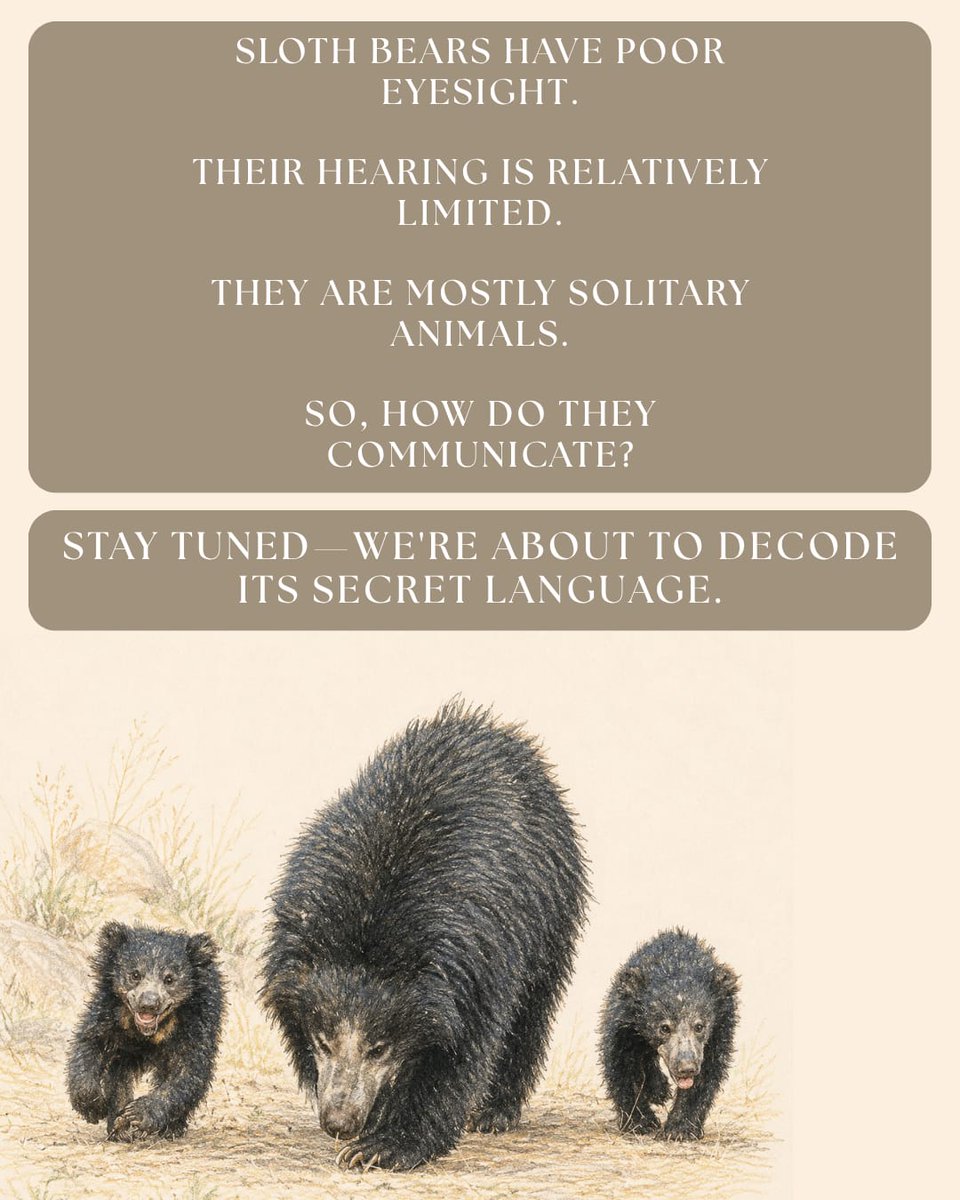
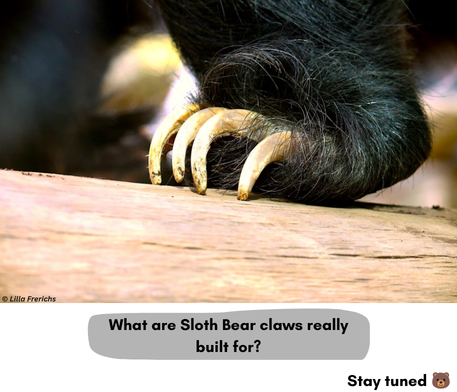
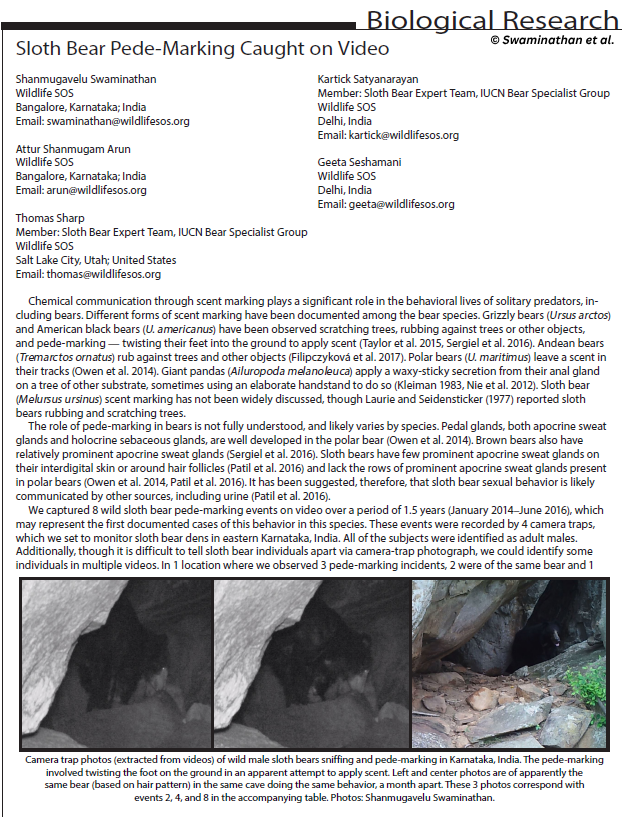
🐾 Hidden Language of Sloth Bears | Part 1: Scent Marking
Although Sloth Bears are mostly solitary, they constantly communicate through chemical signals left across the landscape.
Through pede-marking, rubbing, scratching, biting, and other scent-marking behaviours, they leave information that helps other bears identify who has been there, their reproductive status, and whether to avoid or investigate the area.
A study by Swaminathan et al. (2017) documented wild male Sloth Bears pede-marking around den sites using camera traps, while studies on captive bears suggest that scent-marking behaviours may also play an important role in mate communication.
One signal decoded… many more remain. Stay tuned for the next part of the Hidden Language of Sloth Bears 🐻
#ProjectSlothBear #WIIProjectSlothBear #SlothBear #AnimalCommunication #ChemicalCommunication #ScentMarking #WildlifeResearch #BearBehaviour
@moefcc@CentralIfs@NationalCAMPA@wii_india@SACONCoimbatore@wii_eiacp@rameshpandeyifs@GobindsagarBha1@RuchiBadola2@CRamesh_WII@BivashPand34733@Kramesh95@amitwii@UpmaManral@ashishjangid22@avinashyadv95@utkarsh41995 @kaushikforwild @Hairypotter0777@Sindhoora_2001@Suraj_Chauhan31@niranjanKv2770@Kavyak0204@MitaliJadh34762
Union Env Minister chaired 7th Meeting of Governing Body of National CAMPA; reviewed its Overall Performance, at Coimbatore
4 new Wildlife Conservation Projects for Dolphins, Snow Leopards, Wild Water Buffalo & Indian Rhinoceros approved by GB CAMPA
📝 https://t.co/jFwtPCww9K
🐻 First Comprehensive Assessment of India's Sloth Bear Sanctuaries
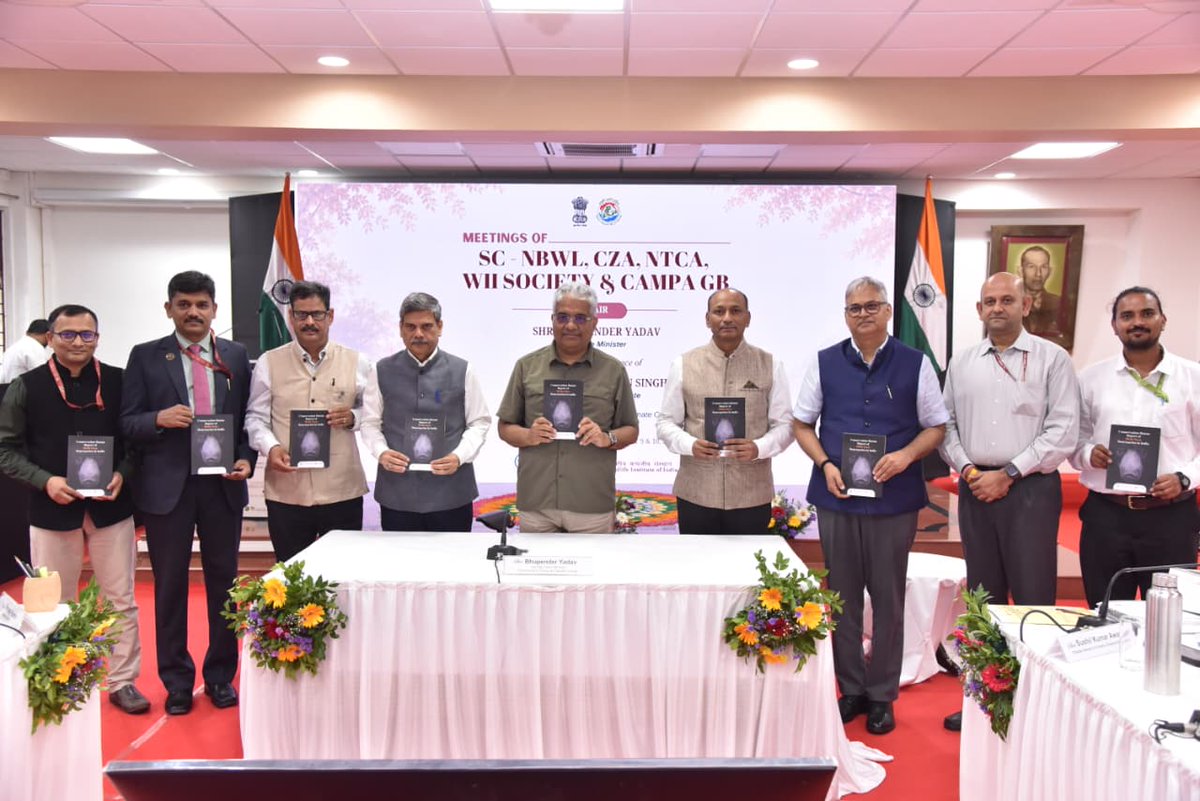
The "Conservation Status Report of Sloth Bear Sanctuaries in India", prepared under Project Sloth Bear by the Wildlife Institute of India, was released during the 91st Meeting of the Standing Committee of the National Board for Wildlife (SC-NBWL) held at Coimbatore on 9 July 2026.
The report provides the first nationwide assessment of India's notified Sloth Bear Sanctuaries, highlighting their conservation status, habitat characteristics, management challenges, and priority actions to support evidence-based conservation.
This publication marks an important milestone under #WIIProjectSlothBear and will serve as a valuable reference for wildlife managers, policymakers, researchers, and conservation practitioners.
During the meeting, Dr. Ramesh Chinnasamy, Principal Investigator of #WIIProjectSlothBear, also presented the progress and future roadmap of the project to Hon'ble Union Minister for Environment, Forest and Climate Change, Shri Bhupender Yadav and SC-NBWL members.
#ProjectSlothBear #WIIProjectSlothBear #SCNBWL #SlothBear #WildlifeConservation #ConservationBook #ProtectedAreas #SlothBearSanctuary
@byadavbjp@moefcc@CentralIfs@NationalCAMPA@wii_india@SACONCoimbatore@wii_eiacp@rameshpandeyifs@GobindsagarBha1@RuchiBadola2@CRamesh_WII@BivashPand34733@Kramesh95@amitwii@UpmaManral@ashishjangid22@avinashyadv95@utkarsh41995 @kaushikforwild @Hairypotter0777@Sindhoora_2001@Suraj_Chauhan31@niranjanKv2770@Kavyak0204@MitaliJadh34762
🌏🌿 Beyond Protected Areas: India's Other Area-Based Conservation Measures
Conserving biodiversity goes beyond Protected Areas. India also safeguards its natural heritage through several area-based conservation measures established under national laws and international commitments.
These include:
🌿47 Biodiversity Heritage Sites (BHS)
🌿18 Biosphere Reserves
🌿89 Ramsar Sites
🌿488 Eco-Sensitive Zones (ESZs)
🌿554 Important Bird Areas (IBAs)
🌿531 Key Biodiversity Areas (KBAs)
🌿7 Natural & 1 Mixed World Heritage Sites
🌳 India's total forest and tree cover extends over 25.17% of the country's geographical area, comprising 21.76% of forest cover and 3.41% of tree cover (ISFR 2023). Together with a Protected Area network covering nearly 5.4% of India's geographical area, these landscapes form the backbone of the country's biodiversity conservation and ecological resilience.
📈 Stay tuned for our next post as we explore how India's Protected Area network has grown over the years.
Source: ENVIS-WII, ISFR 2023, NTCA, NBA, BNHS, UNESCO, Ramsar Convention & MoEFCC.
#WIIProjectSlothBear #Biodiversity #ProtectedAreas #BiodiversityHeritageSites #RamsarSites #BiosphereReserves #EcoSensitiveZones #KeyBiodiversityAreas #WildlifeConservation
@moefcc@CentralIfs@NationalCAMPA@wii_india@SACONCoimbatore@wii_eiacp@rameshpandeyifs@GobindsagarBha1@RuchiBadola2@CRamesh_WII@BivashPand34733@Kramesh95@amitwii@UpmaManral@ashishjangid22@avinashyadv95@utkarsh41995 @kaushikforwild @Hairypotter0777@Sindhoora_2001@Suraj_Chauhan31@niranjanKv2770@Kavyak0204@MitaliJadh34762
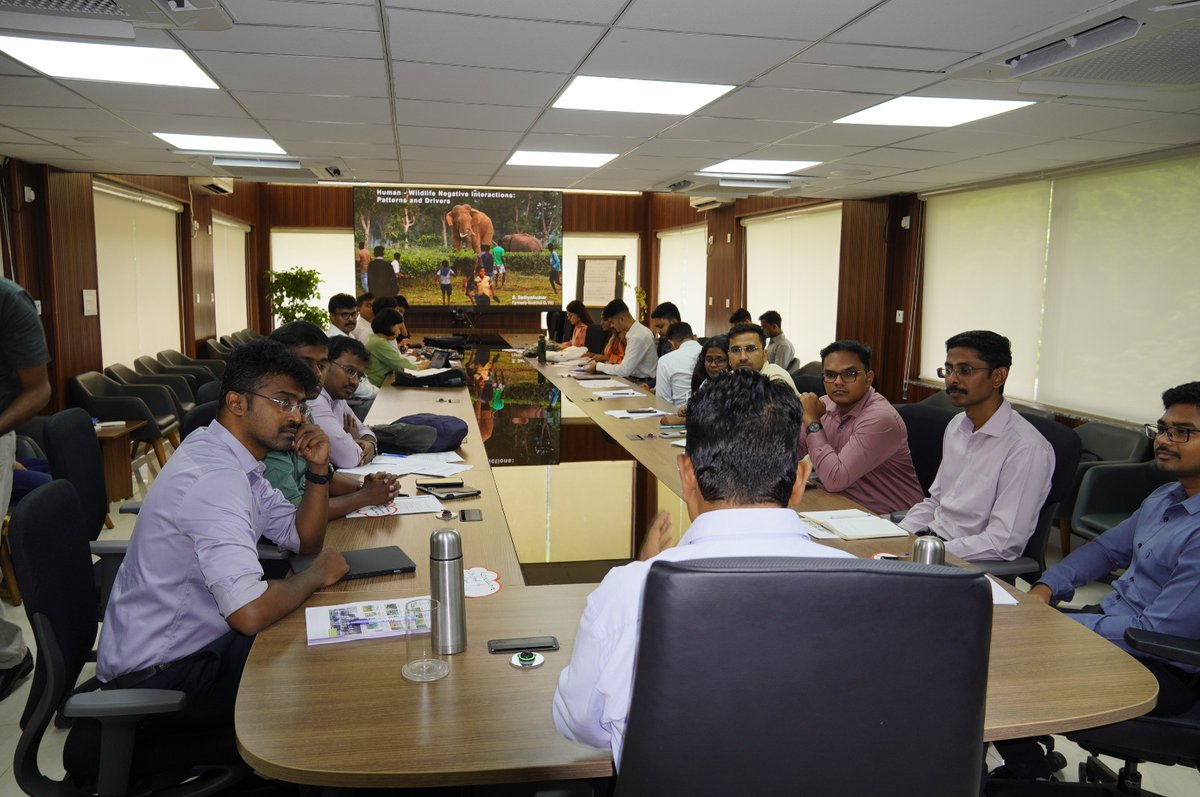
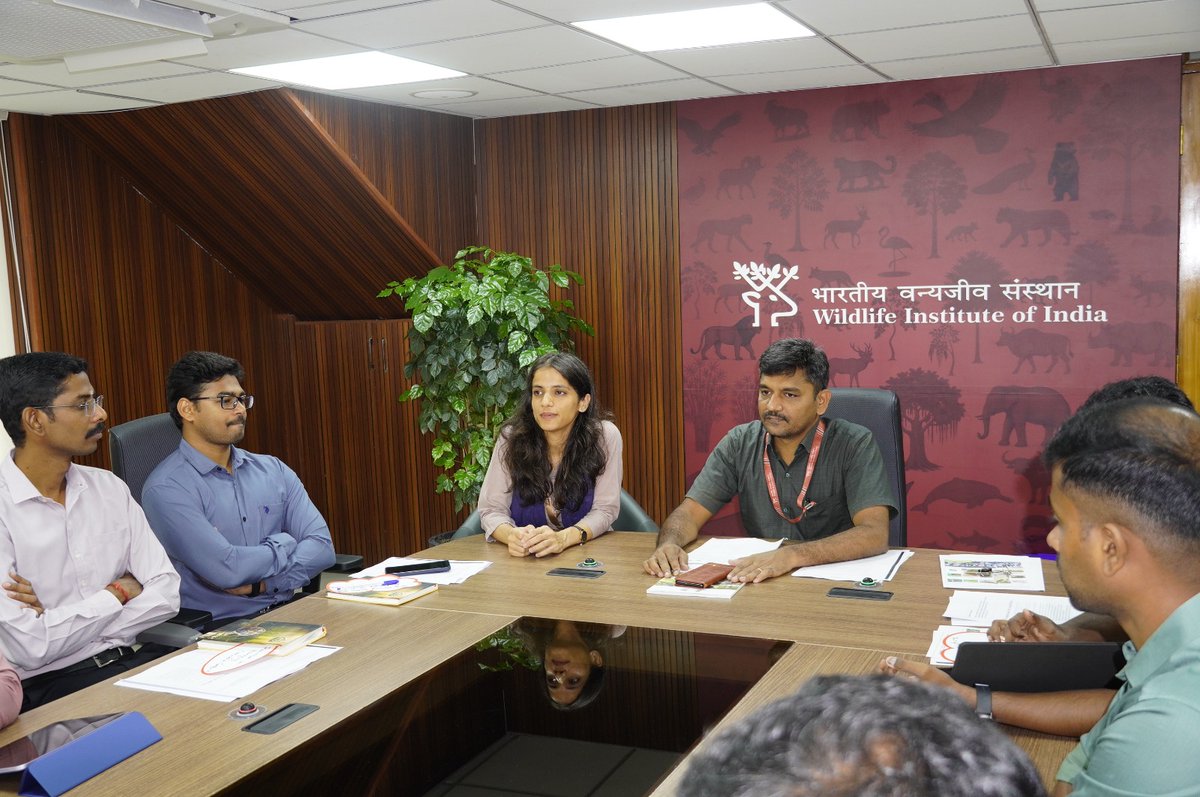
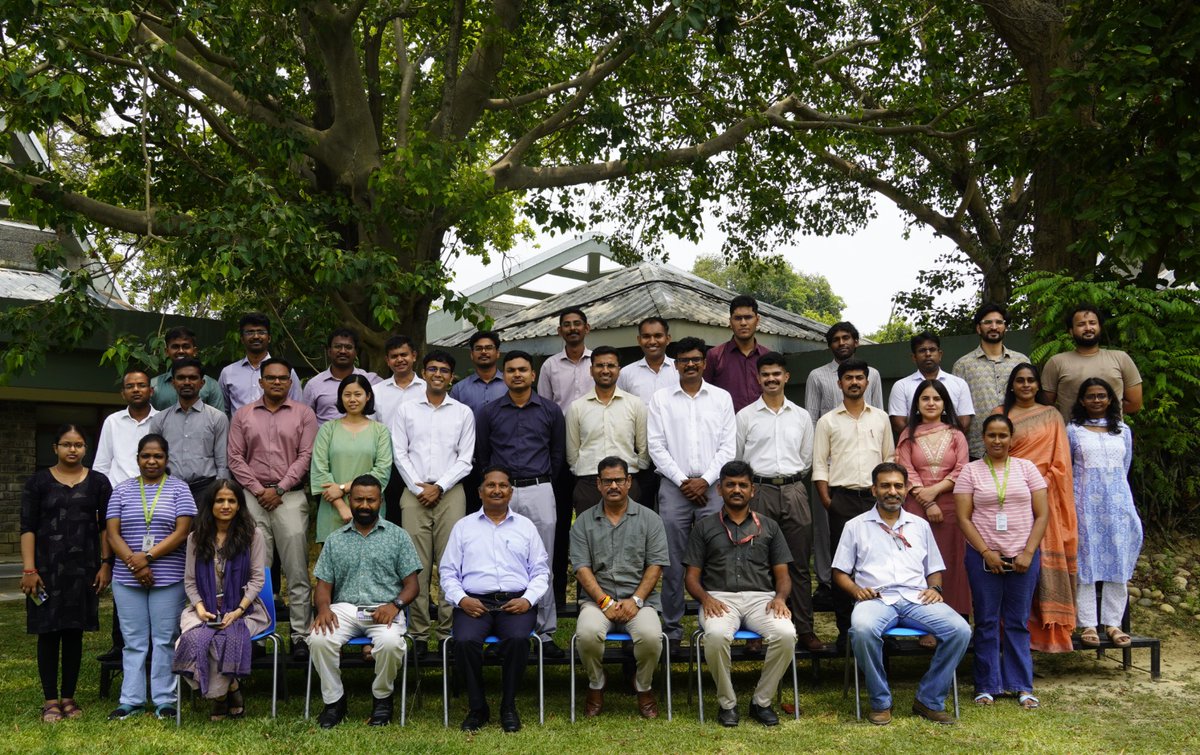
As part of the IGNFA training curriculum, the Wildlife Institute of India (WII), Dehradun, is conducting a three-day elective module (29 June – 01 July 2026) on Managing Human–Wildlife Coexistence in Agriculture Landscapes for officer trainees (Batch 2024) of the IGNFA.
The programme began with an overview of the module and training approach by Dr. Ramesh Chinnasamy, Scientist-E, WII, outlining the key themes and expected outcomes.
Dr. S. Sathyakumar then led a session on “Overview of Human–Wildlife Conflict: Patterns & Major Drivers”, highlighting how species behaviour, habitat conditions, and human activities shape conflict patterns.
The trainees were subsequently introduced to the diverse dimensions of human–bear interface management, exploring how conflict scenarios differ among India's bear species—from crop depredation by Asiatic Black Bears to livestock interactions involving Himalayan Brown Bears. The discussion also highlighted the unique challenges associated with Sloth Bears, where conflicts are largely driven by sudden encounters, crop use, and habitat degradation, underscoring the need for landscape-specific, ecology-based management approaches.
The sessions provided practical insights for officer trainees from different range states, strengthening their understanding of human–wildlife interface management.
#IGNFA #HumanWildlifeConflict #SlothBear #WIIProjectSlothBear #BearConservation
@moefcc@CentralIfs@NationalCAMPA@wii_india@IGNFA_GoI@SACONCoimbatore@wii_eiacp@GobindsagarBha1@RuchiBadola2@EIACPIndia@CRamesh_WII@Kramesh95@amarjeet_kaur10@BivashPand34733@paragnigam09
Thank you for highlighting the role. Glad to contribute to understanding the important role of Sloth Bears in seed dispersal and dry forest regeneration.
Read full article
https://t.co/90RIDo2I4t
#SlothBear#SeedDispersal#Conservation
वन्यजीव सुरक्षित रहेंगे, तो वन भी निरंतर बढ़ते रहेंगे। स्लॉथ भालू केवल जंगल में रहते ही नहीं, बल्कि उनके विस्तार में महत्वपूर्ण सहयोगी भी हैं।
फल खाने के बाद बीज उनके पाचन तंत्र से होकर बीट के माध्यम से दूर-दूर तक पहुंचते हैं।
The #bear did not charge. It was harassed, hassled by a mob, it was looking for a way out, to escape. This is not 'conflict'.
Why do people misbehave, aggravating the situation? A cornered animal will react out of fear, stress.
Please respect #wildlife & their freedom and give them a safe passage.
#Malkangiri, #Odisha