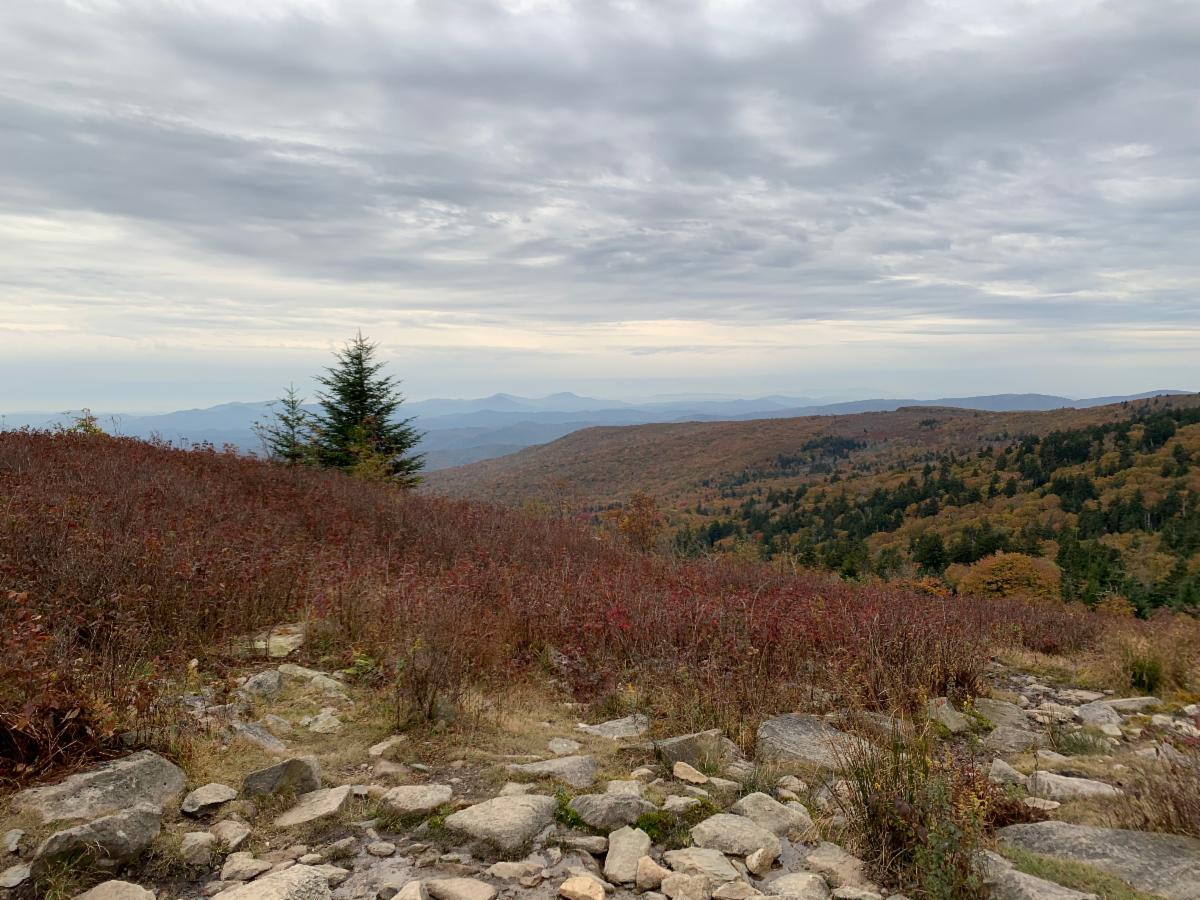
Our top 10 stories of 2020 reflect the perseverance of the people and wildlife of the Chesapeake Bay region. Take a look back at our most popular stories for some moments of joy, intrigue, and inspiration.
https://t.co/mR3S9v0Uc7
2020 will end wet and 2021 will begin rather wet and chilly. Sorry snow lovers, but long range models show periodic wet periods with no signs of snow through mid January.
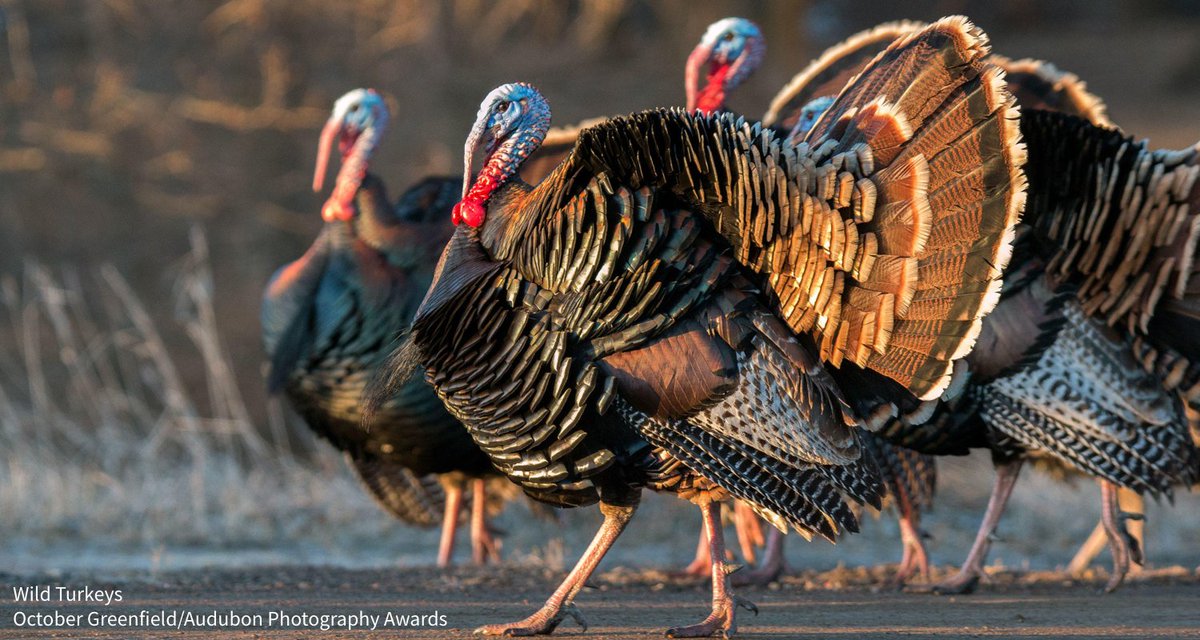
Where do Wild Turkeys go at night? Typically they'll roost overnight in tall trees. Learn more about this magnificent bird in our field guide: https://t.co/5R26B1YE2W
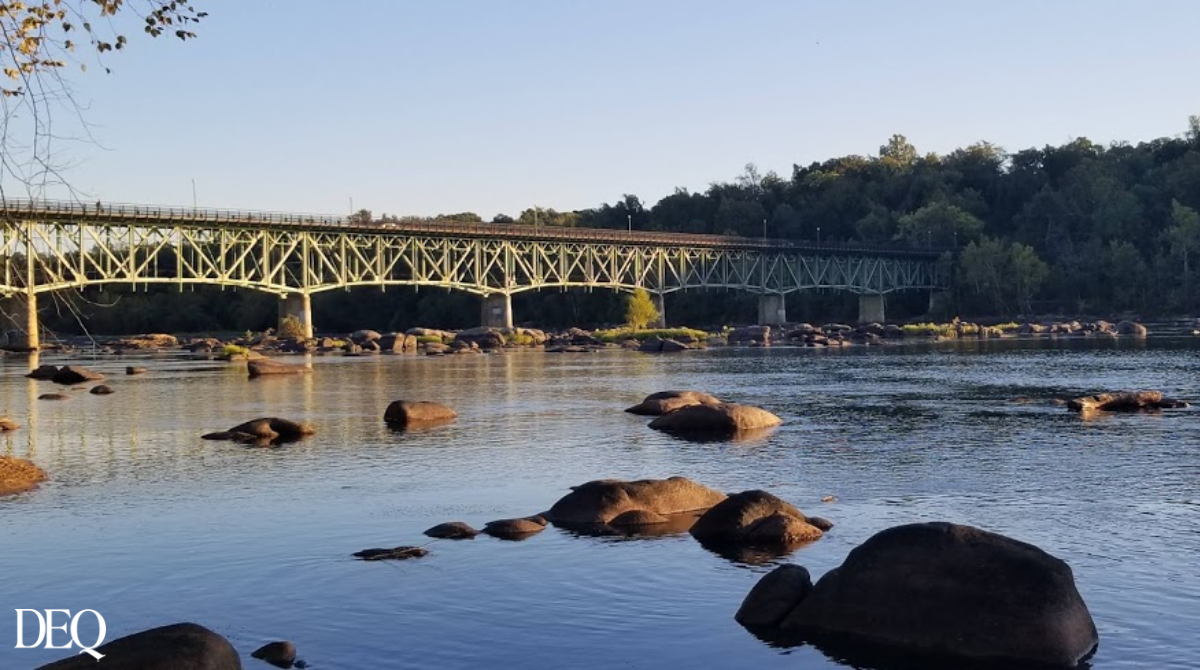
Let’s talk cleanup plans! DEQ has been working to restore the water quality of the James River & cleanup PCB chemicals to make the fish safer to eat. At about 350 miles, this is a challenge. Since the James is so long, there will be two projects. More info https://t.co/ic8SHXdxiR
While it may seem like your bird feeder is their only source of food, gray squirrels have widely varied diets. They’ll eat berries, seeds, buds, nuts, bark and more. This one was munching on a milkweed seed pod!
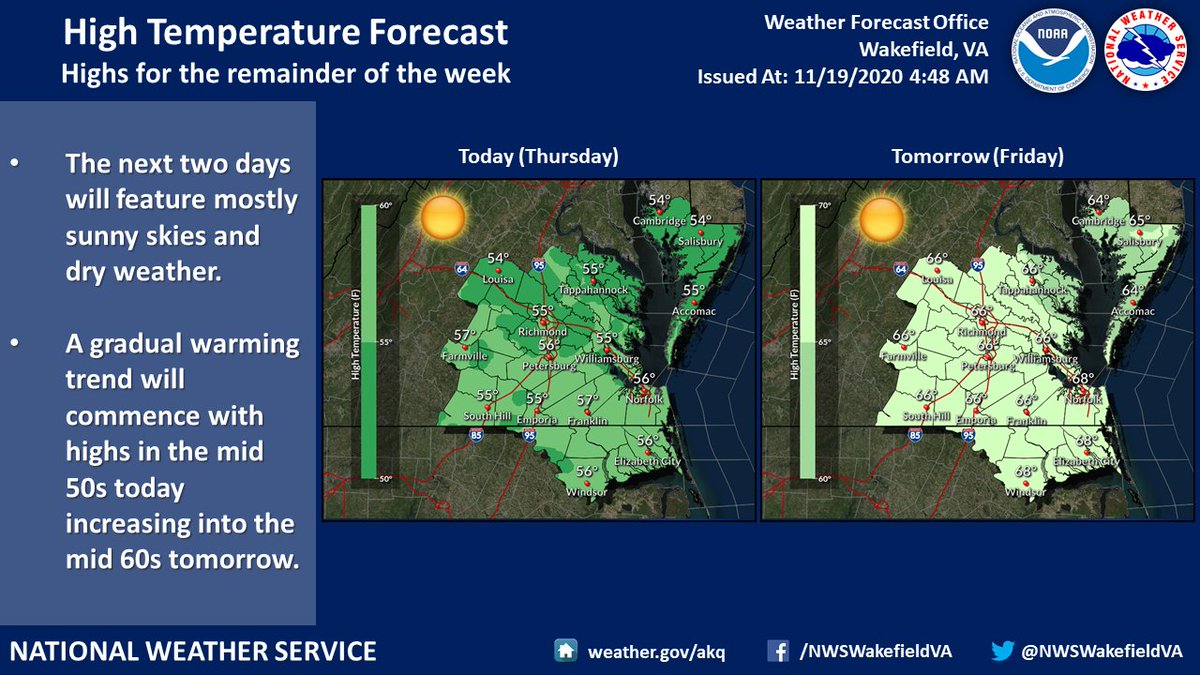
Good morning! A cold start to the day with widespread sub-freezing temps across the region and many locations in the mid to upper 20s. The warming trend starts this afternoon with highs in the mid 50s under mostly sunny skies. Tomorrow will be even warmer with mid 60s expected!
Elk in the Chesapeake? Yes!
Large elk can be found in Pennsylvania, Virginia and West Virginia. Tiny elk, known as sika deer, can be found in the wetlands on the Chesapeake Bay's lower eastern shore.
#DYK#WildlifeWednesday
https://t.co/gq7XpZVpEU
The Great Blue Heron is the largest heron in North America, though a subspecies in southern Florida (called "Great White Heron") is slightly bigger and entirely white. https://t.co/OzBMtiRlcH
Sssssscared of snakes? 🐍
Get to know and let them stay. Non-venomous black rat snakes are keeping mice, rats and other small rodents from setting up residence in your home.
#WildlifeWednesday#snakes
https://t.co/E0g8Ltg5dV
Are you an individual person who is not like the others? Meet a like friend. Marbled salamanders are solitary, nocturnal carnivores. Unlike most salamanders, they breed in the fall and on dry land.
#WildlifeWednesday https://t.co/iSk8TOqq0o
VMN: Coming up this Friday, Nov. 20 - "Winter Invasives" with Karen Snape, on "Fifteen Minutes in the Forest" from Va Forest Landowner Education Program https://t.co/QDs3nsxG3Z
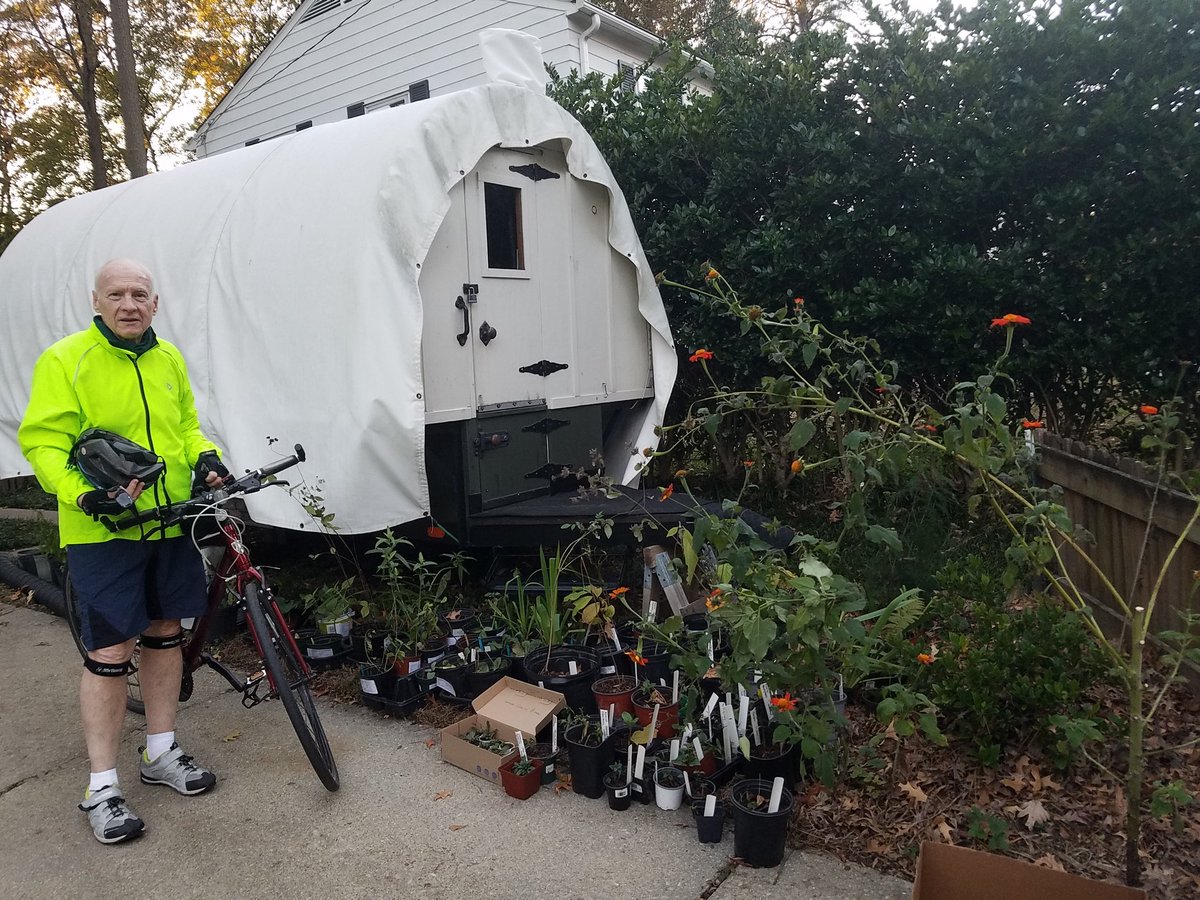
Come check out our "Native Plant Sale"
When: Sat., Nov. 21 from 9 a.m. to 12 noon
Where: 182 Carnegie Drive, Newport News, VA
Cash or check only; social distancing and mask practices will be in place. #nativeplantsale#nativeplants
The Piscataway Conoy Tribe demonstrates a robust regional presence of environmental conservation and protection.
#NativeAmericanHeritageMonth
https://t.co/jUG0acMbNw
"Turning the Tide," a film by our own Ron Lopez, has won the grand prize in the NERRA film festival. The video is about the Chesapeake Bay Sentinel Site Cooperative, which Rice Rivers Center is a part of.
https://t.co/662RN3paJD
"Bats in Virginia are insect eaters and, amazingly, can eat 1,000 mosquitoes in an hour. That is reason enough to want to keep them around." https://t.co/LfUhQEgaf2 @SoBoGazette#BatWeek2020#BatWeek
Some positive news to share this #TGIF: @EPA just awarded a $1.7 million grant to DEQ to improve the water quality of rivers & streams. This is especially important considering 1 in 3 Americans get their public drinking water from rain-dependent streams: https://t.co/fCYD06obTv
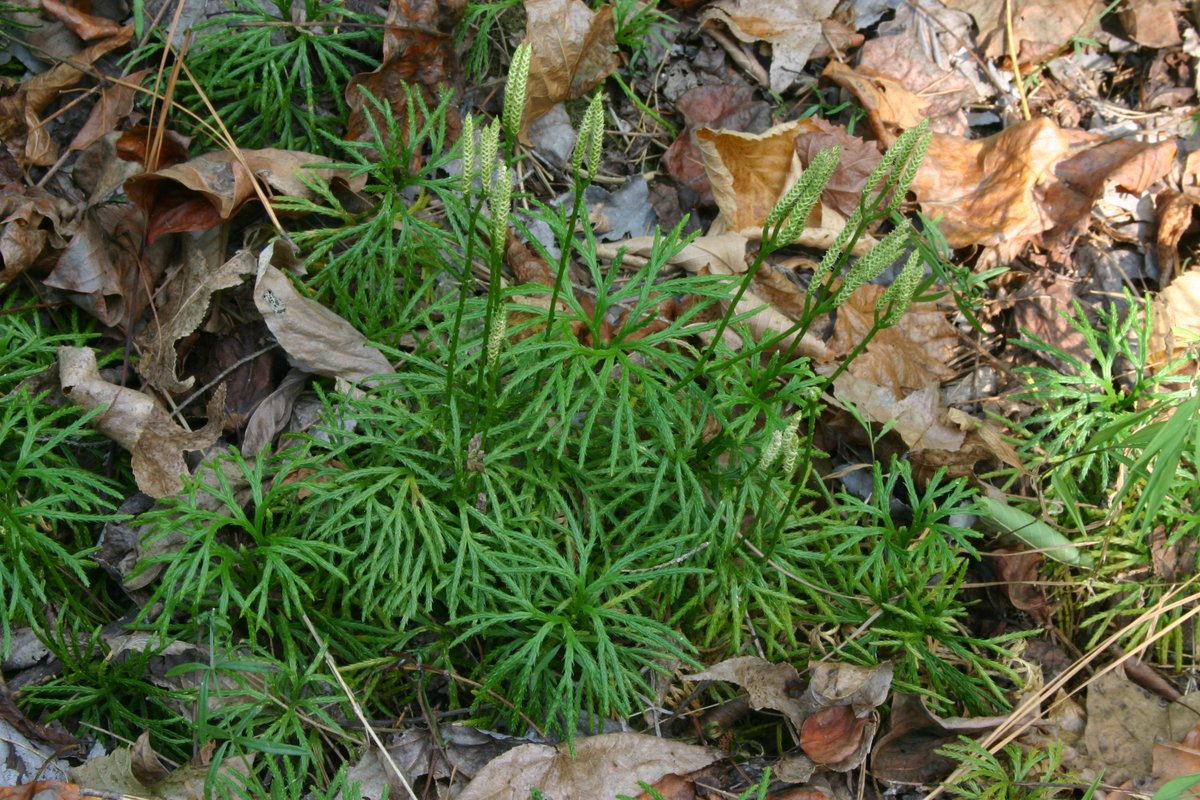
Groundcedar is one of our showier flower-free #nativeplants. So for #FloraFriday we look at bear's paw (Diphasiastrum digitatum), common across Virginia. This forest dweller's spores were once used as flash powder! #herbarium