Finally met Luo and @VemacL in flesh after years of emailing and co-writing the melastome book, thanks to @jpeterq1, all of them from Team Sonerileae #melastomataceae, your global experts in everything 𝘔𝘦𝘥𝘪𝘯𝘪𝘭𝘭𝘢!
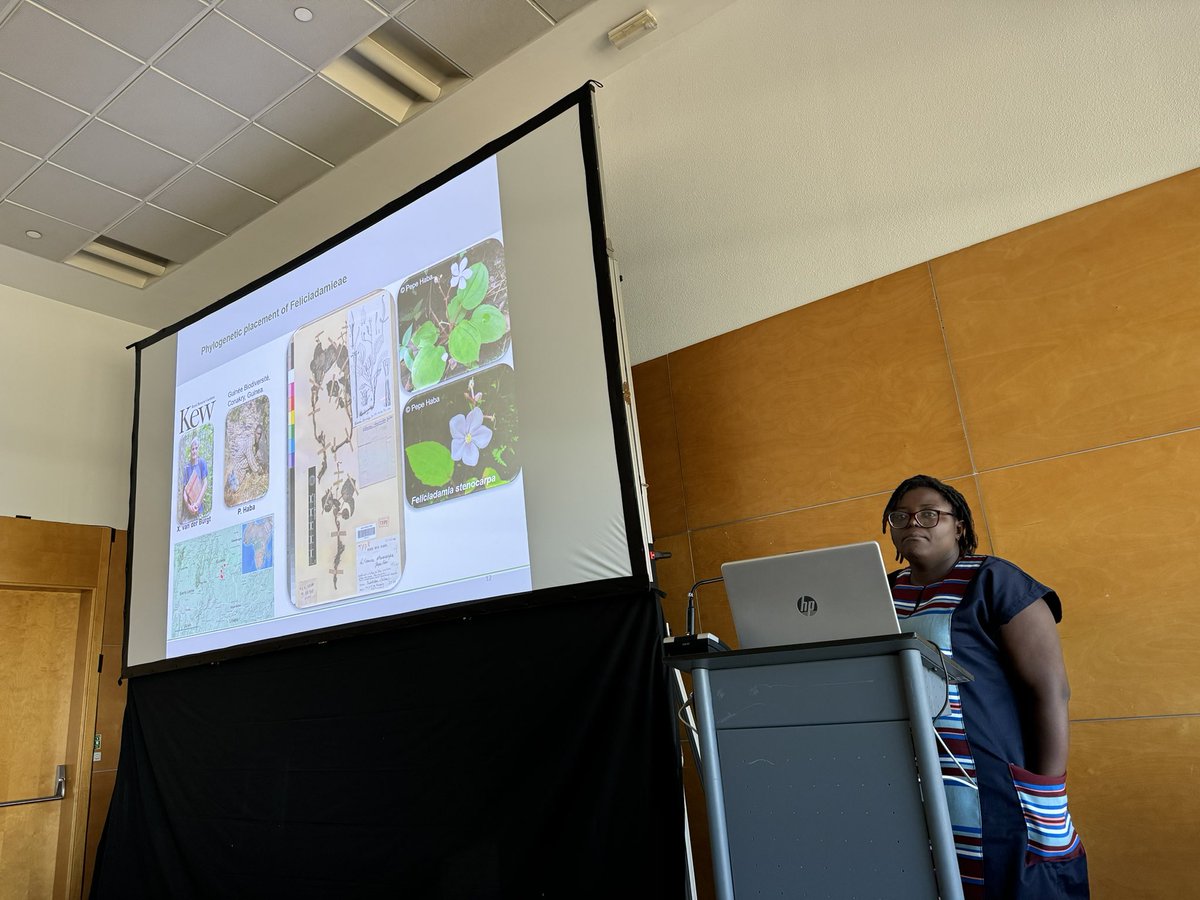
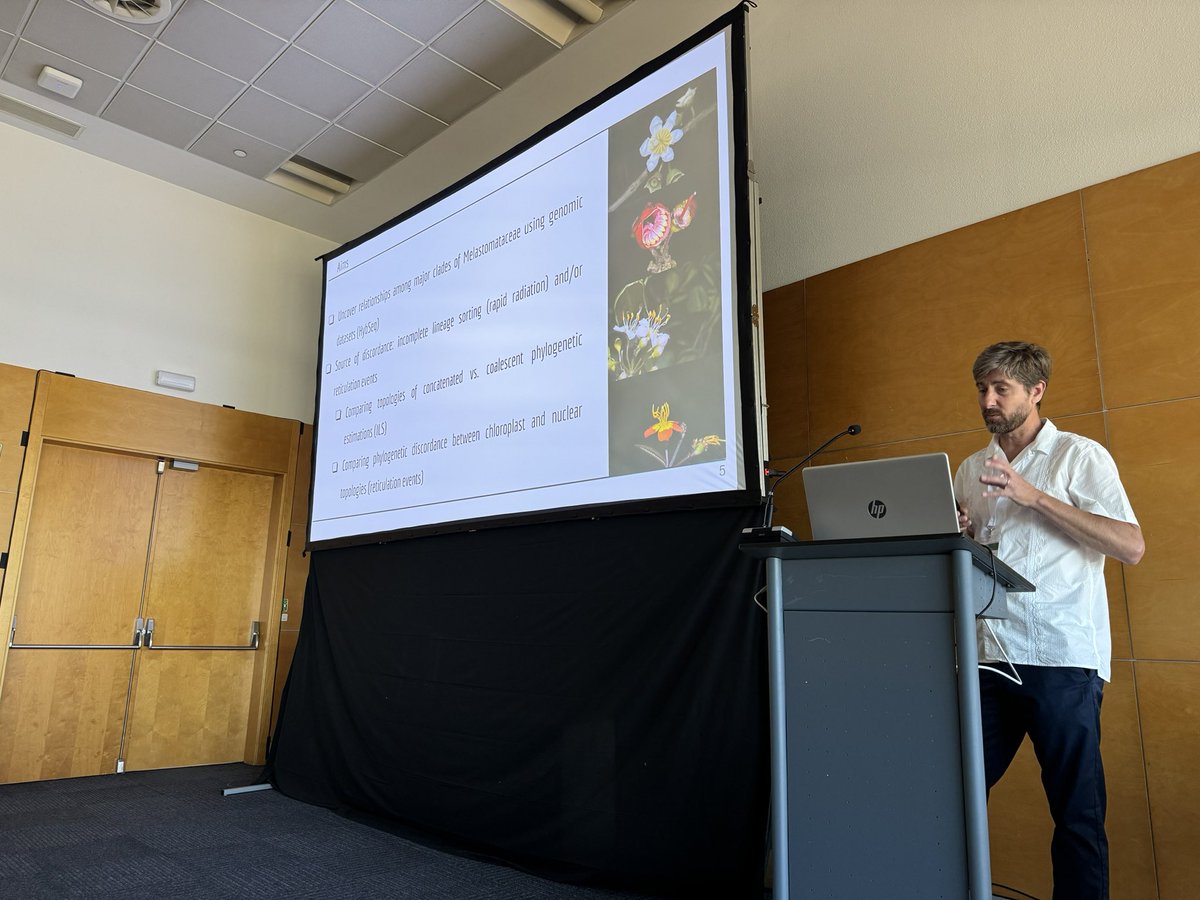
@VemacL presenting at the #melastomtaceae symposium with the breaking news of the first collections of Feliciadamia since the type from Africa, with its very interesting phylogenetic placement. Awesome discovery!!!
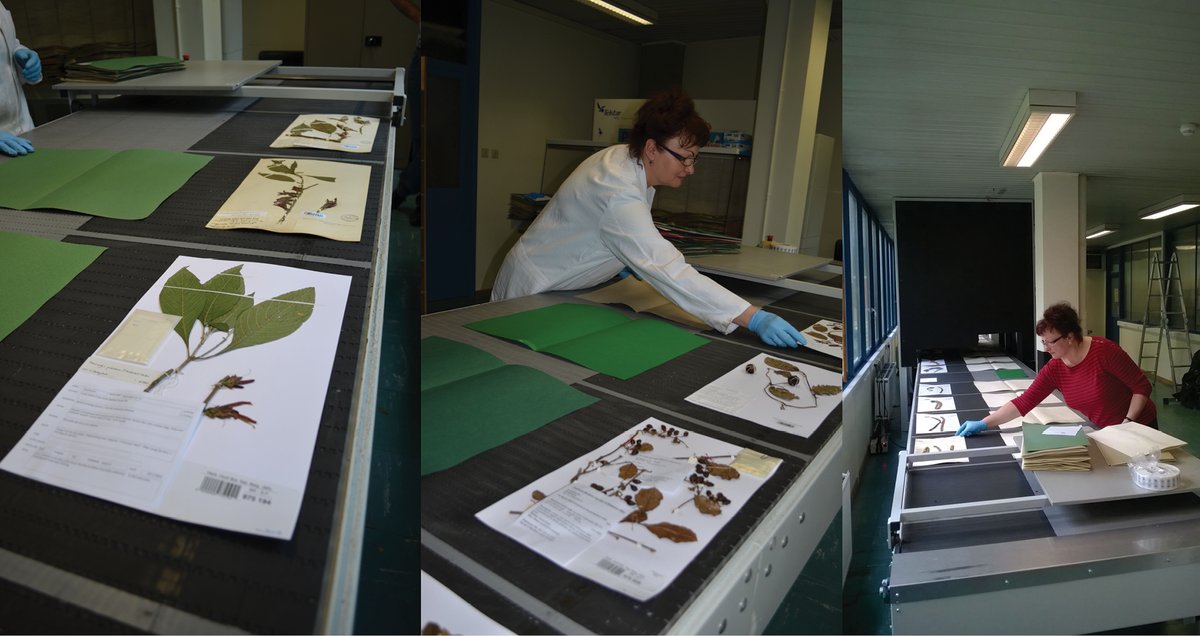
Ten lessons from Meise Botanic Garden (@BGM_coll_res) following a six-year project to digitise their multi-million specimen #herbarium collection. 🌿
🔗 Blog post: https://t.co/TWKAvonPQw
🔗 Research article: https://t.co/aLI3XwESWv
Can you think of genera named for women? This question prompted a multi-year international conversation that resulted in a research article that increased the known genera of plant honoring women by 20-fold!
Click the link to read the full article! 👉 https://t.co/mUt8KidMGi
#Palms of New Guinea book is now available to download FREE via @KewScience !! The low-res version works beautifully on a phone. Get stuck in #palm lovers!
#OpenAccess#OpenScience Please #Repost
https://t.co/IkQjc3rtKp
Our @systbiol Accepted Manuscript is up, and congrats to co-first authors @funauntlaura and @botAna_Bedoya!
"Artifactual orthologs and the need for diligent data exploration in complex phylogenomic datasets: A museomic case study from the Andean flora"
https://t.co/lGWetafy3c
For anyone wanting to learn more about DNA extraction and eDNA, here's a very useful preprint by @jess_rieder and colleagues that aims to help ecologists, conservation managers, and future eDNA researchers understand how DNA extraction methods work.
It's written for readers who are not laboratory-trained molecular biologists, so it could also be a great starting point for anyone interested in learning about DNA extraction in general.
And it's a handy reference guide if you ever need to interpret protocols and methods sections of published articles, such as when evaluating which protocols are best for your particular project.
The authors, Rieder et al. (2023) break the DNA extraction processes down into four main steps:
⭐Cell lysis
⭐DNA separation from other cell components
⭐Further cleaning/removal of salts
⭐DNA concentration and elution
For each step the authors describe the different options available, the chemicals and equipment involved, and why they are used.
The authors hope it will “enable field ecologists to develop a deeper understanding of the mechanisms and chemistry underlying DNA extraction, thus allowing them to make informed decisions regarding the best DNA extraction method for their research”... and also “act as a useful resource to support knowledge transfer and teaching.”
So if you think it will be useful to an ecologist or student that you know, why not give it a share!
Here’s the article:
Rieder et al. (2023). A guide to DNA extraction protocols for ecologists, conservation managers, and environmental DNA researchers. https://t.co/PkWsMdaGyS. [Preprint]. December 12, 2023 [accessed 2024 January 04]. Available from: https://t.co/1zaGTGo3gE
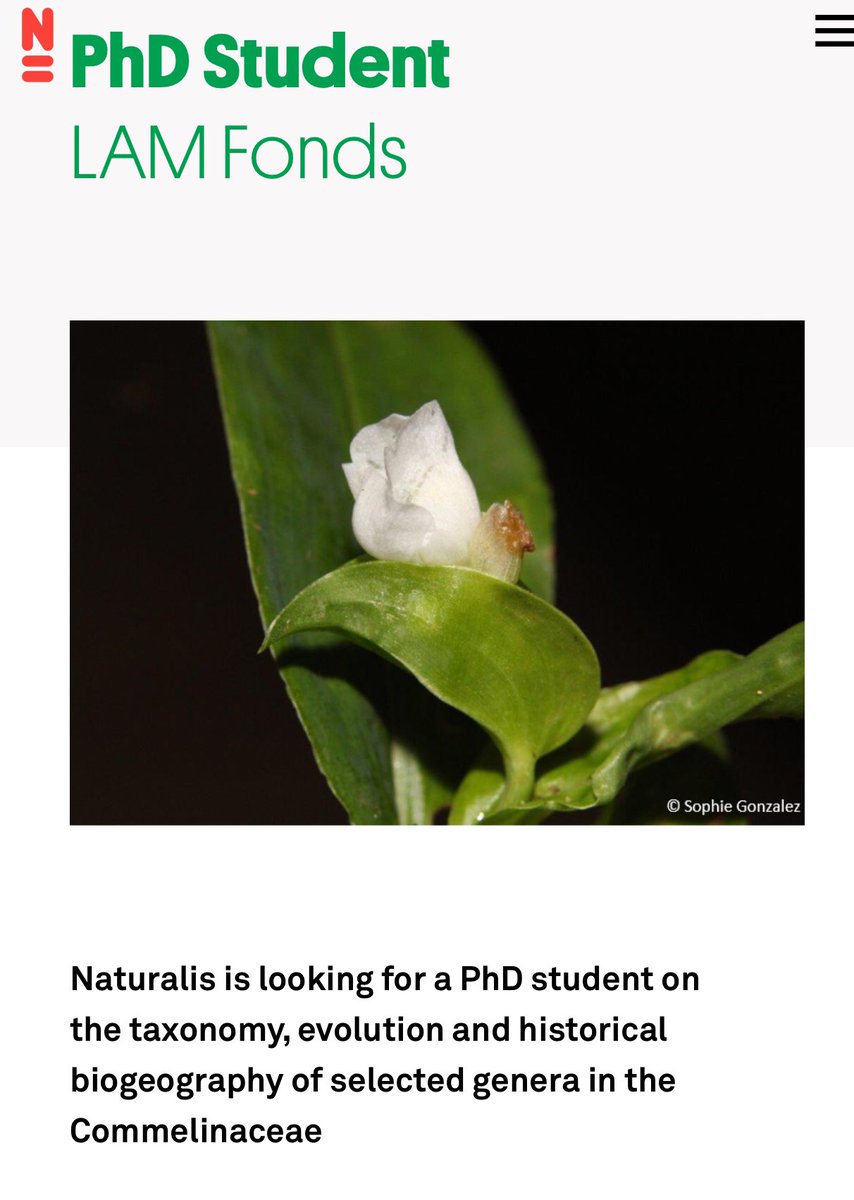
A fully-funded PhD position on plant taxonomy, phylogenenomics, and macroevolution in our Tropical Botany 🌴 group @Naturalis_Sci (Netherlands), please spread the word and apply! https://t.co/WHIBeNf7LZ
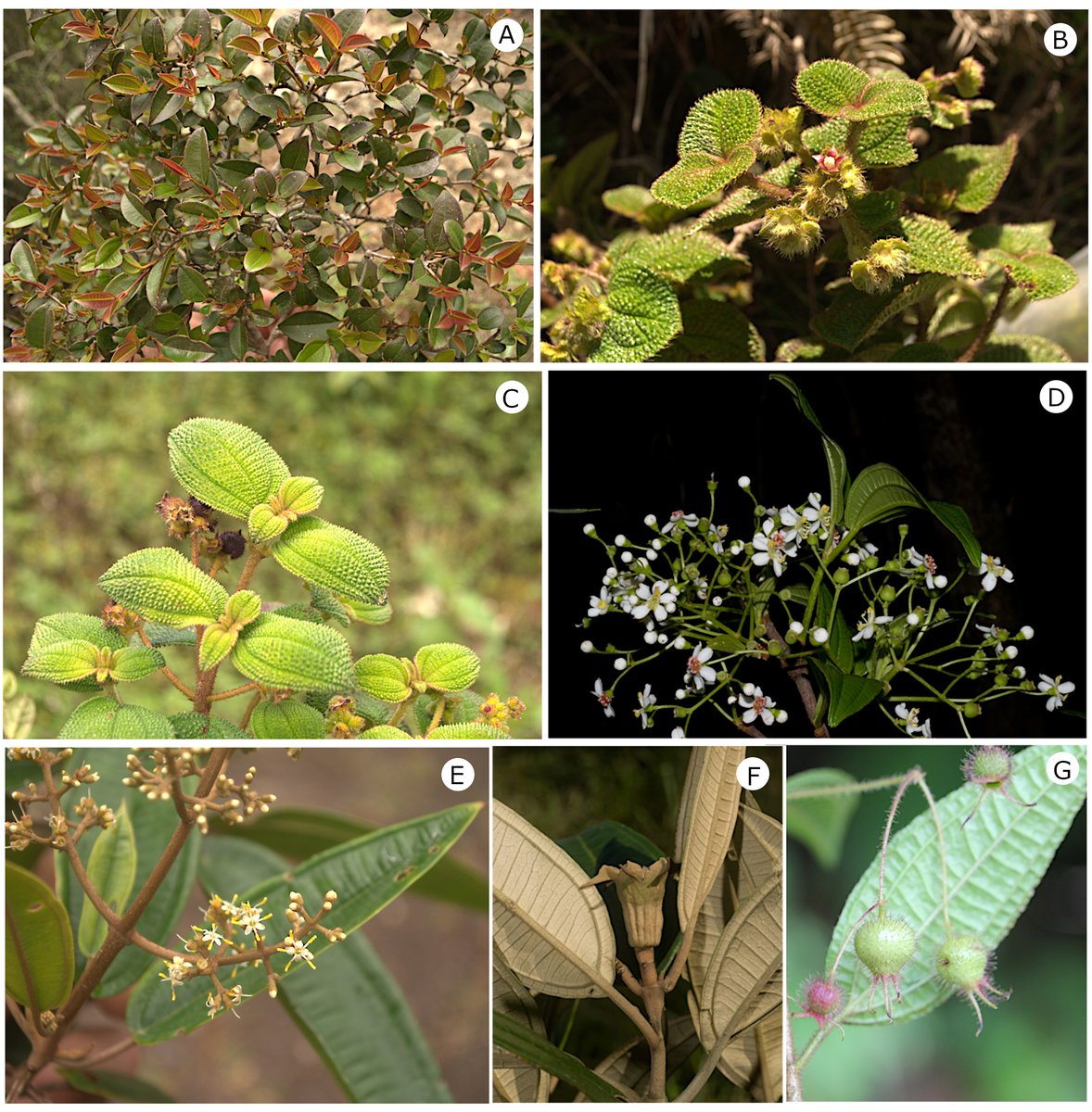
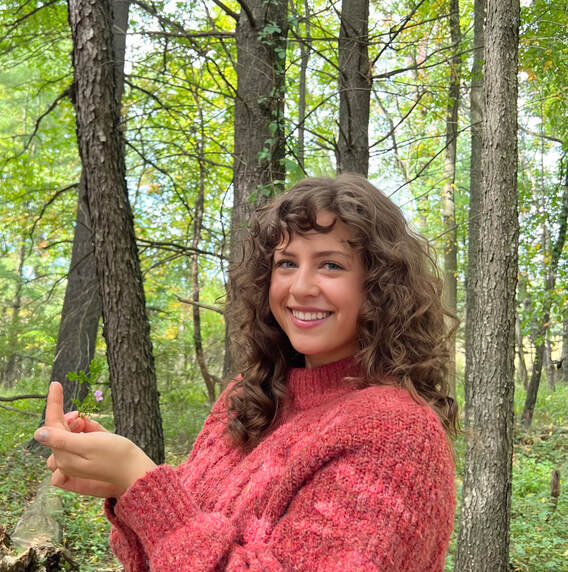
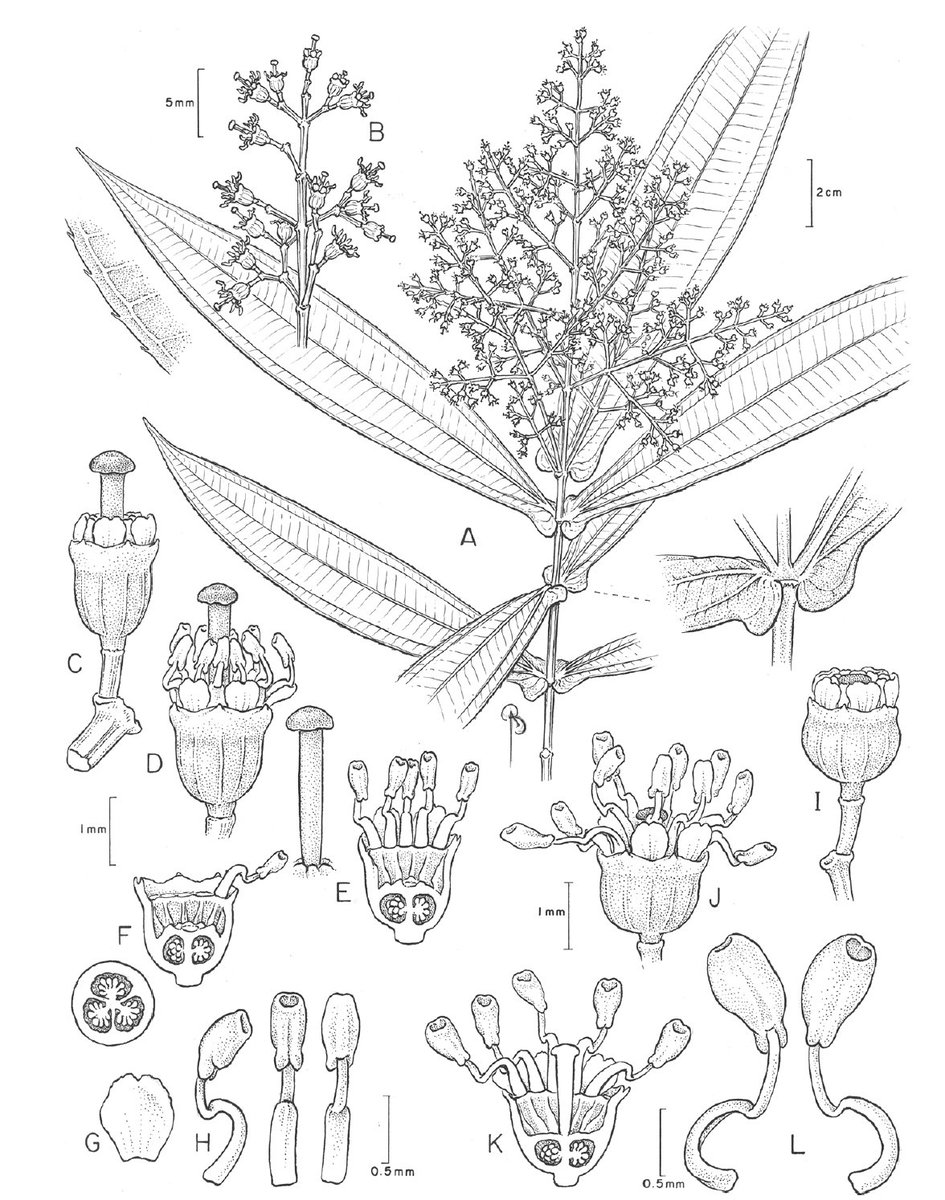
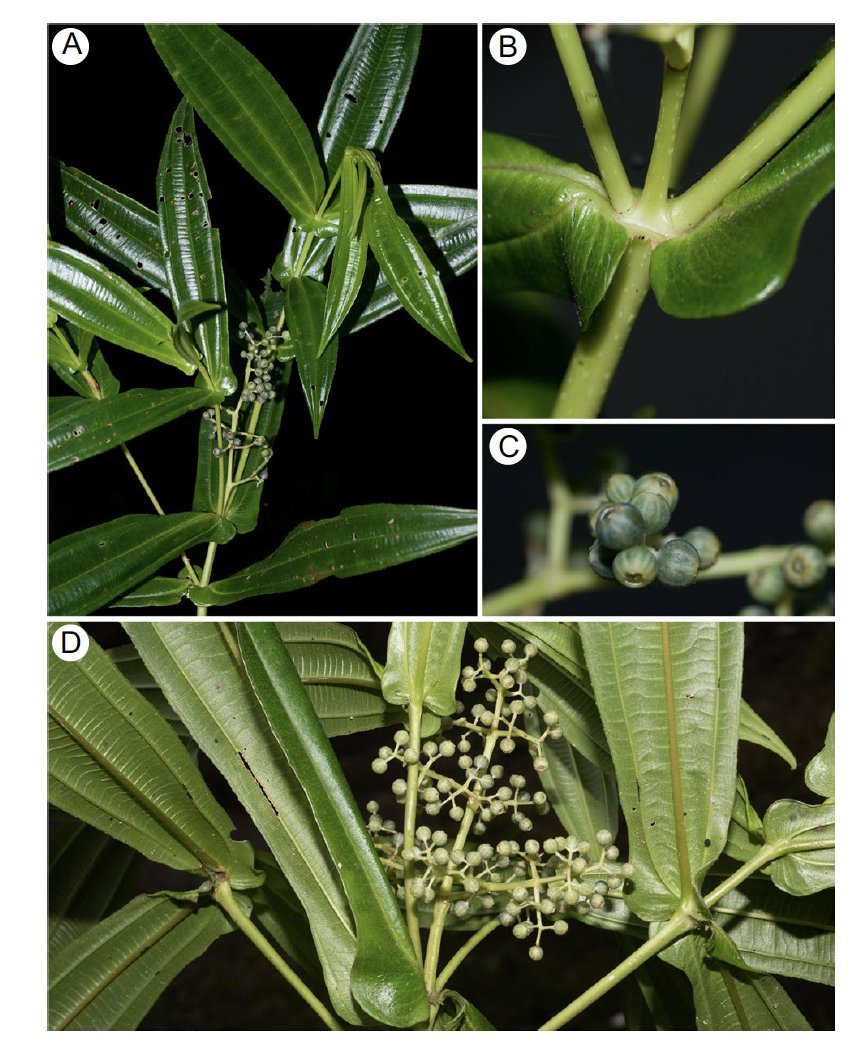
Under the mentorship of NYBG Curator Fabian A. Michelangeli (@pedoconnective), CUNY Ph.D. student Juan Angulo has described a new species of dioecious tree in the montane cloud forests of Peru: Miconia burkeae. Read the article here --> https://t.co/ehsUCzaZaK #NYBGscience
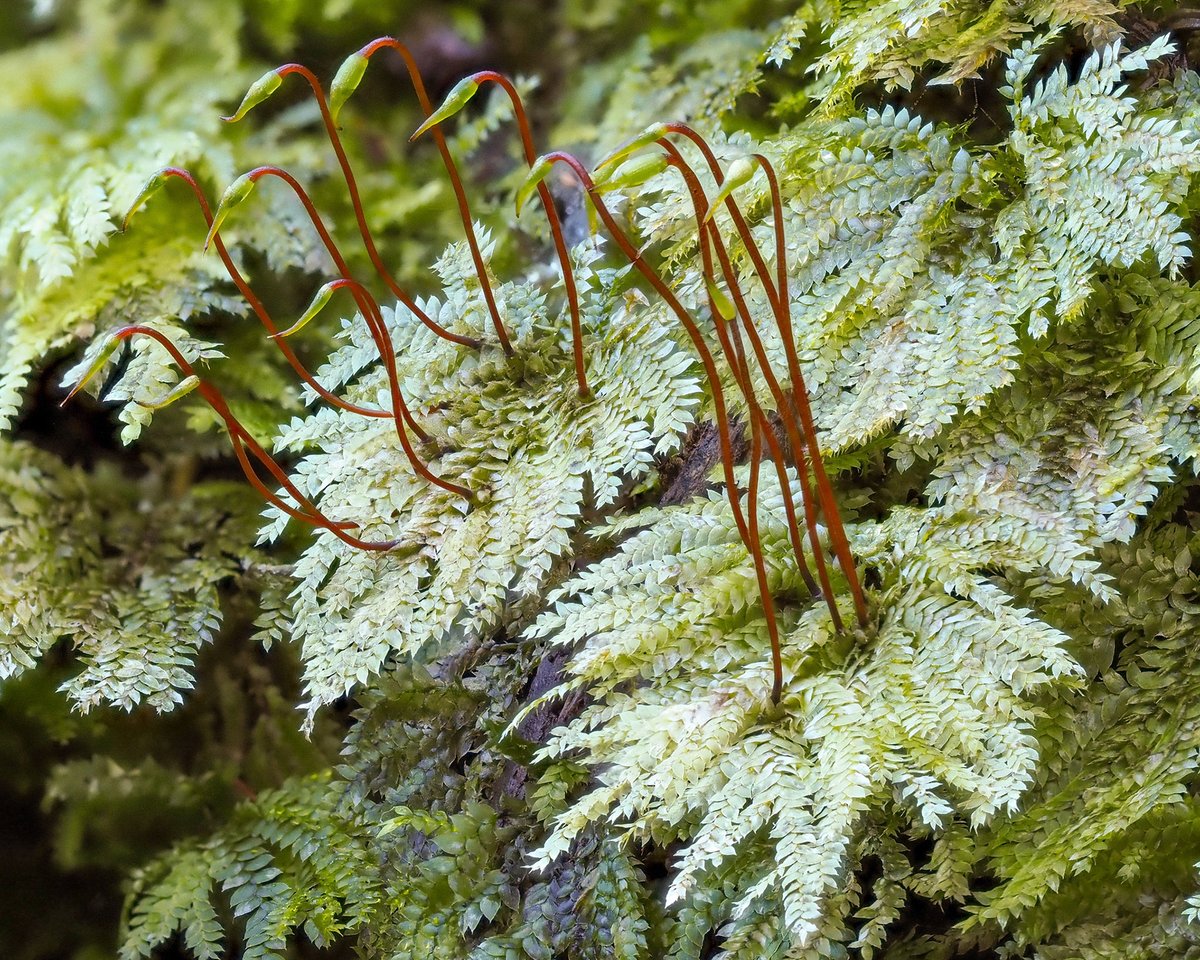
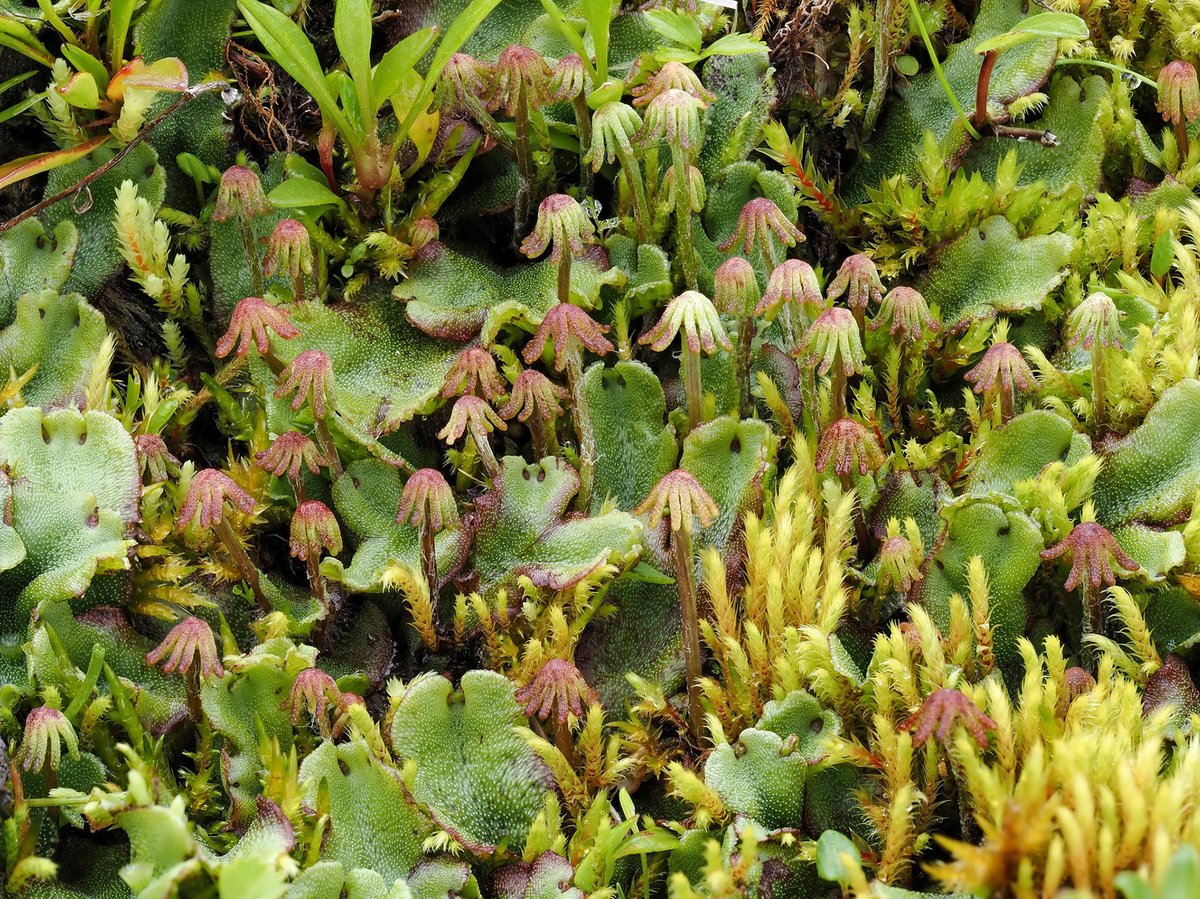
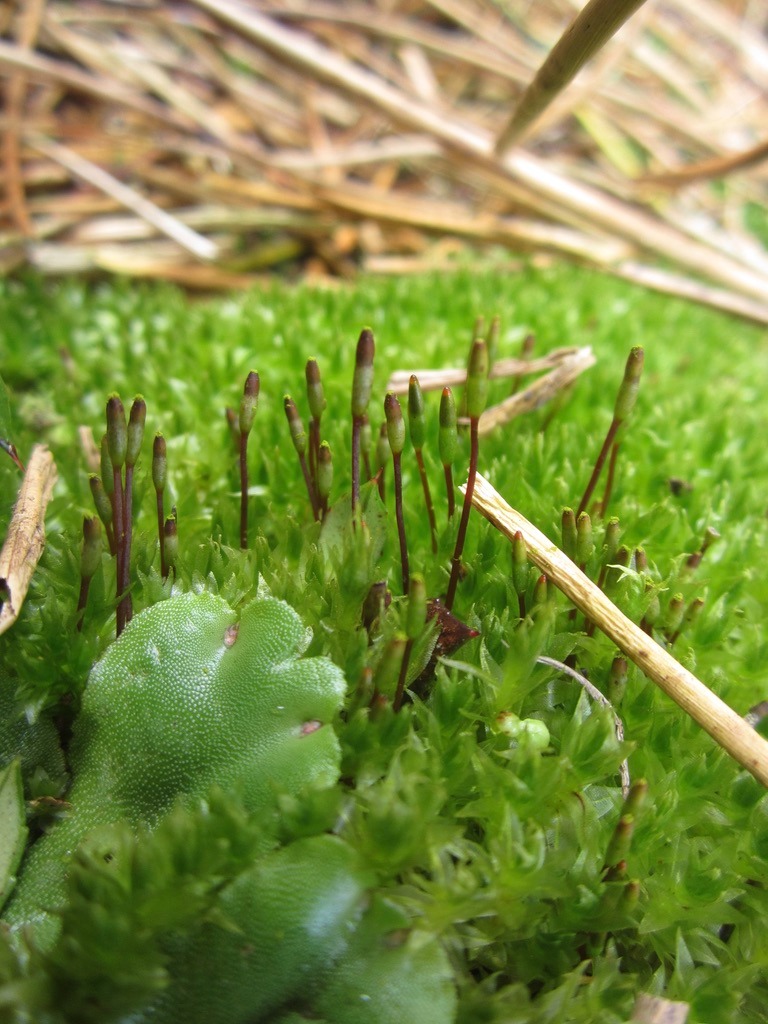
Comprehensive phylogenomic time tree of #bryophytes reveals deep relationships & uncovers gene incongruences in the last 500 million years of diversification
New #AJB research: https://t.co/J2IIVvAQdM
#botany#mosses#liverworts#hornwarts @wileyplantsci @WileyEcolEvol
Tropical Plant Identification Handbook information now added to Plants of the World Online, list of families here, scroll down in each family to see different information sources
https://t.co/W7iCvWiGUp
@KewScience @GemmaBramley
#PhD position available! Interested in #biogeography and #plant#evolution? Join me and a team of international collaborators to study whether the collision of the #Asian and #Australasian shelves led to the diversification of plants with this exciting case study @LMU_Muenchen
https://t.co/w4U5PaTfZo
DOI: 10.3390/d15101053
Today a Perspective paper was published that I coauthored with my European friends and colleagues Ivan Löbl, Bernhard Klausnitzer, and Matthias Hartmann on the current situation of biodiversity science/taxonomy.
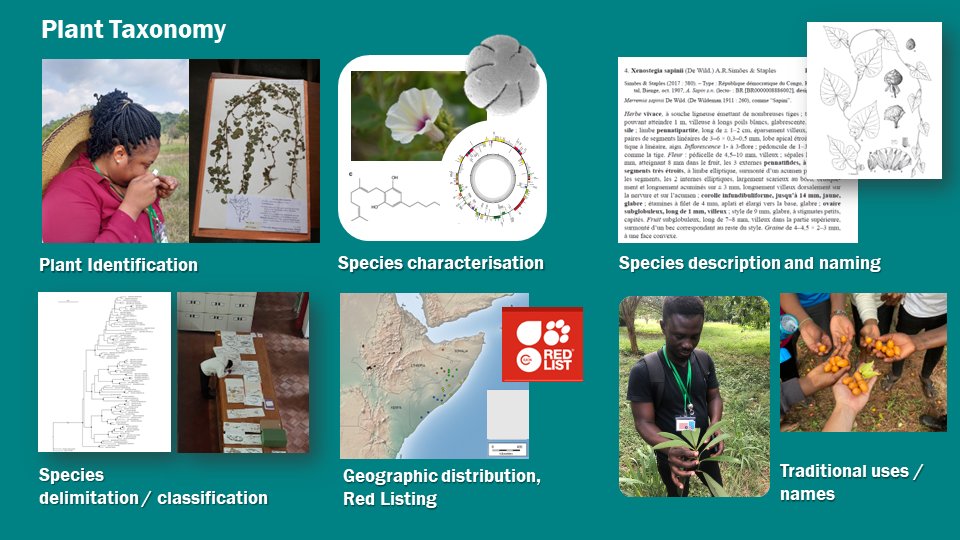
We cannot protect what we do not know, and #taxonomists play a key role in the description, naming and characterisation of species. The resolution of the debate was unanimous: we need to train and hire more #taxonomists, so that species don't go extinct before they are even known
Join us tomorrow at 10 AM NY time for the October #Melastomataceae virtual seminar.
Kate Samra will be talking about "A synoptic checklist and ecological analysis of anisophylly in the Neotropical tribe Trioleneae (Melastomataceae)"
Register here:
https://t.co/XOxbXf6R9b
And another new species of Miconia #Melastomataceae, from the Andes of Southern Peru. First publication of Juan Angulo, my awesome advisee at @GradCenterBio and @NYBG. Also an honor to name this species in honor of our colleague @ahungrybotanist
https://t.co/5dtWNF1wrF
Just published! - a further African mountain endemic in the genus Isoglossa, this one from the Pare Mountains of Tanzania, hence Isoglossa pareensis - a delicate beauty! @KewAfrica @KewScience
https://t.co/dDsgjWNJB9