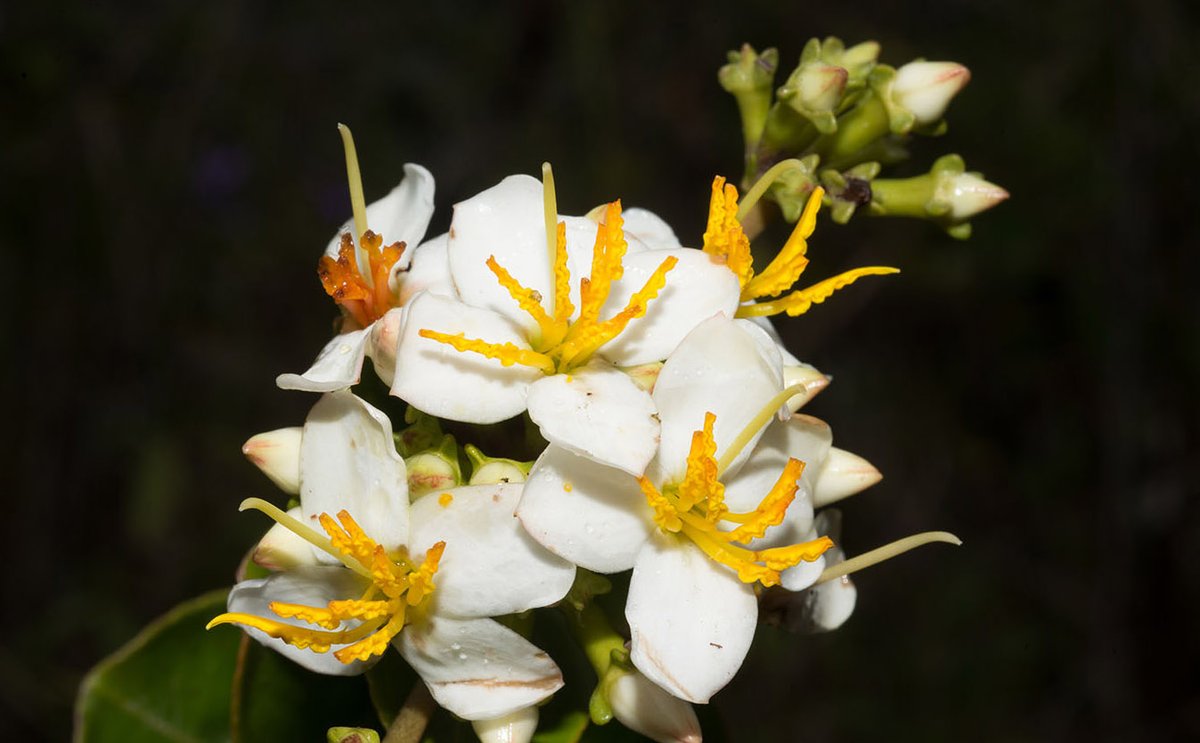
In a new @KewScience report, NYBG scientist Fabian Michelangeli and colleagues found it takes 16 years on average for a tropical tree species to be formally recognized as new to science.
With extinctions rising, it's time to speed up the process: https://t.co/LXexWKH5zn #SOTWPF
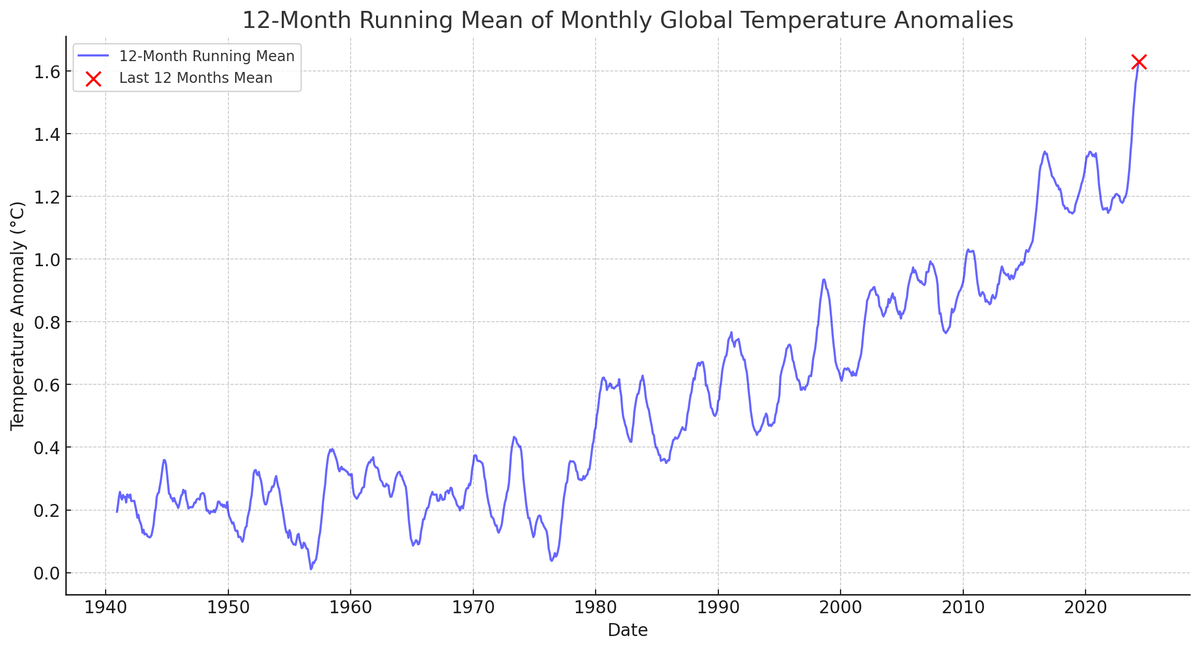
With May 2024 coming in as the warmest May on record, global temperatures have been at 1.63C above preindustrial levels over the past 12 months in @CopernicusECMWF's ERA5.
A pretty sharp jump up from prior global temps we've seen, akin to the increase between 2010 and 2016:
#Papua will lose 4.5 million hectares (13% of its total forest area) by 2036 if it follows the same path as #Kalimantan. Video narrated by @birdsoftheworld, animations by @422South based on our paper: https://t.co/TPCyK4HzYv. Full video: here: https://t.co/hxxuQ1qeJi
Hydrosaurus, commonly known as the sailfin dragons, is named after the sail-like structure on its tail. It is native to indonesia and the Philippines and semiaquatic, able to run short distances across water
[read more: https://t.co/dWXetIVdzr]
[📷: https://t.co/YuXrmdTmJ9]
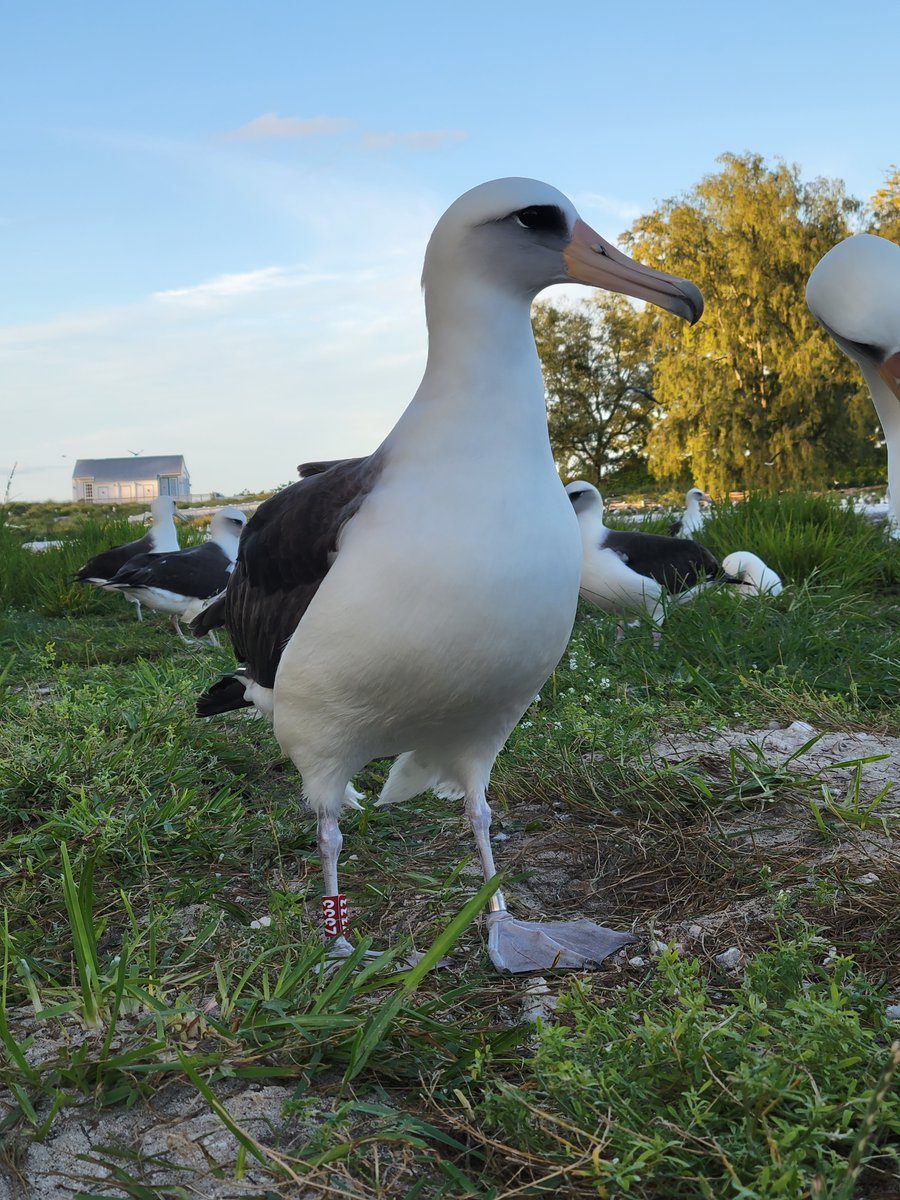
Wisdom, the world’s oldest known wild bird, recently returned to Midway Atoll!
The beloved Laysan albatross, or mōlī, is at least 71 years old. Biologists first identified and banded Wisdom in 1956 after she laid an egg, and the large seabirds aren’t known to breed before age 5.
The Indonesian government has for the first time handed over its control over forests in the eastern region of Papua to the Indigenous communities, and therefore no licenses for any kind of commercial activity can be issued for those areas.
https://t.co/0q29lcvitj
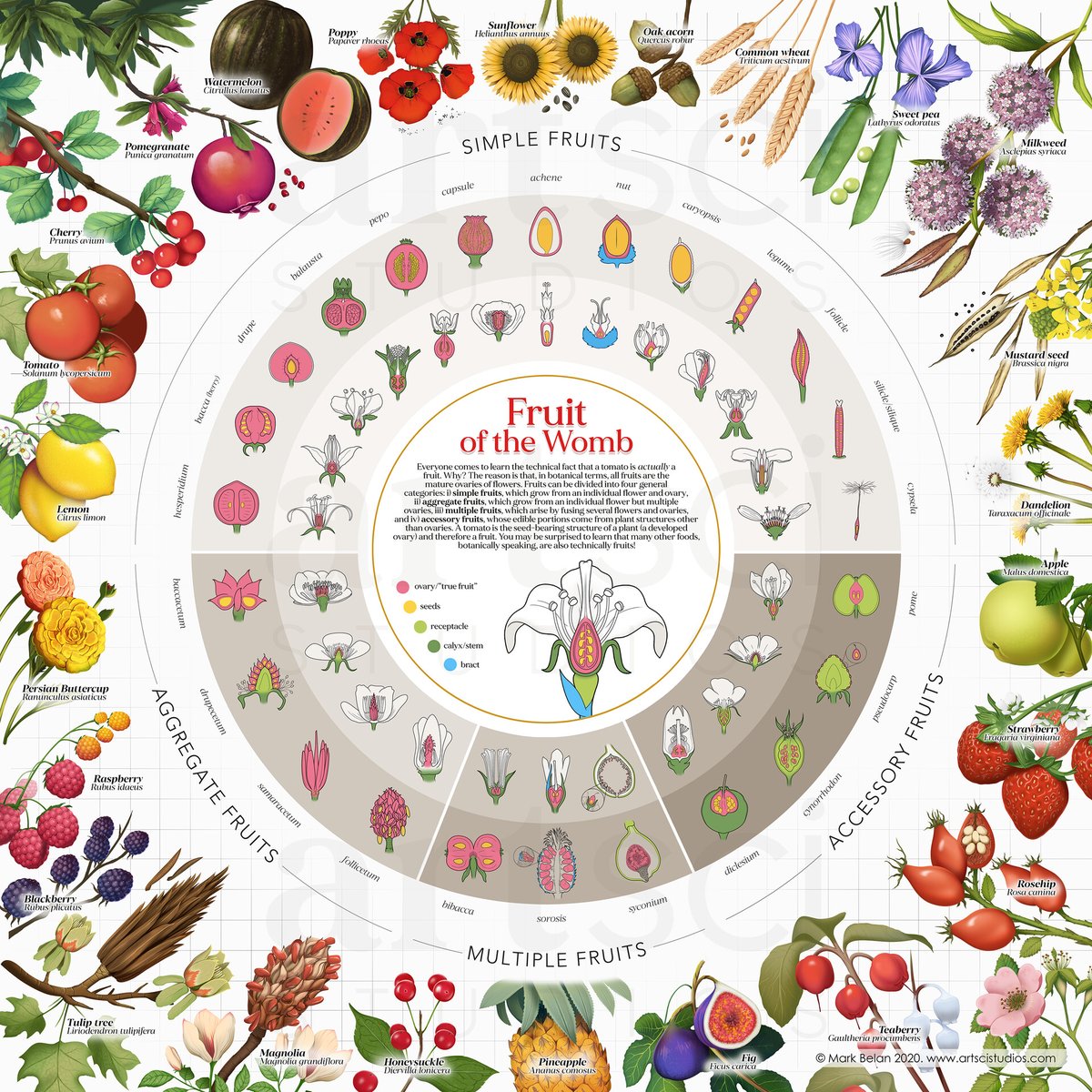
Familiar fruits and veggies like watermelon or corn didn't always look and taste this way. From bananas to eggplant, here are some of the foods that looked totally different before humans first started growing them for food
[source, read more: https://t.co/z0zkvXUFJy]
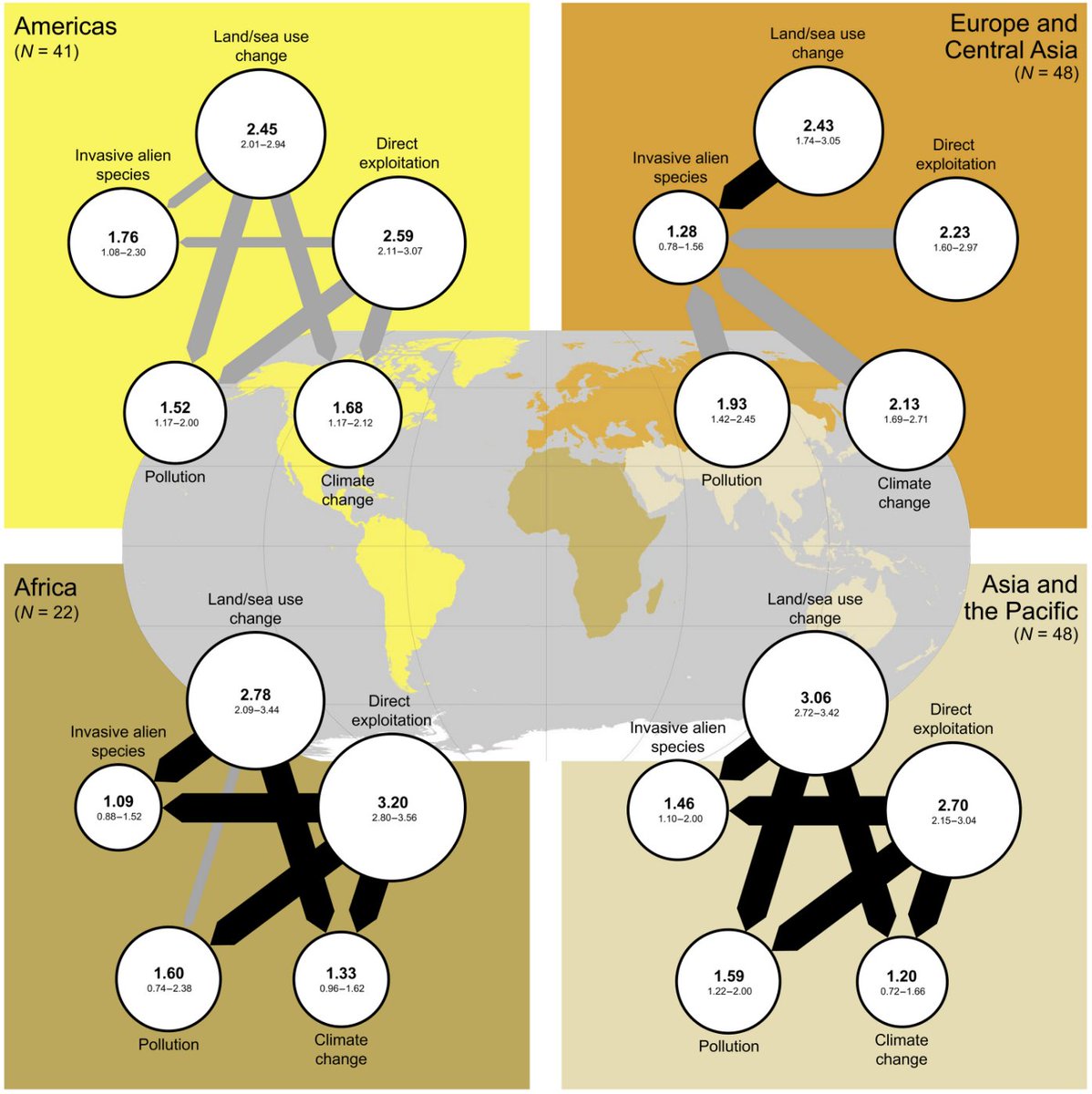
The direct drivers of recent global anthropogenic biodiversity loss
https://t.co/sct3AzO2be
An analysis of "driver hierarchies" in different regions of the world. These "Big 5" drivers underpin Targets in Goals A & B of the global #biodiversity framework #COP15
**NEW** eBird Trend maps for N. America - Thanks to >1 million citizen scientists we now have fine-scale maps of population trends for >500 bird species. Many are deeply sobering, but they also contain hope that we can act @Team_eBird@CornellBirds https://t.co/lCelGFHzqO
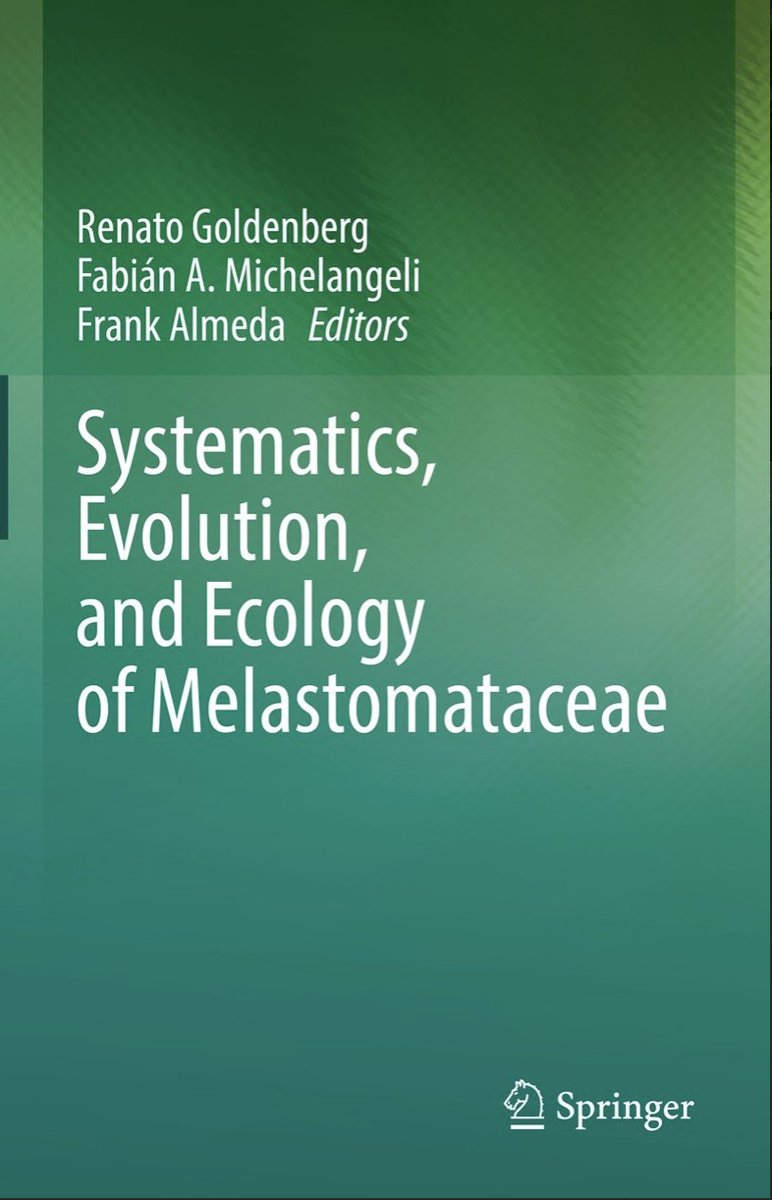
After a two year process (and many more in gestation) a book that brings together most of our current knowledge on #melastomataceae
Thanks to Renato Goldenberg & Frank Almeda for their partnership on to our 70+ coauthors (can only tag 10...sorry)
https://t.co/EWSZRwFwwM
I heard this news today from one of my students working in Death Valley NP.
I am utterly devastated, words cannot describe.. The ancient bristlecones are falling victim to climate catastrophe. How many more losses must we suffer before those in power fight for life over profit.
It has been four weeks since we launched our video on why change is so hard (and how to fix it).
How is it going?
How are your wise planner and impulsive toddler holding up?
In case you haven't watched it yet, check it out on YouTube: https://t.co/2xdycg1wQ1




![Rainmaker1973's tweet photo. Hydrosaurus, commonly known as the sailfin dragons, is named after the sail-like structure on its tail. It is native to indonesia and the Philippines and semiaquatic, able to run short distances across water
[read more: https://t.co/dWXetIVdzr]
[📷: https://t.co/YuXrmdTmJ9] https://t.co/0vRVU7OkEy](https://pbs.twimg.com/media/FnoOMxzWQAIkDQb.jpg)

![Rainmaker1973's tweet photo. Familiar fruits and veggies like watermelon or corn didn't always look and taste this way. From bananas to eggplant, here are some of the foods that looked totally different before humans first started growing them for food
[source, read more: https://t.co/z0zkvXUFJy] https://t.co/MIqgMQzg13](https://pbs.twimg.com/media/FiWJgR9XkAMMUtC.png)