@coach_j_lima They won’t give a shit about semantics once the athlete gets hurt. They will only care that my word, to them, said that it wouldn’t happen!
@coach_j_lima Based on everyone else’s comments about the definition of prevent, I have one more thing to add (that a few others mentioned). It’s not simply about the “truth” of the definition, but instead about its “perception”. If I sell a parent or athlete on an injury prevention program…
@coach_j_lima Words matter, but that doesn’t mean I think we should stop doing the underlying work, such as what is shown in the video.
I’ll still keep prevention out of our vocabulary here.
@coach_j_lima I can’t tell you how many times I drill into our students that “injury prevention” is NOT allowed to be spoken or written in our exercise science program…and I even went on a rant during my doctoral defense about using the term.
We use risk management or mitigation.
@KyleBeyerPhD@Clivesportsandc@DrTSuchomel We just received approval in January for an NSCA Educators’ SIG to start having some of these discussions. Just need members to help ramp up the engagement in the Facebook group and then have a great round table at the NATCON.
🚀St. Louis Workshop
📍Where: Mercy Sports Performance Powered by EXOS 🤝🏼 @VictorKizer
🗓️When: Sunday, May 7th @ 7am-5pm
☑️ NSCA 0.8 CEUs
📲Student Discount: Message me for 10% discount code
🎟️Tickets: Learn more and sign up here: https://t.co/z5Qpgb1iD2
@joeyharty9@HawkinDynamics No, but I have the tools and could get some data from some high quality D2 collegiate guys. Give me a call if you want to discuss.
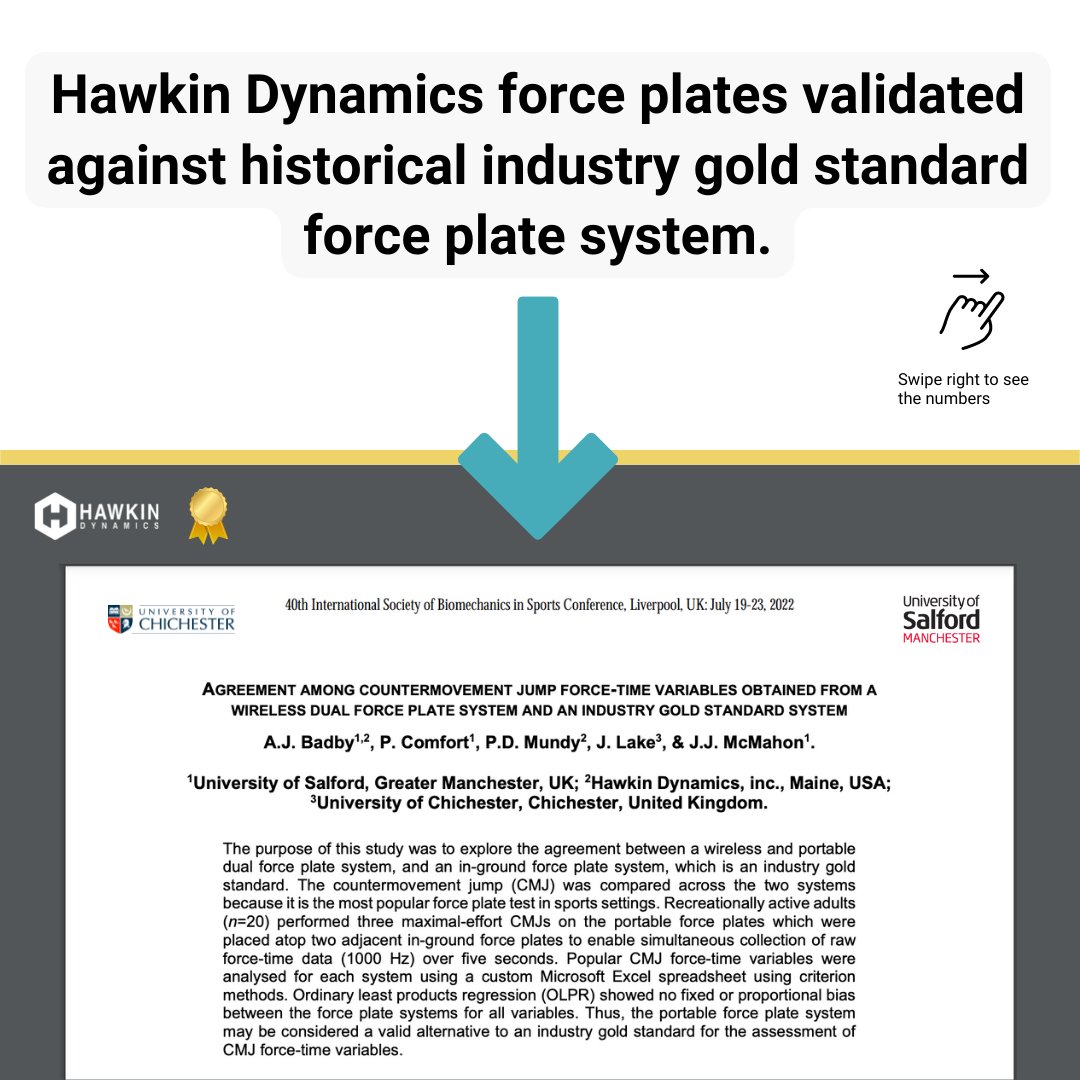
Checkout the recent publication out of the University of Salford (UK) and University of Chichester (UK) validating the HD Force Plates ─ https://t.co/MTGpUJYJIj