Director of Stroke at Mount Sinai South Nassau. Neuroendovascular Surgeon. Philanthropist. Believer in positivity and the effect it can have on patients.
Turmeric, a simple OTC supplement can suppress the pro inflammatory cytokines which have been implicated in Covid 19 causing progression of a normal viral response to an overactive immune response that leads to cytokine storm.
#stopthestorm#preventdeath https://t.co/lEmIv6Noq3
#STROKE: Tenecteplase is superior to alteplase in LVO, but only if thrombectomy follows fast. Benefit is seen when thrombolysis-to-puncture time <60 min; beyond that, outcomes are similar. https://t.co/AQdFQZ6auF
🚨 #ISC26 delivered BIG for stroke care. Multiple practice-important and promising trials across thrombosis, reperfusion, EVT, ICH, and neuroprotection 🏥🧠👇
🔹 OCEANIC-STROKE – Positive phase III: FXIa inhibition with asundexian reduced ischemic stroke in patients with non-cardioembolic stroke or high-risk TIA on antiplatelet therapy without increased major bleeding
🔹 OPTION – In patients with salvageable tissue, tenecteplase (4.5–24h) significantly improved 90-day excellent outcomes with higher sICH (2.8% vs 0%)
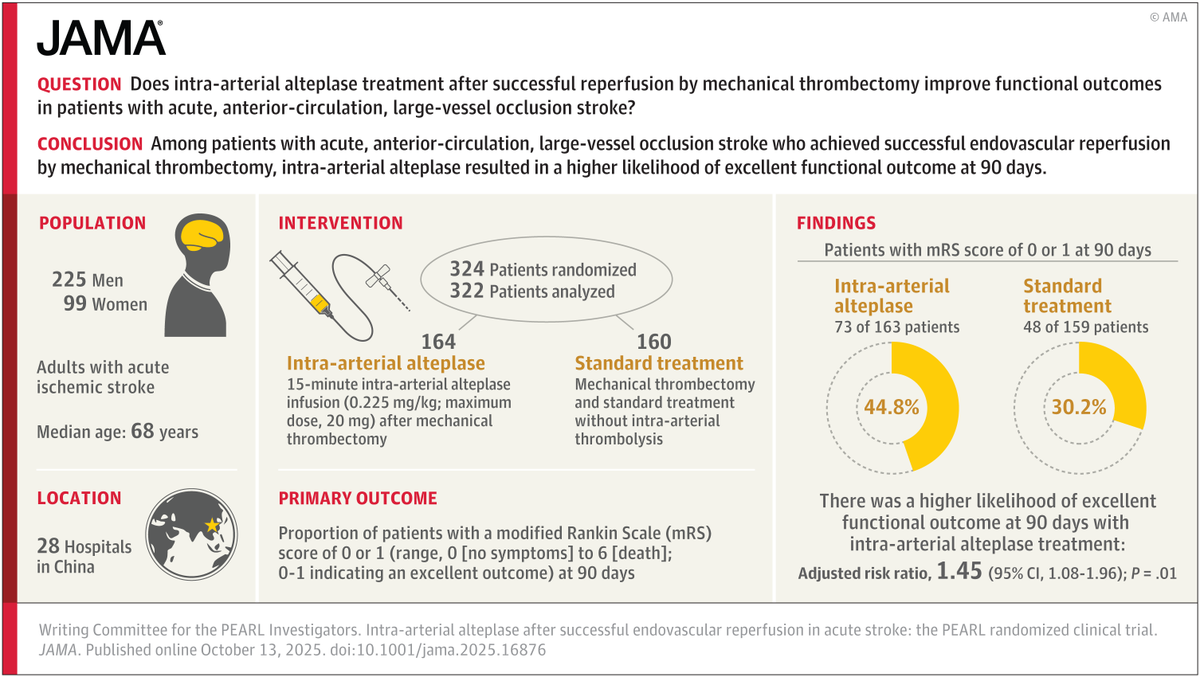
🔹 CHOICE-2 – Largest phase III trial of IA alteplase after successful EVT: higher excellent outcomes (mRS 0–1), no increase in sICH, NNT ≈ 7
🔹 FASTEST – rFVIIa for spontaneous ICH: promising early results in spot sign–positive patients treated <90 min
🔹 LAIS – Loberamisal (dual-target neuroprotection) within 48h for AIS (NIHSS 7–20): 13% absolute increase in excellent functional outcomes at 90 days
🔹 DISTALS – Tigertriever for distal occlusions: higher successful reperfusion at 24h without increased sICH
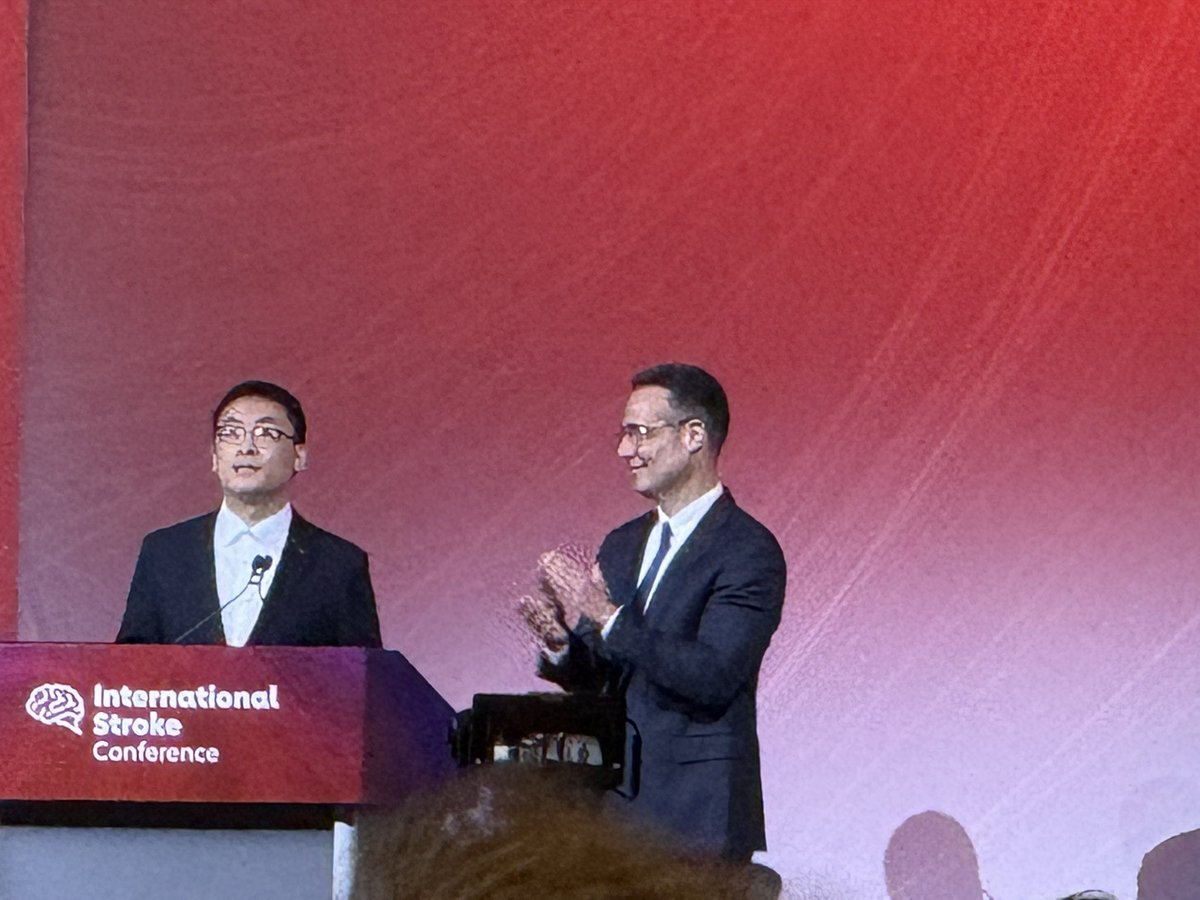
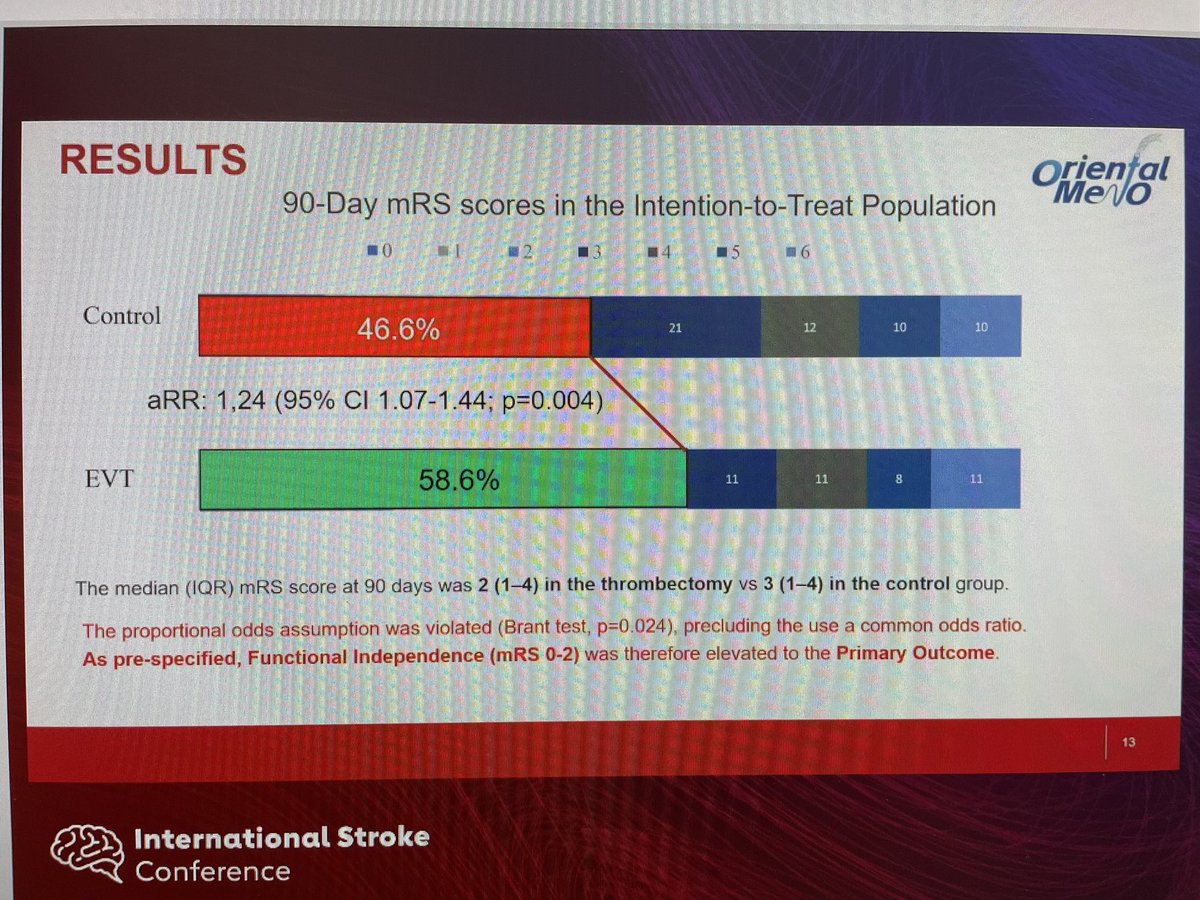
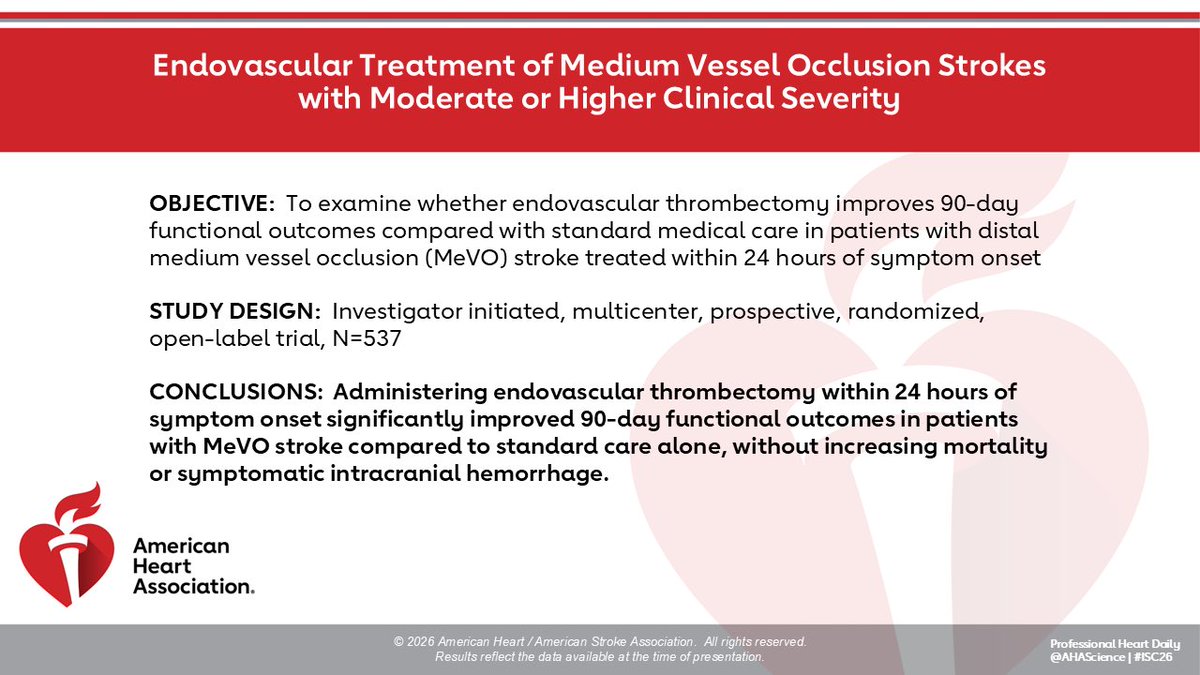
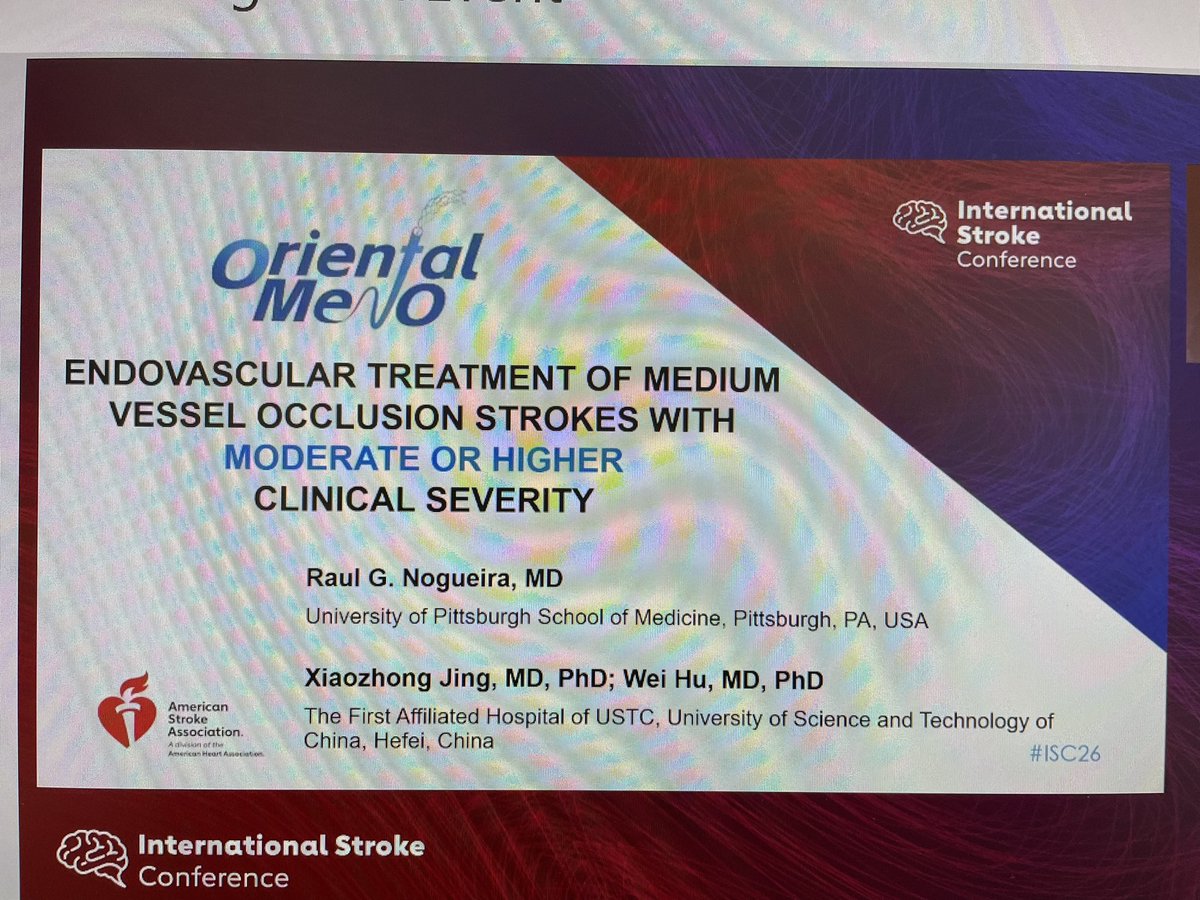
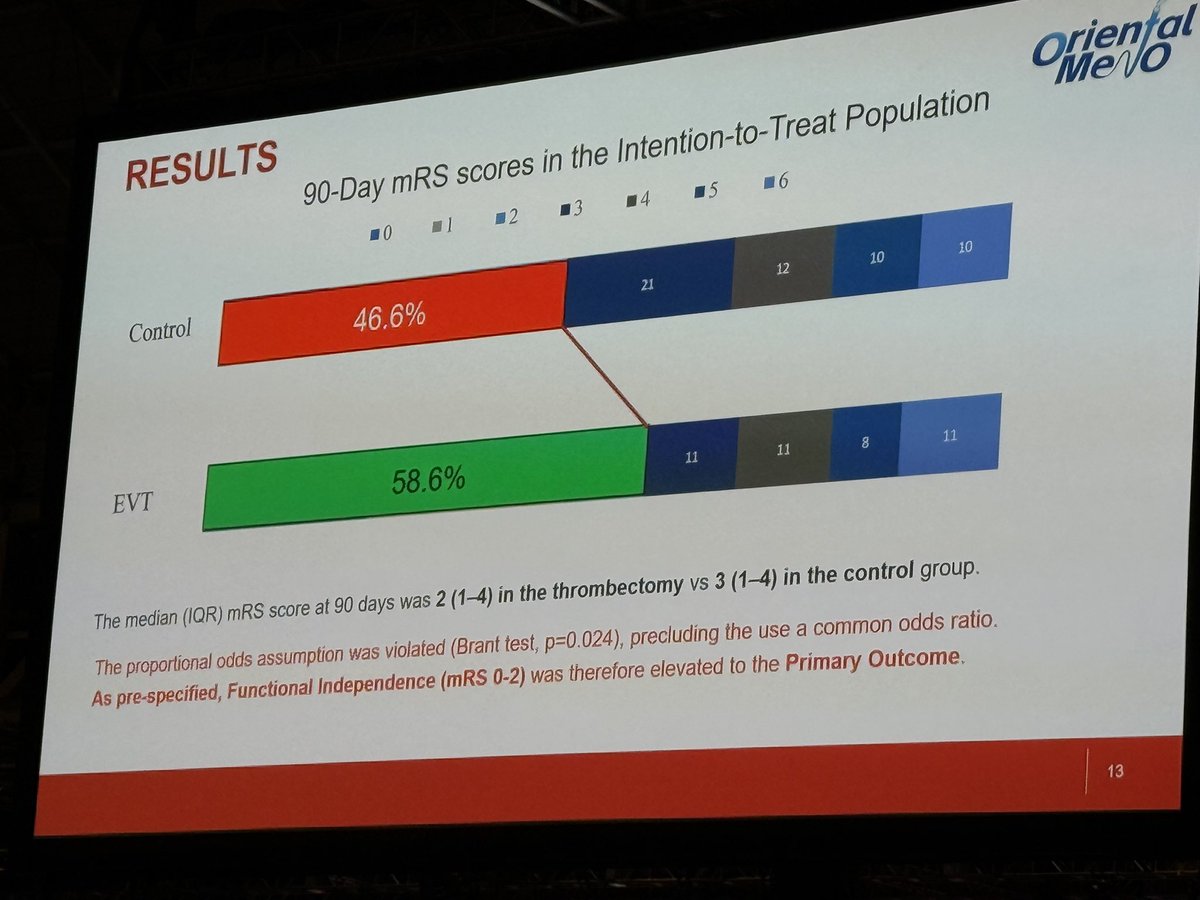
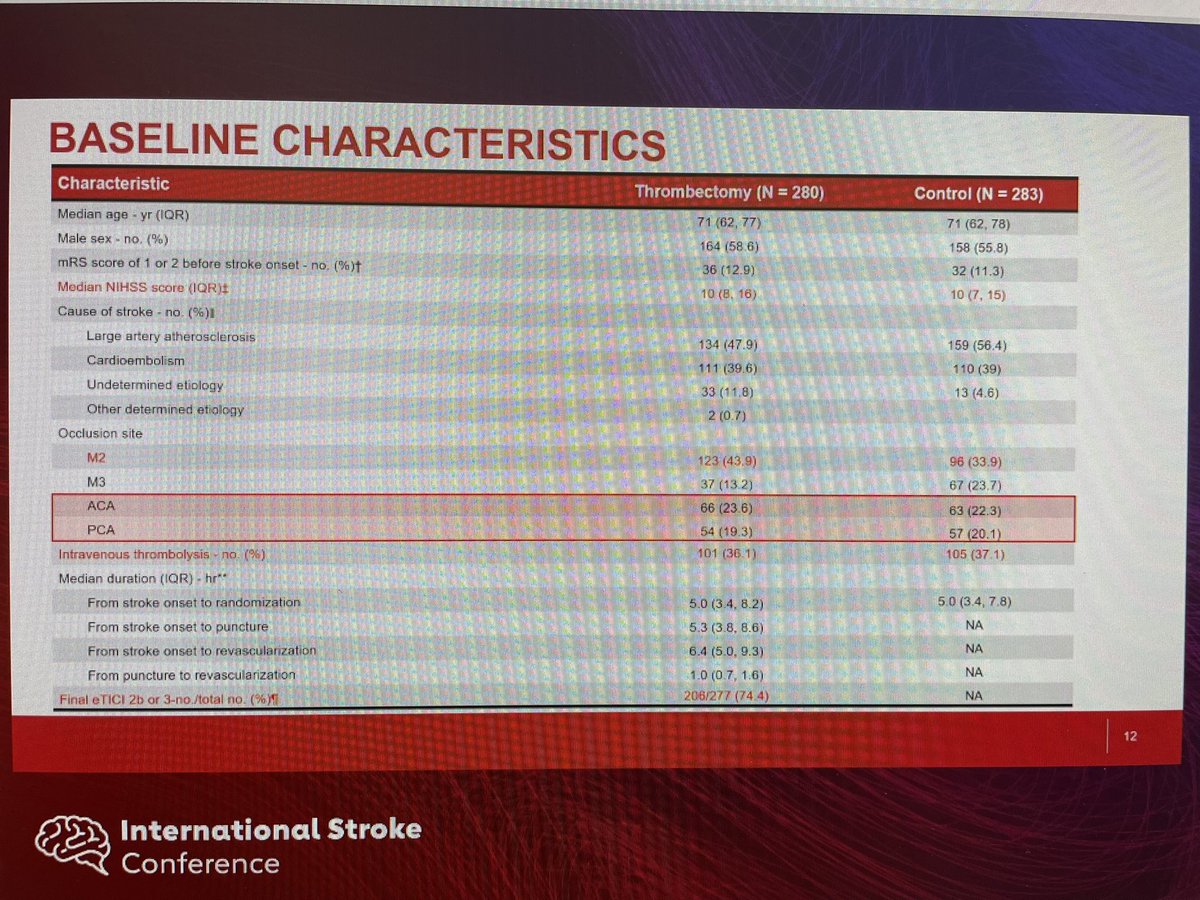
🔹 ORIENTA-MeVO – EVT for MeVO improved 90-day functional outcomes without excess sICH in a Chinese population
The stroke playbook is evolving in real time. 🔥
#Stroke #ISC26 #VascularNeurology #EVT #Tenecteplase #ICH #ClinicalTrials #AHAScience #StrokeResearch @StrokeAHA_ASA@AHAScience 🧠
Data has spoken. Loudly.
Watchful waiting isn’t a treatment.
#EMBOLISE2 non-surgical cohort at #ISC26 shows ~2x reduction in the composite endpoint of surgical rescue, clinical deterioration, or poor outcome.
NNT = 9.
#MMA embolization with #Onyx > observation.
“Let’s just observe” is a choice, not neutrality.
Take a side with our patients.
#ISC26 @medtronic #SVIN26 @svinsociety@AHAScience
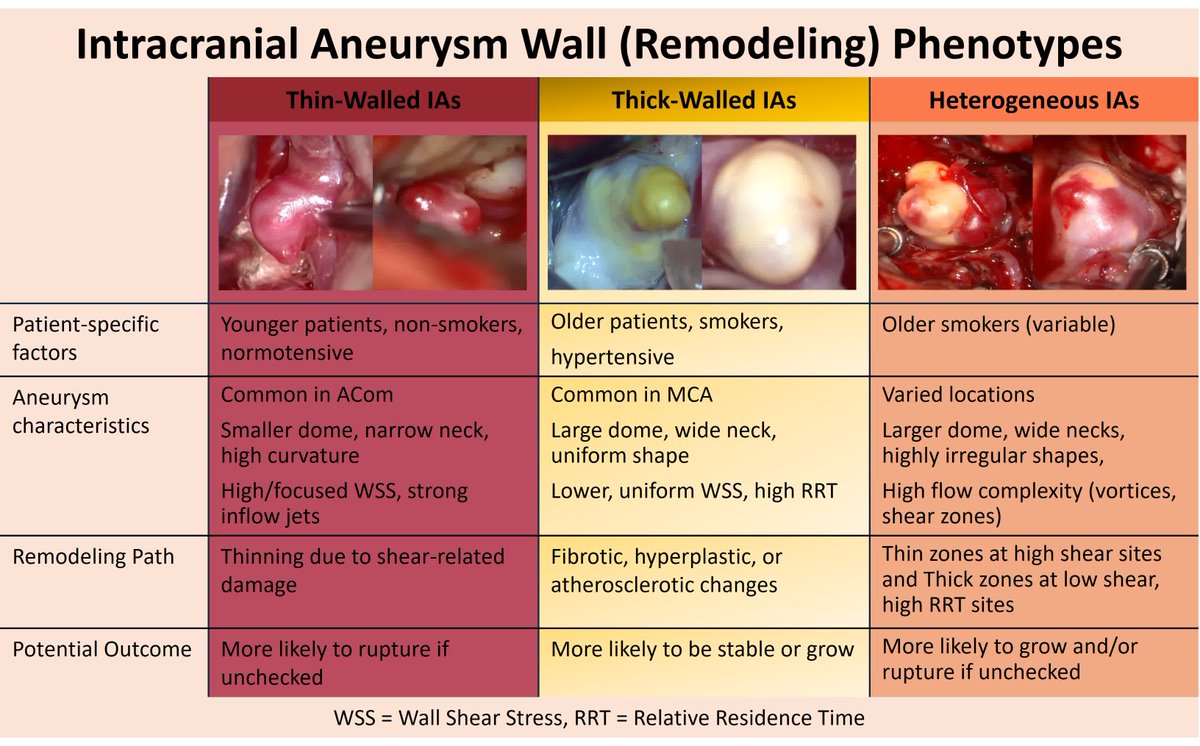
This study reveals how clinical, morphological & hemodynamic factors shape distinct aneurysm wall phenotypes—advancing insights into intracranial aneurysm remodeling and progression mechanisms. #neuroscience#aneurysm#hemodynamics@yogeshkarnam
https://t.co/uK29Kd6Moi
Presented at #SVIN25:
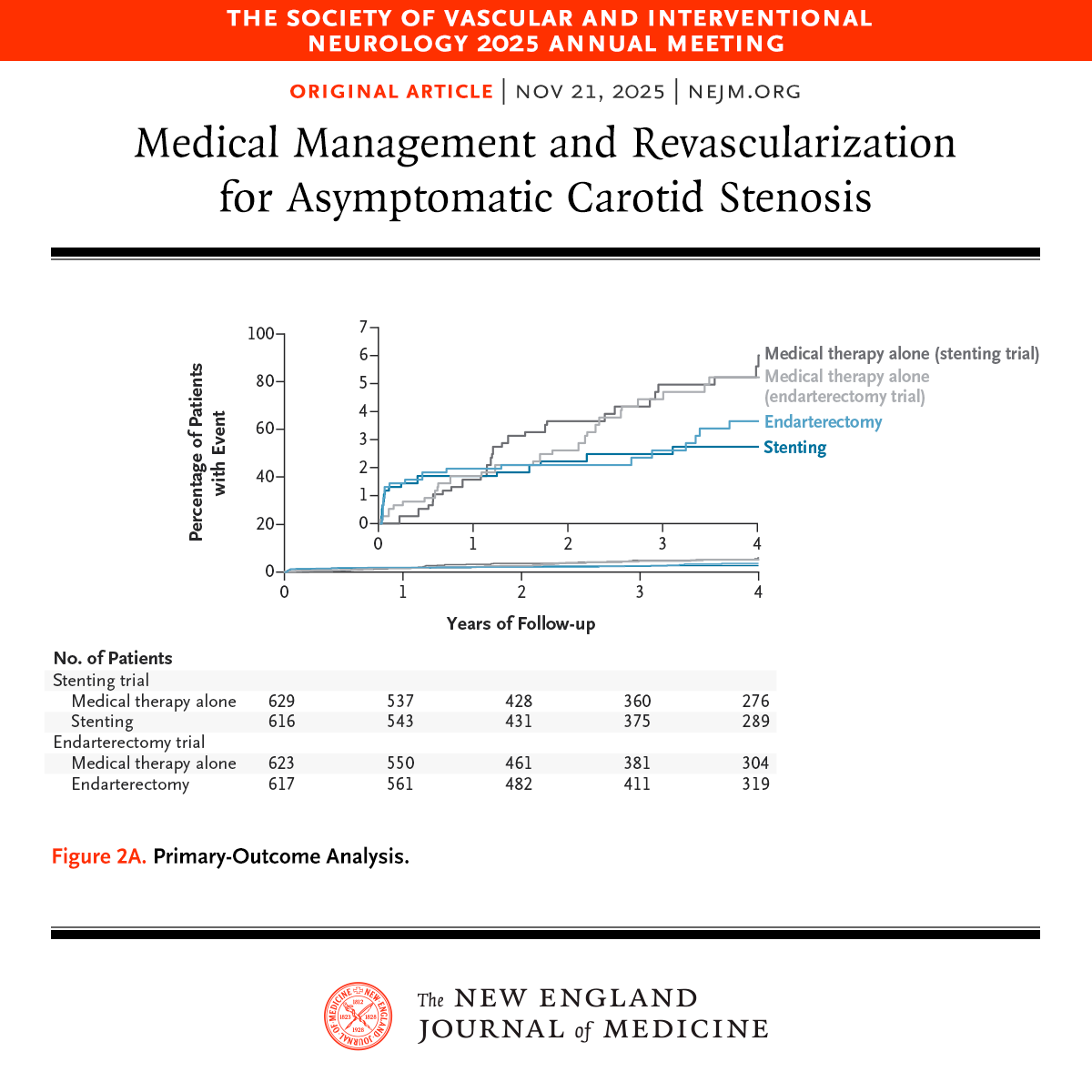
CREST-2: In high-grade asymptomatic carotid stenosis, addition of stenting to medical therapy led to a lower risk of stroke over a 4-year period. Endarterectomy did not lead to a significant benefit. Full results: https://t.co/ojge1CjqiU
Editorial: Managing Asymptomatic Carotid Stenosis https://t.co/D9LH89Edyk
@svinsociety
🚨 BREAKING — CREST-2 Changes the Game in Asymptomatic Carotid Stenosis
A landmark NEJM paper (Nov 2025) delivers the most rigorous evidence to date on how to manage ≥70% asymptomatic carotid stenosis — and the results will ignite global discussion. 🔥🧠
🔍 What CREST-2 found
Across 2 parallel randomized trials, comparing intensive medical therapy (IMT) vs. Carotid Stenting or Carotid Endarterectomy (CEA):
🩺 1️⃣ Stenting Trial
Primary outcome at 4 years:
IMT alone: 6.0%
Stenting + IMT: 2.8%
➡️ 53% relative risk reduction
NNT ≈ 31
More peri-procedural events with stenting (1.3% vs 0%), but much fewer long-term ipsilateral strokes.
🔧 2️⃣ Endarterectomy Trial
Primary outcome at 4 years:
IMT alone: 5.3%
CEA + IMT: 3.7%
❌ Non-significant difference (P=0.24)
Trend favors CEA but underpowered to prove superiority.
⭐ Strengths of CREST-2
💪 Rigorous design: Two parallel RCTs, observer-blinded primary outcome adjudication.
🌍 Large, multinational cohort: 2,485 patients across 155 centers.
📈 Excellent risk-factor control: IMT arm achieved LDL <70 mg/dL and SBP <130 mmHg in the majority (Figure 1, pages 6–7).
🧠 High-fidelity event capture: Stroke adjudicated with MRI preferred (82%), improving sensitivity vs. prior studies.
🔬 Modern therapies included: PCSK9 inhibitors, updated BP targets, structured lifestyle intervention.
⚠️ Limitations to consider
🧪 Operators were high-volume, certified experts — results may not generalize to all centers.
⌛ Outcome affected by evolving medical therapy: Improved BP, LDL, diabetes & obesity treatments may reduce incremental benefit of revascularization.
🧭 No evaluation of transcarotid revascularization (TCAR): Now widely used but not incorporated.
🔍 Periprocedural risk remains: Especially for stenting (1.3%) and CEA (1.5%).
📉 Borderline tipping-point analyses: A few additional or removed events could shift significance — especially for stenting.
🧩 Some post-procedure strokes may not be carotid-related, limiting causal inference.
🧩 Take-home message
For asymptomatic ≥70% carotid stenosis:
Stenting + IMT → significant reduction in 4-year stroke risk, despite a small procedural risk.
CEA + IMT → trend to benefit, but not significant.
Intensive medical therapy performed exceptionally well — far better outcomes than historical controls.
The debate isn’t over — but CREST-2 redefines the landscape.
Stroke prevention will never be the same. 🔄🧠✨
Carotid artery stenting for the win for asymptomatic severe carotid stenosis. Very impressive trial by the CREST-2 team. Congratulations! @ChaturvediNeuro#SVIN25 https://t.co/cYJQxW4DYL
The #CodeICH train keeps rolling!
This multicenter study from Spain found that sicker patients present earlier…
That achieving care bundle goals (BP control mostly) faster was associated with better outcomes
And that the benefit was magnified among the sickest patients presenting earliest
#curingcoma
https://t.co/89iEX254nh
From @JAMA_current: After mechanical thrombectomy for acute LVO stroke, intra-arterial alteplase increased the rate of excellent 90-day functional outcomes without raising symptomatic intracranial hemorrhage.
https://t.co/cern83x59U
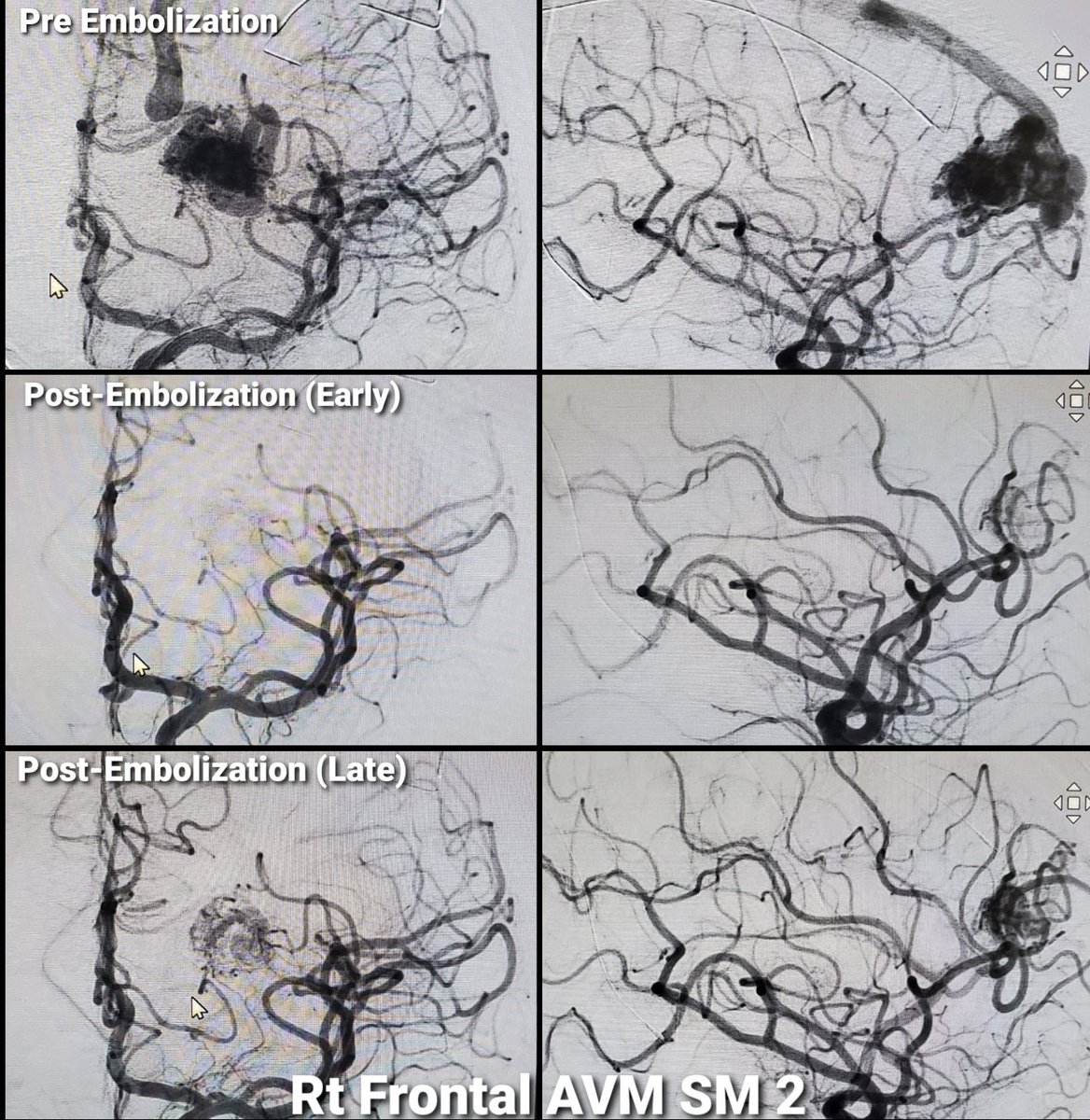
What do you quote as the incidence of #AVM rupture to your patients?
Old school: “105 – age” rule of thumb → lifetime risk
Practice: 2–4%/yr
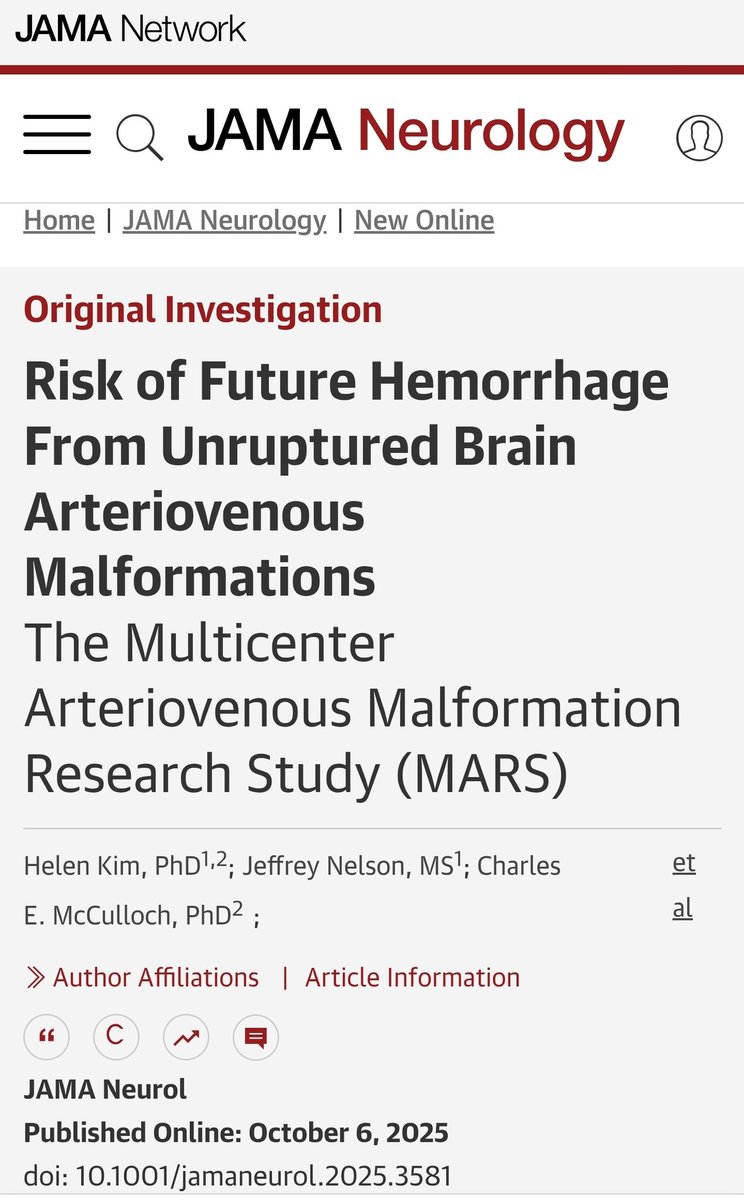
MARS study (@JAMANeuro, Oct 2025):
3,030 pts → 159 bleeds / 11,339 person-years
= ~1.4%/yr (95% CI 1.2–1.6)
Risk ↑ with:
Older age
Associated aneurysms
Deep supratentorial /cerebellar AVM
About 1–2/100 patients bleed each year = More precise data for counseling.
Full article: https://t.co/BIXZRZR2r0
Thoughts: @PascalJabbourMD@elghanemmoh@AmeerEHassan@_AdnanSiddiqui@TareqKass@AlAlBayati1
#STROKE: In a secondary analysis of ARCADIA, randomization to apixaban was associated with a lower risk of recurrent ischemic stroke than aspirin in patients with left ventricular systolic dysfunction. @MitchElkind@hoomankamel@ShadiYaghi2#AHAJournals https://t.co/3fntF9AlNV