National Physical Education Teacher FMS L1-2. Mentorship L1 Exos. Concerned about the quality of movement to improve the quality of life and sport performance.
To sprint you must “whip from the hip” or “Attack down from above” like @JohnPryorRugby says.
When you “attack” you increase negative foot speed or “grab velocity” @spikesonly
Grab velocity reduces ground time , which is critical to running faster.
@KenClarkSpeed@Dr_Weyand
Single leg vertical jump assessment has become part of my non-negotiable return to sport assessment for ACL patients - largely due to the findings from Kotsifaki et al 2022.
Full text paper: https://t.co/YiVjNfqw70
1/3
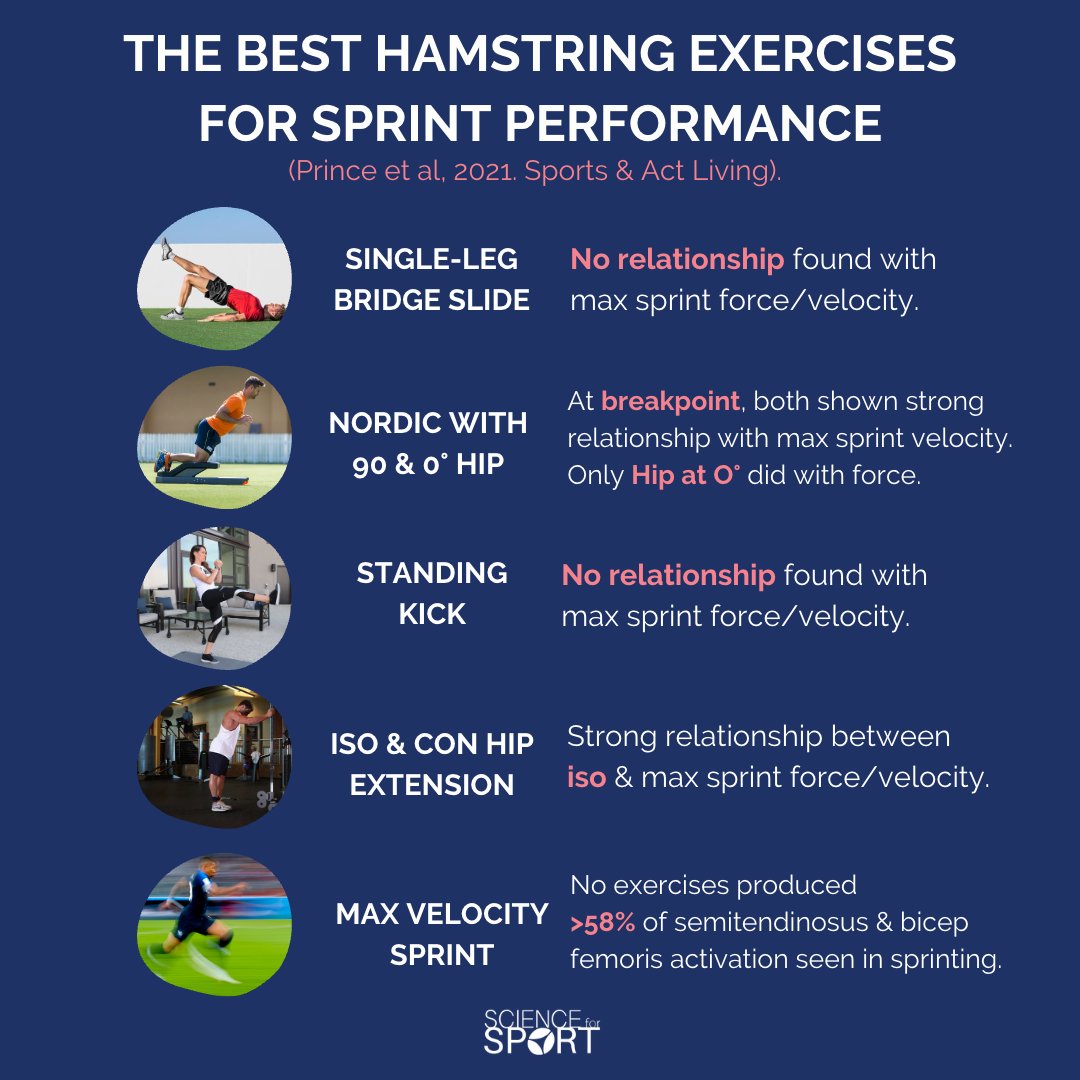
A useful study showing why hamstring injury risk reduction is a global concept that comes down to holistic programming in the gym & on-field. Activation not necessarily = greater protection, however this is a good reminder of how we should prepare the hamstrings for sprinting!
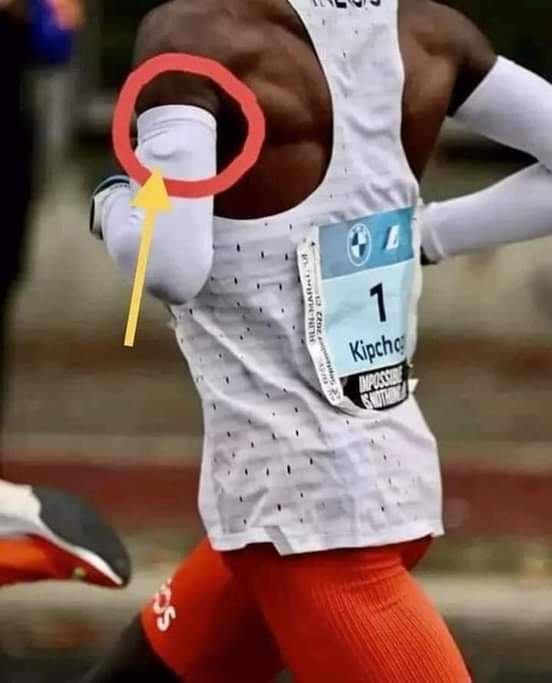
El sensor biológico de glucosa que utiliza Kipchoge para competir (y entrenar a veces).
Diseñado por Abbott Science para monitorear en vivo sus niveles de glucosa durante la carrera.
En base a esto se lo hidrata con tal o cual bebida y sus respectivas cargas de nutrientes.
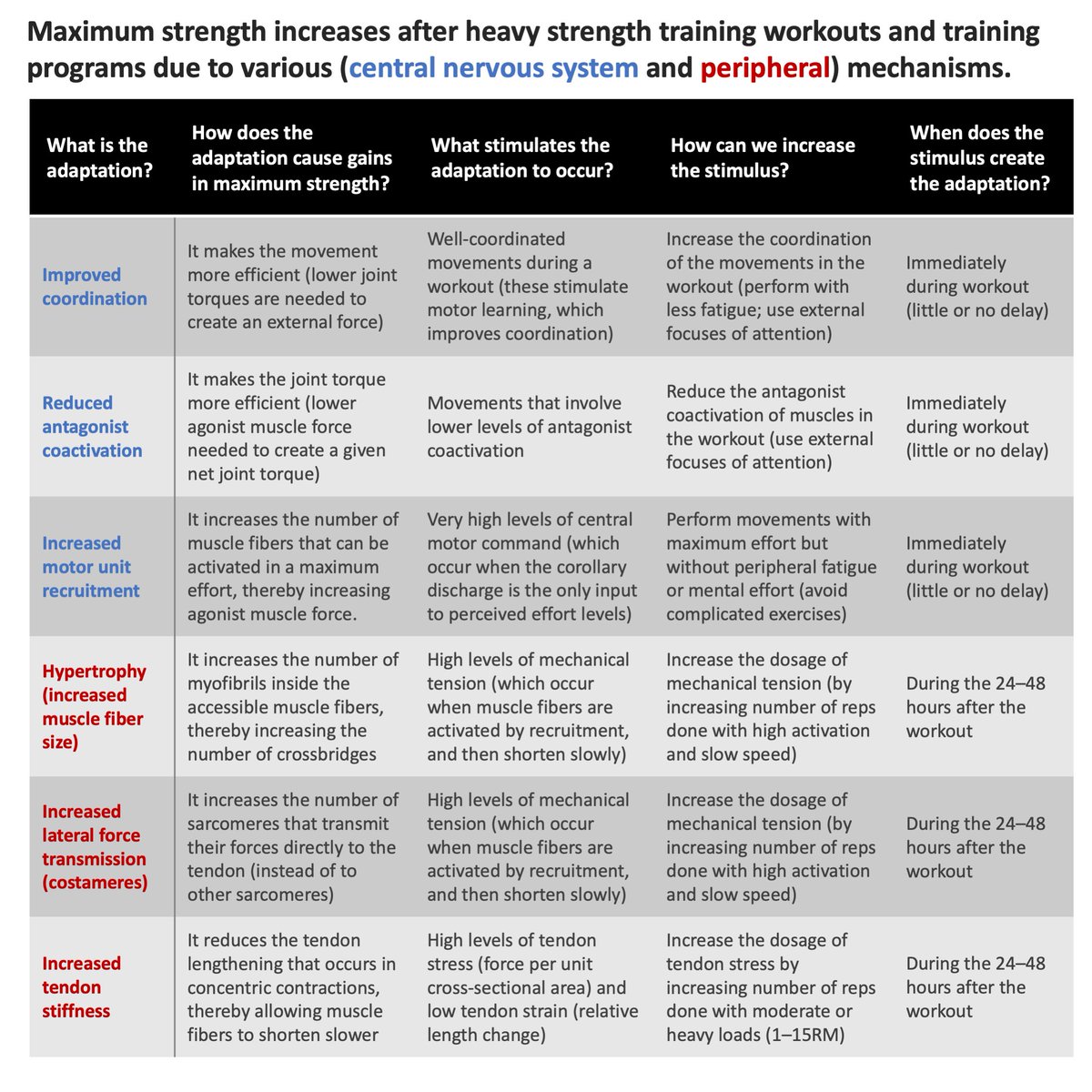
An increase in maximum strength is not itself an adaptation, it is the result of multiple adaptations. Understanding this allows us to target the individual, specific adaptations that contribute to strength gains more effectively.
Foot-to-hip integration is something I put a high priority on. In essence we should have a kinetic “linking” between the two, as an inability to do so requires more work for less return.
Simplified:
•Train on 1 leg
•Get out of your shoes
•Variety of vectors & resistance types
Lateral/Rotational Skill + Power
As it relates to agility much attention given to footwork. Indeed, interaction with foot and ground very important; however, good feet alone will not overcome poor hip positioning and stability. Untimely, unbalanced moments often game changers
An important concept we teach during the training & tissue re-education process is that the ATHs system cannot produce (force production) what it cannot absorb (force acceptance). Force acceptance drills (depth drop) are a fantastic tool for developing neurological efficiency…
The Holocaust happened 77 years ago, but far too few understand the reality of what happened and the lessons to be learned from history’s greatest tragedy. For International Holocaust Remembrance Day, join the #WeRemember Campaign to ensure that the past is never forgotten.
Mastering very simple motor tasks lay a solid movement foundation and fill in athletic gaps, which aid in learning more complex athletic skills later on, can help keep repetitive injuries at bay and develop work capacity. #LTAD#tenminutesaday
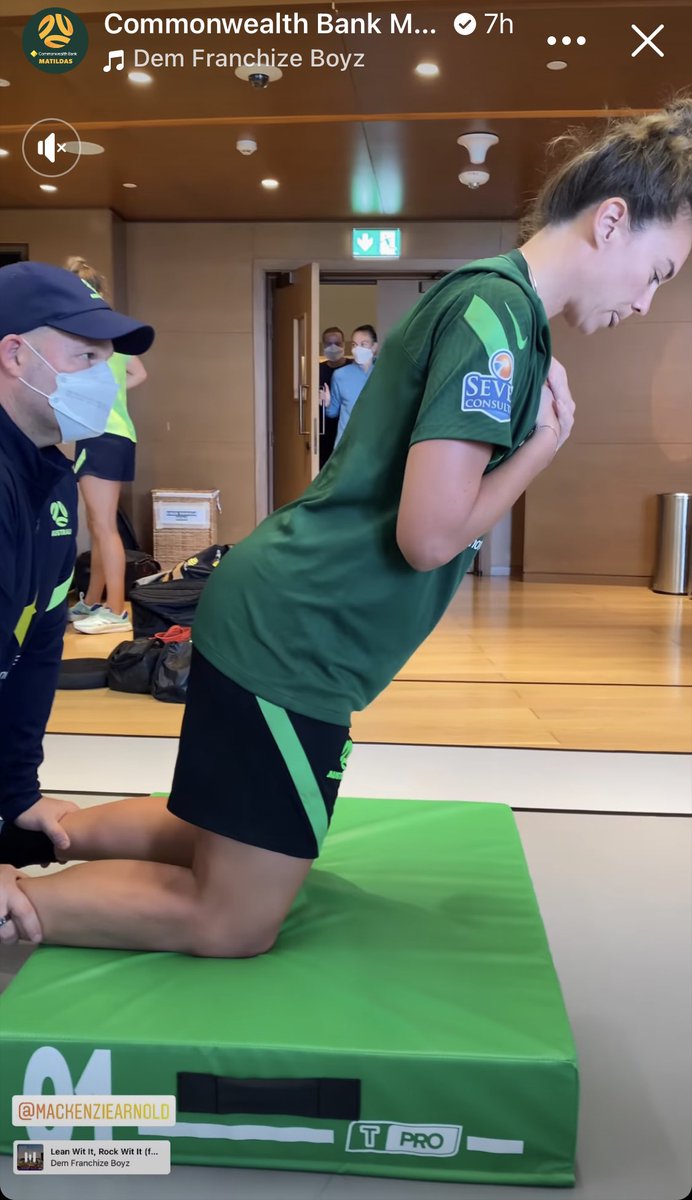
👊💪 @TheMatildas getting their dose of Nordic hamstring curls while in camp in Dubai.
A key exercise in the Performance component of the @FootballAUS Perform+ and great to see the pros settling a great example.
https://t.co/xlbuL2zRdK
Note: not the only exercise done
There are many reasons why some people return to pre-injury level of sport following ACLR and those that don't.
In Welling et al 2020 recent study they found some significant differences in commonly used ACLR discharge tests between those that returned t…https://t.co/oKspIzsobs
8 The “Optimal 8” Series
-When you’re in pain, recovering from injury, tight/sore, or old… the best thing you can do is just MOVE.
-This is a battery of random open-ended primal or functional patterns. This is a great starter kit for active recovery days.