📢 Join us at the new e-seminar from the series "CKD and genetic disease: a broader approach": *Kidney stones – moving towards targeted treatment*
📅 May 7, 2026 at 5:00 PM (CEST)
Register now 👉 https://t.co/4fzvaTU52i
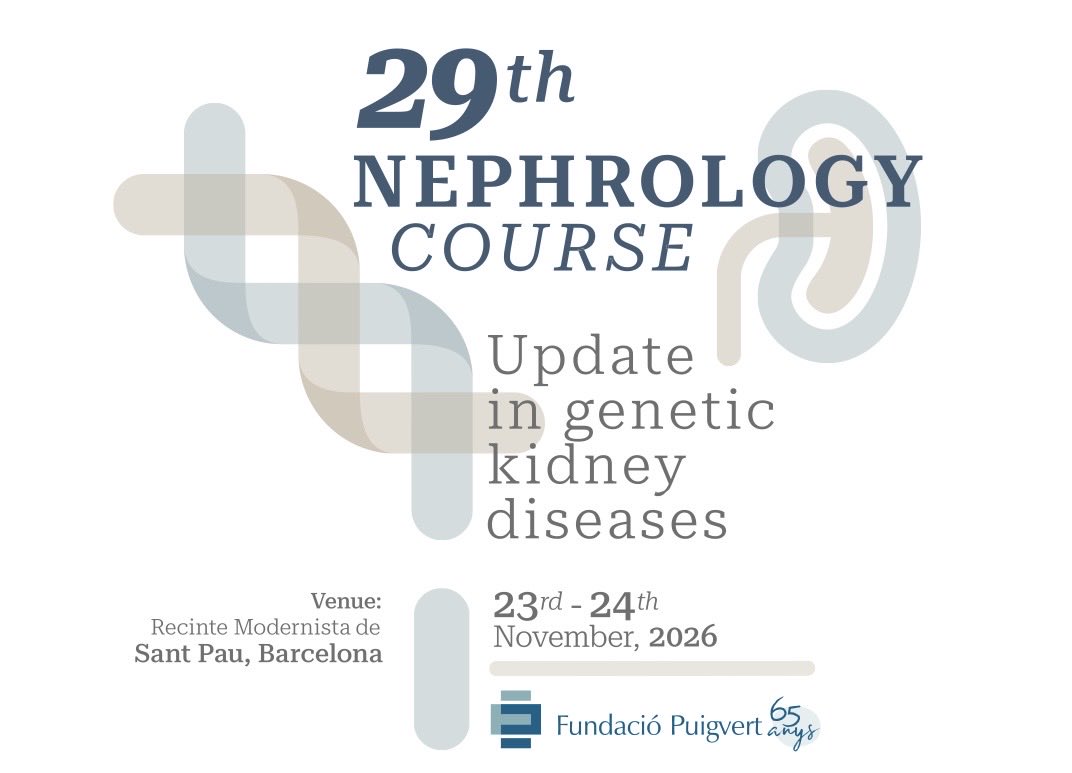
🧬SAVE THE DATE November 23-24, 2026
@FPuigvert and @torra_roser are presenting an innovative course on #genetics and #kidneydiseases, bringing together leading international experts. You can view the program in the image.
👇🏻Registration👇🏻
https://t.co/mmf74RzTeo
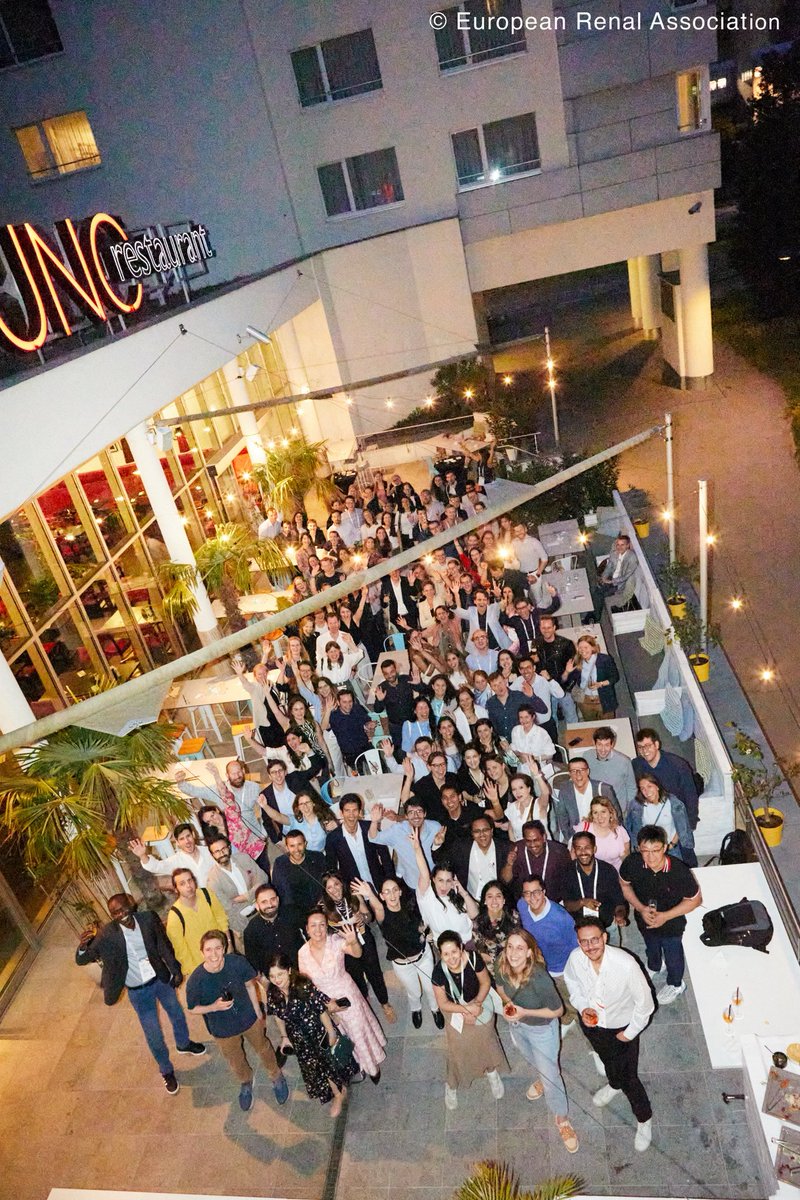
Being at #SIN2025 feels like being at home, meeting so many friends and colleagues I truly admire. The SIN is doing an outstanding job raising awareness on #CKD and empowering young nephrologists. Congratulations on an extremely successful congress! 👏@SinReni
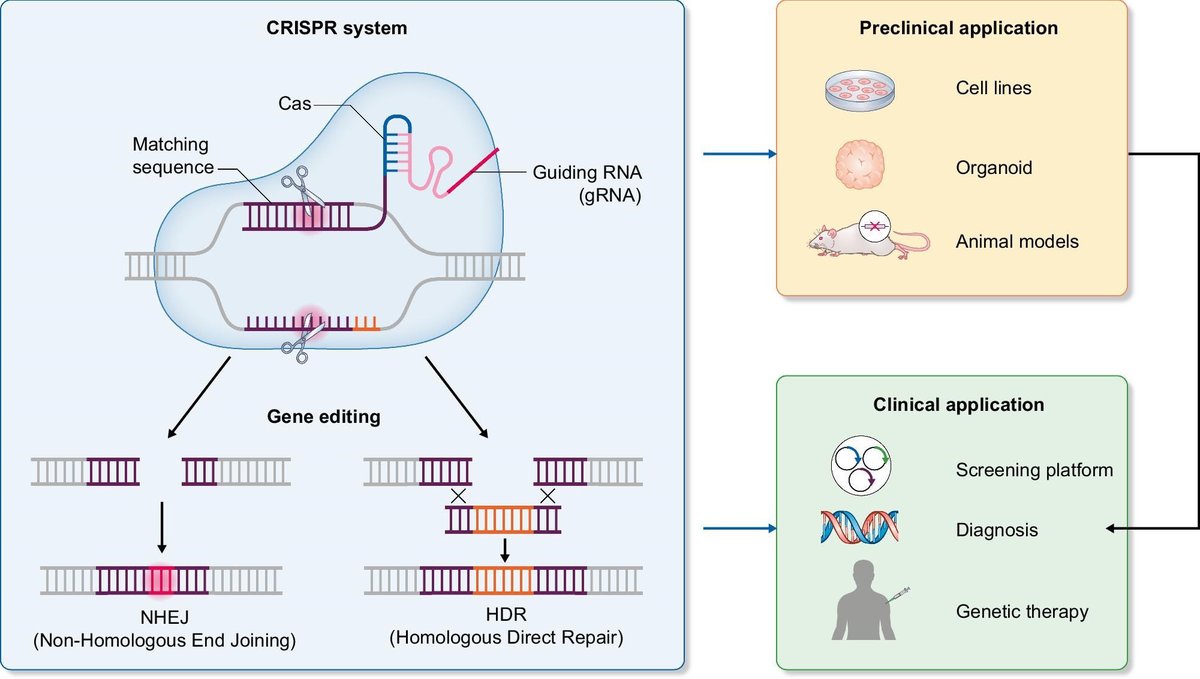
1/ 🧬 CRISPR and gene editing for kidney diseases: Where do we stand in 2025?
A review on how CRISPR and other gene editing tools are redefining what’s possible in nephrology — from fixing mutations to regenerating kidney tissue.
@Violadmb is the YNP author
🧵 by @jt_nephrology@CKJsocial@ERAkidney
Our study on cardiac complications in Autosomal Dominant Polycystic Kidney Disease (ADPKD) on @ERAkidney@CKJsocial reveals key insights:
🔍 PKD1 mutations independently increase the risk of left ventricular hypertrophy, beyond hypertension and other factors;
❤️ Aortic regurgitation is linked to greater disease severity;
🧬 Mitral valve prolapse is associated with truncating PKD1 mutations highlighting genotype-specific risks.
These findings have important implications for personalized cardiovascular monitoring and management in ADPKD patients. Genotype matters! 💡
Read the full open-access article here: https://t.co/y46JxwY2h2
Where does aldosterone actually do its work? In the aldosterone-sensitive distal nephron (ASDN): DCT2, CNT, and the collecting duct.
The control room for Na⁺ balance and K⁺ homeostasis. (Follow the thread 🧵)
#Nephpearls#Nephrology#Physiology
🧵1. Aldosterone isn’t just “salt & water.” In modern sodium-rich contexts it drives inflammation, fibrosis, and residual cardiorenal risk. We map physiology → disease → therapies, and argue for reprogramming the signal. Follow the thread ---> https://t.co/VLpwPTVvh8
Thank you for helping boost nephrology beyond imagination at the most incredible @ERAkidney Congress ever! With over 10.000 attendees and phenomenal sessions. 🇦🇹
Check our latest paper on the mouse strain-specific spaceflight-induced changes in kidney gene expression after flying🚀 to the ISS🛰️.
https://t.co/FhN65IUpFx
Simple steps can help protect your kidneys:
⚖️ Maintain a healthy body weight
🥗 Eat a nutritious diet
🏃🏽♀️ Be active
💧 Drink water
🚭 Don't smoke
❤️ Control your blood pressure
💊 Don't self-medicate
Thursday is #WorldKidneyDay: https://t.co/fWVDbH0nCk
via @pahowho
🌍Today is @worldkidneyday ! Have you checked your kidneys?
Understanding risk factors & monitoring your #KidneyHealth can help protect your life.
At your next doctor’s visit, ask to check your kidney values! Early detection saves lives!
#WorldKidneyDay2025#AreYourKidneysOK
🚨Booking Open🚨
UCL’s Applied Renal Physiology Course (14-16 May 2025) is now open for registration!
🔑 3 days of learning on electrolyte imbalances, hypertension, and fluid management.
🎓 2 Bursaries Available!
💸 Early Bird – Book by 28th Feb!
🔗 Book: https://t.co/RuJH1SJnDV
We are pleased to announce the publication of the KDIGO 2025 Clinical Practice Guideline for the Evaluation, Management, and Treatment of Autosomal Dominant Polycystic Kidney Disease (ADPKD). Read the news release: https://t.co/fYJJ7yupq5
This first-ever KDIGO guideline focused on a rare kidney disease provides practical tools for healthcare providers and patients to improve diagnosis, care, and treatment, addressing challenges in managing this inherited condition.
"This comprehensive guideline reflects the significant progress in ADPKD research over the last decade, from genetic insights to advanced therapies," said Guideline Co-Chair Vicente E. Torres, MD. "By addressing the complexities of diagnosis, treatment, and management, we hope this guideline will standardize care, enhance clinical practices, and help reduce the global burden of ADPKD. Our goal is that this resource will not only empower clinical decision-making but also inspire hope for patients and their families, demonstrating that meaningful progress is achievable for this challenging disease."
"The publication of this guideline represents a pivotal step forward in the care of ADPKD and people with rare genetic disorders worldwide," said Guideline Co-Chair Olivier Devuyst, MD. "It is the result of an extraordinary global collaboration among experts, researchers, and patient advocates, bringing together the best available evidence to guide care across diverse settings. This guideline is not just important for individuals with ADPKD. It also serves as a crucial template for the development of guidance for other rare genetic conditions. By providing a roadmap for consistent, evidence-based care, it addresses critical knowledge and practice gaps worldwide, offering a model for improving the lives of those with rare diseases globally."
Download the KDIGO ADPKD Guideline, Executive Summary, and Data Supplement on the guideline website: https://t.co/8owEw5VMSa
Read the guideline in @Kidney_Int: https://t.co/feuj6Pbj0D
#ADPKD