Thx for the shout out Albert. I’ve got a call scheduled with a respected nationally known political figure to discuss this. I’ll let you know how it goes.
Sad to think that @JohnFetterman is facing a primary challenge from a guy that was a US senator for 18 years and this was his high water mark!
https://t.co/nyz2lA59wt
There’s a difference between assisting, and stopping a crime. If one of the citizens got shot because the Ice officers were left with no other recourse that’s on Pittsburgh democrats.
Unbelievable! Pittsburgh cops stood by while ICE agents were viciously assaulted. They refused to intervene! Councilwoman Barb Warwick seems just fine with it. #getmarty#pittsburgh #@kdkaradio #ICE#LawEnforcement#Immigration
@StrolloSweets That’s a significant piece of their property. If he did that to mine, there’d be an excavator there tearing it down and throwing the debris into his driveway.
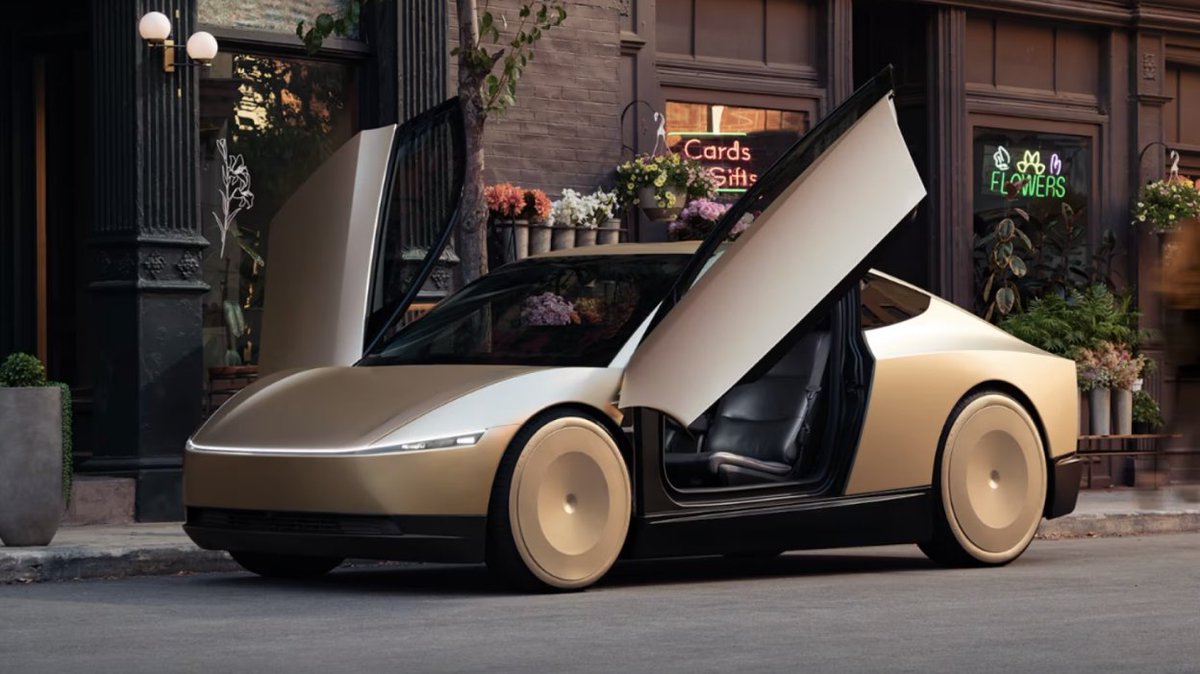
Elon is confirming that Tesla will sell the Cybercab to end customers.
That’s a big tell.
Tesla isn’t building just a company-owned Robotaxi fleet. It’s building a hybrid network: part Tesla-owned, part customer-owned.
A pure Tesla fleet would be capital heavy. Growth would depend on how many vehicles Tesla funds itself. But if customers can buy a Cybercab and plug it into the network, they fund the hardware while Tesla takes a cut of the miles. That’s asset-light scale layered on top of vertical integration.
It also accelerates density. More vehicles on the network means better coverage, faster ETAs, higher utilization, and stronger network effects.
And there’s a third angle people are missing: some buyers may purchase a Cybercab primarily for personal use— as a fully autonomous private vehicle— but choose to add it to the fleet occasionally when it’s idle. Others may never add it at all. Either way, it works for Tesla. It increases manufacturing scale, lowers unit costs, and expands the installed base of autonomy — while giving owners optionality to monetize the vehicle.
Selling the vehicle doesn’t mean giving up control. Tesla still owns the autonomy stack, dispatch layer, software updates, and payments system. Even customer-owned Cybercabs operate inside Tesla’s ecosystem.
If autonomy works, Tesla isn’t just selling cars. It’s building a mobility platform— funded partly by itself, partly by customers, and scalable far faster than a fleet-only model.