Soon... full moon!
The next full moon will light the night skies on Sunday, May 31. If you've ever wanted to take a great picture of the Moon, check out our Lunar Photography Guide for tips and tricks: https://t.co/wp8uMt6pVP
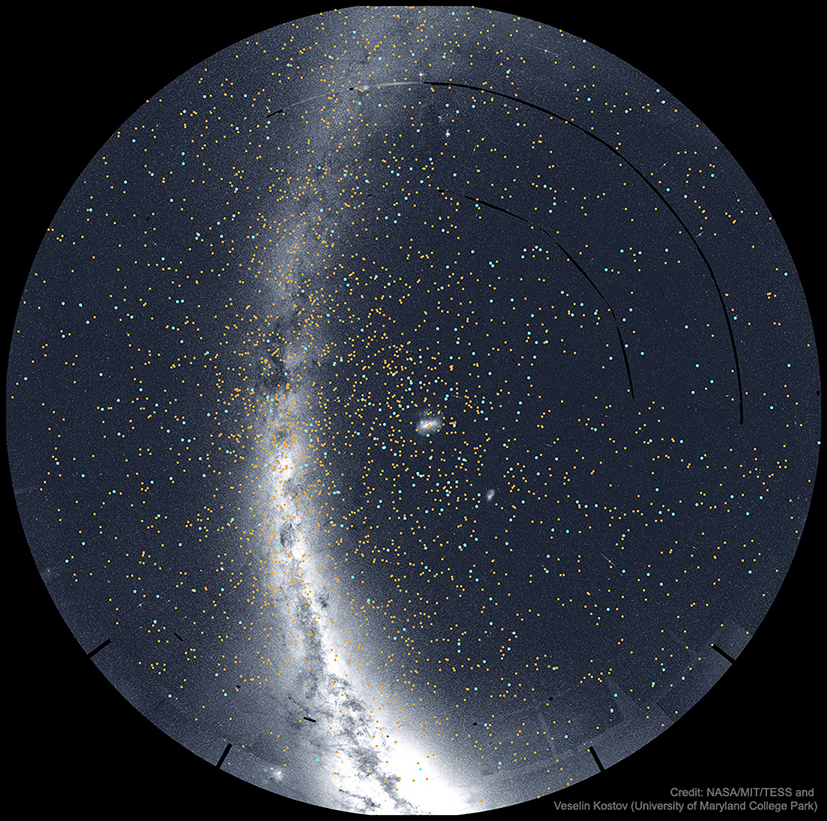
Our TESS telescope has released its most complete view of the starry sky yet! All those dots? They're confirmed and candidate planets! Since launching in April 2018, TESS has been scanning wide swaths of the sky to build up this mosaic. https://t.co/JieX9DLkaU
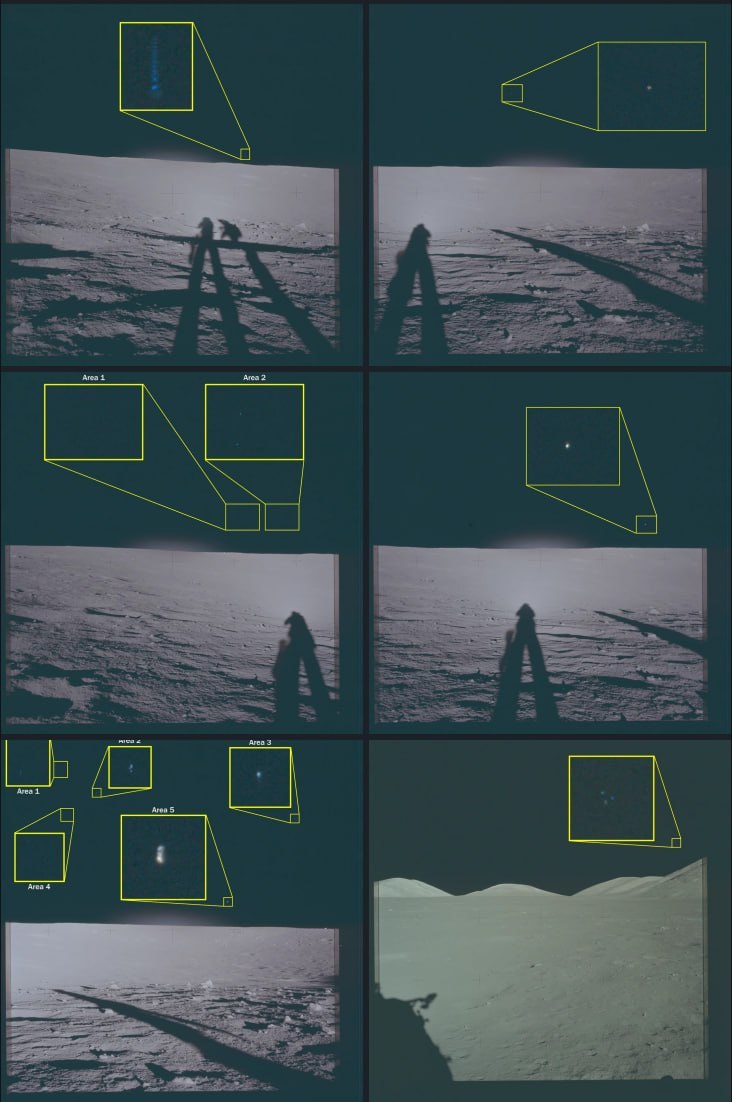
The Pentagon has released materials on UFO encounters.
162 files have been released to the public, including images and videos of "UFOs," testimony from experts and astronauts, and unknown atmospheric phenomena that have also been attributed to UFOs.
For example, the video shows an unknown star-shaped object rapidly moving across the sky in a zigzag pattern—the Pentagon military was unable to identify it.
View the full archive on the official website.
Only one chance in this lifetime…
Like watching sunset at the beach from the most foreign seat in the cosmos, I couldn’t resist a cell phone video of Earthset. You can hear the shutter on the Nikon as @Astro_Christina is hammering away on 3-shot brackets and capturing those exceptional Earthset photos through the 400mm lens. @AstroVicGlover was in window 3 watching with @Astro_Jeremy next to him.
I could barely see the Moon through the docking hatch window but the iPhone was the perfect size to catch the view…this is uncropped, uncut with 8x zoom which is quite comparable to the view of the human eye. Enjoy.
5 years ago today: NASA's Ingenuity Mars Helicopter made the first powered flight on another planet.
🚁
Over the course of 72 flights and 3 years, it soared higher, faster, and farther than ever envisioned.
https://t.co/tz9qrhAAvj
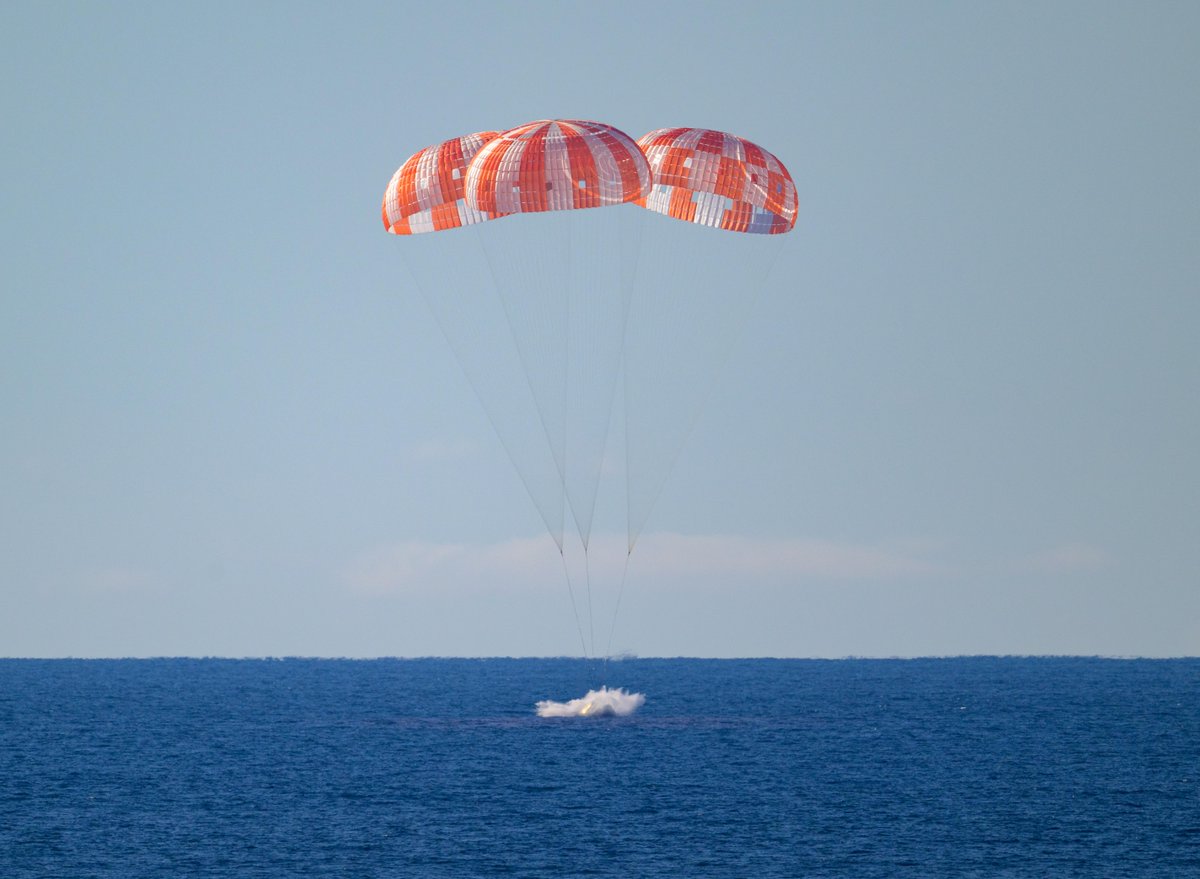
Orion's main parachute has deployed. The spacecraft has a system of 11 chutes that will slow it down from around 300 mph to 20 mph for splashdown.
Get more updates on the Artemis II blog: https://t.co/7gicm7DWBt
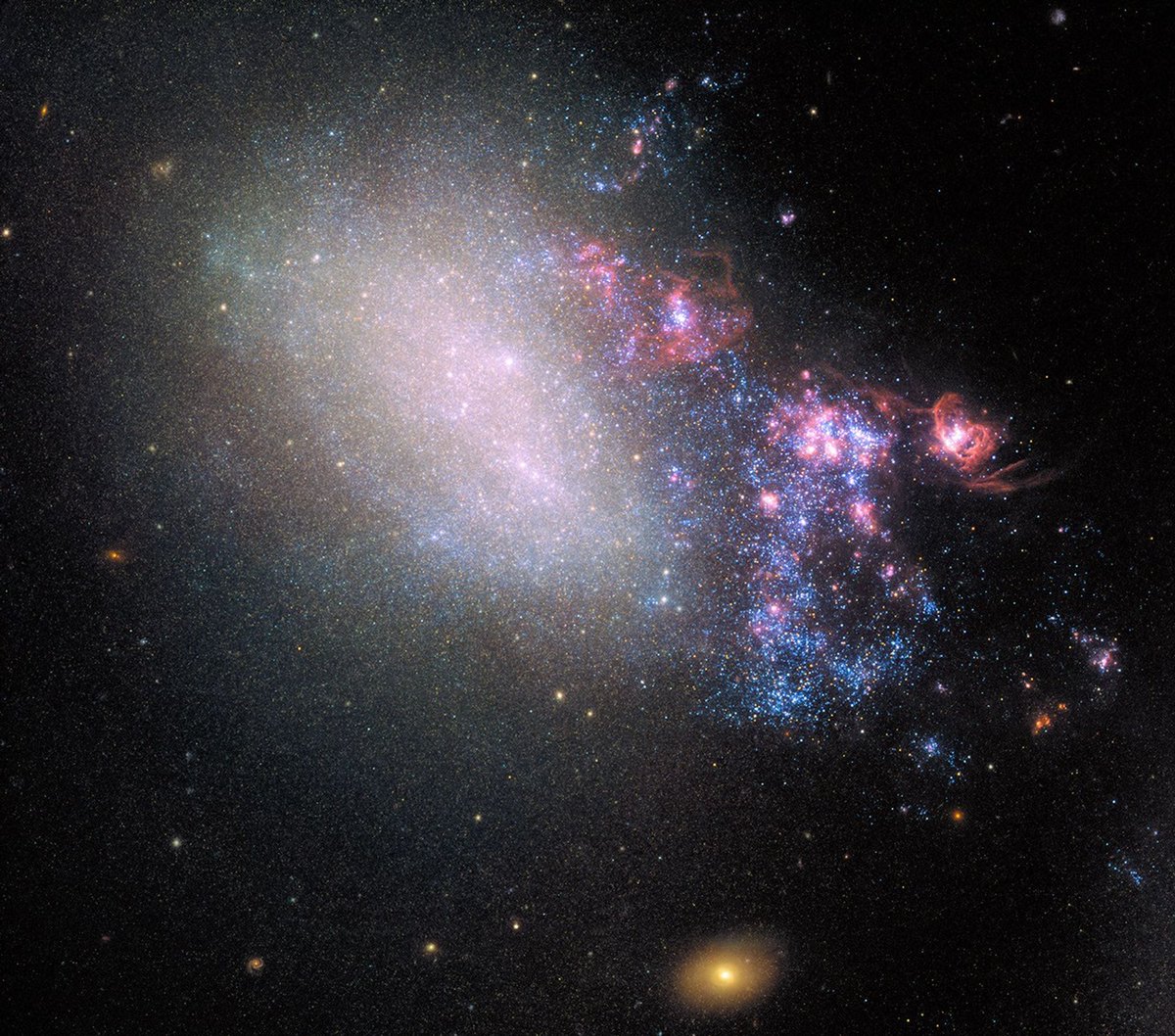
A galactic hit-and-run!
The galaxy NGC 4485 shows signs of an interaction with a bypassing galaxy, but it didn't cause destruction. In fact, it triggered a whole new generation of stars to form!
Find out more: https://t.co/bhutJ5uVfw
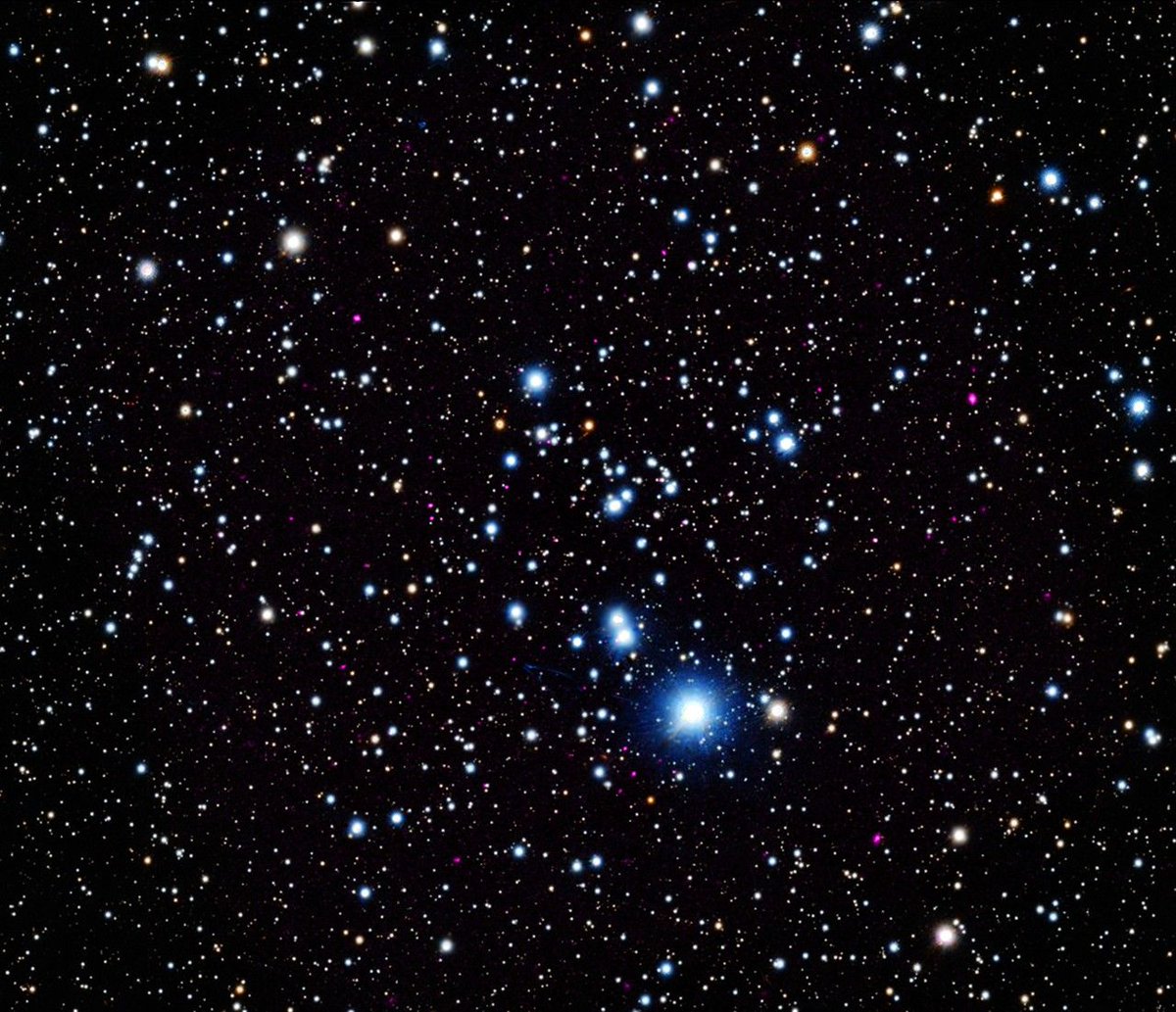
Scientists have found that young stellar cousins of our Sun are calming down and dimming more quickly in their X-ray output than previously thought, according to a new study using @chandraxray.
READ MORE >> https://t.co/UVRS2pL7ig
One week in the solar system 🪐
Even as @NASAArtemis II was making its historic trip to the Moon, several other @NASA missions were exploring all across the solar system. Here are just a few of the images some of them captured during one week https://t.co/WlhFD7ugjh
New photos from the Moon!
We're continuing to unveil new images from the Artemis II mission—including these two photos from April 6, showing a crescent Earthrise and a closeup of the lunar farside. Keep up with the latest: https://t.co/rzM1P0QbOl
Jesse, Steve, Laddy, and Vlad….such an incredible feeling to welcome you aboard Integrity after a nearly 700,000 mile journey. Forever thankful for your service to our crew and the nation.
And everything under the Sun is in tune 🎶
This image from the eclipse during the Artemis II lunar flyby captures a halo of light around the Moon. Scientists are still investigating if the glow comes from interstellar dust or the solar corona.
HOME.
The Artemis II crew has arrived back on Earth, ending a nearly 10-day journey around the Moon. The trip took them farther into space than humans have ever gone before, and now they're safely home with us.
https://t.co/XmDQwNlCPR