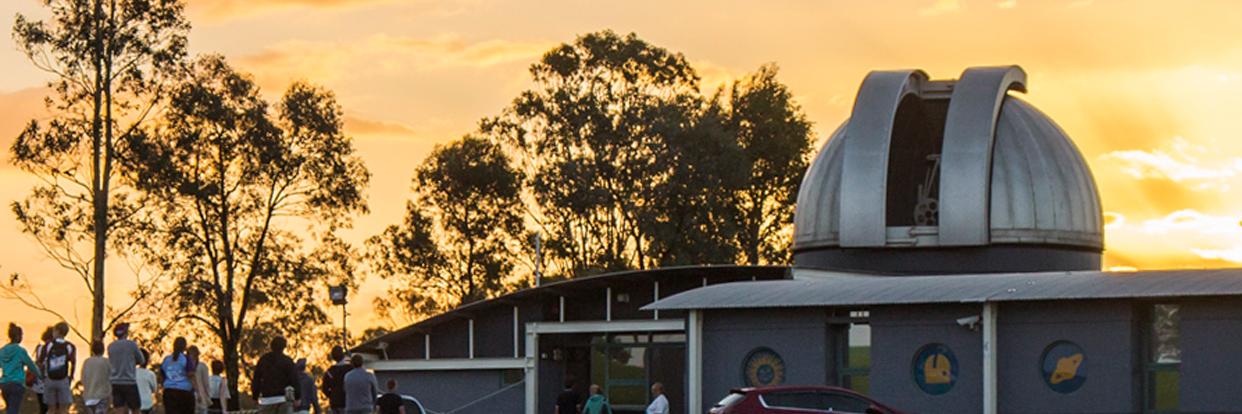
Western Sydney University Penrith Observatory run public events. A visit includes a 3D astronomy movie, lectures and viewing the night sky through telescopes.
Originally labelled ‘WTF?’, newly discovered ghostly circles have astronomers are excited.
The strange blobs, now been dubbed ORCs (Odd Radio Circles) can’t be explained by current theories.
A piece by Professor Ray Norris for The Conversation.
https://t.co/7MlJsA6qBl
Congratulations to PhD student, Miranda Yew and the team.
"New optically identified supernova remnants in the Large Magellanic Cloud"
https://t.co/oV0wHu1t78
Did you know, thousands of visitors from outer space land on Earth every year? We’re talking meteorites of course! Learn all about meteorites & tour the night sky @WesternSydObs with AM’s Ross Pogson this Sat 16 Nov. Book tickets here https://t.co/1BXtY2iaEm
A Moon Story: a tale of Astronomy, a Square-Dancer, and the Oregonian for the 50th Anniversary of the Moon Landing.
Monday July 21, 1969 The Oregonian published a special moon landing issue... #Apollo50th#Apollo11@Oregonian@OPB#moon#space 1/xx
After 9 years in space collecting data that revealed our night sky to be filled with billions of hidden worlds, @NASA is retiring the @NASAKepler space telescope. Hear from mission experts now at https://t.co/APevDG8HIN. Have ?s Use #askNASA. Details: https://t.co/1ceSOWhQsn
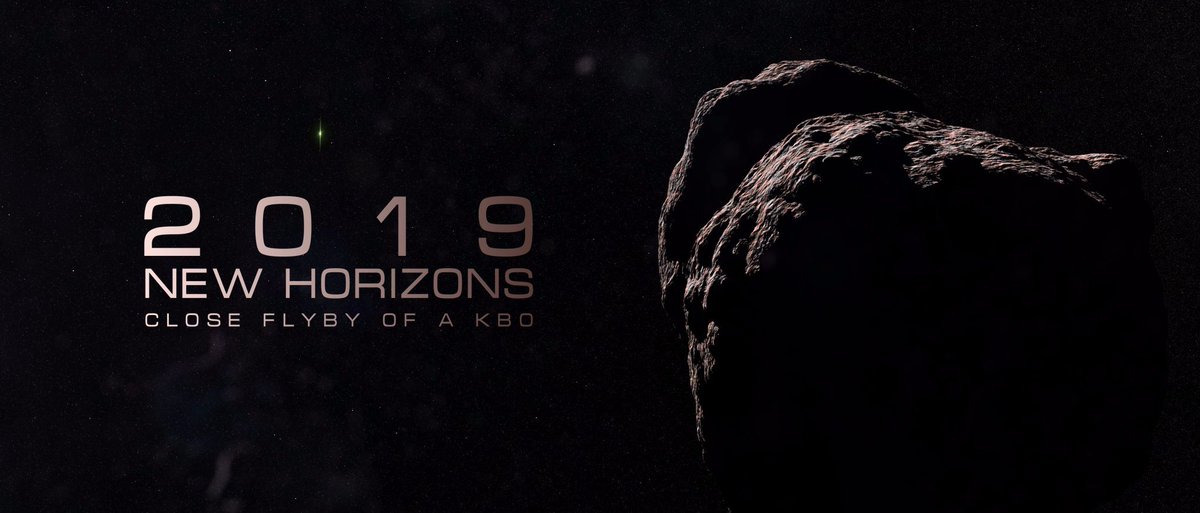
The LONG hibernation for New Horizons is ending! Yes, tonight we'll take our bird out of its almost 6-month long hibernation and into active ops to begin flyby preps for Ultima Thule at New Years day 2019! GO NEW HORIZONS! #PlutoFlyby
Tickets now on sale! https://t.co/ihTiKFElNM
Space at the Local - an evening with spaceflight historian and science communicator extraordinaire Amy Shira Teitel @astVintageSpace , Tue 17 July at @WesternSydObs https://t.co/ZAZbTaJdmL
Right on schedule, solar arrays have been deployed on @NASA_TESS, which will give the spacecraft the power it needs to search for worlds beyond our solar system. Watch: https://t.co/AabMjJGEZt #TESS
On its mission to explore other planets in the universe, @NASA_TESS will take a unique orbit 🛰️. Check out this video from @NASAGoddard explaining #TESS's orbit. Learn more: https://t.co/VOvyTeufln