Optical Design Pathways to Fluidic Space-Assembled Reflectors and Dual-Configuration Spectrographs for Characterizing Exo-Earths
--> https://t.co/gD4ku307Xw
Optical Design Pathways to Fluidic Space-Assembled Reflectors & Dual-Configuration Spectrographs for Characterizing Exo-Earths
--> https://t.co/WYQpNUh7w9 | Submitted for publication as part of the proceedings for the HWO25 symposium
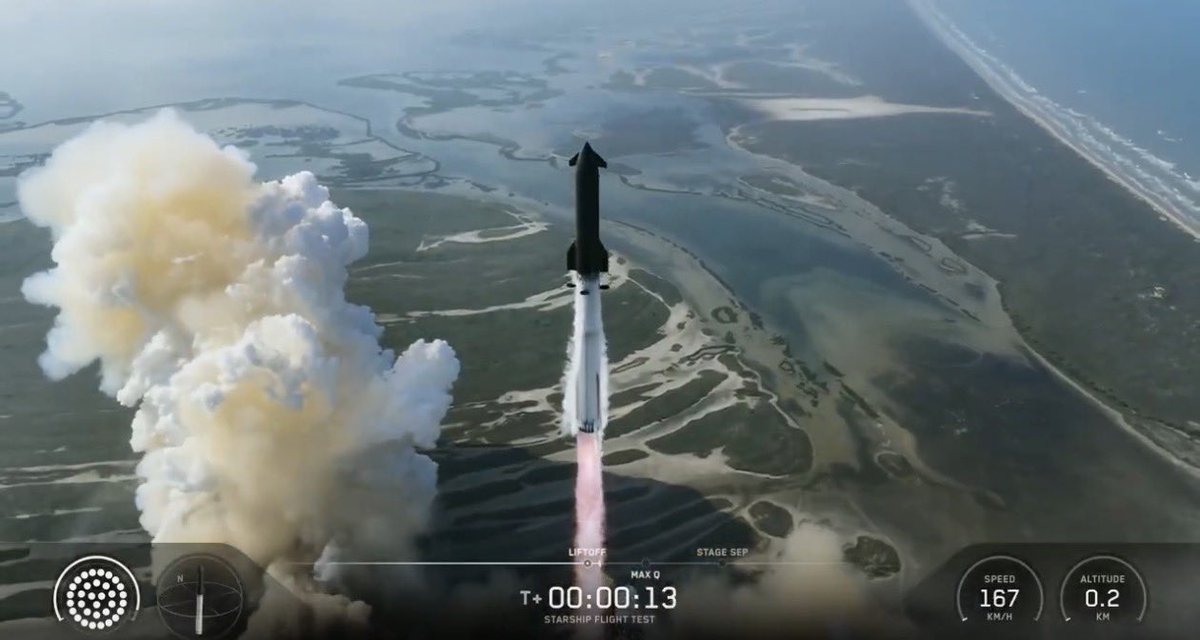
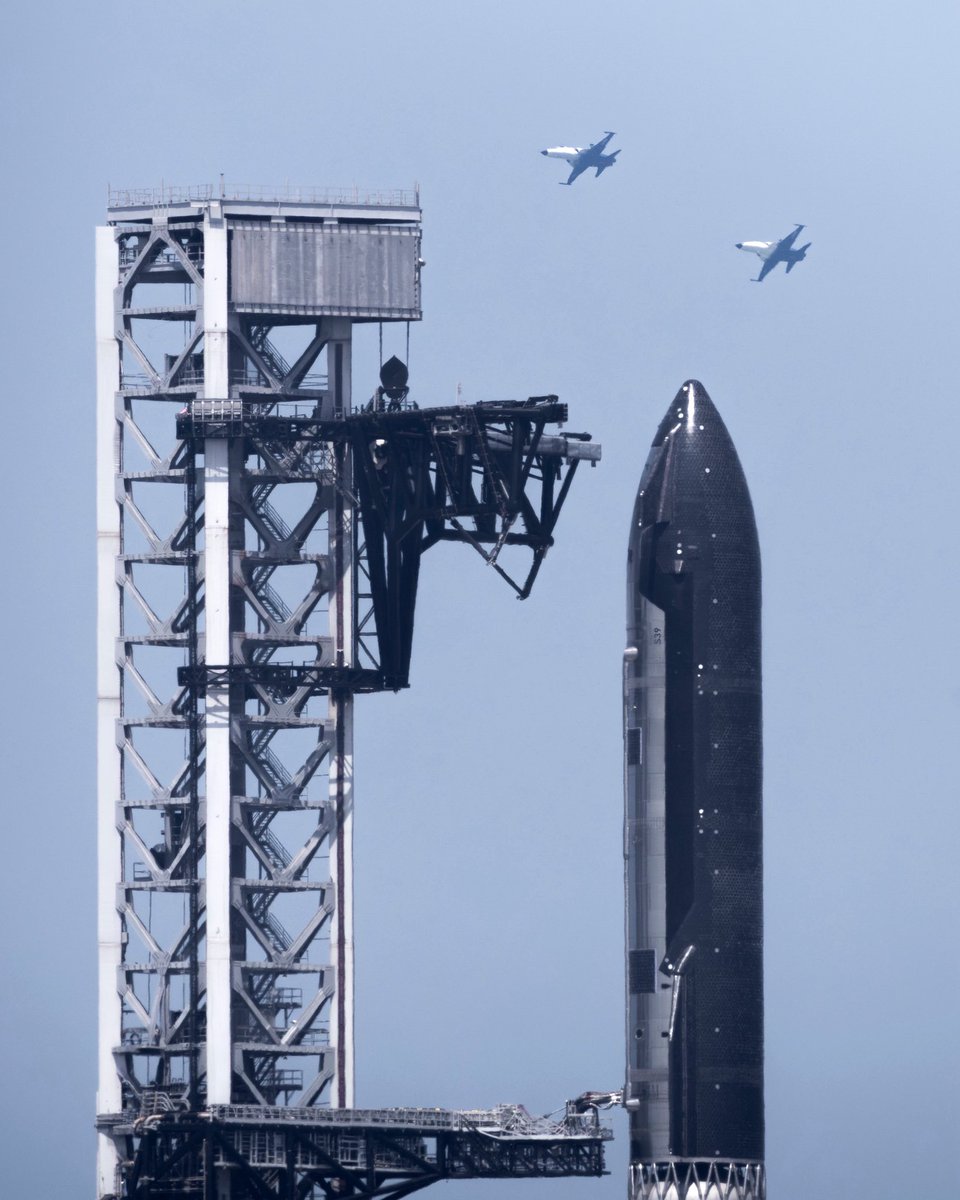
Starship soared on the second flight of the next generation, deploying advanced Starlink satellites for the first time and providing priceless data as it travelled through air, space, and sea → https://t.co/Rp7VwBzpWx
Amazing to see how well this spaceship survived.
First-ever soft splashdown that left Starship intact & floating, allowing close-up inspection of the heat shield tiles after the wicked heat of reentry.
Onwards to catch it next time - congrats to the whole team @SpaceX !
ORBIT ACHIEVED. 🚀
Vikram-1 Test Flight-1 has reached orbit. India's first privately developed orbital rocket has completed its final burn and injected its payloads into a ~450 km orbit, making India the third country in the world with private orbital launch capability.
History is made. 🇮🇳
#Vikram1 #JourneyToOrbit #SkyrootAerospace
Successful new way to catch a reusable rocket.
Despite the black smoke pouring out the top, a cross-grid of wires on a barge snagged China's Long March 10B for the first time. Saves having to lift the weight of landing gear.
Artemis III will push the boundaries of spacecraft operations in orbit. @ESA astronaut Luca Parmitano’s assignment as pilot reflects the depth of European expertise in human spaceflight and draws on his extensive operational experience in high-pressure situations. At the same time, ESA’s European Service Module (ESM) will once again provide the critical capabilities that power Orion, demonstrating Europe’s enduring role at the very heart of the Artemis programme.
The news out of Houston today is a powerful recognition of ESA’s role in enabling humankind’s return to the Moon – and a key advancement in our partnership with @NASA. Europeans can take pride in being part of this exciting journey. #ArtemisIII @astro_luca
Technological progress — valuable in itself — requires careful discernment of the anthropological vision that guides it and the ends it pursues. If technological development advances without a corresponding ethical and social progress, the result may be an increase in means without a growth in humanity: “having more” without “being more.” There is a risk that individuals will be evaluated principally according to the outcomes they produce. #MagnificaHumanitas
https://t.co/6i9MWs7jyT
LIVE: With @NASAGoddard’s largest clean room as a backdrop, experts provide an update about the recently-completed @NASARoman Space Telescope. https://t.co/ioNqGDLyg8
LIVE: Safely back on Earth after a trip around the Moon, our @NASAArtemis II astronauts are returning to @NASA_Johnson in Houston. Watch us welcome them back home. https://t.co/vAtr8RIxg4
Our crew on the @Space_Station caught a glimpse of the @NASAArtemis II crew as they re-entered the atmosphere from their journey to the Moon! We first saw a bright light and a trail as the service module burned up. We didn’t see the Orion capsule itself as it re-entered, but we saw the wispy trail it left behind in the upper atmosphere. Overjoyed that our friends are safely back on Earth after their awe-inspiring mission!
The eclipse from Orion.
On April 6, external cameras attached to the Orion spacecraft's solar array wings captured the Moon backlit by the Sun during a solar eclipse.
Intel is joining Terafab!
SpaceX, @xAI, and @Tesla are launching the most epic chip-building effort ever - combining logic, memory, and advanced packaging under one roof → https://t.co/512DIlqNgY
Today’s Artemis II: Integrity on its way to the Moon. Crossing the field of view from the bottom left to the top right. Time-lapse covering the period from 03:34:53 to 06:12:07 UTC on 2026-04-06.
Liftoff.
The Artemis II mission launched from @NASAKennedy at 6:35pm ET (2235 UTC), propelling four astronauts on a journey around the Moon.
Artemis II will pave the way for future Moon landings, as well as the next giant leap — astronauts on Mars.
Here's my conversation with Jensen Huang, CEO of NVIDIA, the most valuable & one of the most influential companies in the history of human civilization. It is the engine powering the AI revolution.
This was a fascinating & inspiring conversation, in parts super-technical on engineering of every part of the AI stack, memory, power, supply chain (TSMC, ASML, etc), in parts about leadership & psychology, and in parts personal & philosophical about life, consciousness, mortality, and human nature.
It's here on X in full and is up everywhere else (see comment).
Timestamps:
0:00 - Introduction
0:33 - Extreme co-design and rack-scale engineering
3:18 - How Jensen runs NVIDIA
22:40 - AI scaling laws
37:40 - Biggest blockers to AI scaling laws
39:23 - Supply chain
41:18 - Memory
47:24 - Power
52:43 - Elon and Colossus
56:11 - Jensen's approach to engineering and leadership
1:01:37 - China
1:09:50 - TSMC and Taiwan
1:15:04 - NVIDIA's moat
1:20:41 - AI data centers in space
1:24:30 - Will NVIDIA be worth $10 trillion?
1:34:39 - Leadership under pressure
1:48:25 - Video games
1:55:16 - AGI timeline
1:57:29 - Future of programming
2:11:01 - Consciousness
2:17:22 - Mortality
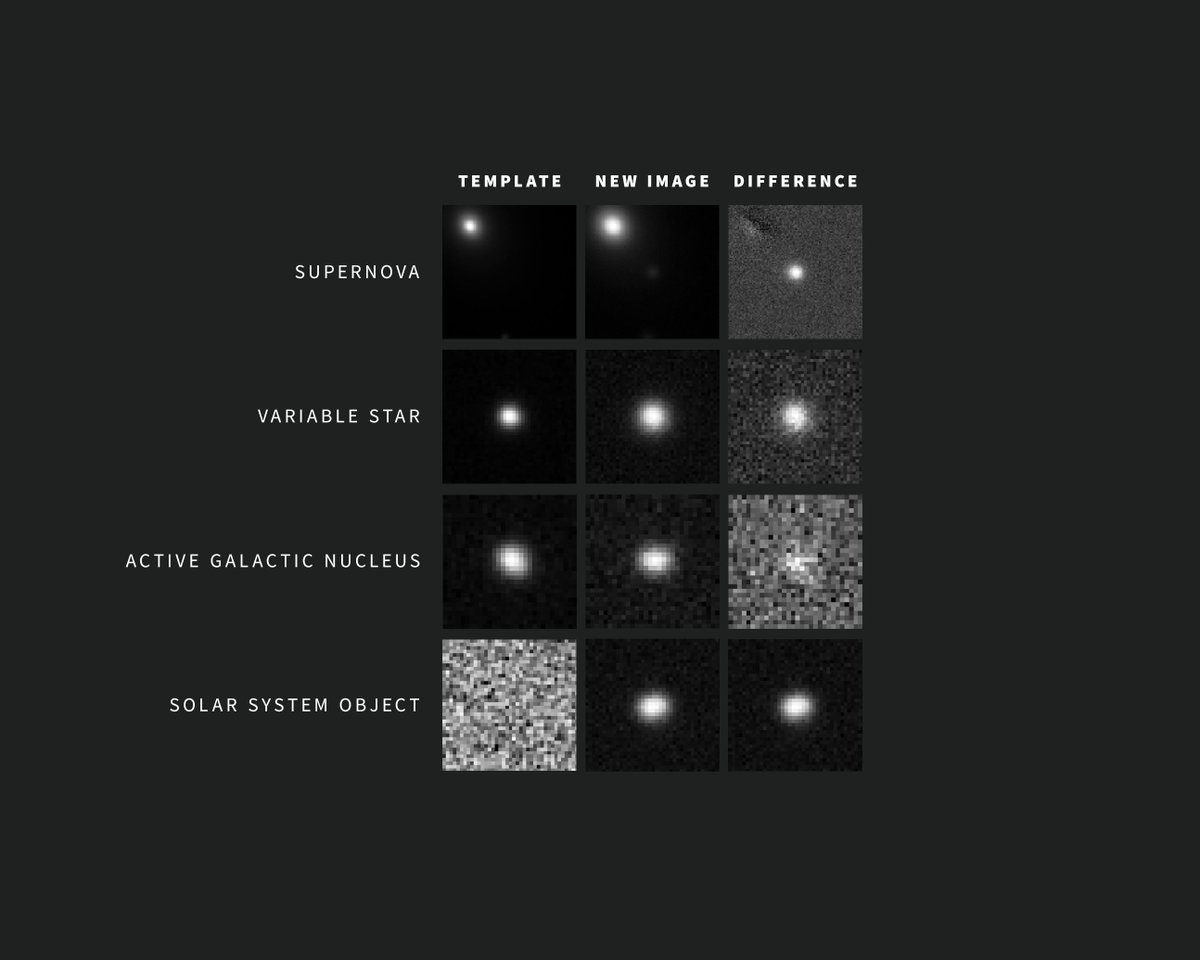
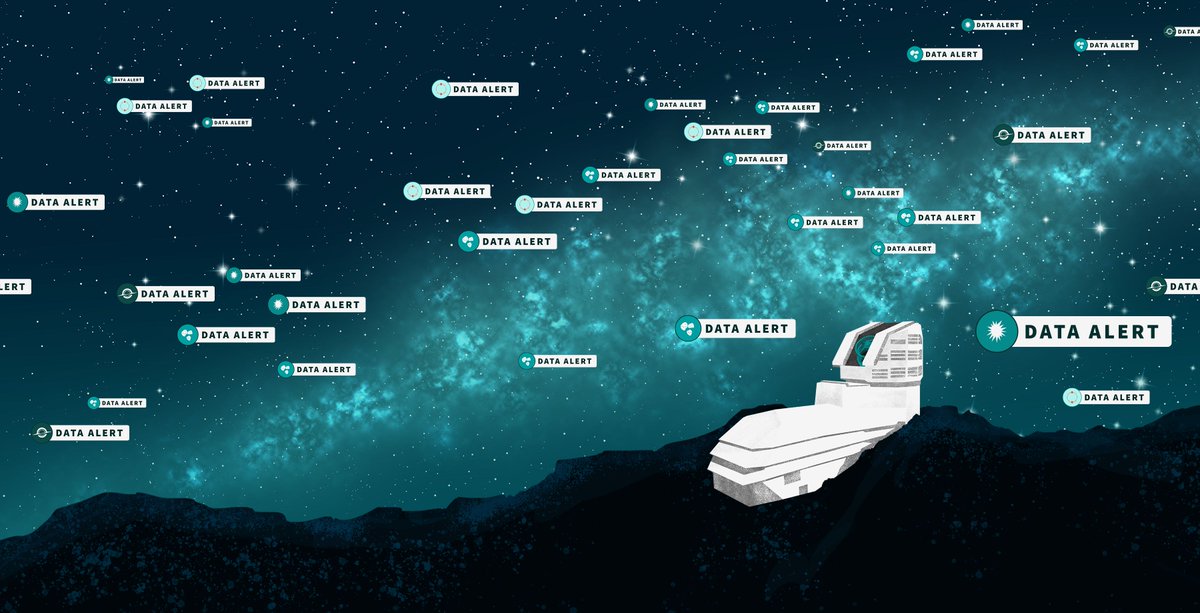
The largest spot-the-difference effort EVER has begun!🚨
On the night of Feb 24, NSF–DOE Rubin Observatory officially released its first ~800,000 public alerts of detected changes in the night sky!🔍
A new era of discovery is here✨
🔗: https://t.co/zx2yFaoGjA