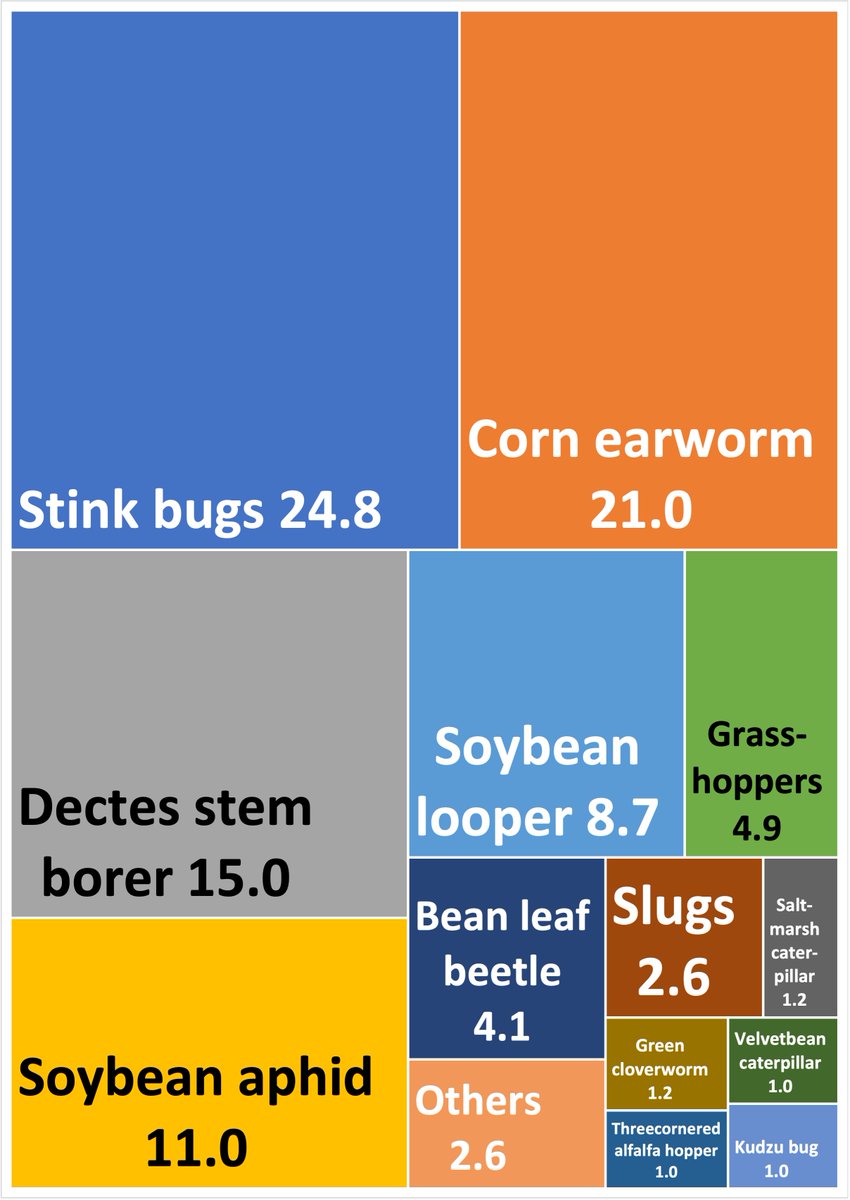
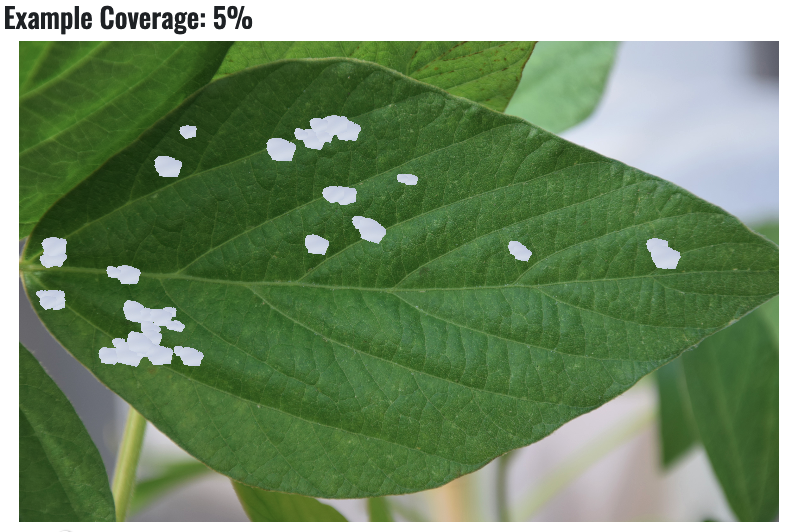
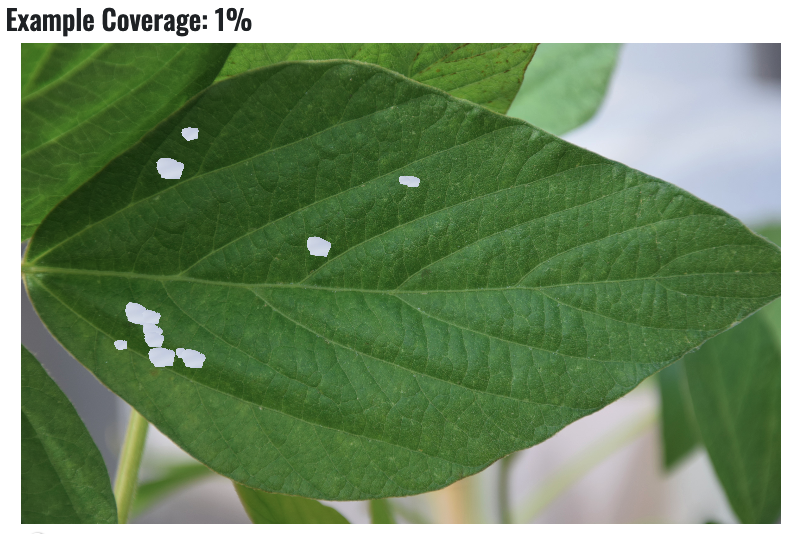
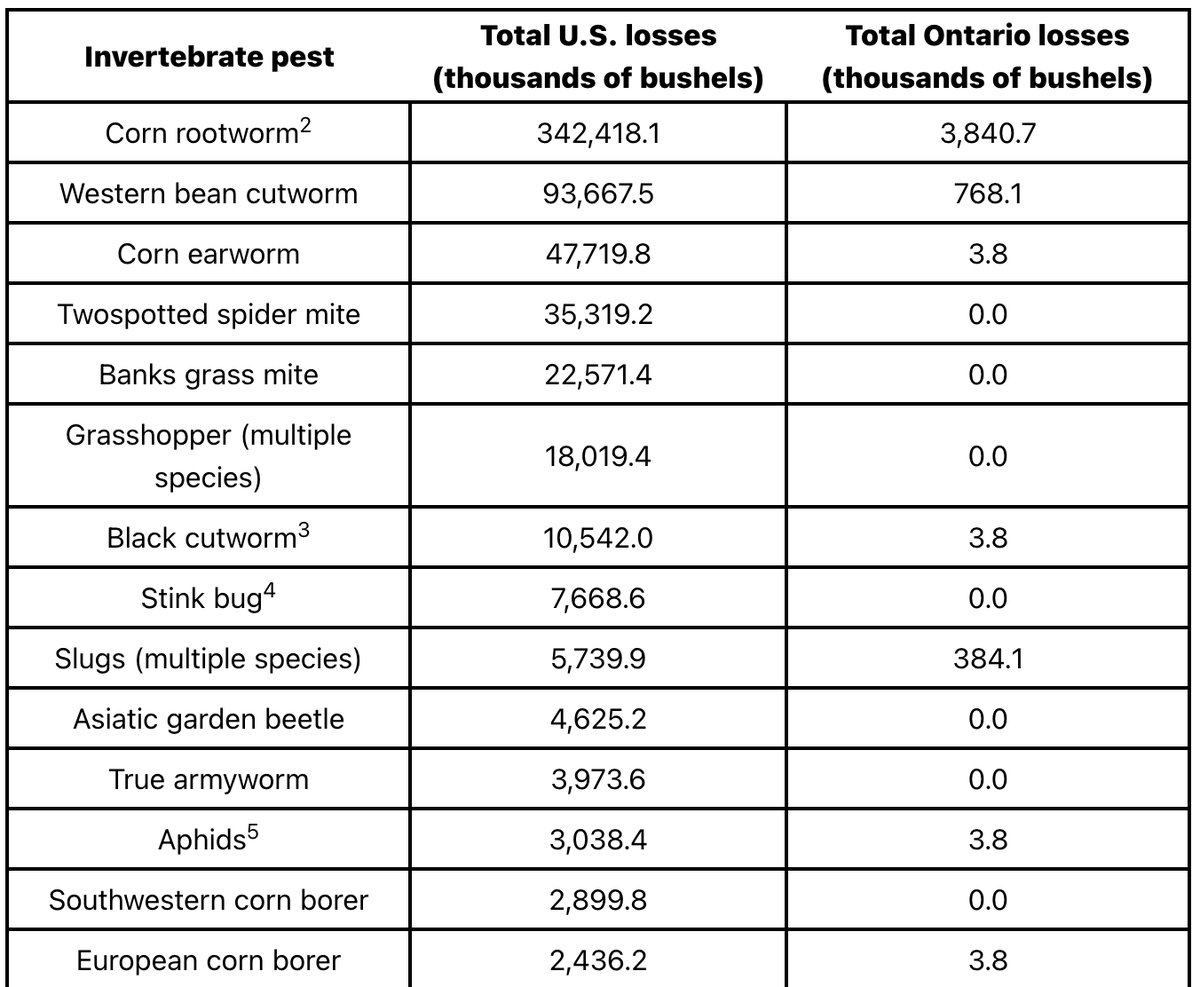
“In 2025, invertebrate pests reduced soybean bushels by 1.5 percent across the 20 states reporting data. ...overall management costs (at plant and in-season) were estimated at $894.5 million USD, which includes non-targeted insecticide applications. Stink bugs...reduced yield more than any other invertebrate pest in 2025, followed by corn earworm, Dectes stem borer, soybean aphid, soybean looper, grasshoppers, bean leaf beetle, and slugs.”
From the publication "Soybean Invertebrate Loss Estimates from the United States — 2025" https://t.co/96vwwrjxH1 by @SebeABrown@TBryant_VT@WhitneyDCrow@OhBuggers@DominicDReisig@thrashnbugs@nick_seiter@ISU_IPM@SDSUExt_Insects@bugdocisin +more
@EntsocAmerica@MSUEntomology@tamuentomology@ArkansasEPP #soybean #insects #USSoy
Mississippi Corn Update from Dr. Erick Larson 🌽
✅ 80–90% of that crop is already planted
✅ Conditions have been excellent for planting
❄️ Freeze Setbacks
⚠️ Don’t Get Ahead of the Crop
#MCPB#MSCorn#Plant2026#CornGrowers#MSAgCropUpdate
One of my old Ph.D. advisers, Jeff Gore, received the Excellence in Cotton IPM Award at the 2026 Beltwide Cotton Conferences. Several of his past graduate students were in attendance. Jeff has been an integral figure in our success and cotton IPM as a whole.